

Practical 3-Day Itinerary for Shanghai: 72 Hours Planned
A no-nonsense 3-day Shanghai guide with transit tips, timed routes, costs, and where to spend an evening—designed for realistic weekend planning.
A tight, practical 72-hour plan for first-time visitors that balances central sights, a neighbourhood day, and a relaxed final morning with transit and cost details.
First impressions are of scale: long boulevards, dense mid-rise blocks, and fast-moving rail connections. Streets alternate between older lane housing and glass towers; noise from traffic and construction is common in many central districts. Crowds concentrate at People’s Square, The Bund, and Nanjing Road, while the French Concession feels quieter by comparison. The layout rewards using the metro system and planning arrival times for museums and towers rather than assuming everything will be walkable.
Is 3 days in Shanghai enough?
Three days is enough to see the central highlights: The Bund, Yu Garden, Shanghai Museum, and a full neighbourhood day in the French Concession or Pudong skyline views. Expect to skip slower museum deep-dives and some off-hour dining spots unless time is extended.
Who This Guide Is For
Best for first-time visitors who want a compact mix of classic sights and neighbourhood life; poor fit for travellers who want to move slowly, visit multiple outlying districts, or focus on in-depth museum study.
Local Tips for Shanghai
Practical details that most travel sites skip — specific to Shanghai.
- Buy a Shanghai Public Transport Card (交通卡, Jiaotong Ka) at any metro station counter or convenience store — it works on metro, buses and taxis and removes need to queue for single-ride tickets.
- The Maglev from Pudong Airport to Longyang Road is about ¥50 second class one-way; take it only if time, not cost, is the priority because it adds a transfer to metro lines.
- Shanghai Museum at People’s Square offers free admission but requires online reservation (ID/Passport) for a timed slot; arrive early or book days ahead for weekends.
- Yuyuan Garden (豫园) gate typically closes around 17:30; the surrounding bazaar stays open later but temple access ends early in the evening.
- Many cafes and restaurants in the French Concession accept mobile payment only (WeChat or Alipay); carry a payment card backup or ensure Alipay has international card linkage.
How This Guide Was Prepared
This guide treats Shanghai as a large, working metropolis rather than a theme-park of highlights; travel time between districts and crowd realities shape each day. Many guides cram every landmark into one day; this plan gives timed, realistic routes and honest trade-offs so a weekend visitor can leave without constant rushing. This guide was prepared through a structured research that combines destination research, geographic context, itinerary planning logic, and content review.
Plan Your Stay in Shanghai
Use these planning pages to compare areas to stay, expected costs, seasonal timing, and local transport before booking.
Why Visit
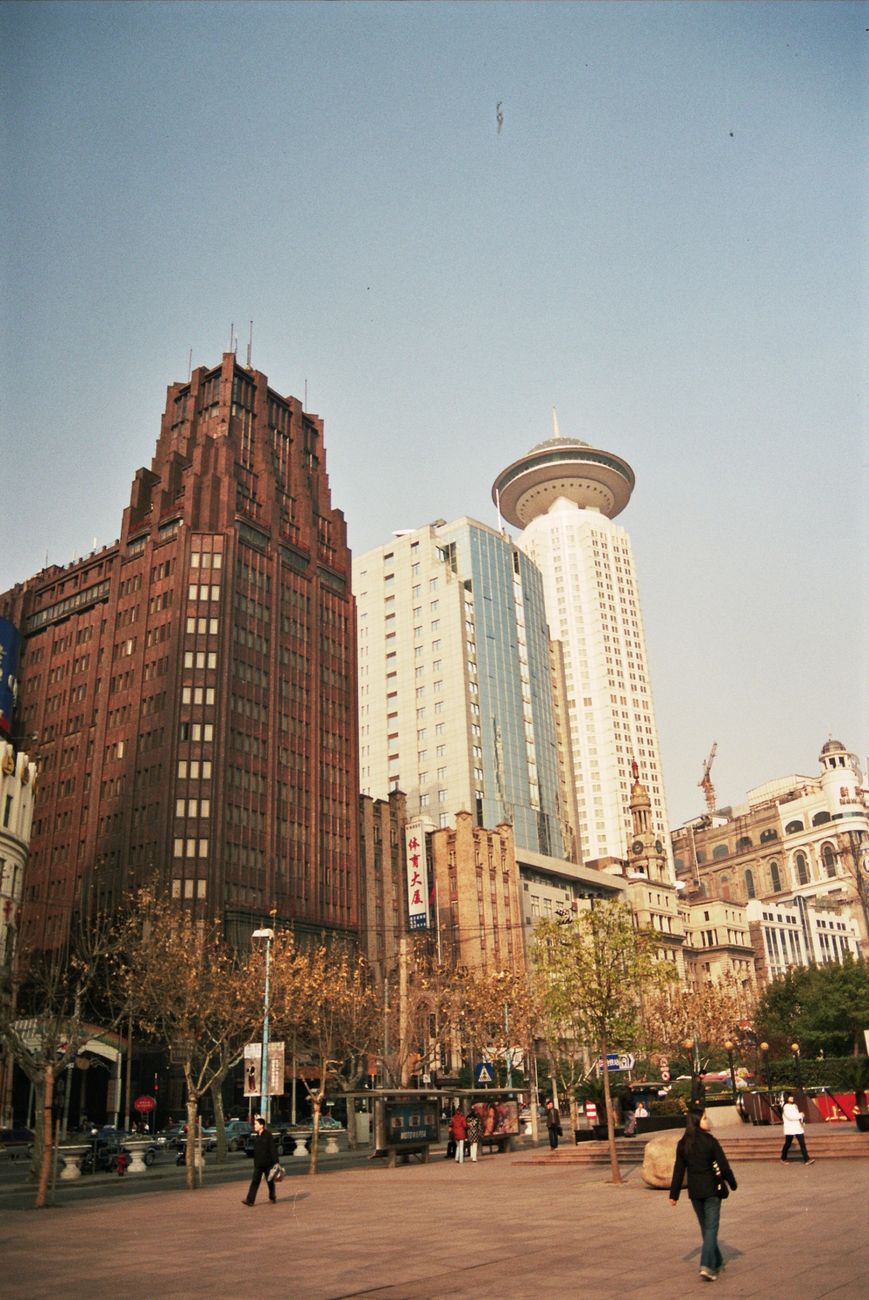
The skyline contrast is specific: low-rise shikumen lanes meet skyscrapers in Lujiazui, a visual shorthand found in few other Chinese cities. The Shanghai Museum at People’s Square offers a concentrated, free collection of Chinese bronzes, ceramics and calligraphy that suits a weekend visit. Street-level food variety ranges from breakfast xiaolongbao stalls near Huanghe Road to late-night noodle shops in Jing’an, so short stays still sample culinary breadth. Historical urban layers are accessible: walk Yuyuan Bazaar for Ming-Qing-era courtyards then cross to Nanjing Road for modern retail and transit.
Quick Planning Tips
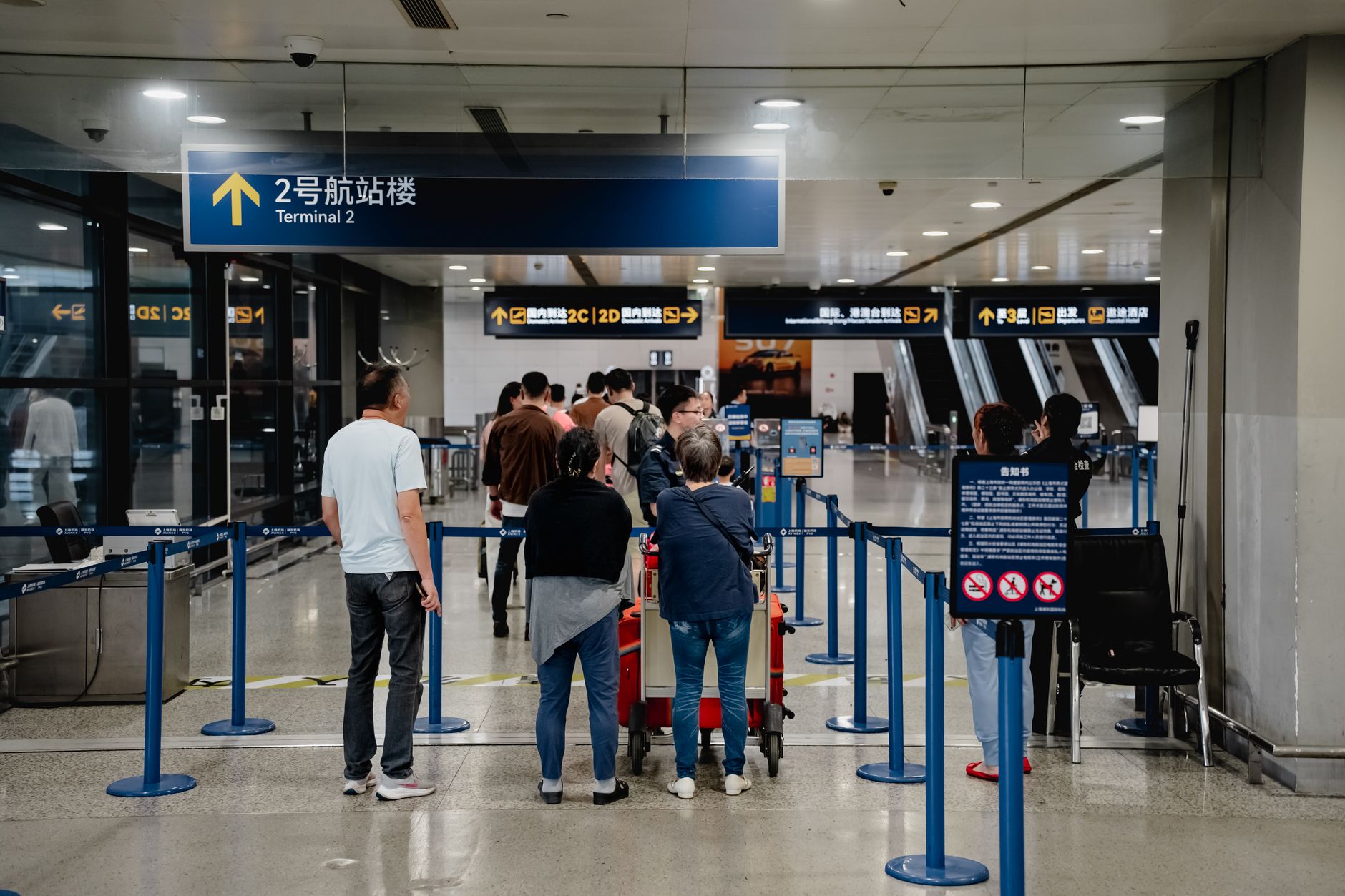
Most visitors arrive via Pudong (PVG) or Hongqiao (SHA). From Pudong, maglev to Longyang Road costs about ¥50 and connects to Metro Line 2; taxis to central Puxi run about ¥200–¥300 depending on traffic. Carry a Shanghai Public Transport Card for convenience and top it up at metro stations; mobile QR payments work widely but set up WeChat Pay or Alipay with an international card before arrival if possible. Avoid the mistake of planning museum visits without online reservations; major sites enforce timed tickets that often sell out on weekends and public holidays.
Day 1
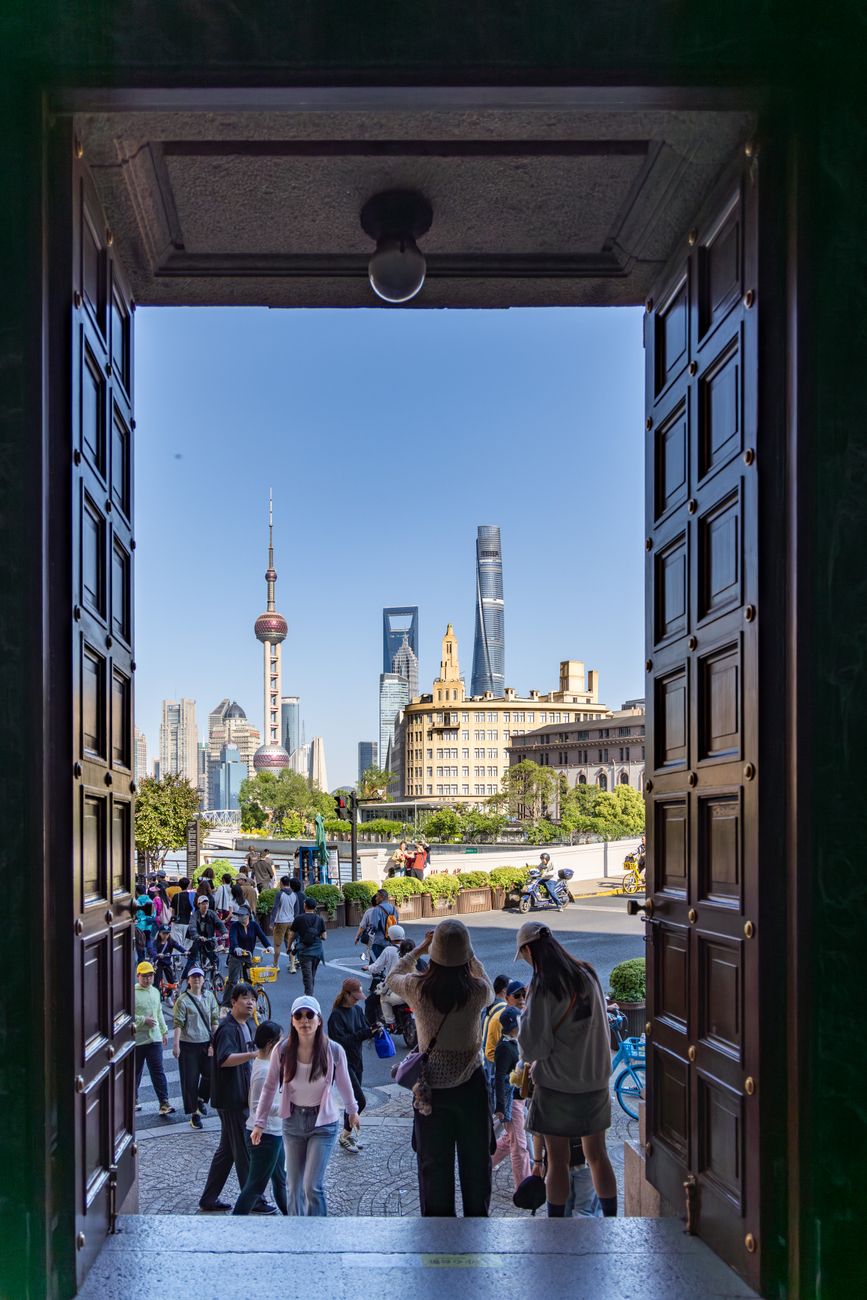
Morning: Start at People’s Square (Metro Line 1/2/8) and visit the Shanghai Museum (free with reservation). Allocate 1.5–2 hours for the core galleries; museum exits face Nanjing Road which is useful for the next stop. Midday: Walk 10–15 minutes to Nanjing Road East for window shopping and a quick lunch at Lao Shanghai Restaurant or local xiaolongbao at Nanxiang for about ¥30–¥80. Early afternoon: Head to Yuyuan Garden (Metro Line 10 to Yuyuan Garden or walk 15–20 minutes from People’s Square) — explore the garden and bazaar; expect 30–60 minutes inside and ¥40 entry. Late afternoon: Cross to The Bund (10–15 minute walk from Yuyuan area via East Nanjing Road pedestrian street) for skyline views and evening light; arrive by 17:30 to see daylight fade. Dinner: Reserve a table at a Bund-facing restaurant or have Sichuan food in Huangpu for ¥80–¥200 per person. Evening: Walk the Bund promenade toward Waibaidu Bridge or take a Huangpu River night cruise (tickets ~¥120–¥200) to see the illuminated skyline.
Day 2
Morning: Spend the morning in the French Concession and Xuhui area. Start at Fuxing Park and walk south along Wukang Road for shikumen architecture and coffee shops; allow 2–3 hours including a cafe stop. Transit: take Metro Line 10 or Line 7 to Xintiandi if not walking. Midday: Explore Xintiandi for lunch — Sumerian-style restaurants or Shanghainese soup dumplings; lunch ¥50–¥150. Afternoon: Visit Tianzifang for craft shops and galleries (Metro Dapuqiao on Line 9 is nearby); allocate 1–1.5 hours. Late afternoon: Head to Jing’an Temple (Metro Line 2/7) for contrast — the temple grounds and the surrounding Jing’an district are good for a short visit and coffee. Dinner: Try pork knuckle or Shanghai-style braised pork (hong shao rou) at a local restaurant in Jing’an for ¥80–¥250 per person. Evening: For nightlife, visit a rooftop bar in Jing’an or a live-music venue in the Taikang Road area for later music and drinks.

Day 3
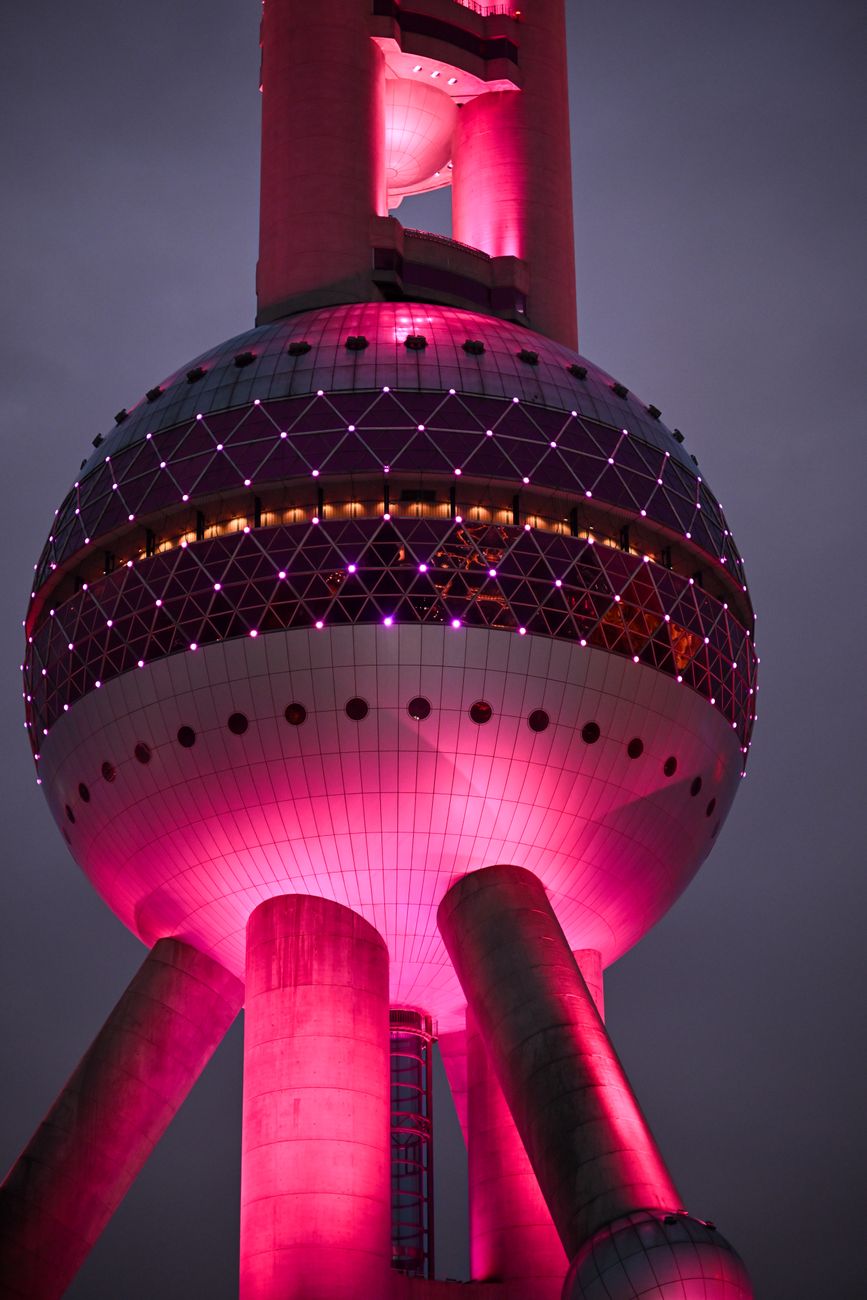
Morning: Cross to Pudong for skyline close-ups. Take Metro Line 2 to Lujiazui; visit Shanghai Tower observation deck (tickets ~¥180–¥220) or Shanghai World Financial Center for a slightly cheaper view (~¥160). Allocate 2 hours for queues and observation. Midday: Walk around Lujiazui Plaza and have lunch in Super Brand Mall food court or a local dim sum place; lunch ¥60–¥180. Afternoon option for those checking out: return to central Puxi, stop at Jade Buddha Temple (Metro Line 7) or the Former French Concession for a relaxed final stroll; allow 1–2 hours and plan transit time to the station or airport. Practical note: for afternoon flights from Pudong allow 2–2.5 hours travel time from central hotels by taxi and 90 minutes for security; for Hongqiao, a taxi from Jing’an is 30–45 minutes depending on traffic. Evening: If departure is later, finish with a calm riverside walk on the Bund or casual dinner near the hotel.
Best Local Experiences
Morning breakfasts near Huanghe Road for fresh xiaolongbao and scallion pancakes are a distinctly local routine. Dinner and late-night small-plates culture in Xintiandi and Hengshan Road offers a mix of Shanghainese and international options. Visit a tea house in Yu Garden Bazaar area for local tea service and an inspection of tea varieties. Attend an acrobatics show at Shanghai Circus World or the Shanghai Centre Theatre for performance tradition. Shop the Tianzifang artisans and small galleries for contemporary local crafts rather than generic souvenirs. Weekend flea markets at Dongtai Road Antique Market and the seasonal art market near M50 offer collected items and contemporary prints. Take an early-morning walk along the Huangpu River north of the Bund to watch river traffic and local fitness groups.
Where to Stay
Huangpu (People’s Square / The Bund): Suits first-time visitors who want immediate access to major museums, Nanjing Road and the Bund. Expect mid-range hotels ¥600–¥1,200 per night (~€75–€155 / $80–$165). Jing’an: Best for nightlife and a central business district feel, close to Jing’an Temple and West Nanjing Road shopping; mid-range to upscale ¥700–¥1,500 (~€90–€190 / $95–$210). French Concession / Xuhui: Suits those who prefer walking streets, cafes and local restaurants; quieter evenings and boutique hotels cost ¥500–¥1,000 (~€65–€130 / $70–$140). Pudong (Lujiazui): Good for visitors prioritising tower views and quick airport access; expect higher rates in tower hotels ¥900–¥2,500 (~€115–€320 / $125–$350).
Food and Drink
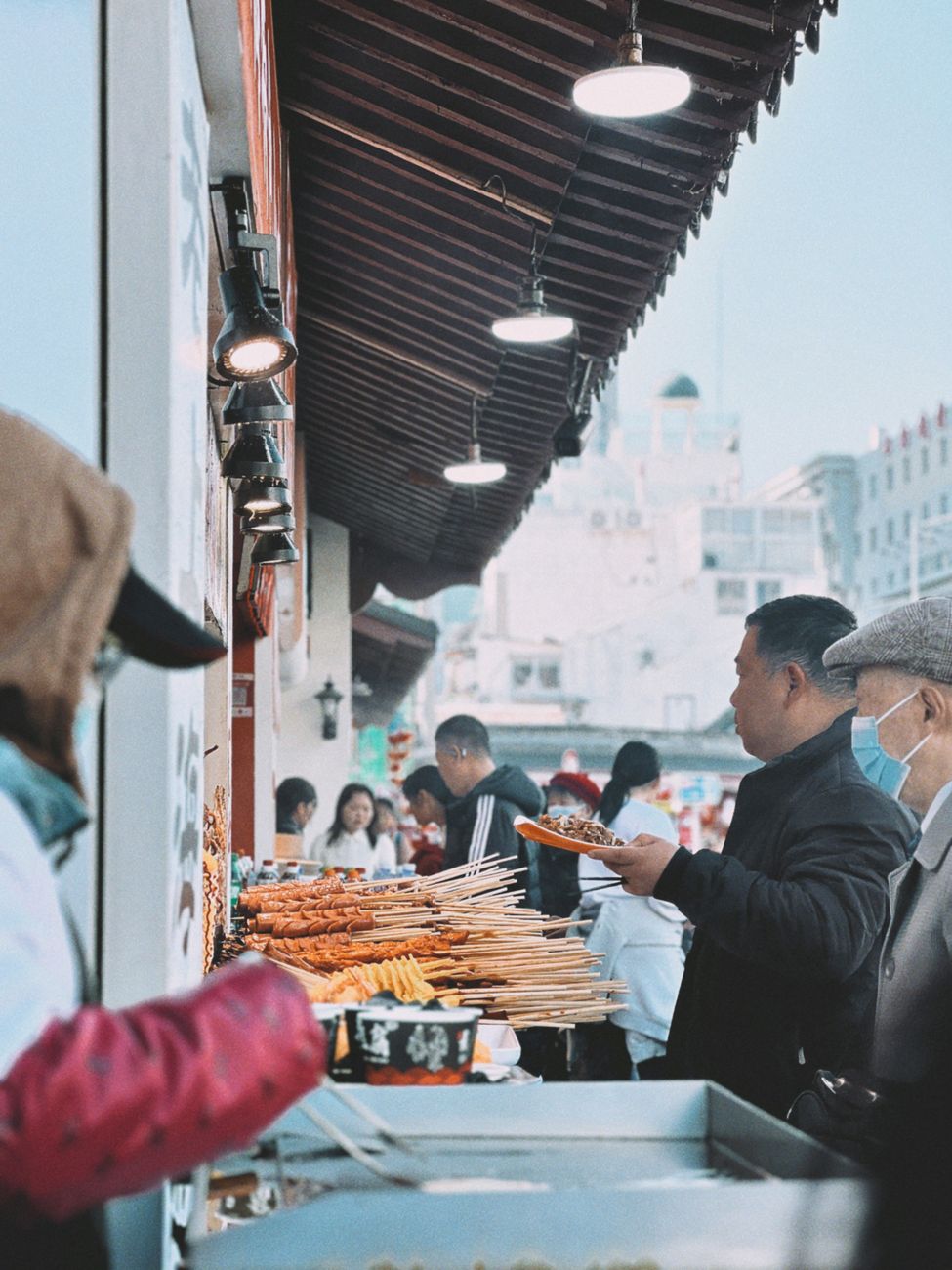
Xiaolongbao (小笼包): Steamed soup dumplings from places like Nanxiang Steamed Bun Restaurant or Din Tai Fung; expect ¥30–¥60 for a basket. Shengjianbao (生煎): Pan-fried pork buns sold at Yang’s Fry-Dumpling shops for ¥6–¥10 each — a common street breakfast. Hong shao rou (红烧肉): Braised pork belly found at classic Shanghainese restaurants such as Fu 1039; main dishes ¥60–¥180. Shanghai hairy crab (seasonal, 秋膏蟹): Famous autumn dish available at specialty restaurants from late September to November; a full crab meal often ¥120–¥300 per person. Sheng cha or Longjing tea: Traditional green teas available at tea houses in the Yu Garden area; a tasting set costs ¥30–¥150. Breakfast option: soy milk and youtiao near local morning stalls for ¥10–¥30. Street food suggestion: stinky tofu and grilled skewers in nightlife lanes, ¥10–¥30 per item. Dinner recommendation: reserve a table at a riverside restaurant on the Bund for skyline views; expect ¥200–¥500 per person including drinks.
Getting Around
Primary modes are the Shanghai Metro, buses, taxis and the Maglev. Key metro lines for tourists: Line 1 (People’s Square to Xujiahui), Line 2 (Pudong airport/Lujiazui to People’s Square), Line 7 (Jing’an, Jade Buddha Temple), Line 10 (Nanjing Road East/Yuyuan access), Line 9 (Tianzifang/Dapuqiao). Single-ride metro fares start at about ¥3 and increase with distance; a one-day metro pass (unlimited) is around ¥18. Use the Shanghai Public Transport Card (交通卡) or top up via Alipay/WeChat with linked cards; Didi app is the main ride-hail option for taxis. Airport taxi fares: Pudong to central Puxi ¥200–¥300, Hongqiao to central ¥70–¥130. Recommended apps: Didi for taxis, Metro official app for maps and schedules, and Baidu Maps or Amap for routing.
Best Time to Visit
Spring (March–May) offers mild temperatures roughly 10–22°C and blooming trees; May Day holidays produce large domestic travel crowds and higher prices. Summer (June–August) is hot and humid, often 25–35°C, with frequent afternoon storms and peak tourist numbers in July and August. Autumn (September–November) gives the clearest weather with temperatures around 15–25°C and fewer crowds; this often balances pleasant weather and lower prices. Winter (December–February) is cold and damp, around 0–8°C; many attractions remain open but heating is inconsistent and January-February see low hotel prices outside Chinese New Year.
Budget and Practical Tips
Daily budget (mid-range): Accommodation ¥700–¥1,200 (~€90–€155 / $95–$165), food ¥150–¥300 (~€20–€40 / $20–$40), transport ¥20–¥60 (~€3–€8 / $3–$8), entry fees ¥50–¥200 (~€6–€25 / $7–$28). Budget backpacker per day: ¥350–¥600 (~€45–€75 / $50–$85). Upscale daily: ¥1,800+ (~€230+ / $250+). Many museums have low or no entry fees but charge for special exhibitions; plan for tower observation tickets at ¥160–¥220. Tipping is not generally expected in most restaurants, though hotel porters and private guides may be given a small tip; taxis are rounded up or no tip. Carry some cash for markets and older shops that prefer cash or QR pay only; ATMs dispensing international cards are common in banks and major ATMs.
FAQ
Is Shanghai safe for solo travellers?
Yes — most central districts are safe with common urban petty crime like pickpocketing around crowded tourist sites; keep bags zipped and be cautious in crowded markets.
What's the best way to get from Pudong Airport to the city?
Maglev to Longyang Road (~¥50) then Metro Line 2 for transfer convenience; a taxi to central Puxi is about ¥200–¥300 depending on traffic.
Is the Shanghai Public Transport Card worth it?
Yes — the Jiaotong Card saves queue time and works on metro, bus and many taxis; it also stores small-value payments and is refundable at counters.
Are many places English-friendly?
Basic English appears in major hotels, tourist sites and some restaurants, but expect limited English in smaller eateries and markets; have addresses in Chinese for taxis.
Can credit cards be used everywhere?
Not everywhere — high-end restaurants and malls accept cards, while street vendors and smaller shops prefer WeChat/Alipay or cash; bring at least one international card and some cash.
Is the Maglev necessary?
Not necessary for most — it saves time on the airport leg but requires a transfer; choose by schedule and budget rather than assuming it’s essential.
What about air quality concerns?
Air quality can vary; check AQI forecasts if sensitive and plan outdoor walks for clearer days, typically in autumn.
Conclusion
A 72-hour visit will be remembered for contrasts: riverfront towers, colonial-era streets, and the food rhythm from morning stalls to late-night bars. Prioritise one skyline visit (Shanghai Tower or SWFC) and one deep neighbourhood (French Concession or Jing’an) if time runs short. Book museum or tower time slots ahead, carry a transport card, and accept that three days necessarily compress many choices into brief but manageable visits.
How this guide was prepared
This guide was prepared through a structured research that combines destination research, geographic context, itinerary planning logic, and content review.