

Best Time to Visit Valencia, Spain — Month-by-Month Guide
Practical, local-first advice on when to visit Valencia: weather, festivals like Las Fallas, beach season, shoulder months for lower impact travel, neighborhood tips, and booking guidance to pair with the 3 days in Valencia itinerary.
Valencia is year-round but your best experience depends on whether you prioritize beaches, festivals, mild weather, or lower crowds. This guide explains seasons, neighborhood choices, transport realities, and sustainable tips to pair with the 3 days in Valencia itinerary.
Quick Answer
Valencia is year-round but your best experience depends on whether you prioritize beaches, festivals, mild weather, or lower crowds. This guide explains seasons, neighborhood choices, transport realities, and sustainable tips to pair with the 3 days in Valencia itinerary.
Who This Page Is For
This page is for travelers planning a stay in Valencia who want clearer decisions about best time to visit, local logistics, timing, budgeting, and practical trip planning.
How This Page Was Prepared
This page was prepared through a structured editorial workflow that combines destination research, geographic context, and practical travel-planning review.
Plan the Rest of Your Trip
Use this page together with the full itinerary and the related planning pages below to make better booking, timing, transport, and budget decisions.
Best overall months: March–May and September–November. Reasons:
– Spring (March–May): Mild temperatures, blossoming gardens, good beach previews, and fewer tourists. Las Fallas is mid-March—spectacular but very busy, so book months in advance if you want to attend.
– Autumn (September–November): Warm sea, thinning crowds after August, lower prices than summer, pleasant walking weather.
Avoid: July and August if you dislike heat and crowds; temperatures can exceed 35°C and beachfront areas become congested.
Valencia blends a compact historic center, a lively food scene, beaches, and accessible wetlands (Albufera). This page helps you pick the right months and neighborhoods for your priorities—whether you’re following our main 3 days in Valencia itinerary, planning beach time, or routing day trips to Alicante, Elche, Benidorm, Calp, or Sant Antoni de Portmany. Advice favors low-impact choices, supporting local businesses and avoiding peak-crowd stress.
What This Page Helps You Decide
Use this page to choose dates based on:
– Weather vs. crowds: prioritize spring or autumn for walking and food; summer for guaranteed beach weather.
– Events: attend Las Fallas (mid-March) with advanced booking, or avoid festival weeks for lower prices.
– Day trips and pace: choose shoulder seasons for smoother connections to Alicante, Elche, Benidorm, Calp, and ferry/flight options to Sant Antoni de Portmany.
– Neighborhood fit: pick a base (Ruzafa for nightlife and cafes, El Carmen for history, Cabanyal/Malvarrosa for beach access) that matches your itinerary in the 3 days in Valencia guide.
Top Recommendations
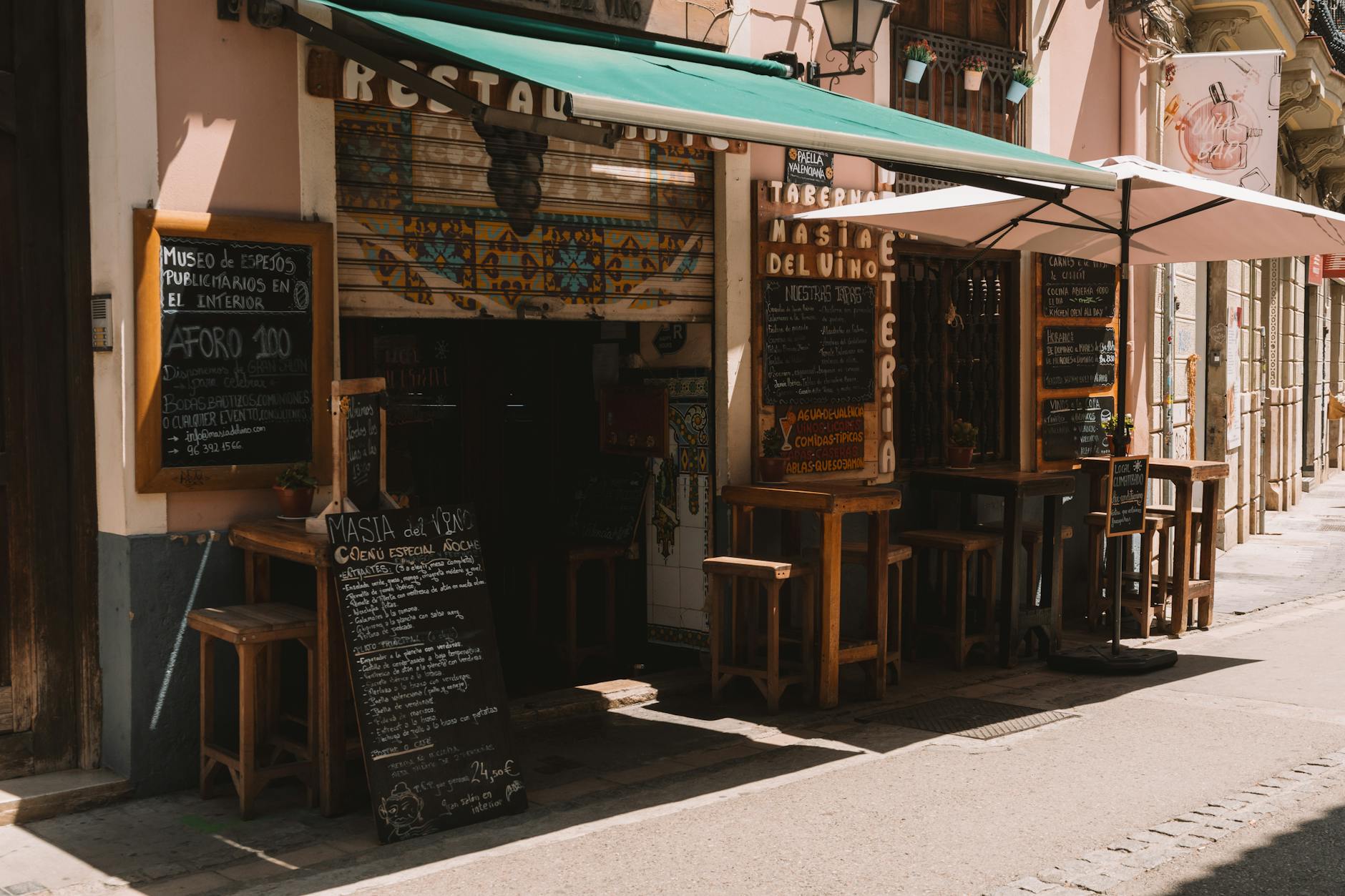
Month-by-month snapshot and where to stay:
– March: Mild, arrival of Las Fallas. If you plan to attend Fallas, book accommodation and transport 3–6 months ahead. Otherwise expect a lively, noisy city center.
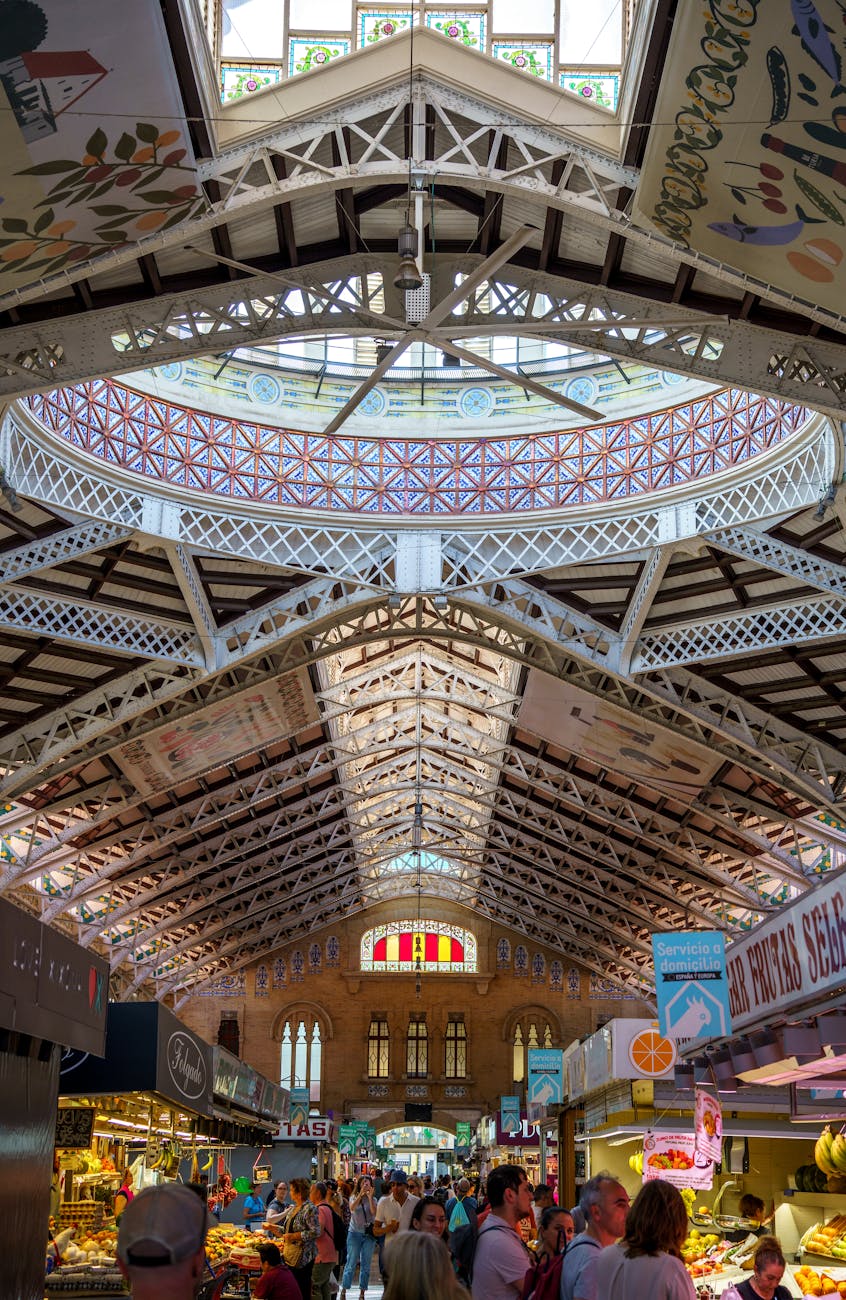
– April–May: Ideal for sightseeing, markets (Mercado Central), and the Turia Gardens. Great for pairing with the 3 days in Valencia route.
– June: Beach season begins; warm water and longer days. Book ferries and coastal restaurants on weekends.
– July–August: Peak summer heat and tourists. If visiting, prioritize early-morning walking in El Carmen and late-afternoon beach time in Malvarrosa.
– September–October: Best combination of warm sea, fewer crowds, and cultural events; perfect for day trips to Albufera and nearby Costa Blanca towns.
– November–February: Cooler, quieter, better deals; some smaller restaurants may close mid-afternoon for a longer break in traditional neighborhoods.
Where to stay (local-first):
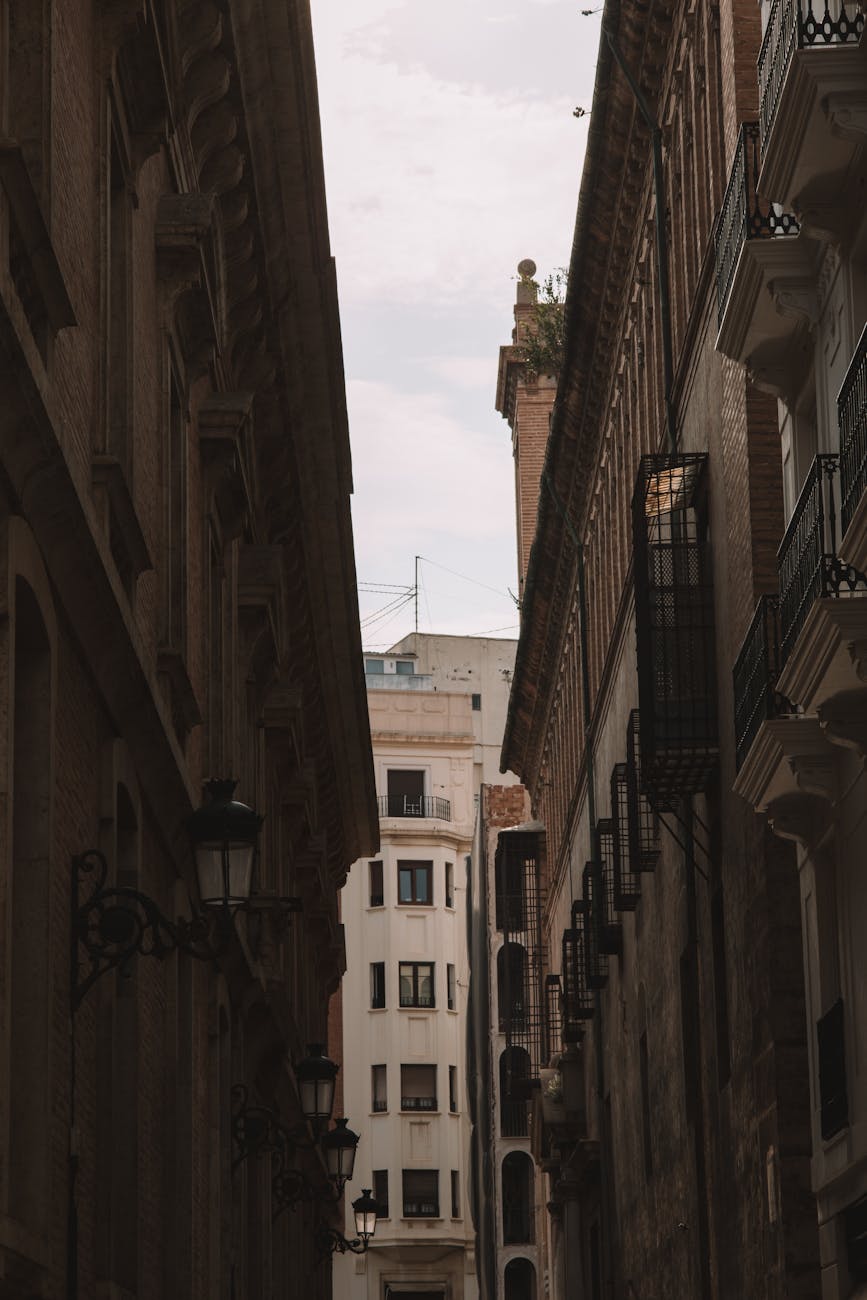
– El Carmen: historic core, walking distance to main sights, best for culture-focused itineraries.
– Ruzafa: cafés, independent shops, and a thriving food scene.
– Cabanyal / Malvarrosa: seaside neighborhood for a low-impact beach stay and local paella in seaside restaurants.
Booking tips:
– Reserve accommodation and any guided Albufera boat trips in shoulder seasons.
– For Fallas, lock in hotels and flights early and check local schedules for nightly events.
Local Context
Climate and crowds:
– Mediterranean climate: mild, wet winters; hot, humid summers; spring and autumn are most comfortable.
– Rain peaks around October and April—carry a compact umbrella during those months.
Transport realities:
– Valencia Airport (VLC) is 10 km from the city and connects by metro line 3/5 or taxis; trains and buses are easy for day trips to Alicante, Elche, and Benidorm.
– The city is very walkable; rent a bike or use Valenbisi for short trips. Park-and-ride isn’t needed for center stays.
Local etiquette and rhythm:
– Meal times run later than northern Europe—lunch often after 14:00 and dinner after 21:00, though tourist areas keep standard hours.
– Tipping is modest: round up or leave 5–10% for table service if you had a sit-down meal.
– Respect quiet hours in residential neighborhoods after 23:00 and favor ground-floor businesses when booking small tours or experiences.

How to Choose Well
Match your priorities to time of year:
– Beaches and swimming: late June–September. Avoid July–August if you want quieter sands.
– Festivals and cultural spectacle: March for Las Fallas (book early). Check the dates before planning.
– Wildlife and photography (Albufera): spring and autumn for migratory birds and mild light.
– Budget travel: November–February (excluding Christmas/New Year) for lower rates and less crowding.
Practical selection tips:
– If you have only 3 days: prioritize central neighborhoods (El Carmen or Ruzafa) to minimize commute and follow our 3 days in Valencia itinerary.
– For combination itineraries: choose shoulder-season travel to make day trips to Alicante, Calp, or Elche by train or bus without the summer pressure.
– If heat is a concern: plan outdoor walking tours for early morning and late afternoon, use shaded routes like Turia Gardens, and hydrate frequently.
Responsible and Local-First Tips
Low-impact choices that help the local economy:
– Stay in small guesthouses, family-run pensions, or locally owned boutique hotels in neighborhoods like Ruzafa or Cabanyal.
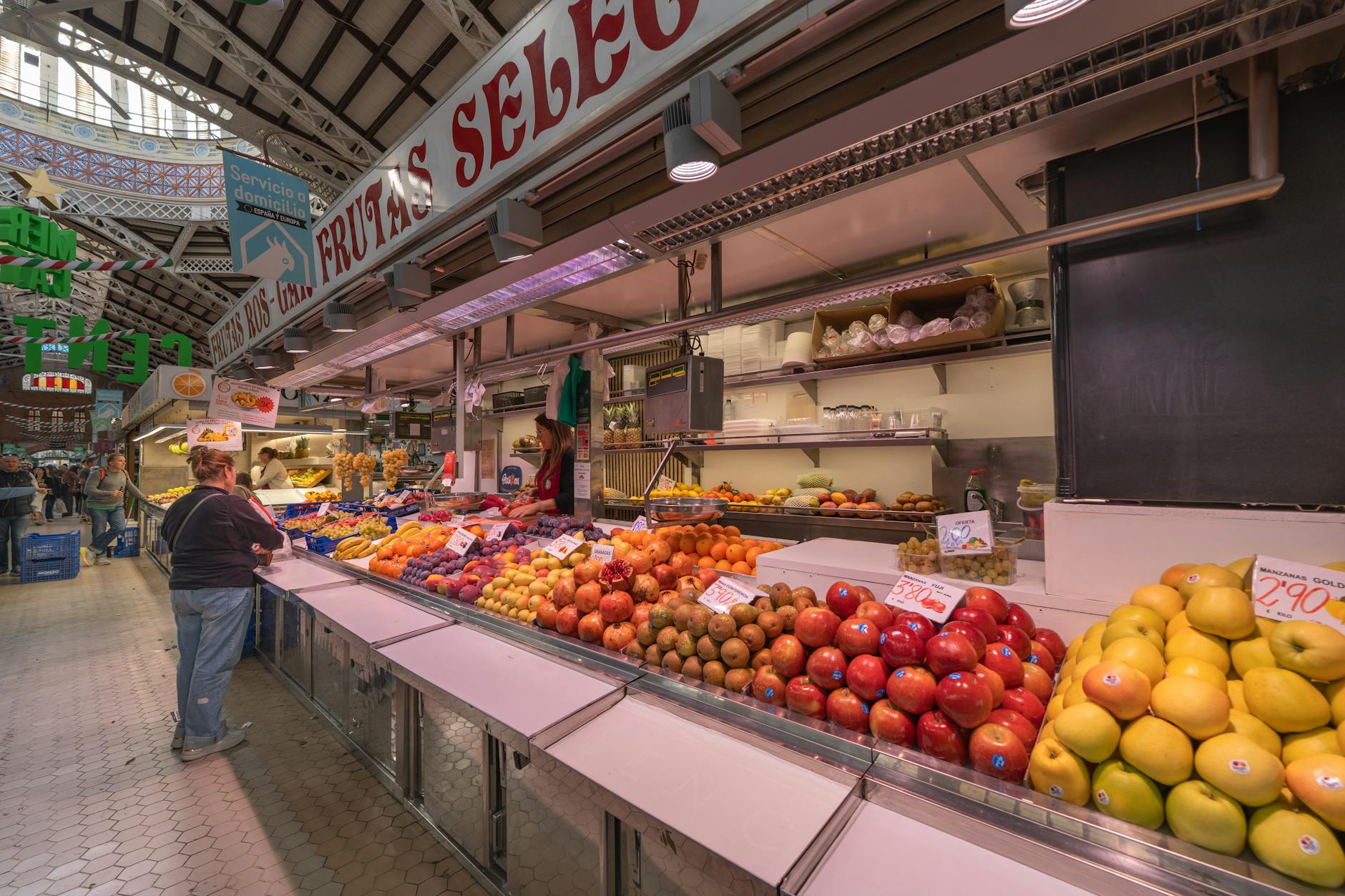
– Eat where locals go: midday menus at neighborhood tapas bars and stalls at Mercado Central support small producers.
– Book Albufera boat trips and paella lessons with licensed local operators rather than large tour firms.
– Use public transport, bike share, or walk; avoid unnecessary taxi journeys to reduce your carbon footprint.
– Travel in shoulder seasons to lessen pressure on popular sites and avoid pushing up local prices during high season.
– When visiting beaches and parks, follow local rules for waste disposal and avoid single-use plastics—carry a refillable bottle.
Common Mistakes to Avoid
Mistakes travelers often make:
– Booking late for Las Fallas: hotels and flights sell out; prices spike.
– Underestimating summer heat: midday sightseeing in July–August is tiring and limits enjoyment.
– Staying only on the beachfront: you’ll miss the food markets, narrow streets of El Carmen, and Ruzafa’s cafes.
– Expecting island-style nightlife in the city center: for club-heavy scenes head to Ibiza (Sant Antoni de Portmany) but expect a very different rhythm and higher environmental impact.
– Not checking local opening times: some small businesses close for longer mid-afternoon, particularly outside the center.
FAQ
When is Las Fallas and should I plan around it?
Las Fallas is mid-March (dates vary slightly each year). It’s spectacular—book hotels and flights at least 3 months in advance. If you prefer lower crowds and normal prices, avoid Valencia during that week.
Is Valencia worth visiting in winter?
Yes. Winters are mild compared with northern Europe. Expect cooler sea temperatures and quieter attractions. Good for museum time, cheaper accommodation, and nearby day trips.
When is the best time for Albufera and paella experiences?
Spring (April–May) and autumn (September–October) offer comfortable temperatures and active birdlife. Book a licensed boat trip and paella lunch with a local operator to support small businesses.
Can I combine beaches and city sightseeing in a 3-day visit?
Yes. Base yourself in El Carmen or Ruzafa and allocate a morning or late afternoon to Malvarrosa or Cabanyal. Our 3 days in Valencia guide includes practical routing to fit both.
How do I get to nearby cities like Alicante or Elche?
Regional trains and buses connect Valencia with Alicante, Elche, Benidorm, and Calp. Trains from Estació del Nord and Joaquín Sorolla are fast and convenient; buses serve some smaller coastal towns. Book in advance for peak summer weekends.
Conclusion
Choose spring or autumn for the most balanced experience—comfortable weather, lower crowds, and better value—unless your goal is a summer beach holiday or attending Las Fallas. Base yourself in El Carmen, Ruzafa, or Cabanyal to reduce commute times and support neighborhood businesses. Use the 3 days in Valencia itinerary to structure your visit and consider responsible day-trip options to Alicante, Elche, Benidorm, Calp, or Sant Antoni de Portmany if you want to expand your route. Plan ahead for festival weeks, book local experiences directly, and travel shoulder-season when possible to keep your trip low-impact and locally beneficial.
How this guide was prepared
This guide was prepared through a structured research that combines destination research, geographic context, itinerary planning logic, and content review.