

Practical 3-Day Itinerary for Valencia: What to See and Do
Clear 3-day Valencia guide: daily plans, real prices for paella and museums, airport and transit tips, neighbourhood notes and practical safety advice.
Three days give enough time to cover central medieval streets, the Turia garden, the City of Arts and Sciences and a beach visit, plus one neighbourhood for food and nightlife.
Expect heat in summer, busy streets in March for Fallas and a relaxed pace in neighbourhoods outside the old town. The first impression is a mix of compact medieval streets around Plaza de la Virgen and wide modern avenues around Plaça de l'Ajuntament; this contrast shapes how three days should be used.
Crowds cluster at the central market, the cathedral and the science complex; those spots are worth visiting but eat up time. Public space along Jardín del Turia becomes the easiest way to move quickly from old town to the City of Arts and Sciences, and walking through it shows how residents use the city differently than visitors.
This plan suits travellers who accept some queued attractions, want one beach visit, and expect to eat well without luxury pricing. It does not suit people who need to slow down dramatically or who want to spend two full days at a single museum.
Is 3 days in Valencia enough?
Yes, three days is enough to see the historic core, the Turia gardens, the City of Arts and Sciences and a beach, while tasting local dishes. Expect to skip slower activities such as a full Albufera boat-and-sunset sequence or in-depth museum marathons.
Who This Guide Is For
Best for first-time visitors who want architecture, food and a short beach stop; less suitable for travellers who prefer very slow travel, multi-day hiking, or who plan to attend Fallas without booking weeks ahead.
Local Tips for Valencia
Practical details that most travel sites skip — specific to Valencia.
- Buy a 24/48/72-hour Valencia Tourist Card online or at Estació del Nord—24h ≈ €15, 48h ≈ €20, 72h ≈ €25; it covers Metrovalencia and EMT buses and offers museum discounts.
- Mercado Central closes Sunday; arrive before 10:30 on a Saturday to see the busiest food stalls and avoid the afternoon slow-down on weekdays.
- Metrovalencia lines 3 and 5 serve Valencia Airport (Aeroport) directly—single trip from city centre to Aeroport costs about €3.90 if bought at the machines.
- Valenbisi bike-share has stations across Jardín del Turia and near Ruzafa; short trips are cheap with a 24-hour pass and the official Valenbisi app shows live bike availability.
- Horchata’s traditional source is Alboraya; Horchatería Santa Catalina and Horchatería Daniel in Plaça de Santa Catalina serve classic horchata and fartons for about €2.50–€4.
How This Guide Was Prepared
A realistic, no-frills plan that accepts crowds, heat and queueing rather than pretending everything is quiet. Most guides either cram every museum into three days or push a single neighbourhood as essential; this guide balances must-see institutions with how to move between them and what to skip if time runs out. This guide was prepared through a structured research that combines destination research, geographic context, itinerary planning logic, and content review.
Plan Your Stay in Valencia
Use these planning pages to compare areas to stay, expected costs, seasonal timing, and local transport before booking.
Why Visit
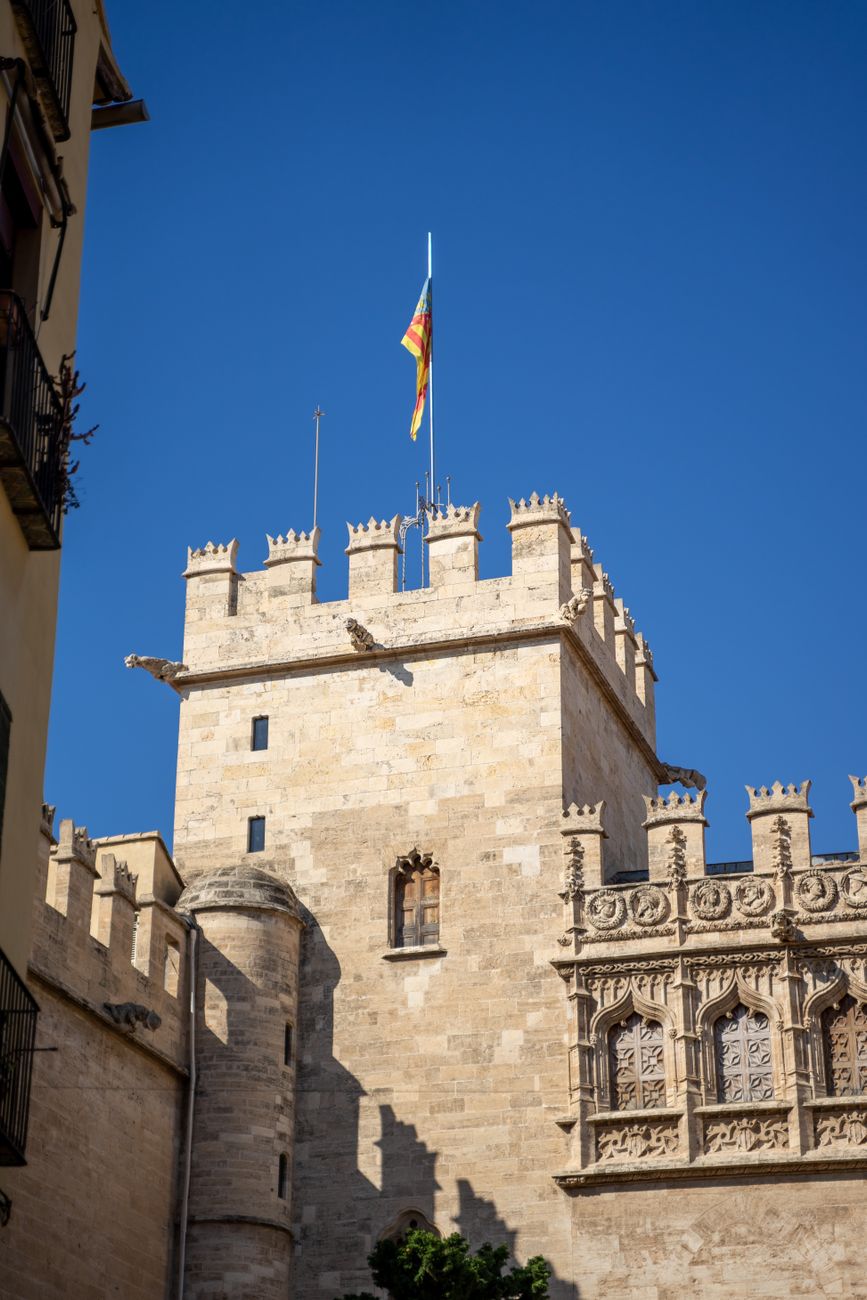
Historic and contemporary architecture sit close together: La Lonja de la Seda and the narrow streets of El Carmen are seconds from the ultra-modern Ciudad de las Artes y las Ciencias. This unusual proximity lets a short trip cover centuries of building styles without long transfers.
Food culture is regionally specific: rice dishes such as paella Valenciana and fideuà are local specialties best tried near the port or in Malvarrosa. Markets such as Mercado Central provide a direct food experience where tapas bars pour local wines and sellers will bargain for larger purchases.
Urban green space is unusually large for a European city centre; Jardín del Turia is a former riverbed turned linear park offering cycling, short runs and quiet breaks between museums. The beach (Playa de la Malvarrosa) is a tram or bus ride away, so a single short trip can combine museums, markets and a sea swim.
Quick Planning Tips
Fly into Valencia Airport (Aeroport) and use Metrovalencia lines 3 or 5 to reach the centre in about 25–30 minutes; tickets from machines cost roughly €3.90 for airport journeys. Long-distance trains arrive at Joaquín Sorolla or Estació del Nord; a taxi from Joaquín Sorolla to the old town is normally €7–10 depending on luggage.
Carry a small amount of cash for market stalls and small cafés; most places accept cards but Mercado Central stalls sometimes prefer cash. Buy a Valencia Tourist Card for 24/48/72 hours if planning multiple museum entries and public transit use, or load single tickets for EMT buses and Metrovalencia at vending machines.
Avoid booking major attractions like Oceanogràfic or a guided Albufera boat at the last minute during March or August. Weekends add local visitors, so reserve evening restaurants earlier when staying in Ruzafa or El Carmen.

Day 1
Morning: Start at Estació del Nord and walk 2 minutes to Mercado Central for coffee and a market stroll; plan 45–75 minutes here. From Mercado Central, La Lonja de la Seda is a 3-minute walk; entry is cheap (around €2–3) and the Gothic columns require only 30–45 minutes.
Late morning: Walk 5 minutes to Catedral de Valencia to see the Holy Chalice and, if time allows, climb El Miguelete tower—allow 45–60 minutes total. From the cathedral, stroll 7–12 minutes to Plaça de l'Ajuntament for a look at the municipal buildings and quick photos.
Lunch: Eat at a traditional restaurant near Plaza de la Reina or book a table at Casa Montaña if staying centrally; expect €12–€20 for a good rice dish. Afternoon: Walk 15–25 minutes through Jardín del Turia toward Torres de Serranos; climb the tower for views (30 minutes). Continue along the Turia to the City of Arts and Sciences by tram or on foot (20–30 minutes walking).
Evening: Dine at La Pepica or Casa Carmela on Playa de la Malvarrosa for a coastal paella experience and finish with a seaside walk. Nightlife around El Cabanyal is quieter than Ruzafa; choose according to energy levels.

Day 2
Morning: Dedicate the morning to Ciudad de las Artes y las Ciencias—start at Museu de les Ciències and then move to Oceanogràfic. Pre-book Oceanogràfic (≈€30–€35) and allow 2–3 hours; the science museum needs 1.5–2 hours.
Transport note: From central Turia, the complex is a 20–30 minute walk or a short bus/tram ride; buses such as EMT lines 35 and 95 stop nearby. Afternoon: Head to the nearby Cabanyal/El Cabanyal district to see tiled houses and a working neighbourhood market; this area is about 10–15 minutes by tram from the science complex.
Late afternoon: Visit Playa de la Malvarrosa for a swim or a paella takeaway—walk along the promenade and sample horchata at a beachfront café. Dinner: Reserve in Malvarrosa at La Pepica or in Cabanyal for seafood dishes; prices for a shared rice dish typically run €14–€22 per person.
Evening: Return to Ruzafa for drinks and tapas; Ruzafa’s bars stay open late and are a 10–15 minute taxi or a 20–25 minute bus ride from the beach.

Day 3
Morning: Take an early trip to Albufera Natural Park—bus EMT line 25 or a short drive (30–40 minutes). Book a boat ride on the Albufera lagoon and pair it with a morning arroz a banda or traditional paella in El Palmar; the boat-plus-lunch schedule requires half a day.
Midday: Return to the city and visit Museo de Bellas Artes (free entry for many exhibits) or Bioparc if travelling with family; Bioparc requires 2–3 hours and tickets are around €22–€25. Choose one activity depending on energy levels and luggage constraints.
Practical checkout note: If catching an afternoon flight, skip Bioparc and stay near Estació del Nord or Joaquín Sorolla for a quick taxi or train. A metro ride to the airport takes 25–30 minutes from central stations served by lines 3 and 5.
Evening: For a last meal, pick a bodega in El Carmen or a modern restaurant in Russafa; close the trip with a short walk through Jardín del Turia to unwind before departure.

Best Local Experiences
Try horchata and fartons in Alboraya at Horchatería Daniel or Santa Catalina for a locally specific sweet drink-and-pastry pairing. Buy prepared seafood and tapas at Mercado Central stalls and sit at nearby bars for a market-to-table snack session.
Take a boat and rice lunch in El Palmar inside Albufera Natural Park; this is an authentic rice-region meal and requires a reserved table. Attend a match or event at Mestalla if fixtures match dates—football culture here is loud and very local.
Cycle through Jardín del Turia and stop at the Viveros for a quick garden walk; use Valenbisi stations for short hops. Visit Ruzafa for late-night tapas bars and independent galleries, and explore El Cabanyal for its tiled façades and working fishing-port atmosphere.
If timing permits, watch a sunset from Torres de Serranos or from the Malvarrosa promenade for clear coastal light.

Where to Stay
Ciutat Vella / El Carmen: Suits first-time visitors who want short walks to Mercado Central, Catedral and nightlife. Expect small boutique hotels or guesthouses from about €70–€140 per night (≈USD 75–150) depending on season.
Ruzafa (Russafa): Suits food-focused travellers and late-night bar-goers; it’s 10–20 minutes on foot to the old town. Mid-range rooms and aparthotels typically run €65–€120 per night (≈USD 70–130).
Pobles del Nord/Cabanyal and Malvarrosa: Suits those wanting the beach and a slightly quieter, local feel; allow 20–30 minutes by tram to the old town. Expect nightly rates from €60–€120 (≈USD 65–130), with beachfront restaurants adding to the cost.
Practical tip: Hotels near Estació del Nord and Plaça de l'Ajuntament save time for early trains; quiet streets are further from the main squares so check room orientation to avoid noise.
Food and Drink
Paella Valenciana: A saffron rice dish with rabbit, chicken and sometimes snails; classic options are at Casa Carmela and La Pepica near Malvarrosa. Expect €12–€22 per person for a shared paella.
Fideuà: Pasta-based cousin to paella, usually with seafood; try it at Casa Carmela or restaurants in El Cabanyal for €12–€20. Horchata: A tiger nut milk served with a farton pastry; best in Alboraya at Horchatería Daniel or Santa Catalina for about €2.50–€4.
Esgarraet: Roasted red peppers with salt cod and olive oil, a common tapa found at Mercado Central bars for €4–€8. Buñuelos (bunyols): Fried dough balls often sold in street stalls and bakeries—expect €1–€3 each, especially around Fallas season.
Agua de Valencia: A citrus-and-Cava cocktail served in many cocktail bars such as Café de las Horas for €10–€15. Breakfast option: a cafe café con leche and a tostada with tomato and jamón at a neighbourhood bar for around €3–€6.
Getting Around
Metrovalencia (FGV) and EMT buses form the backbone of public transit. Metro lines 3 and 5 connect the city centre with Aeroport; single trips within the city are about €1.50–€1.70, while airport journeys are around €3.90 from central stations.
Tram lines run along the coast and into outlying neighbourhoods such as El Cabanyal; expect a short tram ride of 10–20 minutes to the beach. Valenbisi bike-share provides short-term access with a 24-hour pass available via the official app; checking the app is advisable for station availability.
Taxi fares from the airport to the central district typically range €20–€30 depending on time and luggage; night services and weekend surcharges apply. Useful apps and cards: Metrovalencia app, EMT Valencia app for buses, and the Valencia Tourist Card for unlimited public transport and museum discounts over 24–72 hours.
Best Time to Visit
Spring (March–May) offers comfortable temperatures (12–22°C) and blooming trees in Jardín del Turia; March includes Fallas, which draws huge crowds and higher prices but offers major cultural spectacles. Early autumn (September–October) provides warm sea water and thinning crowds, temperatures around 20–28°C.
Summer (June–August) is hot and crowded at the beach with highs often 28–35°C; expect higher accommodation rates. Winter (November–February) is mild compared with northern Europe—daytime highs around 12–17°C—but some museums have reduced hours and the sea is cold.
Best value months balance weather and crowds: late April–June and late September–October. Avoid the week of Fallas unless prepared to book months ahead and tolerate intense crowds.
Budget and Practical Tips
Typical daily budget (midrange): Accommodation €70–€120 (≈USD 75–130), food €25–€45 (≈USD 27–50), transport €5–€8 (≈USD 5.50–9), entries and extras €10–€30 (≈USD 11–33). A tight-budget traveller can manage on €60–€80/day; a comfort-level traveller should plan €130–€200/day.
Museum entries: Oceanogràfic ≈€30–€35, Ciudad de les Ciències combo ≈€35–€40, La Lonja ≈€2–€3, Catedral and El Miguelete ≈€8. Many municipal museums have free or reduced hours—check individual sites.
Tipping: Rounding up a bill is normal; leave 5–10% for sit-down meals if service was good. Small change for café/bar service is common but not obligatory. Carry coins for market purchases and small cafés; card machines may be unavailable at very small stalls.
FAQ
How safe is Valencia for solo travellers?
Valencia is generally safe with low violent crime; petty theft such as pickpocketing occurs in crowded areas like Mercado Central, On holidays and around major attractions be cautious with bags.
Is a city card worth buying?
A Valencia Tourist Card (24/48/72h) pays off if using public transport multiple times and visiting Oceanogràfic or City of Arts; compare the card price versus individual tickets before buying.
How to get from the airport to the city centre?
Metrovalencia lines 3 or 5 run to central stations in 25–30 minutes; taxis cost about €20–€30 depending on destination and luggage.
Are Spanish banks and ATMs easy to find?
ATMs are widespread in the city centre and at Estació del Nord; some market stalls accept cards but carry cash for smaller purchases.
Can paella be eaten as a single portion?
Traditional paella is cooked to share; many restaurants offer individual portions or smaller rice dishes like arroz a banda but check the menu.
Is public transit easy to use for tourists?
Yes; Metrovalencia and EMT buses use vending machines and apps for tickets—download the Metrovalencia and EMT Valencia apps for schedules and mobile tickets.
What should be avoided during Fallas week?
Avoid last-minute accommodation booking as prices surge; expect road closures and loud night fireworks that disturb light sleepers.
Are beaches swimmable year-round?
The sea is best from June to September; spring and autumn can be pleasant but water is colder, and lifeguard services are seasonal.
Conclusion
Three days allow a balanced mix: a half-day in the historic centre with markets and the cathedral, a full day at Ciudad de las Artes y las Ciencias plus Cabanyal and the beach, and a half-day for Albufera or a museum. What visitors most remember is the contrast between narrow old streets and the modern science complex, and the food—paella, horchata and market tapas.
If time runs short, prioritise Mercado Central plus a stroll through Jardín del Turia and one major site (either Ciudad de las Artes y las Ciencias or La Lonja). That combination gives a clear sense of local life, architecture and cuisine in limited time.
How this guide was prepared
This guide was prepared through a structured research that combines destination research, geographic context, itinerary planning logic, and content review.