

Where to Stay in Valencia — Neighborhoods, Practical Tips, and Sustainable Choices
Find the best neighborhoods and lodging strategies for a 3-day Valencia visit. Practical transport, seasonal tips, local-first recommendations, and advice for day trips to Alicante, Benidorm, Calp, Elche and Sant Antoni de Portmany.
Clear, practical guidance on which Valencia neighborhoods match your priorities—historic center, nightlife, beach, or family-friendly streets—plus sustainable lodging and booking tips that pair well with the 3 days in Valencia itinerary.
Quick Answer
Clear, practical guidance on which Valencia neighborhoods match your priorities—historic center, nightlife, beach, or family-friendly streets—plus sustainable lodging and booking tips that pair well with the 3 days in Valencia itinerary.
Who This Page Is For
This page is for travelers planning a stay in Valencia who want clearer decisions about where to stay, local logistics, timing, budgeting, and practical trip planning.
How This Page Was Prepared
This page was prepared through a structured editorial workflow that combines destination research, geographic context, and practical travel-planning review.
Plan the Rest of Your Trip
Use this page together with the full itinerary and the related planning pages below to make better booking, timing, transport, and budget decisions.
Pick El Carmen (Ciutat Vella) for first-timers who want history on foot. Choose Ruzafa for dining, cafes and nightlife with a creative, local feel. Stay in Cabanyal/Canyamelar or Malvarrosa if you want beach mornings and easy seafood. Use Eixample/Ensanche for family-friendly hotels and direct links to train stations when you plan day trips.
If you have three days in the city, base yourself centrally (El Carmen or Ruzafa) to minimize travel; reserve a morning for the beach or a half-day for the City of Arts and Sciences.
Valencia is compact and diverse: a walkable old town, a long sandy beach, a wide green ribbon of former riverbed (Turia Gardens), lively markets and a growing design and food scene. Where you stay will shape how you use 72 hours in the city and whether you can easily take day trips to Alicante, Benidorm, Calp, Elche or even Sant Antoni de Portmany.
This page focuses on practical choices: neighborhood pros and cons, transport realities, seasonal notes, and ways to spend visitor money locally and sustainably. It’s written to support the 3 days in Valencia itinerary while helping you choose a base that suits your pace and values.
What This Page Helps You Decide
Use this page to decide:
- Which neighborhood fits your priorities: historic walking, food and nightlife, beach, or quiet family streets.
- Whether to book a small guesthouse, boutique hotel, or licensed short-term apartment.
- How much time and transit to budget for day trips to Alicante, Benidorm, Calp, Elche, or Sant Antoni de Portmany.
- When to travel for lower impact: shoulder seasons (spring and autumn) reduce crowding and support local businesses.
For itinerary ideas, pair your neighborhood choice with the 3 days in Valencia guide to align daily routes and transport.
Top Recommendations
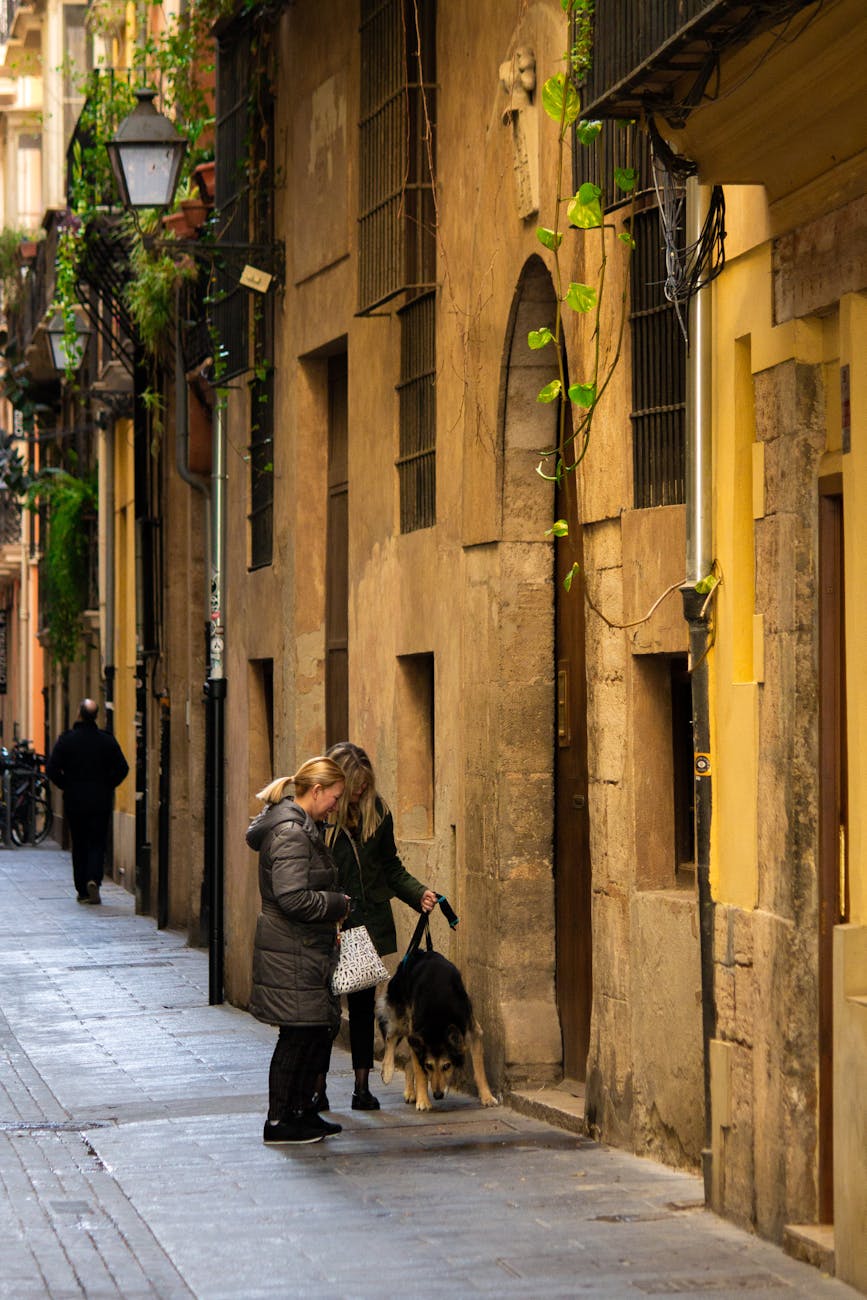
El Carmen (Ciutat Vella)
– Best for: historic sights, short walks between Cathedral, Plaza de la Virgen, Mercado Central and tapas bars.
– Practical notes: cobbles and narrow streets, quieter by day but lively at night. Good for travelers who want to be in the middle of the 3-day walking loop.
– Local-first tip: choose family-run guesthouses or small hotels that source breakfast ingredients from Mercado Central.
Ruzafa (Russafa)
– Best for: independent cafes, a weekly market, contemporary restaurants and music venues.
– Practical notes: easy tram/bus connections; streets are more modern and flat than the old town. Expect a creative, neighborhood feel that's good for evening dining.
– Local-first tip: book a room in a small B&B or a locally owned apartment to channel spending to neighborhood shops.
Cabanyal / Malvarrosa
– Best for: beach-first travelers and seafood. Mornings on the sand, evenings at beachside restaurants.
– Practical notes: about 20–30 minutes from the old town by tram or bike. Summer gets busy; prefer shoulder seasons or early mornings.
– Local-first tip: stay in a rehabilitated fisherman’s house or a small pension to support local restoration projects.
Eixample / Gran Vía
– Best for: families, longer-stay comfort, and direct train access to Joaquin Sorolla station for high-speed trains.
– Practical notes: wider streets, more hotels with elevators and family rooms. Good for day trips to Alicante and Elche.
– Local-first tip: if you need a car for nearby towns, book accommodation with parking or look for neighborhood car-park daily rates.
Booking tips across neighborhoods:
– Prioritize legal, licensed short-term rentals or hotels and check cancellation/refund policies.
– In summer, check for air conditioning; in shoulder season confirm heating or double glazing if you’re sensitive to cool nights.
– For authentic local spending, book accommodation that lists local businesses or offers a welcome guide curated by the owner.
Local Context
Neighborhood boundaries matter: El Carmen sits inside the old city walls, Ruzafa is southeast of the old town and vibrantly mixed-use, Cabanyal reaches the Malvarrosa shore and feels separate from the central core.
Seasonal realities:
– Peak summer (July–August): very hot and crowded on the beach. Book early and expect higher rates.
– Shoulder seasons (March–June, September–November): milder weather, festivals outside March, better value and a chance to spend locally.
Transport realities:
– Estació del Nord handles regional trains and is steps from the old town. Joaquín Sorolla is the high-speed train station — useful for day trips.
– Valencia has a reliable metro and tram network; buses fill gaps. The city is very bike-friendly with rental schemes and bike lanes in Turia Gardens.
Local etiquette and practicalities:
– Dining is later than in many countries: lunches often 14:00–16:00, dinners after 21:00.
– Tipping is modest; round up or leave small change for good service.
– Valencian and Spanish are both used; a few words of Spanish or Valencian are appreciated by local hosts.

How to Choose Well
Match location to your 3-day plan:
– If most days follow the 3 days in Valencia itinerary, pick a central base (El Carmen or Ruzafa) to reduce transit time.
– If beach time is a priority, choose Cabanyal/Malvarrosa and reserve one day for the old town.
– If you’ll day-trip to Alicante, Benidorm, Calp or Elche, prefer lodging near Estació del Nord or Joaquín Sorolla for easy train departures.
Quick checklist before booking:
– Confirm proximity to a metro/tram stop if you prefer public transport.
– Check for elevator access, especially in older buildings.
– Look for a local tourist license or registration number on short-let listings.
– Prefer properties that mention energy-efficient features, local sourcing or small-business ownership.
Booking advice:
– Use refundable rates when travel plans are uncertain.
– Message small hosts directly for practical questions (noise, towels, local recommendations).
– For festivals like Las Fallas in March, book many months ahead.

Responsible and Local-First Tips
Choose accommodation that supports the local economy: family-run guesthouses, licensed apartments listed by local managers, or small hotels that source food and staff locally.
Low-impact practices while staying:
– Use public transport, bike rentals, or walk. Turia Gardens connects many attractions by bike or on foot.
– Buy breakfast or picnic supplies at Mercado Central and eat at neighborhood bars rather than chain restaurants.
– Reduce single-use plastics and reuse water bottles—many fountains in the city center are potable.
– Book day trips with local operators or train services rather than large coach tours when possible; this keeps revenue local and lowers emissions.
If traveling shoulder season, you help spread visitor demand and support businesses outside peak summer months.
Common Mistakes to Avoid
- Booking a beachfront room in July without expecting heat, noise and higher prices. If you want quiet, reserve early mornings or shoulder season.
- Assuming all short-term rentals are legal. Look for a local tourist licence or registration number and read recent guest reviews.
- Overlooking transport links for day trips. Check whether Estació del Nord or Joaquín Sorolla is closer to your lodging.
- Choosing a room solely for a balcony view without checking for nighttime noise from bars in El Carmen or Ruzafa.
- Relying only on taxis during rush hour—metro and tram are usually faster and cheaper.
Avoid these to keep your stay smooth and to ensure your spending benefits local hosts and businesses.
FAQ
Which neighborhood is best for a first-time, three-day visit?
El Carmen in the Ciutat Vella is the most convenient for a typical 3-day loop — you can walk to the Cathedral, Mercado Central, Turia Gardens and many tapas bars. Ruzafa is a close second if you prefer a quieter daytime scene with strong dining options.
Is it worth staying on the beach?
Yes if you prioritize morning swims and seafood dinners. Cabanyal and Malvarrosa offer a relaxed seaside feel but add 20–30 minutes by tram or bike to central sights.
How do I get from the airport to the city center?
Valencia Airport has direct metro and bus links into the city, and taxis or transfer services. If you have heavy luggage, a taxi to a central hotel is faster; for sustainable travel, the metro is reliable and inexpensive.
Are short-term rentals regulated in Valencia?
Yes. Many cities require a tourist registration or licence for flats; check listings for a visible registration number and read recent reviews. Choosing licensed options supports local regulation and responsible hosts.
Is Valencia safe at night?
Valencia is generally safe. Normal urban precautions apply: watch belongings in crowded areas and avoid poorly lit side streets late at night. El Carmen can be lively — expect noise near bars.
When should I book if visiting during Las Fallas?
Book several months in advance for early March, as accommodations fill early and prices rise. Consider staying a little outside the old town and taking public transport into the festival zones.
Conclusion
Your best base in Valencia depends on how you plan to spend your three days. For a tight walking itinerary, stay central in El Carmen or Ruzafa. For beach time, choose Cabanyal or Malvarrosa. For family comfort and train connections to Alicante, Benidorm, Calp or Elche, look in Eixample near the stations.
Book licensed, locally run places where possible, travel in shoulder season to reduce impact, and pair your stay with the 3 days in Valencia guide for efficient daily routes and recommended day trips.
How this guide was prepared
This guide was prepared through a structured research that combines destination research, geographic context, itinerary planning logic, and content review.