

Best Things to Do in Valencia — Practical, Local-First Guide
A concise, practical guide to the best things to do in Valencia: neighborhoods, markets, beach and Albufera day trips, transport tips, seasonal advice, and sustainable, local-first recommendations to pair with our 3 days in Valencia itinerary.
An easy-to-scan support page for the best things to do in Valencia. Ideal for travelers using our 3 days in Valencia itinerary who want sustainable, local-first options across neighborhoods, markets, museums, beaches and nearby day trips.
Quick Answer
An easy-to-scan support page for the best things to do in Valencia. Ideal for travelers using our 3 days in Valencia itinerary who want sustainable, local-first options across neighborhoods, markets, museums, beaches and nearby day trips.
Who This Page Is For
This page is for travelers planning a stay in Valencia who want clearer decisions about things to do, local logistics, timing, budgeting, and practical trip planning.
How This Page Was Prepared
This page was prepared through a structured editorial workflow that combines destination research, geographic context, and practical travel-planning review.
Plan the Rest of Your Trip
Use this page together with the full itinerary and the related planning pages below to make better booking, timing, transport, and budget decisions.
Must-see highlights in one line: wander Valencia’s Ciutat Vella and Mercado Central, cycle the Turia Gardens to the City of Arts and Sciences, spend sunset at Malvarrosa beach and take an Albufera boat-and-paella afternoon. Use these core experiences as building blocks for the 3 days in Valencia plan.
Valencia balances a compact historic center, wide green space, a productive food scene and nearby natural areas. This page helps you pick the best things to do for a short stay or to slot into our main 3 days in Valencia itinerary. Expect hot summers and mild winters; shoulder seasons (April–June, September–October) give the best weather for walking, bicycling and day trips. Prioritize small, local businesses—markets, family-run restaurants and independent guides—to keep economic benefits in the city.
What This Page Helps You Decide
Use this page when you need to choose which attractions to prioritize based on time, interests and impact. It helps you decide:
- How to mix sightseeing, food and downtime for 1–3 days.
- Which neighborhoods to stay in (Ruzafa for nightlife and cafes, Ciutat Vella for history, El Cabanyal for beach access).
- When to book timed attractions like the City of Arts and Sciences or guided Albufera tours.
If you’re following the 3 days in Valencia itinerary, use these suggestions to swap or extend activities without losing a sustainable, local focus.
Top Recommendations
Core experiences to include, arranged by interest:
Food and markets
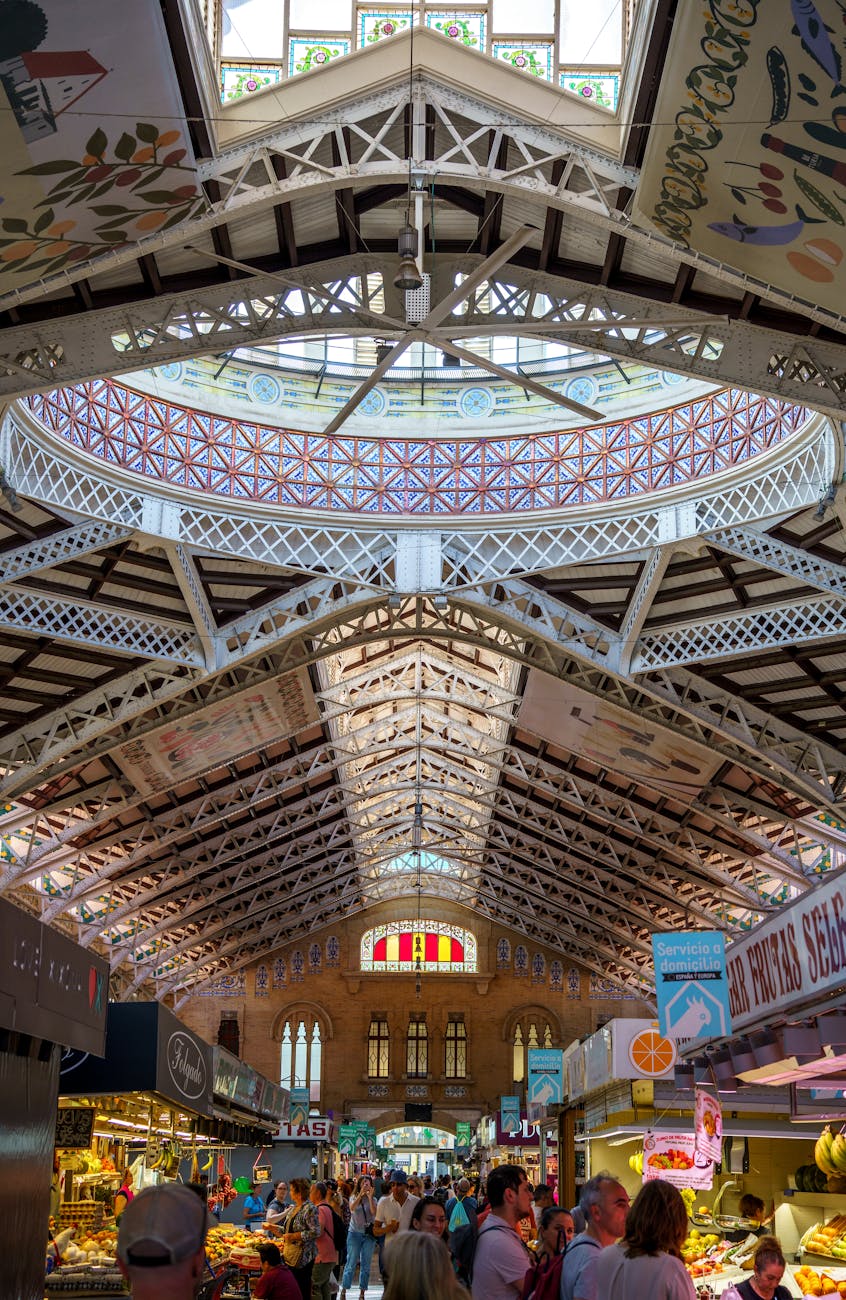
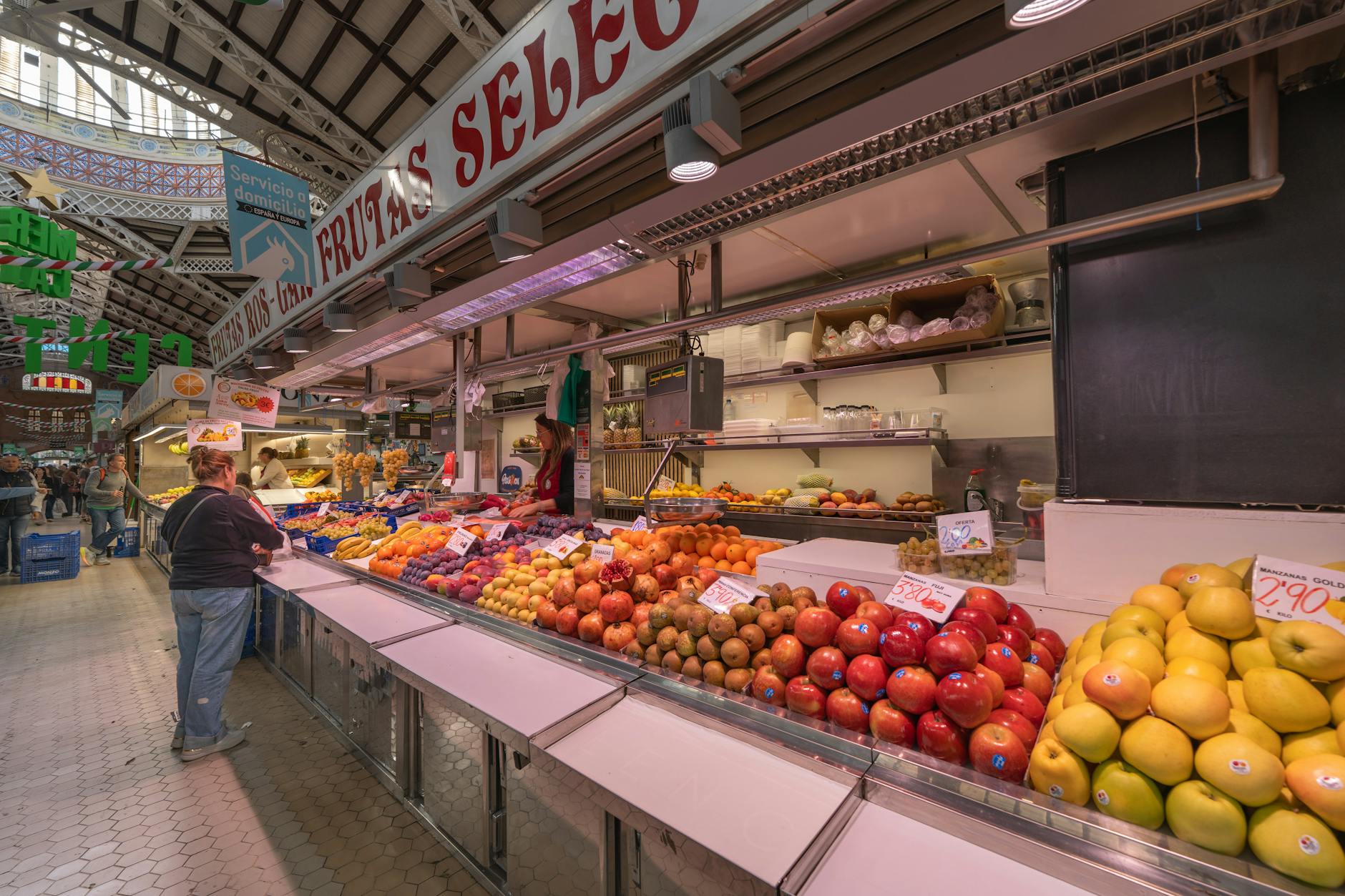
– Mercado Central: morning visit to taste jamón, seafood and horchata stalls. Bring cash for small vendors and shop cooperatives.
– Try authentic paella in the Albufera villages (El Palmar) rather than tourist versions in the city; reserve ahead.
Culture and architecture
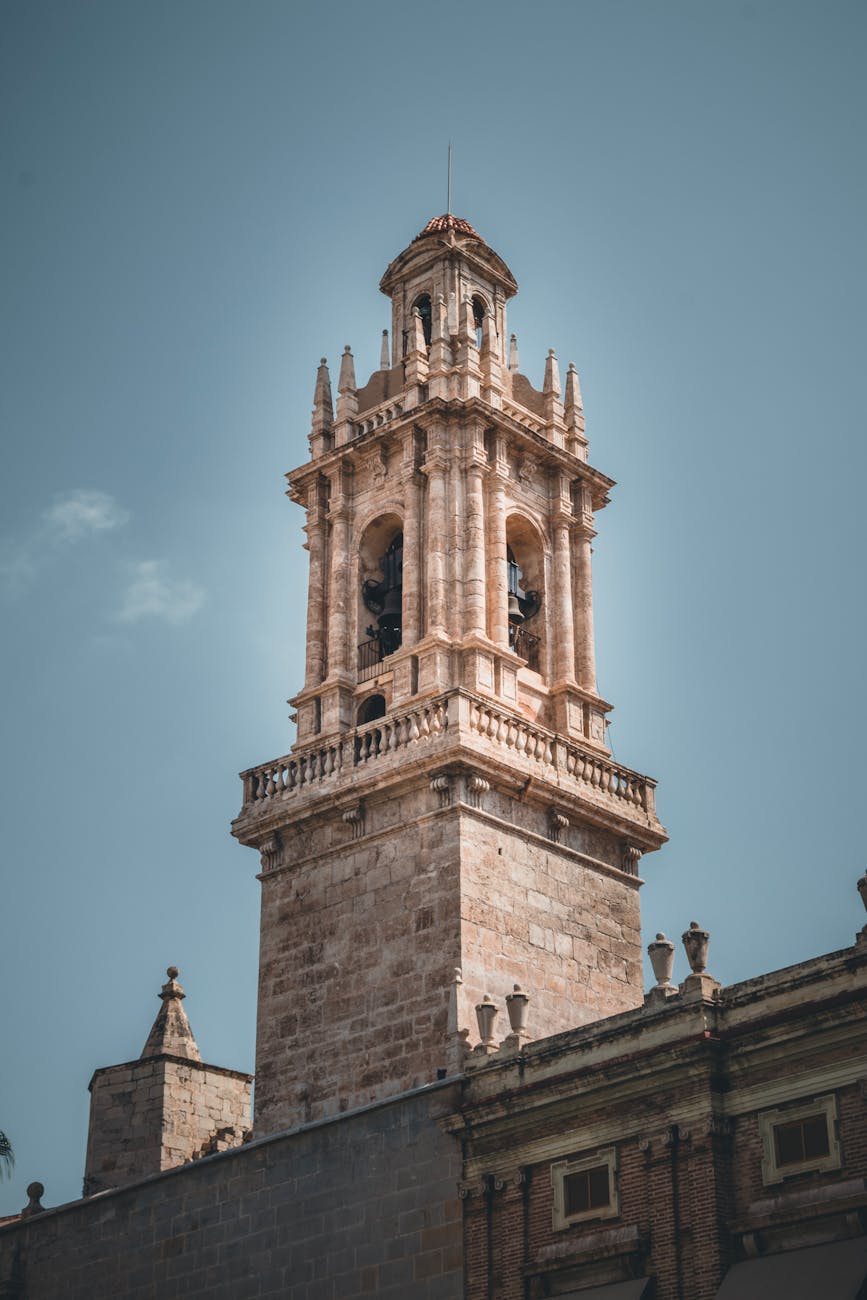
– La Lonja and Valencia Cathedral: visit early to avoid crowds and combine with a relaxed Mercado Central lunch.
– City of Arts and Sciences: schedule a timed ticket for the Oceanogràfic or the museum galleries; late afternoon light is best for photos.
Outdoors and beaches
– Turia Gardens: rent a bike for a linear ride to the City of Arts and Sciences and the Bioparc.
– Malvarrosa and Las Arenas beaches: walk from El Cabanyal for local cafés and fish restaurants.
Day trips and nature
– Albufera Natural Park: a short bus or bike-and-boat trip for wetland birdlife and rice-field landscapes; aim for a sunset boat.
– Nearby towns: plan half- or full-day trips to Alicante or Elche, and seasonal ferry routes to Ibiza (Sant Antoni de Portmany) — check timetables in advance.
Family and slow travel
– Bioparc: a well-designed zoo with immersive habitats, good for mornings.
– Small group or family cooking classes focus on local rice and tapas recipes—book with local cooks to support community incomes.
Local Context
Neighborhoods and seasonal realities
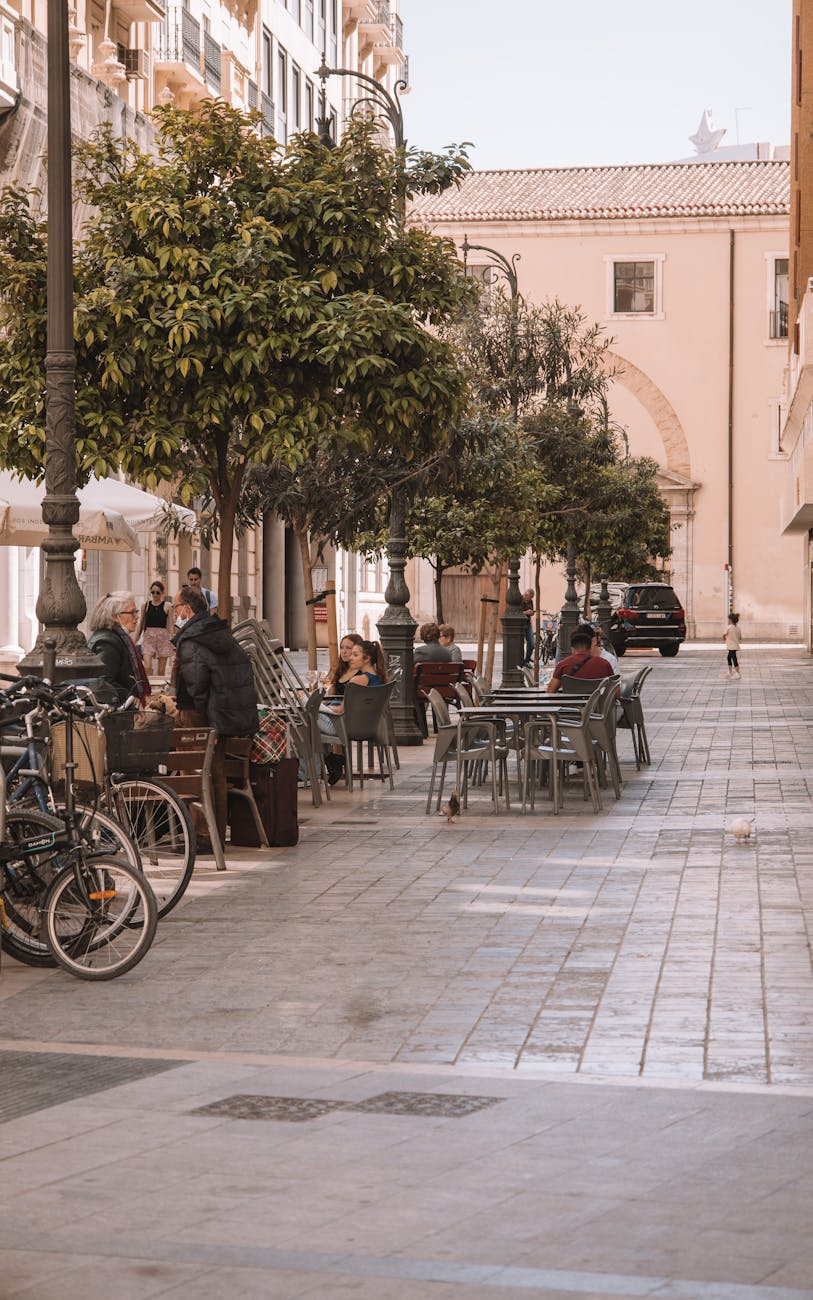
– Ciutat Vella and El Carmen: historic streets, compact museums, evening tapas bars. Expect cobblestones and limited car access.
– Ruzafa: creative hub with galleries, independent food shops and lively cafés.
– El Cabanyal and Malvarrosa: beach neighborhood with seafood venues and traditional fishermen’s houses.
Seasonal notes
– Summer (July–August): very hot; plan early mornings, indoor museum afternoons and beach evenings.
– Shoulder seasons (Apr–Jun, Sep–Oct): best balance of weather and fewer cruise-ship crowds.
– Winter: mild but quieter—good for museum-focused stays.
Transport realities
– Metro and tram link airport to the city center efficiently; single metro line to central stops around Xàtiva and Àngel Guimerà.
– Valencia is highly bikeable; use the city’s rental schemes or private shops. Buses and taxis fill gaps—expect fewer night services outside weekends.
How to Choose Well
Match activities to your time and values:
If you have one day
– Focus: city center walking loop (Mercado Central, Cathedral, La Lonja, Turia Gardens short ride).
– Book: Cathedral tower ticket and Mercado Central snacks.
If you have two days
– Add: City of Arts and Sciences plus either the beach or Bioparc.
– Book: timed entry for Oceanogràfic to avoid lines.
If you have three days (useful with the 3 days in Valencia itinerary)
– Add: Albufera sunset boat and paella, or a half-day to Elche or Alicante.
– Tip: place the Albufera trip on an evening to avoid daytime heat and to pair with a local rice lunch.
Practical booking advice
– Reserve City of Arts and Sciences tickets online for timed slots.
– Make restaurant or paella bookings for mid-day weekend meals, especially in El Palmar.
– For ferry day trips to Ibiza (Sant Antoni de Portmany) or coastal towns, check seasonal timetables well in advance.
Responsible and Local-First Tips
Simple practices that keep your trip low-impact and locally beneficial:
- Use public transport, bike rental or walk rather than taxis for short trips.
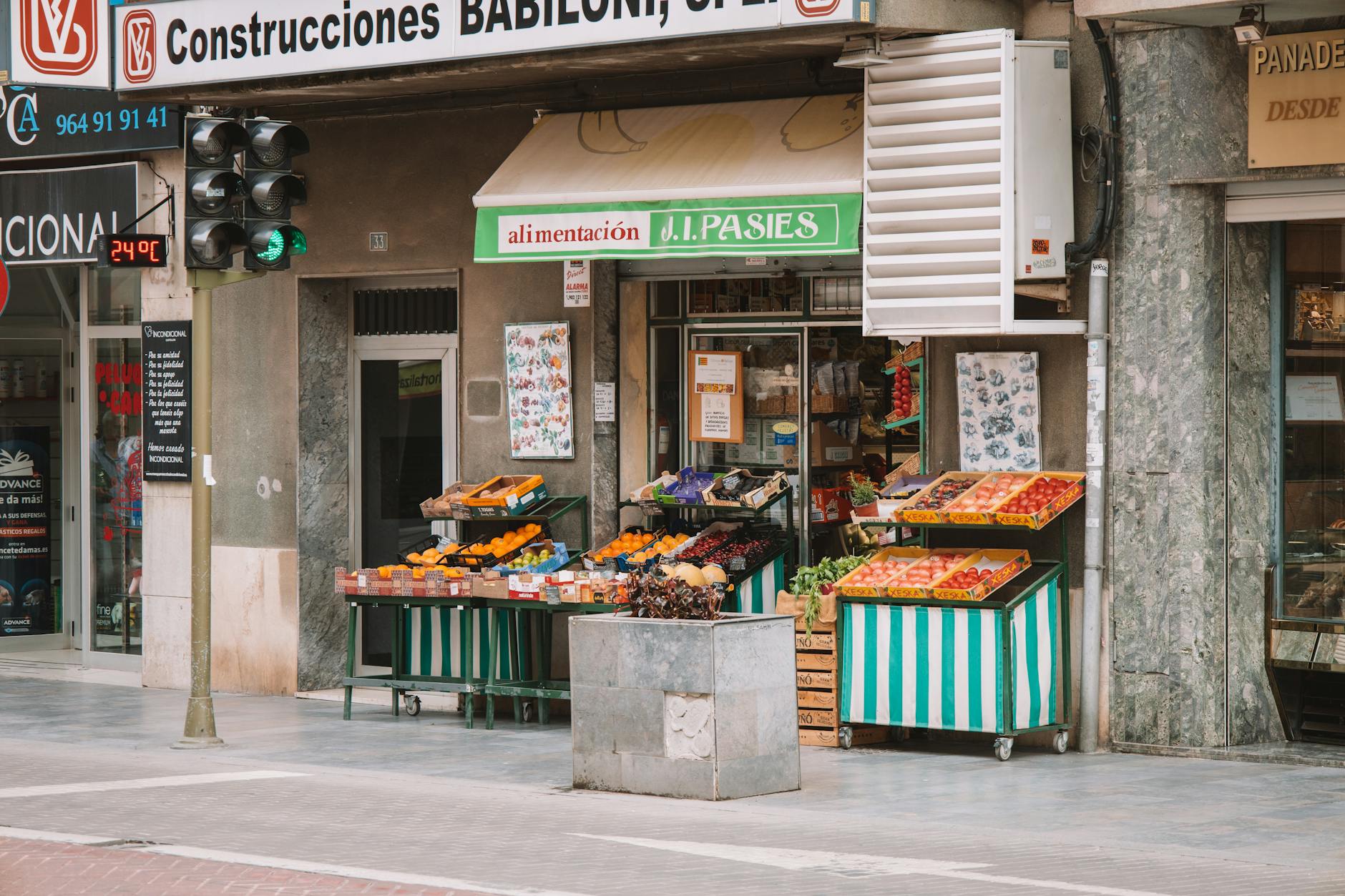
- Buy at Mercado Central, Colón Market and independent bakeries to support small vendors.
- Choose independent guides and small-group tours—look for local licenses and clear refund policies.
- Avoid impulse souvenir purchases from tourist kiosks; opt for ceramics or food products from makers’ shops.
- Respect local meal and rest rhythms: many restaurants open late for dinner (9pm+), and loud behavior in residential streets late at night is discouraged.
- For Albufera and natural areas, follow marked paths, avoid disturbing birdlife and use registered boat operators when booking tours.
Common Mistakes to Avoid
Avoid these frequent pitfalls:
- Overpacking a single day: Valencia’s treasures reward slow exploration—don’t try to see everything in a morning.
- Leaving paella to random tourist spots: genuine paella benefits from a proper rice paddies context—book a meal in Albufera villages or a vetted local restaurant.
- Ignoring the heat: in summer, schedule outdoor walking before 11am and after 6pm; carry water and sunscreen.
- Skipping tickets in advance: major sites like the Oceanogràfic and special exhibitions sell out on busy days.
- Relying only on taxis: the metro and tram are often faster and cheaper from the airport and between neighborhoods.
FAQ
How many days do I need in Valencia?
For a balanced visit, 2–3 days lets you see the historic center, City of Arts and Sciences, and add either a beach afternoon or an Albufera sunset; use our 3 days in Valencia itinerary for a ready plan.
What is the best time of year to visit?
April–June and September–October offer mild weather, fewer crowds and better conditions for cycling and day trips. Summer is beach-perfect but very hot.
Where should I try authentic paella?
Seek paella in Albufera villages like El Palmar or at family-run restaurants near the rice fields; book ahead and avoid restaurants that market paella to passing cruise-ship crowds.
Is Valencia walkable and safe?
Yes. The historic center is compact and safe by day; usual city precautions apply at night. Use well-lit streets and prefer licensed taxis or ride apps late at night.
How do I get from the airport to the center?
The metro connects the airport to central stations and is cost-effective; taxis and airport buses are alternatives—expect slightly higher fares during night hours.
Can I visit nearby towns like Alicante or Ibiza in a day?
Alicante and Elche are feasible as full-day trips by train or bus. Ferries to Ibiza (Sant Antoni de Portmany) are seasonal—check schedules and book ahead during summer.
Conclusion
Valencia rewards travellers who prioritize a mix of local food, green spaces and measured sightseeing. Use this guide to tailor the best experiences into the 3 days in Valencia itinerary or shorter visits, favoring shoulder-season timing, locally owned businesses and low-impact transport. With a few bookings ahead—City of Arts and Sciences, a paella table in Albufera and any seasonal ferries—you’ll get an authentic, sustainable visit that benefits local communities.
How this guide was prepared
This guide was prepared through a structured research that combines destination research, geographic context, itinerary planning logic, and content review.