

Getting Around Valencia — Practical Transport Guide
How to move around Valencia efficiently and sustainably: walking, bikes, metro, trams, trains to nearby cities, airport advice, and practical booking tips for a 3-day stay.
A compact, practical guide to navigating Valencia with low-impact choices, neighborhood-focused tips, and clear options for day trips to Alicante, Benidorm, Calp, Elche, and Ibiza/Sant Antoni.
Quick Answer
A compact, practical guide to navigating Valencia with low-impact choices, neighborhood-focused tips, and clear options for day trips to Alicante, Benidorm, Calp, Elche, and Ibiza/Sant Antoni.
Who This Page Is For
This page is for travelers planning a stay in Valencia who want clearer decisions about getting around, local logistics, timing, budgeting, and practical trip planning.
How This Page Was Prepared
This page was prepared through a structured editorial workflow that combines destination research, geographic context, and practical travel-planning review.
Plan the Rest of Your Trip
Use this page together with the full itinerary and the related planning pages below to make better booking, timing, transport, and budget decisions.
For most visitors: walk the old town, use Valenbisi or bike lanes for short hops, take Metrovalencia or EMT buses for longer urban trips, and use Renfe/Euromed trains for regional day trips. Take the metro from Valencia Airport to the city center to save money and carbon; book long-distance trains or ferries in advance during high season or Fallas.
This page is a quick, practical companion to the main 3 days in Valencia itinerary. It focuses on how to move between the neighborhoods you’ll visit—Ciutat Vella, Ruzafa, the Turia Gardens and the beachfront—and how to plan sustainable, low-impact day trips to nearby destinations like Alicante, Benidorm, Calp, Elche and Sant Antoni (Ibiza). Read this before you book transport or rent a car to keep travel efficient, local-first and easy to scan during your trip.
What This Page Helps You Decide
Decisions covered here:
• How to get from Valencia Airport to your neighborhood (metro vs taxi).
• Whether to rely on bikes, trams or buses inside the city.
• Which transport pass or card makes sense for a 3-day visit.
• How to reach nearby destinations (train vs bus vs ferry) and when to book.
If you’re following the 3 days in Valencia itinerary, this page highlights the best transport choices for each day and sustainable options for side trips to Alicante, Benidorm, Calp, Elche and Sant Antoni.
Top Recommendations
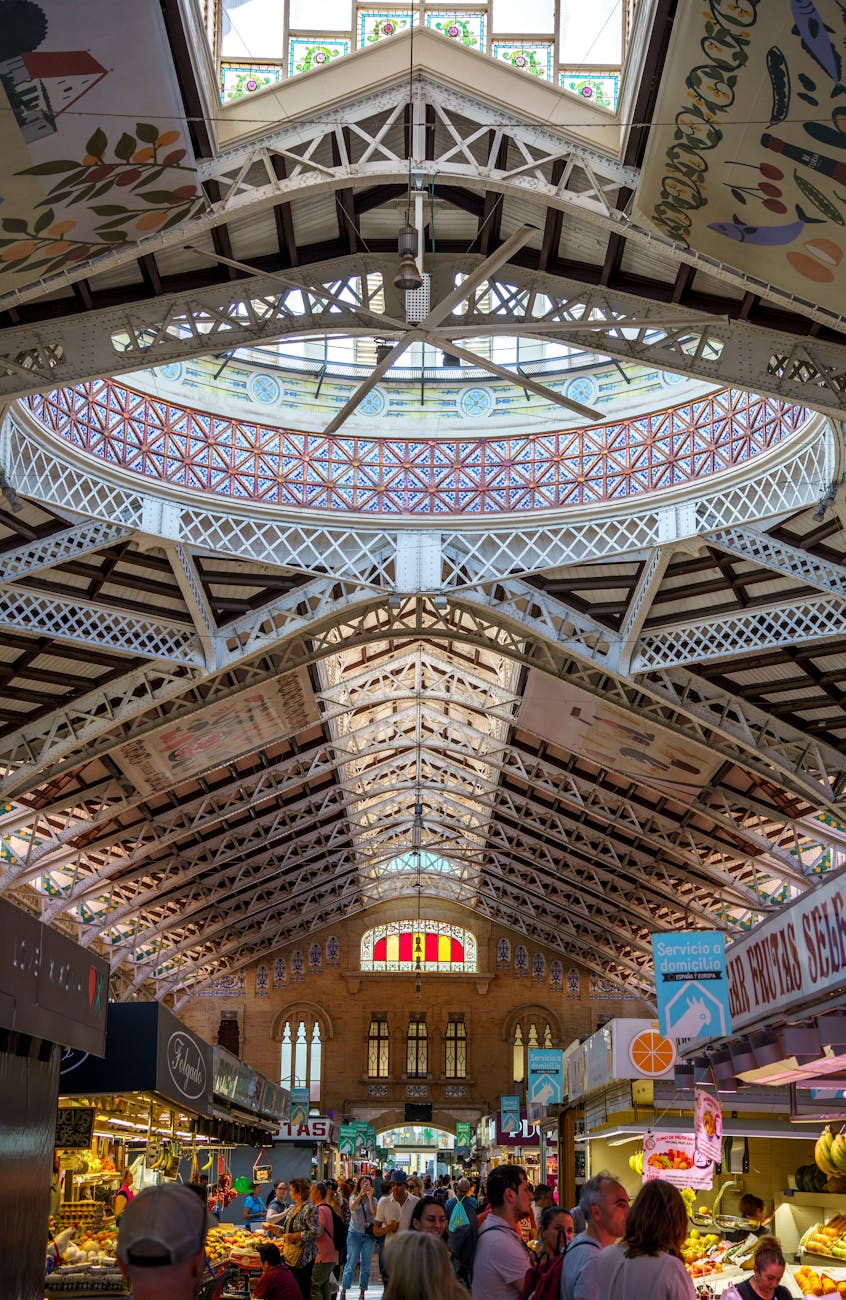
1) Walk first: Ciutat Vella, El Carmen and the central market are compact and easiest on foot.
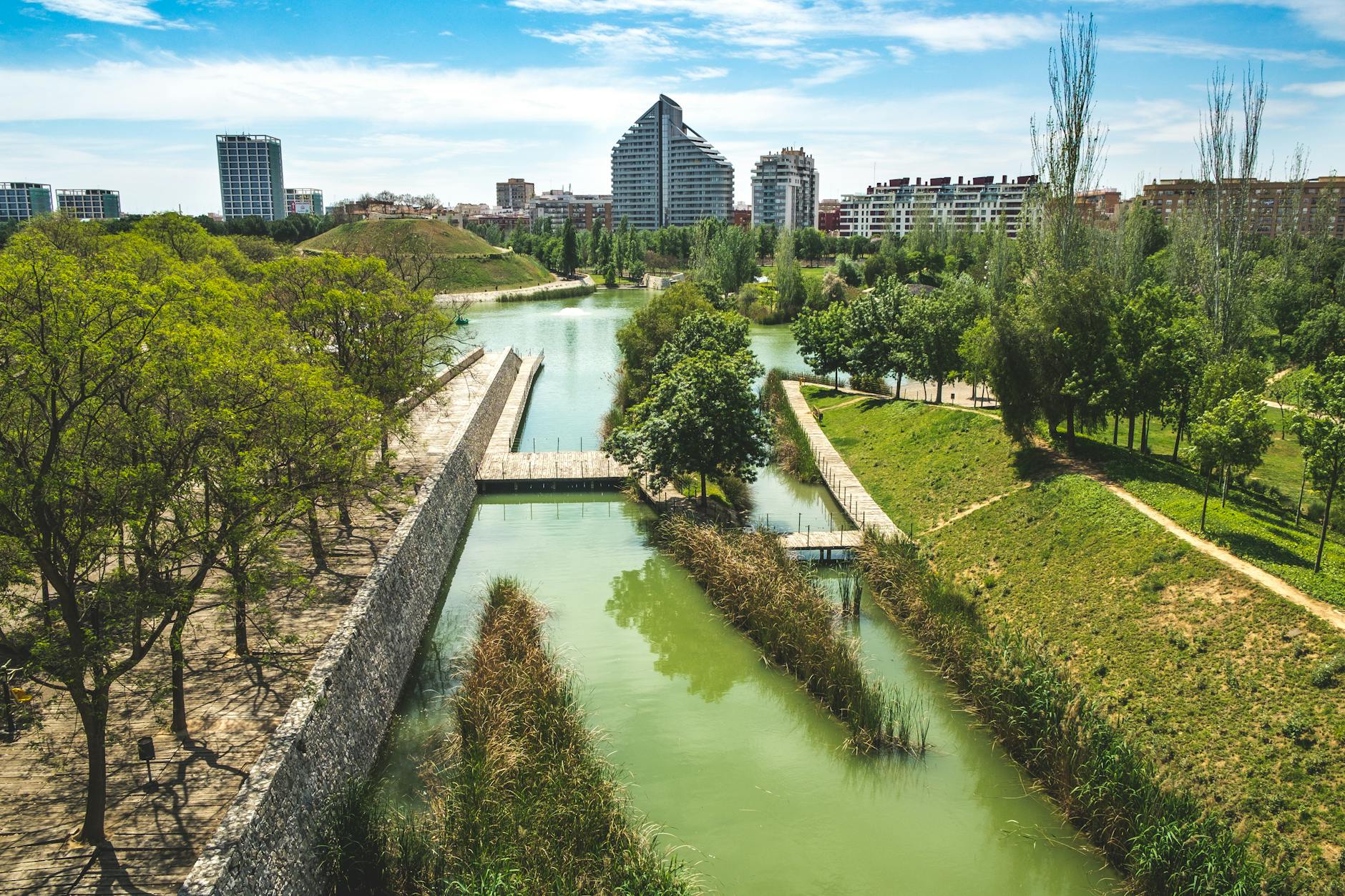
2) Use Valenbisi or a local bike for short trips and for crossing the Turia Gardens. Docking stations are dense in central neighborhoods.
3) Buy a multi-day transport pass if you plan multiple metro/tram/bus trips—consider the Valencia Tourist Card (unlimited public transit plus museum discounts) for a 2–3 day stay.
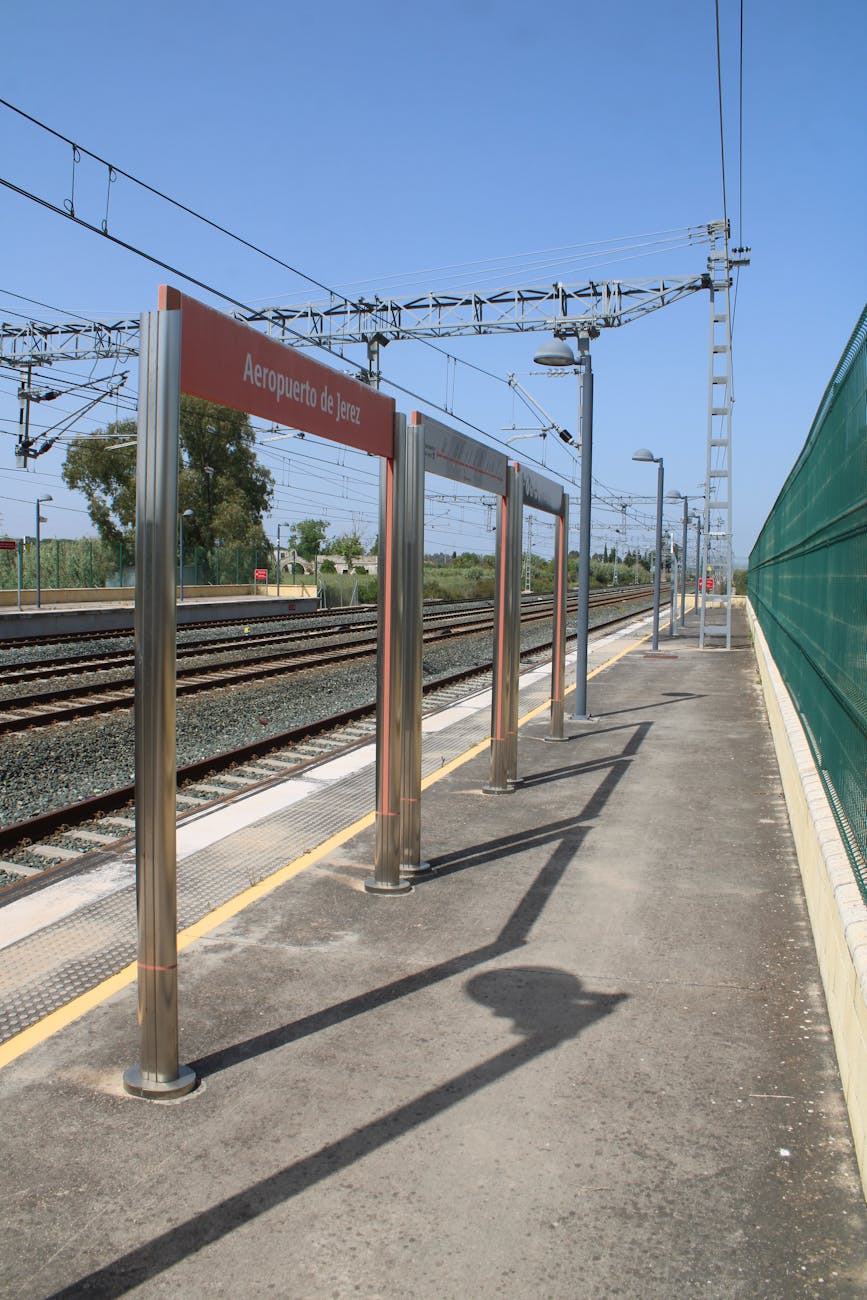
4) Airport: take Metrovalencia line to the city center for the lowest-carbon and cost-effective transfer; taxis and rideshares are useful late at night or with heavy luggage.
5) Day trips: prefer Renfe Euromed or Cercanías trains to Alicante and Elche; use ALSA buses for Calp and Benidorm where rail connections are limited. Ferries to Ibiza (Sant Antoni) run seasonally—book early in summer.
Local Context
Neighborhood and seasonal notes:
• Ciutat Vella and El Carmen: extremely walkable, cobbled streets, watch for scooters on narrow lanes.
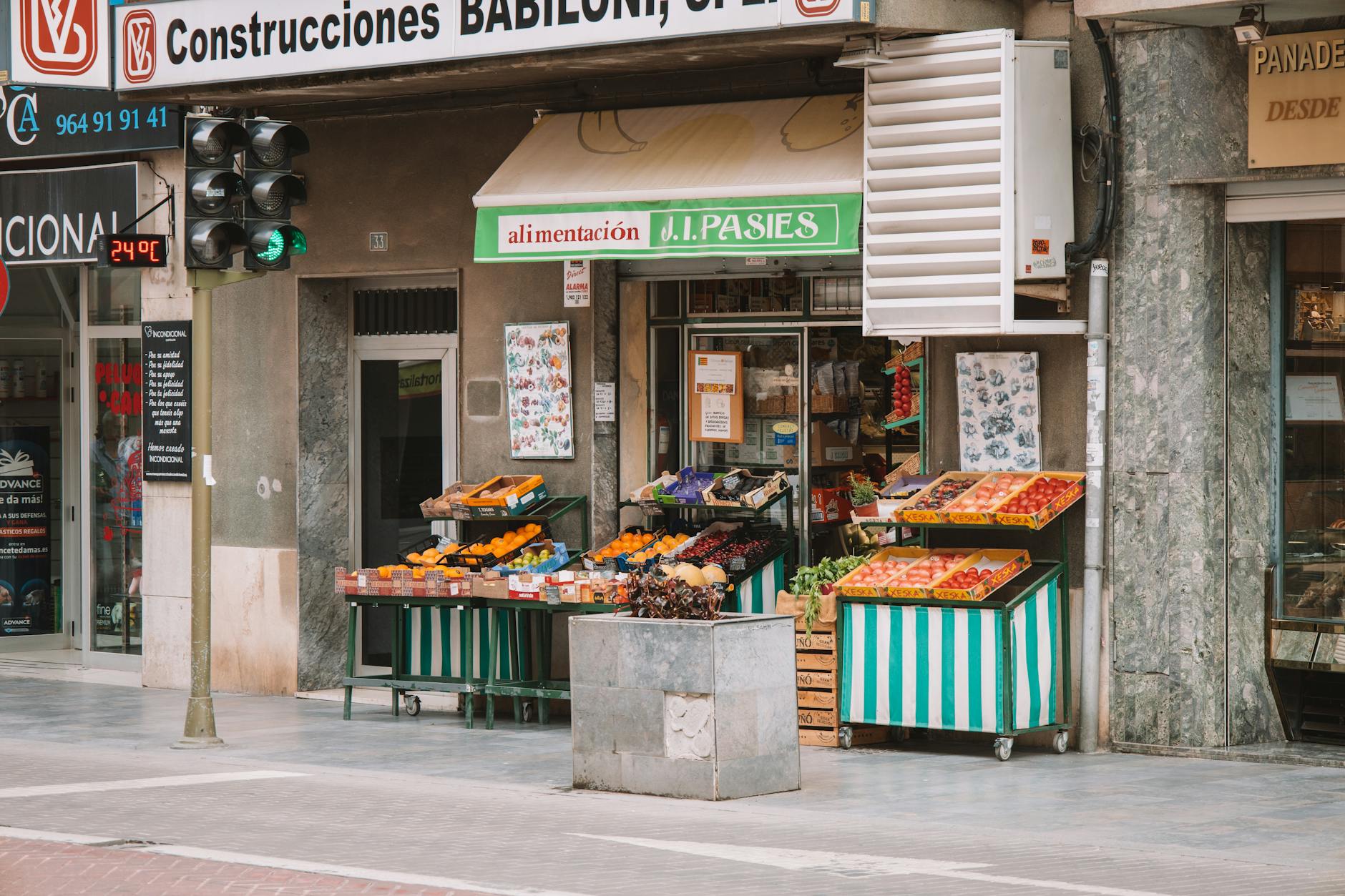
• Ruzafa: vibrant food scene; many independent shops—explore on foot or by short bike rides.
• Cabanyal and Malvarrosa: beach neighborhoods link to the city by tram and bike lanes.
Seasonal realities:
• Spring and autumn (March–May, September–November) are best for lower crowds and comfortable cycling.
• Fallas (mid-March) causes street closures, huge crowds, and sold-out trains and hotels—book well in advance or avoid if you prefer quieter travel.
Transit realities and etiquette:
• Validate tickets where required (inspectors operate on buses, trams and trains).
• Keep small change or cards; taxis accept cards but check with driver.
• Expect reduced night schedules on some lines and slightly altered timetables on Sundays and holidays.
• Respect local cues: queue politely for buses, offer seats to older passengers, and lock bikes in bike racks when stopping at cafes.
How to Choose Well
Choose based on distance, luggage and impact:
• Short, central trips (under 2 km): walk or use Valenbisi.
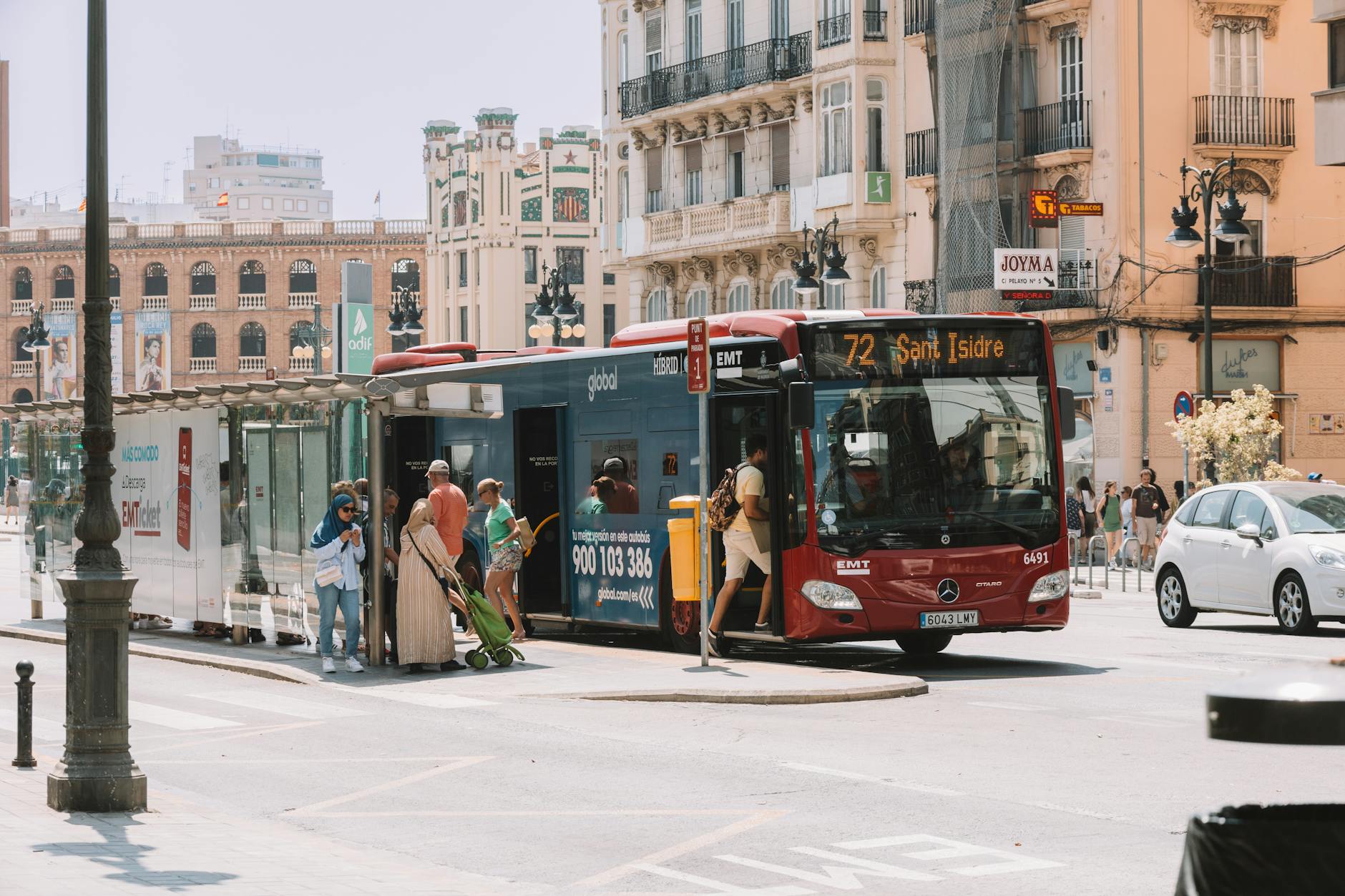
• Medium trips (2–6 km) across neighborhoods: tram or EMT bus; faster and still low-impact.
• Airport and regional connections: metro to/from airport; Renfe/Euromed trains to Alicante and Elche for comfort and speed.
• Coastal towns without rail (Calp, some Benidorm services): ALSA or regional buses are frequent and reliable; book seats in summer.
When to avoid a car:
• A car is unnecessary in the city centre and increases parking hassle and emissions. Consider a rental only for exploring remote rural areas outside the Valencian Community.
Booking practicalities:
• Use the Renfe website or app for trains, ALSA for many intercity buses, and the EMT/Metrovalencia apps for urban tickets.
• Buy ferry tickets to Ibiza or Formentera early in summer; some routes run only seasonally.
Responsible and Local-First Tips
• Favor public transit and human-powered travel to reduce your footprint and spread spending to neighborhood businesses.
• Choose local guides and small-group bike tours that hire local staff and use city bike lanes.
• Eat at mercados and small tapas places in Ruzafa and Cabanyal to support local vendors rather than international chains.
• Avoid peak-day ferries and flights within Spain when trains can do the job—rail tends to be lower-emission and supports regional economies.
• When using ride-hail or taxis, prefer official apps or radios to ensure fair fares for drivers and predictability for you.
Small actions matter: carry a refillable water bottle, bring reusable bags for market purchases, and lock bikes in approved stands to reduce theft and nuisance.
Common Mistakes to Avoid
• Buying the wrong ticket: check whether your ticket covers buses, trams and metro—look for a multi-modal pass if you plan many trips.
• Underestimating walking distances: Valencia is larger than the old town—allow time between neighborhoods.
• Waiting to book travel during Fallas or summer: trains, ferries and hotels sell out; book weeks or months ahead.
• Renting a car for a city-only visit: parking is scarce and expensive; public transit is faster and greener.
• Leaving valuables visible on bikes or at beaches: thefts are opportunistic—lock your bike and watch belongings on the sand.
FAQ
What’s the cheapest way from Valencia Airport to the city center?
The metro is the most economical and low-impact option—frequency is regular and journey time is about 20–25 minutes to central stations. Taxis cost more but may be easier with lots of luggage or late arrivals.
Is Valenbisi easy for tourists to use?
Yes. Valenbisi has short-term passes and many docking stations in central neighborhoods. It’s best for short hops; use bike lanes through the Turia Gardens and lock bikes properly when you stop.
Should I buy a transport pass for a 3-day visit?
If you plan multiple metro/tram/bus trips and museum visits, a 2–3 day Valencia Tourist Card or a multi-day EMT/Metro pass can save money and time. For mostly walking visits you may not need one—calculate based on planned trips in the 3 days in Valencia itinerary.
How do I get to Alicante, Benidorm or Calp from Valencia?
Trains (Renfe Euromed/Cercanías) are fast to Alicante and Elche. For Benidorm and Calp, regional buses (ALSA and private carriers) often provide the best connections—Calp has no direct rail link. Book in advance during summer.
Are there ferries to Ibiza (Sant Antoni)?
Yes, seasonal ferries run from Valencia and nearby Denia to Ibiza and Sant Antoni. Services increase in summer; reserve early if traveling during July–August.
Is tipping expected in taxis and restaurants?
Tipping is modest—rounding up a taxi fare or leaving 5–10% in casual restaurants is appreciated but not mandatory. Support small local cafés and market stalls directly when you can.
Conclusion
Plan to combine walking, Valenbisi and public transit for most of your 3-day visit. Use trains for regional day trips and buses where rail doesn’t reach. Book trains and ferries early for high season and Fallas, prioritize low-impact options, and spend locally in neighborhoods such as Ruzafa, El Carmen and Cabanyal. For routings tied into daily plans, return to the 3 days in Valencia itinerary and link your chosen days to regional trips to Alicante, Benidorm, Calp, Elche or Sant Antoni.
How this guide was prepared
This guide was prepared through a structured research that combines destination research, geographic context, itinerary planning logic, and content review.