
Practical 3-Day Strasbourg Itinerary and Weekend City Guide
A hands-on 3-day plan for Strasbourg with transit tips, realistic budgets, and timed routes to see the cathedral, Petite France, museums and a wine route.
A clear, non-glossy 72-hour plan for seeing the cathedral, Petite France, museums, an Orangerie stroll and an Alsace wine detour with realistic timing and costs.
Arrival often starts at Gare de Strasbourg and the first view is the cathedral's pink sandstone façade cutting through narrow streets. The city moves at variable pace: the Grande Île centre is compact but crowded in summer and during the Christmas market, while areas across the river such as Neustadt and Neudorf feel quieter and more local.
Expect clear Germanic influences in architecture and cuisine; that mixture defines the place more than any single monument. Shops and museums close mid-afternoon on Mondays or stay shut on certain weekday afternoons, so plan museum visits around their hours.
Is 3 days in Strasbourg enough?
Yes — three days are enough to cover the cathedral, Petite France, Palais Rohan museums and a relaxed day in the Orangerie or a half-day wine trip. The main caveat is time: a full Route des Vins day or a longer Alsace village tour will have to be postponed or shortened.
Who This Guide Is For
Best for travelers who like compact city breaks focused on historic centres, museums and regional food. Not ideal for those expecting a slow rural wine-country immersion or an extensive day-trip schedule.
Local Tips for Strasbourg
Practical details that most travel sites skip — specific to Strasbourg.
- Buy tram tickets from CTS machines or the CTS app (Ticket unité 1h about €1.80) and validate once — controllers fine on the spot.
- Batorama boat tours leave from Pont Saint-Martin near the cathedral; day tickets are roughly €12–€14 and the route shows the city's hydraulics and Petite France facades.
- Cathedral tower climb (Tour de la Cathédrale) has a small entry fee (around €7–€9) and the ticket office closes before the cathedral itself, so book the climb earlier in the day.
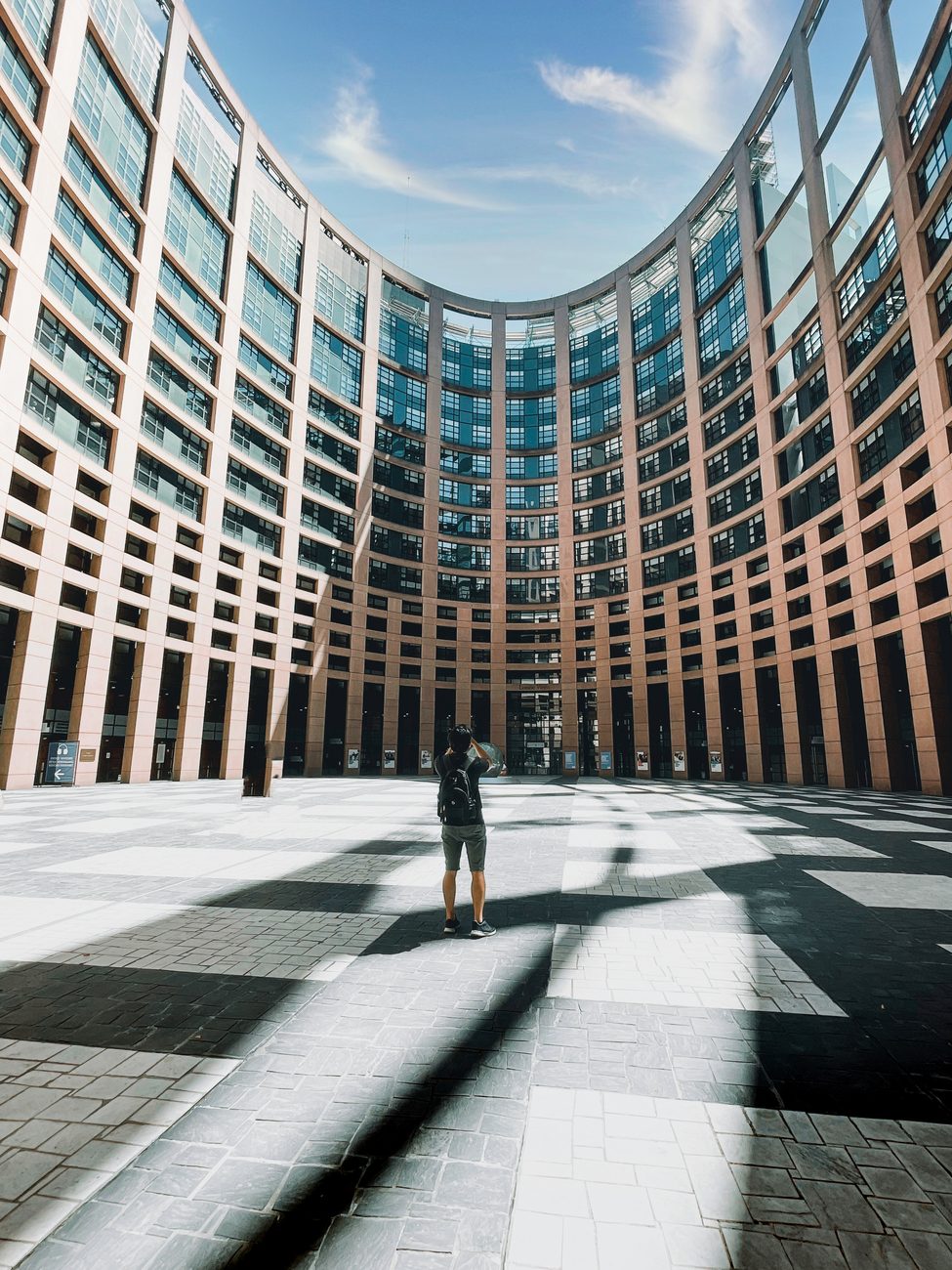
- The European Parliament offers free guided visits but requires online registration and ID at security; check session days when the hemicycle is closed to public tours.
- Train from Gare de Strasbourg to Colmar or Sélestat is frequent (TER 25–45 minutes); return tickets bought on SNCF app are often cheaper than station kiosks.
How This Guide Was Prepared
Three days here work best as a tightly scheduled sampler: the Grande Île core, a riverside neighbourhood and a short wine-road taste. Many guides overbook attractions and understate transit times across the Ill river and tram network; this plan uses realistic walking and tram legs and flags opening hours that commonly surprise visitors. This guide was prepared through a structured research that combines destination research, geographic context, itinerary planning logic, and content review.
Plan Your Stay in Strasbourg
Use this itinerary as your starting point, then compare areas to stay, transport options, seasonal timing, and realistic daily costs before booking.
Why Visit
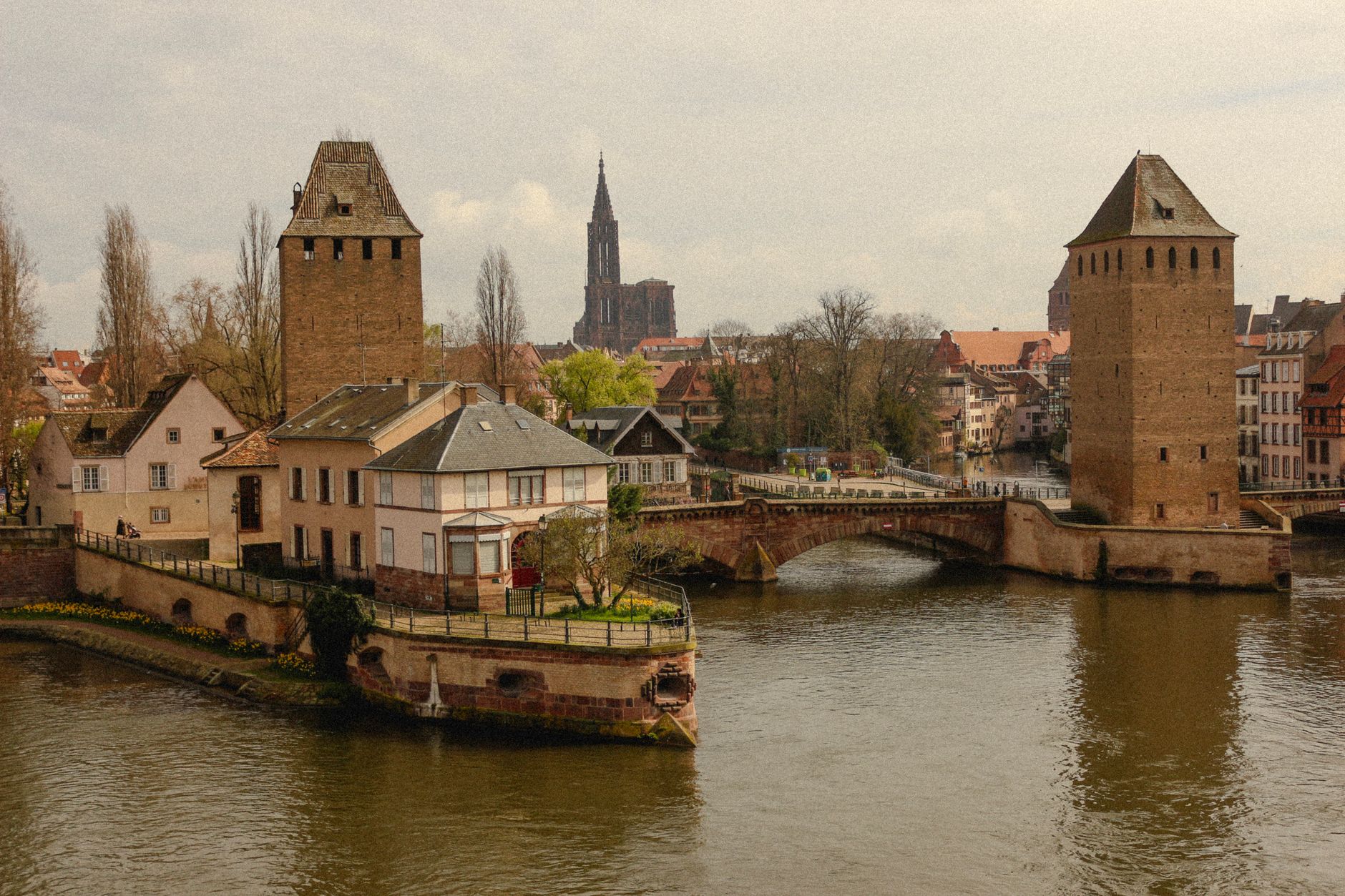
The cathedral is one of the few Gothic façades that still draws serious architectural study and a timed tower climb gives a panoramic layout of the island. The riverside district known as Petite France offers canalside architecture and mill houses in a concentrated walking loop; it makes an excellent half-day on foot.
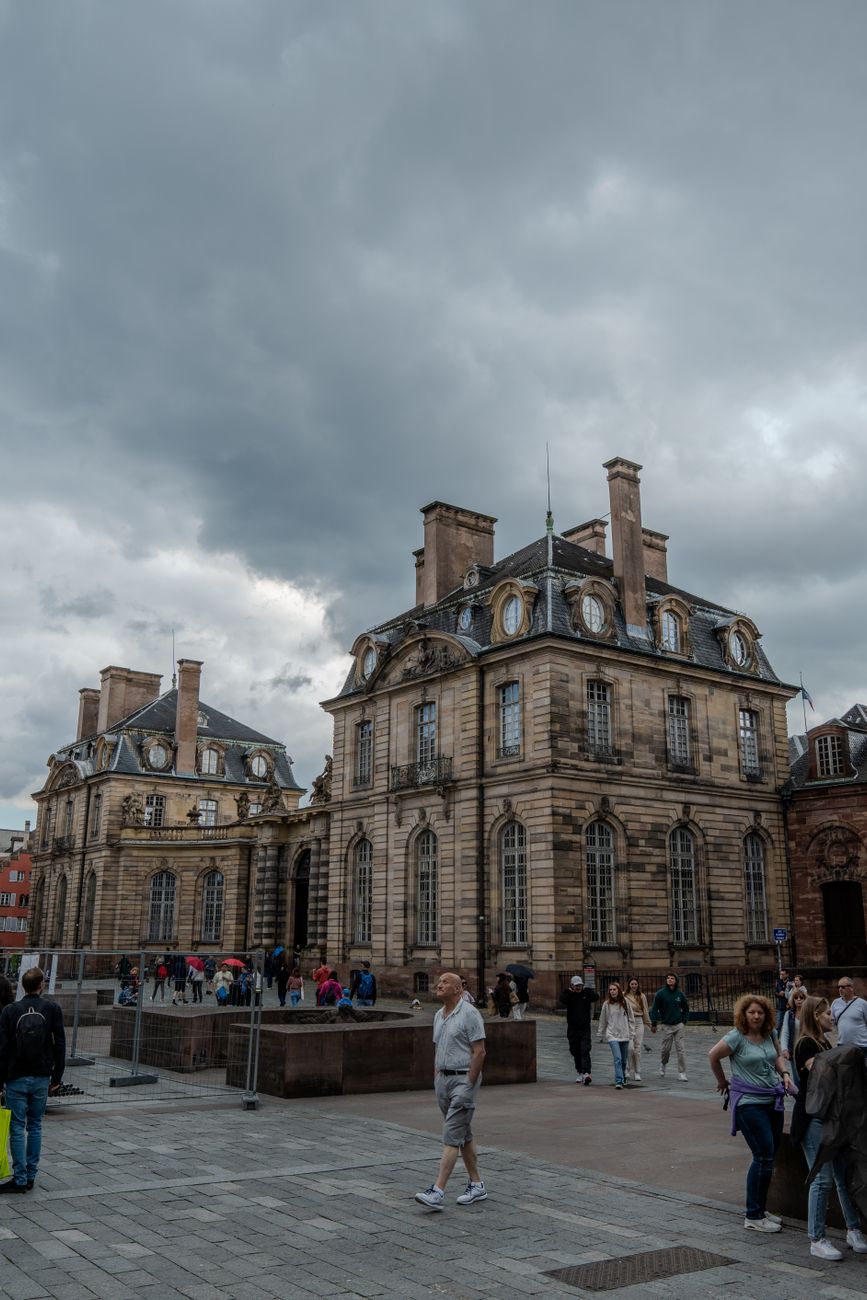
Palais Rohan hosts three museums — Beaux-Arts, Archéologie and Arts décoratifs — all within the same block so art lovers can move efficiently between collections. The city's location on the Alsace route makes it an excellent base for a short wine road detour to places such as Obernai and Barr without sacrificing museum time.
Quick Planning Tips
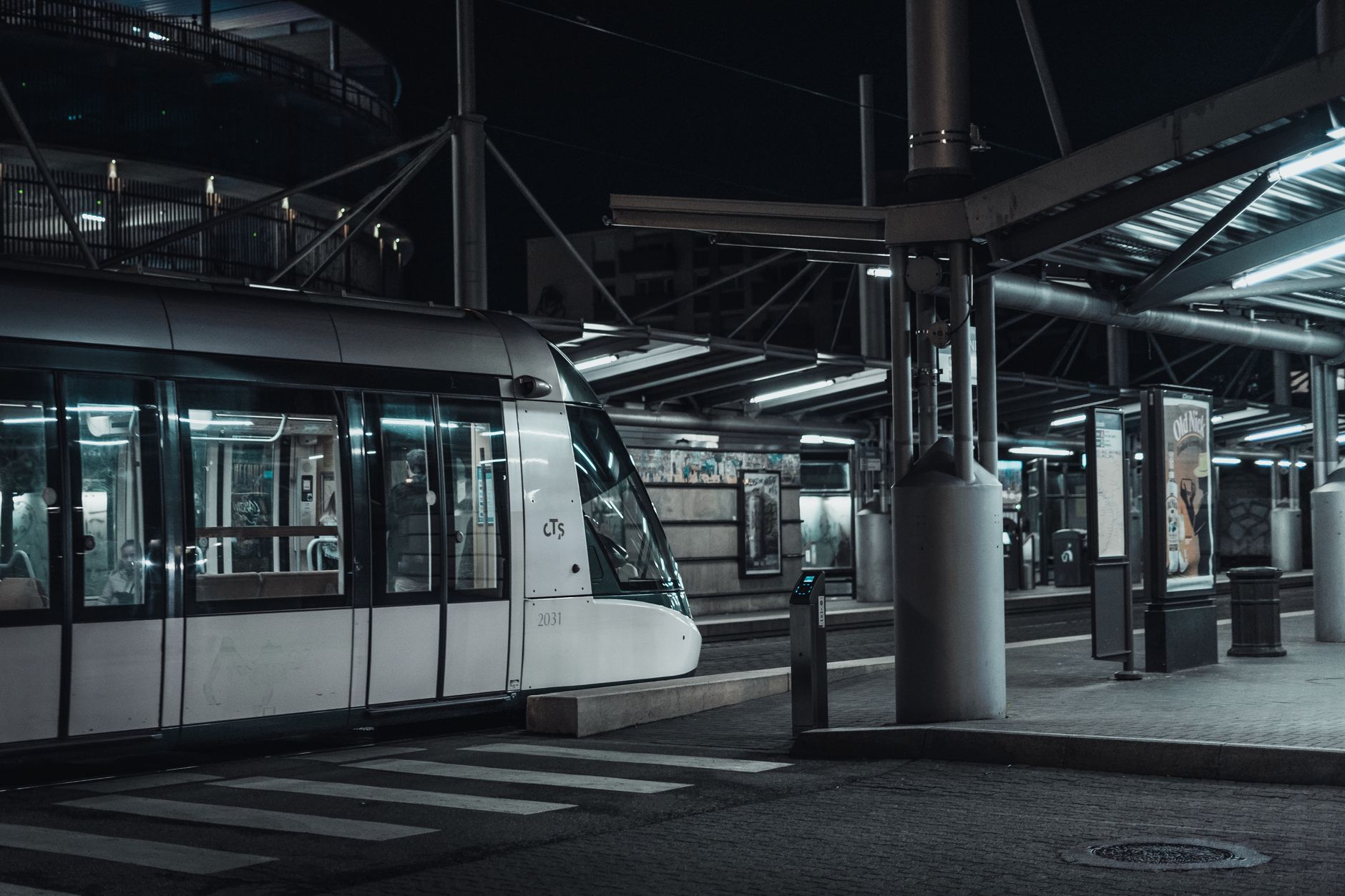
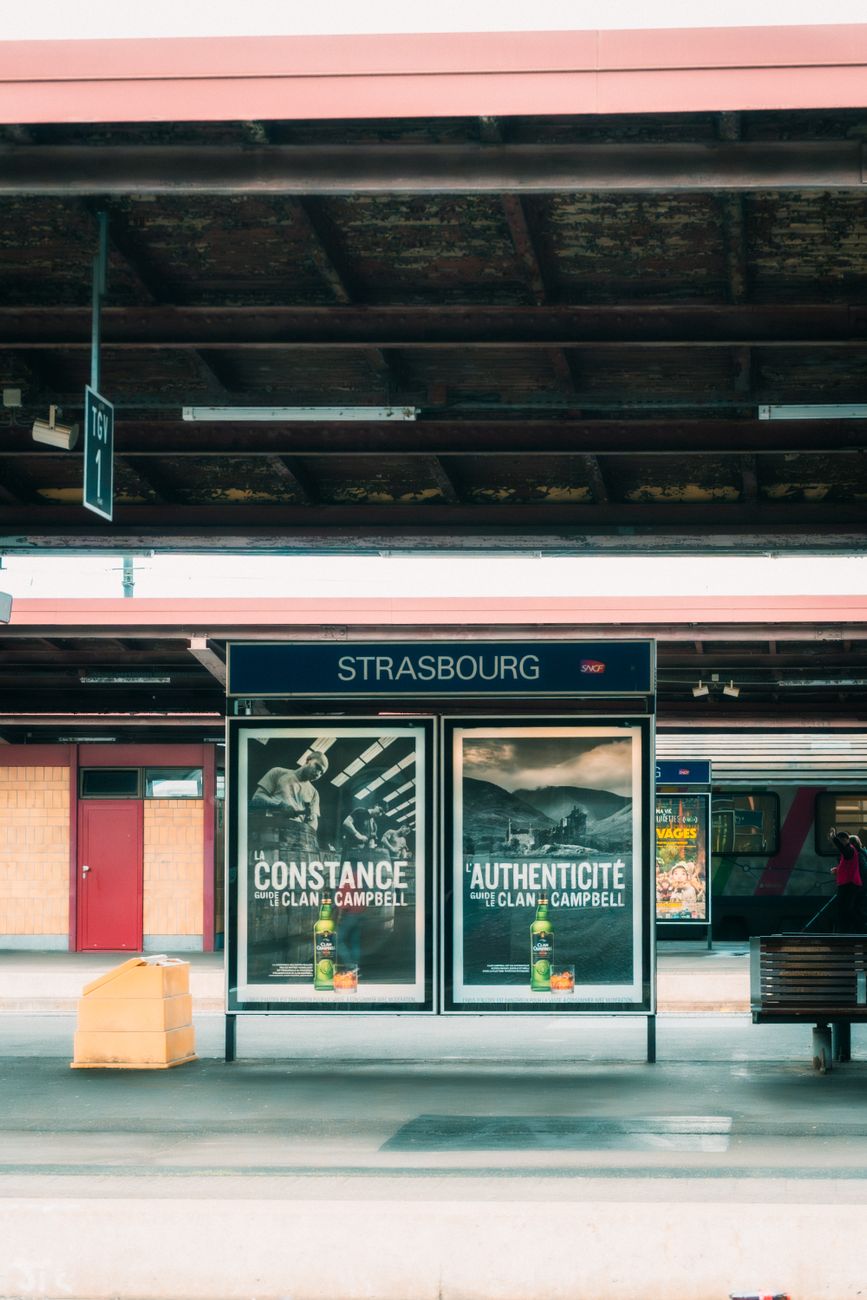
The fastest way from the airport is tram line A from Gare de l'Aéroport to Homme de Fer/Gare Centrale in about 25–30 minutes; trains to Paris run from Gare de Strasbourg (TGV). Buy tram/bus tickets from CTS machines or the CTS app before boarding; single-ticket validation is still enforced.
Carry a mix of contactless payment and some cash for small winstubs and markets; many small restaurants add a small couvert or expect rounding up. Avoid planning major museum visits on Monday afternoons; check opening hours and book the cathedral tower or Batorama boat in advance during high season.
Day 1
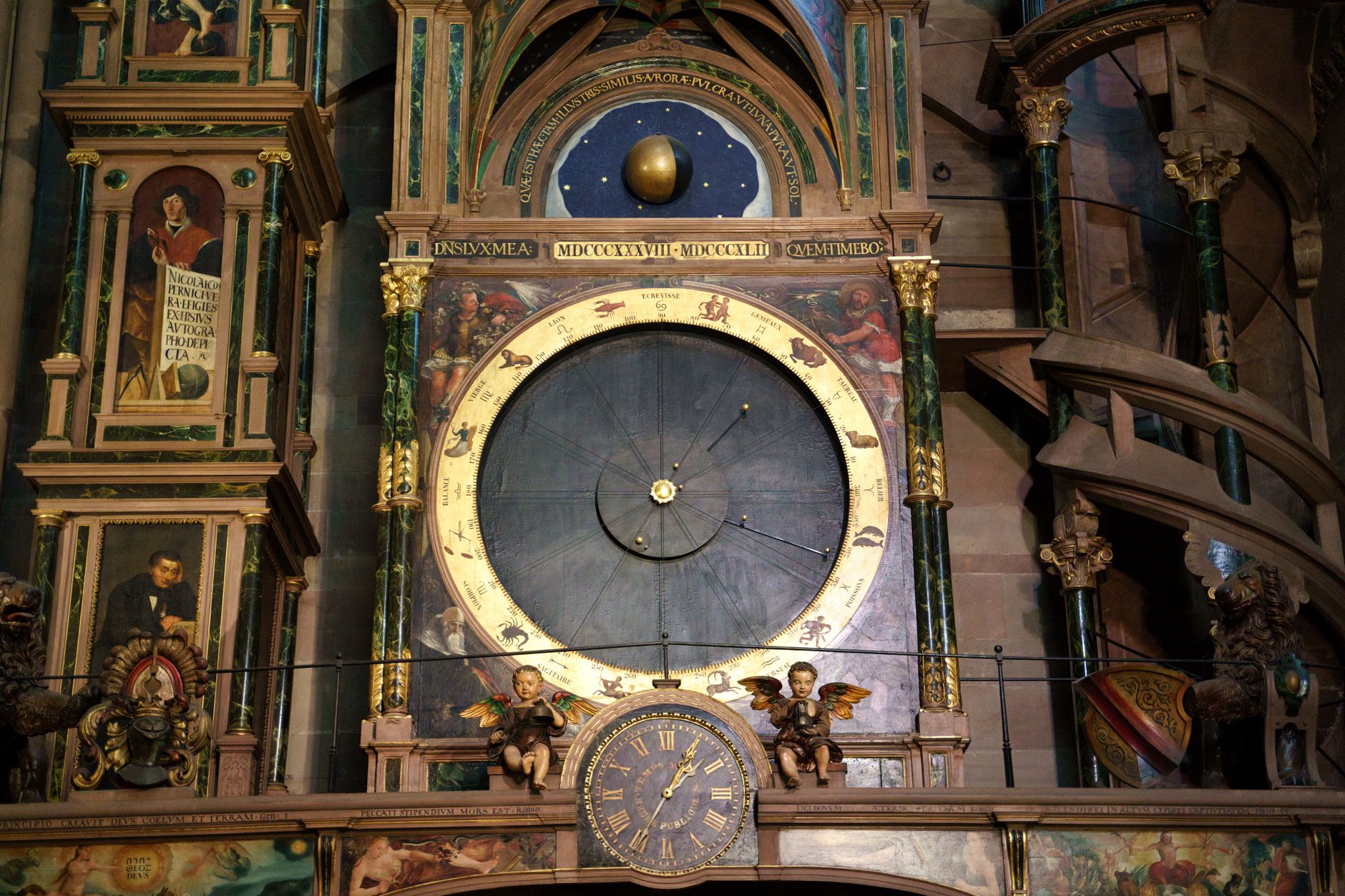
Morning: Start at Cathédrale Notre-Dame de Strasbourg. Allocate 60–90 minutes for interior and the astronomical clock show; the tower climb adds 45–60 minutes and closes earlier in winter. Walk 3 minutes to Maison Kammerzell for photos and a coffee.
Late morning: Cross to Place Kléber and walk 5–10 minutes to Palais Rohan; visit the Musée des Beaux-Arts and the Musée Archéologique — combined time 90 minutes to 2 hours. Lunch: Eat at Le Gruber near the cathedral for traditional Alsatian dishes (allow 40–50 minutes, expect €18–€30 mains).
Afternoon: Head to Petite France (10-minute walk from the cathedral). Stroll the canals, Ponts Couverts and the old millhouses; allow 60–90 minutes. Late afternoon: Take a Batorama boat from Pont Saint-Martin (about 50 minutes) to see the city's hydraulic locks and bridges.
Evening: Dinner in Petite France at La Corde à Linge for flammekueche and river views, then an evening walk toward Place Gutenberg to see the cathedral lit at night.
Day 2
Morning: Cross to the Neustadt/European quarter by tram (lines B or C to Wacken or European Parliament; 10–15 minutes). Tour the European Parliament visitor centre — book a guided visit in advance and allow 90 minutes for security and the exhibition.
Late morning: Walk 15–20 minutes through Parc de l'Orangerie to reach the small zoo and the lake; combine with a café stop. Lunch: Try a winstub near Place de l'Étoile or around Avenue de la Forêt-Noire for a substantial choucroute or baeckeoffe (allow 45–60 minutes).
Afternoon: Return to Grande Île and visit Musée Alsacien on Rue du Bain-aux-Plantes (about 20 minutes by tram or a 25-minute walk). The museum offers a clear view of domestic Alsace life over the centuries; allow 60–75 minutes.
Evening: Take a tram to Neudorf for a more local dinner option and quieter bars; tram ride 10 minutes. End the night with a short riverside walk back toward Gare Centrale if staying near the station.
Day 3
Morning: Take an early TER train from Gare de Strasbourg to Colmar or Obernai for a half-day village visit (Colmar 25–30 minutes, Obernai 30–40 minutes). If remaining in town, visit Musée d'Art Moderne et Contemporain (MAMCS) near the médiathèque; plan 60–90 minutes.
Late morning: Return or stay and walk the canals toward Rue des Orfèvres and the fish market area for lunch. Lunch: Pick a market stall or bistro for a quick tarte flambée (flammekueche) to save time before departure.
Afternoon: If catching an afternoon flight or train, return to the hotel to collect luggage and head to Gare Centrale or the tram to the airport; allow one hour for baggage and a further 25–30 minutes by tram to the airport. If time permits, squeeze in a last-minute visit to Place Kléber for souvenirs or the Christmas market stalls in season.
Practical note: For afternoon departures, avoid scheduling the cathedral tower or long museum visits on the final morning to prevent missed connections.
Best Local Experiences
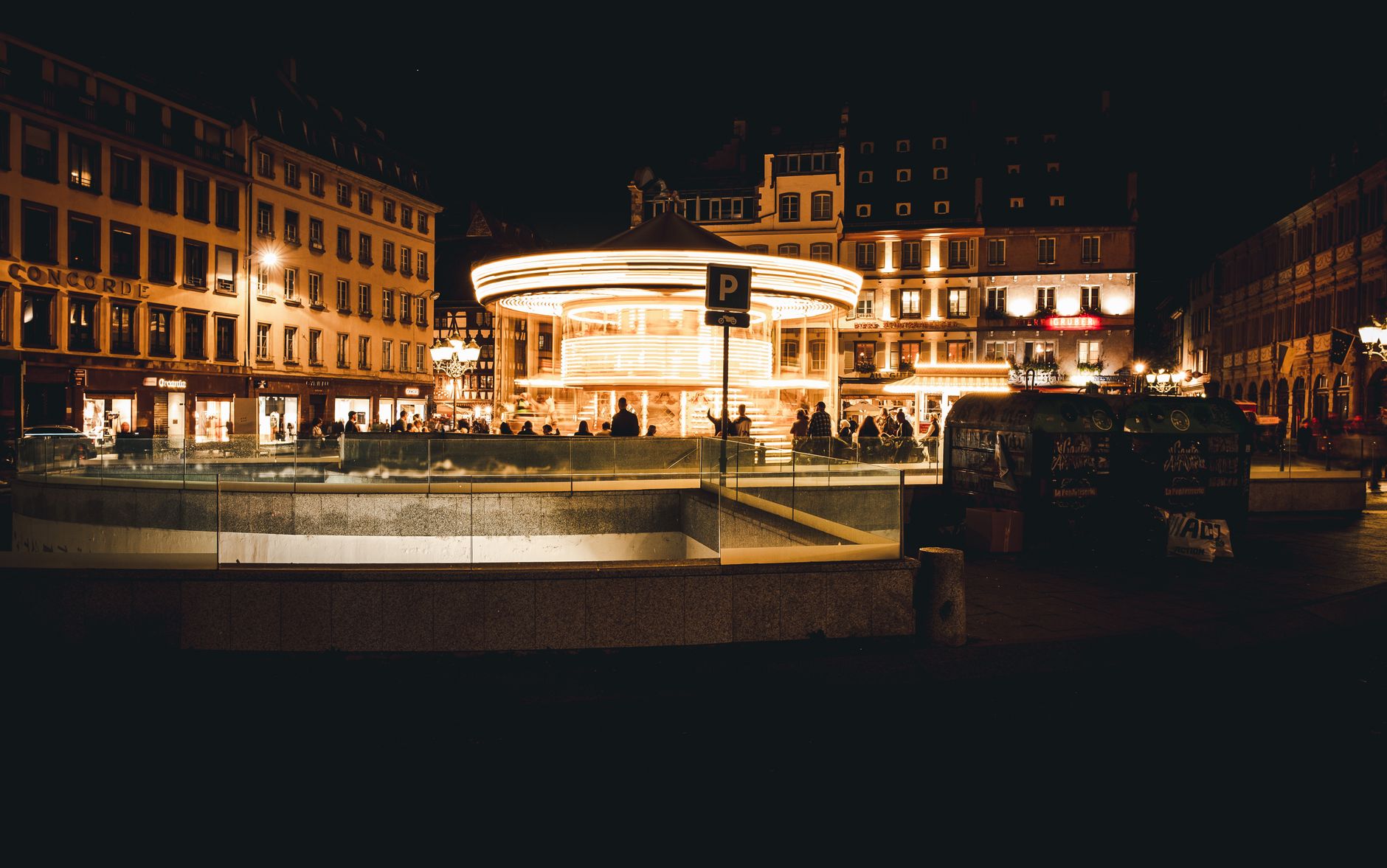
Christkindelsmärik (Place Kléber and surrounding squares) in late November–December is a single, dense Christmas market with regional stalls and mulled wine. Batorama river tour from Pont Saint-Martin shows the city's locks, millwork and canal layout in under an hour.
A half-day on the Route des Vins d'Alsace to towns like Obernai or Barr gives vineyard scenery and tasting rooms within 30–40 minutes by train. Parc de l'Orangerie offers joggers, stork nests and a small zoo—good for a relaxed morning with locals.
Winstub dining (for example places around Rue du Bain-aux-Plantes) is a culinary routine that emphasizes shared plates and local wines. The Saturday market at Place Broglie (seasonal) and the covered market at Place du Marché-Neuf are where producers from the surrounding plains sell cheeses and sausages.
Where to Stay
Grande Île / Historic Centre — Suits first-time visitors who want cathedral access, Palais Rohan and most museums within walking distance. Nightly rates typically range €120–€220 (about $130–$240) depending on season and hotel class.
Krutenau — Suits students and food-focused travelers who want quieter streets, riverside cafés and bars; a 10–15 minute walk to the cathedral. Expect €80–€130 per night (about $90–$145).
Neudorf and Gare area — Suits budget travelers and those arriving late or leaving early by train; more modern apartment options and quicker airport tram access. Rates often run €60–€110 per night (about $65–$120).
Food and Drink
Tarte flambée (flammekueche) — a thin-crust flatbread with crème fraîche, onions and lardons; find a solid version at La Corde à Linge or local winstubs for €7–€12. Choucroute garnie — slow-simmered cabbage with multiple sausages and pork cuts; order at traditional winstubs like Le Clou or Le Gruber for €16–€28.
Baeckeoffe — a meat-and-potato casserole marinated in white wine and herbs served in a clay pot; look for it in menus at Palais Rohan-area restaurants for €14–€20. Kougelhopf — a yeast bundt cake with raisins and almonds sold at bakeries like Pâtisserie Naegel for €3–€5, a good breakfast or snack.
Alsace wines (Riesling, Gewurztraminer) and local bières — order a 50cl carafe or a glass at restaurants; bottles for a tasting flight in wine bars around Place Gutenberg run €12–€25. Street food and market snacks such as pretzels (bretzels) cost around €1.50–€3 at stands.
Getting Around
The CTS tram network uses lines A, B, C, D and E and covers Grande Île, Neustadt, Neudorf and the European quarter; trams run every 5–15 minutes depending on line and time. Single Ticket (Ticket unité 1h) costs about €1.80; a 24-hour pass is roughly €6 and a 72-hour pass about €15 — buy at machines or via the CTS app and validate on boarding.
Vélhop is the city bike-share for short trips; stations are plentiful on Grande Île and near Gare Centrale. Bus 10 connects Gare Centrale and the airport with a 25–30 minute journey; a taxi from the airport to the centre is typically €30–€40 depending on traffic. Use the CTS app for schedules and the SNCF app for regional TER trains.
Best Time to Visit
High season runs June–August with daily highs around 22–26°C; expect larger crowds and higher hotel rates. Late November–December is peak for the Christmas market with cold temperatures from 0–6°C and busy pedestrian streets.
Shoulder seasons April–May and September–October offer mild weather (10–20°C), fewer crowds and better value on accommodation. Avoid mid-August if reliant on small local shops and winstubs, as several close for summer breaks.
Budget and Practical Tips
Daily budget estimate for a pragmatic traveler: Accommodation €80–€150 ($90–$165), food €25–€50 ($28–$55), transport €6–€12 ($7–$13), entry fees and extras €10–€25 ($11–$28). Museums typically charge €6–€10 for adult entry; the cathedral interior is free but the tower and special exhibits cost extra.
Cash is accepted but cards are standard; many small winstubs expect smaller change. Tipping norms: service is included in French restaurant bills, but rounding up or leaving €1–€3 for exceptional table service is common.
FAQ
Is Strasbourg safe for solo travelers?
Yes. Daytime and most central areas are safe; standard vigilance is advised around busy tram stops and at night. Petty pickpocketing can occur near tourist clusters.
How do I get from the airport to the centre?
Tram line A runs between the airport and Homme de Fer/Gare Centrale in about 25–30 minutes; bus 10 also services the route at similar times.
Is a Strasbourg city card or pass worth it?
A city card can save money if visiting multiple paid museums and taking Batorama; calculate based on intended entries since many major sights are free or low-cost.
Can a day trip to Colmar or the wine route be done from here?
Yes — TER trains to Colmar or to stations on the Route des Vins take 25–45 minutes and make a half-day doable.
Are English and German widely spoken?
German and English are common in tourist spots and hotels; older signage and menus may be in French or Alsatian, so have basic phrases ready.
What transit ticket should I buy for short stays?
For three days, a 72-hour CTS pass (if available) is convenient; otherwise buy single tickets for short hops and a 24h pass on busier days.
Conclusion
Three days produce a clear sense of the island's streets, the cathedral's scale, and an introduction to Alsace's food and wine. The stay will be remembered most for the canal-side façades of Petite France, the cathedral outlook and a single, well-chosen tasting on the wine route.
If short on time, prioritise the cathedral interior and tower climb plus a Batorama boat to understand the city's layout; that combination returns the most context for further exploration.
How this guide was prepared
This guide was prepared through a structured research that combines destination research, geographic context, itinerary planning logic, and content review.