
3 Days in Naha-shi: 3-Day Naha Itinerary: History, Beaches & Market Eats
Plan 3 days in Naha-shi with this practical itinerary covering major sights, neighborhoods, food, and transport.
A compact, search-ready 3-day plan for Naha-shi: history at Shuri Castle, market mornings on Kokusai Dori, pottery lanes, beach time and smart transit tips for a weekend break.
Naha is a compact, lively capital with a distinct Ryukyuan character: vivid red castle ruins, island-flavored street food, and a walkable downtown built around Kokusai Dori. It suits travelers who want a short cultural escape with beach access and strong food culture—think history lovers, market grazers and casual beachgoers. Three days is ideal because you can cover the main historical sites, taste market stalls and pottery alleys, and still squeeze in a beach afternoon without rushing.
This guide is built for searches like "3 days in Naha" or "Naha itinerary" and focuses on practical timing, neighborhood flow, and transit tips so you can make the most of a long weekend.
Quick Answer
A compact, search-ready 3-day plan for Naha-shi: history at Shuri Castle, market mornings on Kokusai Dori, pottery lanes, beach time and smart transit tips for a weekend break.
Who This Guide Is For
This guide is best for first-time visitors, couples, solo travelers, and anyone planning 3-day city break, cultural, food & markets in Naha-shi with a balance of highlights, local character, and reasonable spending.
How This Guide Was Prepared
This guide was prepared through a structured editorial workflow that combines destination research, geographic context, itinerary planning logic, and practical travel review.
Plan Your Stay in Naha-shi
Use this itinerary as your starting point, then compare areas to stay, transport options, seasonal timing, and realistic daily costs before booking.
Why Visit
Naha blends mainland Japan convenience with Okinawan culture: unique architecture, distinct cuisine such as Okinawa soba and awamori, and living craft traditions like yachimun pottery. The city is compact—historic Shuri sits a short rail ride from the airport and downtown—so you can hit highlights quickly. Expect friendly neighborhoods, a lively market scene, and easy access to beaches and ferries for side trips.
It’s a good choice if you want culture plus relaxation without long intercity transfers. The local pace is relaxed but city services are modern and visitor-friendly.
Quick Planning Tips
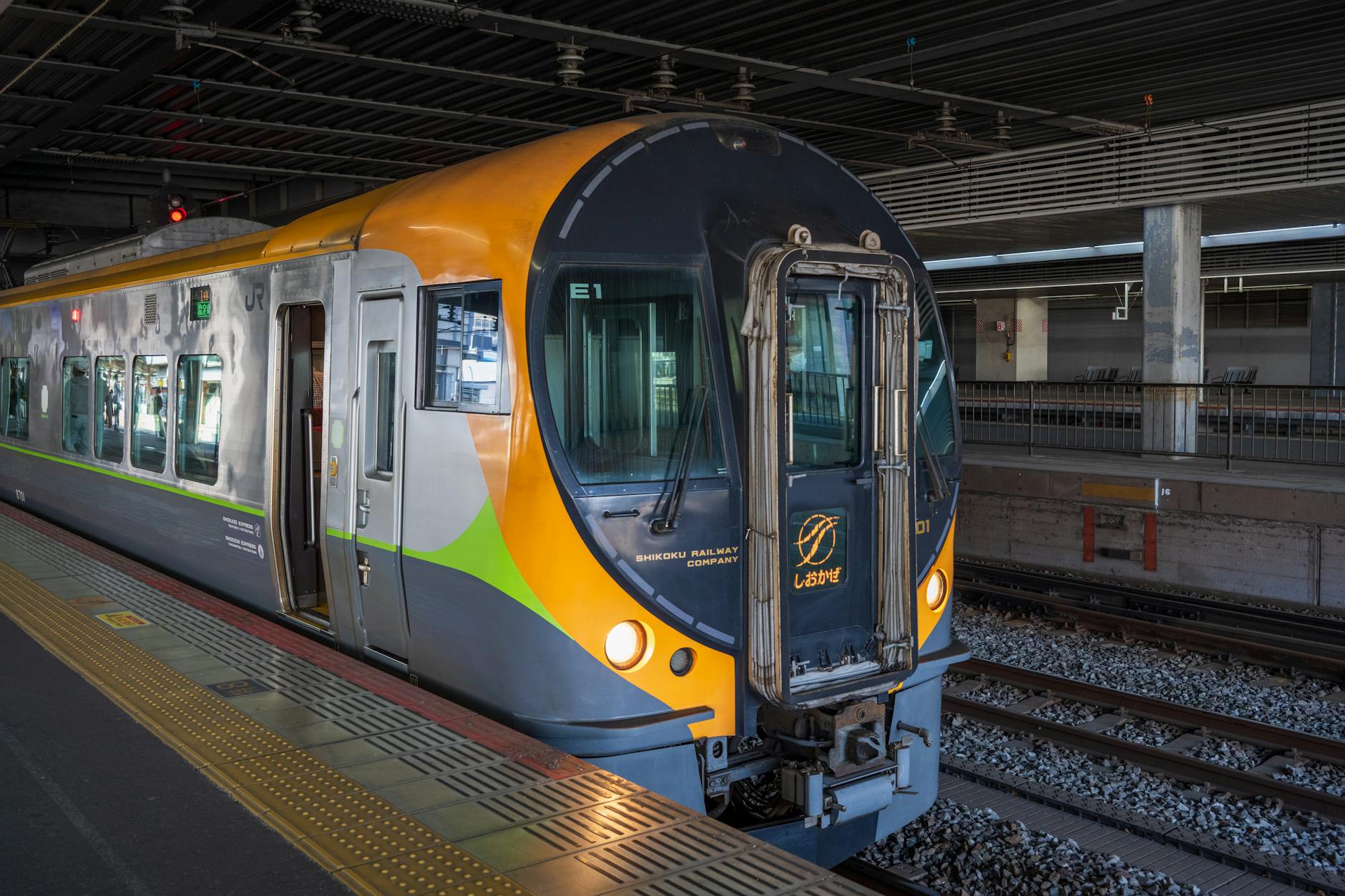
Fly into Naha Airport and take the Yui Rail into town—fast and reliable. Buy an OKICA or IC card for convenient transit on the monorail and some buses. Plan to walk Kokusai Dori in the evening for restaurants and shops; mornings at Makishi Public Market are best for fresh stalls and local breakfasts.
Carry cash for small market purchases; many small eateries are cash-first. Luggage storage services and coin lockers are available near Naha Airport Station and major stops. If you plan island day trips, check ferry schedules from Tomari Port and book in advance during high season.
Day 1
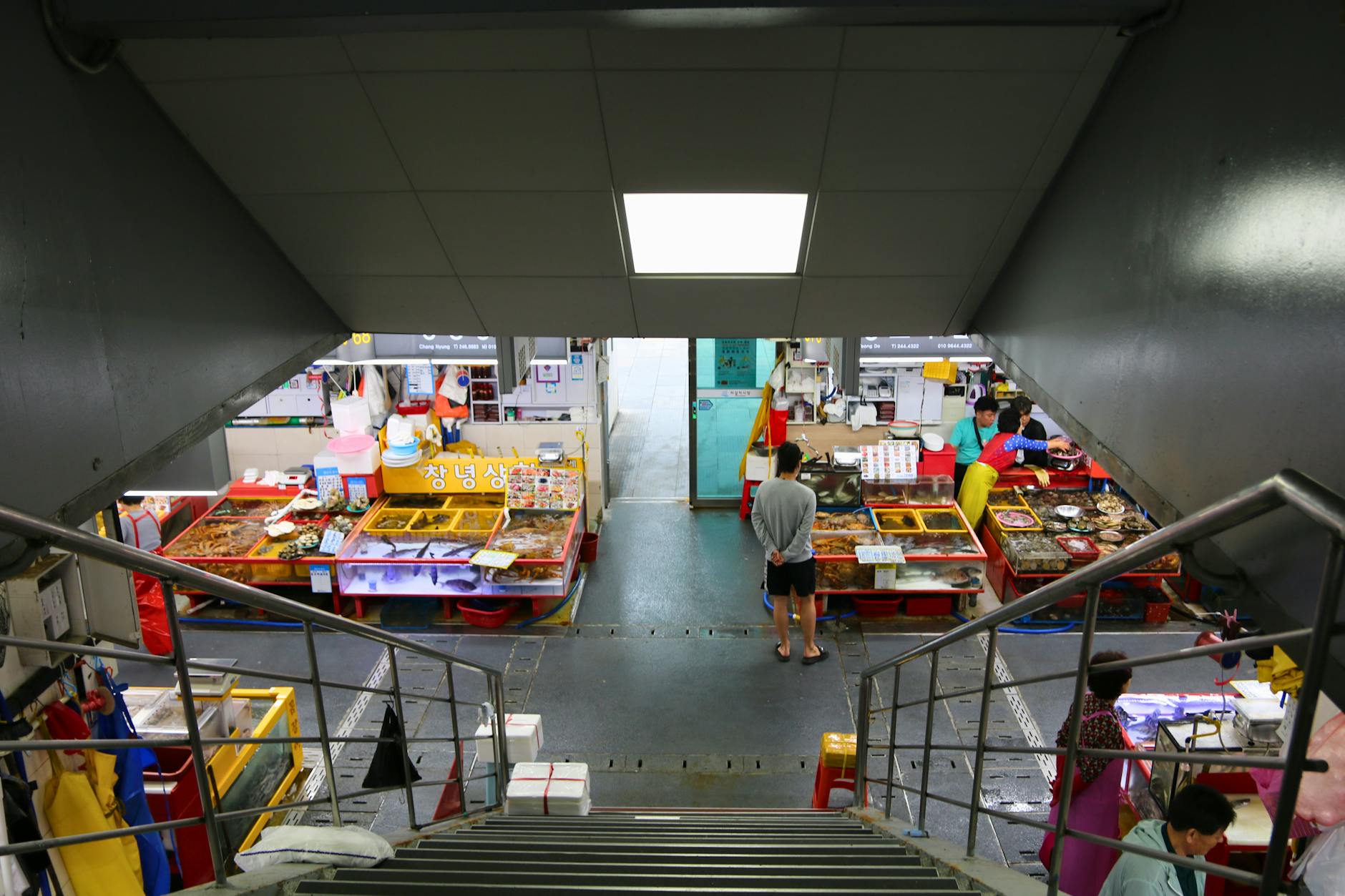
Morning: Arrive, drop bags near Kokusai Dori or Makishi. Start with a market breakfast at Makishi Public Market—try Okinawa soba, goya champuru or a bowl of fresh fish. Walk Kokusai Dori for shops, souvenirs and a coffee stop.
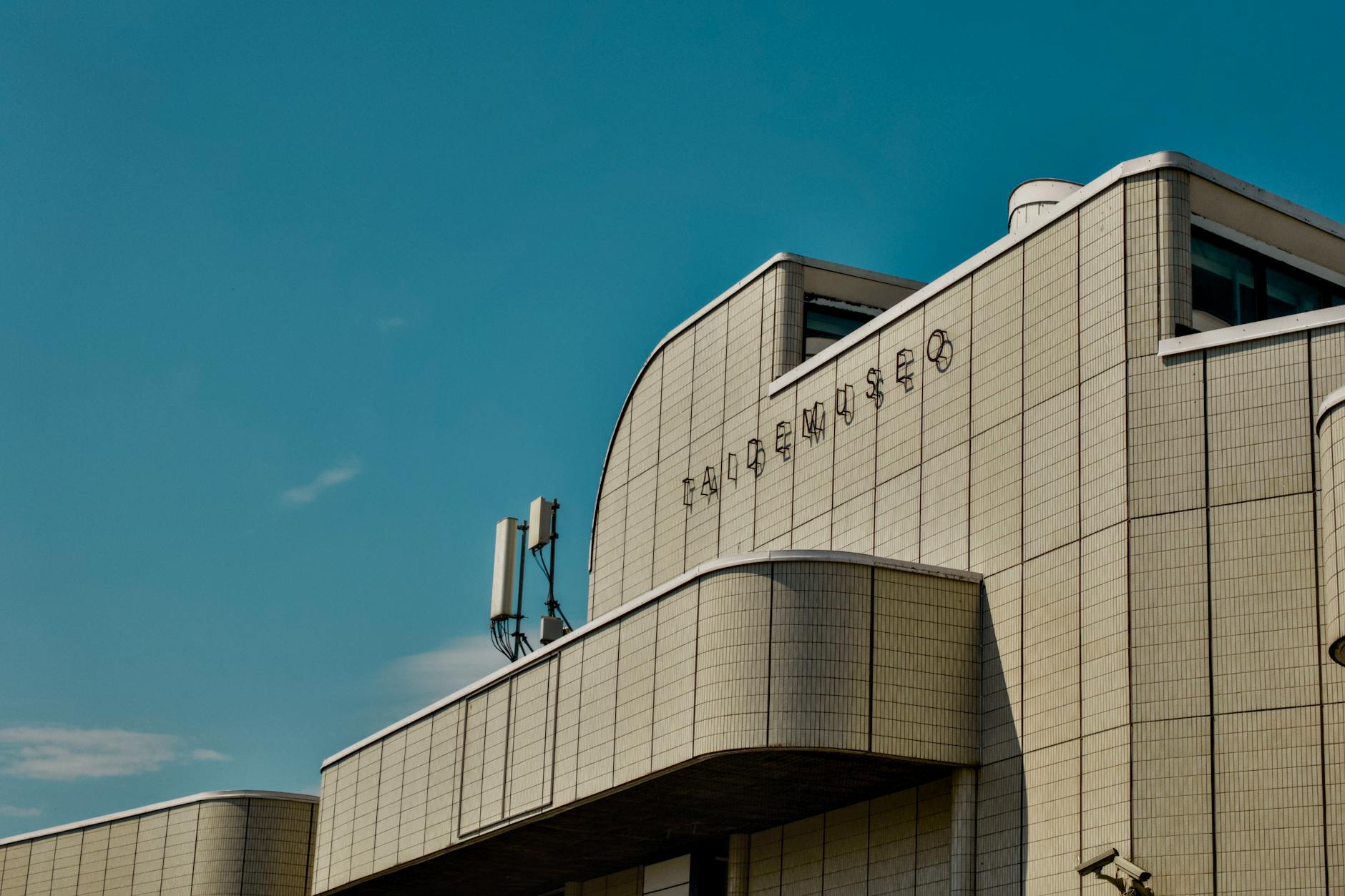
Afternoon: Visit the Okinawa Prefectural Museum for context on Ryukyuan history, then stroll toward Naminoue Shrine and Naminoue Beach for a relaxed seaside walk.
Evening: Return to Kokusai Dori for izakaya-style dinner or a rooftop bar. Transit tips: Kokusai Dori and Makishi are walkable from Yui Rail’s Makishi and Kencho-mae stations; taxis are inexpensive for short hops.
Day 2
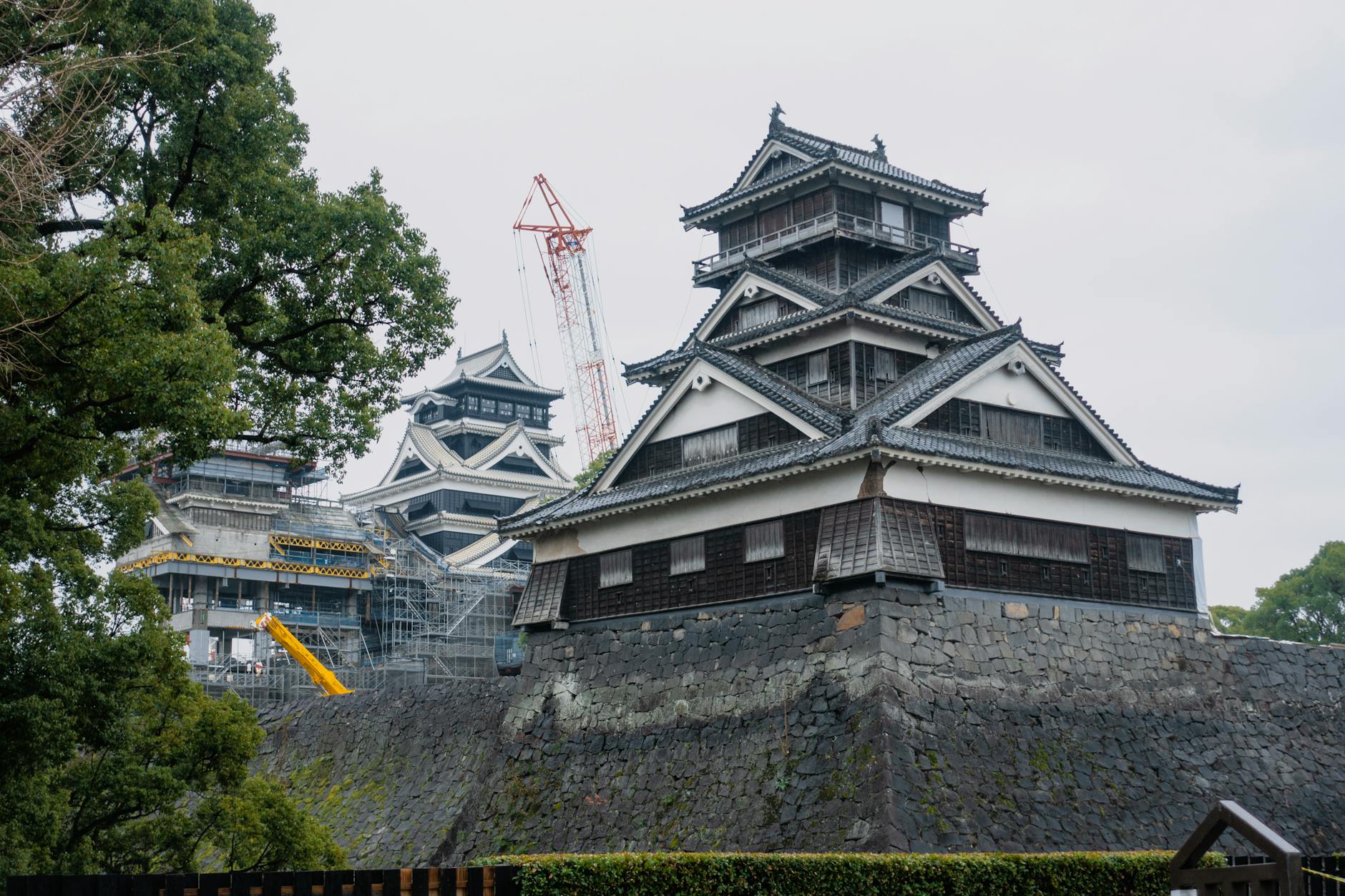
Morning: Take the Yui Rail to Shuri Station and spend the morning at Shurijo Castle and the surrounding Shuri neighborhood. Explore Tamaudun mausoleum and Shikinaen Garden nearby for royal-era sites.
Afternoon: Head to Tsuboya Pottery District (Yachimun-dori) for pottery shops and a hands-on workshop if you like. Try local sweets at a café along the lane.
Evening: Dine in Kumoji or back near Kokusai Dori. Transit tip: Yui Rail from Makishi to Shuri is about 40 minutes; combine walking and short taxi rides to save time when visiting multiple sites in Shuri.
Day 3
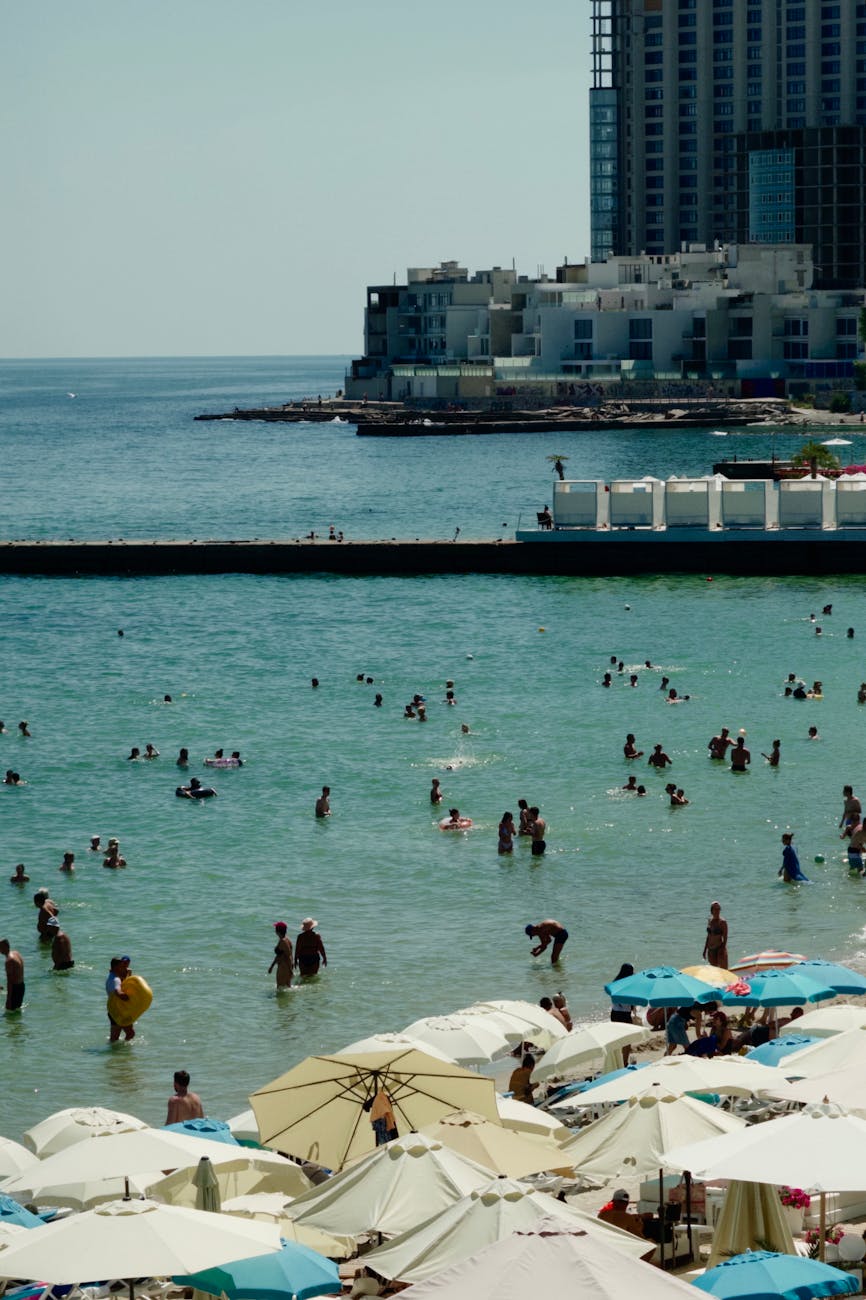
Morning: Take it slow—visit a neighborhood breakfast spot, then head to a local park or the Okinawa Prefectural Museum’s outdoor exhibits. If you prefer beach time, spend the morning at Naminoue Beach or catch a ferry to a nearby island for snorkeling.
Afternoon: Last-minute shopping on Kokusai Dori, pick up sweets (chinsuko) and awamori. Leave time for airport transfer; Yui Rail runs regularly and takes roughly 15–20 minutes to the airport from Makishi/Kenchomae.
Evening: Fly out or stay one more night if your schedule allows.
Best Local Experiences
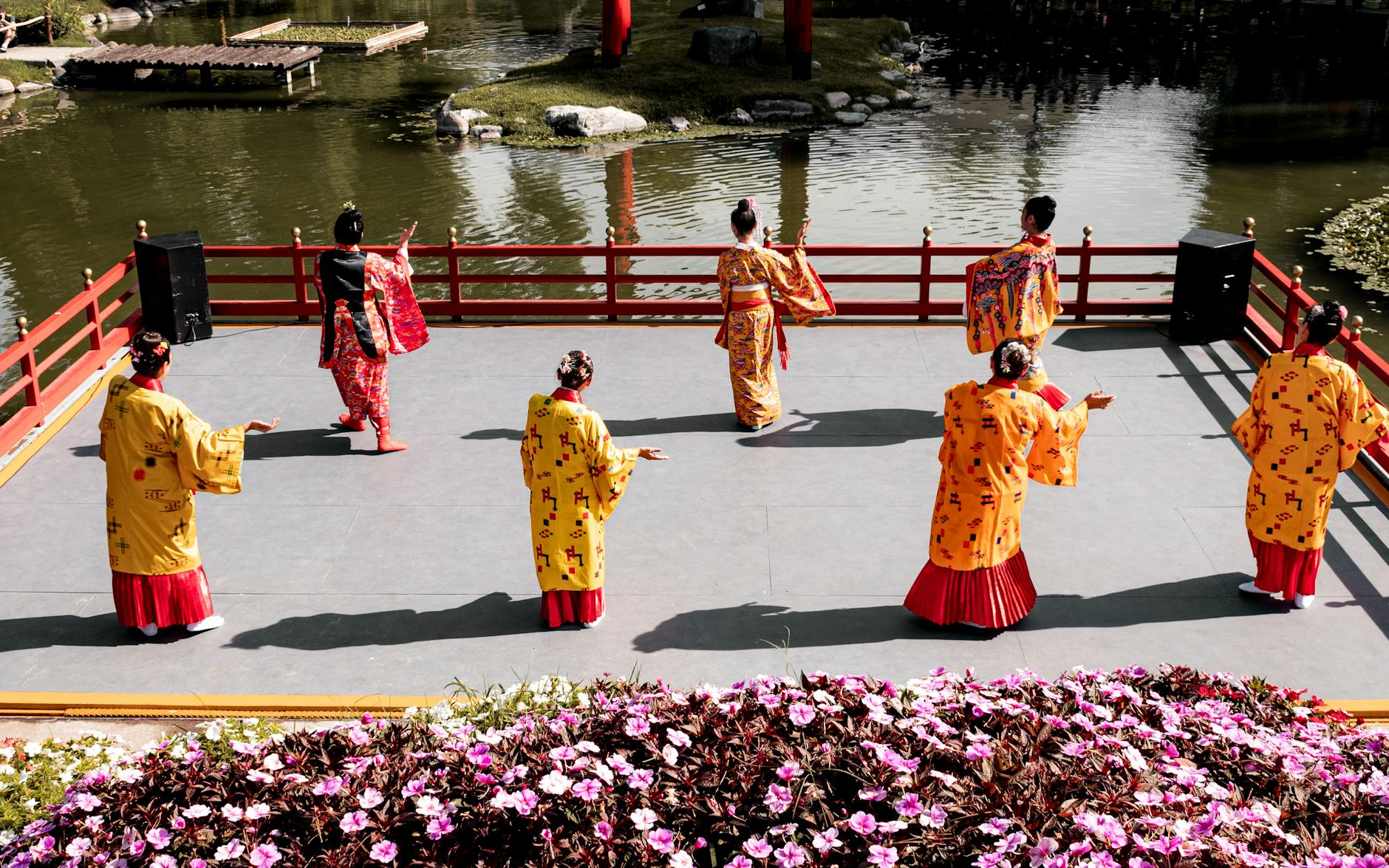
Shop early at Makishi Public Market for breakfast and fresh local produce. Book a pottery lesson in the Tsuboya district to make your own yachimun. Attend a live eisa performance or check local listings—these folk-dance shows are vivid and seasonal.
Try an awamori tasting at a local bar, and hunt down rooftop views near Kokusai Dori for sunset. If you have time, take a short ferry from Tomari Port to nearby islands for snorkeling or beachside cafes. These experiences reveal local craft, flavor and seaside culture.
Where to Stay
Kokusai Dori / Makishi: Best for nightlife, restaurants and easy shopping. Ideal for first-time visitors and short stays.
Shuri: Historic feel and close to Shurijo Castle—quieter and good for culture-focused travelers.
Tomari / Naha Port area: Convenient if you plan island hops. Near ferry terminals and riverfront walks.
Naha Airport area: Practical for early flights and late arrivals. Small business hotels and airport shuttle options make this a functional choice.
Food and Drink
Must-try dishes: Okinawa soba (thick wheat noodles), taco rice (local fusion staple), rafute (braised pork belly), goya champuru (bitter melon stir-fry) and chinsuko sweets. Start mornings at Makishi Public Market for local bowls and seafood.
Bars and drinks: Sample awamori at a specialty bar or izakaya. Seek small family-run eateries down side streets for authentic flavors. Kokusai Dori holds many casual dining alleys; aim for early dinner to beat crowds at popular spots.
Getting Around
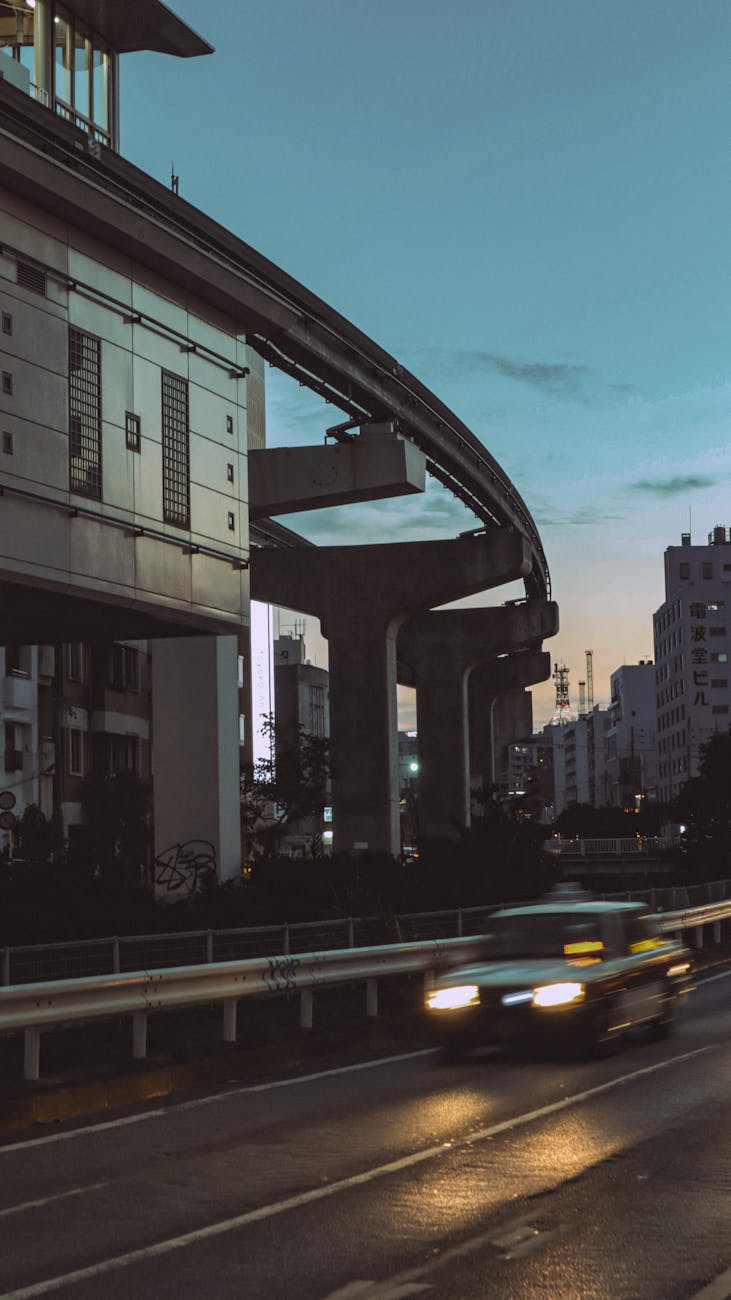
The Yui Rail monorail connects Naha Airport, downtown and Shuri—use it for most tourist travel. Buses cover wider parts of Okinawa main island; routes can be less frequent, so check timetables. Taxis are easy and relatively affordable for short trips.
Walking is practical within Kokusai Dori and nearby neighborhoods. Renting a car makes sense only if you plan to explore outside the city extensively. Keep small change for buses and market purchases, and carry a paper map or offline directions—cell reception is fine but some buses have limited service.
Best Time to Visit
Late spring (March–May) and autumn (October–November) offer pleasant temperatures, fewer typhoons and good visibility for sightseeing. Summer (June–August) is beach-perfect but hot and crowded; July–September includes typhoon season—watch forecasts and flexible bookings.
Winter is mild compared with mainland Japan and can be a quieter time for budget travelers, though the water is cooler for swimming.
Budget and Practical Tips
Budget: Expect midrange costs—meals at market stalls are inexpensive; restaurants and izakaya vary. A daily budget of $60–120 per person covers food, transit and moderate activities; higher for guided tours and day trips.
Practical: Carry cash for small vendors; many places accept cards but markets may not. No tipping culture. Power plugs are Type A (same as mainland Japan). English signage is common in tourist zones; download maps and a basic phrase list. Buy an OKICA or compatible IC card for transit convenience.
FAQ
How do I get from Naha Airport to downtown?
Take the Yui Rail monorail from the airport to Makishi or Kencho-mae for central Kokusai Dori; journey is about 15–20 minutes.
Is Naha safe for solo travelers?
Yes. Naha is generally safe, with family-friendly neighborhoods and busy tourist areas; standard urban precautions apply.
How many days are enough to see the highlights?
Three days covers Shurijo Castle, markets, pottery districts and a beach or short ferry trip—enough for a compact cultural weekend.
Do I need a car in Naha?
No for central sightseeing—public transit and walking cover most highlights. A car helps for wider Okinawa island exploration.
What about cash and cards?
Carry some cash for markets and small eateries; credit cards work at larger shops and hotels. IC transit cards help with buses and monorail.
When is typhoon season?
Typhoon season peaks July–September; monitor forecasts and book flexible tickets if traveling then.
Conclusion
Three days in this island capital give you a satisfying mix of history, craft, market flavors and a bit of beach time. Use the Yui Rail to conserve time, base yourself near Kokusai Dori for convenience, and leave space for spontaneous market discoveries. With practical planning you can enjoy a long weekend that feels both relaxed and culturally rich.
How this guide was prepared
This guide was prepared through a structured research that combines destination research, geographic context, itinerary planning logic, and content review.