
Best Things to Do in Mexico City — Practical, Local-First Guide
Actionable, sustainable recommendations for the best things to do in Mexico City: neighborhoods, museums, markets, day trips, transport realities, seasonal tips, and booking advice to pair with a 3-day itinerary.
A concise, practical guide to top sights and authentic experiences in Mexico City, with neighborhood-based tips, sustainable choices, and day-trip options to nearby cities like Cuernavaca and San Miguel de Allende.
Quick Answer
A concise, practical guide to top sights and authentic experiences in Mexico City, with neighborhood-based tips, sustainable choices, and day-trip options to nearby cities like Cuernavaca and San Miguel de Allende.
Who This Page Is For
This page is for travelers planning a stay in Mexico City who want clearer decisions about things to do, local logistics, timing, budgeting, and practical trip planning.
How This Page Was Prepared
This page was prepared through a structured editorial workflow that combines destination research, geographic context, and practical travel-planning review.
Plan the Rest of Your Trip
Use this page together with the full itinerary and the related planning pages below to make better booking, timing, transport, and budget decisions.
Top things to do if you have limited time:
– Morning at Museo Nacional de Antropología and Chapultepec Park.
– Afternoon walk through Polanco or Roma/Condesa for cafés and architecture.
– Visit Frida Kahlo Museum (Casa Azul) in Coyoacán — buy timed tickets in advance.
– Sunset from Torre Latinoamericana or Castillo de Chapultepec.
– Morning trip to Teotihuacan or a quieter Xochimilco weekday boat ride.
For a full 3-day plan, use the companion 3 days in Mexico City guide for a day-by-day sequence and this page to add or swap activities based on interests.
Mexico City is vast, layered, and best explored neighborhood by neighborhood. This support page helps you pick the right mix of museums, markets, parks, and one-day escapes so your visit pairs cleanly with the companion 3 days in Mexico City itinerary. Expect high elevation (about 2,250 m), strong sun, and a lively urban culture where public transit and walking are often faster than cabs. Favor local businesses: eat at family-run fondas, buy crafts from community markets, and choose certified local guides for archaeological and neighborhood tours.
What This Page Helps You Decide
Use this page to choose between neighborhoods, bookable experiences, and sensible day trips. It helps you decide:
– Which museums to prioritize and when to book timed-entry tickets.
– Whether to spend a morning in Chapultepec or a half-day in Coyoacán.
– If a day trip to Teotihuacan, Cuernavaca, Toluca, Morelia, San Miguel de Allende, or Guanajuato fits your schedule.
– How to move between areas using Metro, Metrobús, Ecobici, or reliable ride apps.
Pair selections with the 3-day guide: swap in a museum or market listed there when you want more food, shopping, or relaxed pacing.
Top Recommendations
Practical, high-value activities with neighborhood, timing, and booking notes:
- Museo Nacional de Antropología (Chapultepec): Plan 2–3 hours. Arrive early to avoid crowds; check online for any timed entries. Excellent for half a day.
- Castillo de Chapultepec and Bosque de Chapultepec: Combine with the anthropology museum and a picnic. Hilly walk; consider a short taxi or the park elevator if mobility is limited.
- Frida Kahlo Museum (Casa Azul), Coyoacán: Timed tickets required—buy online well ahead, especially in high season. Combine with mercado shopping and a café in the plaza.
- Teotihuacan (outside the city): Go early (first light) to climb the Sun and Moon pyramids before heat and crowds. Public buses run from Terminal Norte; many prefer a small-group tour for context and easier logistics.
- Xochimilco trajineras: Book a licensed boat operator or join a community-run tour; mornings or weekdays are less crowded. Bring sunscreen, a refillable water bottle, and small bills for musicians.
- Roma and Condesa walking loop: Cafés, bookstores, Art Deco architecture, and Ecobici stations. Great for a relaxed afternoon, people-watching, and neighborhood restaurants.
- Centro Histórico walking tour: Zócalo, Palacio Nacional murals, Templo Mayor, and street food. Start early and avoid Sunday congestion when markets and road closures can change access.
- Mercado de La Merced or Mercado de Coyoacán: For authentic produce, tacos, and handicrafts. Go with small bills; ask before photographing stalls.
- Lucha Libre at Arena México: A night experience—buy tickets in advance and combine with dinner in nearby Colonia Doctores.
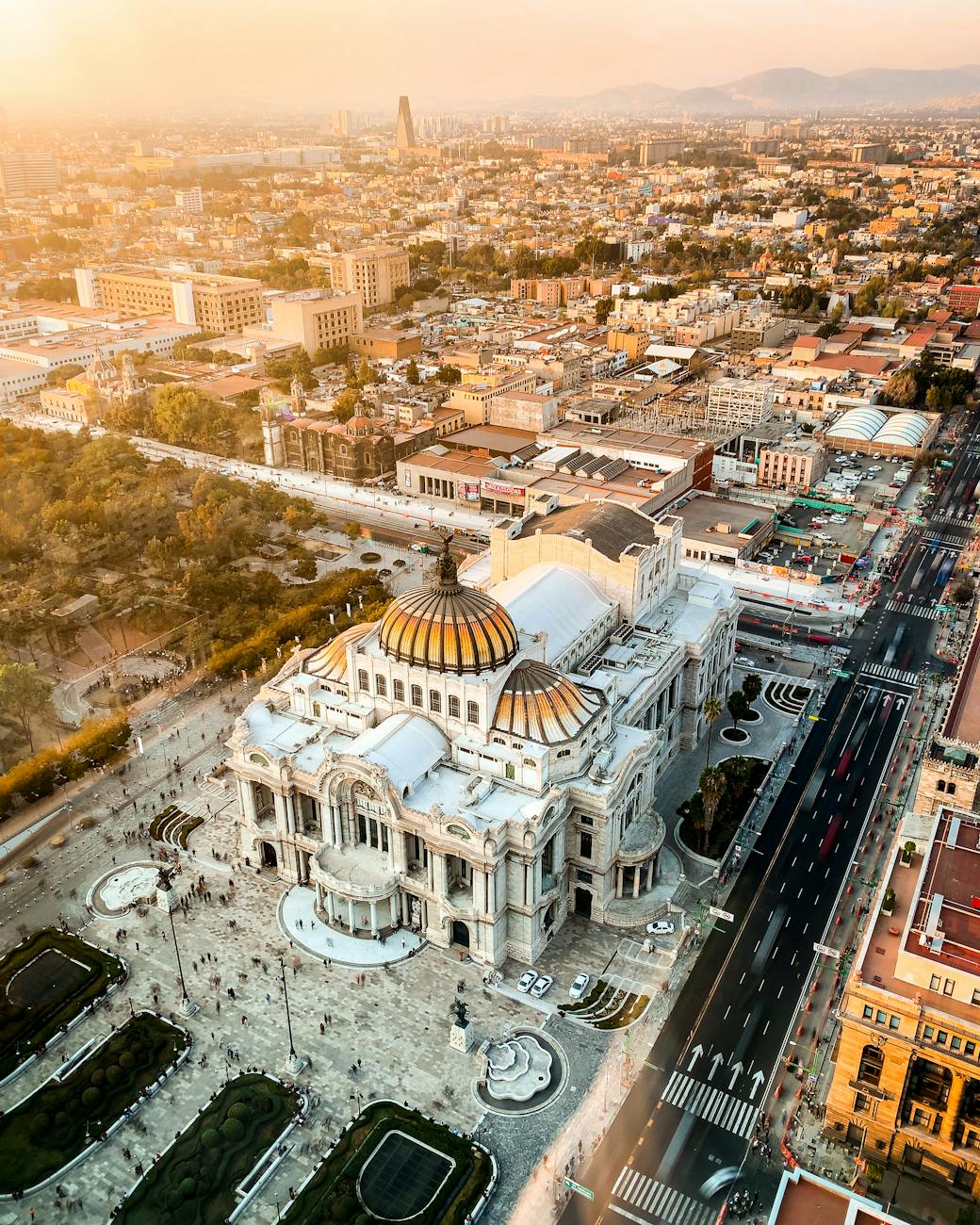
- Evening view from Torre Latinoamericana: Short wait for the elevator; clear nights reward you with skyline views and nearby Bellas Artes at dusk.
Booking tips: reserve Frida and popular guided tours in advance; museums sometimes close Mondays; plan outdoor mornings during the June–September rainy season.

Local Context
Neighborhoods to know:
– Centro Histórico: Historic core, heavy pedestrian traffic, major museums and Zócalo.
– Roma Norte and Condesa: Tree-lined streets, cafés, galleries, Ecobici stations.
– Polanco: High-end dining and Museo Soumaya, close to Chapultepec.
– Coyoacán and San Ángel: Colonial plazas, markets, and slower pace.
– Xochimilco: South canal district for trajinera rides.
Seasonal and weather notes:
– Rainy season: June–September — expect daily afternoon storms; schedule outdoor activities for mornings.
– High season: December and Easter week (Semana Santa) are busiest; book ahead.
– Air quality: Occasionally poor in winter; check local AQI and avoid intensive outdoor exertion on high-pollution days.
Transport realities:
– Metro and Metrobús are fast and cheap but crowded at rush hour; avoid 8–10am and 6–8pm when possible.
– Ecobici bike-share covers central neighborhoods; excellent for short hops in Roma/Condesa.
– Use ride apps (Uber, DiDi, Beat) after midnight or for door-to-door travel; agree on pickup points in busy areas.
Local etiquette and money:
– Tipping: 10–15% in restaurants; small tips to street vendors for friendly service are appreciated.
– Cash: Carry small bills for markets and small restaurants; many places accept cards but not all.
– Language: Basic Spanish opens doors—vendors and small-business owners prefer it, even just greetings.

How to Choose Well
Match activities to time, interest, and mobility:
- Half-day options (good for slow mornings or afternoons): Roma/Condesa café walk, Museo Frida Kahlo (Coyoacán), Xochimilco short ride, Mercado de Coyoacán.
- Full-day options: Chapultepec plus museums, Teotihuacan early start, Centro Histórico walking tour with a market lunch.
- For families: National Museum of Anthropology, Bosque de Chapultepec (playgrounds and lake), and Lucha Libre for older kids. Avoid long hikes at high altitude for young children.
- Accessibility notes: Many historic sites have uneven stone steps (Teotihuacan, Centro Histórico). Chapultepec and the most-visited museums have partial accessibility but check specific entrances and elevator access ahead of time.
- Budget choices: Use Metro/Metrobús and street-food stalls with visible hygiene practices; choose mid-range fondas for affordable, local meals.
- When in doubt, choose one major outdoor attraction in the morning and an indoor museum or market in the afternoon (especially during rainy season).

Responsible and Local-First Tips
Make your visit low-impact and supportive of the local economy:
– Favor independently owned restaurants, family-run fondas, and neighborhood bakeries over international chains.
– Hire guides from local associations or cooperative tour operators; check credentials and reviews.
– In markets, buy directly from artisans and ask about provenance; avoid mass-produced factory souvenirs.
– Reduce single-use plastic: bring a refillable bottle (use filtered water stations or buy local purified water jugs), a cloth bag, and reusable utensils.
– In Xochimilco and other natural areas, refuse offers to buy protected plants/animals; support boat operators who practice responsible navigation and fair pricing.
– Offset only after reducing your footprint; consider donations to local cultural preservation projects if you want to give back.
– Respect cultural norms: ask before photographing people, greet sellers, and accept that some religious or civic spaces have quiet or dress expectations.

Common Mistakes to Avoid
- Overpacking days: Mexico City is bigger than it looks—allow travel time and traffic buffers.
- Ignoring ticket rules: Frida Kahlo Museum and some guided tours require timed tickets; don't assume walk-in availability.
- Relying only on cashless payments: many markets and small vendors are cash-only—carry small bills.
- Visiting outdoor sights late in the day during rainy season: afternoon storms can cancel open-air plans.
- Taking unregistered taxis: use a ride app or hotel-arranged taxi, especially at night.
- Underestimating altitude and sun: drink water, wear sunscreen, and take it easy the first 24 hours if you feel breathless.
- Photographing without permission: in markets and of people selling goods, always ask first.
FAQ
What should I prioritize if I only have one day in Mexico City?
Focus on one area to minimize transit. A solid choice is Chapultepec Park plus Museo Nacional de Antropología in the morning and an afternoon in Polanco or Roma/Condesa for food and architecture. For a cultural contrast, swap the afternoon for Coyoacán and the Casa Azul if you bought timed tickets.
How do I get to Teotihuacan and can I do it independently?
Public buses leave from Terminal de Autobuses del Norte; take the suburban bus labeled Teotihuacan. An early independent trip is doable and cheaper, but a small-group guide simplifies history, transportation, and timing.
Do I need to book tickets for the Frida Kahlo Museum?
Yes. Casa Azul uses timed, pre-purchased tickets and sells out weeks in advance during high season. Book directly through the museum website or an authorized reseller.
Is Mexico City safe to walk around and use public transit?
Many central neighborhoods are walkable and generally safe during the day. Use the Metro and Metrobús for quick travel but avoid peak rush hours if you dislike crowds. For late nights, choose ride apps or hotel-arranged taxis. Keep valuables discreet and stay in well-lit areas.
Which nearby cities make good day trips and how long are the journeys?
Good day-trip options: – Cuernavaca: about 1.5 hours by car/bus — gardens and relaxed pace. – Toluca: about 1–1.5 hours — Cosmovitral botanical murals and Nevado de Toluca access. – San Miguel de Allende: 3–4 hours — better as an overnight trip; best for colonial architecture and art. – Guanajuato and Morelia: 3.5–4 hours — usually better with an overnight stay to enjoy evenings. Buses depart from various terminals (TAPO, Terminal Norte) and private shuttles are convenient for door-to-door travel.
What tipping and payment practices should I use?
Restaurant tipping: 10–15% if service is not included. For guides and drivers, tip fairly for personalized service. Carry small bills for vendors, markets, and musicians on trajineras.
Conclusion
Mexico City rewards slow, neighborhood-focused travel. Use this page to swap in the experiences that match your energy and values while following the companion 3 days in Mexico City guide for a coherent itinerary. Prioritize morning outdoor visits during rainy season, book timed tickets where required, take public transit or reliable apps, and spend intentionally with local operators and artisans. If you have extra days, consider overnight trips to San Miguel de Allende, Morelia, or Guanajuato to extend your cultural route through central Mexico.
How this guide was prepared
This guide was prepared through a structured research that combines destination research, geographic context, itinerary planning logic, and content review.