

Responsible Travel Guide — Playa del Inglés, Gran Canaria
Practical, low-impact advice for planning a responsible trip to Playa del Inglés: where to stay, how to get around, season and etiquette tips, and local-first ways to enjoy Maspalomas and nearby towns like Las Palmas and San Bartolomé.
A compact, action-oriented support page to help you make low-impact choices in Playa del Inglés while using the main 3 days in Playa del Ingles itinerary. Includes neighborhood guidance, transport realities, dune-protection advice, and local spending tips.
Quick Answer
A compact, action-oriented support page to help you make low-impact choices in Playa del Inglés while using the main 3 days in Playa del Ingles itinerary. Includes neighborhood guidance, transport realities, dune-protection advice, and local spending tips.
Who This Page Is For
This page is for travelers planning a stay in Playa del Ingles who want clearer decisions about responsible travel, local logistics, timing, budgeting, and practical trip planning.
How This Page Was Prepared
This page was prepared through a structured editorial workflow that combines destination research, geographic context, and practical travel-planning review.
Plan the Rest of Your Trip
Use this page together with the full itinerary and the related planning pages below to make better booking, timing, transport, and budget decisions.
Stay in or near Playa del Inglés (Campo Internacional or El Faro) for easy access to the beach and the main itinerary. Prioritize bus travel (Global buses) and walking; reserve car hire only for day trips to inland viewpoints or other islands. Visit in shoulder seasons (April–May, September–October) to avoid crowds and support steady-year-round local businesses.
This page supports the main 3 days in Playa del Ingles itinerary with focused, practical guidance for travelers who want to minimize impact and maximize benefit to the local economy. Use it to pick neighborhoods, choose low-impact transport, and book seasonal experiences that respect the Maspalomas dunes and local communities. If you plan to visit nearby Las Palmas de Gran Canaria, San Bartolomé (the municipal centre), or take island ferries to Tenerife towns like Santa Cruz de Tenerife, this page highlights sensible onward options.
What This Page Helps You Decide
Use this page to choose:
– Where to base yourself: quieter Campo Internacional vs central Playa del Inglés vs closer-to-dunes El Faro.
– How to get around: when a bus pass or a taxi makes sense, and when to walk or rent a bike.
– Which experiences to book responsibly: licensed dune walks, certified boat trips, or local cooking classes.
– When to go: peak winter and summer bring crowds; shoulder months are kinder to beaches, businesses, and your budget.
Top Recommendations
Best local-first choices to pair with the 3-day itinerary:
– Neighborhoods: pick Campo Internacional for quieter, family-friendly stays; El Faro for dune access and sunsets; central Playa del Inglés for nightlife and Yumbo Centrum.
– Transport: buy the Global Transporte card at the airport or main stations for cheaper buses to Maspalomas, Las Palmas de Gran Canaria and the airport.
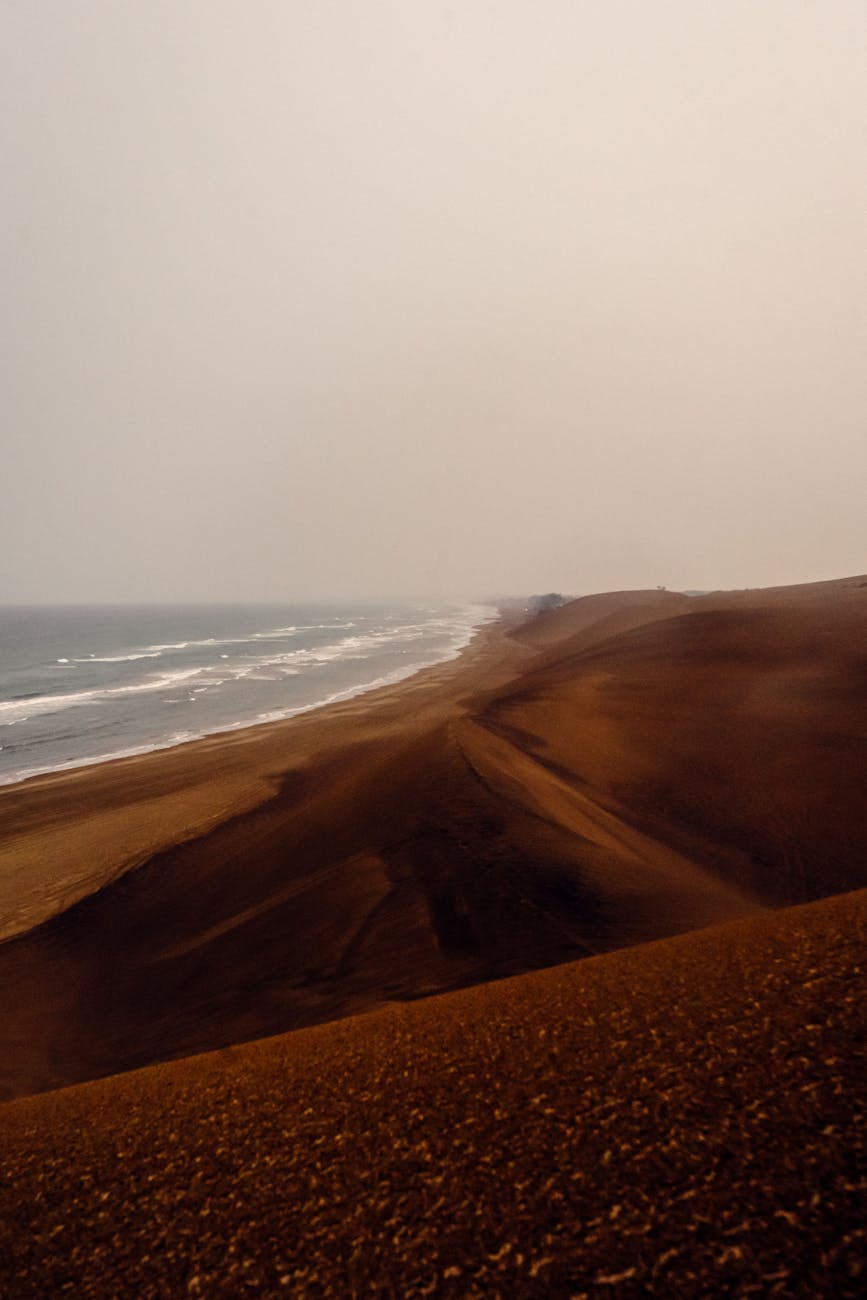
– Dunes: use marked paths and join a licensed guide for a dusk or dawn dune walk—avoid private camel rides unless the operator publishes clear welfare standards.
– Eat local: seek guachinches and family-run tapas bars in the town center or take a market-based cooking workshop that pays local producers.
– Day trips: take the GC1 bus to Las Palmas (useful for a ferry hop or city culture) or a small-group minivan trip inland rather than a large coach to reduce per-person impact.
Local Context
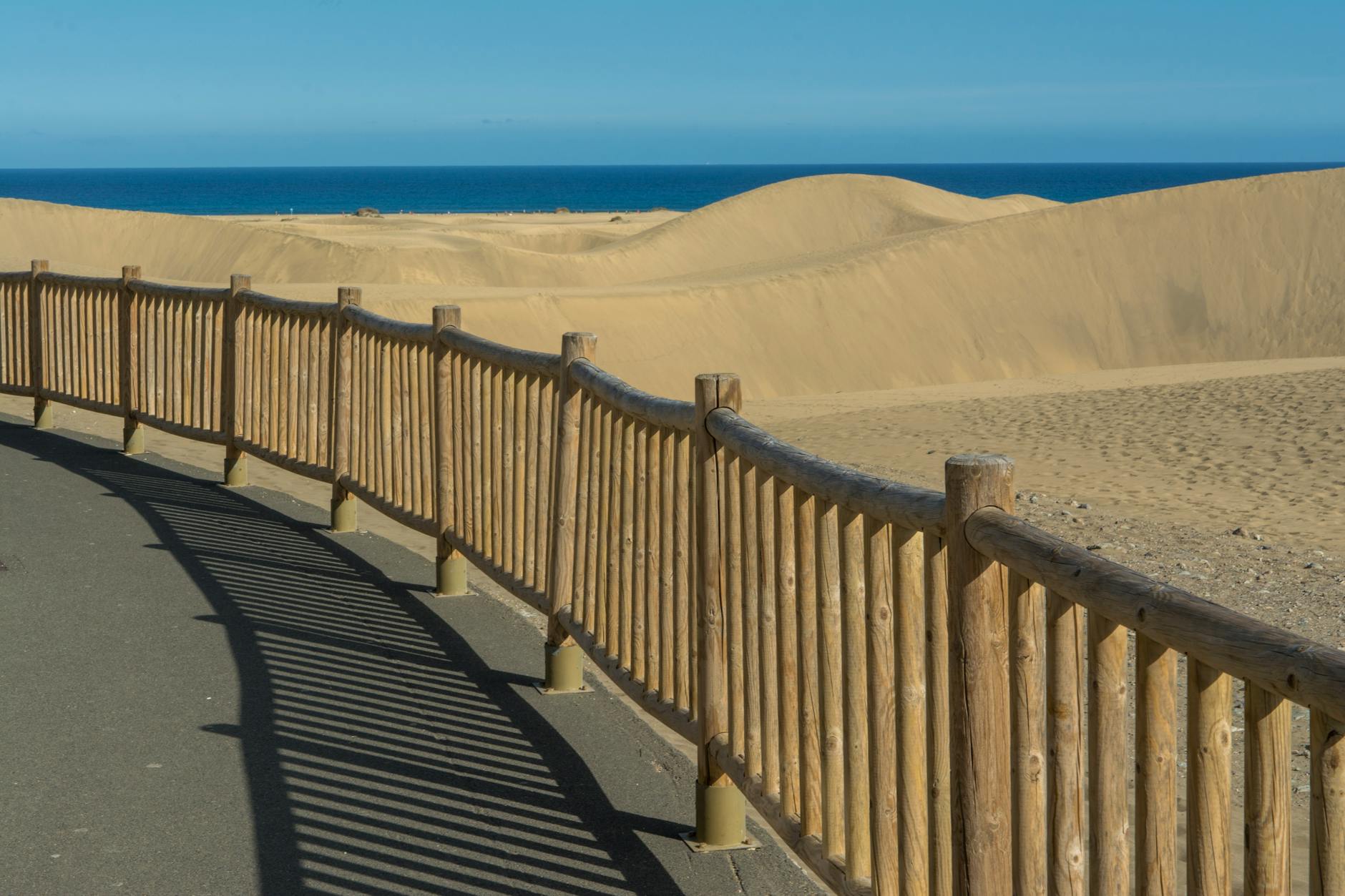
Playa del Inglés sits on Gran Canaria’s southern coast within the municipality of San Bartolomé de Tirajana and borders the Maspalomas natural reserve. The dune system is ecologically sensitive and protected; local authorities enforce pathways and seasonal rules. Climate is mild year-round—peak demand comes from northern European winter visitors and July–August summer holidaymakers.
Practical notes:
– Language: Spanish; tourism staff commonly speak English, German, and Scandinavian languages.
– Money: euros. Small businesses prefer card or cash; tipping is appreciated but modest.
– Safety: a popular tourist area with routine petty-theft risk—use a daypack with zipped pockets and avoid leaving valuables on the beach.
Nearby cities and connections:
– Las Palmas de Gran Canaria: ~45–60 minutes by GC1 bus; ideal for airport transfers, museums, and inter-island ferries.
– San Bartolomé: municipal services and local market days; useful for community-based craft purchases.
– For island-hopping: ferries and flights connect to Tenerife (Santa Cruz de Tenerife, Adeje, Puerto de la Cruz), but check schedules outside high season.

How to Choose Well
Pick accommodation with clear sustainability or local-community commitments: look for small guesthouses, family-run pensions, or hotels with water and energy-saving practices. Avoid oversized resorts that displace local services.
Booking pointers:
– Reserve dune walks or guided nature tours through licensed operators (ask for permits or guide IDs).
– If renting a car, choose fuel-efficient models and return them with a full tank to avoid local refuelling issues; consider electric options if available.
– For activities listed in the 3 days in Playa del Ingles guide, prebook popular items like Palmitos Park tickets and evening ferry crossings in shoulder season.
Transport and timing:
– Use the Global bus network for routes to Maspalomas, Las Palmas, and the airport; they are frequent, affordable, and the best low-impact choice.
– Walk early morning or late afternoon in summer; mid-days are hot and crowded on the main beach.
– Consider a bike for short trips, but hire from trusted local shops and use marked cycle lanes where present.

Responsible and Local-First Tips
Simple practices that benefit hosts and the environment:
– Spend in small businesses: family restaurants, bakeries, local markets and craft shops in San Bartolomé and Maspalomas.
– Protect the dunes: stay on designated walkways, do not take sand or plants, and avoid off-track photography that damages habitat.
– Choose wildlife-friendly operators: ask about animal welfare practices for camel rides and don’t support informal encounters that encourage feeding or handling.
– Reduce single-use plastics: bring a refillable bottle—many cafés and restaurants will refill for a small fee.
– Energy and water: prefer accommodations that show clear conservation measures; limit daily towel changes and short showers.
– Cultural respect: Playa del Inglés has an open, LGBTQ-friendly scene—respect personal space and local norms; dress modestly in religious sites in nearby towns.
– Support community experiences: look for cooking classes or market tours run by local residents rather than international chains.
Common Mistakes to Avoid
Frequently seen errors that undermine a good trip:
– Staying only within resort walls and missing local neighborhoods like San Agustín or the marketplace in San Bartolomé.
– Booking unlicensed dune or wildlife activities—double-check operator credentials.
– Renting a car for the whole stay when buses and walking suffice, increasing cost and emissions.
– Visiting during peak weeks without advance bookings—this hits local businesses with unpredictable demand.
– Ignoring sunscreen and shade—sun exposure is stronger than it feels, even in shoulder seasons.
– Bringing glass bottles to the beach or leaving litter on dunes—carry all waste out or use provided bins.
FAQ
Is Playa del Inglés safe to visit as a solo traveler?
Yes. It’s a well-traveled area with visible tourism services and evening activity. Take normal precautions: secure valuables, avoid poorly lit side streets at night, and check recent reviews for any accommodation.
How do I get from Gran Canaria airport to Playa del Inglés sustainably?
The GC1 bus connects the airport with Playa del Inglés and Maspalomas at a low cost. Taxis are quicker for groups or heavy luggage but cost more. Consider shared transfers if arriving late at night.
Are the Maspalomas dunes open to the public and are camel rides ethical?
The dunes are a protected reserve with marked paths—stick to them. Camel rides exist; verify the operator’s welfare standards and prefer guided walking tours that explain ecology if you want a low-impact experience.
Can I visit Las Palmas or Tenerife from Playa del Inglés on a day trip?
Las Palmas is feasible by GC1 bus (45–60 minutes). Tenerife (Santa Cruz, Adeje, Puerto de la Cruz) requires a ferry or flight; these are doable but plan ahead and compare transfers to reduce wasted travel time.
What’s the best time to visit for low impact and pleasant weather?
Shoulder seasons—April–May and September–October—offer milder crowds, comfortable weather, and better local-service continuity than peak winter or high summer.
How should I tip and interact with local staff?
Tipping is appreciated but modest; 5–10% in restaurants is common if service isn’t included. Learn a few Spanish phrases—hosts value the effort and it helps local businesses feel supported.
Conclusion
Playa del Inglés pairs accessible beach time with ecologically important dunes and a lively local service economy. Use the 3 days in Playa del Ingles itinerary as your activity backbone, and apply the choices here—neighborhood selection, public transport, licensed guides, and local spending—to keep your visit low-impact and locally beneficial. Small decisions—walking, buying from market stalls, choosing certified operators—add up to better outcomes for the place and the people who live here.
How this guide was prepared
This guide was prepared through a structured research that combines destination research, geographic context, itinerary planning logic, and content review.