
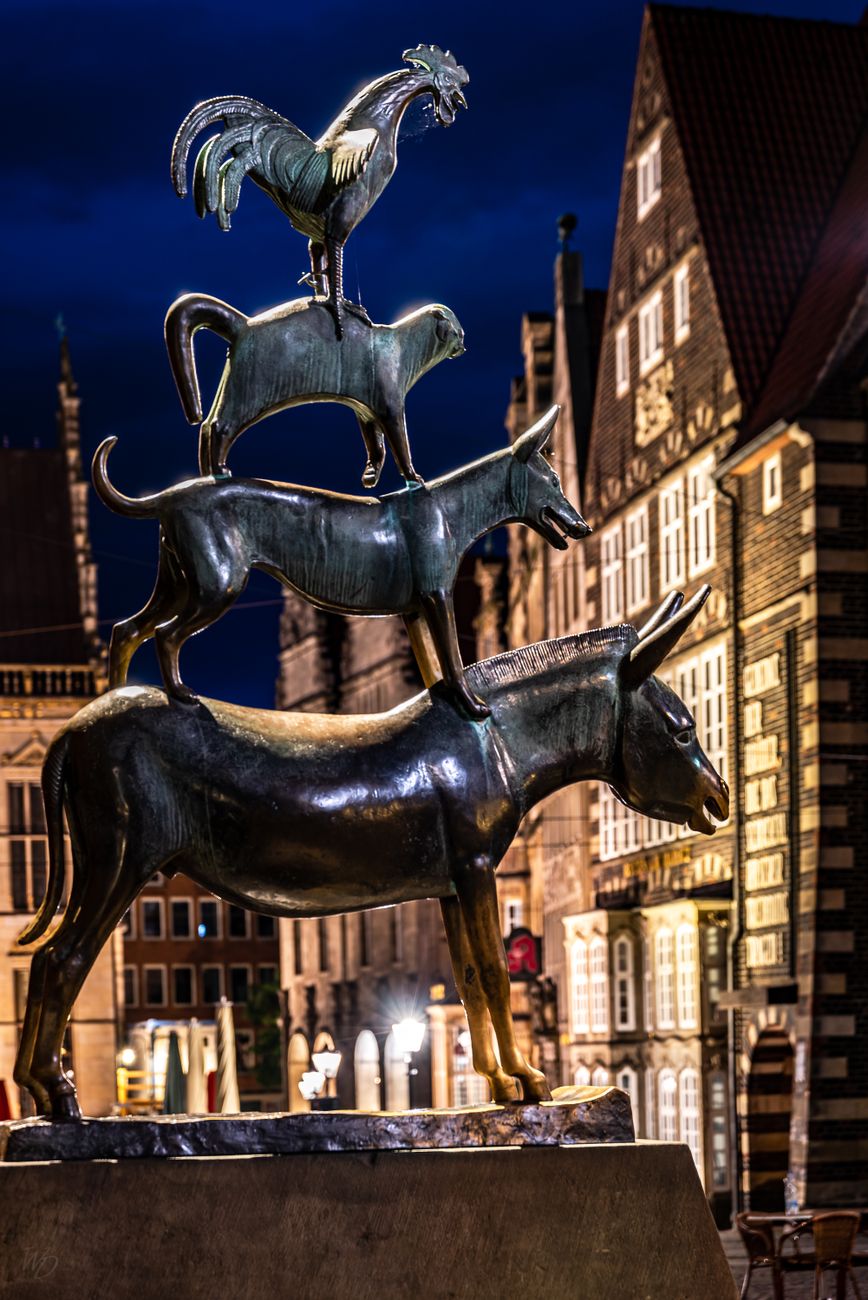
Three Days in Bremen: Practical 3-Day City Guide & Neighbourhood Tips
A practical, honest 3-day plan for Bremen covering museums, Schnoor, Viertel, Schlachte, transit tips, realistic budgets and seasonal advice.
A clear, no-nonsense 72-hour plan for Bremen that balances the old town, museums and the harbour neighbourhoods, with transport tips, food notes and real budgets.
A first impression is likely to be a compact historic centre sitting beside wide industrial docks and green parkland. Streets around the Markt feel dense with tourist foot traffic, while districts like the Viertel and Überseestadt show a slower, more local pace.
Expect crisp north German weather more often than endless sunshine; rain and wind on the Weser are common even in summer. Many visitors expect nonstop activity in the old centre and are surprised by how much the city’s cultural life moves into neighbourhood cafés, small museums and riverside terraces.
Is 3 days in Bremen enough?
Yes: three days lets a traveler cover the Marktplatz and Town Hall, Schnoor alleys, a museum or two and a walk along the Schlachte, plus time for the Viertel or Überseestadt. Caveat: day trips beyond the city limits or a full museum deep-dive will require extra time.
Who This Guide Is For
Best for travelers who like compact cities with walkable centres, museum visits and neighbourhood cafés. Not ideal for visitors expecting extensive nightlife or long beach days on a tight budget.
Local Tips for Bremen
Practical details that most travel sites skip — specific to Bremen.
- Buy a VBN/BSAG 24-hour ticket (TagesTicket) at main station machines or the VBN app — it covers BSAG trams and buses within the city for roughly €7–7.50.
- Kunsthalle Bremen and Übersee-Museum generally close on Mondays; plan museum-heavy days for Tue–Sun to avoid disappointment.
- Domshof Wochenmarkt runs Tuesday and Saturday mornings; the fish stalls and local cheeses are busiest and freshest between 08:00–11:00.
- Schnoor’s narrow cobbled lanes have no on-street parking; use Parkhaus Am Wall or the Hauptbahnhof parking and walk 10–15 minutes.
- Schlachte riverfront terraces raise prices during Weser-Stadion match days and late summer weekends; check the match calendar before booking riverside tables.
How This Guide Was Prepared
Bremen is a compact northern German city where maritime history meets modern harbour redevelopment. Most guides inflate the old-town spectacle and skip how much of the city’s character comes from the Viertel and Überseestadt industrial-turned-creative areas, as well as seasonal market schedules and museum closures. This guide was prepared through a structured research that combines destination research, geographic context, itinerary planning logic, and content review.
Plan Your Stay in Bremen
Use this itinerary as your starting point, then compare areas to stay, transport options, seasonal timing, and realistic daily costs before booking.
Why Visit
There is an unusually tight concentration of architectural periods within a 10–20 minute walk: the Gothic St. Petri Dom, Renaissance Town Hall and the expressionist façades on Böttcherstraße. That makes walking the old town efficient for travellers with limited time.
Maritime culture remains active in the Hafen areas. Überseestadt is a working redevelopment with converted warehouses, modern promenades and museums that show Bremen’s global trading past at the Übersee-Museum. The Schlachte riverside offers an accessible way to sample fish restaurants and terraces without long trips.
Neighbourhood life matters here. The Viertel (Ostertor/Steintor) is where independent bookshops, small theatres and late cafés congregate; it provides a better sense of everyday Bremen than the polished market square alone.
Quick Planning Tips
From Bremen Flughafen (airport) take tram line 6 to Hauptbahnhof; the ride is roughly 20–25 minutes. From Hamburg or Hannover use regional trains to Bremen Hauptbahnhof; regional RE and IC services are frequent and stop at the main station.
Currency is the euro. Many places accept contactless payments and Girocard, but small cafés and market stalls may prefer cash; carry a few euros for markets. Avoid planning both major museums on a Monday because several are closed; schedule museums for Tuesday to Sunday instead.
Buy transit tickets at Hauptbahnhof machines, on the VBN app or at tram stops. If arriving late, check opening hours for places like the Ratskeller and ship tours, which often end earlier than shops.

Day 1
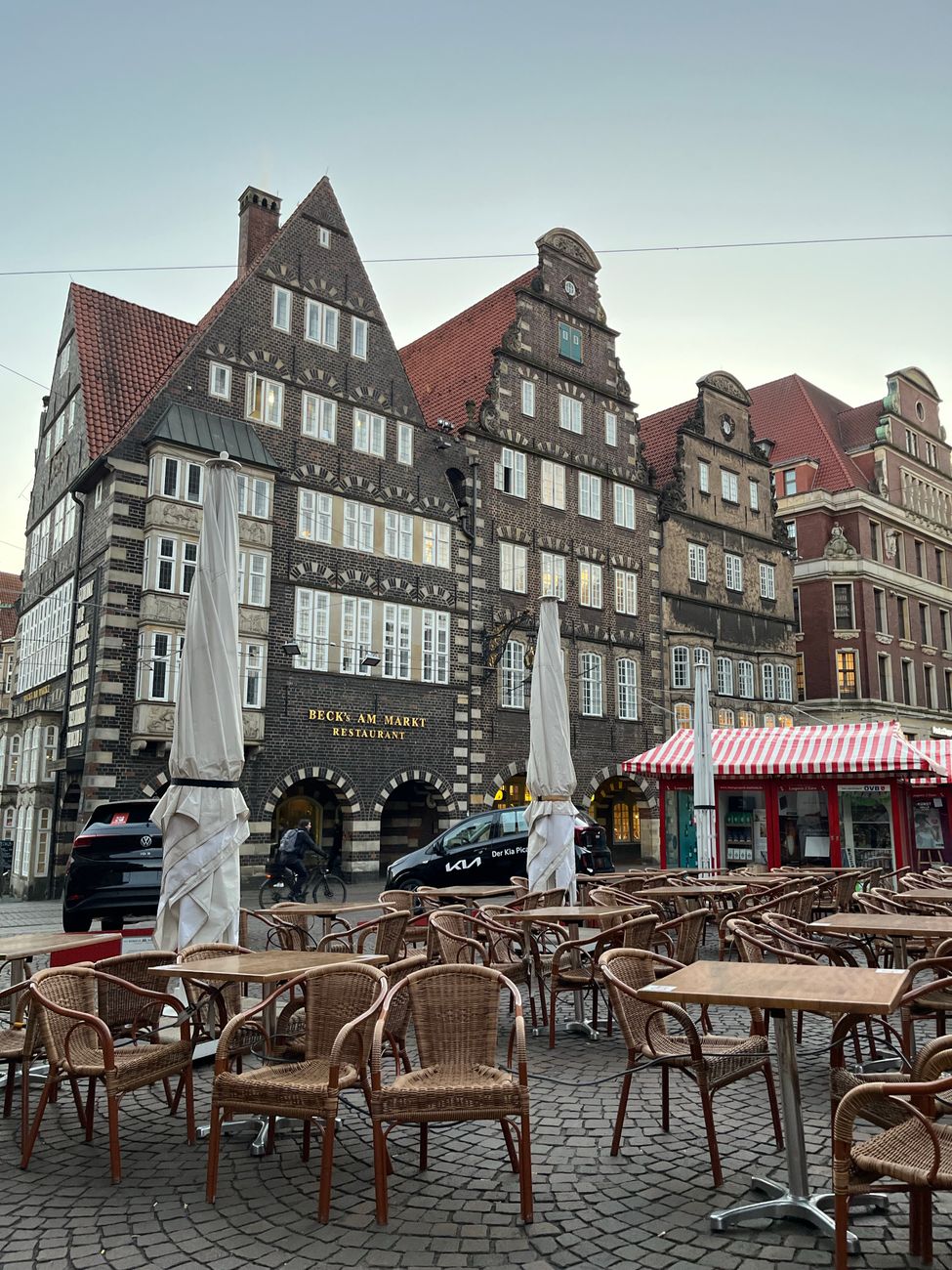
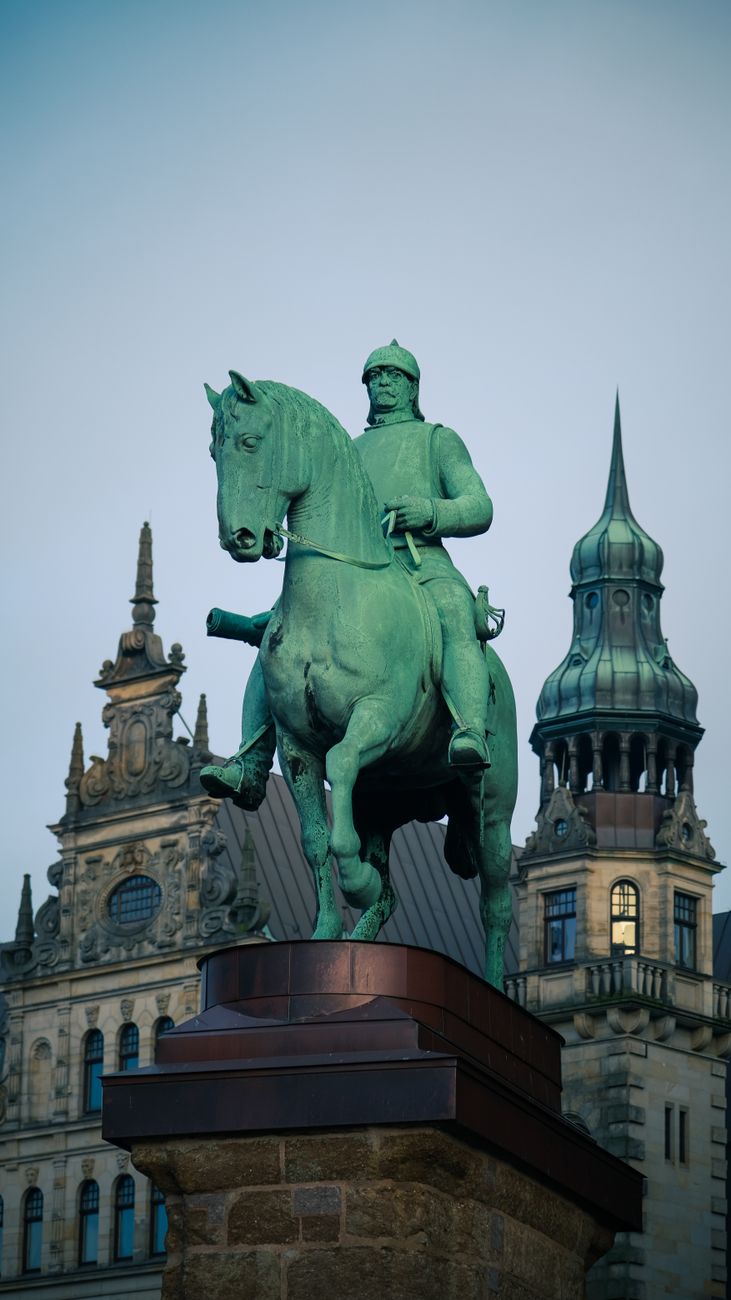
Morning: Start at the Marktplatz to see Bremer Rathaus and the Roland statue. Allow 30–45 minutes for façades and photos; guided tours of the Rathaus are available and usually run about 45 minutes.
Late morning: Walk 3–5 minutes to Böttcherstraße to see the expressionist architecture and the Glockenspiel House. Trundle through the lane system into Schnoor, a 6–10 minute walk, where narrow alleys and small craft shops occupy the old fishermen’s quarter.
Lunch: Eat at Bremer Ratskeller (Am Markt), under the Town Hall, which serves regional mains and classic North German dishes. Expect main courses in the €12–22 range. After lunch, spend 45–60 minutes exploring the cathedral (St. Petri Dom) and climb the tower if open for views.
Afternoon: Walk 10–15 minutes to the Kunsthalle Bremen if interested in European and German paintings; allow two hours if planning to see temporary exhibitions. Evening: Head to the Schlachte promenade for riverside restaurants and terraces; it’s lively in summer and quieter off-season.
Day 2
Morning: Cross to the Viertel (Ostertor) by tram or a 20-minute walk to browse independent bookshops, Vinyl shops and small galleries on Ostertorsteinweg and Faulenstraße. Stop for coffee at a neighbourhood café; expect 2.50–4.50 EUR for espresso-based drinks.
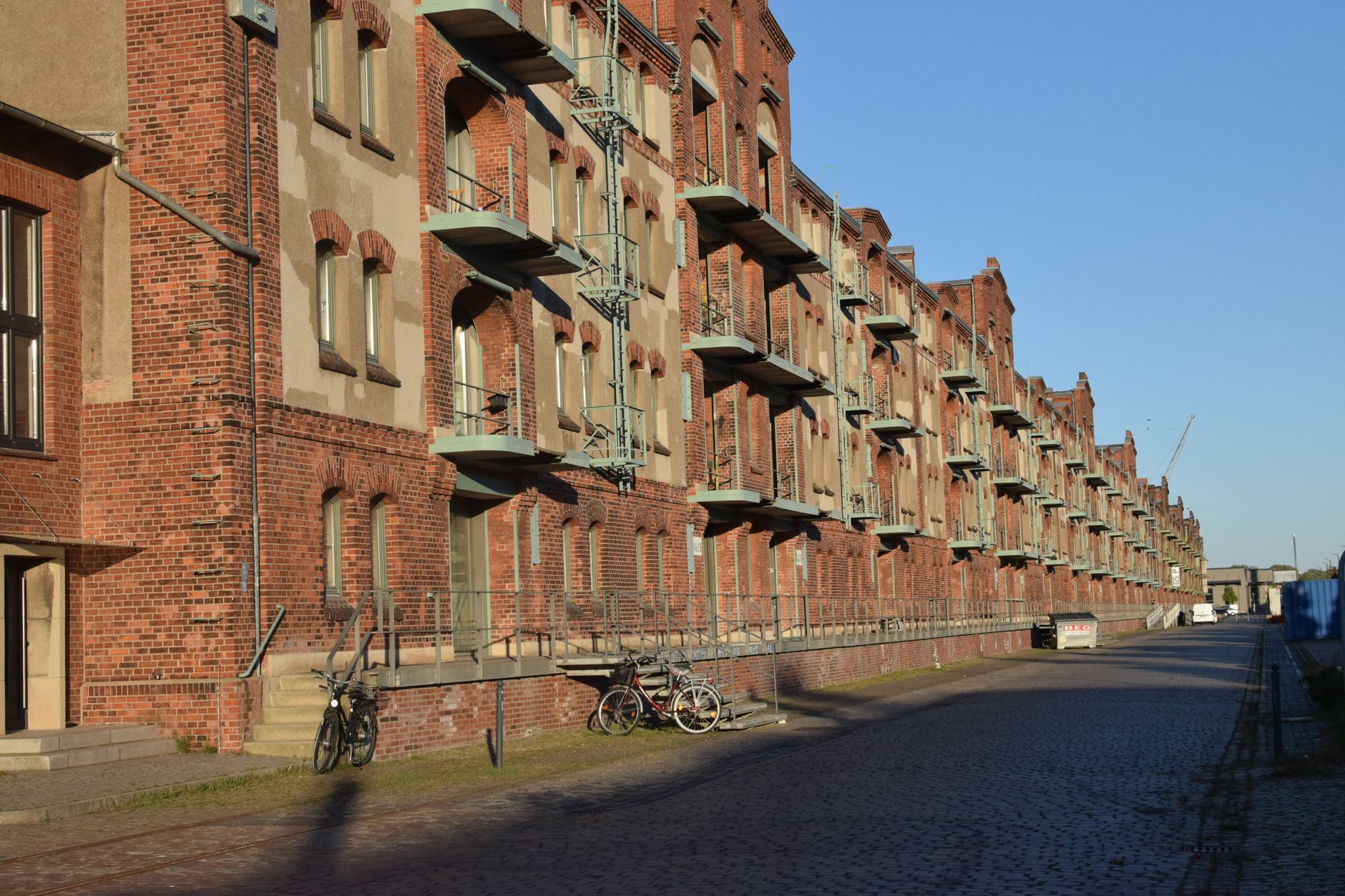
Late morning: Take tram or bus to Überseestadt (about 15–25 minutes depending on stop). Walk the waterfront to see warehouse conversions, docks and modern architecture. Visit the Übersee-Museum nearby for ethnography and trade-related displays; plan 90–120 minutes.
Lunch: Try a fish-focused restaurant on the Schlachte or a modern bistro in Überseestadt. After lunch, follow the Weser promenade east toward Werdersee or the Speicher XI area, both within 20–30 minutes on foot.
Evening: Return to the Viertel for dinner and live music in small venues. The Viertel retains later opening hours and the best independent bars for local beers and regional wines.
Day 3
Morning: Visit the Bürgerpark and the Rhododendron-Park for green space and early walks; the tram or a 25–35 minute walk from the centre gets there. If staying only a short time, focus on a 60–90 minute loop near the park and Botanika conservatory.
Late morning: Check out the weekly markets if schedules match: Domshof market on Tuesday and Saturday and smaller neighbourhood markets in Woltmershausen or Findorff on different days. Lockers at Hauptbahnhof can store luggage if the room must be vacated early.
Lunch: Eat at a market stall (fishbrötchen or savoury snacks) or a café near the station. Afternoon options: take a short trip to Vegesack (regional train S-Bahn or RS line, about 20–30 minutes) for a quieter harbour town, or return to the centre for any missed museums.
Practical note: For afternoon flights, allow at least 60–90 minutes to reach Bremen Flughafen from Hauptbahnhof by tram 6 and add airport check-in time; if departing by train, reach Hauptbahnhof 30–45 minutes before departure.
Best Local Experiences
Domshof Wochenmarkt (Market at the cathedral square) is where fishmongers and cheesemongers trade early on Tuesday and Saturday mornings. Freimarkt in October is a big regional fair with rides and stalls; expect crowds and higher hotel rates during that week.
An evening on the Schlachte promenade offers open-air terraces and fish restaurants next to the Weser; prices vary but riverside seats rise on match days at Weser-Stadion. The Viertel’s Faulenstraße and Ostertorsteinweg host record shops, theatre venues like Theater Bremen and late cafés.
Böttcherstraße’s carillon and museum spaces provide short cultural stops, while Übersee-Museum is the best single site for Bremen’s global trading connections and natural history collections. Boat or river walks along the Weser are popular for a different view of port architecture.

Where to Stay
Altstadt / Marktplatz: Suits first-time visitors who want immediate access to Town Hall, Böttcherstraße and short walks to museums. Expect mid-range hotel rooms roughly €90–160 per night (about $95–170), with some higher-end options near the cathedral.
Viertel (Ostertor/Steintor): Suits travellers who prefer nightlife, cafés and independent shops. Rooms commonly run €80–140 per night (about $85–150); several guesthouses and boutique hotels sit on side streets with quieter nights.
Überseestadt and Überseestadt-adjacent docks: Suits people who prioritise modern waterfront walks and newer hotels; it’s a short tram ride to the centre but quieter after dark. Expect €70–130 per night (about $75–140); prices rise for river views.
Food and Drink
Labskaus: A salt-cured beef or corned beef mash mixed with potatoes, beetroot and a fried egg; find it at traditional restaurants and the Ratskeller for around €9–14. Knipp: A smoked pork and oat dish common in northern Bremen; often served with potatoes and pickles in local taverns for €7–12.
Bremer Klaben: A dense fruit cake usually sold around the Christmas season in bakeries and at markets; expect a slice or small loaf around €3–8. Fischbrötchen: A classic street sandwich with herring or smoked fish, often available on the Schlachte and at markets for €3–6 — the easiest portable option.
Beck’s beer: The city’s most famous export; local pubs and beer halls serve it by the half-litre for roughly €3.50–5. Breakfast option: a bakery breakfast of Brötchen, local cheese and coffee at a Viertel café for €6–10. For dinner, choose a fish restaurant on the Schlachte or a regional menu at the Ratskeller; main courses usually run €12–25.
Getting Around
Public transport is run by BSAG within the Verkehrsverbund Bremen/Niedersachsen (VBN). Street trams and buses cover the city; look for tram lines and bus numbers displayed on stops and vehicles. Single-ticket price in the city is about €2.90; a 24-hour TagesTicket costs roughly €7–7.50 depending on zones.
Regional trains (RE and RB) connect to nearby cities and to Bremen Hauptbahnhof; use DB Navigator for intercity and regional timetables. Taxi from Bremen Airport to the city centre normally costs around €20–30 depending on traffic; rides within the city centre are usually €8–15 for short hops.
Useful apps: the VBN app for local tickets and timetables, BSAG app for schedules and DB Navigator for regional connections. Buy tickets at Hauptbahnhof machines, tram ticket machines or via apps before boarding where required.
Best Time to Visit
Summer (June–August): Average highs 18–24°C. Best for outdoor terraces and river walks but expect the busiest weekends and occasional rainy, windy days. Spring (April–May) and early autumn (September–October) offer mild weather, fewer crowds and reasonable hotel rates; temperatures generally 10–18°C.
Winter (November–February): Cold, often damp with temperatures around 0–6°C; useful for Christmas markets in December but many tourist openings are reduced. For best value and milder weather, aim for May–June or September, which balance lower prices and mostly open attractions.
Budget and Practical Tips
Sample daily budget (mid-range traveller): Accommodation €80–150, food €30–60, local transport €7–8, entry fees €8–20. Converted roughly: accommodation $85–160, food $35–65, transport $8–9, museum entries $9–22.
Tipping: Round up small bills and add 5–10% for table service in restaurants if service is good; taxis are normally rounded up to the next euro or a few euros more for longer rides. Many museums have reduced prices for students and under-26 visitors — bring ID.
Carry a mix of payment types: a contactless bank card and some euros for markets or small cafés. Book accommodation during Freimarkt and major match days well in advance because rates and availability tighten.
FAQ
Is Bremen safe for solo travellers?
Yes; Bremen is generally safe with standard European-city precautions. Avoid poorly lit side streets late at night and keep an eye on belongings in crowded areas.
How do I get from Bremen Airport to the city centre?
Tram line 6 connects Flughafen to Hauptbahnhof in about 20–25 minutes; taxis cost roughly €20–30 depending on traffic.
Is a Bremen city card or pass worth buying?
Tourist cards are sometimes available from the local tourism office offering transit and museum discounts. Do the math: a 24-hour transit ticket plus two paid museum entries can make a card worthwhile if it bundles these at a lower price.
Are museums open on Mondays?
Several key museums, including Kunsthalle and Übersee-Museum, commonly close on Mondays; plan museum visits Tue–Sun.
Can one day cover the old town and Überseestadt?
One day can visit highlights in both areas but expect a rushed pace; better to split across two days for relaxed visits and a museum stop.
How easy is cycling in the city?
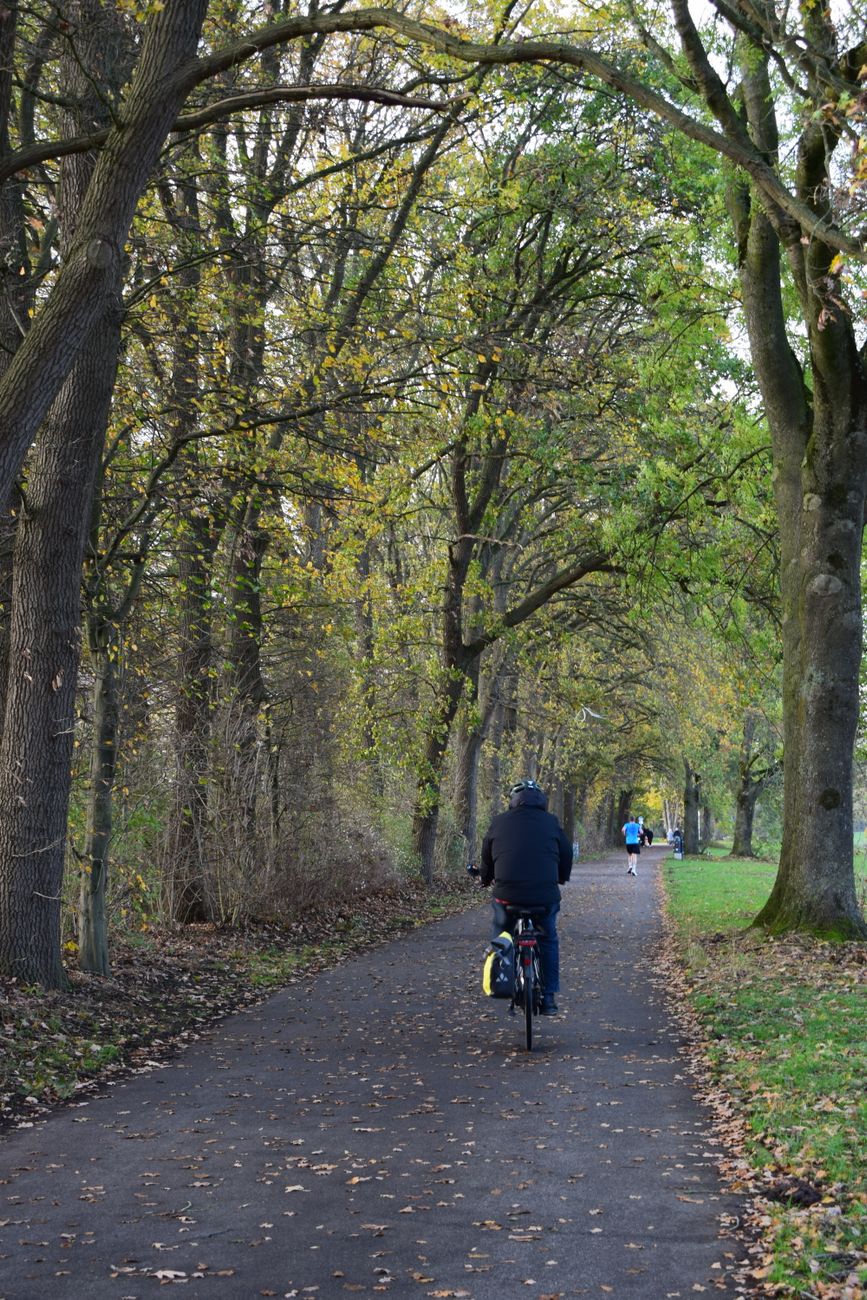
Bremen is cycle-friendly with marked lanes and rental options; watch tram tracks and give pedestrians priority in the inner city.
Are there lockers at Hauptbahnhof for luggage storage?
Yes, there are Schließfächer (coin or card operated) at Bremen Hauptbahnhof for short-term luggage storage; sizes and prices vary.
Conclusion
Three days here allow a clear split between the historic core, a museum or two and neighbourhood life in the Viertel or Überseestadt. Most visitors will remember the contrast between the compact Marktplatz sights and the broader waterfront and parks.
If time is tight, prioritise a morning at the Marktplatz (Rathaus and Roland), a walk through Schnoor and an evening on the Schlachte — that sequence gives a practical cross-section of architecture, narrow streets and riverfront life.
How this guide was prepared
This guide was prepared through a structured research that combines destination research, geographic context, itinerary planning logic, and content review.