
3 Days in Pokhara: A Perfect Lakeside Itinerary
Plan 3 days in Pokhara: sunrise at Sarangkot, Phewa Lake boating, paragliding, caves, and local food. A concise weekend itinerary and practical tips.
A compact, activity-packed 3-day guide for Pokhara that blends sunrise vistas, lake life, light adventure, cultural sights and local eats for a weekend escape.
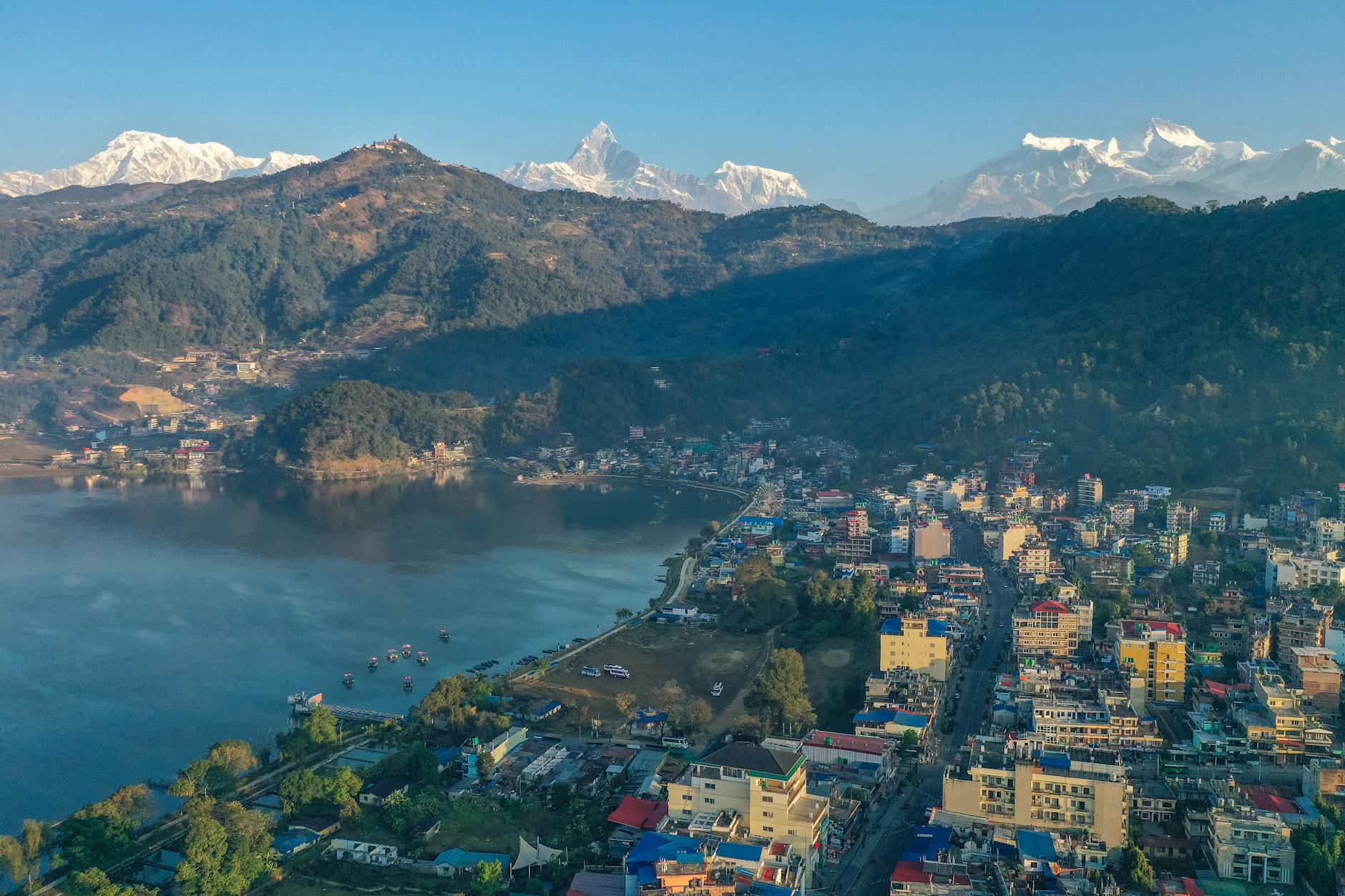
Pokhara is a relaxed lakeside city framed by the Annapurna range, where mountain views, boat life and easy adventure meet. It suits couples, solo travelers, families and anyone who wants nature without a long trek. Three days works well because you can cover the must-sees—an early-morning Sarangkot sunrise, a Phewa Lake boat and temple visit, a half-day of paragliding or short hikes, plus caves and museums—without rushing. This guide gives a compact itinerary, neighborhoods to base yourself in, transport tips and food picks so you make the most of a long weekend.
Quick Answer
A compact, activity-packed 3-day guide for Pokhara that blends sunrise vistas, lake life, light adventure, cultural sights and local eats for a weekend escape.
Who This Guide Is For
This guide is best for first-time visitors, couples, solo travelers, and anyone planning 3-day city break, adventure weekend, romantic getaway in Pokhara with a balance of highlights, local character, and reasonable spending.
How This Guide Was Prepared
This guide was prepared through a structured editorial workflow that combines destination research, geographic context, itinerary planning logic, and practical travel review.
Plan Your Stay in Pokhara
Use this itinerary as your starting point, then compare areas to stay, transport options, seasonal timing, and realistic daily costs before booking.
Why Visit
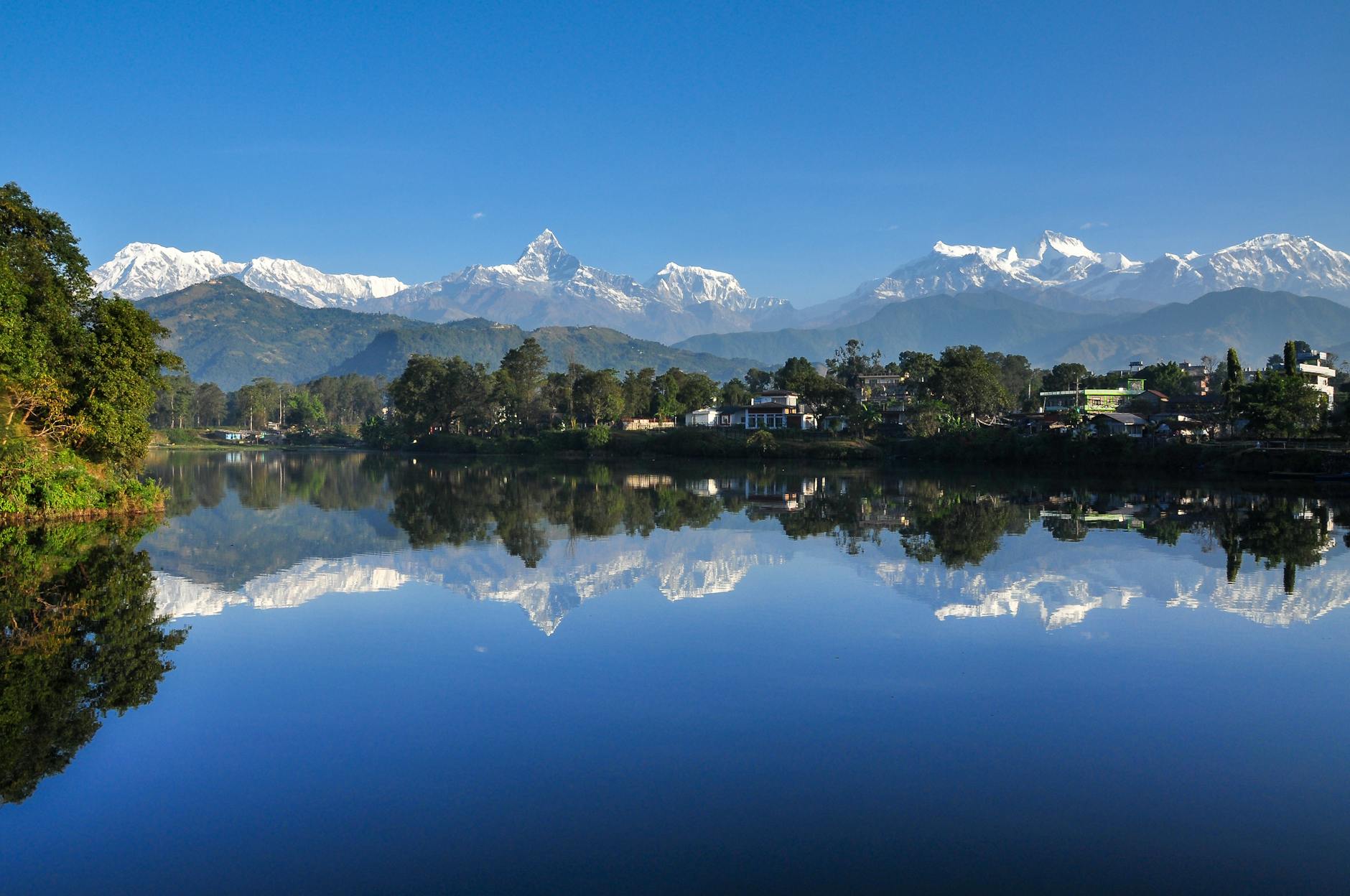
Peaceful lakefront atmosphere with dramatic mountain backdrops makes it the ideal short escape from Kathmandu or northern India. The city balances outdoor adventure and relaxed sightseeing: sunrise viewpoints, scenic boat rides, easy hikes, caves and cultural sites are all within short drives. It’s great for first-time visitors to Nepal who want Himalayan views without committing to a multi-day trek.
Quick Planning Tips
Base yourself in Lakeside for easy access to restaurants, boat launches and guesthouses. Book sunrise transport to Sarangkot or arrange a tuk-tuk the evening before. Reserve paragliding online in high season (Oct–Nov, Mar–Apr). Carry cash—smaller shops often don’t take cards—and a local SIM for ride bookings. Weather can change fast; layers are useful for early mornings and evenings.
Day 1
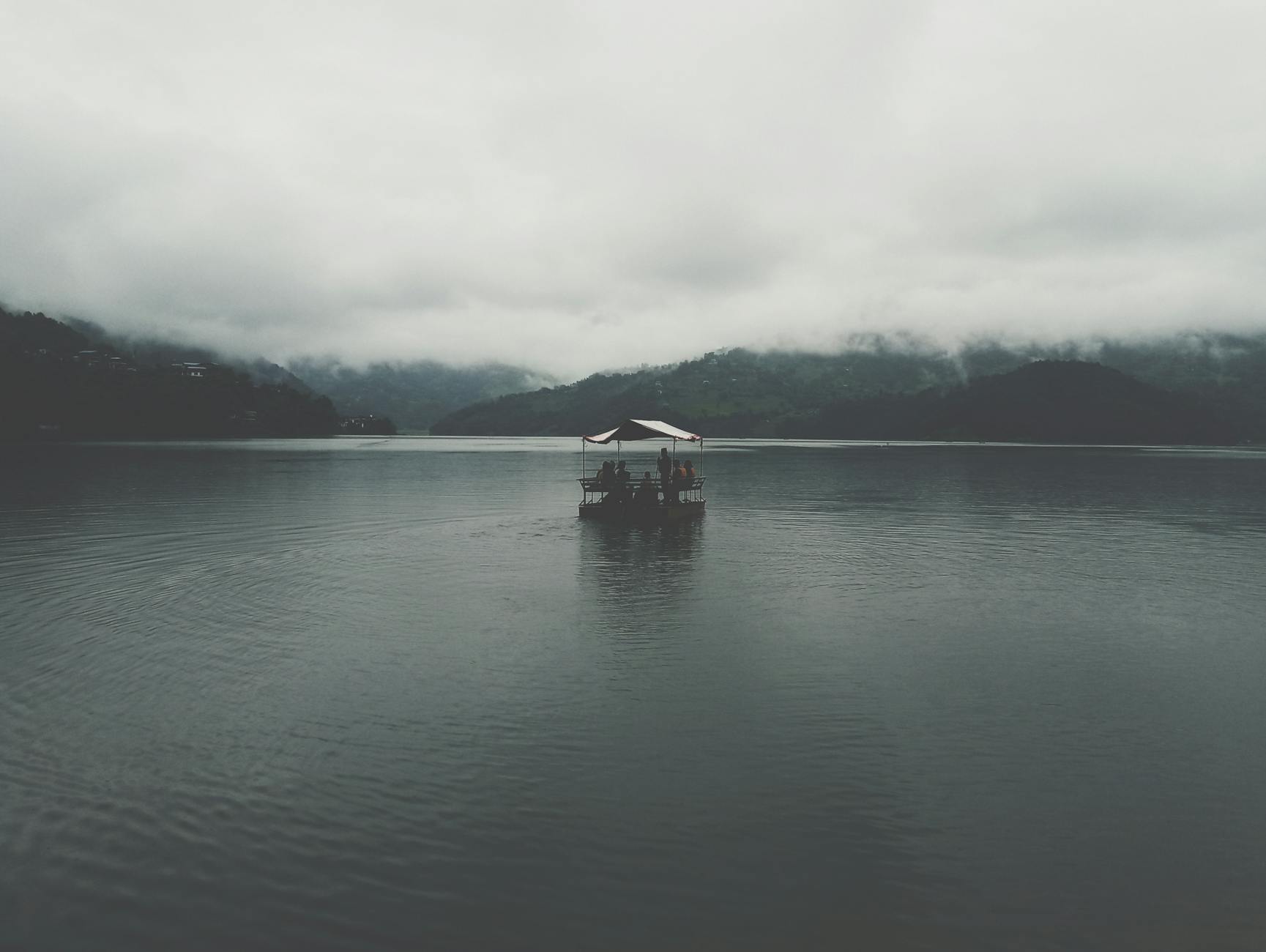
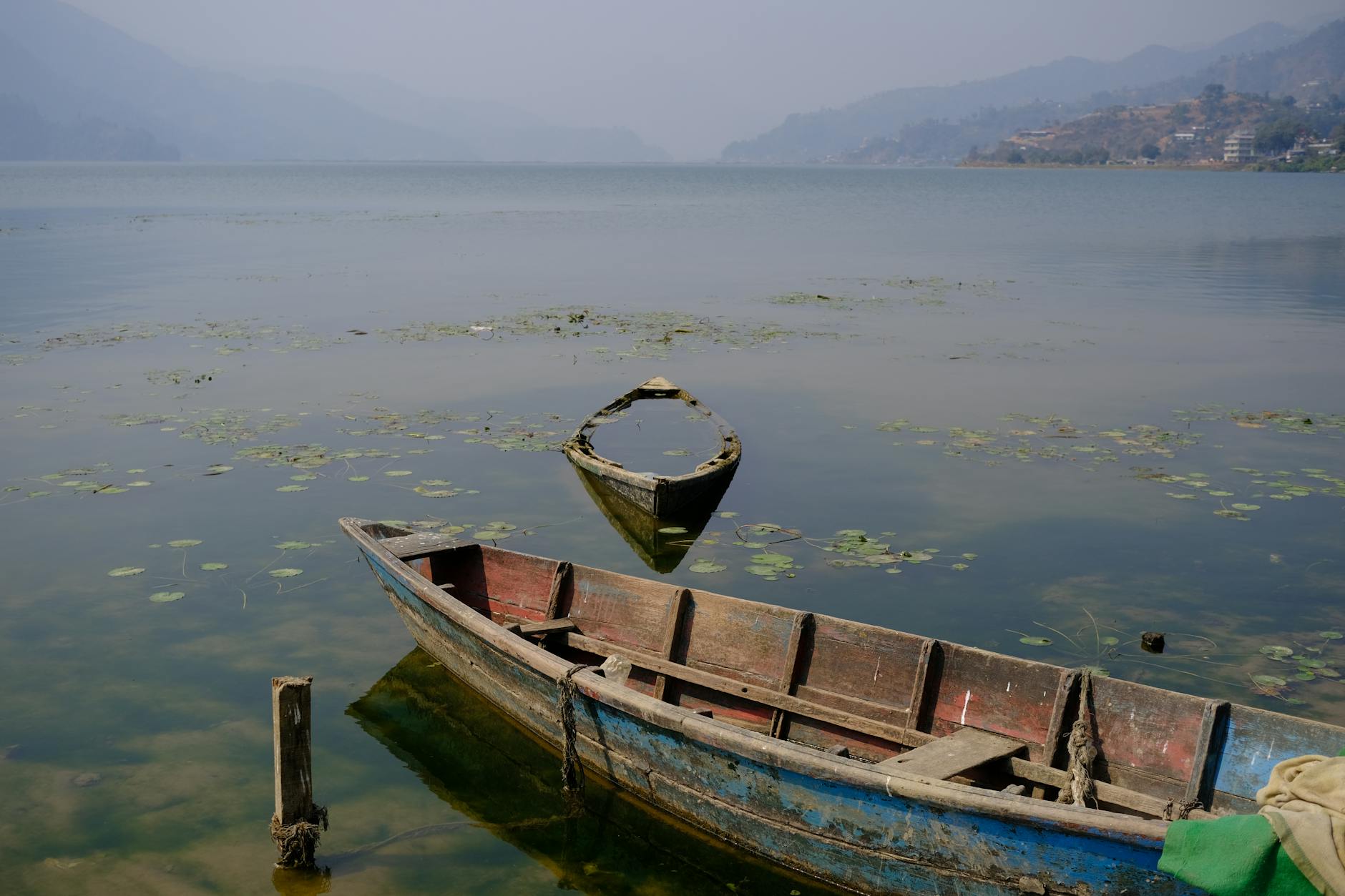
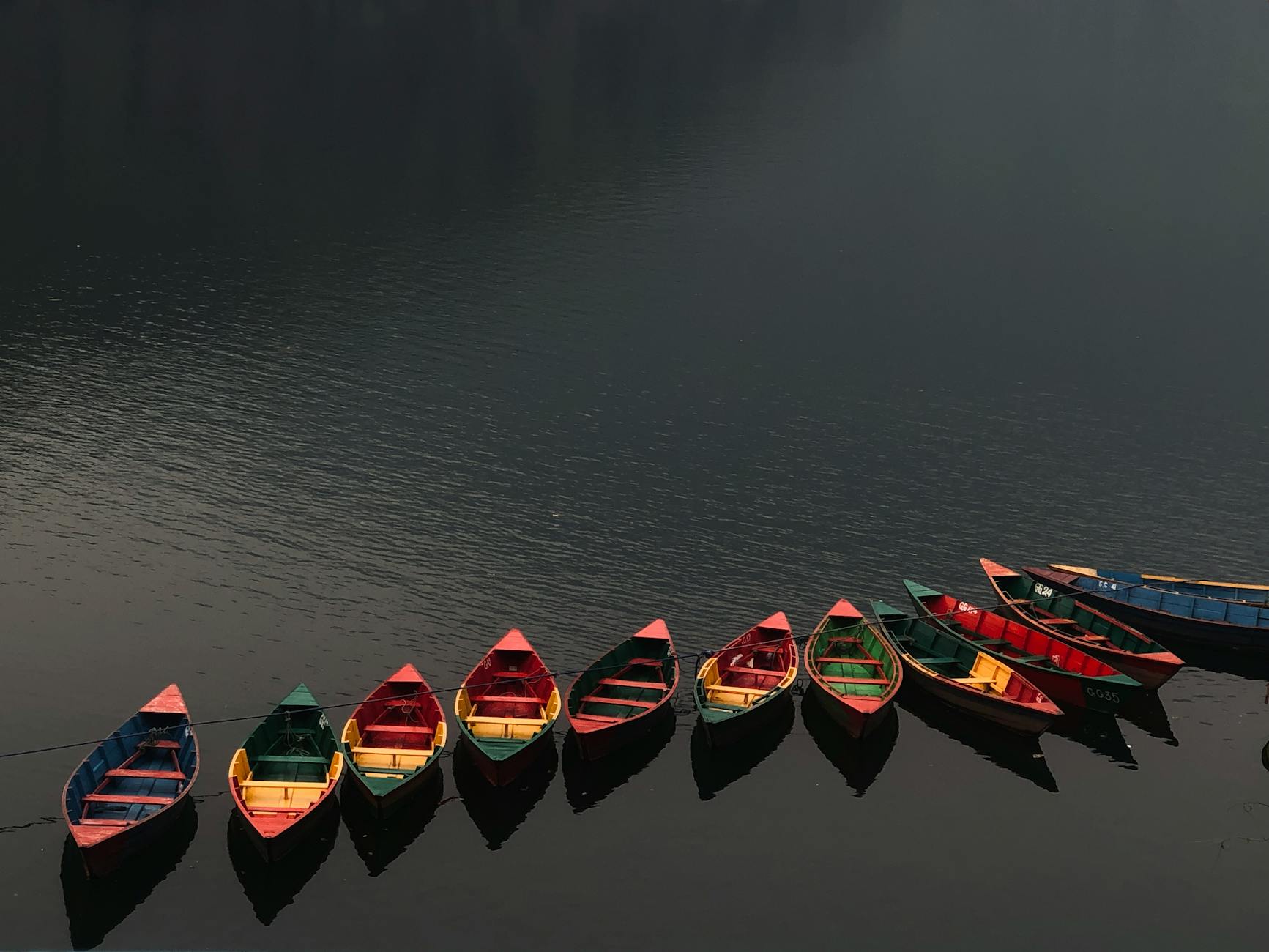
Morning: Arrive and settle into Lakeside. Start with a relaxed boat ride to Tal Barahi Temple; hire a rowboat from the main pier. Take time to walk the lakeshore and grab coffee at a lakeside café.
Afternoon: Visit the International Mountain Museum to get Himalayan context and photo exhibits. Walk to the nearby Bindhyabasini Temple and old bazaar for local life.
Evening: Sunset from the western Lakeside promenade and dinner at a rooftop restaurant with mountain views.
Day 2
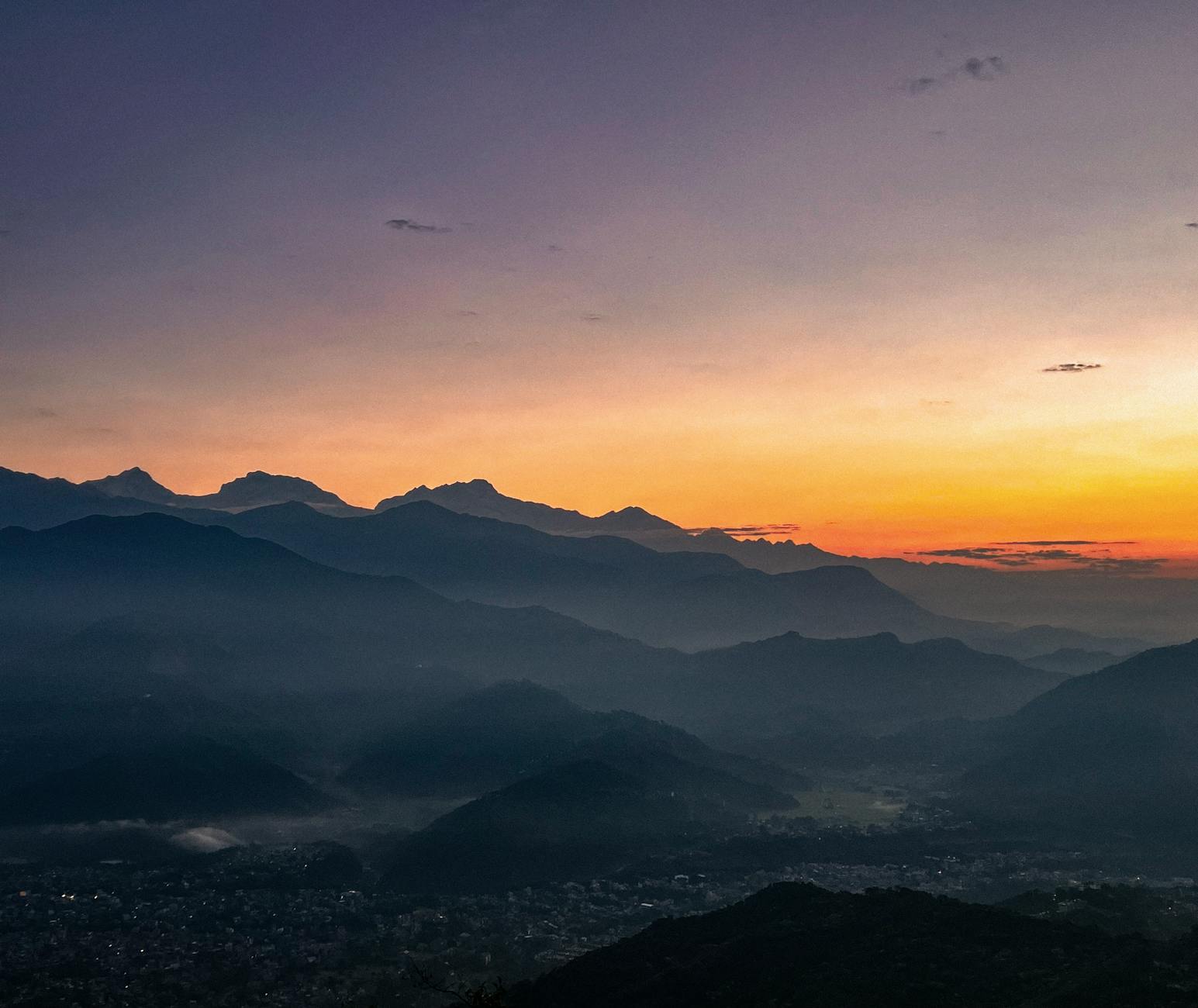
Early morning: Drive or taxi to Sarangkot for a sunrise panorama over the Annapurna range—this is a highlight and worth the early start.
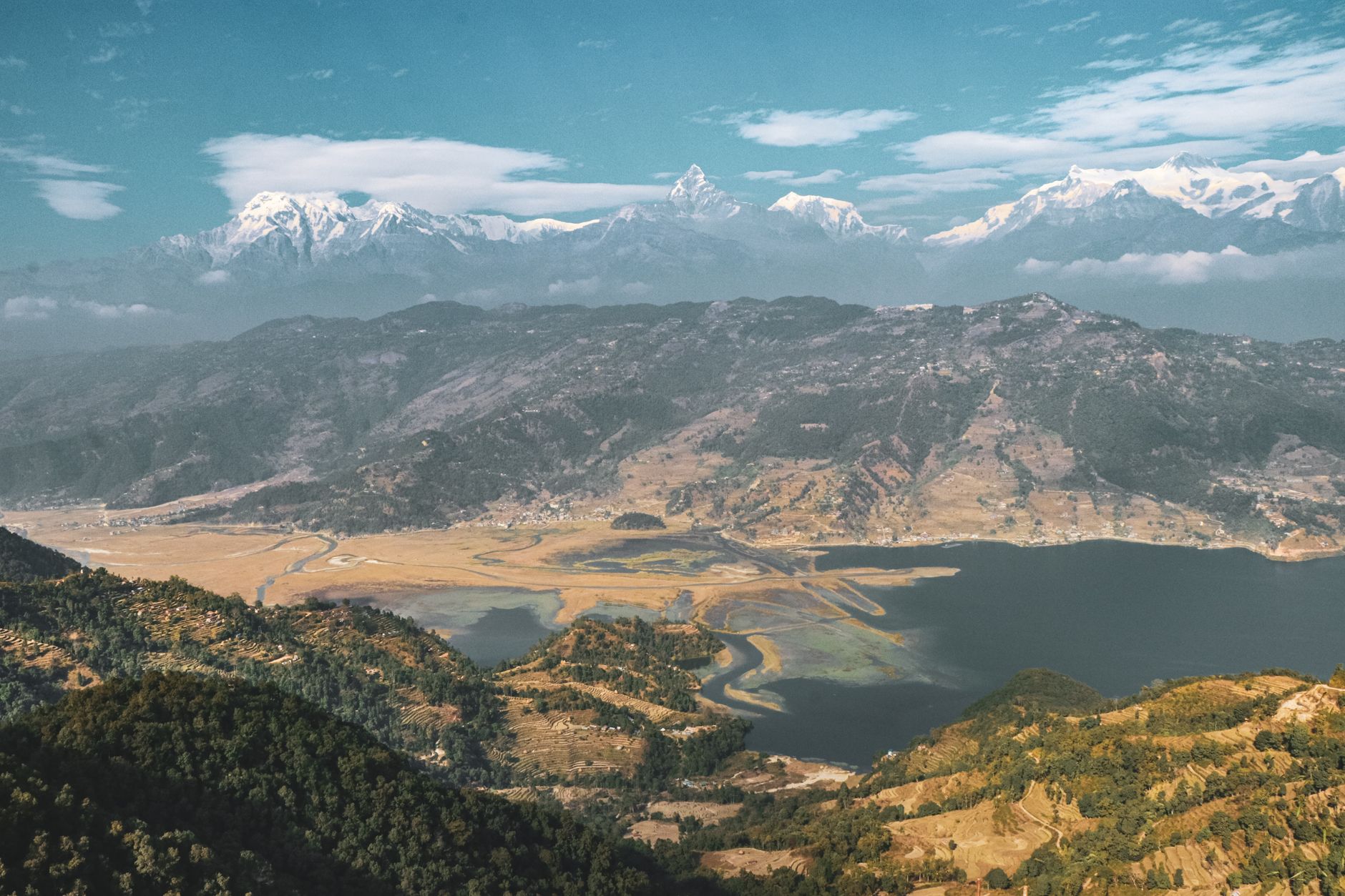
Mid-morning: Return for paragliding from Sarangkot or a nearby takeoff site (book ahead); tandem flights give five- to twenty-minute flights with stunning aerial views of the lake.
Afternoon: Explore Davis Falls and Gupteshwor Cave nearby. These sites are short, dramatic and family-friendly.
Evening: Lakeside stroll, street-food snacks and relaxed bar or coffeehouse time.
Day 3
Morning: Hike or take a short drive to World Peace Pagoda; enjoy the viewpoints and quiet atmosphere. The walk down to Lakeside along the forest trail takes around 60–90 minutes.
Late morning: Visit the Seti River Gorge viewpoint and shop for handicrafts in Lakeside or Old Bazaar.
Afternoon: Choose a half-day option—boat across to Begnas Lake for a quieter scene, or relax and get a traditional Nepali meal and massage.
Evening: Final sunset and an early-night flight or bus departure, or linger for another evening in town.
Best Local Experiences
Paragliding for aerial views of the lake and peaks. Sunrise at Sarangkot—arrive before first light. Phewa Lake boating and a visit to Tal Barahi Temple. Walk the Lakeside promenade at dusk and sample street snacks. Explore Davis Falls and the Gupteshwor Cave complex. Visit the International Mountain Museum for mountaineering history and regional culture. Try a short forest trail to the World Peace Pagoda for a quieter perspective.
Where to Stay
Lakeside is the most convenient neighborhood with guesthouses, boutique hotels and mid-range to luxury options clustered near the water. For quieter nights, look a little farther from the main strip toward the eastern lakeshore. If you prefer a traditional bazaar vibe, the old market area near Bindhyabasini has budget stays and local restaurants. Book early in high season (Oct–Nov and Mar–Apr).
Food and Drink
Lakeside offers a mix of Nepali, Thakali and international cuisine. Try local dal bhat for a hearty meal, momos as a snack, and Thakali-style set meals for regional flavors. Plenty of cafés and bakeries serve coffee, fresh juices and pastries. Evening lakeside restaurants often feature live music. Tap water isn’t recommended—use filtered or bottled water and confirm restaurants use safe water for ice.
Getting Around
Most sightseeing is short drives or walking. Tuk-tuks and taxis are plentiful; agree a fare or use the meter where available. Short boat rides cross Phewa Lake to Tal Barahi Temple. Local buses run between Pokhara and Kathmandu, but the tourist-friendly option is a short domestic flight or tourist bus. Renting a motorbike is possible for independent day trips—carry an international or Nepali license.
Best Time to Visit
Clear mountain views are most reliable in October–November and March–April. Weather is warmer and clearer in spring; autumn offers post-monsoon clarity and festivals. Monsoon season (June–Aug) brings lush scenery but reduced visibility and slippery trails. Winters are cool and can be crisp for mountain photography.
Budget and Practical Tips
Currency is Nepalese rupee; small merchants often accept cash only. ATMs are available in Lakeside but carry backup cash for remote spots. Bargain politely for taxis and souvenirs. Tipping is appreciated in restaurants and for guides (5–10%). Power outages happen—hotels often have backup power. Carry a copy of your passport and travel insurance if you plan adventure activities like paragliding.
FAQ
How do I get to Pokhara from Kathmandu?
You can take a 25–30 minute domestic flight or a 6–8 hour tourist bus; flights offer convenience, buses are cheaper and scenic.
Is Pokhara safe for solo travelers?
Yes. It’s generally safe and tourist-friendly; use normal precautions at night and secure belongings.
Do I need permits for day activities?
No special permits are required for Sarangkot, lakeside, or caves; trekking higher routes needs permits.
Can I see Annapurna without trekking?
Yes—Sarangkot, World Peace Pagoda and many lakeside viewpoints provide excellent mountain views without long hikes.
Is mobile data and Wi‑Fi reliable?
Mobile coverage and 4G are widely available; Wi‑Fi in hotels and cafés is common but can be slow during peak hours.
What should I pack for a 3-day trip?
Layers for variable weather, sturdy walking shoes, sunscreen, a light rain jacket in monsoon season, and cash in small bills.
Conclusion
A three-day stay balances scenic highlights and relaxed lakeside time: sunrise at Sarangkot, Phewa Lake boating, a taste of adventure with paragliding or hikes, plus caves and cultural stops. Base in Lakeside, plan early starts for clear mountain light, and leave room for slow afternoons by the water. This short itinerary gives the essentials and a few local experiences so you return home refreshed and inspired to explore more of Nepal.
How this guide was prepared
This guide was prepared through a structured research that combines destination research, geographic context, itinerary planning logic, and content review.