
3 Days in Kathmandu: A Cultural Weekend Itinerary
Make the most of 3 days in Kathmandu with a compact itinerary covering stupas, Durbar Squares, markets, Nepali food, and a mountain-flight option.
A focused 3-day plan for first-time visitors who want Kathmandu’s temples, markets, and heritage squares without missing a nearby hill or cultural experience.
Kathmandu is a lively, historic valley city where narrow alleys, gold-capped stupas and medieval squares meet Himalayan views. It suits culture lovers, photographers, foodies and travelers who want a compact taste of Nepal’s art, religion and street life. Three days works well because you can cover central UNESCO sites, two major stupas, a Durbar Square and a nearby heritage town or short mountain flight without rushing. This itinerary balances morning sightseeing, market time, local meals and one longer excursion so you leave with a strong sense of local life and good options for onward travel to Pokhara or the lowland plains.
Quick Answer
A focused 3-day plan for first-time visitors who want Kathmandu’s temples, markets, and heritage squares without missing a nearby hill or cultural experience.
Who This Guide Is For
This guide is best for first-time visitors, couples, solo travelers, and anyone planning 3-day city break, culture trip, short escape in Kathmandu with a balance of highlights, local character, and reasonable spending.
How This Guide Was Prepared
This guide was prepared through a structured editorial workflow that combines destination research, geographic context, itinerary planning logic, and practical travel review.
Plan Your Stay in Kathmandu
Use this itinerary as your starting point, then compare areas to stay, transport options, seasonal timing, and realistic daily costs before booking.
Why Visit
Kathmandu combines living Hindu and Buddhist traditions, centuries-old Newari architecture and lively markets. The valley’s compact core makes it possible to see major religious sites and palaces in a long weekend.
You’ll find colorful festivals, affordable cultural experiences like thangka painting and guided temple tours, plus easy day-trip options to nearby heritage towns and mountain viewpoints. It’s a gateway for trekking and a destination in its own right for history and street-food fans.
Quick Planning Tips
Carry some Nepalese rupees; many small vendors and taxis don’t accept cards. Wear modest clothes for temple visits—cover shoulders and knees. Start early to beat heat and traffic; many monuments open by 7–8am.
Download an offline map and a local ride-hailing app (Tootle or Pathao) for short trips. If you plan a mountain flight, book at least a day ahead and keep alternate days free for weather. Check visa rules before travel and pack a light jacket for cool mornings.
Day 1
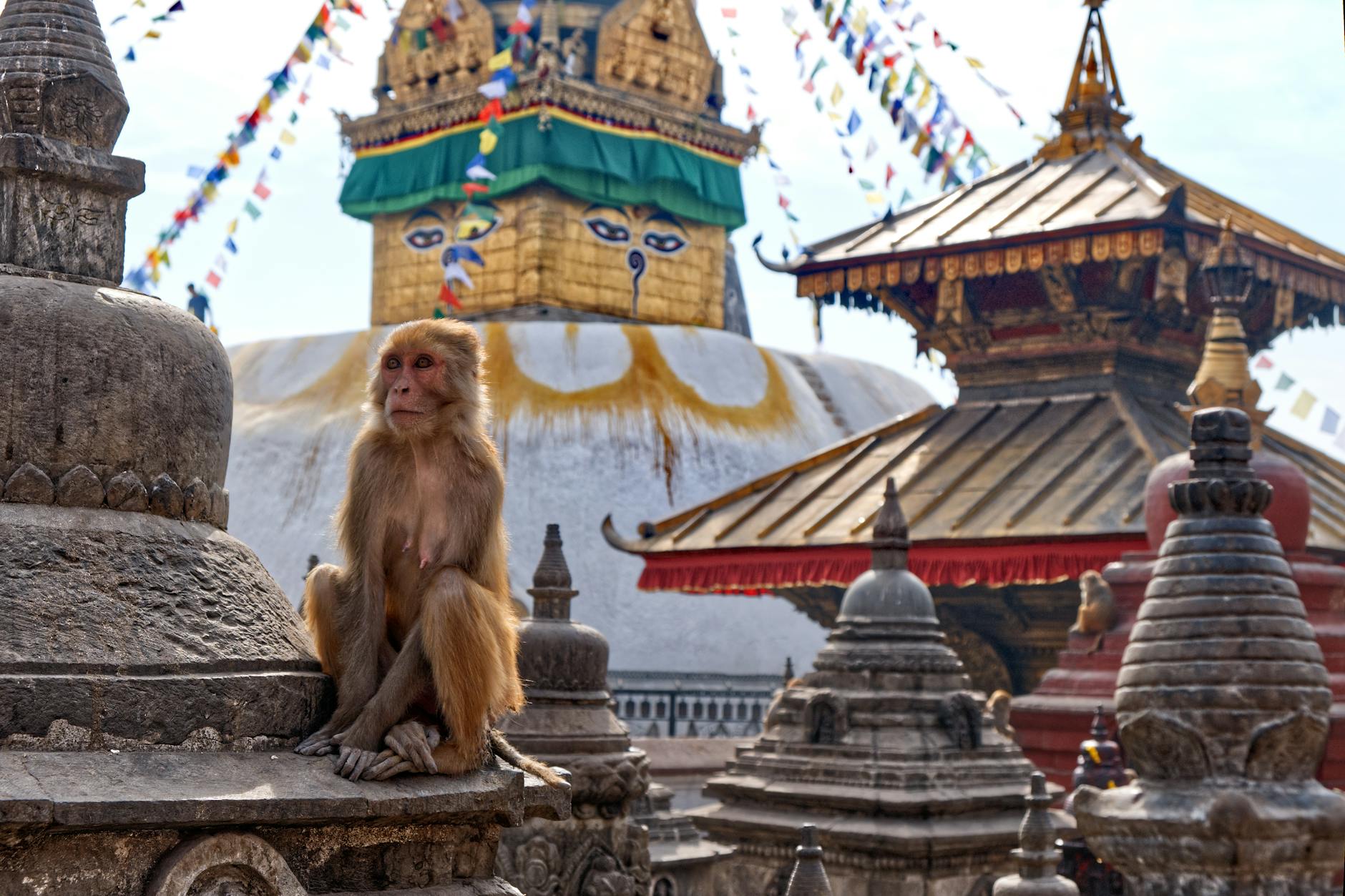
Morning: Begin at Swayambhunath for sunrise views over the valley and a quiet kora around the stupa. Walk down to Ason Bazaar to sample street snacks and explore spice and tea shops.
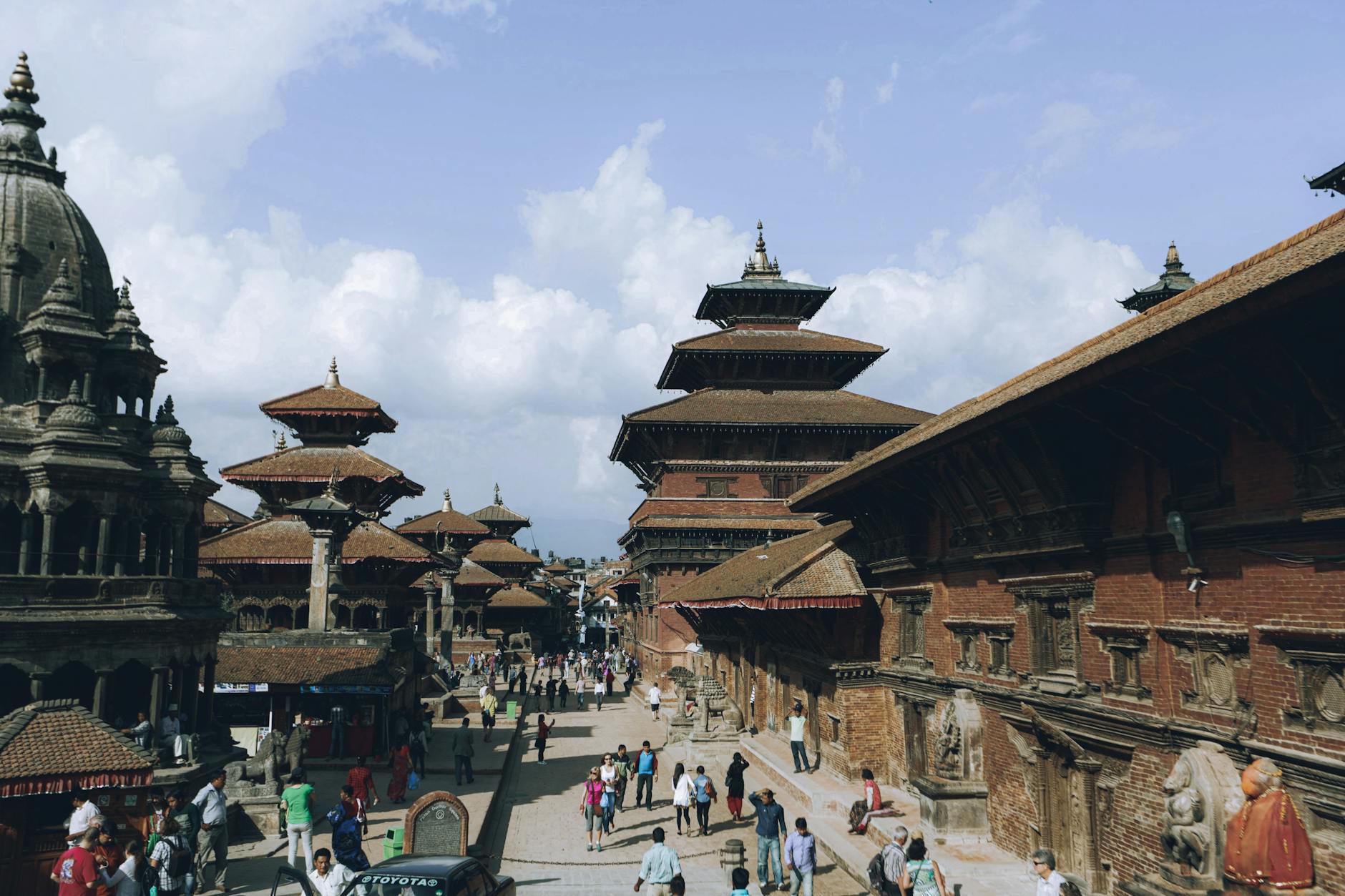
Afternoon: Head to Kathmandu Durbar Square to see the old palaces and Kumari Ghar (the living goddess house). Visit the nearby Kumari Museum and stop at a rooftop café for traditional dal bhat.
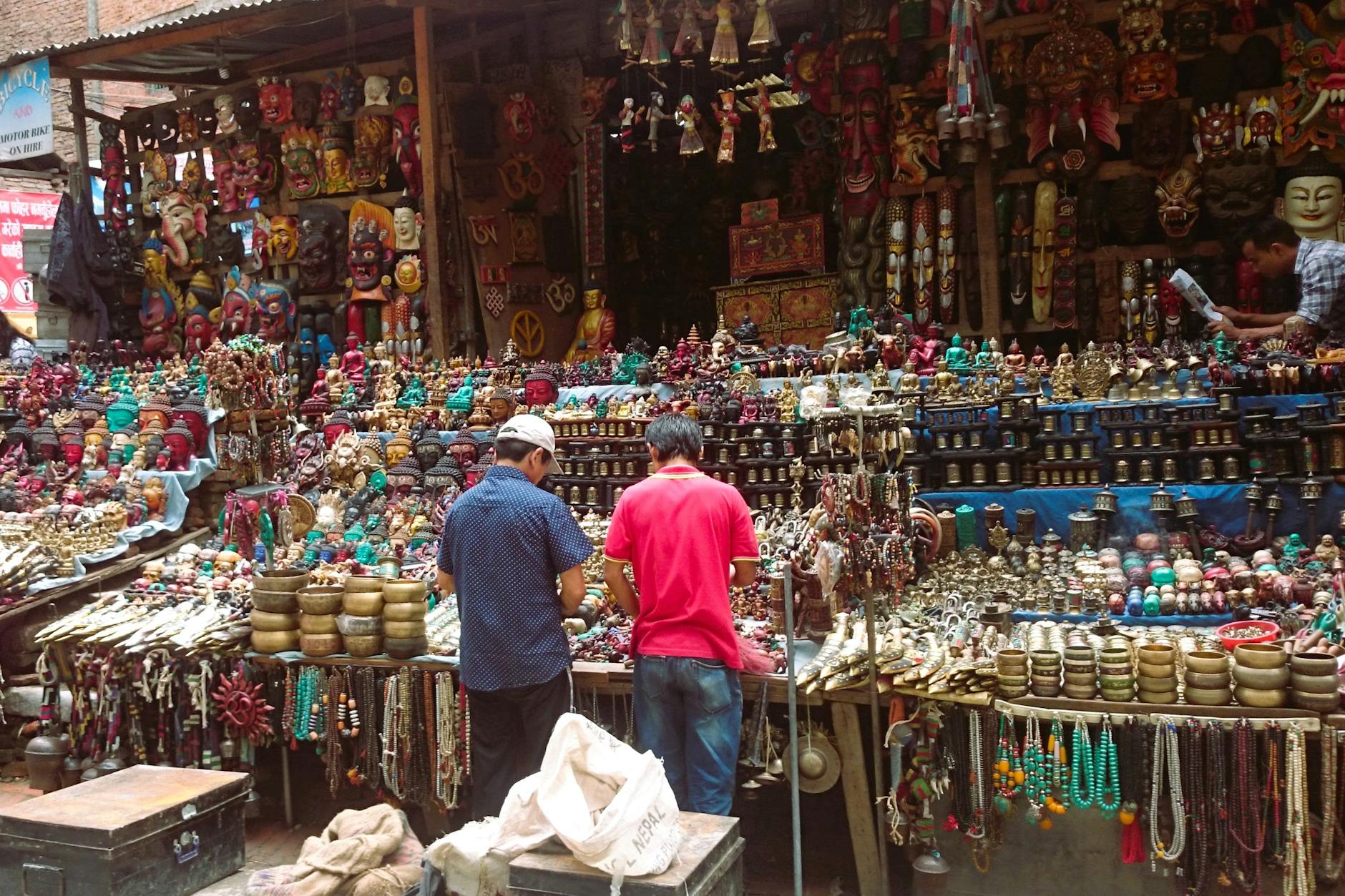
Evening: Wander Thamel for dinner, live music and shop for trekking gear or handicrafts. Keep transport by short tuk-tuk or walk within central areas.
Day 2
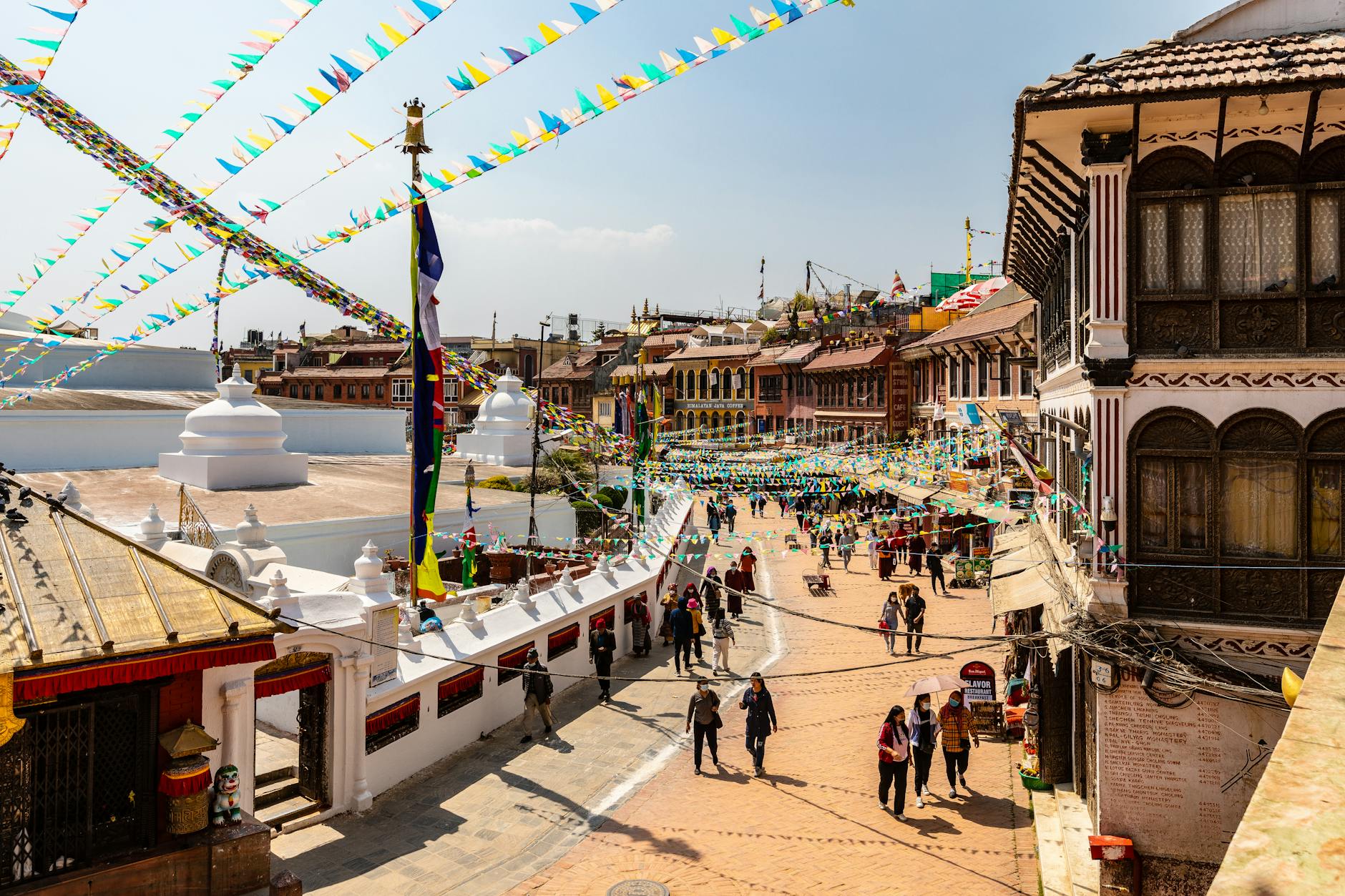
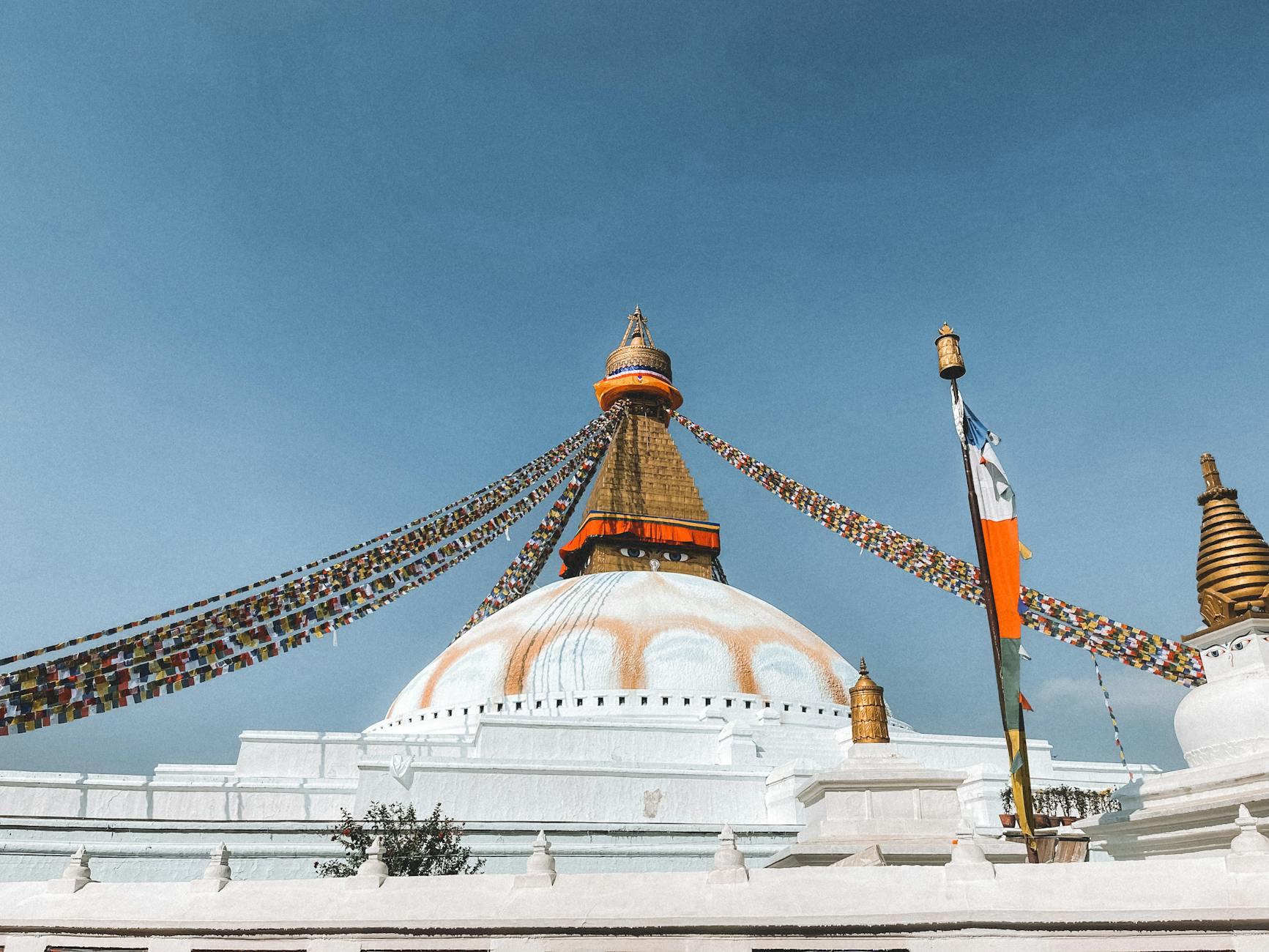
Morning: Visit Boudhanath Stupa; do a clockwise kora, watch Tibetan monks and try butter tea at a nearby café. The area is great for buying Tibetan art and prayer flags.
Afternoon: Go to Pashupatinath Temple (Hindu) to observe riverside cremation rituals from the viewing platforms across the Bagmati River. Respect dress codes and photography rules.
Evening: Return toward Lazimpat or Thamel for a quieter dinner. If interested, book a short cultural performance or live Newari music show.
Day 3
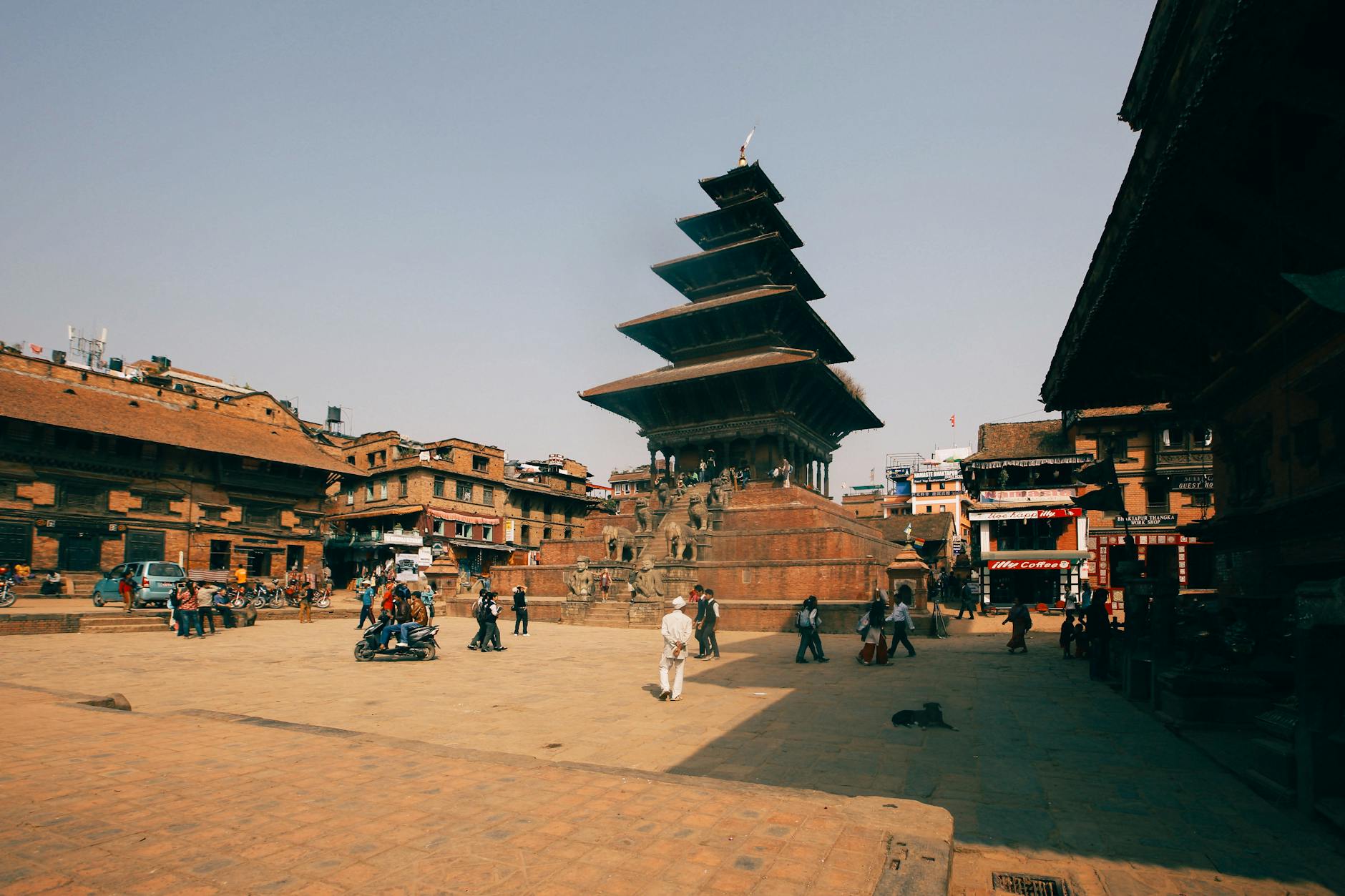
Option A — Heritage town: Take a half-day trip to Bhaktapur or Patan (Lalitpur). Both offer compact Durbar Squares, pottery squares, and excellent Newari food. Spend the afternoon exploring narrow lanes and rooftop views.
Option B — Mountain experience: Book an early-morning mountain-flight to view Everest and the high Himalaya, then use the afternoon for a relaxed city museum or garden visit.
Evening: Finish with a meal in a traditional Newari restaurant and pick up any last-minute souvenirs in Thamel.
Best Local Experiences
Sunrise at Swayambhu and the circular kora at Boudha are unforgettable daily rituals. Stroll Ason and Indra Chowk for spices, dried goods and Newari sweets.
Take a pottery or thangka-painting workshop in Bhaktapur or Patan. Try a traditional Newari feast (bhaat, sukuti, chatamari) and join a short guided walk to learn about local architecture and restoration efforts.
Where to Stay
Thamel: Best for first-timers—central, lively, many hotels and restaurants. Good for nightlife and easy transport access.
Lazimpat/Baber Mahal: Quieter, close to embassies and mid-range hotels; convenient for Boudha and Patan.
Patan/Bhaktapur: Stay here if you prefer heritage buildings and a quieter evenings; expect charming guesthouses and homestays.
Book a hotel with a rooftop for city and mountain views and confirm airport pickup if arriving late.
Food and Drink
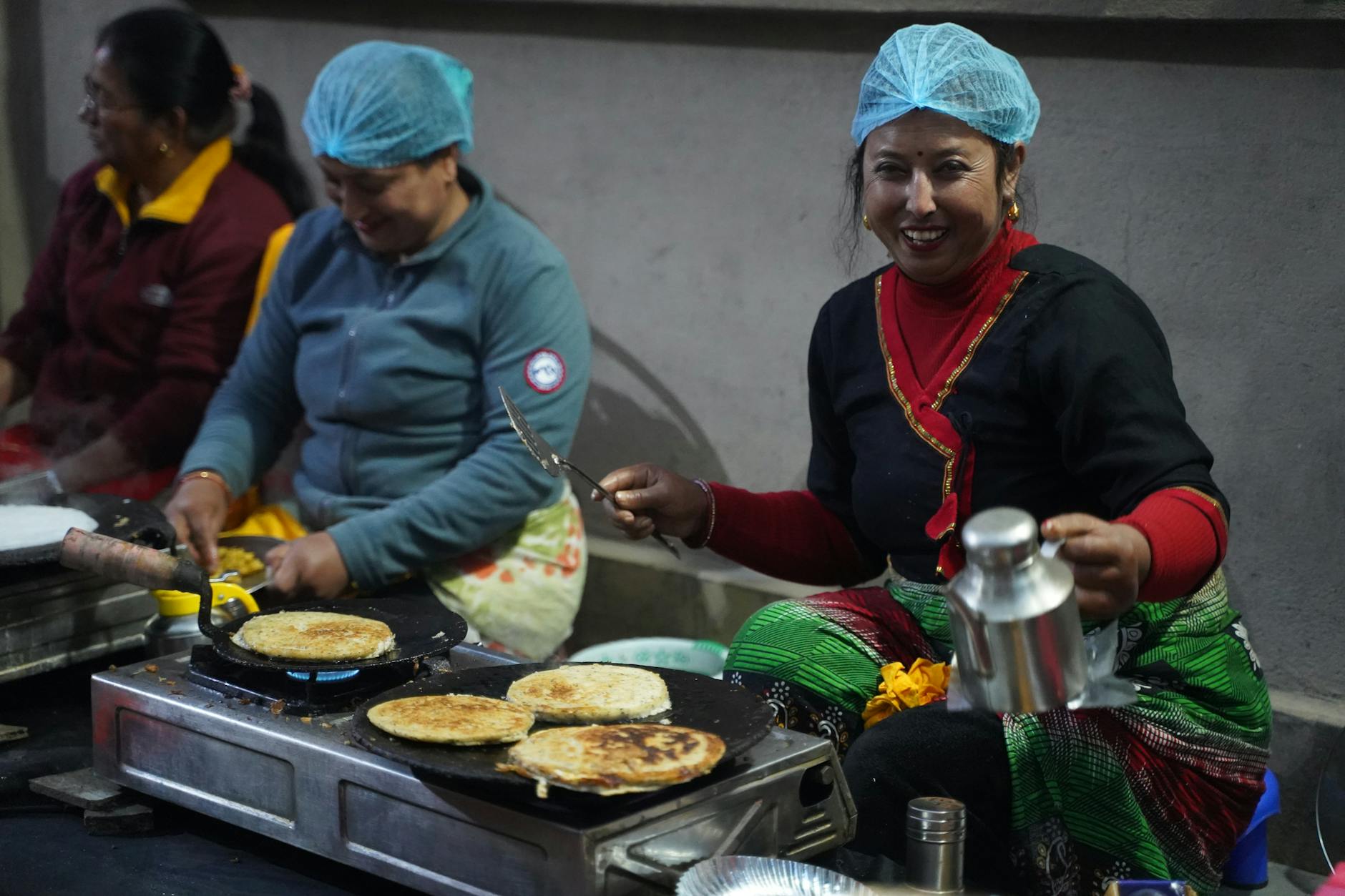
Must-try dishes: momo (steamed or fried dumplings), dal bhat (lentils with rice), Newari khaja set and chatamari (rice crepe). Sample street mo:mo stalls in Thamel and Ason, and family-run eateries in Patan.
Try Tibetan bakeries and cafés around Boudha for butter tea and thenthuk. Drink bottled water or use a SteriPEN/filter; ice in smaller stalls can be risky. Alcohol is available in bars; many traditional restaurants are family-run and cash-preferred.
Getting Around
Walking is best in narrow historic areas. Use tuk-tuks for short hops and taxis or app-based motorbike taxis (Tootle, Pathao) for faster trips. Negotiate fares up front where meters aren’t used.
Public microbuses are cheap but crowded; avoid them with heavy luggage. For day trips to Bhaktapur or Patan use a private taxi or a tourist car for convenience. Allow extra time for traffic—journeys often take longer than map estimates.
Best Time to Visit
Peak season: October–November—clear skies, festival activity and ideal trekking weather. Spring (March–April) is also excellent for rhododendron blooms and mild temperatures.
Avoid monsoon months (June–August) for heavy rain and clouded mountain views. December–January are cool and clear but chilly; layers are advisable for early mornings and evenings.
Budget and Practical Tips
Daily budgets (approx): Backpacker $25–40, Mid-range $60–120, Comfortable $150+. Many sights have small entrance fees (UNESCO sites, stupas, museums).
Bring small notes and coins; tipping guides and drivers 5–10% is appreciated. SIM cards from Ncell or Nepal Telecom are easy to buy at the airport or city stores—bring passport copies. Power: 230V, outlets types C/D/M; carry an adapter. For safety, keep valuables secured and photocopies of important documents.
FAQ
Is 3 days enough to see Kathmandu?
Yes. Three days lets you visit the main stupas, Kathmandu Durbar Square and take a short trip to Patan or Bhaktapur, or a mountain-flight option.
Do I need a guide to visit temples?
A guide is not required but a licensed guide adds historical context and navigational ease, especially at Pashupatinath and complex Durbar Squares.
Is Kathmandu safe for solo travelers?
Generally yes for daytime exploration. Take usual urban precautions at night, avoid poorly lit alleys and keep valuables secure.
Can I drink tap water?
No. Use bottled or filtered water and avoid ice from uncertain sources.
How do I get from the airport to the city?
Pre-paid taxis at Tribhuvan Airport are common; some hotels offer pickups. Ride-hailing apps and local taxis are available. Plan for 30–90 minutes depending on traffic.
Should I worry about altitude?
Kathmandu sits at about 1,400 meters—most visitors experience no altitude sickness, but take it easy if moving on to higher treks.
Conclusion
Three days in Kathmandu gives a rewarding mix of temples, markets and local food with room for a heritage town or a short mountain-view experience. Focus on early starts, respectful temple etiquette and sampling neighborhood specialties. This compact plan leaves you with vivid cultural memories and easy onward travel options to Pokhara or India’s eastern plains.
How this guide was prepared
This guide was prepared through a structured research that combines destination research, geographic context, itinerary planning logic, and content review.