

Best Time to Visit Kuala Lumpur
Practical, sustainable advice on when to visit Kuala Lumpur: seasonal weather, festivals, crowds, and low-impact timing to pair with the 3 days in Kuala Lumpur itinerary and nearby day trips.
Kuala Lumpur is hot and humid year‑round. Choose drier shoulder months, watch festival dates, and plan transport-friendly stays for a smoother, lower-impact 3-day trip.
Quick Answer
Kuala Lumpur is hot and humid year‑round. Choose drier shoulder months, watch festival dates, and plan transport-friendly stays for a smoother, lower-impact 3-day trip.
Who This Page Is For
This page is for travelers planning a stay in Kuala Lumpur who want clearer decisions about best time to visit, local logistics, timing, budgeting, and practical trip planning.
How This Page Was Prepared
This page was prepared through a structured editorial workflow that combines destination research, geographic context, and practical travel-planning review.
Plan the Rest of Your Trip
Use this page together with the full itinerary and the related planning pages below to make better booking, timing, transport, and budget decisions.
Best months: June to August for relatively drier weather and lower chance of prolonged heavy rain. February is another comfortable window around Chinese New Year if you like festivals. Avoid mid-November to January for heavier monsoon-related showers and March–April for frequent afternoon thunderstorms.
If your trip links to the 3 days in Kuala Lumpur itinerary, aim for June–August or late February to minimize weather disruption and get better hotel rates than peak festival periods.
Kuala Lumpur is a tropical, fast-moving city where heat and sudden rain shape what you do each day. This page helps travelers planning a short city break—especially those using the companion 3 days in Kuala Lumpur guide—decide when to visit, how to avoid peak crowds, and how to time day trips to nearby Petaling Jaya, Subang Jaya, Shah Alam, Ipoh, or Kuantan. Advice favors shoulder seasons, public transit, and spending locally to reduce impact while getting authentic experiences.
What This Page Helps You Decide
Use this page to pick travel dates that fit weather, crowds, and your interests.
It helps you decide:
– Whether to prioritize lower rainfall (June–August) or a festival experience (Chinese New Year, Hari Raya).
– If you should base in KLCC or Bukit Bintang to reduce transit time for a 3-day stay.
– Which nearby day trips are realistic by train/bus (Ipoh by ETS, Kuantan by coach).
Pair your choice with the companion 3 days in Kuala Lumpur plan for a compact, transit-friendly itinerary.

Top Recommendations
Practical, low-impact timing and booking tips:
– Choose shoulder months (June–August, late February) for fewer rainy interruptions and lower hotel rates.
– Book hotels near an LRT/MRT or KL Sentral—less Grab/taxi use, faster access to top sights in a 3-day plan.
– If attending festivals (Chinese New Year, Deepavali), reserve accommodation and key attractions weeks in advance.
– For day trips: take the ETS train to Ipoh (2–2.5 hours) to support regional businesses; take an express coach to Kuantan for east-coast beaches when weather permits.
– Opt for locally run walking food tours or small-group experiences in Kampung Baru, Brickfields, and Chow Kit to keep spending local.

Local Context
Kuala Lumpur’s climate: consistently warm (mid-20s to low 30s °C) and humid. Rain falls year-round, with these patterns to note:
– Southwest/Inter-monsoon (May–September): generally drier but still expect afternoon showers.
– Northeast monsoon influence (November–January): more frequent heavy rain and flash floods, especially on east coast routes.
Neighborhoods and travel realities:
– KLCC and Bukit Bintang are the most convenient bases for 3-day itineraries but busier and pricier.
– Bangsar and Brickfields (Little India) offer more local restaurants and guesthouses, good for supporting small businesses.
– Petaling Jaya, Subang Jaya, and Shah Alam are short commutes by KTM/LRT or Grab; opt for public transit where possible.
Local etiquette: dress modestly when visiting religious sites, remove shoes in mosques and some temples, ask before photographing people, and respect fasting hours during Ramadan (avoid eating in public in daytime near mosques if locals are observing).

How to Choose Well
Match weather, crowds, and your interests to minimize stress and impact:
– If you prioritize outdoor parks and Batu Caves: prefer June–August mornings and avoid late-afternoon storms.
– If you want festivals and markets: plan around Chinese New Year (Jan/Feb) or Deepavali (Oct/Nov), but book early and expect higher prices.
– If you want lower costs and quieter streets: book shoulder-season hotels in Bangsar or Chinatown and use LRT/MRT to reach the 3-day highlights.
Booking tips:
– Reserve trains (ETS) and intercity coaches in advance for Ipoh and Kuantan.
– Choose hotels with good transit links to reduce ride-hailing trips.
– Check festival dates and Ramadan calendars before finalizing dates to avoid closed attractions or full bookings.
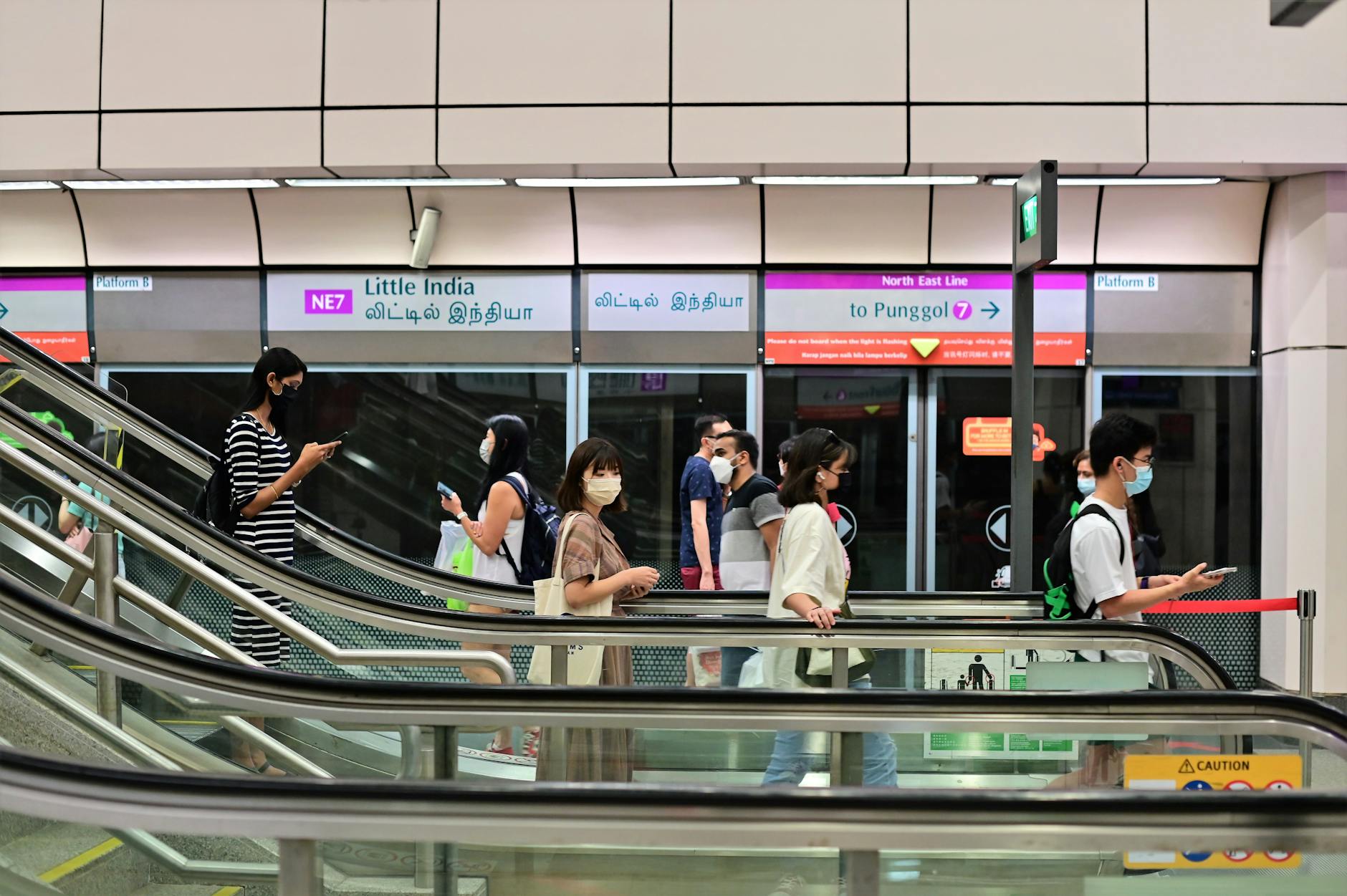
Responsible and Local-First Tips
Travel choices that benefit local communities and reduce impact:
– Stay in locally owned guesthouses or small hotels in Brickfields, Kampung Baru, or Bukit Bintang rather than international-only hotel chains.
– Eat at family-run kopitiams, night markets, and hawker stalls—Jalan Alor and Petaling Street have many small vendors who rely on tourist spend.
– Use public transit (LRT/MRT/KTM) and walking for short distances; if you need a car, carpool or use a taxi for longer trips.
– When taking day trips to Ipoh or Kuantan, pick ETS or express coach operators that employ local staff.
– Reduce single-use plastic: carry a reusable water bottle and ask vendors to skip plastic bags or single-use cutlery.
– Respect local customs during Ramadan and festivals: ask before photographing religious ceremonies and dress modestly at religious sites.

Common Mistakes to Avoid
Practical pitfalls travelers often encounter:
– Expecting dry weather: sudden tropical downpours are normal year-round—carry a compact umbrella and quick-dry clothing.
– Underestimating humidity: pack breathable fabrics and allow for slower walking pace when sightseeing.
– Staying far from transit hubs: hotels without LRT/MRT access increase ride-hailing costs and time lost on a short 3-day trip.
– Overbooking heavy plans on a single day: schedule indoor options (museums, malls, KL Tower) for rainy afternoons.
– Ignoring festival calendars: Ramadan, Chinese New Year, and national holidays affect opening hours and availability.
FAQ
When is the absolute best month to visit KL for dry weather?
June through August generally have fewer prolonged downpours and are good for outdoor walking and rooftop views, though short showers still occur.
Is Kuala Lumpur a year-round destination?
Yes—KL is accessible year-round because rain tends to fall in short bursts. Pick months that align with your tolerance for humidity and crowds.
Should I avoid visiting during Ramadan?
No—Ramadan can be a rich cultural experience, but expect altered opening hours and fewer daylight dining options near mosques. Support local vendors at evening iftars.
What should I pack for a 3-day city trip?
Lightweight breathable clothes, a compact umbrella, comfortable walking shoes, a reusable water bottle, power adapter, and a small daypack. Include a modest scarf for religious sites.
Are day trips to Ipoh or Kuantan practical from KL?
Yes. Ipoh is ideal by ETS train (about 2–2.5 hours), which supports regional economies. Kuantan is reachable by 3–4 hour coach; check weather for east-coast planning.
When should I book hotels and trains?
Book early for festival periods (Chinese New Year, Hari Raya, Deepavali). For shoulder months you can often find good deals 4–8 weeks out, but reserve ETS and popular tours sooner.
Conclusion
For a compact, sustainable 3-day Kuala Lumpur trip, favor June–August or late February to balance weather, crowds, and local experiences. Base yourself near LRT/MRT hubs, support locally run eateries and tours, and use public transit for nearby day trips to Ipoh or Kuantan. Before booking, cross-check festival dates and reserve transit or hotels early for busy windows. For a step-by-step plan that fits these timing choices, see the companion 3 days in Kuala Lumpur guide and link your day trips to nearby Petaling Jaya, Subang Jaya, Shah Alam, Ipoh, or Kuantan.
How this guide was prepared
This guide was prepared through a structured research that combines destination research, geographic context, itinerary planning logic, and content review.