
Best Time to Visit Rethymno, Crete — When to Go for Weather, Crowds, and Local Life
Find the best months to visit Rethymno, Crete — weather, crowds, transport, and sustainable tips. Shoulder-season and low-impact advice to pair with our 3 days in Rethymno itinerary.
Practical, local-first guidance on months, neighborhoods, transport realities, and booking tips so you can choose the best time to visit Rethymno while supporting the local economy.
Quick Answer
Practical, local-first guidance on months, neighborhoods, transport realities, and booking tips so you can choose the best time to visit Rethymno while supporting the local economy.
Who This Page Is For
This page is for travelers planning a stay in Rethymno who want clearer decisions about best time to visit, local logistics, timing, budgeting, and practical trip planning.
How This Page Was Prepared
This page was prepared through a structured editorial workflow that combines destination research, geographic context, and practical travel-planning review.
Plan the Rest of Your Trip
Use this page together with the full itinerary and the related planning pages below to make better booking, timing, transport, and budget decisions.
Best overall months: late April–June and September–mid October. These shoulder-season windows combine pleasant temperatures, fewer day-trippers, and open local businesses. July–August is hottest and busiest — best only if beach time and nightlife are your priorities. Winter (November–March) is quiet, some hotels and tavernas close, but it’s lowest-impact and good for hiking and lower prices.
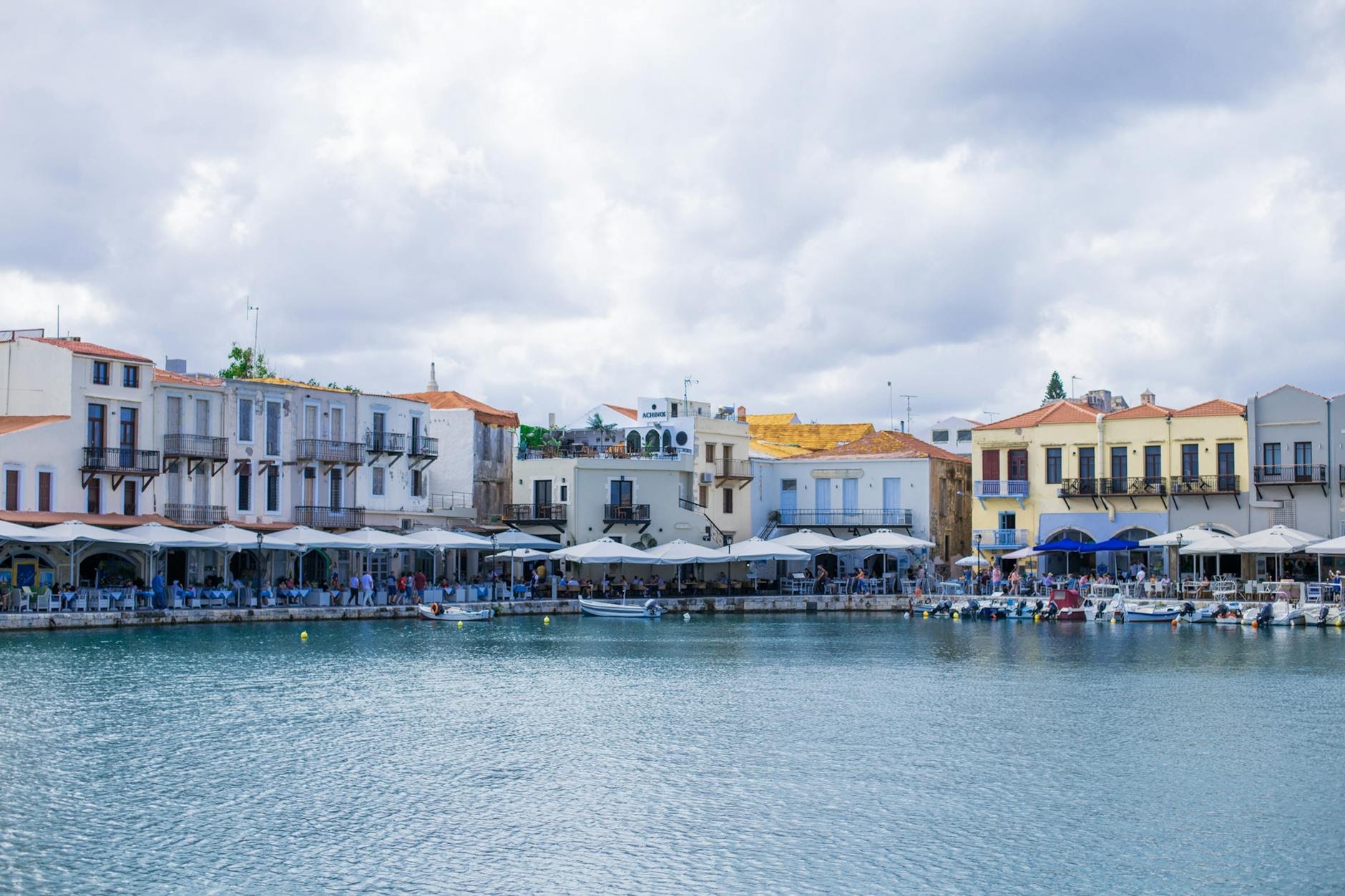
Rethymno sits on Crete’s north coast between Chania and Heraklion. Its compact Old Town, long beach, and Venetian fortress make it a good base for a relaxed 3-day visit. This page helps you pick months and neighborhoods to match your priorities: warm sun and swimming, quiet streets and authentic markets, or local festivals and lively evenings. Recommendations favor shoulder seasons, local-first choices, and lower-impact travel.
What This Page Helps You Decide
Use this guide to decide:
- Which month fits your weather tolerance and crowd preferences.
- Whether to prioritize swimming and sun (late June–September) or quieter streets and markets (April–June, September–October).
- Where to stay for convenience: Old Town for history and restaurants; the beachfront for family-friendly access; outskirts for budget stays and car access.
Pair your choice with the practical itineraries in our 3 days in Rethymno guide and nearby day trips to Chania or Agios Nikolaos.
Top Recommendations
Seasonal picks:
- Best for balance (weather + low crowds): late April–June, September–mid October.
- Best for beach and warm sea: July–August — expect crowds and higher prices.
- Best for low-impact travel and budget deals: November–March — check opening dates.
Neighborhood guidance:
- Old Town: stay here for evening dining, short walks to Rimondi Fountain and Fortezza. Small guesthouses support local owners.
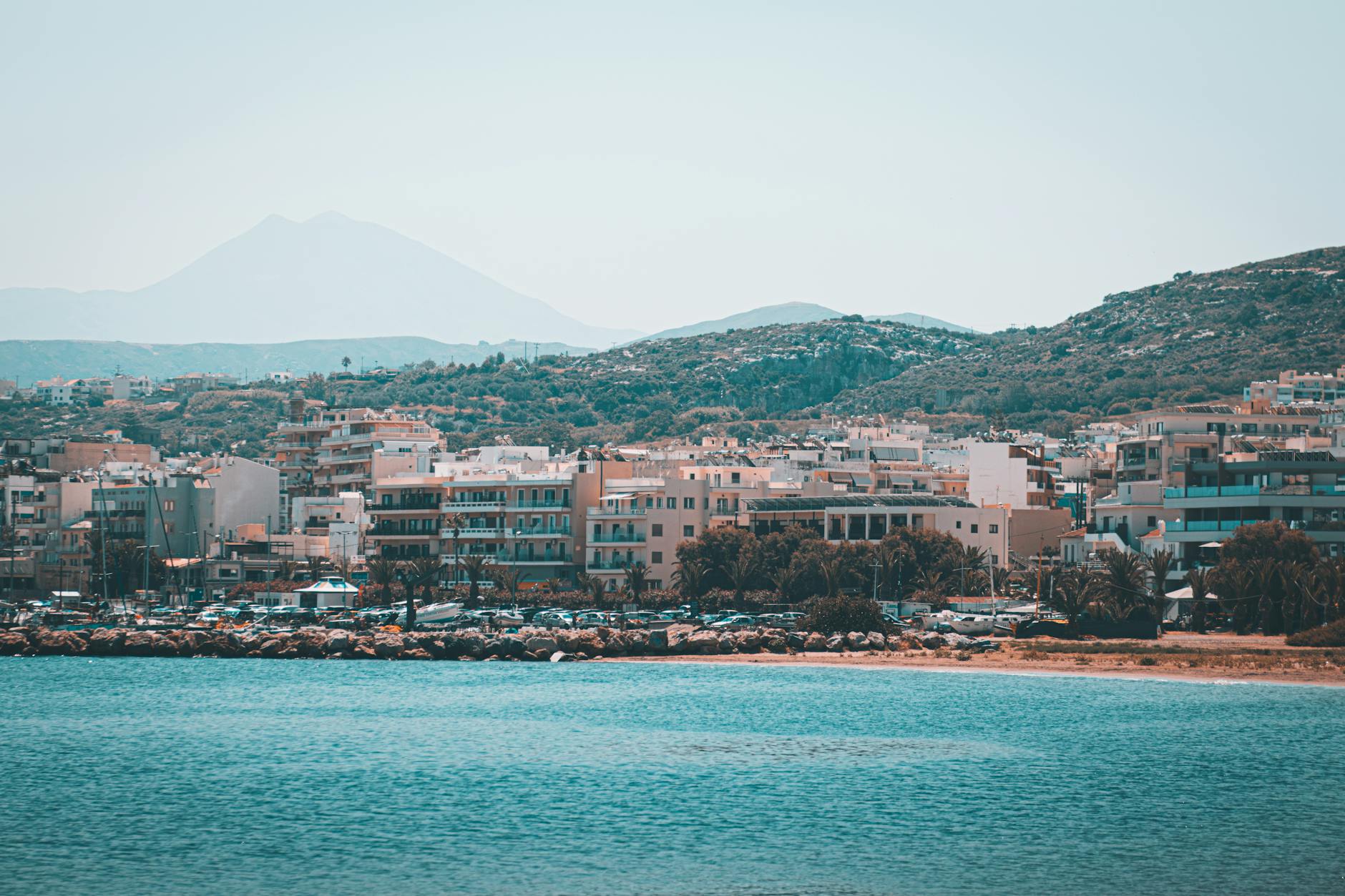
- Long Beach area (northwest of Old Town): better for families and longer sandy beaches.
- Mili and Panormo (short drives): quieter base if you have a car and want rural tavernas.
Booking tips:
- Reserve accommodation early for July–August; in shoulder season you can book closer to arrival but check cancellation policies.
- If arriving by ferry, coordinate with KTEL bus times or book a transfer — ferry arrivals are less frequent outside summer.
Local Context
Crowds and business hours:
- July–August: peak domestic and European tourism. Day-trip buses from Chania and Heraklion increase. Restaurants and shops are busiest from late afternoon into night.
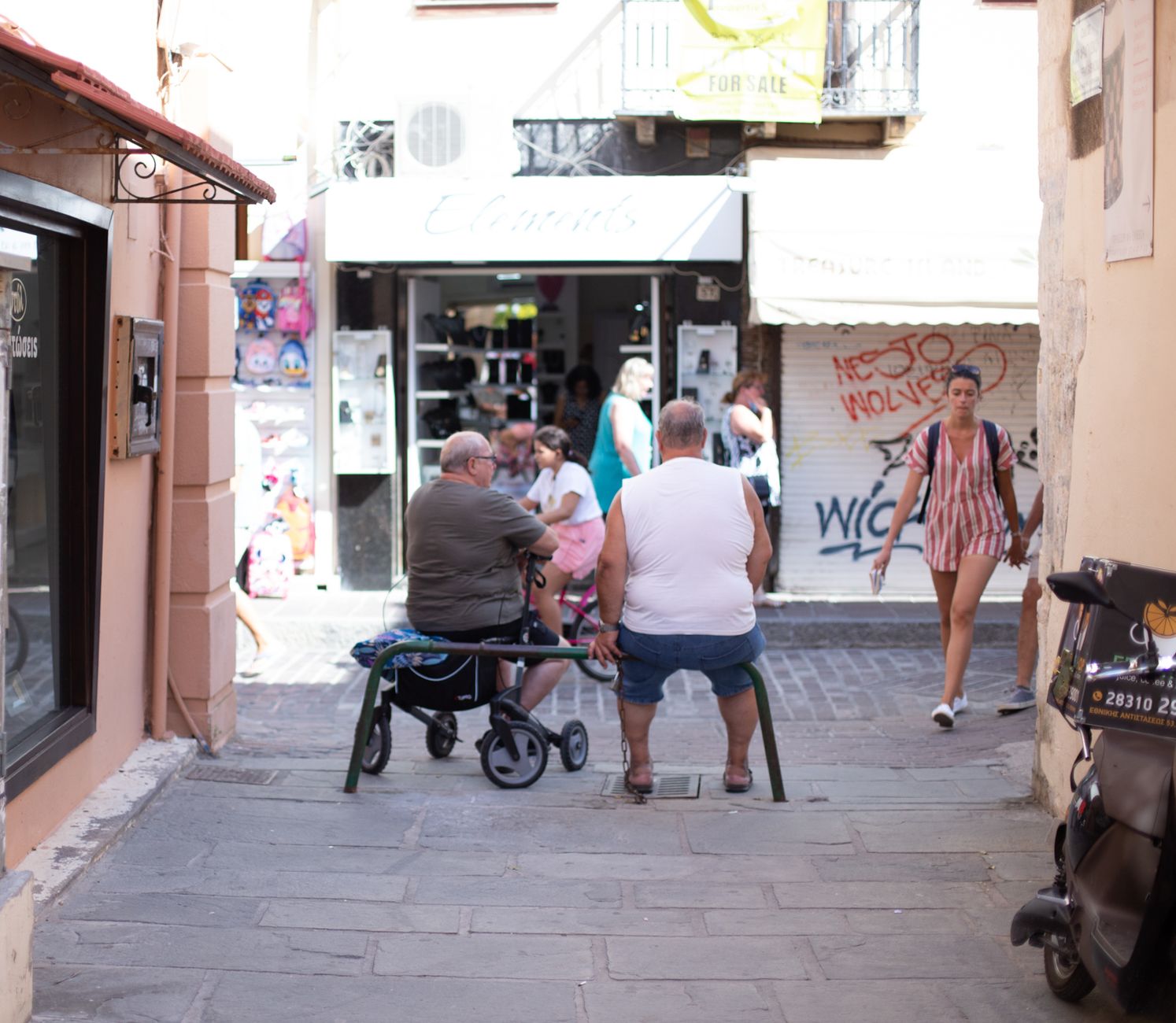
- Shoulder seasons: many small tavernas and family-run hotels remain open; towns feel lived-in rather than touristy.
- Winter: expect more limited service. Book ahead for specific restaurants or guided experiences.
Transport realities:
- Buses (KTEL) link Rethymno with Chania, Heraklion, and smaller towns. Timetables are seasonal; check KTEL Crete for up-to-date times.
- Ferries to/from Piraeus and other islands run year-round but have reduced frequency outside summer. If your plan includes Kos or Piraeus, confirm schedules before booking.
- Renting a car or using local buses is useful for day trips to Arkadi Monastery, the south coast, or nearby villages.

How to Choose Well
Match timing to priorities:
- Culture and walking the Old Town: late April–June or September for cooler evenings and open shops.
- Beaches and swimming: July–August for warm sea temperatures; September can offer warm water with fewer crowds.
- Hiking and rural Crete: October–May is best for cooler daytime temps and green landscapes after winter rains.
Accommodation choices:
- Book Old Town guesthouses if you want to walk everywhere and support local hosts.
- Choose beachfront hotels for families who value direct sea access.
- If driving, consider small villages outside Rethymno to spread tourist spending more widely.
Practical booking advice:
- Use flexible rates for unpredictable weather in shoulder season.
- Reserve key activities (boat trips, special tavernas, guided hikes) at least one week ahead in shoulder season; two to four weeks in high season.
Responsible and Local-First Tips
Support the local economy and reduce impact:
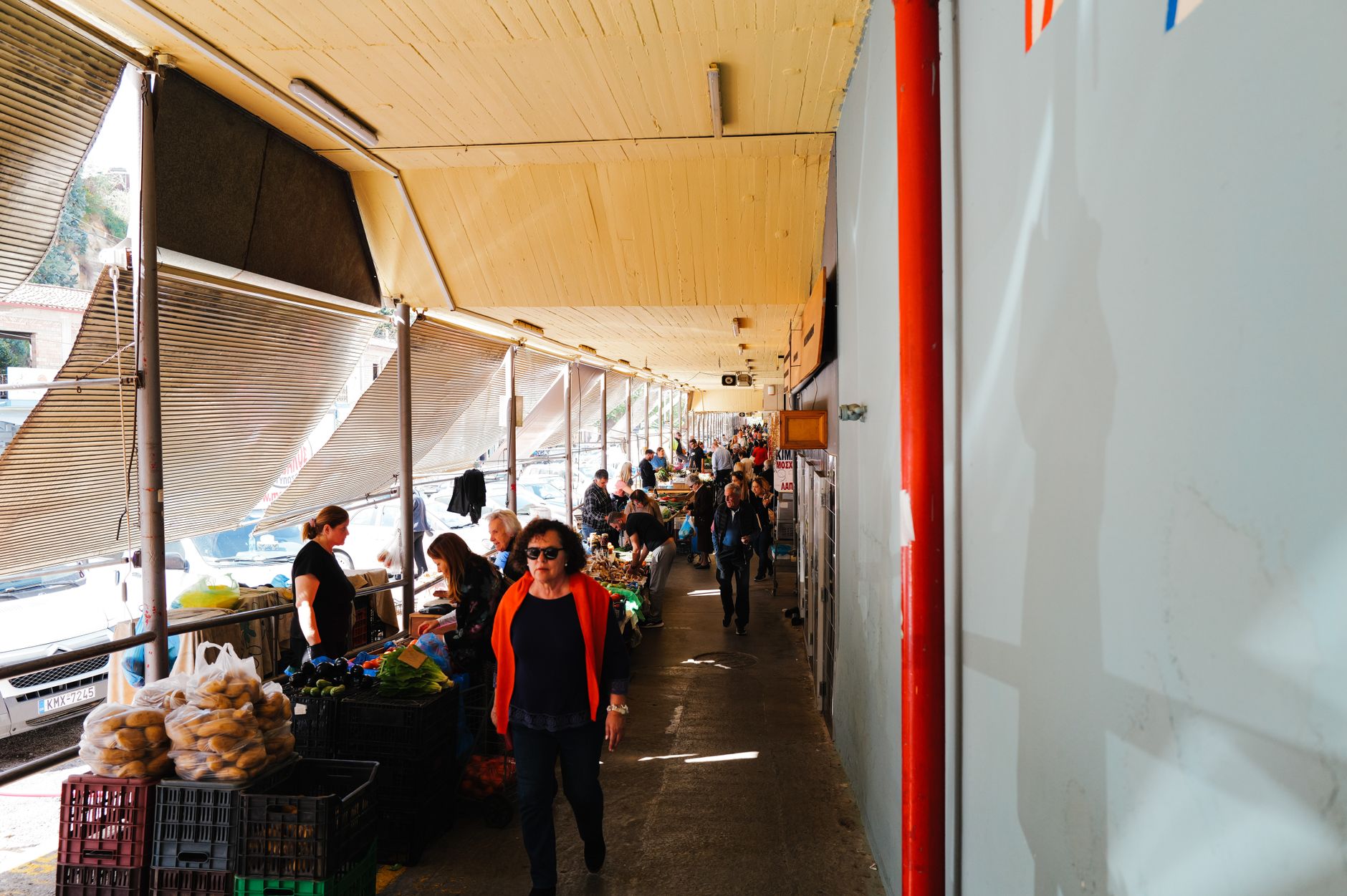
- Eat at small family tavernas and the municipal market to keep money with producers and cooks.
- Choose accommodations run by locals or small businesses rather than large chains.
- Travel shoulder season to avoid overcrowding and reduce pressure on water and waste systems.
- Use public transport, bicycle rentals, or walking inside Old Town to cut car use.
- Bring a reusable bottle — many cafes will refill it with tap water.
Respectful behavior:
- Dress modestly when visiting churches and monasteries (Arkadi Monastery requires modest clothing).
- Greet shopkeepers and servers with a simple "Kalimera" or "Kalispera" — a small gesture that goes a long way.
Common Mistakes to Avoid
Frequent mistakes travelers make:
- Booking last-minute in August without expecting limited options or high prices.
- Assuming all businesses run year-round — check opening seasons for small tavernas and museums in winter.
- Parking in the Old Town: streets are narrow and often restricted; use official lots and walk.
- Overplanning day trips: allow time to enjoy Rethymno itself. For a 3-day trip, use one day for local exploration and one for a nearby day trip to Chania or Arkadi.
Simple fixes:
- Check KTEL timetables and ferry schedules before finalizing plans.
- Reserve parking or transfers if traveling in peak season.
FAQ
When is the sea warm enough to swim in Rethymno?
Sea temperatures are comfortable from late May, with reliably warm water from June through September. September often combines warm water with fewer crowds.
Is Rethymno walkable for a 3-day itinerary?
Yes — the Old Town, Fortezza, and the main beachfront are all within easy walking distance. Use public buses or short taxi rides for Arkadi Monastery or remote beaches.
How do I get to Rethymno from Chania or Heraklion?
Regular KTEL buses connect Chania and Heraklion to Rethymno. Travel times are about 1–1.5 hours from Chania and 1–1.25 hours from Heraklion, depending on stops. Check current timetables and buy tickets at the station or via official apps where available.
Are small businesses open outside summer?
Many family-run restaurants and guesthouses stay open in shoulder season; in winter some close for a few months. If a specific place matters, message them before you travel or book accommodations with clear winter opening notes.
Should I visit Rethymno or nearby Chania/Agios Nikolaos?
Rethymno is ideal for a relaxed, local-feeling 3-day stay. For baroque architecture and more nightlife, add Chania; for a different eastern Cretan vibe, plan a trip to Agios Nikolaos. See our 3 days in Rethymno itinerary for sample day trips and multi-city routing.
Conclusion
Choose late April–June or September–mid October for the best balance of weather, open local businesses, and lighter crowds. Book strategically for July–August and prepare for higher prices and busy beaches. Favor local guesthouses, family tavernas, and public transport to keep your visit low-impact and beneficial to the community. For a practical plan, pair this timing advice with our 3 days in Rethymno guide and consider day trips to Chania, Agios Nikolaos, or Arkadi Monastery.
How this guide was prepared
This guide was prepared through a structured research that combines destination research, geographic context, itinerary planning logic, and content review.