
Where to Stay in Rethymno — Neighborhoods, Tips, and Sustainable Picks
Practical guide to choosing where to stay in Rethymno, Crete: Old Town, Venetian Harbor, Platanes beach, inland agritourism, transport realities, shoulder-season advice and local-first recommendations.
Decide where to stay in Rethymno based on beach access, Old Town atmosphere, family needs, or a quieter inland base. Includes neighborhood-by-neighborhood tips, transport realities, booking timing, and low‑impact choices to support local businesses.
Quick Answer
Decide where to stay in Rethymno based on beach access, Old Town atmosphere, family needs, or a quieter inland base. Includes neighborhood-by-neighborhood tips, transport realities, booking timing, and low‑impact choices to support local businesses.
Who This Page Is For
This page is for travelers planning a stay in Rethymno who want clearer decisions about where to stay, local logistics, timing, budgeting, and practical trip planning.
How This Page Was Prepared
This page was prepared through a structured editorial workflow that combines destination research, geographic context, and practical travel-planning review.
Plan the Rest of Your Trip
Use this page together with the full itinerary and the related planning pages below to make better booking, timing, transport, and budget decisions.
Best overall for first-time visitors: Old Town — small boutique guesthouses within walking distance of the Fortezza and harbor. Best for families and beaches: Platanes/Long Beach — family hotels and easy water access. Best for a quieter, local stay: coastal villages near Rethymno like Panormo or Adele, or inland agritourism near Amari Valley. Book mid‑July and August well in advance; consider April–June or September–October for lower impact and milder weather.
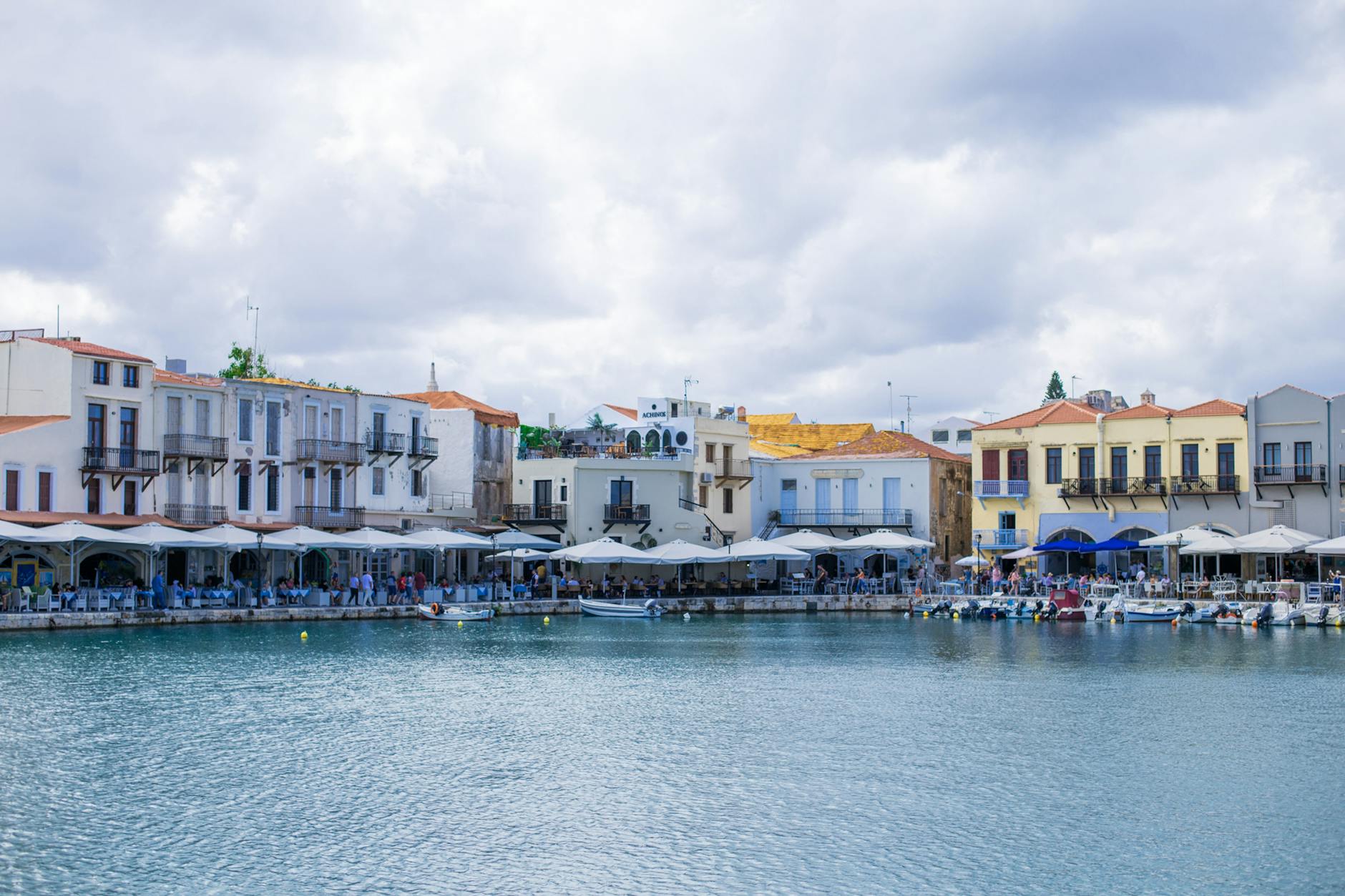
Rethymno is compact: a walkable Old Town threaded with narrow alleys, a small Venetian harbor, and a long sandy beach just a short stroll from the center. Where you stay changes the experience — Old Town lodgings put you inside historic rhythm and local shops; beachside hotels in Platanes put sand and sunset first; inland guesthouses offer olive‑grove quiet. This page helps you choose a base that suits your itinerary, budget, and desire to support local businesses.
What This Page Helps You Decide
This page helps you pick:
– Which neighborhood matches your priorities: history, beach, quiet, or family facilities.
– When to travel: peak summer vs shoulder seasons that reduce crowding and environmental strain.
– How to reach Rethymno: airports, buses, and ferry‑plus‑bus options.
– Which accommodations are local‑run, low‑impact, and well placed for a 3‑day Rethymno itinerary.
Use this alongside our main 3 days in Rethymno guide for daily planning and nearby day trips to Chania or Agios Nikolaos.

Top Recommendations
Short, practical picks tied to neighborhoods and needs:
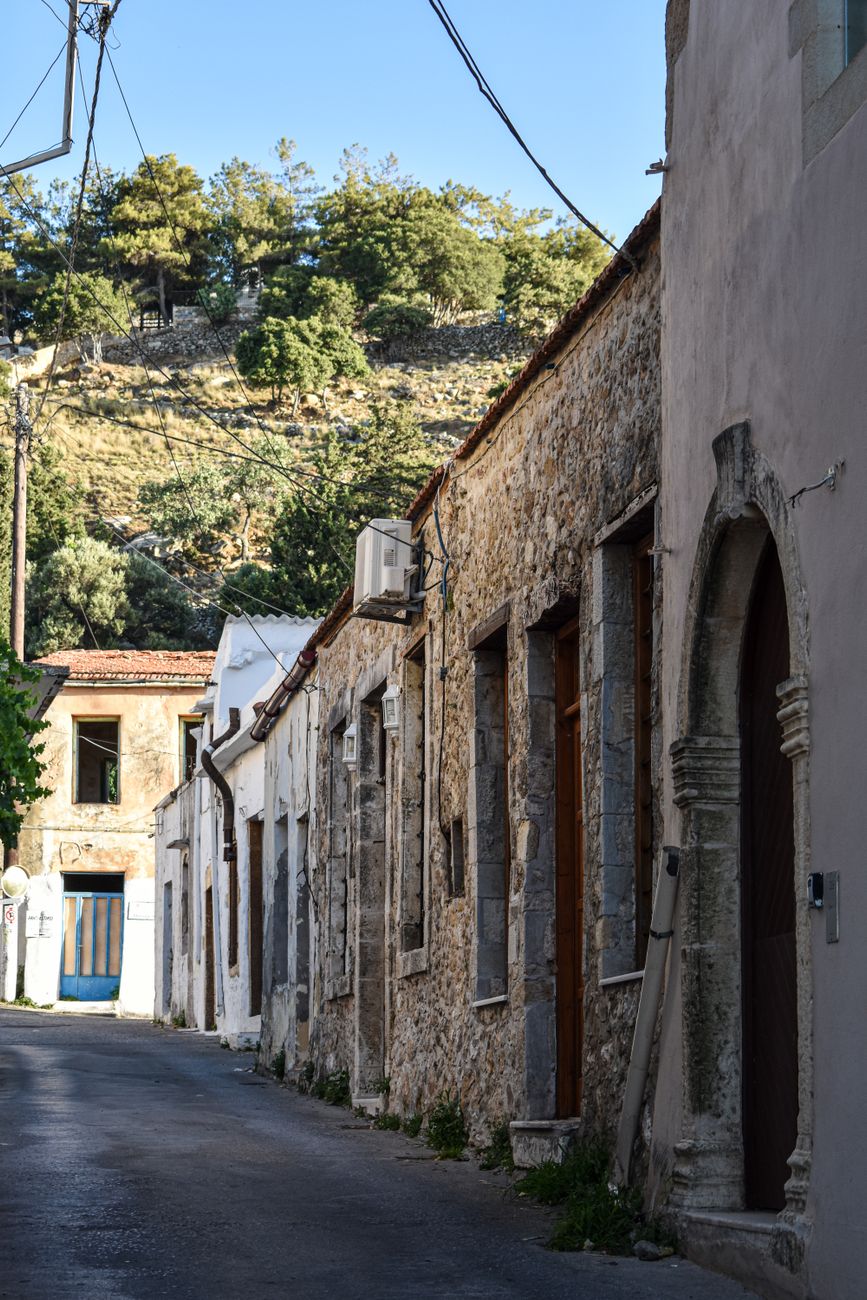
– Old Town (best for first-timers): Stone guesthouses, short walks to Fortezza, restaurants run by local families. Expect cobbles and limited parking.
– Venetian Harbor / Seafront (best for views): Sea‑view rooms and evening promenades; ideal for couples and photographers.
– Platanes / Long Beach (best for beaches and families): Broad sand, sunbeds, family hotels and easy bus links; more seasonal bustle in July–August.
– Panormo / Adele (best for quiet seaside): Small coastal villages 10–20 minutes east for a calmer base and better value.
– Inland agritourism (best for slow travel): Stay on a family olive farm near Amari for experiential meals, walks and reduced summer heat.
– Budget travelers: Central town pensions and hostels near the bus station offer affordable, local-run options.
Booking tips: reserve early for July–August; in shoulder seasons ask hosts about ferry and bus schedules. Prefer places with good reviews mentioning local hosts, recycling, and small‑scale employment.

Local Context
Neighborhoods and seasonal patterns:
– Old Town: labyrinthine streets, Venetian and Ottoman architecture, many small hotels and rooms. Quiet in mid‑day; lively at night in summer.
– Seafront and Platanes: wide sandy Long Beach fronts the resort strip; busiest in July–August, calmer in May/June and September.
– East and west coastal villages: Panormo and Adele offer quieter seaside stays and local tavernas.
Transport realities:
– Airports: Chania (CHQ) and Heraklion (HER) are the closest major airports. Rethymno is roughly 60 km east of Chania and 80 km west of Heraklion—allow 1–1.5 hours by car depending on traffic.
– Buses: KTEL regional buses link Rethymno with Chania, Heraklion and other Cretan towns. Schedules are frequent but less so off‑season—check timetables before booking.
– Driving and parking: Old Town streets are often pedestrianized; cars are useful for exploring inland villages but expect tight parking. A small hire car is helpful for day trips to Arkadi Monastery or the Amari valley.
Local etiquette:
– Greet with a friendly kalimera (good morning) and try a few Greek phrases.
– Dress modestly when visiting churches and monasteries.
– Tip small amounts in tavernas; buying from local producers supports the economy.
How to Choose Well
Match these priorities to neighborhoods and property types:
– History and atmosphere: Choose an Old Town guesthouse with host recommendations for tavernas and local artisans.
– Beach access: Choose hotels or apartments in Platanes; check whether the property provides beach beds or if public sand is nearby.
– Quiet and nature: Look for agritourism or small villas in the Amari valley or Panormo for walks and local meals.
– Walkability: If you want to avoid driving, stay inside the Old Town or by the seafront promenade — everything you need for 2–3 days is within walking distance.
Practical checks when booking:
– Confirm arrival instructions: many Old Town properties have narrow access and require walking from a drop‑off point.
– Check cancellation and flexible dates for shoulder seasons.
– Verify air conditioning and cooling if traveling in July–August.
– Ask about on‑site recycling, local sourcing of breakfast, and whether the host hires local staff.
Responsible and Local-First Tips
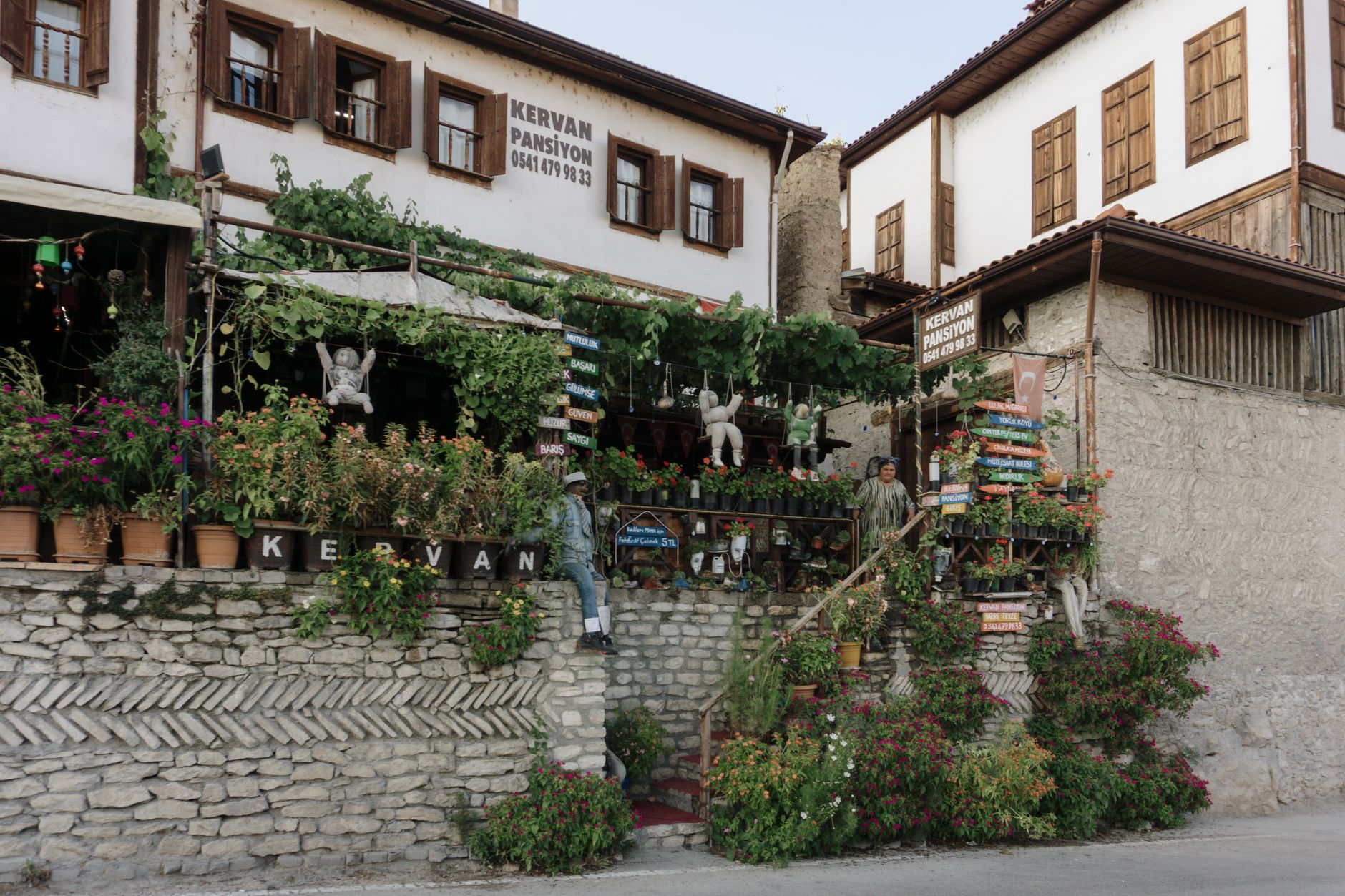
- Favor family-run pensions, small hotels, and agritourism stays that employ locals and buy local food.
- Walk, cycle, or use the KTEL bus for short trips to reduce driving and emissions.
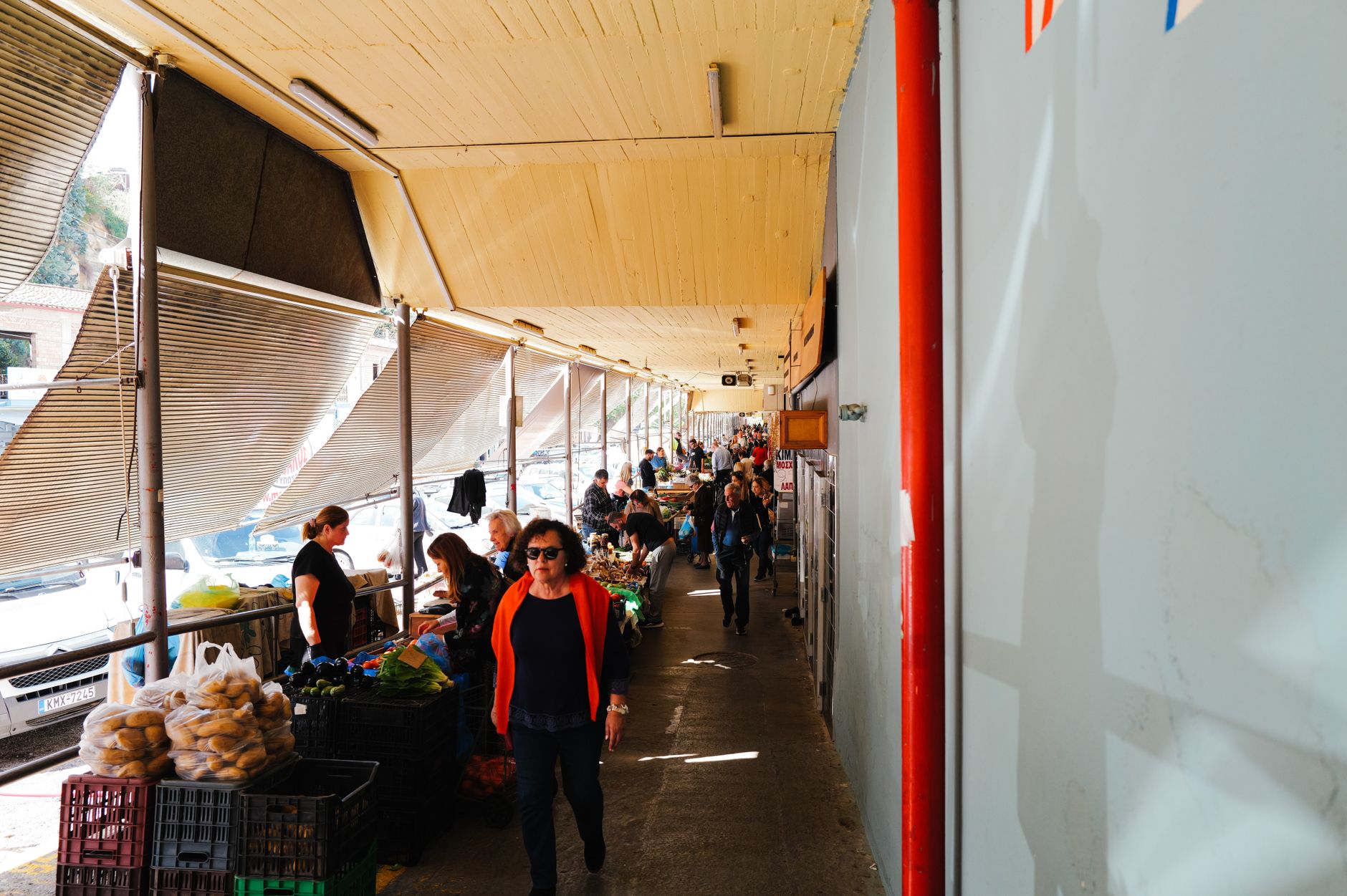
- Eat at neighborhood tavernas away from the main promenade to support local cooks — try seasonal Cretan dishes and ask for fish from the day.
- Avoid commercial coastal developments that harm dune systems; use marked beach access points and avoid driving on sand.
- Book guided hikes or cultural walks with licensed local guides to ensure income stays in the community.
- Reduce single‑use plastics: carry a refillable bottle; many tavernas will refill it with tap water.
- When visiting Arkadi Monastery or archaeological sites, follow site rules and don’t remove stones or artifacts.
Common Mistakes to Avoid
- Booking last‑minute in July–August and finding limited choice or high prices — book early for peak season.
- Choosing a beachfront chain hotel without checking its environmental practices; consider smaller local hotels instead.
- Underestimating walking times in the Old Town with luggage — confirm drop‑off arrangements with hosts.
- Assuming buses run late at night — plan transfers from airports or ports ahead and keep a taxi number handy.
- Expecting every small village to accept cards; carry a bit of cash for markets and small tavernas.
- Ignoring shoulder season advantages: April–June and September–October offer milder weather, fewer visitors, and better value.
FAQ
Which neighborhood is best for a 3‑day first visit to Rethymno?
Old Town. It places you within walking distance of the Fortezza, Rimondi Fountain, the Venetian harbor and many family‑run tavernas. Use our 3 days in Rethymno guide to plan daily walks and nearby day trips to Chania or Arkadi.
Where should I stay if I want beaches and family facilities?
Platanes / Long Beach. Family hotels and apartments sit right on the sand; look for places with shaded play areas and reviews mentioning calm seas for children.
How do I get to Rethymno from Chania or Heraklion airports?
You can take a KTEL regional bus from either airport to Rethymno. Buses are reliable but check timetables in advance. A shared transfer or car hire is faster and gives flexibility to visit inland sights.
Is Old Town noisy at night in high season?
Parts of Old Town are lively in July–August, especially near waterfront bars. If you prefer quiet evenings, request a room on a quieter lane or look slightly inland toward the municipal gardens.
Can I base myself in Rethymno and visit nearby islands or Piraeus?
Ferries run seasonally; many visitors route through Heraklion or Chania ports. For Piraeus/Athens connections, check ferry schedules early and plan bus or taxi transfers to the port. For island hops like Kos, expect to change at larger ports or use a separate ferry connection.
Any accessibility considerations?
Old Town has cobbles and steps; many properties have limited lift access. If mobility is a concern, choose modern seafront hotels with elevator access or ground‑floor rooms and confirm accessibility directly with the property.
Are there recommended sustainable stays?
Look for guesthouses that advertise local sourcing, recycling, and small staff — reviews that mention hired local guides or farm breakfasts are good indicators.
What about parking if I rent a car?
Parking is limited in Old Town. Many hotels provide or recommend nearby paid parking; confirm in advance and budget for a short walk to your room.
Conclusion
Select a neighborhood that matches your priorities: Old Town for history and walking, Platanes for beaches and family facilities, Panormo/Adele or inland agritourism for quiet and slower travel. Favor small, local-run accommodations and travel in shoulder seasons when possible. Use this page together with our 3 days in Rethymno itinerary to build an efficient, low‑impact trip, and consider easy onward connections to Chania, Agios Nikolaos or Heraklion if you plan to continue exploring Crete.
How this guide was prepared
This guide was prepared through a structured research that combines destination research, geographic context, itinerary planning logic, and content review.