
Best Things to Do in Istanbul — Practical, Local-First Guide
A concise, practical guide to the best things to do in Istanbul with local neighborhoods, transport tips, sustainable choices, and how this supports a 3 days in Istanbul itinerary.
Top experiences in Istanbul—historic Sultanahmet, Bosphorus ferries, Asian-side food markets, neighborhood walks in Balat and Kadıköy—presented with transport realities, seasonal advice, and low-impact tips that support a 3-day itinerary.
Top things to do if you have 1–3 days:
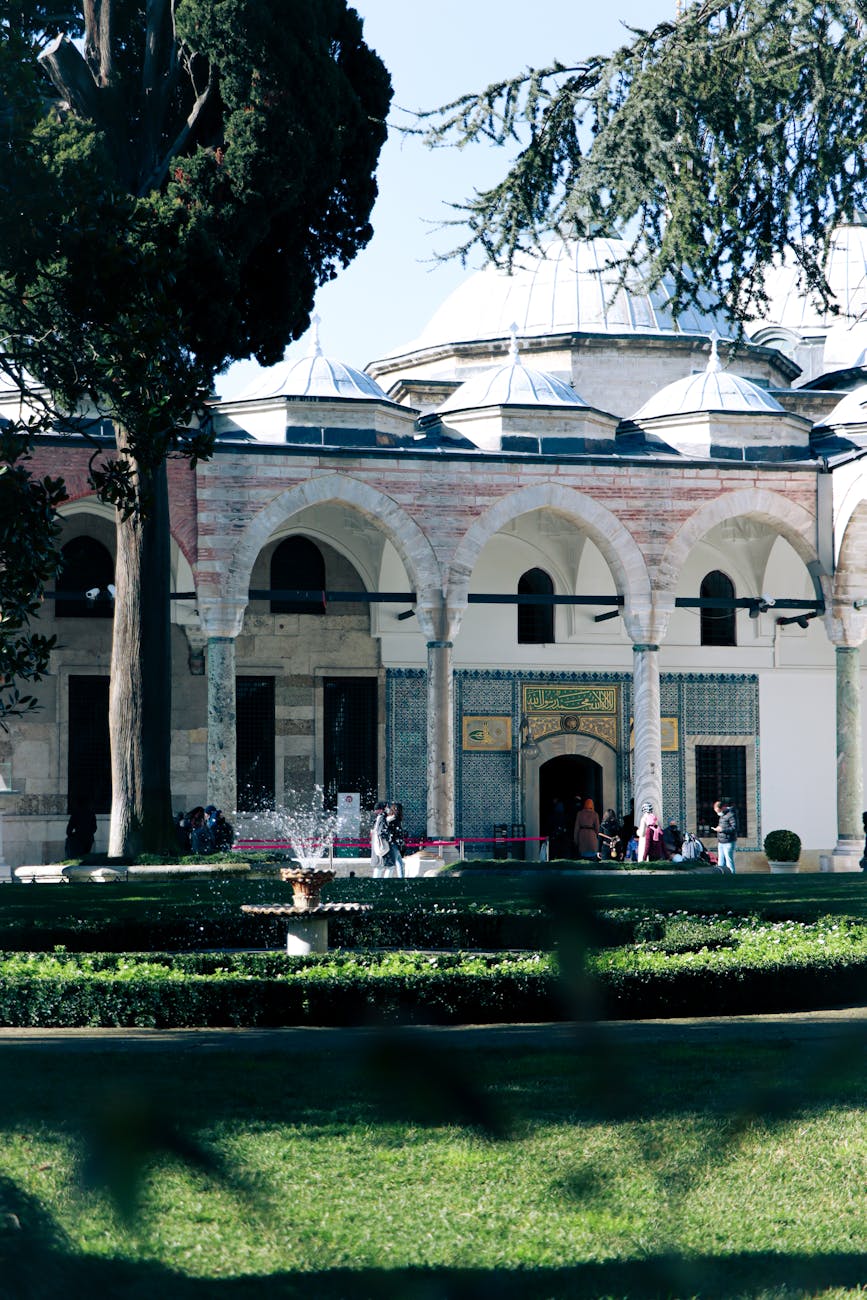
• Walk Sultanahmet: Hagia Sophia, Blue Mosque, Topkapi Palace, Basilica Cistern.
• Ride a public Bosphorus ferry (Şehir Hatları) between Eminönü and Beşiktaş.
• Explore the Grand Bazaar and Spice Bazaar; balance bargaining with buying local.
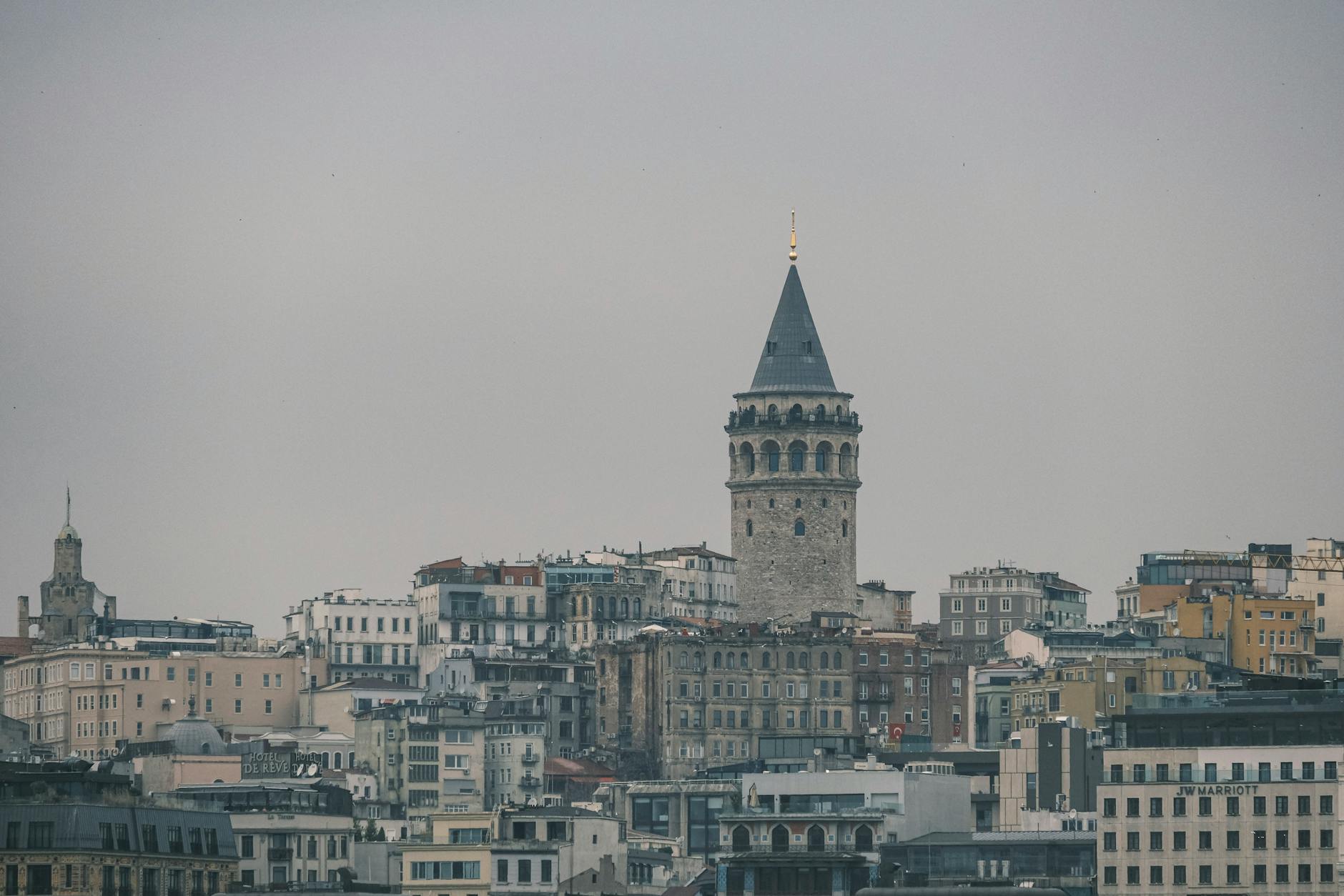
• Stroll Galata, climb (or view) Galata Tower and walk down to Karaköy cafes.
• Spend an evening on Istiklal Avenue and in Nevizade for meze and live music.
• Visit Kadıköy on the Asian side for markets and a less-touristy food scene.
• Take a low-impact day trip to the Princes' Islands (walk or bike on Büyükada).
If you’re using the 3 days in Istanbul plan, slot these into neighborhood blocks to avoid needless transit and to support local cafes and shops.
This page is a compact, search-friendly companion to the main 3 days in Istanbul itinerary. It focuses on practical decisions: what to see when you have limited time, how to move across two continents efficiently, and how to favor local businesses and lower-impact options. Read it to pick neighborhood-based plans, seasonal adjustments, and realistic transport advice that fit a short trip or an extended stay.
What This Page Helps You Decide
Use this page to choose:
• Which neighborhoods to prioritize when you have 1, 2 or 3 days.
• Whether to take public ferries or a private Bosphorus cruise.
• When to swap a museum for a neighborhood walk (weather and energy considerations).
• How to pair sustainable choices—public transport, local eateries, independent guides—with the main 3-day itinerary.
It’s written for travelers who prefer local businesses, low-impact transport, and authentic neighborhood time over ticking off every attraction.

Top Recommendations
Neighborhood-focused picks with practical details:
• Sultanahmet cluster (half to full day): Hagia Sophia (active mosque—dress modestly), Blue Mosque (closed during prayers), Topkapi Palace (museum pass helps), Basilica Cistern (early morning is best). Walk between sites to reduce taxi use.
• Bosphorus by public ferry (1–3 hours): Take Şehir Hatları or commuter ferries for an affordable, low-impact trip. Ferry from Eminönü to Beşiktaş or to the Asian side gives great skyline views; reserve a spot on sunset runs in high season.
• Galata–Karaköy–Beyoğlu (half day): Start at Galata Tower, descend through Galata’s lanes to Karaköy for coffee and small bakeries, then walk Istiklal for shops and live music. Use the historic funicular (Tünel) and tram where useful.
• Kadıköy & Moda (half day): Asian-side market culture—fish stalls, çay houses, secondhand bookstores. Ferries from Karaköy or Eminönü are frequent; this is a good low-tourist option for authentic eateries.
• Princes' Islands (day trip): Take a public ferry to Büyükada or Heybeliada. Motor vehicles are restricted—walk, rent a bike, and patronize island cafés and family-run pensions.
• Balat & Fener (2–3 hours): Colorful streets, independent antique shops, local bakeries and coffee roasters. Best in the morning to avoid crowds.
• Food and market highlights: Grand Bazaar for small purchases and textiles, Spice Bazaar for spices and lokum—buy from independent stalls. Try local bakers, meyhane (tavern) for meze, and neighborhood lokantas for affordable home-cooked meals.
Booking hints: buy museum tickets or the Museum Pass Istanbul for several museums if you plan multiple paid entries; reserve Bosphorus sunset ferries and Princes' Islands ferries in shoulder and high season.
Local Context
Seasonal patterns:
• Best shoulder seasons: April–May and September–October—milder weather, fewer crowds, easier ferry crossings.
• Summer is hot and crowded; winter is rainy but cheaper and quieter.
Transport realities:
• Istanbul is huge and split by the Bosphorus; expect longer journeys across the city than the map suggests.
• Use Istanbulkart for trams, metros, buses, and ferries. Rush hours (approx. 07:30–09:30 and 17:00–19:30) mean congestion—plan around them.
• Ferries and Marmaray (undersea rail) are often faster and more reliable than taxis during peak times.
Local etiquette and practicalities:
• Mosques are active places of worship—remove shoes, women should carry a headscarf in case it’s required, and avoid visiting during prayer times.
• Cash (Turkish lira) is handy for small vendors; contactless cards are widely accepted in cafes and museums.
• Watch for pickpockets in very crowded spots; keep valuables secure.
Neighborhood notes:
• Sultanahmet: tourist hub, limited evening life but great daytime walking.
• Beyoğlu/Taksim: nightlife and dining; Istiklal can be noisy.
• Kadıköy: local markets and youth culture on the Asian side.
• Beşiktaş and Ortaköy: waterfront cafés and ferry connections.

How to Choose Well
Match your choices to time, energy and values:
• Limited time: focus on one side of the city per half day (e.g., Sultanahmet morning; Galata/Karaköy afternoon).
• If you prefer low-impact experiences: prioritize public ferries, neighborhood markets, walking tours with local guides, and small restaurants over large tour operators.
• For families or mobility constraints: pick fewer locations with minimal uphill walking—Topkapi and nearby gardens are compact; avoid long cobbled streets.
• Art and mosaics: choose the Chora (Kariye) Museum or the mosaics in Hagia Sophia—don’t try to do both in a single tired day.
Practical booking:
• Reserve Topkapi Palace and special exhibitions, and plan for timed entries at major sites.
• Use the Istanbulkart for day-to-day travel; buy it at major transit hubs and top up at kiosks.

Responsible and Local-First Tips
Practical ways to make your visit benefit locals and reduce impact:
• Use public ferries and public transport over private charters when possible.
• Eat at neighborhood lokantas and family-run cafes; buy goods from independent artisans rather than large souvenir stalls.
• Book local-licensed guides and neighborhood walking tours to channel revenue to small businesses.
• Minimize single-use plastic—carry a reusable water bottle and refill where possible.
• Respect houses of worship: dress modestly, enter quietly, and avoid visiting during key prayer times.
• Choose the shoulder season to reduce strain on popular sites and get better rates for local guesthouses.
Small gestures matter: tip servers and guides reasonably, ask permission before photographing people in markets, and buy one meaningful item from a craftsman rather than many cheap souvenirs.

Common Mistakes to Avoid
Frequent errors visitors make and how to avoid them:
• Trying to see everything: prioritize neighborhood clusters to avoid wasted transit time.
• Relying on taxis during rush hour: ferries and the tram/metro are often faster.
• Ignoring mosque etiquette: plan visits outside prayer times and wear modest clothing.
• Overbargaining aggressively at bazaars: aim for fair deals that support small sellers.
• Booking unlicensed boat tours: choose Şehir Hatları ferries or reputable operators with clear safety standards.
• Assuming all museums are open daily: check opening days and times in advance—some have a weekly closure.
• Skipping the Asian side: Kadıköy and Üsküdar offer authentic dining and a calmer pace.
FAQ
How many days do I need in Istanbul to see the highlights?
With 2–3 full days you can cover Sultanahmet, a Bosphorus ferry ride, Galata/Beyoğlu, and a taste of the Asian side—this page pairs well with the 3 days in Istanbul itinerary. Add more days to explore neighborhoods like Balat, Kadıköy, and nearby Bursa.
Is the Museum Pass Istanbul worth it?
If you plan to visit several paid museums (Topkapi, some imperial pavilions, and others) over consecutive days, the Museum Pass can save time and sometimes money. Check current coverage and opening-day rules before buying.
Should I take a private Bosphorus cruise or the public ferry?
For economy and low-impact sightseeing, the Şehir Hatları ferry is best. Private cruises offer commentary and comfort but have higher environmental and cost footprints; choose licensed operators with clear pricing if you prefer private options.
What should I know about mosque visits and dress code?
Men and women should dress modestly; women should carry a scarf to cover their hair if required. Remove shoes before entering prayer halls and avoid visiting during prayer times, especially Friday noon services.
How safe is Istanbul for solo travelers?
Istanbul is generally safe for tourists; use the same common-sense precautions as in any big city: watch belongings in crowded areas, avoid poorly lit streets late at night, and use official taxis or rideshare apps when needed.
Can I visit the Princes' Islands in winter?
Yes, ferries run year-round but schedules thin in winter and some island shops close. Spring through autumn is most comfortable for walking and cycling.
Conclusion
Istanbul rewards neighborhood time: pick a few clusters, travel by ferry and tram, and prioritize local eateries and independent shops to make your visit meaningful and lower-impact. Use this guide alongside the main 3 days in Istanbul itinerary to structure each day, and consider extensions to Bursa, Izmir, Ankara, Kuşadası or Bodrum if you have extra time. Favor shoulder-season travel, pre-book popular timed entries, and let neighborhood walks shape most of your days.
How this guide was prepared
This guide was prepared through a structured research that combines destination research, geographic context, itinerary planning logic, and content review.