

Where to Stay in Istanbul: Neighborhoods, Transit, and Practical Picks
Practical neighborhood guide to choosing where to stay in Istanbul for a 3-day itinerary. Transport realities, sustainable tips, and smart booking advice for first-timers and repeat visitors.
A neighborhood-by-neighborhood guide to help you pick a place to stay in Istanbul that fits your 3-day itinerary, budget, and sustainable values—covering Sultanahmet, Beyoğlu, Karaköy, Kadıköy and more.
Best all-around for a 3-day first visit: stay in Sultanahmet or between Sultanahmet and Sirkeci if you want walkable access to Hagia Sophia, Blue Mosque and Topkapi.
Better balance of local life and nightlife: Beyoğlu/Galata/Karaköy—closer to cafes, bars and ferries. For a local, less touristy stay: Kadıköy on the Asian side. For a quieter, upscale Bosphorus feel: Bebek or Arnavutköy.
If you must choose one efficient base for the 3-day itinerary, pick a hotel near the T1 tram (Sultanahmet–Sirkeci–Karaköy) or near Taksim/Şişhane for quicker evenings.
This page helps you pick where to stay in Istanbul so your lodging supports the activities in the linked 3 days in Istanbul itinerary and leaves more time for local experiences. It focuses on neighborhoods, transit realities, seasonal patterns, and low-impact choices—so you can spend locally and move around efficiently.
If you’re using the 3-day guide, choose a base that reduces daily transit time and matches your priorities: history, food, nightlife, or a quieter local neighborhood on the Asian side.
What This Page Helps You Decide
This page helps you decide:
– Which neighborhood matches your itinerary and pace.
– Whether to prioritize walking, easy tram/ferry access, or quiet residential streets.
– How to balance cost and comfort (small pensions vs. boutique hotels vs. larger chains).
– When to book and how to reduce environmental and social footprint.
Use the linked 3 days in Istanbul main guide to match days to neighborhoods—for example, plan Day 1 in Sultanahmet and Day 2 around Galata/Beyoğlu, keeping travel time minimal.

Top Recommendations
Neighborhood recommendations by traveler type:
– First-timers (historic core): Sultanahmet or Sirkeci — walkable to major monuments, small guesthouses, quiet at night.
– Food and local life: Karaköy and Beyoğlu — cafes, meyhane (taverns), short ferries to the Asian side.
– Local, youthful vibe: Kadıköy — markets, street food, weekend flea markets, good ferry access to European side.
– Luxury and Bosphorus views: Bebek, Arnavutköy, or parts of Beşiktaş.
– Budget travelers: Pension districts near Laleli or Aksaray; check transport links to the T1 tram.
Booking tips:
– Prioritize a place within a 10–20 minute walk of a tram, metro, funicular or ferry for the 3-day plan.
– Prefer refundable rates in shoulder season (April–May, Sept–Nov).
– Check whether rooms have windows and soundproofing—older Ottoman buildings can be noisy but charming.
– Book directly with family-run pensions where possible to keep money local.
Local Context
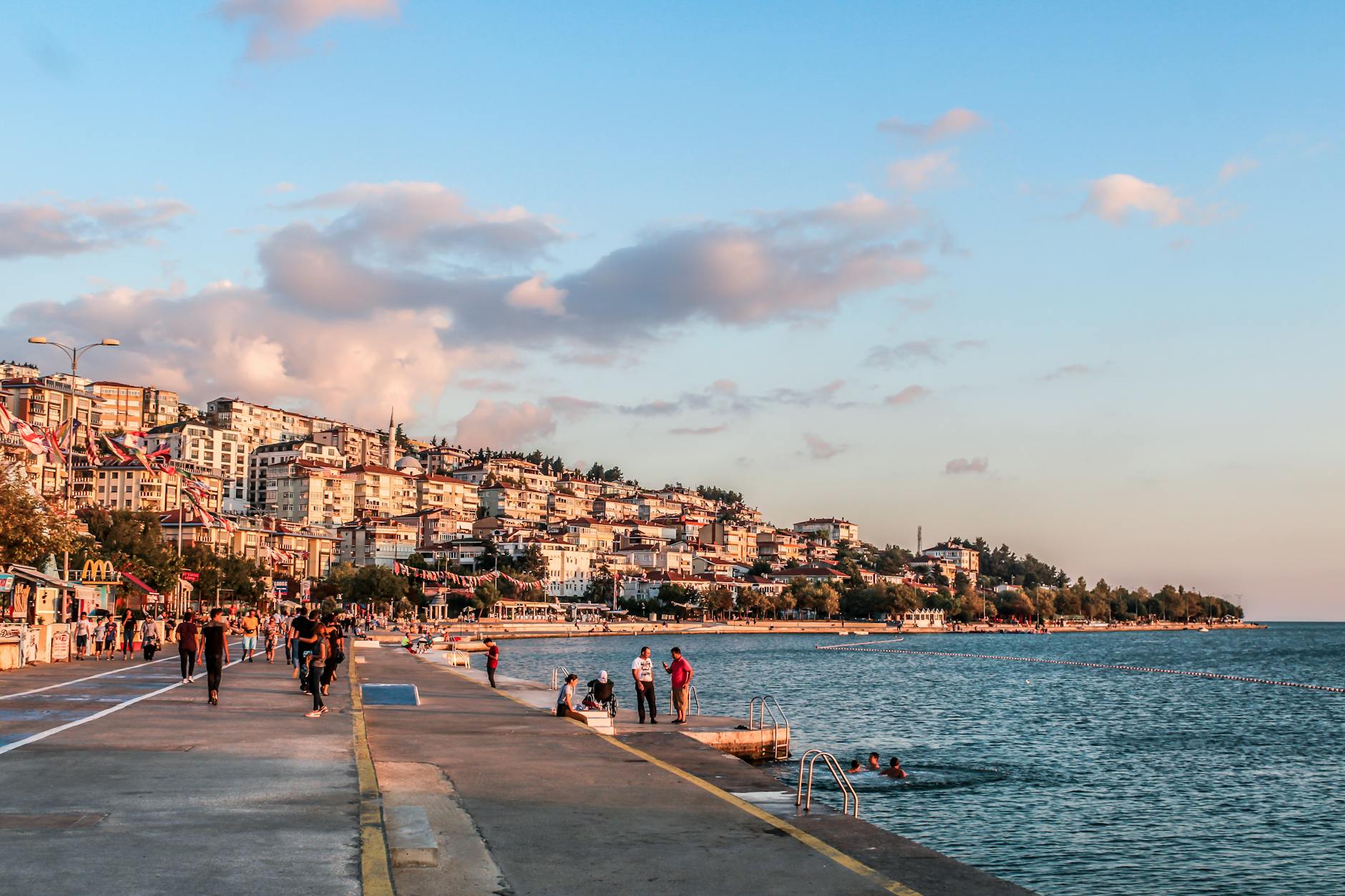
Seasonal patterns: spring (April–May) and autumn (September–November) are the best balance of weather and fewer crowds. Summers are hot and crowded; winter is mild but short days and occasional rain.
Transport realities:
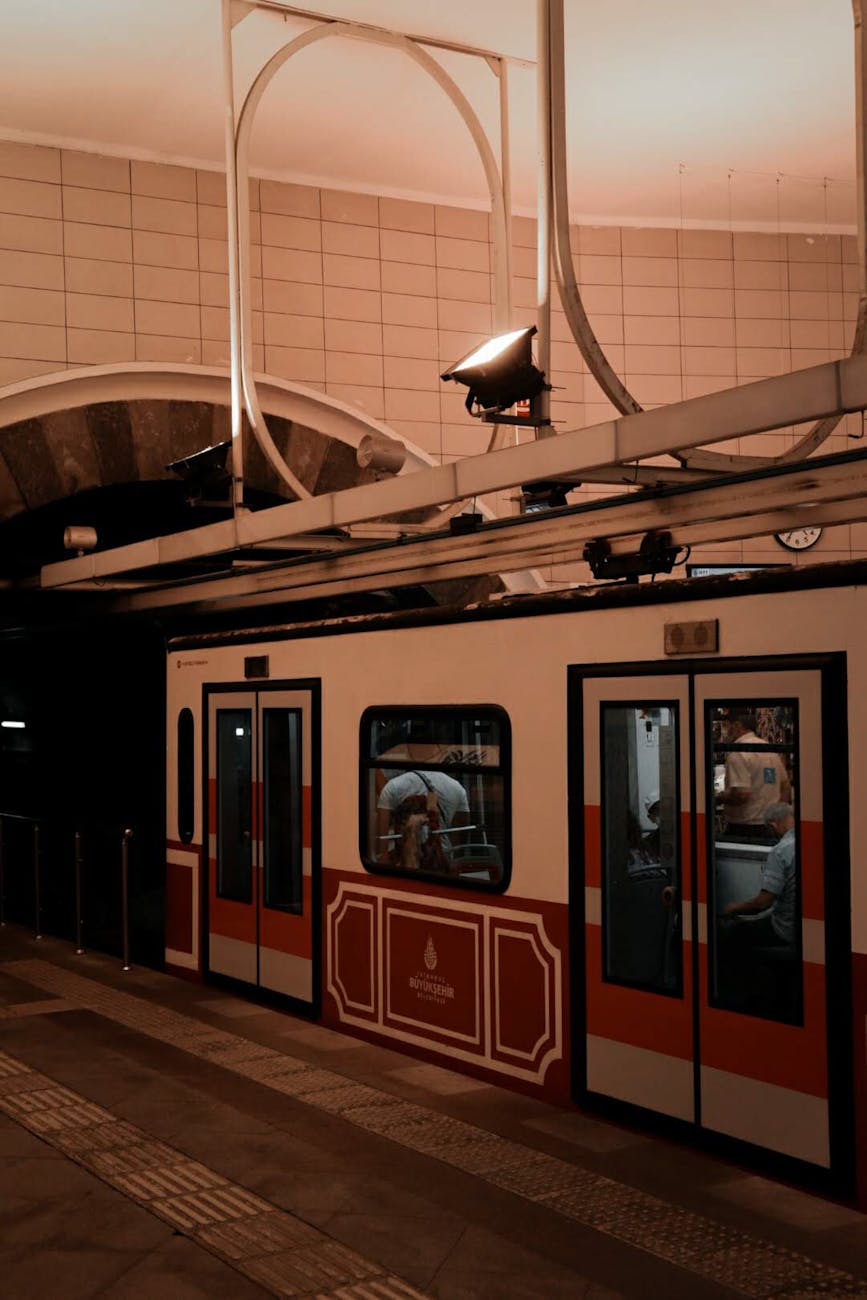
– Buy an Istanbulkart for tram, metro, ferry and bus rides; it’s the cheapest and fastest option.
– Ferries are frequent across the Bosphorus and give reliable cross-city travel with views—prefer them over taxis where possible.
– Allow extra time for surface travel—Istanbul’s road traffic is often slow during rush hours.
– Two airports: Istanbul Airport (IST) on the European side and Sabiha Gökçen (SAW) on the Asian side; Havaist shuttles and metered taxis are the standard transfers.
Local etiquette and realities:
– Dress respectfully when visiting mosques—cover shoulders and knees; women should carry a scarf for head coverage.
– Small businesses may prefer cash; credit cards are widely accepted in larger places.
– Learn a few Turkish phrases and greet shopkeepers—locals appreciate the effort and it supports friendly commerce.
How to Choose Well
Factors to weigh:
– Duration: shorter stays benefit from staying in Sultanahmet or Taksim for reduced transit.
– Interests: history (Sultanahmet/Fatih), cafes and nightlife (Beyoğlu/Karaköy), local markets (Kadıköy/Eminönü).
– Mobility: choose ground-floor or elevator-equipped places if you have heavy luggage or mobility limits—many older buildings have stairs.
– Budget and value: compare nightly cost vs. saved transit time; a slightly pricier central hotel can be more time-efficient.
Checklist before booking:
– Confirm proximity to a tram/metro/ferry stop.
– Check cancellation policy and whether the property is family-run.
– Read recent reviews for noise, water pressure and Wi‑Fi reliability.

Responsible and Local-First Tips
Choose accommodations that keep economic benefit local: family-run pensions, boutique guesthouses, and small hotels. They often employ local staff and source food locally.
Low-impact choices:
– Use ferries, the Marmaray and trams rather than taxis to reduce congestion and emissions.
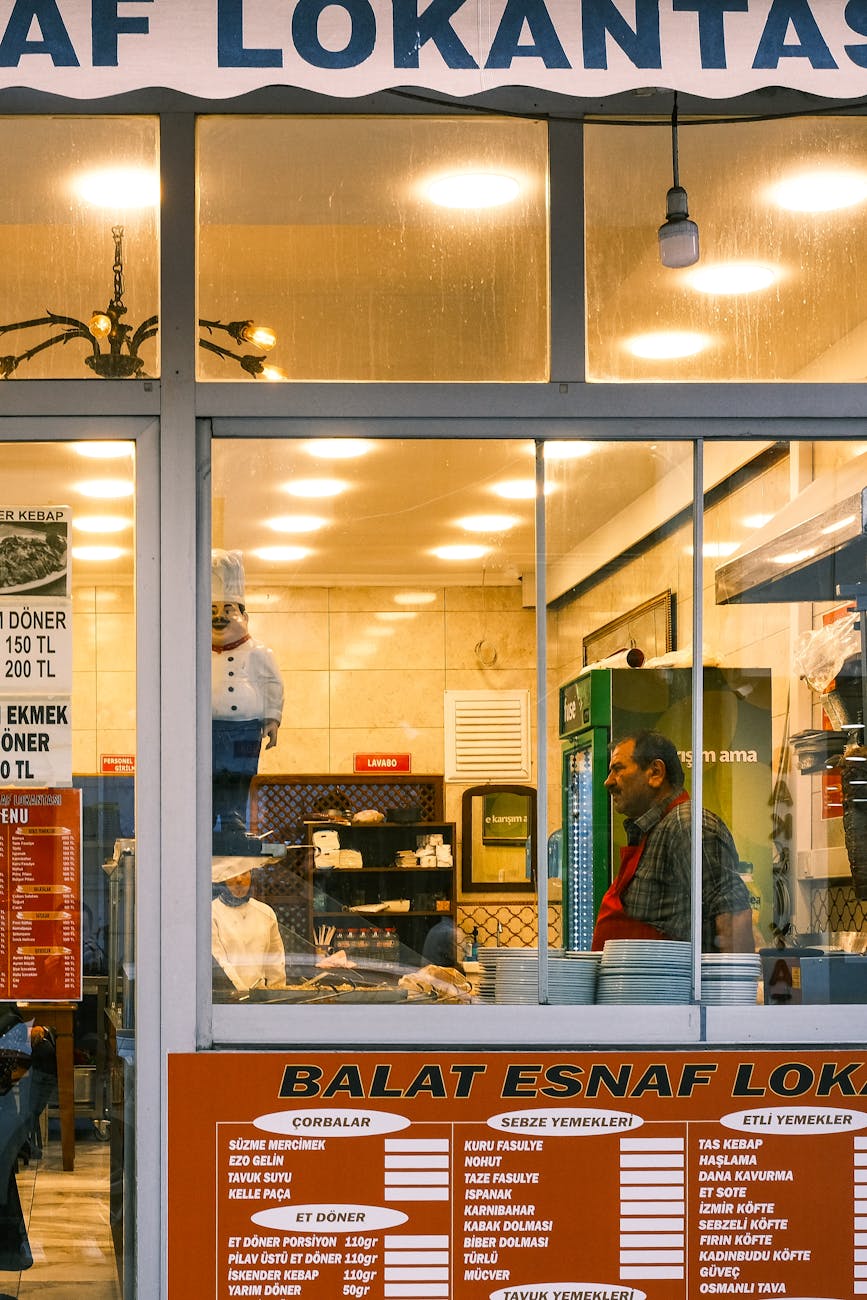
– Eat at neighborhood lokantas (home-style restaurants) and bakeries to support small businesses.
– Bring a reusable water bottle and say no to single-use plastic where possible—tap water in Istanbul is generally treated; many locals use filtered bottles.
Touring responsibly:
– Book small-group or certified local guides for walking tours—ask for guides who hire locally and explain cultural context.
– Avoid the busiest Bosphorus tour boats at peak hours; choose smaller operators who follow waste and noise guidelines.
If you plan onward travel, consider the train to Ankara or ferries and buses to Bursa to lower the carbon cost of regional hops.
Common Mistakes to Avoid
Avoid these traps:
– Staying only in Sultanahmet and missing the city’s daily life—split time between historical and local neighborhoods if possible.
– Booking without checking proximity to a tram/metro/ferry; distances can be longer than they look on a map because of hills and traffic.
– Expecting taxis to be faster during rush hour—ferries and metros often beat them.
– Underestimating the steep streets around Galata and Taksim for luggage and mobility.
– Not checking airport transfer times—IST can be 45–90+ minutes from central Istanbul depending on traffic.
Also, don’t assume every hotel offers late check-in—confirm if you arrive after midnight.
FAQ
Which neighborhood is best for a 3-day itinerary?
For most 3-day itineraries start in Sultanahmet for Day 1 (monuments), plan Day 2 around Galata/Beyoğlu (museums and dining), and use Day 3 for a Bosphorus ferry or Kadıköy market—choose a base near a tram/funicular or ferry to reduce transit time.
Is it better to stay on the European or Asian side?
The European side puts you closer to most historic sites and nightlife; the Asian side (Kadıköy, Üsküdar) offers a livelier local scene and often better value. Ferries and Marmaray make crossing easy.
How do I get from the airport to the city center?
From IST use the Havaist shuttle or a taxi; allow 45–90 minutes depending on traffic. From SAW, use Havabüs/Havatas shuttles or taxi; Sabiha Gökçen is farther from central areas. Prebook reliable shuttle services for predictable arrival times.
Are taxis safe and convenient?
Taxis are generally safe but can be slow in rush hours. Use meter taxis or the BiTaksi app. For shorter, scenic trips prefer ferries and trams.
Any booking advice for shoulder season?
Book refundable rates for April–May and Sept–Nov and secure directly with family-run places where possible—those bookings are better for local economies and often more flexible.
Conclusion
Choose a base that minimizes transit time for your linked 3 days in Istanbul itinerary and reflects the pace you want—historic convenience, vibrant cafés, or a quieter local neighborhood. Favor family-run places, use ferries and public transit, and travel in shoulder seasons if you can.
For onward travel, consider trains or ferries to Bursa, a high-speed train to Ankara, or flights to Izmir and Bodrum—each route supports different regional experiences and can be planned after you finish the 3-day stay.
How this guide was prepared
This guide was prepared through a structured research that combines destination research, geographic context, itinerary planning logic, and content review.