

Best Things to Do in Kuala Lumpur — Practical, Local-First Guide
Practical guide to the best things to do in Kuala Lumpur: neighborhood-focused sights, street food, markets, transport tips, sustainable choices, and how to fit top picks into a 3-day Kuala Lumpur itinerary.
A concise, practical companion to the '3 days in Kuala Lumpur' itinerary: neighborhood recommendations, seasonal tips, transit realities, responsible choices, and easy ways to add nearby cities like Petaling Jaya or Ipoh.
Quick Answer
A concise, practical companion to the '3 days in Kuala Lumpur' itinerary: neighborhood recommendations, seasonal tips, transit realities, responsible choices, and easy ways to add nearby cities like Petaling Jaya or Ipoh.
Who This Page Is For
This page is for travelers planning a stay in Kuala Lumpur who want clearer decisions about things to do, local logistics, timing, budgeting, and practical trip planning.
How This Page Was Prepared
This page was prepared through a structured editorial workflow that combines destination research, geographic context, and practical travel-planning review.
Plan the Rest of Your Trip
Use this page together with the full itinerary and the related planning pages below to make better booking, timing, transport, and budget decisions.
Top, easy-to-scan picks if you have limited time:
- Must-see: Petronas Twin Towers & KLCC Park for skyline photos and the covered KLCC pedestrian routes.
- Morning: Batu Caves early to avoid crowds and heat.
- Food: Jalan Alor and Chinatown (Petaling Street) for hawker-style meals; choose busy stalls for turnover and freshness.
- Markets & craft: Central Market (Pasar Seni) and nearby Kasturi Walk for local art and small businesses.
- Park time: KL Forest Eco Park canopy walk or Perdana Botanical Gardens for a low-cost nature break.
If you’re extending beyond 3 days, consider an ETS train day trip to Ipoh or a short drive to Kuantan; Petaling Jaya and Subang Jaya are quick, practical overnight options.
This page is a compact, practical support guide for choosing what to do in Kuala Lumpur and fitting top activities into the '3 days in Kuala Lumpur' itinerary. It prioritizes neighborhood-focused experiences, local spending, and low-impact choices so your time in the city supports nearby communities and feels manageable in Asia’s humid tropics.
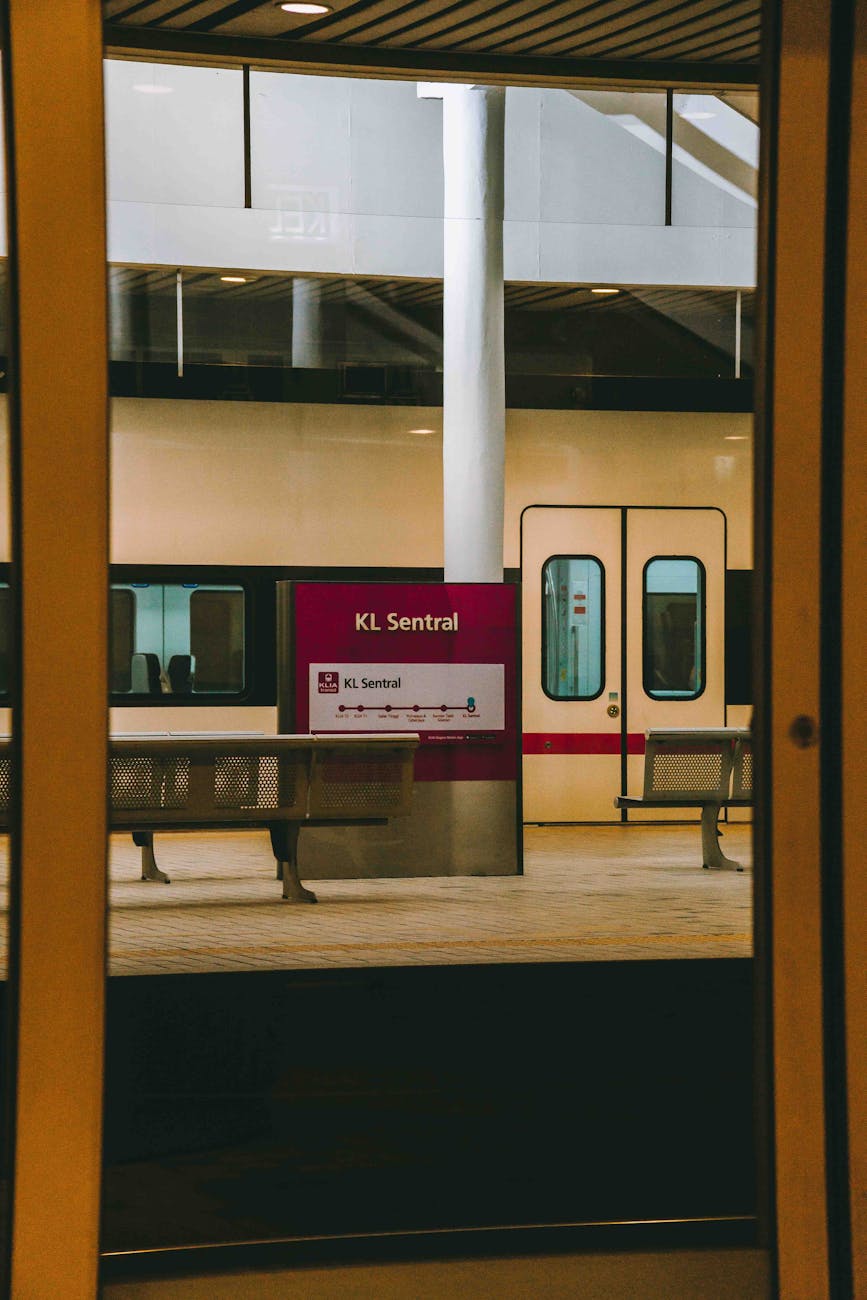
Use this as the quick-reference companion to the longer 3-day guide when you want to swap a museum for a street-food crawl, add a day trip to Ipoh, or plan arrivals and departures through KLIA or KL Sentral.
What This Page Helps You Decide
This page helps you choose which neighborhoods, sights, and food experiences to prioritize for a short stay and how to slot them into the '3 days in Kuala Lumpur' plan. It will help you decide:
- Which attractions to visit morning versus evening to avoid heat and traffic.
- When to use public transport (LRT/MRT/KTM/Monorail) versus Grab or taxis.
- Which local tours and guides are worth booking in advance (Petronas tower slots, guided food walks, Batu Caves cultural tours).
- Which nearby towns—Petaling Jaya, Subang Jaya, Shah Alam, Ipoh, or Kuantan—make sense as day trips or short stays depending on your interests.
Top Recommendations
A curated list you can pick from when building your 3-day plan:
- KLCC & Petronas Twin Towers: Book timed tickets online for the skybridge and observation deck; arrive for late afternoon light or early morning to avoid crowds.
- Batu Caves (Gombak): Go before 10:00; wear modest clothing for the temple and expect steps and macaques. Support local stalls at the base rather than feeding wildlife.
- Bukit Bintang & Jalan Alor: Evening food scene and markets. Favor family-run stalls and stainless-steel cutlery vendors to reduce waste.
- Chinatown (Petaling Street) & Central Market: Great for affordable crafts, kopi tiam snacks, and cultural museums; cash helps at small stalls.
- KL Forest Eco Park / Perdana Botanical Gardens: Shade and a canopy walk close to the city center—good half-day for low-impact nature time.
- Thean Hou Temple & Brickfields (Little India): Visit for colorful architecture, local sweets, and vegetarian offerings.
For nearby outings:
– Day trip by ETS to Ipoh for colonial architecture and food (2–2.5 hours each way).
– Shah Alam’s Sultan Salahuddin Abdul Aziz Mosque is a short drive from central KL and worthwhile for architecture.
– Petaling Jaya / Subang Jaya offer shopping and neighborhood cafés if you need an alternative base.

Local Context
Neighborhoods and seasonal facts you should know:
- Neighborhoods: KLCC (upscale, skyline), Bukit Bintang (shopping and nightlife), Chinatown/Petaling Street (budget shopping, hawker food), Brickfields/Little India (Indian restaurants and sweets), Bangsar (cafés and nightlife), Kampung Baru (traditional Malay village in the city).
- Weather & seasons: Hot and humid year-round. Southwest monsoon (May–September) is generally drier; northeast monsoon (November–March) brings heavier rain in short bursts. Shoulder months like April and October often have fewer visitors.
- Transport realities:
- Use the integrated rapid transit network (LRT/MRT/KTM/Monorail) to avoid peak-hour traffic.
- Grab (app ride-hail) is widely used and often cheaper than metered taxis; negotiate airport rides in advance if rates are unclear.
- KLIA Ekspres is a fast airport link but costs more than buses or shared rides; consider luggage and timing.
- Local etiquette: Dress modestly at religious sites (cover shoulders/knees), remove shoes when entering mosques and some temples, and ask before photographing close rituals or people in prayer.

How to Choose Well
Practical criteria to match attractions to your priorities:
- If you value architecture and skyline photos: prioritize KLCC, Merdeka Square, and Thean Hou Temple during soft morning light.
- If you want food and markets: plan evenings in Jalan Alor and one morning at Chow Kit Market or Central Market; take a guided food walk for efficient local knowledge.
- If you prefer low-impact nature: pick KL Forest Eco Park or Perdana Botanical Gardens for half-days and use transit to reduce emissions.
- Booking advice:
- Reserve Petronas Twin Towers tickets online at least a few days ahead for popular time slots.
- For Batu Caves, skip organized full-day tours unless you want a combined itinerary with Putrajaya or the Batu Highlands; going independently is easy by KTM Komuter to Batu Caves station.
- Book ETS train tickets early for travel to Ipoh, especially on weekends and public holidays.

Responsible and Local-First Tips
Make choices that support the local economy and lower your impact:
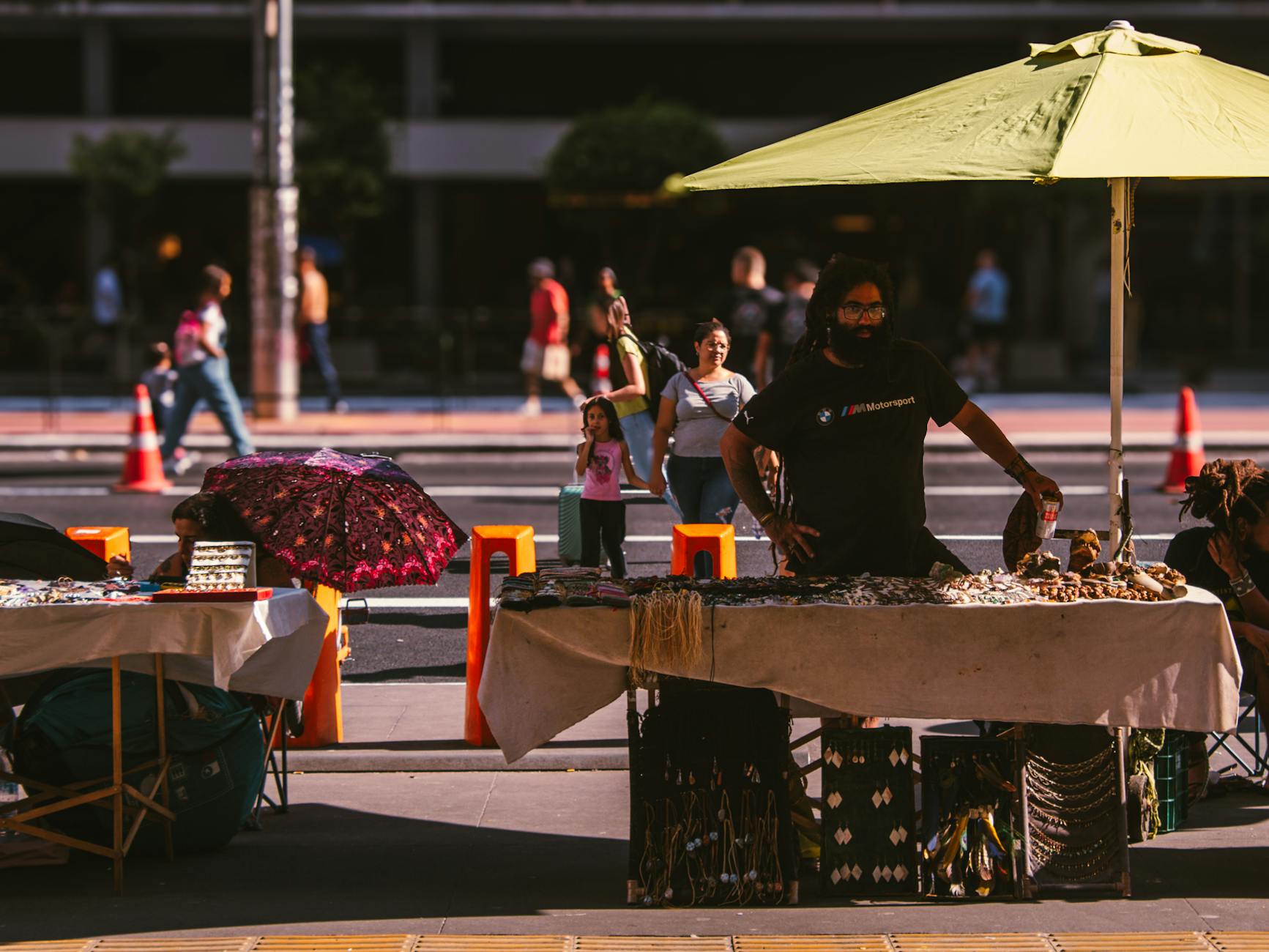
- Spend locally: choose family-run stalls, locally owned guesthouses and homestays, and crafts from small vendors at Central Market.
- Waste reduction: carry a refillable water bottle (many cafés offer refills) and a small cutlery set; avoid single-use plastic where possible.
- Respect places of worship: follow dress codes, keep noise low, and make donations to site-maintenance funds if offered.
- Wildlife & parks: do not feed monkeys at Batu Caves or wildlife in city parks; hire licensed guides for any wildlife-focused activities outside the city.
- Timing for residents: visit neighborhoods like Kampung Baru and Brickfields during daytime to support local businesses without disrupting residents’ evenings.
Common Mistakes to Avoid
Frequent errors travelers make and how to avoid them:
- Trying to do everything in one day: KL’s traffic and humidity make multi-neighborhood sprints exhausting. Group nearby sights (KLCC + Bukit Bintang) or (Chinatown + Merdeka Square).
- Ignoring transit cards: not having a Touch 'n Go or stored-value option slows you down on transit and buses.
- Assuming cashless everywhere: many small hawker stalls and street vendors prefer cash; keep small notes for markets.
- Visiting major attractions at midday: aim for early morning or late afternoon to avoid heat and most crowd peaks.
- Disrespecting local practices: photographing people without permission at religious sites or markets can offend—ask first.
FAQ
Is Kuala Lumpur safe for solo travelers?
Yes. Kuala Lumpur is generally safe in main tourist areas by day and evening. Use common-sense precautions: avoid poorly lit streets after late hours, keep belongings secure on public transport, and use Grab for late-night rides.
How do I get from KLIA to the city center?
Options: – KLIA Ekspres train to KL Sentral (fast, pricier). – Airport buses to KL Sentral or Chinatown (cheaper, slower in traffic). – Grab or taxi (convenient if you have luggage or are traveling with others).
Do I need to book Petronas Twin Towers tickets in advance?
Yes. Timed tickets for the skybridge and observation level sell out on popular time slots, so book online or through authorized vendors several days ahead.
Can I take day trips to Ipoh or Kuantan from Kuala Lumpur?
Yes. Ipoh is ideal by ETS train (about 2–2.5 hours). Kuantan is best by car or longer bus journey (about 3–4 hours). Plan return travel times and book ETS or long-distance bus tickets in advance on weekends.
What should I wear when visiting religious sites?
Dress modestly: cover shoulders and knees. Bring a scarf or sarong for mosque visits; most sites provide wraps if needed, but having your own speeds entry.
Is tipping expected?
Tipping is not obligatory. Small tips for good service are appreciated in restaurants and by guides, but not required in hawker stalls.
How can I reduce my environmental impact while visiting KL?
Use public transit, carry a refillable water bottle, choose locally owned restaurants and shops, avoid feeding wildlife, and pick eco-certified tours for nearby nature attractions.
Conclusion
Kuala Lumpur rewards travelers who plan by neighborhood and time of day: pair mornings with outdoor or religious sites, evenings with markets and food halls, and use transit to avoid peak traffic. This page should help you refine the '3 days in Kuala Lumpur' itinerary and decide whether to add short visits to Petaling Jaya, Subang Jaya, Shah Alam, Ipoh, or Kuantan. Prioritize local businesses, modest dressing at sacred sites, and low-impact transport to make your visit both enjoyable and beneficial to the communities you meet.
How this guide was prepared
This guide was prepared through a structured research that combines destination research, geographic context, itinerary planning logic, and content review.