
Best Things to Do in Lima — Practical, Local-First Guide
A practical, sustainable guide to the best things to do in Lima: neighborhoods, top activities, markets, day trips and transport tips to support local businesses and plan a smart 3-day stay.
Clear, local-first recommendations for exploring Lima’s neighborhoods, food scene, archaeological sites and coastal walks — designed to support a 3-day itinerary and onward travel to Peru’s other cities.
Quick Answer
Clear, local-first recommendations for exploring Lima’s neighborhoods, food scene, archaeological sites and coastal walks — designed to support a 3-day itinerary and onward travel to Peru’s other cities.
Who This Page Is For
This page is for travelers planning a stay in Lima who want clearer decisions about things to do, local logistics, timing, budgeting, and practical trip planning.
How This Page Was Prepared
This page was prepared through a structured editorial workflow that combines destination research, geographic context, and practical travel-planning review.
Plan the Rest of Your Trip
Use this page together with the full itinerary and the related planning pages below to make better booking, timing, transport, and budget decisions.
If you have limited time, prioritize:
– Morning at the Larco Museum (timed entry) or Huaca Pucllana for pre-afternoon heat.
– Lunch at a reputable cevichería in Miraflores or a small local spot near Surquillo Market.
– Afternoon walk or bike on the Miraflores Malecon and Barranco for sunset.
– One half-day trip to Pachacamac or a full-day mix of Callao/La Punta and local markets.
Reserve museum tickets and weekend restaurant tables in advance. Visit April–May or September–November for clearer skies and fewer crowds.
This page collects practical, low-impact ways to experience Lima’s culture, food, coast and ruins while directing spending toward local guides, markets and small businesses. It’s built to support a companion 3 days in Lima itinerary and to help you choose day trips or onward travel to Trujillo, Cusco, Arequipa, Puno and Iquitos.
You’ll find neighborhood-focused recommendations, realistic timing for Lima traffic and weather, booking notes for popular museums and restaurants, and sustainable tips that reduce your footprint while increasing local benefit.
What This Page Helps You Decide
Use this page to choose:
– What to include from a long list of attractions when you only have 1–3 days.
– Whether to focus on food, neighborhoods, archaeology or the coast based on your interests.
– Which day trips fit your schedule and energy: Pachacamac (half day), Callao and La Punta (half day), or longer trips requiring a bus or flight.
– When to book tickets and which neighborhoods are easiest to combine to avoid traffic delays.
If you want a ready plan, follow the linked 3 days in Lima companion for a day-by-day sequence that minimizes travel time and supports local businesses.
Top Recommendations
A compact list to support a 3-day stay:
1) Miraflores & Malecon
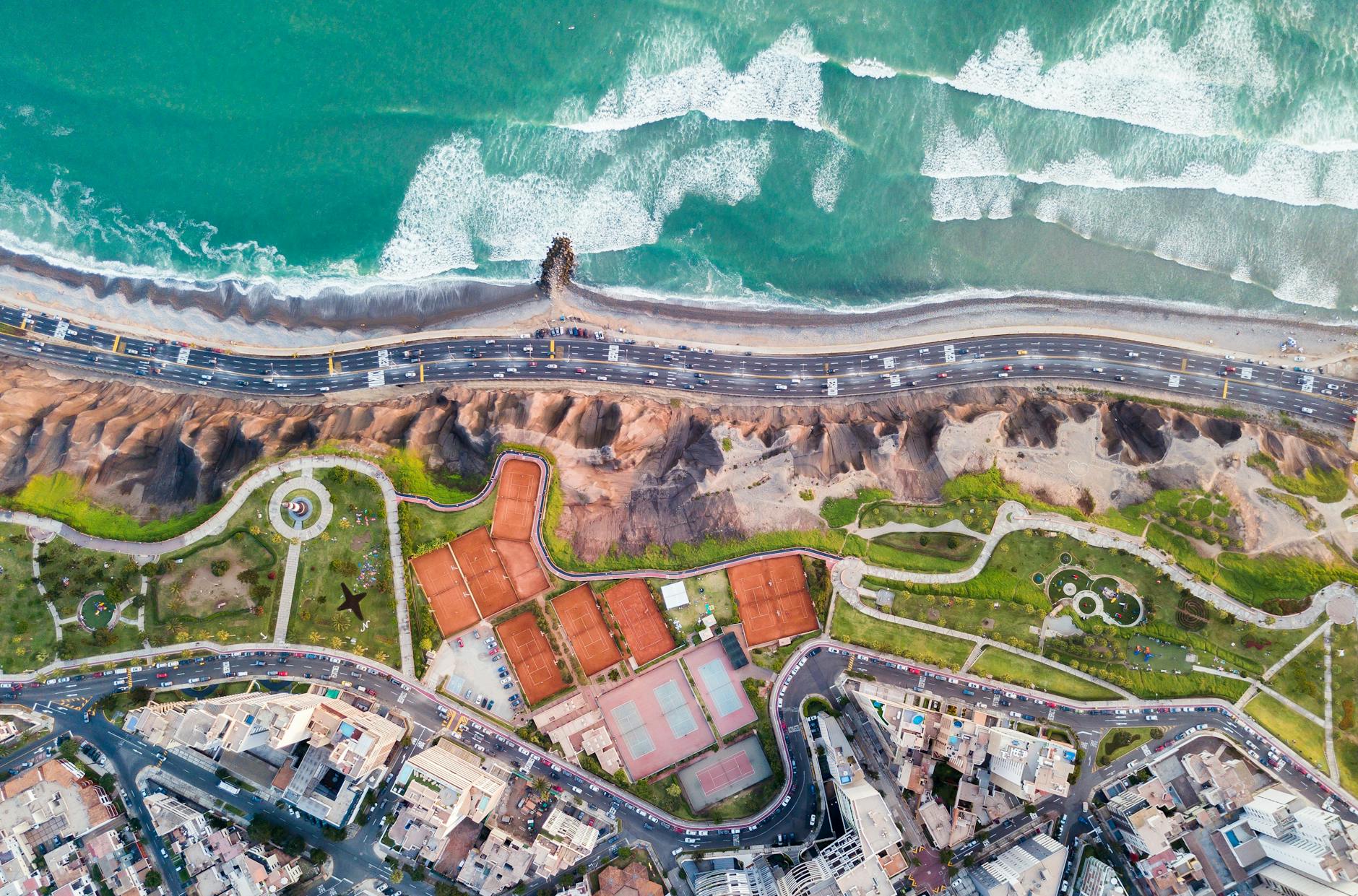
– Walk, bike, or paraglide along the cliffs. Visit Parque del Amor and local craft stalls. Start early to avoid traffic returning to hotels.
2) Barranco
– Stroll Plaza de la Ermita, Puente de los Suspiros, galleries and small cevicherías. Evening live music is often family-run bars rather than large venues.
3) Historic Centre (Cercado)
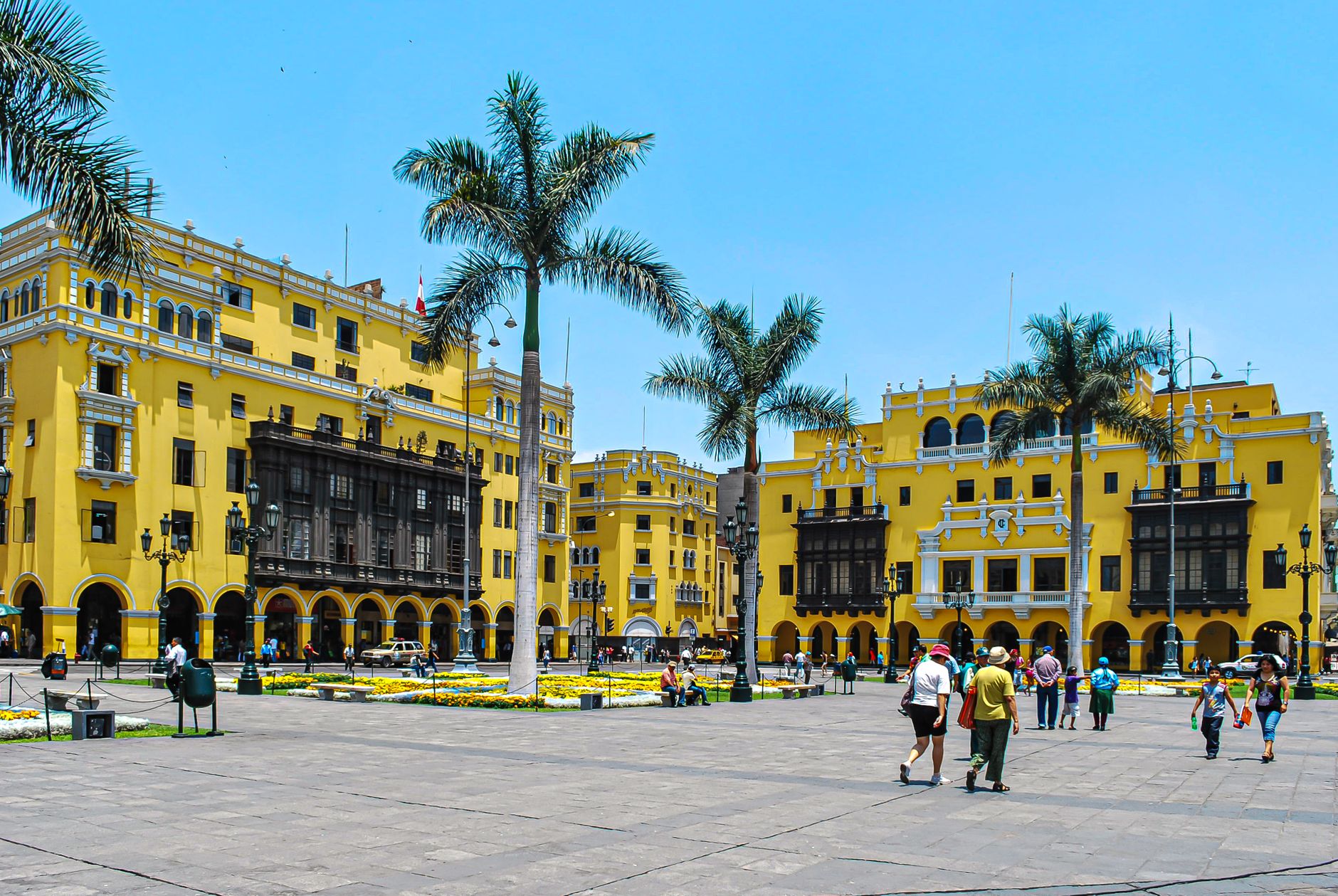
– Plaza Mayor, Cathedral, San Francisco Church and catacombs. Aim for a guided walk in the morning.
4) Museums and Markets
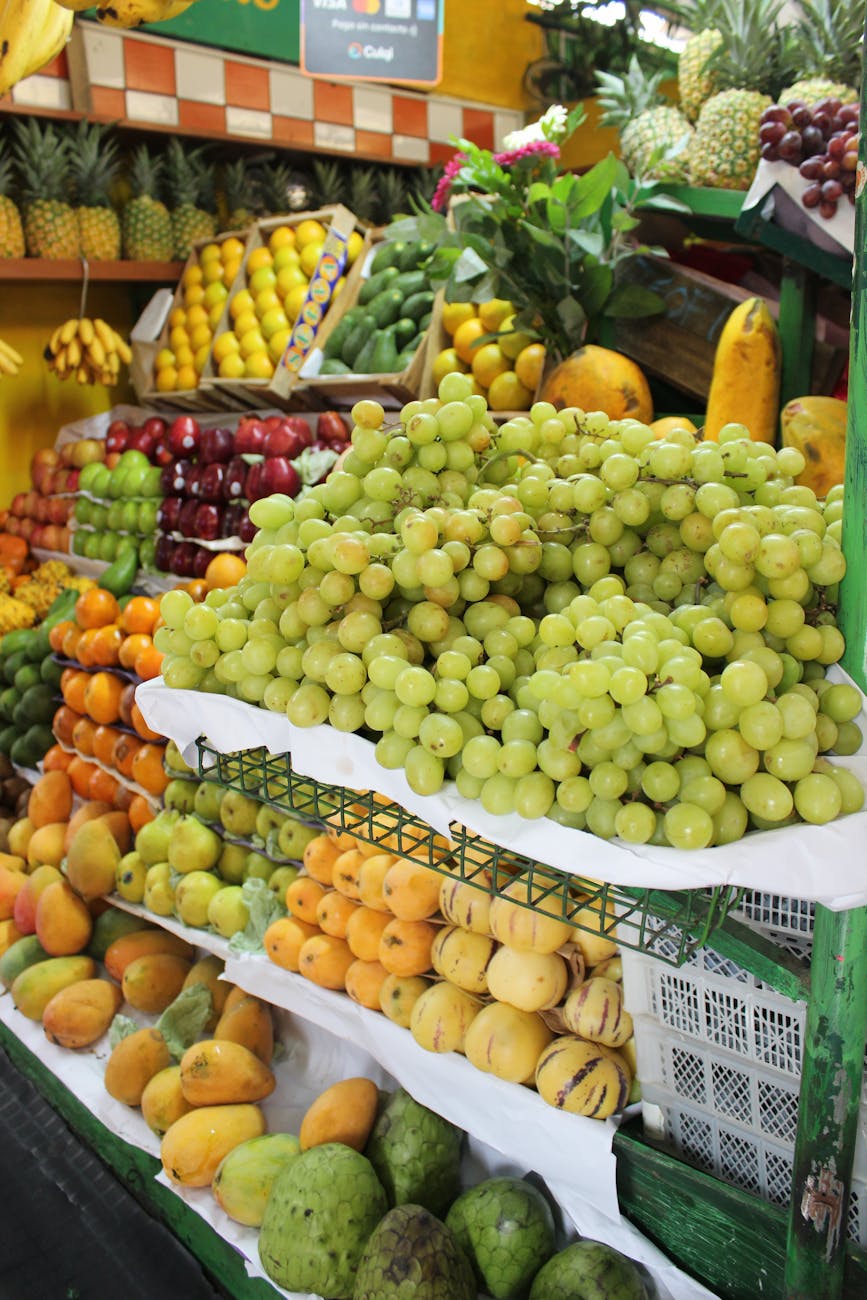
– Larco Museum (book timed entry), Museo de Arte de Lima (MALI), Surquillo Market for produce and small local eateries.
5) Archaeology and Coast
– Huaca Pucllana in Miraflores and Pachacamac south of the city. For a quieter coastal feel, take a short trip to La Punta in Callao.
6) Food highlights
– Try market breakfast (juices, tamales), mid-day ceviche, and late-afternoon pisco sours or local beers. Favor family-run restaurants and market stalls with visible turnover.
For a full sequence that meshes with transport and meal times, see the 3 days in Lima companion guide.
Local Context
Neighborhoods and vibe
– Miraflores: coastal cliffs, parks, mid-range hotels, restaurants. Easy walking and bike paths.
– Barranco: bohemian, art galleries, small bars and restaurants. Best for late afternoons and evenings.
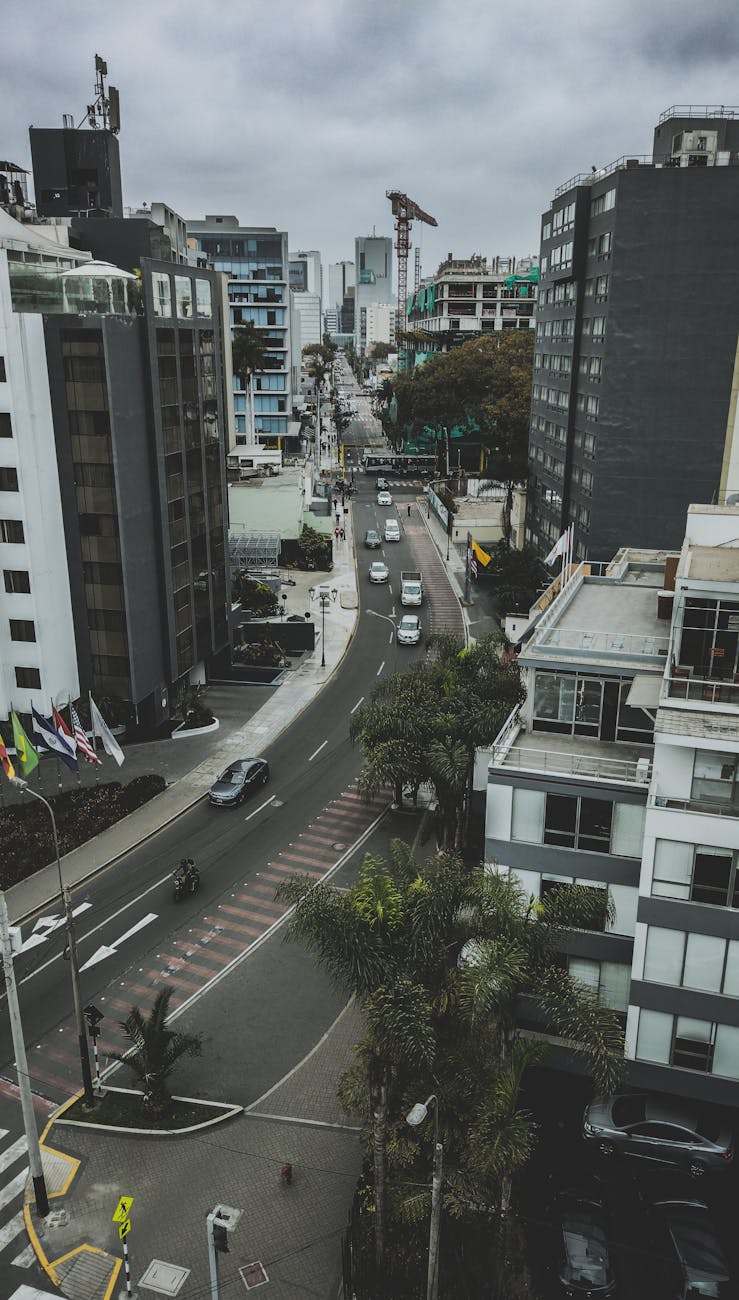
– San Isidro: financial district, quieter green spaces and higher-end dining.
– Historic Centre (Cercado): dense with monuments and colonial architecture; busiest in morning.
Seasonal patterns
– Garúa (coastal mist) runs roughly June–August; expect cool, overcast mornings and evenings.
– Best shoulder months are April–May and September–November for clearer skies and fewer visitors.
Transport realities
– Traffic is heavy at morning and evening peaks. Combine nearby activities and avoid cross-city trips during rush hours.
– Use the Metropolitano bus and Metro Línea 1 where possible for reliability. App-based taxis (Uber, Beat, Cabify) are widely used; prefer official apps or hotel-arranged remises at night.
Local etiquette and safety
– Standard courtesy: greet shopkeepers and hosts, ask before photographing people in markets.
– Petty theft can occur in crowded areas — keep valuables secure and avoid flashing expensive gear on buses.
– Tipping: small service charges may appear; leaving 5–10% for good service is common in small restaurants.
How to Choose Well
Match activities to your constraints and values:
- Limited time (1–2 days): Stay in Miraflores and Barranco, visit Larco Museum and a market, spend sunset on the Malecon.
- Food-focused travelers: Plan market visits early morning, book a slot at a well-regarded cevichería for lunch, and take a local cooking class.
- Culture and archaeology: Combine Huaca Pucllana with a guided half-day to Pachacamac or a morning in the Historic Centre.
- Low-impact travelers: Walk the Malecon, take bikes in Miraflores, use public transit where safe, and book small-group tours.
Practical booking advice:
– Buy Larco Museum timed tickets online to avoid queues. Reserve dinner tables for weekends and popular cevicherías.
– For Pachacamac, check opening hours and consider a guided tour that uses local archaeologists or community guides.
– If moving on to Cusco, Arequipa, Trujillo or Iquitos, book flights early in high season to secure reasonable fares.
Responsible and Local-First Tips
Small choices that help local economies and reduce impact:
- Spend at markets and family-run restaurantes rather than international chains.
- Hire certified local guides and neighborhood walking tours that pay local taxes and workers fairly.
- Carry a reusable water bottle; many restaurants will refill it. Avoid single-use plastics.
- Use public transport or bike-share where feasible; choose low-emission transfers for longer trips.
- When booking day trips, prefer operators that contribute to site conservation and pay local staff decent wages.
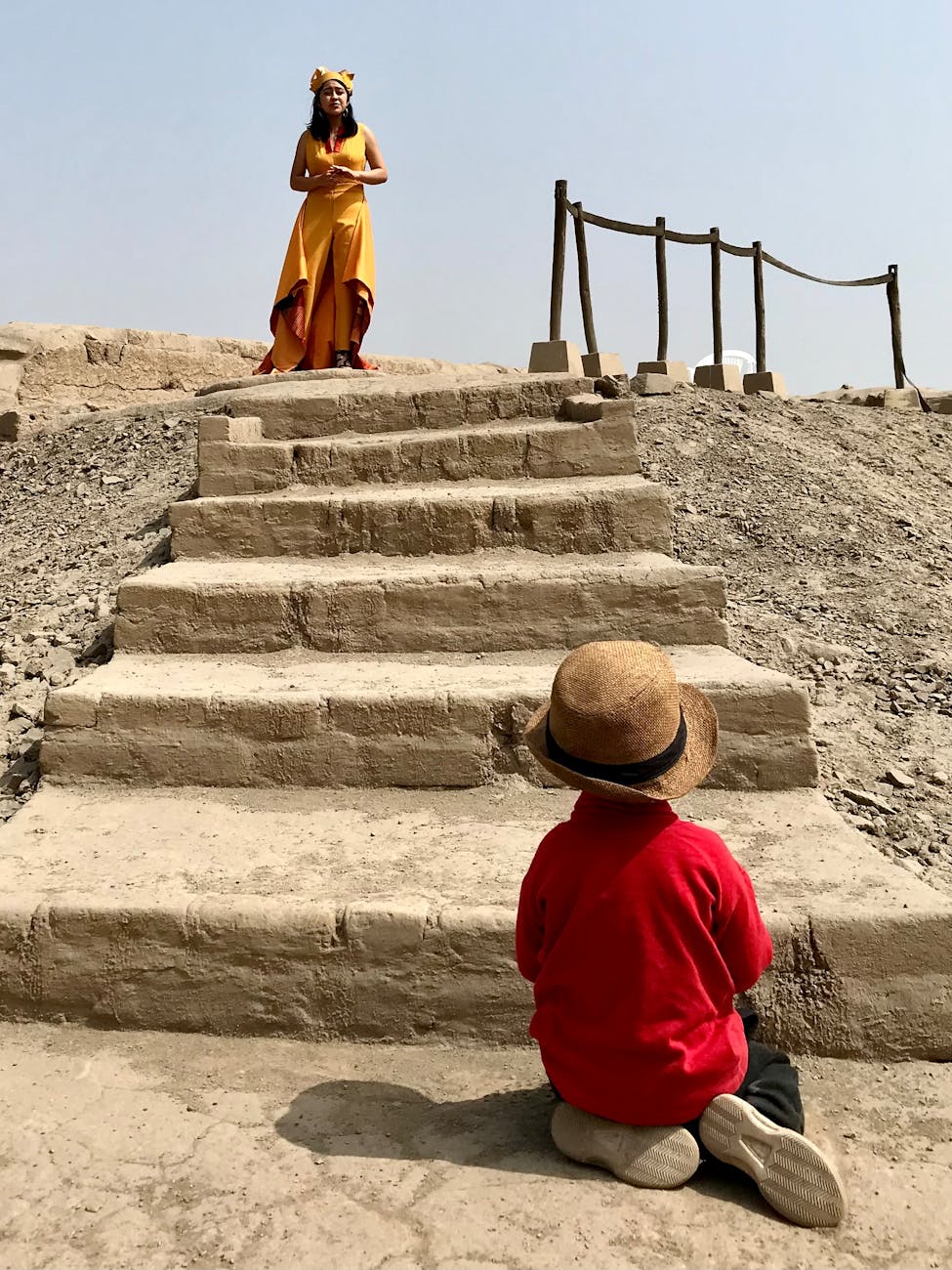
- Respect archaeological sites by staying on marked paths and following guide instructions.
These choices support livelihoods while keeping visitor numbers and wear on fragile sites lower than mass-tour formats.
Common Mistakes to Avoid
- Trying to cover the whole city in a single day — traffic and spread make this inefficient.
- Eating raw fish at the end of the day in informal places — prefer busy, well-reviewed cevicherías and mid-day service when fish is freshest.
- Assuming Lima has tropical beach weather year-round; pack layers for garúa season (June–August).
- Not booking Larco Museum or popular restaurant times in advance, especially on weekends.
- Exchanging large amounts of cash at the airport at poor rates — use ATMs or reputable exchange houses in the city and carry small soles for markets.
- Taking unlicensed taxis late at night — use hotel-arranged remises or app-based services.
FAQ
How many days do I need in Lima?
For a solid introduction, 2–3 days cover Miraflores, Barranco, a major museum (Larco or MALI) and one market or archaeological site. Use the 3 days in Lima companion for a detailed day-by-day plan.
Is Lima safe for tourists?
Lima is generally safe in tourist areas during daytime. Take usual precautions: keep belongings secure, avoid poorly lit streets at night, and use trusted transport. Hotel staff can advise on neighborhood safety.
When is the best time to visit?
Shoulder seasons April–May and September–November offer clearer skies and milder crowds. June–August has coastal mist (garúa) and cooler temperatures.
How do I get from the airport to Miraflores or Barranco?
Allow 30–60 minutes outside rush hour and more during peaks. Use authorized airport taxis, app-based services, or pre-arranged hotel transfers for convenience and safety.
Are there good day trips from Lima?
Yes. Pachacamac (half day), Callao and La Punta (half day), and Paracas/Ica are full-day options by car or bus. For Andean destinations like Cusco or Arequipa, fly to save time.
Is ceviche safe to eat?
Yes when eaten at busy, reputable places and at lunchtime. Choose spots with high turnover and good hygiene. If you have a sensitive stomach, start with cooked dishes and locally recommended vendors.
Conclusion
Lima rewards slow, neighborhood-focused travel: mornings in markets or museums, afternoons on the coast, and evenings sampling small restaurants in Barranco or Miraflores. Use the 3 days in Lima companion for a practical day-by-day plan that respects local rhythms and reduces travel time.
When you’re ready to continue exploring Peru, consider efficient connections to Cusco, Arequipa, Trujillo, Puno or Iquitos. Prioritize local guides, book key tickets early, and choose low-impact options to keep your visit meaningful and beneficial to Lima’s communities.
How this guide was prepared
This guide was prepared through a structured research that combines destination research, geographic context, itinerary planning logic, and content review.