
Lima Travel Budget — Costs, Practical Tips, and Low-Impact Choices
A compact, practical Lima travel budget guide for planning a 3-day stay or longer. Daily cost ranges, neighborhood advice (Miraflores, Barranco, Historic Centre), transport realities, sustainable tips, and booking pointers.
Realistic daily budgets for Lima, how to save without losing local experiences, transport and timing tips for Miraflores, Barranco and the historic centre, and sustainable choices that support local businesses. Ideal as a support page for a 3-day Lima itinerary.
Quick Answer
Realistic daily budgets for Lima, how to save without losing local experiences, transport and timing tips for Miraflores, Barranco and the historic centre, and sustainable choices that support local businesses. Ideal as a support page for a 3-day Lima itinerary.
Who This Page Is For
This page is for travelers planning a stay in Lima who want clearer decisions about travel budget, local logistics, timing, budgeting, and practical trip planning.
How This Page Was Prepared
This page was prepared through a structured editorial workflow that combines destination research, geographic context, and practical travel-planning review.
Plan the Rest of Your Trip
Use this page together with the full itinerary and the related planning pages below to make better booking, timing, transport, and budget decisions.
Expect these sample daily budgets per person (USD), excluding international flights:
- Shoestring: $25–40 — dorm or budget guesthouse, mercados/food stalls, public transit, free walking tours.
- Moderate budget: $50–90 — private budget hotel or midrange guesthouse, mix of markets and sit-down meals, some paid museums or guided activities.
- Comfortable: $100–180 — boutique hotel in Miraflores or Barranco, a few guided tours, nicer restaurants and taxis/apps for convenience.
Lima is generally cheaper than other major South American capitals for dining and museums, but traffic and intercity flights can add cost. Shoulder seasons (April–May, October–November) often lower prices without sacrificing weather.
This page gives focused, practical cost guidance for Lima with an emphasis on low-impact choices and local-first spending. Use it alongside the main 3 days in Lima itinerary for daily allocation and to plan connections to nearby destinations like Cusco, Arequipa, Trujillo, Puno and Iquitos. The aim is realistic budgets, neighborhood-level tips, transport realities and easy sustainable swaps that keep your trip authentic and affordable.
What This Page Helps You Decide
Use this page to quickly choose:
- How much to allocate per day for lodging, food, transport and basic activities.
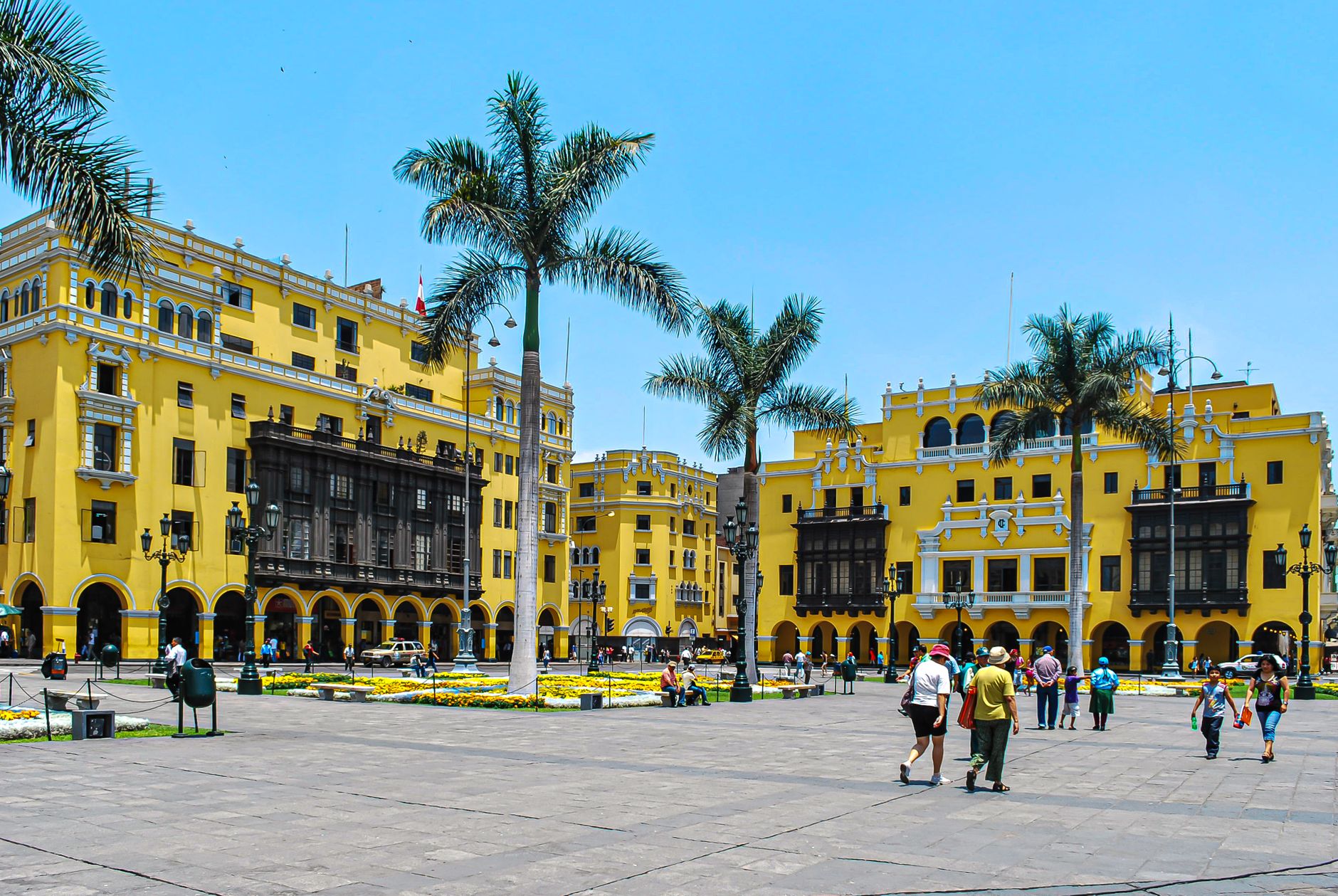
- Which Lima neighborhoods fit your budget and vibe: Miraflores for coastal walks and easy dining; Barranco for arts and cafés; Historic Centre for monuments and budget hotels.
- Whether to spend more on a guided market or museum visit, or save by self-guiding with good maps.
- When to book intercity travel (flights vs buses) and how that affects your total Peru budget.
If you’re following the 3 days in Lima guide, use these figures to tweak accommodation and excursion choices and to set realistic transfer times to airports or bus terminals for onward trips to Cusco or Arequipa.

Top Recommendations
Practical, money-smart choices that still feel local:
- Stay neighborhood-smart: book a guesthouse or small hotel in Miraflores or Barranco for safety, walkability and easy access to the malecón and cafes. If you prefer cheaper rates, check the edges of Lince or Pueblo Libre with a short taxi to main sights.
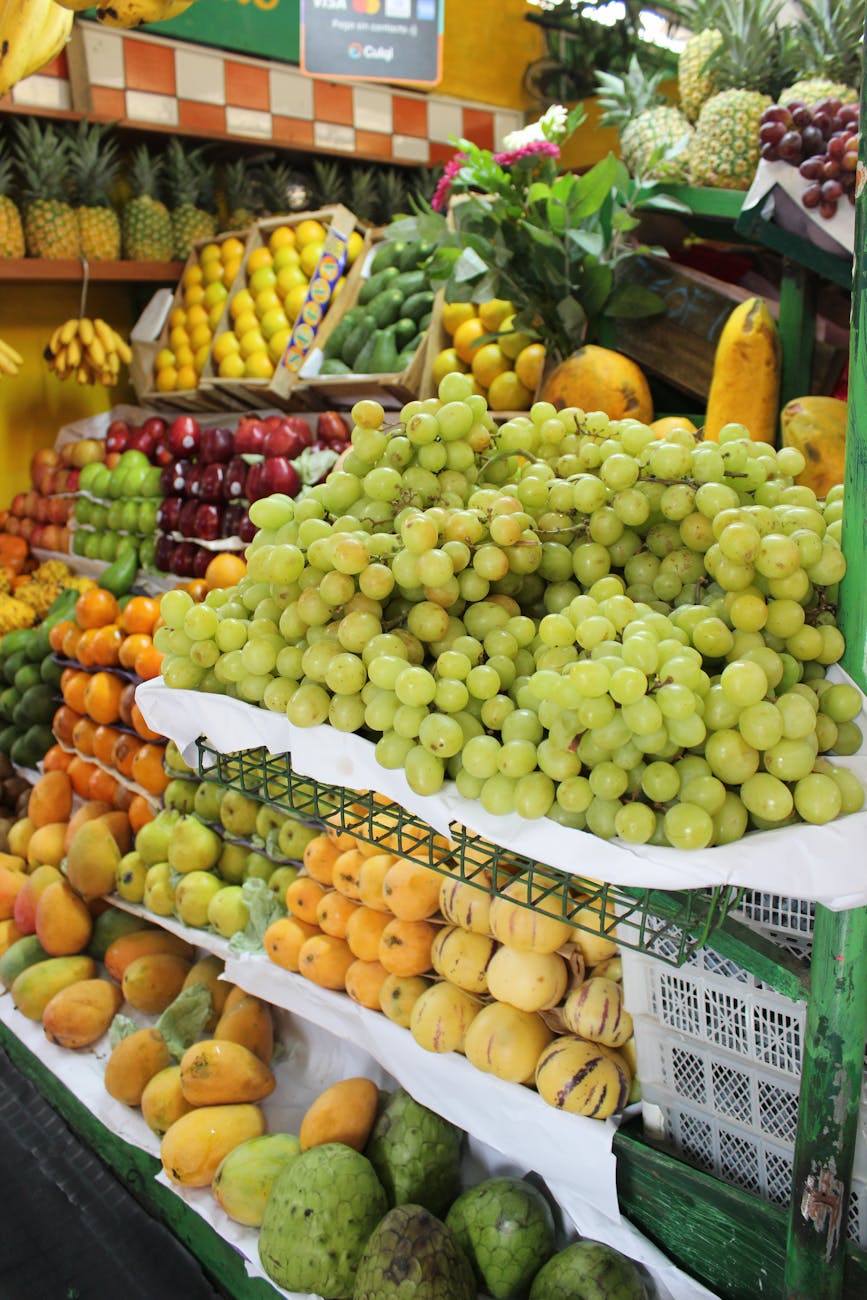
- Eat local and safe: buy breakfast or snacks at mercados (Surquillo is great) and reserve one or two evenings for reputable cevicherías or a market-to-table meal. When in doubt about raw seafood, choose cooked dishes or well-reviewed restaurants.
- Move smart: use Metropolitano and the Línea 1 Metro where convenient; for short trips in Miraflores/Barranco walk the malecón; use ride apps (Beat, Uber, Cabify) after midnight or when crossing districts. Expect heavy traffic—allow extra time for airport transfers.
- Book key museums and popular restaurants in advance during high season. Larco Museum and top cevicherías can sell out evenings and weekends.
- Low-impact picks: free walking tours (tip your guide), community-run experiences in Barranco, birdwatching at Pantanos de Villa, or small-group sustainable boat trips if offered.
These choices keep spending reasonable while directing money to local businesses and guides.
Local Context
Neighborhoods and seasonal realities:
- Miraflores: coastal parks, tourist services, most midrange hotels and many restaurants. Walkable but busier and pricier than other districts.
- Barranco: artistic, bohemian, good cafés and galleries. Excellent for evening strolls and independent bars; more locally focused businesses than Miraflores.
- Historic Centre (Centro Histórico): monuments, municipal hotels and budget eateries. Daytime visits are best; avoid wandering too far off main streets at night.
- Lince, Pueblo Libre, San Isidro: quieter residential options with lower rates but require short taxis to the malecón.
Seasonality:
– December–March: warm, sunny, high season for coastal activities and dining outdoors.
– May–October: cooler, overcast 'garúa' winter with high humidity but fewer crowds and lower prices.
– Shoulder months (April, November) often balance better weather and reduced rates.
Transport realities:
– Lima has heavy traffic; plan airport transfers and cross-city trips with time buffers.
– Public transit (Metropolitano BRT and Línea 1 Metro) is cheap and efficient for some corridors, but many attractions still require a short taxi or bus.
– App taxis are recommended over hailing on the street; clarify price and route if drivers offer flat fares.
Local etiquette and safety:
– Greet with a handshake; be polite and modest in dress when visiting churches.
– Small talk is common; learn a few Spanish phrases — vendors and drivers appreciate it.
– Keep valuables discreet, and use hotel safes or secure lockers in hostels.

How to Choose Well
Booking lodging:
- Compare guesthouses in Miraflores and Barranco; look for small hotels that emphasize local staff and sustainable practices.
- Read recent reviews for noise and safety; check distance to the malecón or a Metropolitano stop if you prefer public transit.
Choosing transport and transfers:
- For arrivals: book an authorized airport taxi desk or an app ride from the official airport area. Agree the fare before you leave if paying cash.
- For intercity travel: fly to Cusco, Iquitos or Trujillo for speed; consider overnight buses for Arequipa or Puno to save a night’s accommodation but choose reputable companies with reclining seats and good reviews.
Selecting activities:
- Prioritize a mixture of free walking and one paid highlight (Larco Museum, a guided market tour, or a coastal bike rental).
- Reserve expensive activities (specialty cooking classes, private city tours) for days when your budget allows; otherwise choose community-run alternatives.
Money and payments:
- Carry a mix of cash (Peruvian soles) and one chip card with low foreign transaction fees. Use ATMs in banks and avoid street exchangers.
- Small shops and markets prefer cash; larger restaurants and hotels accept cards.
Responsible and Local-First Tips
Simple ways to keep your spending local and lower-impact:
- Eat at neighborhood markets and family-run restaurants rather than international chains. A market meal supports multiple local suppliers.
- Use small, locally run guesthouses and tour operators. Ask about community benefits and whether guides are local residents.
- Reduce single-use plastics: bring a refillable bottle, use filtered water stations when available.
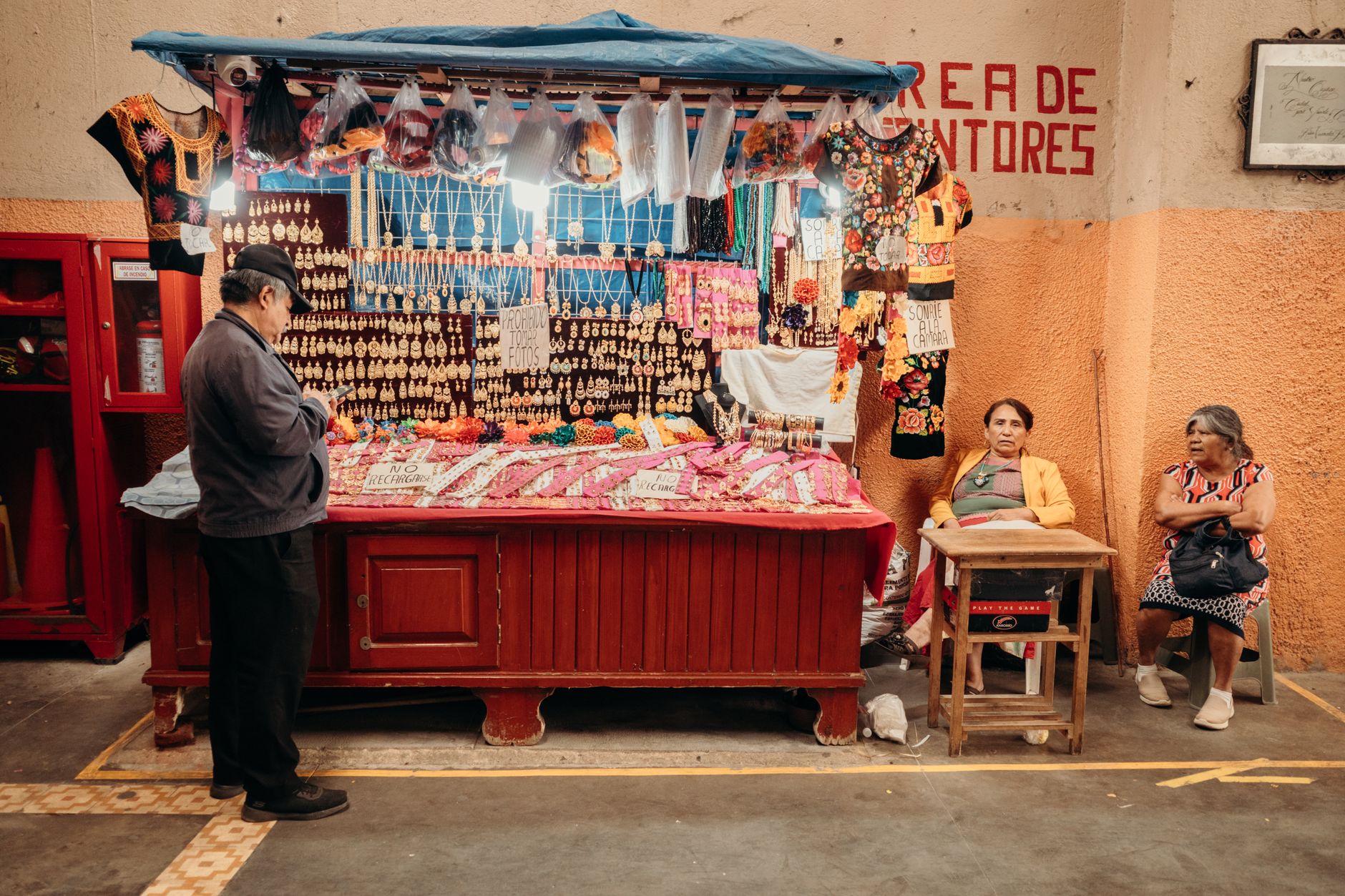
- Respect cultural sites: observe photography rules in museums and private collections; purchase authentic crafts directly from artisans or verified co-ops.
- Offset high-impact choices (like flights) by adding a day of local exploration and spending that budget on community businesses.
Where to spend locally:
– Book a guided market tour in Surquillo that ends with a meal at a family-run restaurant.
– Buy snacks or souvenirs from cooperative stalls in Barranco rather than airport shops.
Common Mistakes to Avoid
Typical budgeting and planning errors:
- Underestimating transfer times: Lima traffic is unpredictable; give yourself at least 2–3 hours to reach the airport from Miraflores in peak periods.
- Relying only on cards: small vendors, taxi drivers and markets require soles. Withdraw from bank ATMs and keep small notes.
- Skipping reservations: top cevicherías, Larco Museum evening slots and popular cooking classes can sell out, especially in high season.
- Treating all street food the same: street snacks are a highlight, but be cautious with raw seafood and use vendor reputation as your guide.
- Choosing the cheapest overnight bus without vetting safety and reviews; for long trips, spend a few extra dollars on reputable operators.
FAQ
What is a realistic daily budget for a solo traveler in Lima?
Shoestring $25–40, moderate $50–90, comfortable $100–180. These ranges cover lodging, meals, local transport and one or two paid activities.
Is Lima safe for budget travelers at night?
Central tourist areas like Miraflores and Barranco are generally safe at night if you stick to well-lit streets. Avoid walking alone in poorly lit peripheral streets and use app taxis after dark.
How do I save on food without missing local cuisine?
Eat breakfast and snacks at mercados, choose midday menu del día or lunch specials at local eateries, and reserve one or two special dinners at higher-rated restaurants. Markets like Surquillo offer fresh, inexpensive options.
Should I take the bus or fly to Cusco from Lima?
Flights are faster (1.5 hours) and often reasonably priced if booked in advance. Buses are cheaper but take 18–22 hours; choose a reliable company with good reviews if you want the overnight option.
Any visa or cash tips?
Many nationalities enter Peru visa-free short-term; check current rules. Use ATMs in banks for soles and avoid exchanging at airports for best rates.
How can I make my trip more sustainable on a budget?
Choose family-run lodging, dine at markets, walk the malecón, use public transit where practical, and tip guides rather than paying for big packaged tours.
Conclusion
Lima can be very budget-friendly without losing the city’s culinary and cultural highlights. Base yourself in Miraflores or Barranco for walkability, mix market meals with one or two sit-down restaurants, and plan transfers and intercity travel in advance. Use this page to set daily budgets that match the main 3 days in Lima itinerary and to choose sustainable, local-first options that keep your spending in the hands of small businesses and guides.
How this guide was prepared
This guide was prepared through a structured research that combines destination research, geographic context, itinerary planning logic, and content review.