
Best Things to Do in London — Practical, Local-First Guide
A concise, practical guide to the best things to do in London: museums, markets, neighbourhood walks, sustainable day trips, and planning tips that pair with our 3 days in London itinerary.
If you have limited time, prioritize these: a morning museum (British Museum or Tate Modern), a riverside walk (South Bank to Tower Bridge), a market lunch (Borough or Maltby Street), and a West End show or neighbourhood evening in Soho or Shoreditch. For a low-impact day trip choose a train to Cambridge, Oxford, or Brighton rather than driving.
London is walkable, richly layered, and best explored with a simple plan that balances major sights and neighbourhood time. This page is a support resource for the main 3 days in London itinerary: use it to swap attractions, add low-impact options, or pick a day trip by train. Focus on small businesses, seasonal timing, and comfortable routing to get more from each hour.
What This Page Helps You Decide
This support page helps you:
- Choose which central sights to prioritize alongside the 3 days in London main itinerary.
- Pick a neighbourhood for evening dining and low-key nightlife.
- Plan sustainable day trips by train to nearby cities like Cambridge, Oxford, and Brighton.
- Know when to prebook timed-entry attractions and how to navigate public transport efficiently.
It’s designed for travelers who want authentic neighbourhood time, responsible choices, and easy swaps for the main itinerary.
Top Recommendations
Core experiences to slot into any visit:
- Museums: British Museum (Bloomsbury) and Tate Modern (Southbank). Free permanent collections; reserve timed entries for special exhibitions.
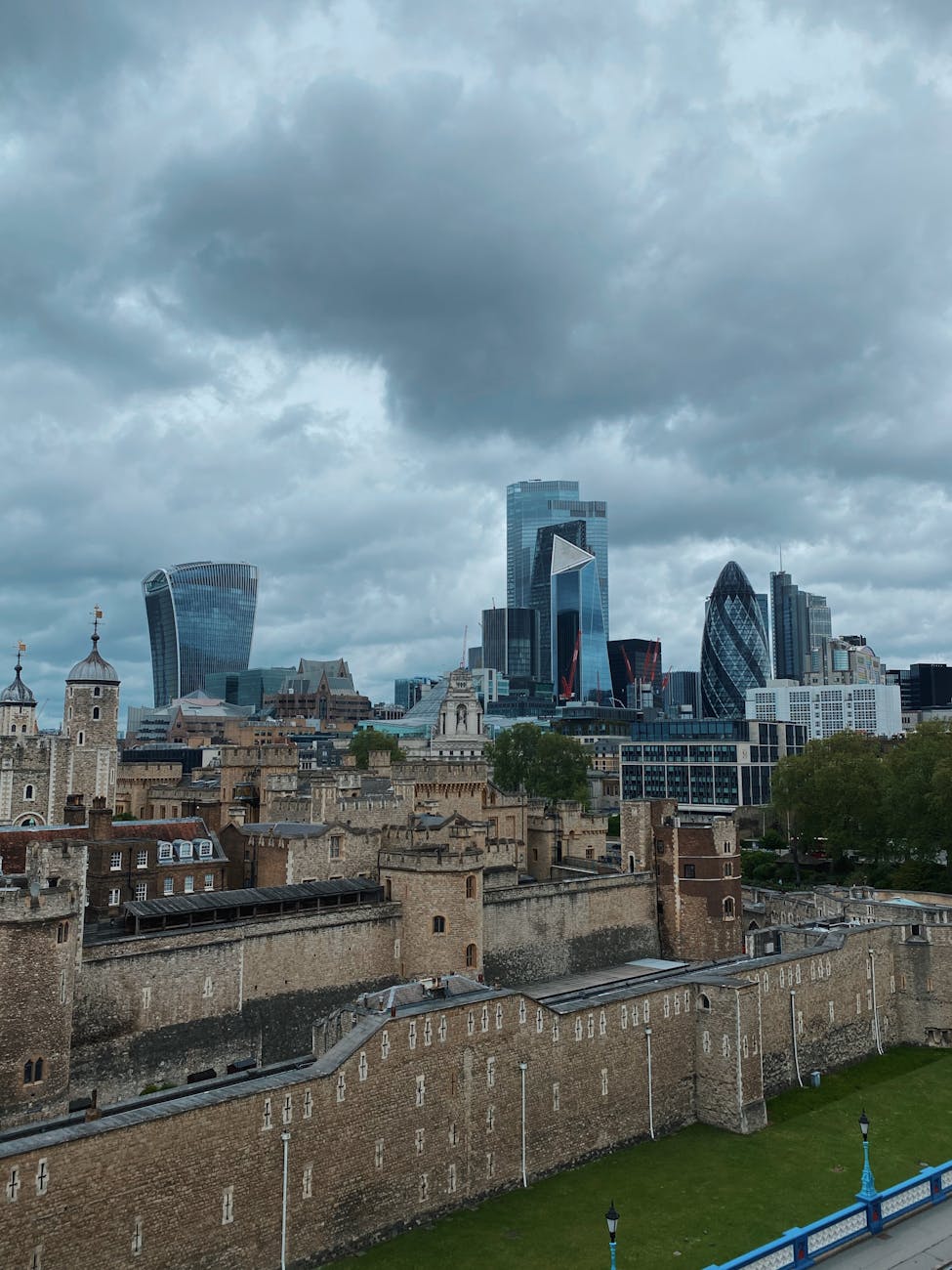
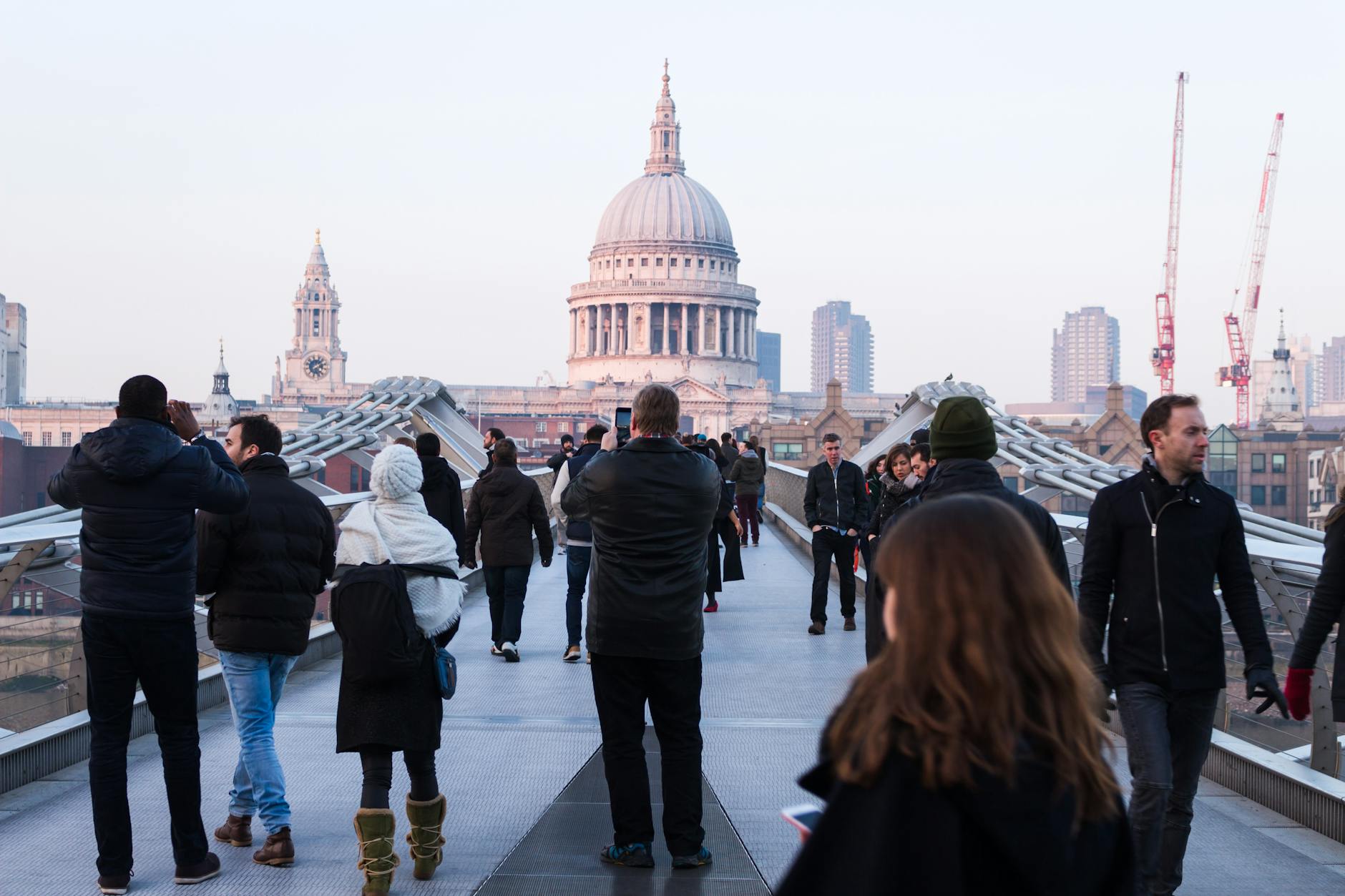
- Riverside walk: South Bank to Tower Bridge—mix street food, performance, and riverside views.
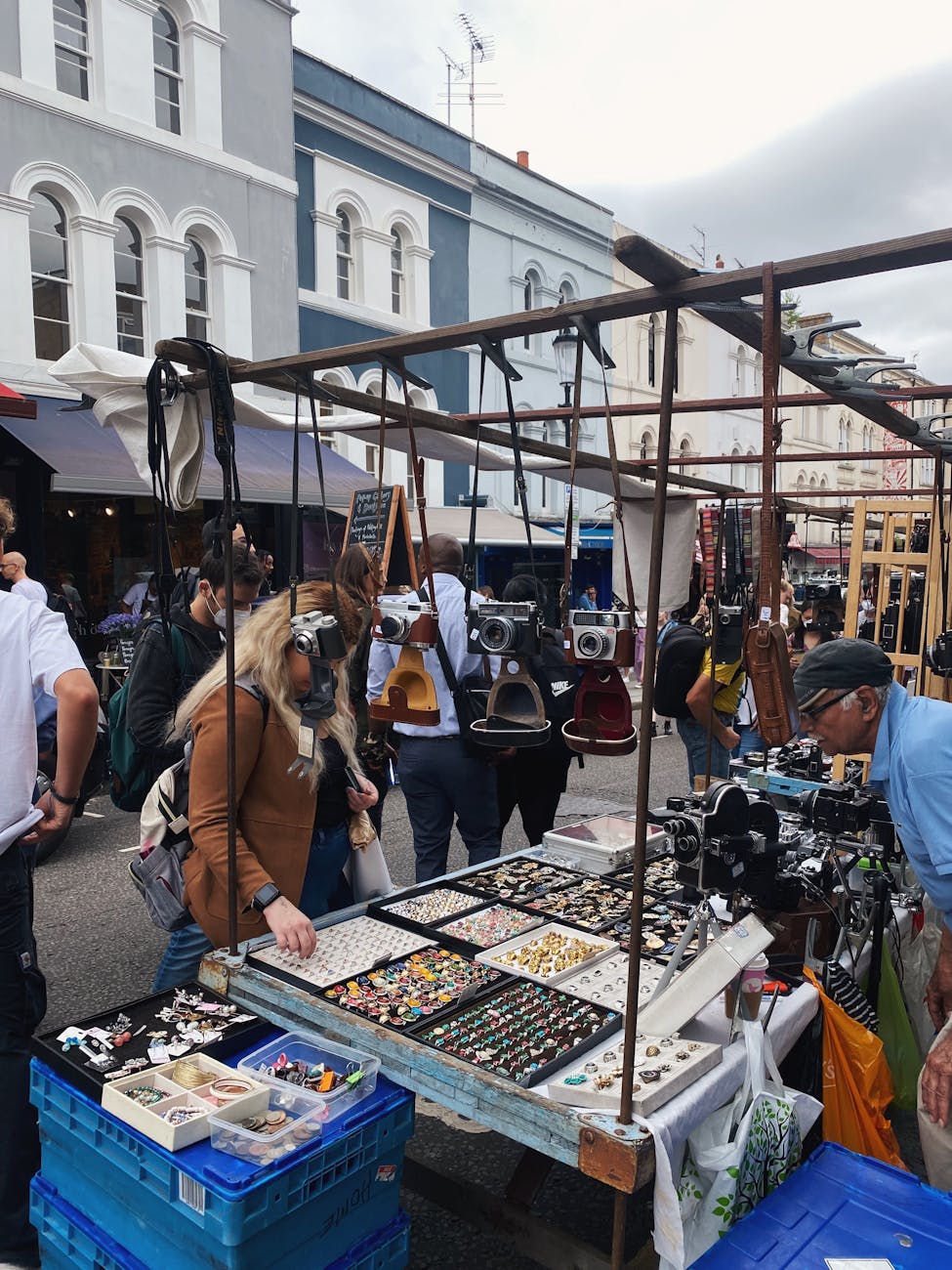
- Markets and food: Borough Market (fresh, independent vendors), Maltby Street (small producers), Camden Market (eclectic stalls) for local crafts.
- Parks and gardens: St James’s Park for central birdlife, Richmond or Kew Gardens for a fuller green escape.
- Evenings: West End theatre for a show, or neighbourhood nights in Soho, Brixton, or Shoreditch for music and late dining.
Fit these into your 3-day plan by pairing one major museum with a nearby neighbourhood and leaving one afternoon for a train day trip.
Local Context
Neighbourhoods matter: Kensington and South Kensington are museum-rich; Covent Garden and Soho suit theatre and dining; Shoreditch and Hackney offer street art, cafes, and markets; Greenwich gives maritime history and open spaces.
Seasonal notes:
– Shoulder seasons (April–May, Sept–Oct) offer milder weather and fewer crowds.
– Summer sees long daylight and bustle; book ahead for major sights.
– Winters are quieter but wetter—focus on galleries, cafés, and covered markets.
Transport realities:
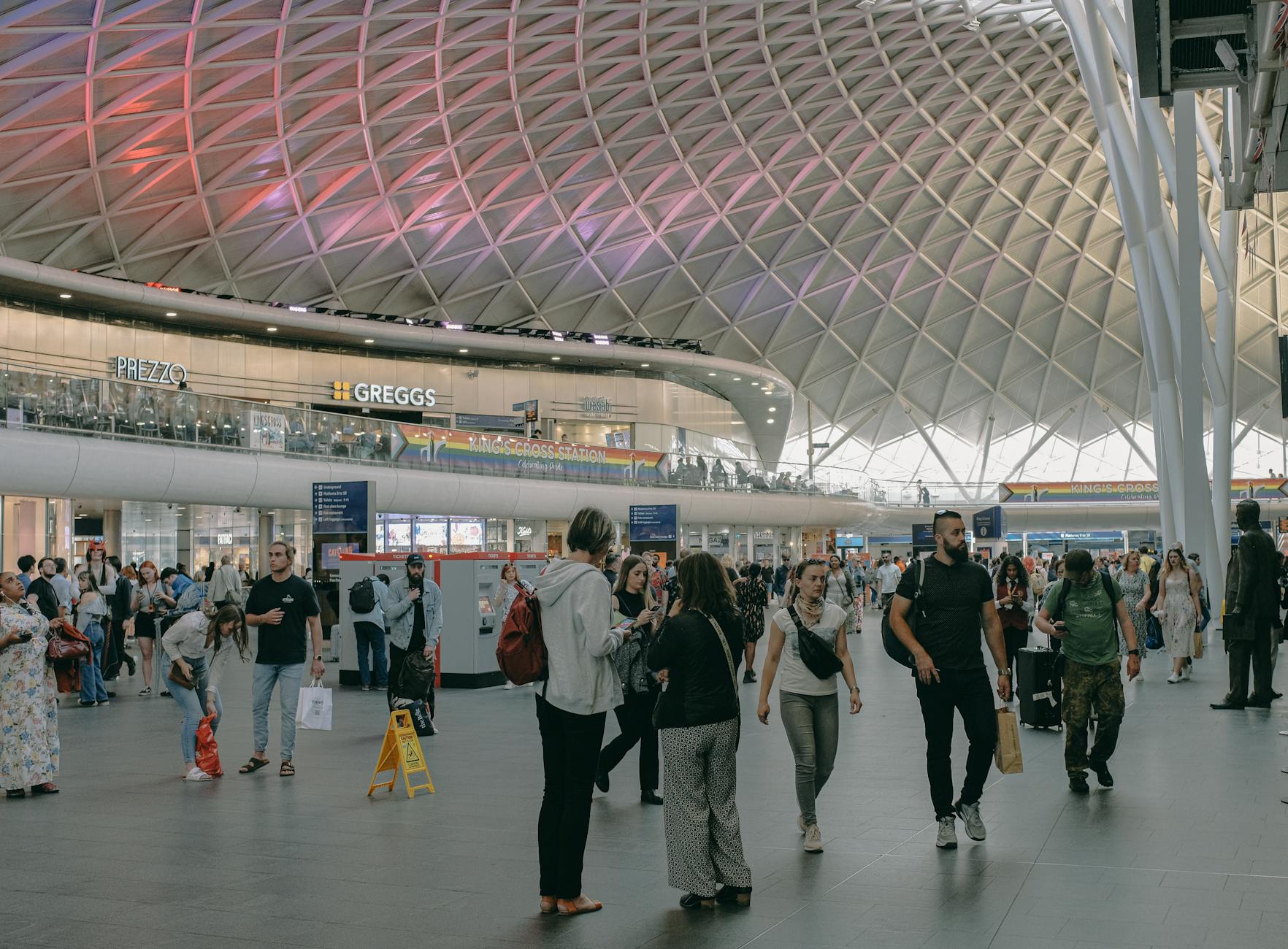
– Use Oyster or contactless payment for Tube, buses, and DLR. Trains to nearby cities depart from King’s Cross, Paddington, Victoria, and St Pancras.
– Central London is compact—walking often beats short Tube hops. Santander Cycle docks are plentiful but check the weather.
– Mind planned Tube closures on weekends; check TfL before setting out.
How to Choose Well
Match your energy and interests rather than chasing every landmark.
Quick filters to decide:
– Culture-first: choose British Museum + West End show.
– Food-first: Borough Market + Southbank food stalls + evening in Soho.
– Local neighbourhoods: spend a morning in Notting Hill market and a night in Brixton.
Booking tips:
– Prebook timed tickets for the Tower of London, London Eye, and special exhibitions.
– Reserve shows and popular restaurant slots at least 2–4 weeks ahead if travelling in high season.
– For day trips, book off-peak train tickets 1–3 weeks in advance for lower fares.
Routing tip: plan one major attraction per morning and keep afternoons flexible for neighbourhood exploration or markets.
Responsible and Local-First Tips
Choose low-impact options and support the local economy:
- Prefer public transport and trains for day trips (Cambridge, Oxford, Brighton, Reading). Avoid private long-distance car trips when trains are available.
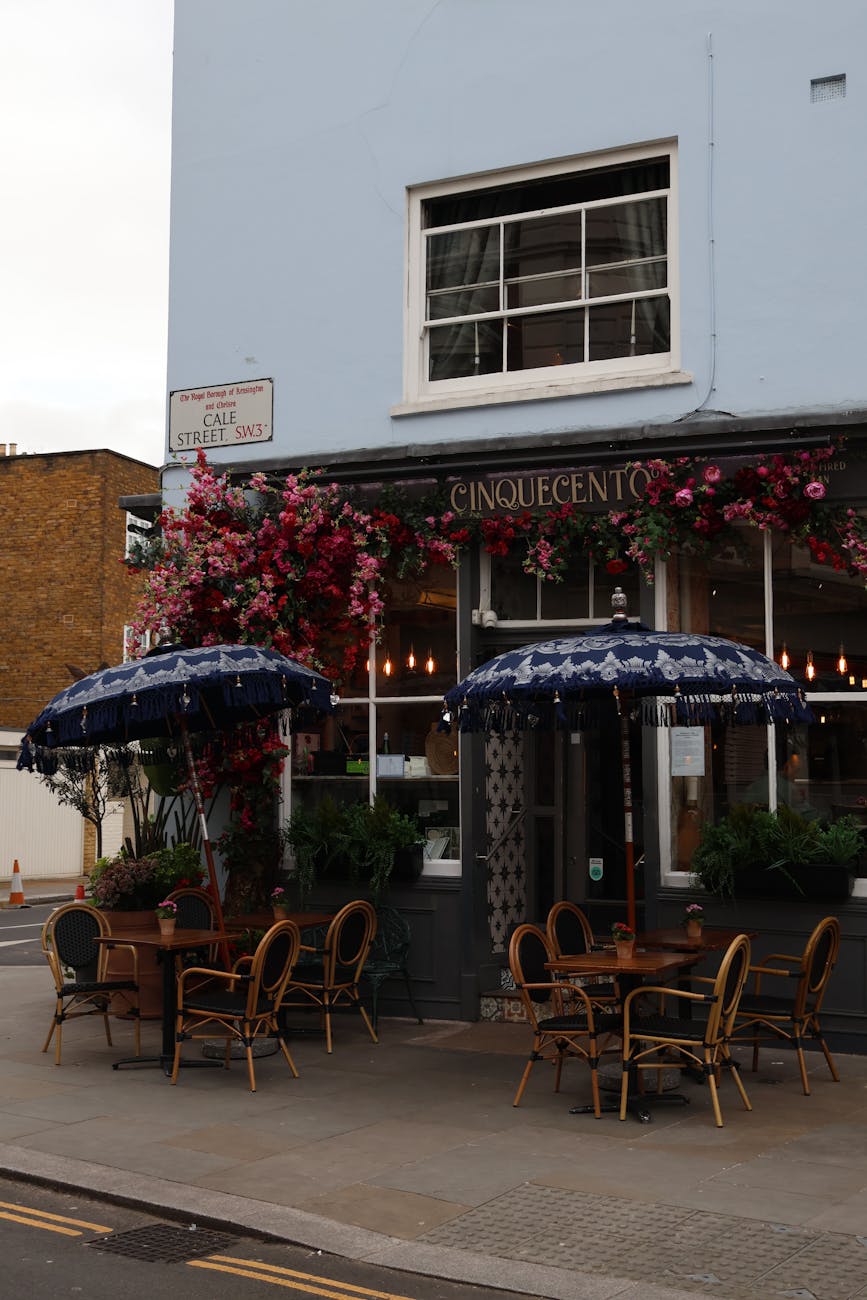
- Eat at independent cafes, market stalls, and small neighbourhood restaurants rather than franchises.
- Book walking tours led by local guides or community tourism groups; tip fairly and ask about small-group options.
- Take reusable water bottles; many museums and markets have refill stations.
- Consider quieter hours for popular attractions to reduce crowding and improve your experience.
These choices keep spending local and reduce your carbon footprint while giving you a richer visit.
Common Mistakes to Avoid
Avoid these frequent errors:
- Packing too many big attractions into one day—London’s transit overhead and queues add time.
- Relying on taxis for short hops—central London is often faster and cheaper by Tube or bus.
- Buying attraction tickets on arrival—timed entries can sell out, especially in high season.
- Ignoring Tube weekend engineering work—check TfL and plan alternate routes by bus or river.
- Overlooking neighbourhood hours—many independent shops close earlier than chain stores, and some markets don’t operate every day.
Simple planning avoids lost time and disappointment.
FAQ
What should I see in London if I only have one day?
Focus on a single corridor—e.g., Westminster (Buckingham Palace, Westminster, St James’s Park) plus a South Bank walk to Tate Modern and Borough Market. Limit travel between zones to save time.
Are there quieter times to visit major attractions?
Early mornings on weekdays and late afternoons are typically quieter. Shoulder seasons (spring, autumn) have fewer tourists than July–August and December holidays.
Is it worth buying the London Pass?
It can save money if you plan many paid attractions in one day, but most major museums are free. Compare pay-as-you-go timing and factor in the rush of trying to visit many sites in a day.
What are practical day trips by train?
Cambridge (King’s Cross, 50–60 minutes), Oxford (Paddington or Marylebone with transfers, about 1–1.5 hours), Brighton (Victoria, ~1 hour). Book advance train fares and leave early to maximise time in the destination.
How much should I tip in restaurants?
Service is often included; otherwise 10–15% is standard. For pubs and casual takeaways, tipping is not expected; rounding up is appreciated for good service.
Conclusion
London rewards slow choices: mix one landmark with leisurely neighbourhood time, choose trains for nearby day trips, and prioritise independent businesses. Use this page alongside the 3 days in London itinerary to swap activities, add local recommendations, or pick a greener day trip to Cambridge, Oxford, or Brighton. Check transport and booking details before you travel and enjoy the city at a human pace.
Plan the Rest of Your Trip
This page works best alongside the main itinerary and the other planning pages for London.