
Best Things to Do in Munchen (Munich): Practical, Local-First Guide
Practical, sustainable recommendations for the best things to do in Munchen — neighborhoods, top attractions, day trips, transport tips, and how to fit activities into a 3-day Munich itinerary.
A compact, local-minded guide to Munchen’s top sights and neighborhoods, with sustainable tips, transport realities, and links to a 3-day itinerary and nearby day trips to Augsburg, Garmisch-Partenkirchen, Regensburg, Nurnberg, and Stuttgart.
Quick Answer
A compact, local-minded guide to Munchen’s top sights and neighborhoods, with sustainable tips, transport realities, and links to a 3-day itinerary and nearby day trips to Augsburg, Garmisch-Partenkirchen, Regensburg, Nurnberg, and Stuttgart.
Who This Page Is For
This page is for travelers planning a stay in Munchen who want clearer decisions about things to do, local logistics, timing, budgeting, and practical trip planning.
How This Page Was Prepared
This page was prepared through a structured editorial workflow that combines destination research, geographic context, and practical travel-planning review.
Plan the Rest of Your Trip
Use this page together with the full itinerary and the related planning pages below to make better booking, timing, transport, and budget decisions.
Top essentials for most first-time visitors:
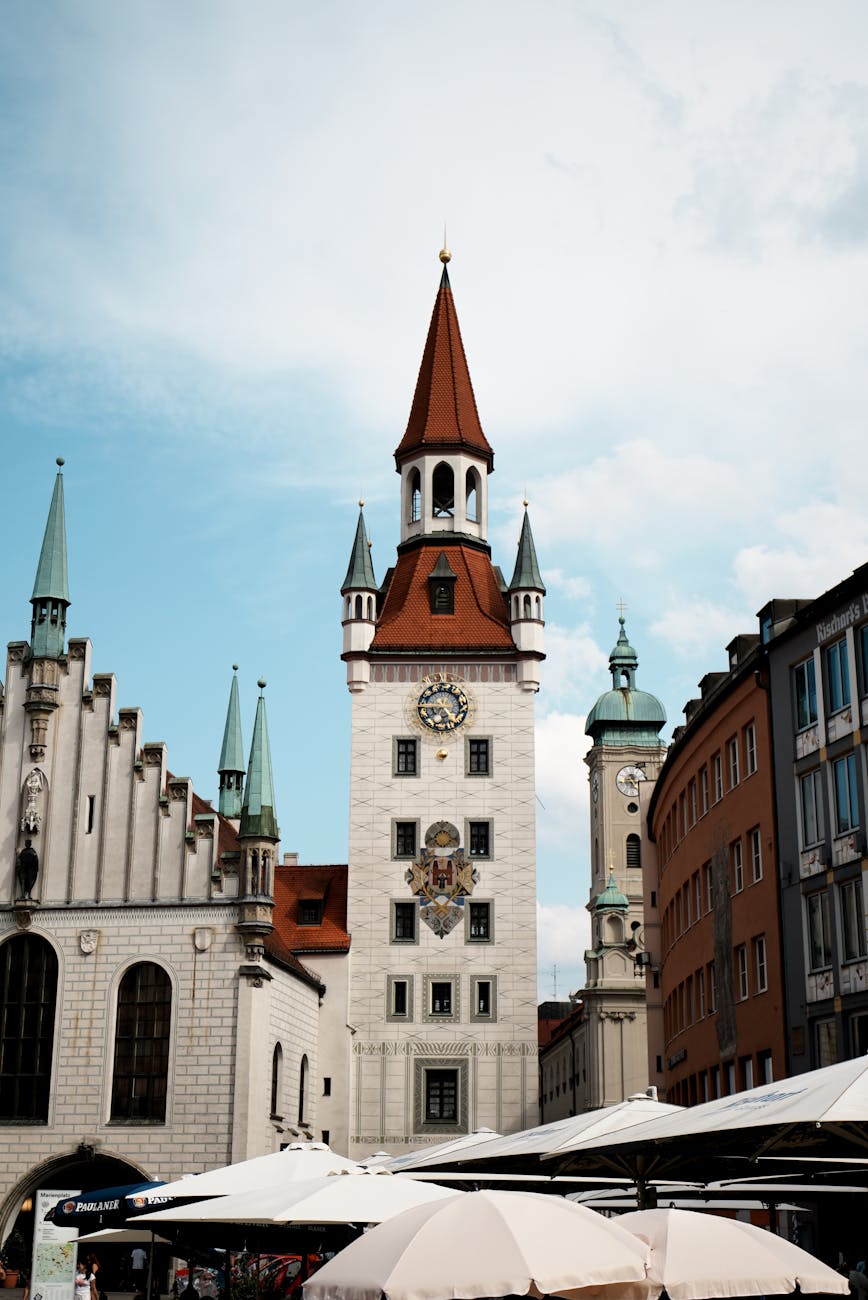
– Stroll Marienplatz and climb the Neues Rathaus tower for city orientation.
– Snack through Viktualienmarkt and sit at a neighborhood beer garden (Chinesischer Turm in Englischer Garten recommended).
– Visit one major museum (Deutsches Museum or Alte Pinakothek) and reserve ahead for special exhibits.
– Walk along the Isar and choose a half-day to relax in Englischer Garten.
– Save one day for a regional rail day trip (Augsburg, Garmisch-Partenkirchen, or Regensburg).
If you’re using the 3 days in Munchen guide, slot markets and parks into low-intensity afternoons and reserve museums or palace tours for mornings when queues are shorter.
Munchen (commonly called Munich in English) is compact, transit-friendly, and deceptively varied: historic Altstadt streets, large green spaces, world-class museums, and quick rail access to Bavarian Alps and smaller medieval towns. This support page helps you pick the right things to do for your energy level, season, and whether you’re using the main 3 days in Munchen itinerary as your backbone. Use it to slot attractions into mornings, afternoons, or day trips to nearby cities like Augsburg or Garmisch-Partenkirchen.
What This Page Helps You Decide
This page helps you prioritize activities by interest, season, and trip length so you can easily integrate them with the main 3-day Munchen itinerary.
You’ll be able to decide:
– Which neighborhoods to base yourself in (Altstadt, Maxvorstadt, Schwabing, Glockenbach).
– When to book tickets for palaces and museums.
– Whether to use a city pass or buy single tickets.
– Which day trip best matches your pace (Alps hiking vs. medieval towns vs. automotive history).
Practical tools to decide: check museum opening days (many close Monday), buy Bayern Tickets for regional trains, and reserve special tours (Nymphenburg, Residenz, official Neuschwanstein slots) in advance.
Top Recommendations
Neighborhood and attraction picks that slot well into a short itinerary:
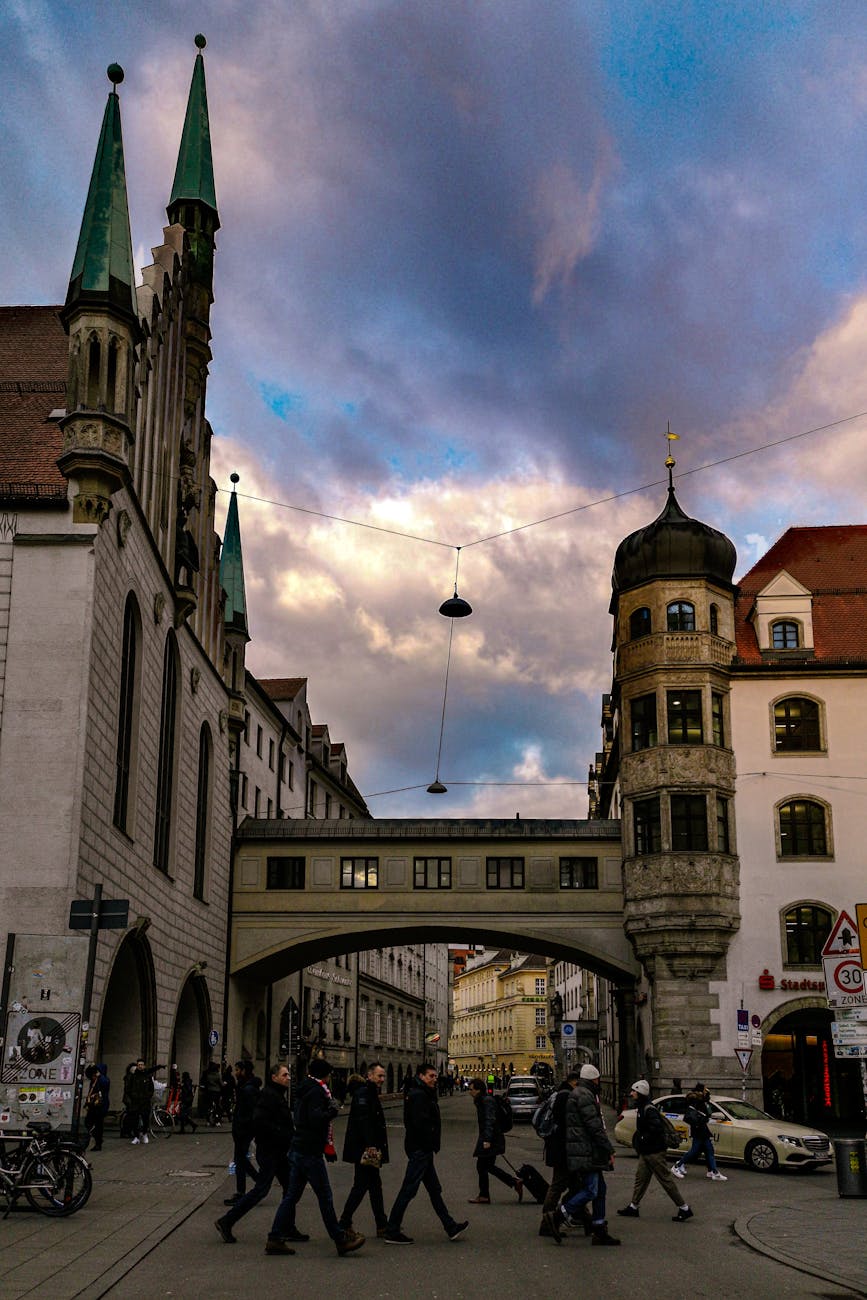
– Altstadt-Lehel: Marienplatz, Frauenkirche, Viktualienmarkt — easy first afternoon for orientation.
– Maxvorstadt (Kunstareal): Alte Pinakothek, Pinakothek der Moderne, and coffee shops near Universität — allocate a half to full day.
– Englischer Garten & Isar: walk, picnic, watch the Eisbach surfers; take a bike in warmer months.
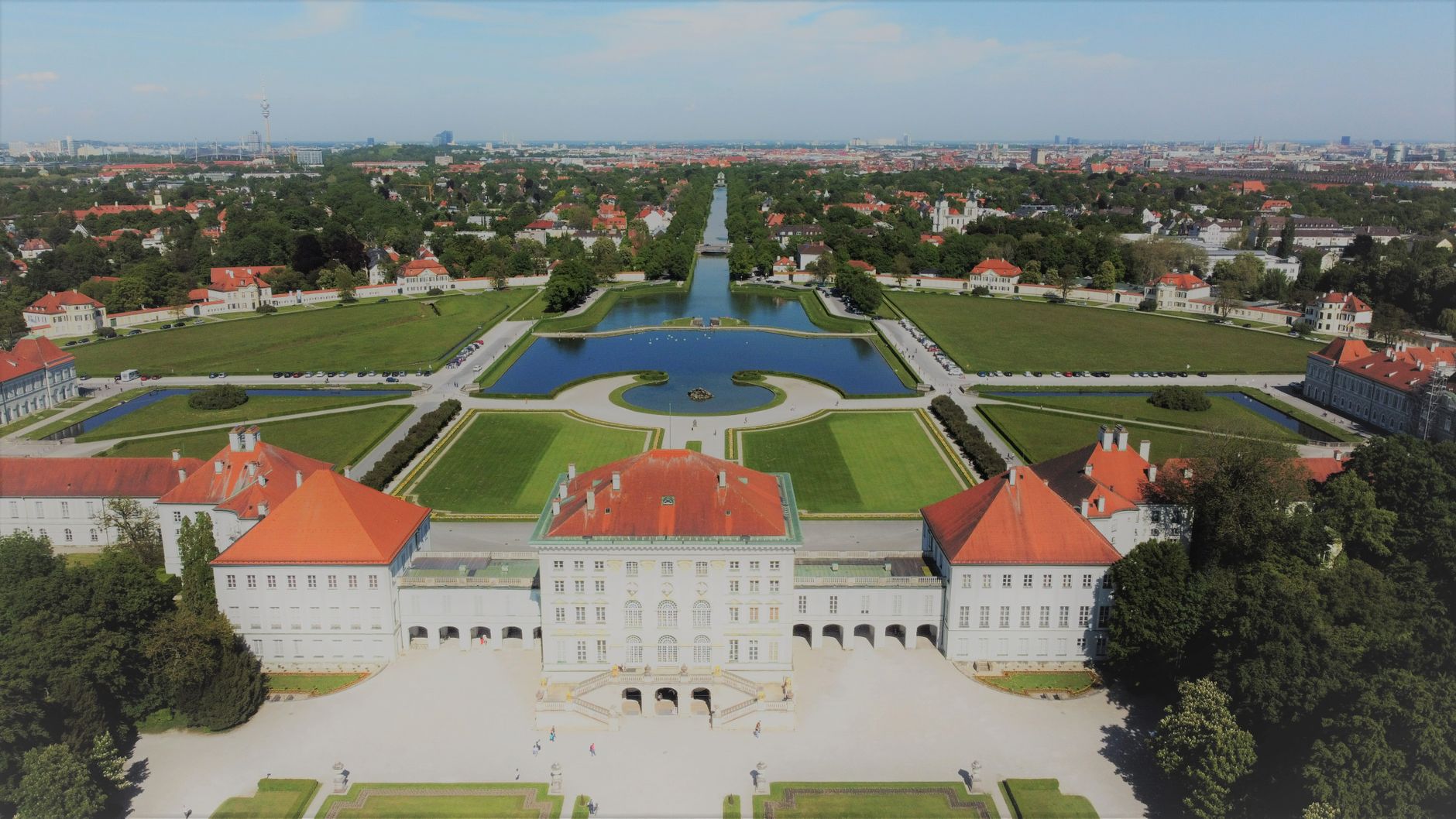
– Nymphenburg Palace and park: allow 2–3 hours for palace rooms and gardens; visit early to avoid tour groups.
– Deutsches Museum: plan 2–4 hours; book timed-entry for special exhibitions.
– BMW Welt & Museum: for automotive design fans; combine with the Olympic Park if interested in modern architecture.
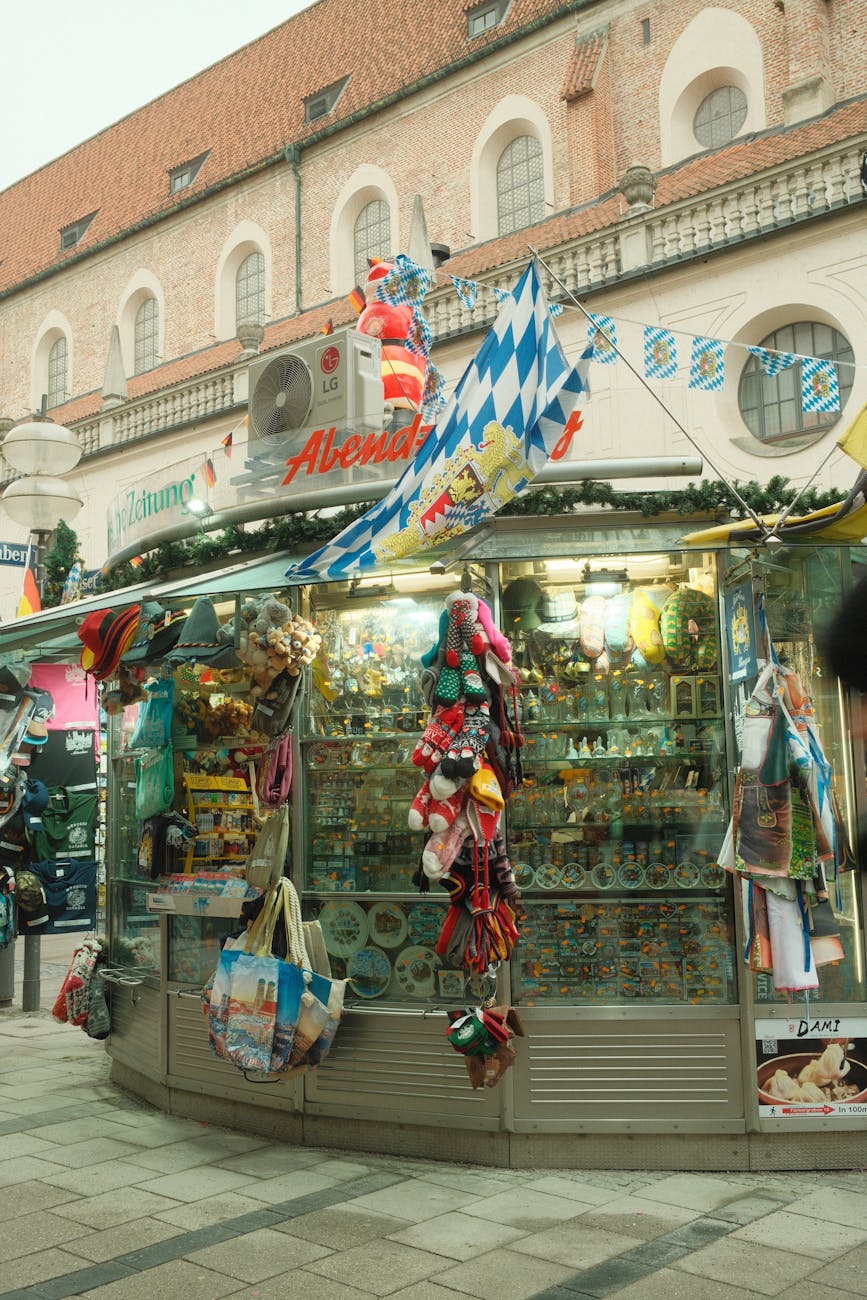
– Local food: Viktualienmarkt stalls, family-run Wirtshaus in Haidhausen or Glockenbach, and small bakeries in Schwabing. Favor market stalls and neighborhood restaurants over tourist-only spots.
Day trips (train-friendly):
– Augsburg: 30–40 minutes by regional train — Renaissance architecture and Fuggerei.
– Garmisch-Partenkirchen: 1.5–2 hours — gateway to Zugspitze and alpine trails.
– Regensburg or Nurnberg: 1–1.5 hours — well-preserved medieval centers.
– Stuttgart: 2–2.5 hours — museums and wine villages if you want a longer day.
Local Context
Neighborhoods and seasonal realities:
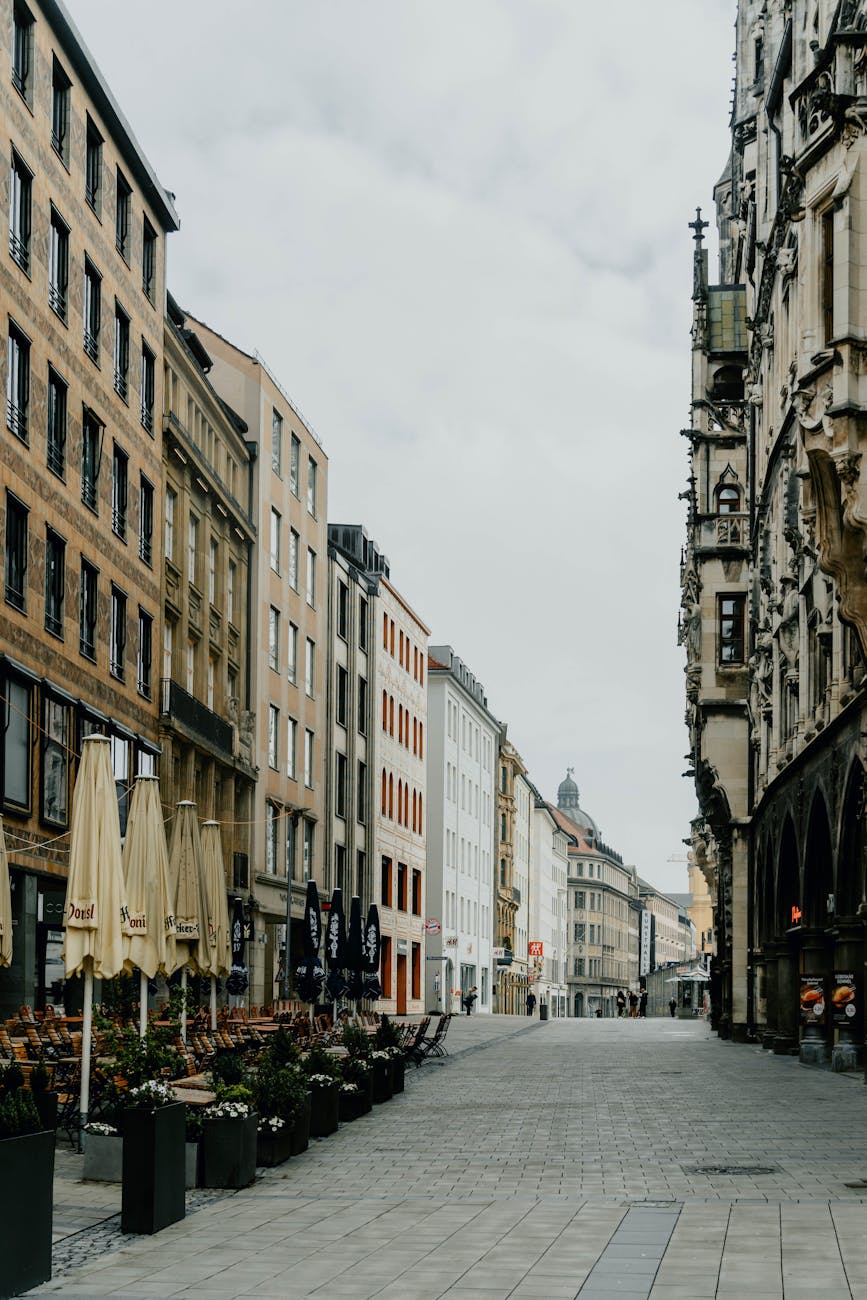
– Altstadt-Lehel: tourist core, easy walking, many churches and shops. Good for first nights but quieter at dawn.
– Maxvorstadt and Schwabing: museum cluster, student cafés, galleries — lively and good for evenings away from main tourist paths.
– Glockenbachviertel and Haidhausen: small restaurants, bars, and a more local nightlife scene.
Seasonality and crowds:
– High season (June–August) brings long daylight, busy beer gardens, and peak hotel rates.
– Oktoberfest (late Sept–early Oct) overwhelms central transport and accommodation; book months ahead if you plan to attend.
– Shoulder seasons (April–May, September excluding Oktoberfest days, and October after Oktoberfest) balance lower crowds and decent weather.
Transport realities:
– Munich’s MVV network is reliable: U-Bahn, S-Bahn, trams, and buses. The DB Navigator app helps with regional connections.
– Use Bayern Ticket for flexible regional day trips — very economical for groups.
– Cycling and walking are realistic for many neighborhoods; bring layers for variable weather.
How to Choose Well
Match activities to your pace and practical constraints.
If you have one afternoon:
– Choose Altstadt walk + Viktualienmarkt for orientation.
If you have a full day and prefer culture:
– Pick a museum in Maxvorstadt and an evening in Schwabing or Haidhausen.
If you prefer outdoors:
– Half-day in Englischer Garten + Isar walk; full-day to Garmisch-Partenkirchen for alpine hiking.
Booking and timing tips:
– Reserve timed tickets for Nymphenburg guided tours, Deutsches Museum special exhibitions, and palace rooms during high season.
– For regional day trips, buy the Bayern Ticket on the DB app the morning of travel for the best flexibility.
– Check Mondays and Sundays: many galleries and specialist shops close on Mondays; small shops often close Sundays.
Accessibility and realistic pacing:
– Many historic sites have limited accessibility; check each attraction’s accessibility page before booking.
– Prioritize fewer activities done well rather than trying to 'see it all' — this reduces transit time and supports local businesses more meaningfully.
Responsible and Local-First Tips
Support neighborhood businesses and minimize impact:
– Eat where locals eat: neighborhood Wirtshauses, Viktualienmarkt vendors, and family bakeries. Leave reviews for small places you enjoyed.
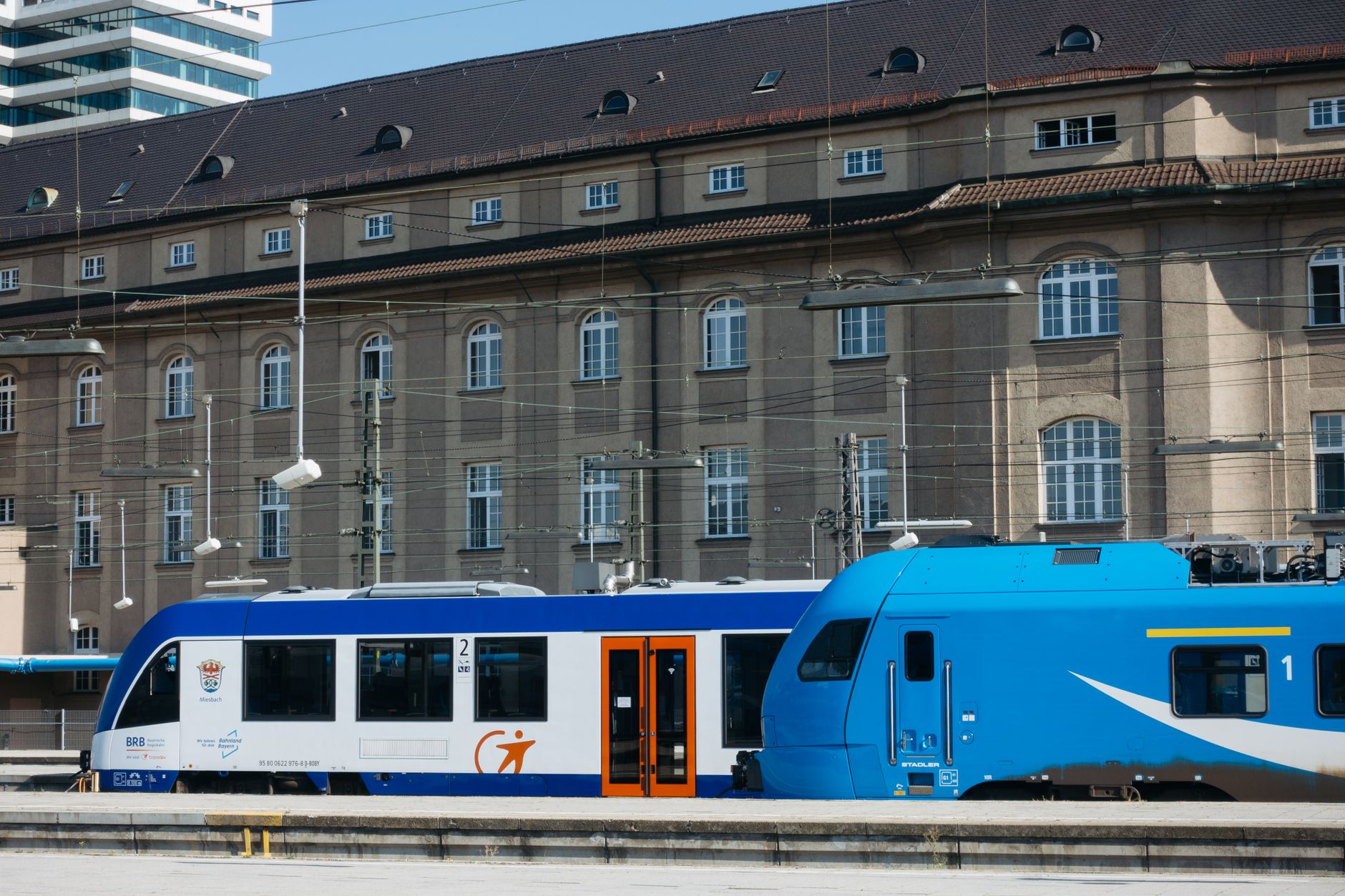
– Use public transit, regional trains, and bikes rather than rental cars; Bayern Ticket encourages low-carbon day trips.
– Reduce waste: carry a reusable bottle (Munich tap water is safe) and a reusable bag for market purchases.
– Respect etiquette: in beer gardens, find a seat and offer to share tables; order at the counter when required; tip modestly (round up or 5–10%).
– Avoid crowding sensitive places: spread visits to popular parks and museums across mornings and late afternoons, and consider shoulder-season travel to reduce peak stress on neighborhoods.
– When taking photos, be mindful of private homes, worshippers in churches, and people in public spaces; ask before photographing individuals closely.
Common Mistakes to Avoid
Practical errors visitors often make:
– Trying to visit too many museums in one day — choose one major museum and a small gallery or walking tour.
– Treating Oktoberfest like a casual stop — it requires planning, reservations, and tolerance for crowds.
– Assuming all shops are open on Sundays — plan groceries and small purchases ahead of time.
– Ignoring regional train options — point-to-point high-speed trains are unnecessary for close Bavarian day trips; the Bayern Ticket is usually cheaper and more flexible.
– Relying only on taxis — public transit is often faster and cheaper within the city.
– Not checking guided-tour languages and accessibility details before booking — many palace tours have limited English slots in peak season.
FAQ
I have only one afternoon in Munchen — what should I prioritize?
Walk Marienplatz, visit Viktualienmarkt for a market snack, then stroll to the Englischer Garten or along the Isar depending on weather. Keep plans compact so you enjoy each stop.
Is Munich safe for solo travelers?
Yes. Munich is generally safe with good public transit. Use usual urban precautions at night, watch belongings in crowded places, and stay in well-lit neighborhoods. Emergency number in Germany is 112.
Should I buy a Munich city pass?
City passes can pay off if you plan multiple paid-entry museums and public transit. For short stays, compare single tickets, the MVV day pass, and the Munich Card; for a day trip beyond Bavaria, the Bayern Ticket often provides better value.
How far in advance should I book day trips like Neuschwanstein or Zugspitze?
Book at least 4–6 weeks in high season (June–Sept) and for any special guided tours. For Zugspitze or mountain cable cars, check weather-dependent cancellations and have a flexible afternoon schedule.
Where do locals eat and avoid tourist traps?
Seek family-run Wirtshauses in Haidhausen or Glockenbach, regulars’ cafés in Schwabing, and morning pastries from neighborhood bakeries. At Viktualienmarkt choose vendors with local queues rather than stalls aimed at tourists.
Conclusion
Munchen rewards slower, local-minded travel: pick a neighborhood or two to explore deeply, book popular museum and palace tickets in advance, and use regional trains for low-impact day trips to Augsburg, Garmisch-Partenkirchen, Regensburg, Nurnberg, or Stuttgart. For a ready-made plan, use the main 3 days in Munchen itinerary as your backbone and slot in these recommendations according to your pace and season. Small choices—eating at local vendors, taking transit, and traveling in the shoulder season—help the city stay livable and enjoyable for both visitors and residents.
How this guide was prepared
This guide was prepared through a structured research that combines destination research, geographic context, itinerary planning logic, and content review.