
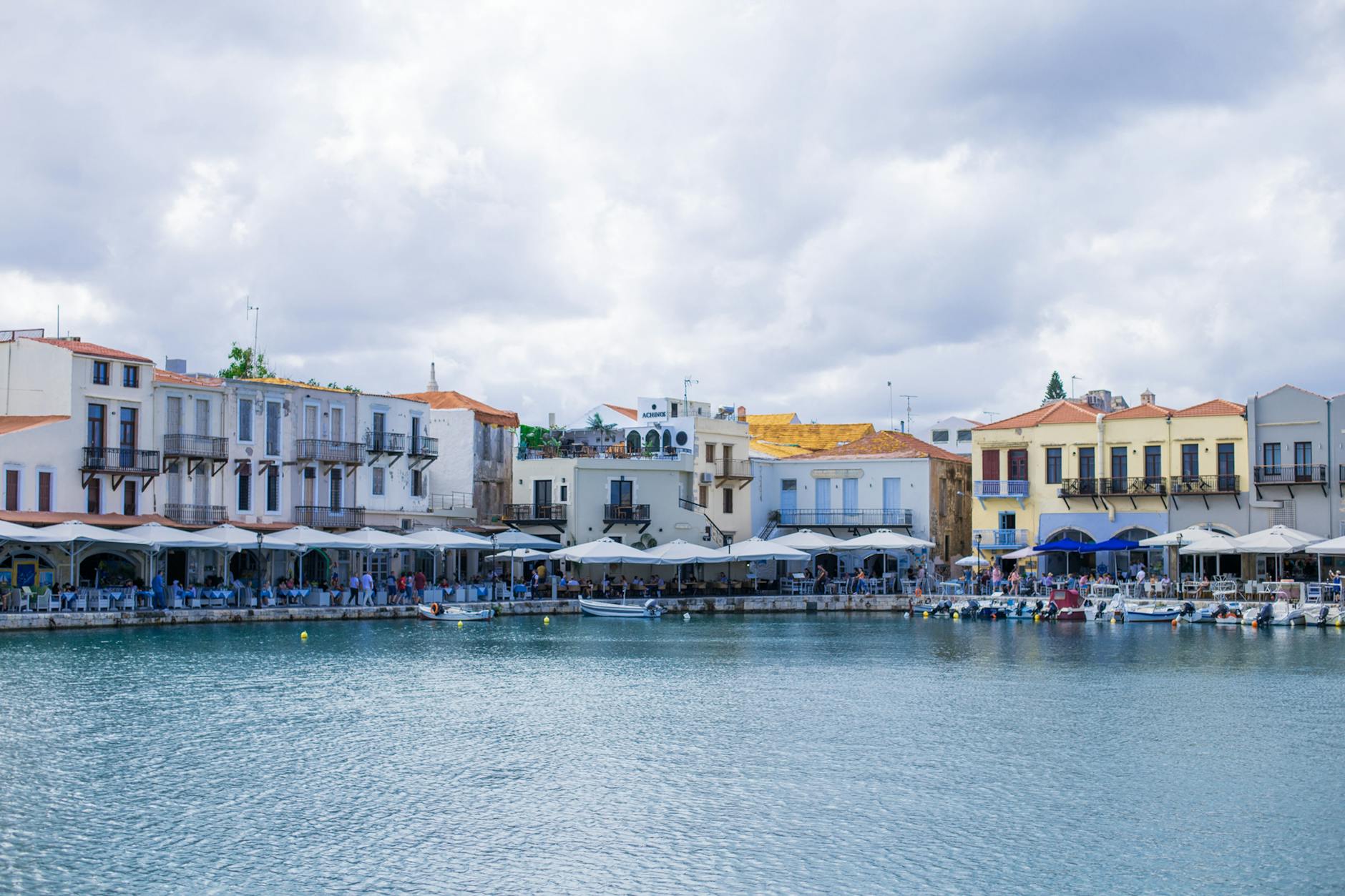
Best Things to Do in Rethymno — Practical Guide for 1–3 Days
A practical, local-first guide to Rethymno: Old Town walks, Fortezza, beaches, Arkadi Monastery and Preveli day trips, transport realities, sustainable tips and booking advice to pair with our 3 days in Rethymno itinerary.
Clear, scan-friendly recommendations for visiting Rethymno: where to walk, what to book, how to reach Arkadi and the south coast, and how to keep your visit low-impact and locally beneficial. Use with our 3 days in Rethymno itinerary for a day-by-day plan.
Quick Answer
Clear, scan-friendly recommendations for visiting Rethymno: where to walk, what to book, how to reach Arkadi and the south coast, and how to keep your visit low-impact and locally beneficial. Use with our 3 days in Rethymno itinerary for a day-by-day plan.
Who This Page Is For
This page is for travelers planning a stay in Rethymno who want clearer decisions about things to do, local logistics, timing, budgeting, and practical trip planning.
How This Page Was Prepared
This page was prepared through a structured editorial workflow that combines destination research, geographic context, and practical travel-planning review.
Plan the Rest of Your Trip
Use this page together with the full itinerary and the related planning pages below to make better booking, timing, transport, and budget decisions.
Top things to prioritize in Rethymno:
- Walk the Old Town (Splantzia, Arkadiou Street, Rimondi Fountain)
- Explore Fortezza at golden hour for views and photos
- Spend a morning on Rethymno Long Beach (swim, rent a sunbed)
- Half-day to Arkadi Monastery and the Amari valley
- Day trip to Preveli Palm Beach (boat or hike) on the south coast
- Visit the municipal market and pick a family-run taverna for dinner
Pair these choices with the steps in our 3 days in Rethymno guide to structure mornings and late afternoons to avoid mid-day heat and crowds.
Rethymno blends a compact Venetian and Ottoman Old Town with a long sandy beachfront and easy access to dramatic inland and southern-coast sights. This page lists the best things to do, practical transport and seasonal notes, and local-first tips to help you slot activities into a 3-day or shorter itinerary. If you want a ready-made plan, see our 3 days in Rethymno itinerary for a day-by-day schedule you can adapt.
What This Page Helps You Decide
Use this page to choose activities that match your schedule and interests: history, beach time, active nature or slow food. It helps you decide:
- Which sights to do yourself and which to book as guided tours
- When to use public buses vs renting a car for day trips
- How to pace visits so you can combine Old Town and a beach on the same day without rushing
If you plan multiple days, our 3 days in Rethymno itinerary shows a tested sequence that minimizes travel time and supports local businesses. For onward travel, Rethymno links well by bus to Chania and Heraklion and is a practical base for day trips to Arkadi and the south coast; use Chania or Heraklion pages for longer onward routes to Piraeus, Athens or ferry connections to Kos.
Top Recommendations
Prioritized activities with practical notes:
- Old Town walking loop (1.5–3 hours): Start at the Venetian Harbor, pass Rimondi Fountain, explore Splantzia’s quiet alleys and end at Fortezza. Consider a 90-minute guided walking tour if you want local history.
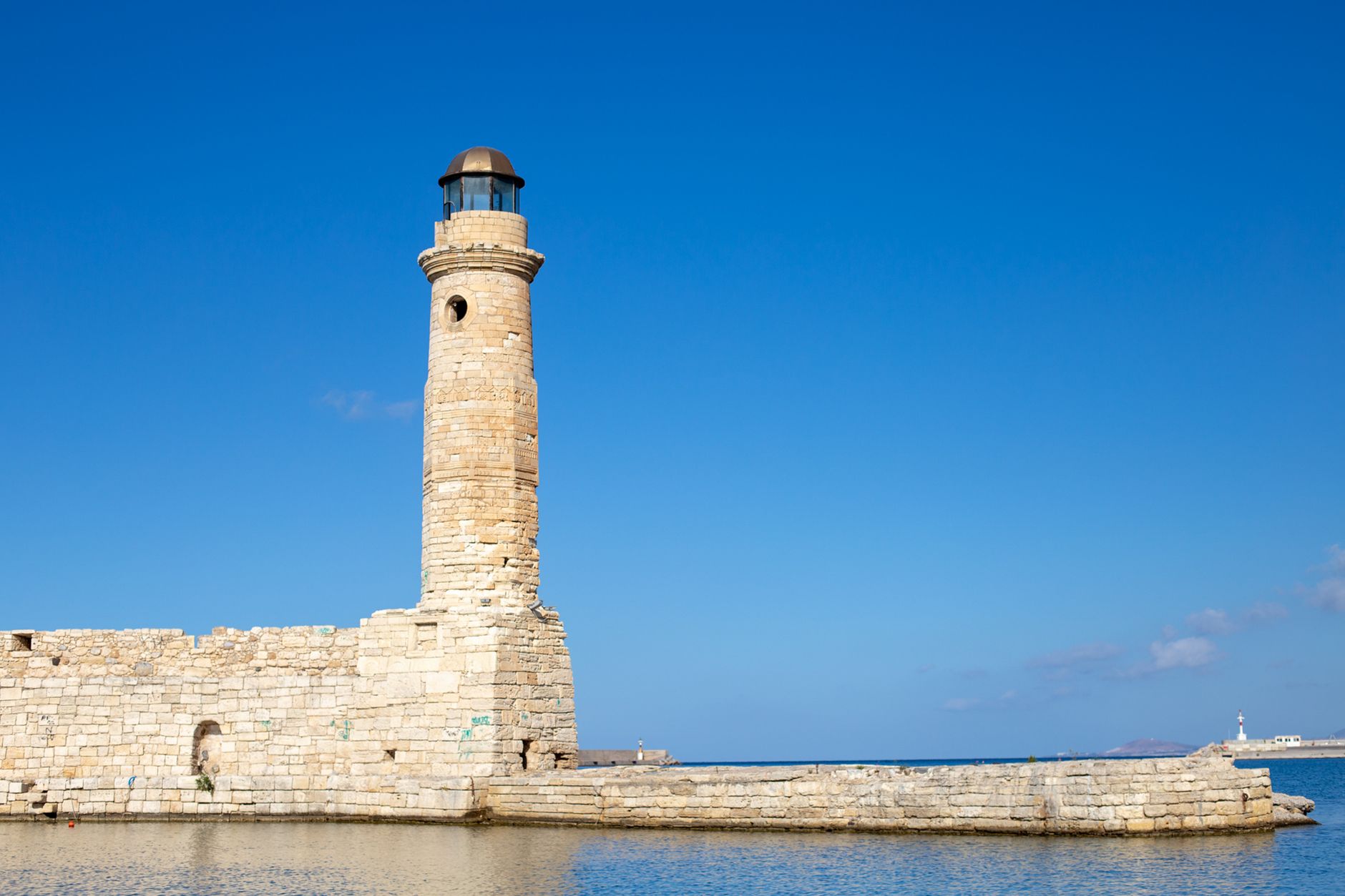
- Fortezza (45–90 minutes): Best at sunset for light and cooler temperatures. Buy tickets at the gate; ticket offices can close early off-season.
- Rethymno Long Beach (half day): Promenade is flat and easy for families and cyclists. Rent sunbeds from a local operator to support small businesses; bring shade and water in high summer.
- Arkadi Monastery (half day): 20–30 km inland, accessible by rental car or KTEL bus on specific services. Dress respectfully for the monastery; combine with a lunch in a nearby village.
- Preveli Palm Beach (full day): Reachable by boat from Plakias/Agia Galini in season or by a steep hike from above. Book boat or guide, carry water, and respect protected areas in the palm forest.
- Food & market crawl (1–2 hours): Visit the municipal market for olives, cheeses and baked goods, then a family taverna for homemade meze and raki.
- Short active options: rent a bike for the seafront, join a small-group hike in the Kourtaliotiko/Amari area, or a kayak trip near the coast.
Booking tips: reserve boat transfers and popular guided tours in April–June and Sept; in July–Aug book everything earlier. Use local operators listed in the 3 days in Rethymno guide to keep money in the community.

Local Context
Neighborhoods and rhythms:
- Old Town (centred on Arkadiou Street and Rimondi Fountain): narrow lanes, independent shops, cafés and family-run guesthouses. Expect cobbles and low-speed pedestrian traffic.
- Splantzia: a quieter square with a bohemian feel and authentic tavernas.
- Seafront and Long Beach: modern promenade, bike rentals and sunbed vendors. Livelier in July–August; quieter shoulder seasons.
Seasonal patterns:
- Shoulder seasons (April–June, September–October) offer cooler weather, fewer crowds, and many businesses open.
- July–August is busiest and hottest; book accommodations, car rentals and boat trips well in advance.
Transport realities:
- KTEL buses connect Rethymno with Chania, Heraklion, Arkadi and some south-coast villages; schedules are less frequent on weekends and off-season.
- Renting a car is useful for Arkadi, Preveli and small villages but avoid driving into the narrow Old Town—park at official parking and walk in.
- There is limited ferry service directly from Rethymno; use Heraklion or Chania ferries for island hops to Piraeus or Kos.

How to Choose Well
Match activities to your time and energy:
- 1 day: Old Town + Fortezza + short beach stop on the promenade. Focus on close-in sights and a relaxed meal.
- 2–3 days: Add Arkadi Monastery and a south-coast excursion to Preveli or Plakias. Use day 2 for a longer nature trip and day 3 for food, markets and a beach morning.
Consider mobility and family needs:
- Old Town has cobbles and steps—light shoes help. Strollers can be difficult in narrow lanes.
- Beaches and the promenade are family-friendly and largely accessible.
Choose transport carefully:
- Use KTEL for linear travel (Rethymno↔Chania/Heraklion) and book taxis or a local driver for flexible half-days.
- Rent a compact car only if you plan to visit Arkadi and the south coast; park outside the Old Town to avoid fines.
If you like structure, follow the 3 days in Rethymno companion guide and swap activities between days depending on weather and local events.

Responsible and Local-First Tips
Simple ways to keep your visit low-impact and locally beneficial:
- Eat and drink at family-run tavernas and bakeries rather than international chains.
- Buy produce, olive oil and honey at the municipal market to support local producers.
- Prefer bus, bike or walking within town; use a single local driver for remote day trips instead of multiple taxis.
- Avoid single-use plastics: carry a refillable bottle and ask for tap water if safe; many tavernas will provide filtered water.
- In sensitive natural areas (Preveli palm forest, dunes): stick to marked paths, avoid trampling vegetation, and take all litter back with you.
- Respect religious sites: dress modestly at Arkadi Monastery and keep voices low during services.
These choices keep revenue in Rethymno and protect the landscapes you came to enjoy.

Common Mistakes to Avoid
Watch out for these common errors:
- Trying to see Old Town, Fortezza, Arkadi and Preveli in one day—spread those over two days or more.
- Driving into the Old Town—park at official lots and walk in.
- Assuming frequent buses to south-coast beaches—book boat transfers or plan a car for those trips.
- Eating only on the harbor: venture two or three streets in to find better value and more authentic menus.
- Visiting Preveli without water, sun protection or proper footwear—the trails can be steep and hot.
- Expecting island-style ferries from Rethymno—use Chania or Heraklion for most inter-island services.
FAQ
How many days do I need in Rethymno?
For a relaxed visit that includes the Old Town, Fortezza, one full beach day and a half-day trip (Arkadi or Preveli) plan 2–3 days. Use the 3 days in Rethymno itinerary to distribute these activities.
What’s the best time to visit?
Shoulder seasons—April to early June and September to October—combine mild weather, lower crowds and many businesses open. July and August are hot and busy; book early.
Can I do Arkadi Monastery and Preveli in one day?
It’s possible but rushed. Arkadi (inland) and Preveli (south coast) are in different directions; better to pick one per day or hire a full-day private driver.
How do I get to Rethymno from Chania or Heraklion?
Regular KTEL buses run between Rethymno and both Chania and Heraklion; journey time is roughly 1–1.5 hours from either city. Check the KTEL Rethymno timetable for seasonal changes.
Is Rethymno good for families?
Yes. The long sandy beach and calm promenade are family-friendly; choose family-run hotels with sea access and avoid steep Old Town streets with small children at peak sun hours.
Do places accept cards or should I carry cash?
Many restaurants and shops accept cards, but small vendors, markets and some tavernas prefer cash. Carry small-denomination euros for markets and tips.
How can I book sustainable tours and keep my trip local?
Book with small local operators (look for local guides in the 3 days in Rethymno guide), choose group sizes under 12 for hikes, and prioritize family-run services and seasonal produce in eateries.
Conclusion
Rethymno rewards slow travel: set aside time to wander the Old Town, enjoy the beach without rushing, and add one longer day to visit Arkadi or Preveli. Use public transport where practical, book sensitive tours in advance during high season, and favor local businesses to ensure your visit supports the community. When you’re ready to slot these choices into a plan, check the 3 days in Rethymno itinerary for a practical day-by-day layout and nearby connections to Chania, Agios Nikolaos, Heraklion, Piraeus and Kos.
How this guide was prepared
This guide was prepared through a structured research that combines destination research, geographic context, itinerary planning logic, and content review.