
Best Things to Do in Rome — Practical, Local-First Guide
An easy-to-scan support guide for choosing the best things to do in Rome while you plan a 3-day itinerary. Practical tips on neighborhoods, transport, bookings, sustainable choices and smart day trips to Orvieto, Assisi, Perugia, Cortona and Ischia.
Best things to do if you have limited time: 1) Morning at the Colosseum, Roman Forum and Palatine Hill (prebook timed tickets). 2) Afternoon and evening in Trastevere and Campo de' Fiori for food and atmosphere. 3) One Vatican morning (Vatican Museums + St. Peter's; reserve the earliest slot). 4) Stroll from the Pantheon to Piazza Navona and the Trevi Fountain at quieter hours (early morning or late evening).
If you want a slower rhythm, swap one museum visit for Villa Borghese gardens, a neighborhood market, and an evening aperitivo in Testaccio. For day trips, the main itinerary pairs well with Orvieto, Assisi, Perugia, Cortona or an island day to Ischia—look for regional trains and ferries for lower-impact travel.
This page is a practical companion to the main 3 days in Rome itinerary. It helps you pick which historic sites, neighborhoods and local experiences fit your pace, season and values. Expect clear booking advice, transport realities, neighborhood notes and sustainable choices so your short stay supports local people and limits impact.
What This Page Helps You Decide
Choose how to spend your time based on energy, interests and season. Use this page to:
- Prioritize: decide between ancient Rome, Vatican collections, neighborhood life, and a slower park day.
- Book smart: understand which tickets sell out and when to reserve (Vatican, Colosseum, Galleria Borghese).
- Travel sustainably: favor walking, public transit, and nearby day trips rather than long coach tours.
- Connect with local economy: pick markets, family-run trattorie, and small tours led by licensed local guides.
If you want a ready-made plan, open the main 3 days in Rome itinerary and then return here for substitutions or low-impact alternatives and day-trip links to Orvieto, Assisi, Perugia, Cortona and Ischia.
Top Recommendations
Essential experiences with practical tips:
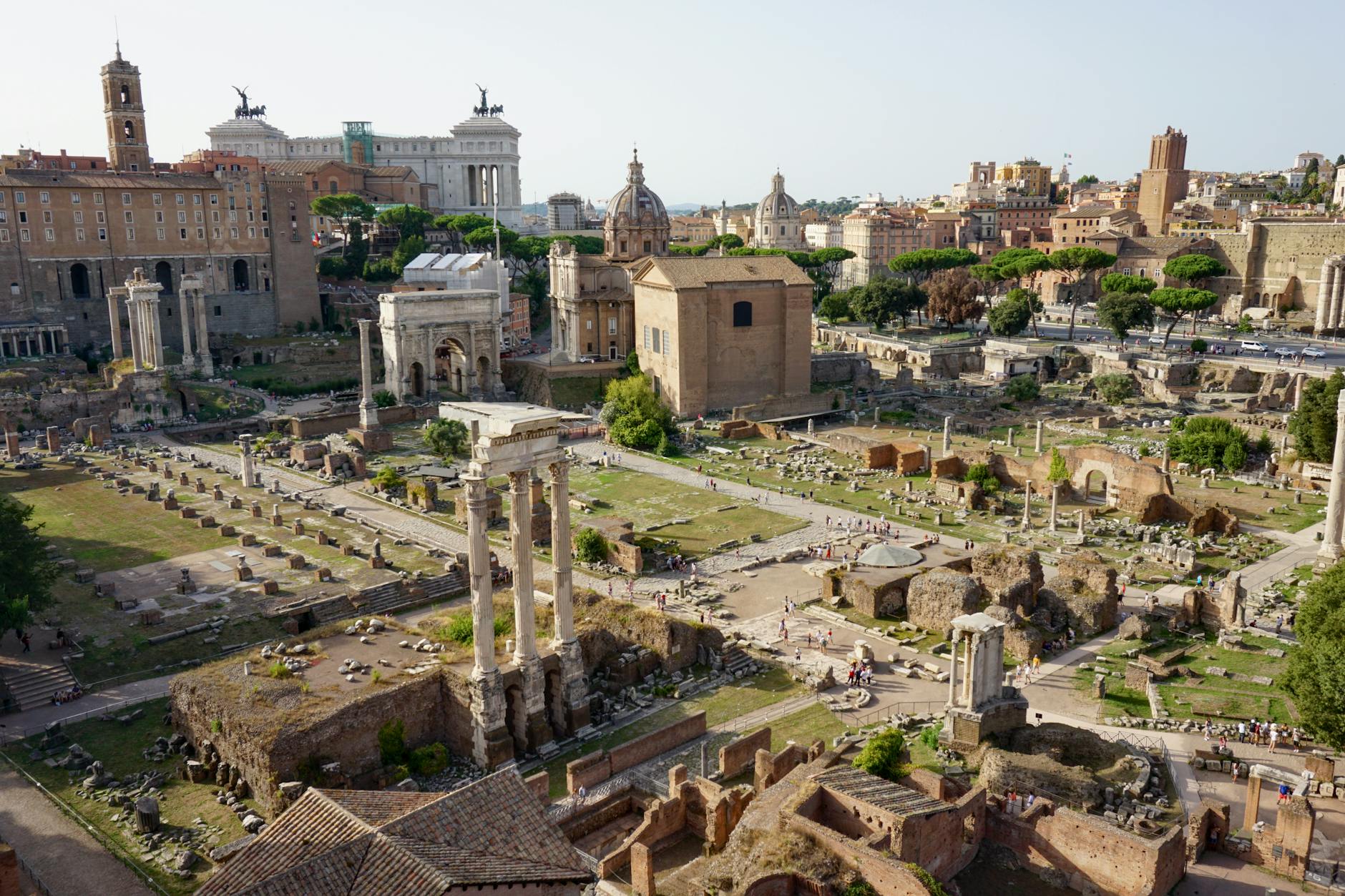
- Colosseum + Roman Forum + Palatine Hill: Book timed-entry tickets (official site or trusted resellers). Mornings are cooler and less crowded. Combine with a short walking tour to understand the layers of the city.
- Vatican Museums and Sistine Chapel: Reserve the earliest time slot or a late slot; note security checks and modest dress for churches.
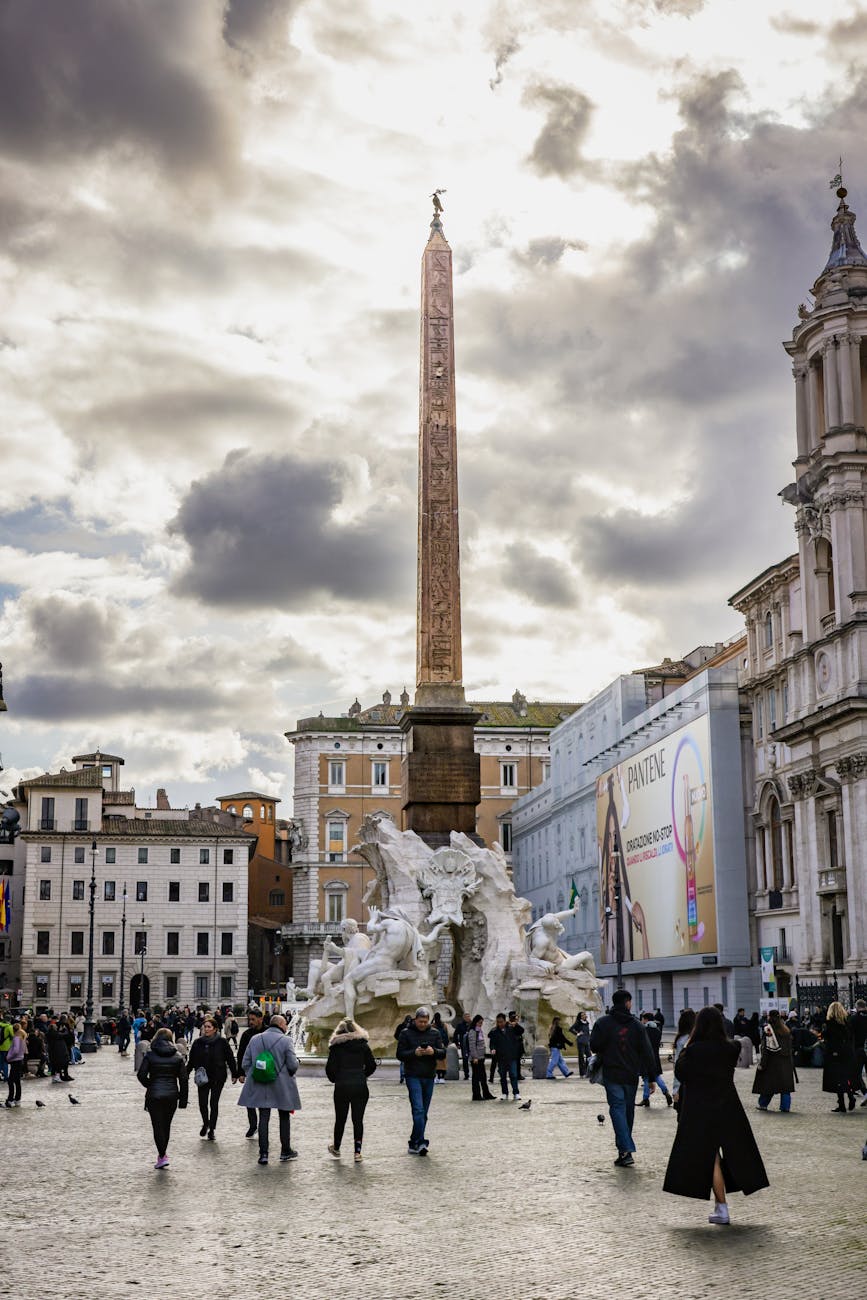
- Pantheon and Piazza Navona: Go very early to enjoy the piazzas with fewer vendors. Coffee at a nearby bar is Italian life in microcosm.
- Trastevere: Evening food scene, small trattorie, and artisan shops. Explore the quiet lanes by day and the lively squares after sunset.
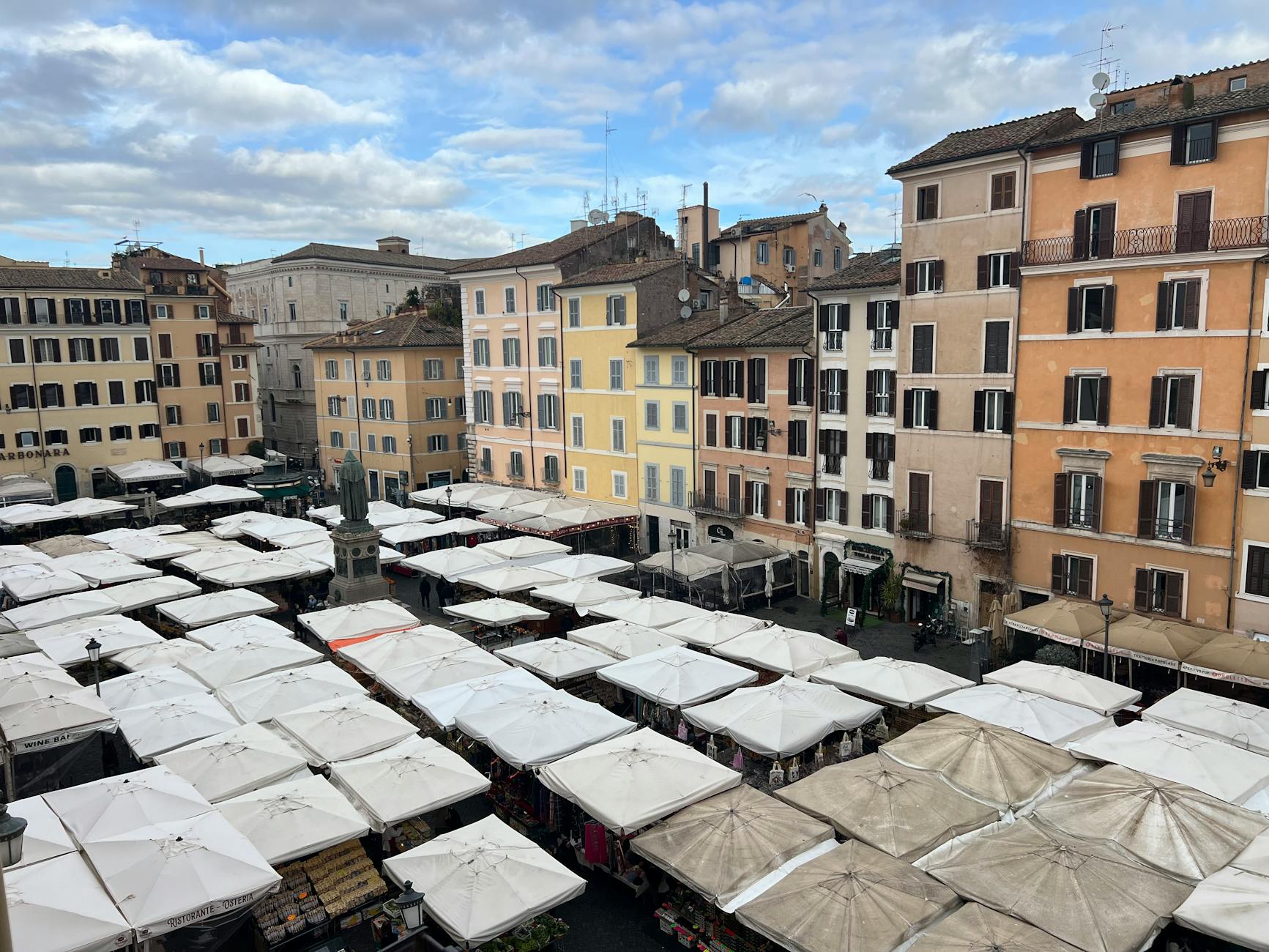
- Campo de' Fiori market: Morning vegetable and flower market—shop from local vendors and bring reusable bags.
- Testaccio: For real Roman food away from tourist traps—book a pasta cooking class or a market-and-food-tour with a local chef.
- Villa Borghese and Galleria Borghese: Book the gallery in advance; rent a bike or rowboat in the gardens for a relaxed afternoon.
- Appian Way and Baths of Caracalla: Walk or bike a stretch of the Appian Way for Roman roadscape and fewer crowds.
- Nighttime passeggiata along the Tiber and Gianicolo viewpoint: peaceful city views and local perfume of jasmine in season.
Booking and timing tips:
– Reserve Vatican and Colosseum tickets weeks to months ahead in high season.
– Galleria Borghese often sells slots early; plan 30+ days ahead in summer.
– Use early mornings or late afternoons to avoid peak crowds and heat (June–August can be hot).
– Pay for official guided tours run by licensed local guides to keep revenue local.
Local Context
Neighborhoods and transport realities:
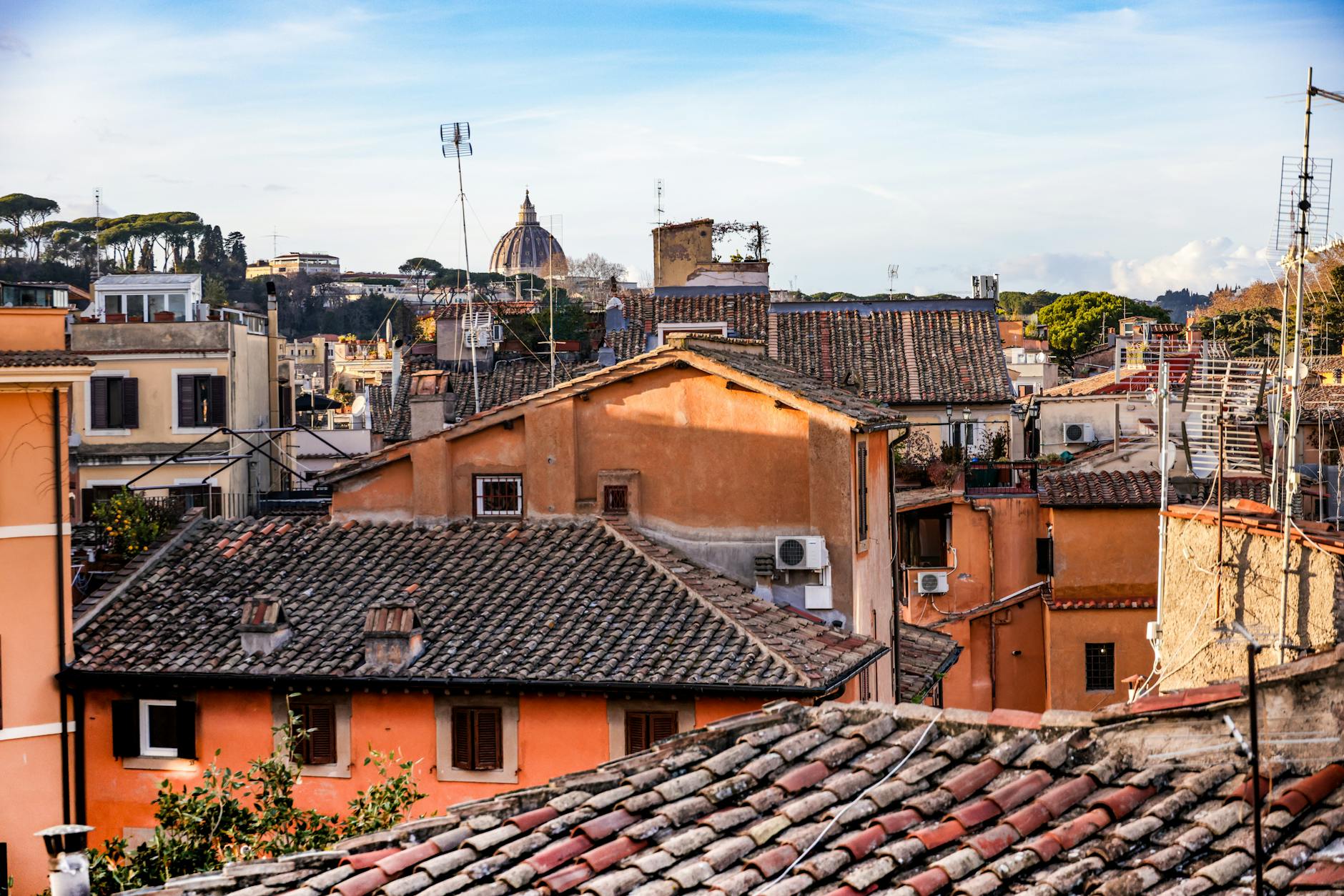
- Centro Storico (Pantheon, Navona, Trevi): best explored on foot; narrow streets and cobbles mean comfortable shoes. Many small shops close mid-afternoon for a short break.
- Trastevere and Testaccio: lively evenings and authentic food scenes; quieter during weekday afternoons.
- Prati: near the Vatican with wide streets and bakeries; good for overnight stays if you want early Vatican access.
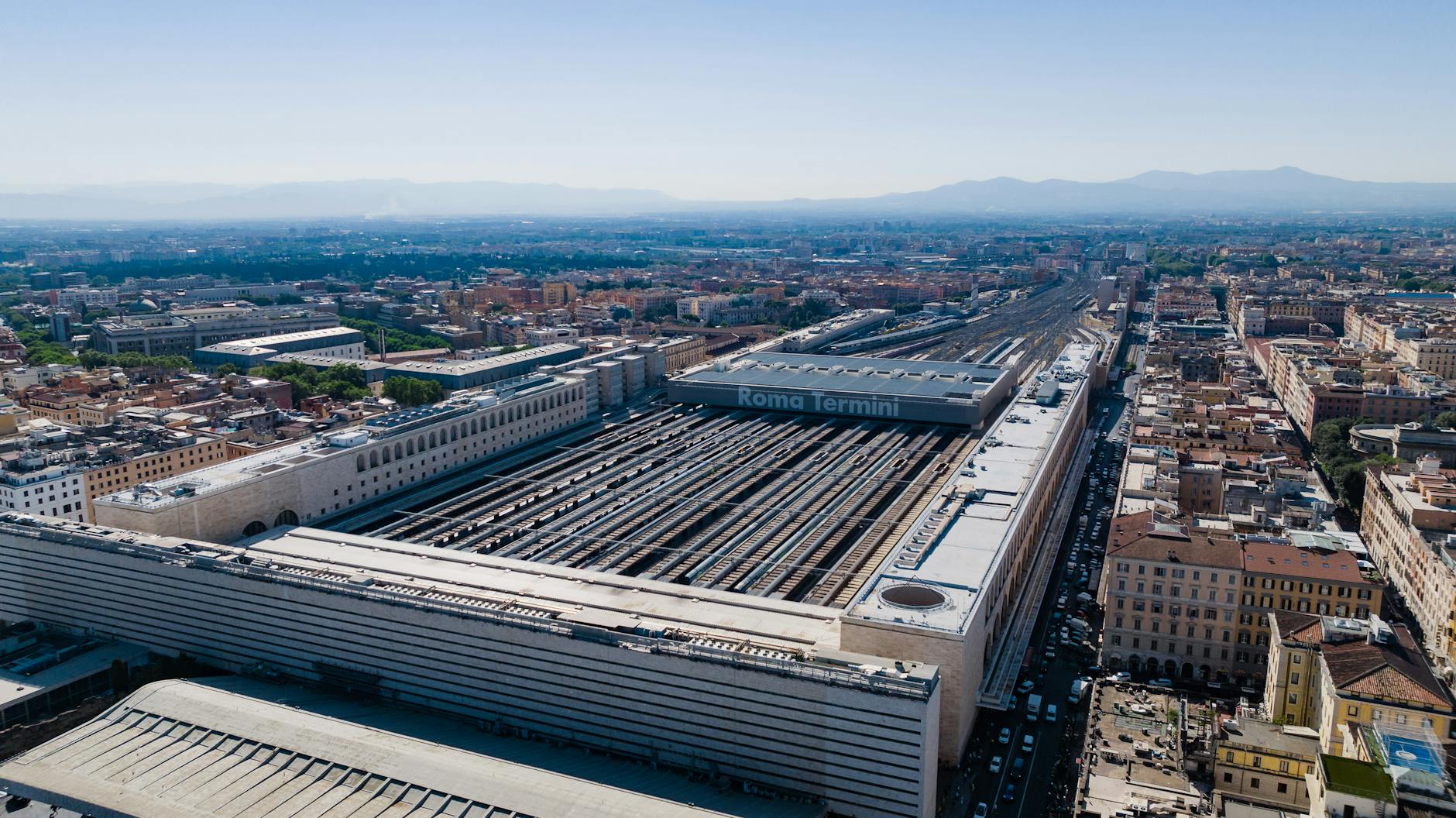
- Termini area: transport hub with trains, buses and metro connections; convenient but choose accommodations carefully if you prefer quieter nights.
Transport notes:
– Rome's metro has three lines (A, B, C) but doesn't reach everything—buses and trams fill gaps. Expect delays during strikes; always check schedules.
– Walking is often the fastest way inside the historic center. Be prepared for steep inclines around hills like Capitoline and Gianicolo.
– From airports: Leonardo Express (Fiumicino to Termini) is fastest and reliable; regional trains and buses are cheaper but slower.
Seasonality:
– Shoulder seasons (April–May, September–October) offer cooler weather, fewer crowds, and better local prices. Summer brings heat and school holiday crowds; winter is quieter but some attractions reduce hours.
Local etiquette:
– Dress respectfully for churches (shoulders and knees covered). Speak a few Italian greetings—Buongiorno and Grazie go a long way. Tipping is modest—round up or leave 5–10% for exceptional service.
How to Choose Well
Decide by interest and stamina:
- If you love archaeology: prioritize the Colosseum complex, Capitoline Museums and Appian Way.
- If you prefer art: plan a Vatican morning and the Galleria Borghese; allow time to sit and absorb, not rush.
- For food and neighborhoods: allocate a slow afternoon in Testaccio and an evening in Trastevere.
- For families: mix a shorter museum visit with Villa Borghese and a gelato break; choose stroller-friendly routes and plan rest stops.
Accessibility and booking tips:
– Many ancient sites have limited step-free access. Contact sites in advance for wheelchair information and to arrange assistance.
– Buy official tickets from museum websites where possible; beware third-party resellers with hefty added fees. Keep confirmation emails and ID handy.
– Consider a Roma Pass or integrated ticket only after checking current offers—sometimes point-to-point tickets plus transport passes are cheaper.
Responsible and Local-First Tips
Make your visit benefit locals and reduce impact:
- Support small businesses: eat at family-run trattorie, buy gelato from independent shops, and purchase crafts from neighborhood artisans.
- Refill and reuse: carry a reusable water bottle and use Rome’s public drinking fountains (nasoni) instead of single-use plastic.
- Prefer public transit or walking: avoid unnecessary taxi use and large coach tours that stress historic streets.
- Book small-group experiences with licensed local guides: more earnings stay in the community and tours are easier on fragile sites.
- Respect places of worship and neighbors: keep noise low in residential lanes, and follow posted rules at archaeological sites.
- Low-impact day trips: choose regional trains to Orvieto, Assisi, Perugia, Cortona and ferries to Ischia when possible rather than private tourist buses.
Common Mistakes to Avoid
Frequent pitfalls and how to avoid them:
- Trying to see everything: Rome rewards slow exploration; cut one museum and enjoy a neighborhood instead.
- Not booking key tickets: Vatican, Colosseum and Galleria Borghese can sell out—reserve ahead, especially in high season.
- Eating next to major monuments: restaurants near tourist sights are often overpriced; walk two blocks for better food and prices.
- Underestimating walking: cobbles and hills slow you down—allow extra time between sites.
- Relying only on the metro: some historic areas have no direct metro stops; learn the bus routes or plan more walking.
- Forgetting local hours: many small museums and shops close one afternoon a week or for siesta; check opening days before you go.
FAQ
How should I fit these highlights into a 3-day plan?
Follow the main 3 days in Rome itinerary for a balanced day-by-day plan, then use this page to swap museum-heavy mornings for neighborhood afternoons, or to add a slow day in Villa Borghese. If you prefer one day for a nearby town, choose Orvieto or Cortona for easy regional train connections.
Do I need to prebook tickets?
Yes for the Vatican Museums, Colosseum (including underground or arena floor options), and Galleria Borghese. Book through official sites or licensed tour operators. In shoulder season you can sometimes secure last-minute slots, but do not rely on it.
How do I get from the airports to the city center?
From Fiumicino (FCO): Leonardo Express train to Roma Termini (~32 minutes) or regional FL1 trains and buses for lower cost. From Ciampino (CIA): regular buses to Termini or regional buses; rideshares and taxis are available but pricier. Always check strike notices and real-time schedules.
Is Rome safe for solo travelers?
Rome is generally safe but pickpocketing is common in crowded areas and on crowded buses. Keep valuables secure, use a money belt or front pocket, and stay alert on public transport and at major attractions.
Can I visit Orvieto, Assisi, Perugia, Cortona or Ischia as day trips?
Yes. Orvieto and Perugia are straightforward by regional train; Assisi requires a short bus or train connection. Cortona is easiest by regional train to nearby Terontola plus a short bus or taxi. Ischia requires a train to Naples and a ferry—start early for a feasible day trip. Prefer regional trains and ferries over coach tours for lower environmental impact.
What about accessibility?
Many historic sites have limited accessibility due to stairs and narrow passages. Contact museums and sites in advance to request accessibility info or assistance. Plan routes that avoid steep staircases if mobility is a concern.
How should I behave in churches and religious sites?
Dress modestly (covered shoulders and knees). Keep voices low, switch phones to silent, and follow photography rules. Donations are appreciated but not required.
Conclusion
Use this guide to make quick, practical choices that match your energy, interests and values. Book high-demand sites early, favor walking and public transit, and let at least one afternoon be unstructured to enjoy local life. For a ready itinerary, consult the main 3 days in Rome plan and return here to swap in a neighborhood meal, a market visit, or a low-impact day trip to Orvieto, Assisi, Perugia, Cortona or Ischia.
Plan the Rest of Your Trip
This page works best alongside the main itinerary and the other planning pages for Rome.