

Realistic 3-Day Itinerary for Rome: Practical City Guide
A practical 3-day Rome plan covering Vatican and Colosseum visits, neighbourhood walks, transport tips, expected costs, and what to drop if short on time.
Three days here lets a traveler see the Vatican and Colosseum, walk central neighbourhoods, sample key dishes, and leave with manageable energy rather than exhaustion.
A visit here alternates between extremely crowded tourist arteries and surprisingly calm side streets. Expect long security queues at major monuments, noisy scooters by late afternoon, and neighbourhood trattorie where conversation drowns out guidebook-speak.
First impressions are often a mix of awe and irritation: the scale of ancient sites is impressive, but practical details — timed entries, strike days for transit, and buses that change routes — matter more than glossy photos. This environment suits travellers who accept some wait time in return for seeing major monuments, and who plan by neighbourhood rather than by ticking off lists.
Preconceptions that everything is a short walk apart are misleading; distances between the Vatican, Colosseum and Termini are walkable but not trivial with luggage. For three days, focus on the core: Vatican area, Centro Storico around the Pantheon and Piazza Navona, and an evening into Trastevere or Villa Borghese for green space and a slower pace.
Is 3 days in Rome enough?
Three days are enough to see the Vatican Museums, St Peter's, the Colosseum, the Roman Forum, the Pantheon and some neighbourhood wandering if time is managed. The caveat: museums and slower lines (Vatican Museums and Borghese Gallery) will require timed tickets or skip choices if the schedule is tight.
Who This Guide Is For
Best for first-time visitors who want a mix of major sights and local neighbourhoods on a moderate budget. Not ideal for travellers who want to deep-dive into archaeology or multiple full-day museum lists.
Local Tips for Rome
Practical details that most travel sites skip — specific to Rome.
- Buy an ATAC single ticket (BIT) for €1.50 at tabacchi or machines; it’s valid 100 minutes on metro, tram and buses but not for return trips. Validate on boarding.
- The fixed taxi fare from Fiumicino (Leonardo da Vinci) to inside the Aurelian Walls is €48 (daytime); insist on the flat-rate and check receipt which lists the route.
- Ottaviano–San Pietro (Metro A) is the closest stop for St Peter’s and the Vatican; get there early to avoid long queues at security.
- The ZTL (restricted traffic zone) signs around Centro Storico and Trastevere are enforced by cameras; rental cars entering ZTL without a permit trigger fines later.
- Buy timed-entry tickets for the Borghese Gallery (Galleria Borghese, Villa Borghese) in advance; sessions last 2 hours and tickets often sell out a week ahead in high season.
How This Guide Was Prepared
This guide treats Rome as a working city with crowded peak sites and quiet residential corners rather than an idealised museum. Many guides cram every monument into one day; this one prioritises realistic pacing, transit moves, and where queues matter. This guide was prepared through a structured research that combines destination research, geographic context, itinerary planning logic, and content review.
Plan Your Stay in Rome
Use these planning pages to compare areas to stay, expected costs, seasonal timing, and local transport before booking.
Why Visit
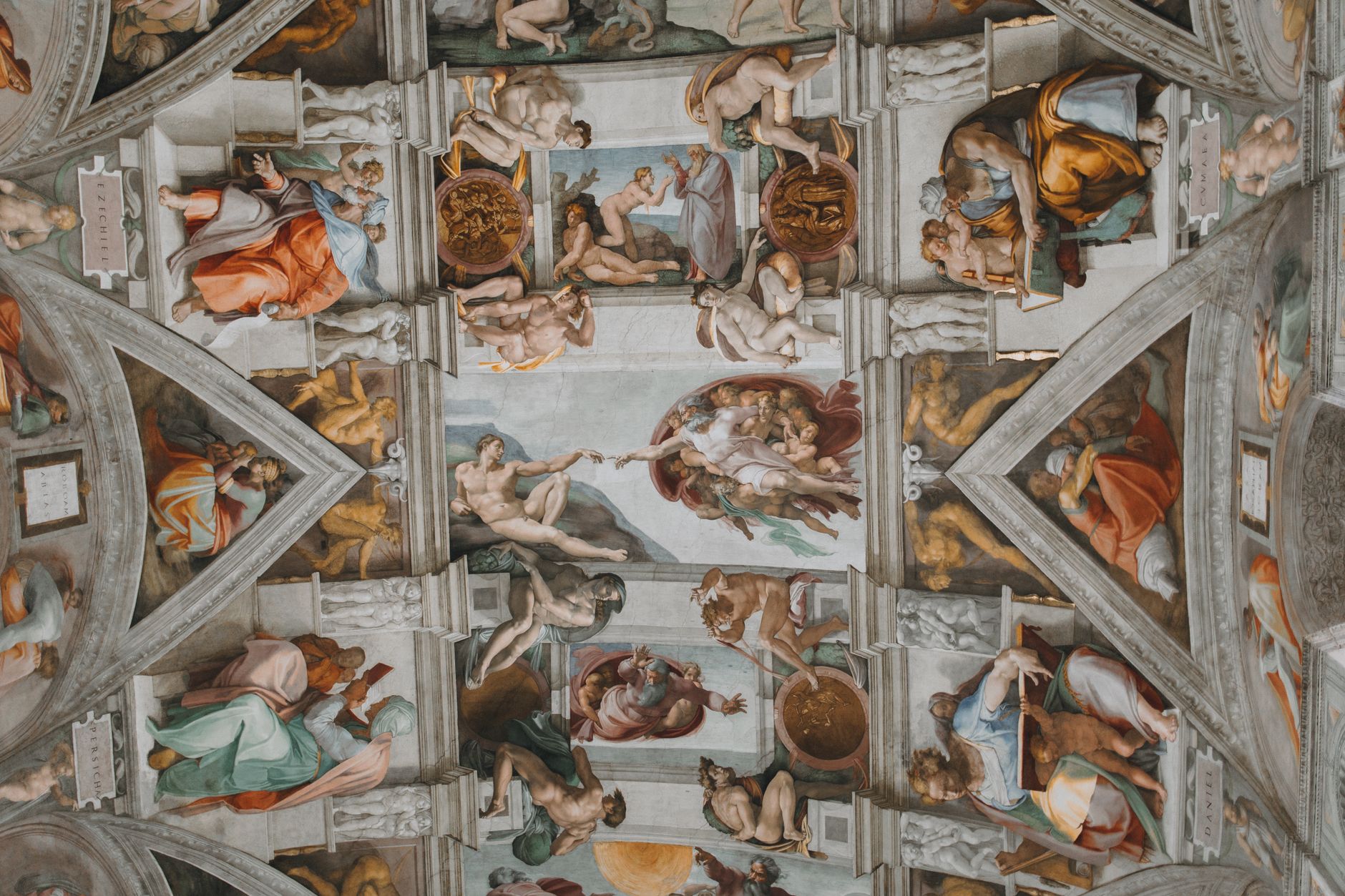
The Vatican Museums and St Peter's are essential for art and religious history; the museums hold the Sistine Chapel ceiling and large classical collections. These require timed tickets but reward with works rarely seen elsewhere.
The Colosseum and Roman Forum offer direct contact with ancient Roman urban life; walking the Forum’s ruins provides a clearer sense of how the city operated in antiquity. Tickets that combine Colosseum and Forum save time at ticket desks.
Centro Storico around the Pantheon and Piazza Navona is a compact area where architectural layers from different eras sit side by side; it allows efficient sightseeing without long transit rides. Neighbourhood evenings in Trastevere or near Campo de' Fiori provide a more local dining scene and a different evening rhythm.
Quick Planning Tips
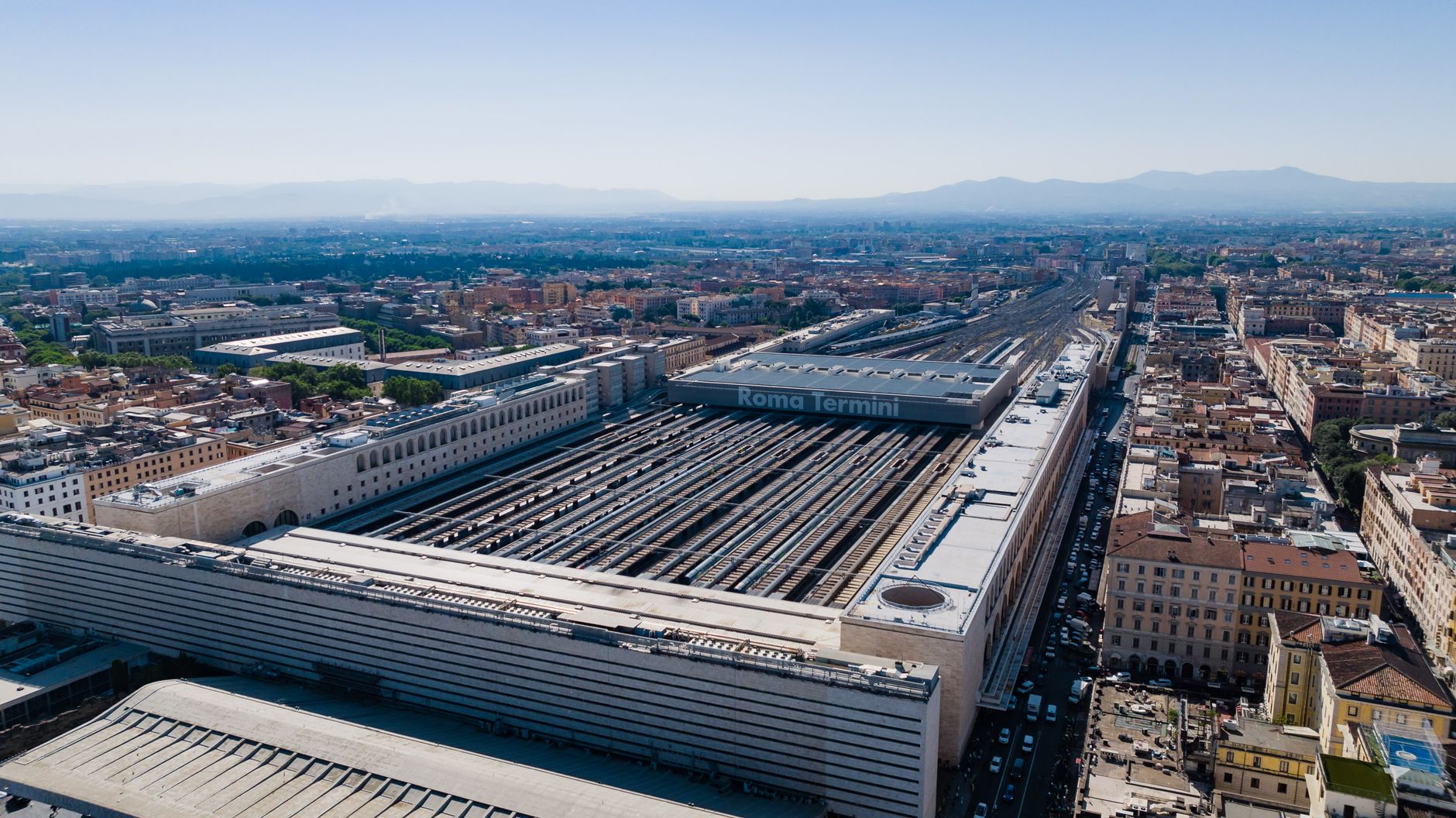
Fly into Fiumicino (Leonardo da Vinci) for best train links: the Leonardo Express runs non-stop to Roma Termini in 32 minutes for €14. From Ciampino, use a shuttle bus to Termini for around €6–€8.
Carry cash for small purchases and use contactless cards for most restaurants and shops; many smaller bars still prefer cash for espresso or quick snacks. Buy metro/bus tickets from tabacchi shops, newsstands or machines; avoid buying onboard from drivers.
Avoid planning the Vatican Museums and Borghese Gallery on the same day without timed tickets for both. Build buffer time for security checks and walking between sites, especially when moving from Termini to the Vatican or Colosseum areas.
Day 1
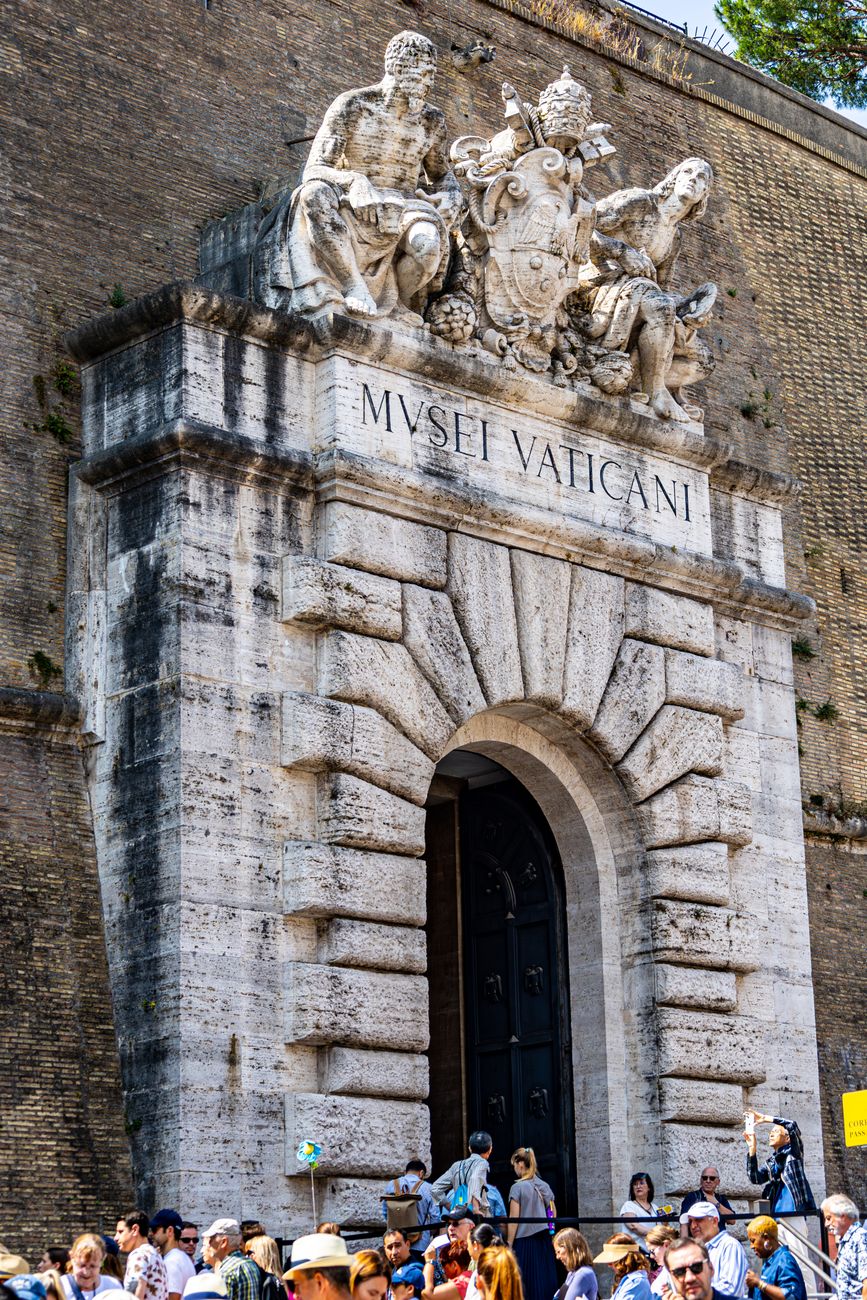
Morning: Start at the Vatican Museums; book a 9:00 timed entry to minimise queue time. Expect 2–3 hours if viewing the Sistine Chapel, Raphael Rooms and a selection of galleries. Ottaviano–San Pietro (Metro A) is a short walk.
Late morning: Walk through St Peter's Square and climb the dome (Cupola) if stamina allows — the dome climb takes about 30–45 minutes from the basilica entrance. Allow time for security at the basilica entrance.
Lunch: Head to Borgo Pio or Via dei Coronari for a simple trattoria lunch. Try Ristorante L'Isola della Pizza or Trattoria da Cesare al Casaletto depending on location; a pasta dish runs €12–18.
Afternoon: Use Metro A to Termini then walk or take Bus 87 to the Colosseum area. Explore the Colosseum exterior and Roman Forum; combined tickets typically include access to the Forum and Palatine. Walking between the Colosseum and Forum takes under 10 minutes.
Evening: Finish with dinner in Monti (Via dei Serpenti), where small osterie serve wood-fired pizzas and regional pastas. For a quieter evening, walk up to the Capitoline Hill viewpoint at sunset.
Day 2
Morning: Begin at the Pantheon early to avoid the worst crowds; the interior visit is brief but the building’s dome is notable. From there, walk to Piazza Navona and see the Fontana dei Quattro Fiumi; both are within a 5–10 minute stroll.
Late morning: Head to Campo de' Fiori market for produce and a quick coffee; the food market is liveliest in the morning. From Campo de' Fiori, walk to the Jewish Ghetto on the Tiber’s west bank — the walk is 7–10 minutes and the neighbourhood offers distinct Roman-Jewish dishes such as carciofi alla giudia.
Lunch: Eat in the Ghetto at a local restaurant like Da Giggetto for carciofi or fried artichokes (prices €10–16 per dish).
Afternoon: Cross the Tiber to Trastevere; spend the afternoon in Piazza Santa Maria and backstreets. If interested in modern art, visit the Museo di Roma in Trastevere or take a short bus to MAXXI for contemporary collections (bus or tram connections from Trastevere).
Evening: Dine in Trastevere where many trattorie operate late; walk along Via della Lungaretta and avoid the busiest piazza terraces for better food and lower prices.

Day 3
Morning: Reserve Borghese Gallery tickets for a morning slot (Galleria Borghese, Villa Borghese). The gallery limits visitors and sessions last 2 hours, so plan around that. From the gallery, stroll through Villa Borghese gardens for views over Piazza del Popolo.
Late morning: Walk down Via del Corso toward Piazza Venezia and the Vittoriano monument; allow 20–30 minutes if walking with stops for photos. Consider the Vittoriano terrace for city vistas if energy permits.
Lunch: Try a panino from a reputable shop like Panino Divino or a sit-down meal near Via dei Condotti if shopping is on the list; expect €8–20 depending on choice.
Afternoon: Use this time for any missed attractions or a museum with shorter waits, such as the Capitoline Museums or a guided visit to the Baths of Caracalla if interested in a less-crowded archaeological site. For travelers with an afternoon flight, keep luggage stored at Termini and allow two hours to reach Fiumicino by Leonardo Express.
Evening: If there’s time, end at the Trevi Fountain in the late evening for fewer crowds and better light for photos. Plan arrival at the airport or train station well ahead of scheduled departure times.

Best Local Experiences
Campo de' Fiori morning market — fresh produce, spices and morning pastries; best before 11:00 when stalls start closing. The Jewish Ghetto — try carciofi alla giudia at small tavole; the neighbourhood has a distinct culinary character and local bakeries.
A walk across Ponte Sisto at sunset into Trastevere and Piazza Santa Maria — this route gives a clear sense of neighbourhood life and late-night dining options. Testaccio market (Mercato Testaccio) — a working food market and weekend street-food stands; good for samples and cheaper meals.
A guided underground tour at the Colosseum or Domus Aurea — these specialised tours require booking but reveal layers beneath the visible ruins. Evening aperitivo in Monti or at a wine bar near Campo de' Fiori offers local wines and cicchetti rather than table dinner service.

Where to Stay
Centro Storico / Pantheon area: Suits first-time visitors who want walking access to the Pantheon, Piazza Navona and many restaurants. Expect mid-range hotels and guesthouses from €120–€250 per night (approx. €120–€250 / $130–$270 depending on season).
Prati / Borgo: Suits travellers focused on the Vatican and who want quieter streets; good for early Vatican access and family-run hotels. Nightly rates often €90–€180 (€95–€195 / $100–$210).
Trastevere: Suits evenings out and a more neighbourhood feel; expect narrower streets and more noise at night. Mid-range rooms run €100–€200 per night (€105–€210 / $110–$220).
Monti: Suits those who prefer proximity to the Colosseum, independent restaurants and craft shops. Prices vary but budget guesthouses to mid-range hotels typically €80–€180 per night (€85–€195 / $90–$210).
Food and Drink
Cacio e pepe — pasta with Pecorino Romano and black pepper, creamy from the cheese and pasta water; good versions at Trattoria da Teo or Roscioli, expect €10–€16.
Carbonara — guanciale, Pecorino Romano, eggs and black pepper (no cream); find strong examples at Trattoria Da Enzo in Trastevere or Roscioli, price €12–€18.
Carciofi alla giudia — deep-fried Jewish-style artichokes from the Ghetto; typical serving €6–€12 depending on season. Try them at Da Giggetto or at market stalls in the Jewish Quarter.
Supplì — fried rice ball filled with tomato sauce and mozzarella, common street snack; buy at local friggitorie such as I Supplì or near Termini for €2–€4.
Breakfast: cornetto and espresso at a bar near where staying; expect €1–€2 for a coffee and €1.50–€3 for a cornetto if standing at the counter. Dinner recommendation: book a neighbourhood osteria rather than piazza restaurants; a three-course meal with wine typically €30–€50 per person in a good mid-range trattoria.
Getting Around
Metro lines: Linea A (orange), Linea B/B1 (blue), and Linea C (green) — Linea C does not currently reach the historic centre. Key stops include Ottaviano for the Vatican, Spagna for Spanish Steps, and Colosseo for the Colosseum.
Trams: Tram 3 and Tram 8 service central and riverside areas; Tram 8 links Largo di Torre Argentina/Trastevere with Piazza Venezia. Bus routes: Bus 64 runs Termini–Vatican and is useful but crowded and a hotspot for pickpockets.
Ticketing: Single BIT ticket €1.50 valid 100 minutes (purchase at tabacchi, machines, or via MyCicero or ATAC app). A 24-hour pass (Roma 24H) costs around €7; 48-hour and 72-hour Roma Pass options are available (€28 for 48h, €38 for 72h—check current rates). Taxi fare from Fiumicino fixed at €48 to inside Aurelian Walls; Ciampino shuttle buses cost about €6–€8.
Apps and cards: Use the ATAC Roma app or MyCicero to buy tickets and check routes. For long museum queues, consider the Roma Pass or the OMNIA Vatican & Rome card only if the included attractions match the planned visits.
Best Time to Visit
Spring (April–May): Temperatures typically 12–23°C and crowds moderate-to-high; this is the best balance of weather and daylight for walking. Book accommodations one to two months ahead of travel during spring weekends.
Summer (June–August): Expect high temperatures 25–35°C, strong crowds and many locals on holiday in August; major sites have longer opening hours but are busiest. If travelling in August, expect some restaurants or shops to close for holidays.
Autumn (September–October): Temperatures 15–25°C, crowds thin compared with summer and costs fall slightly; late September is often ideal for fewer crowds and warm weather.
Winter (November–February): Cooler 4–13°C with lowest visitor numbers outside the Christmas period. Good value on hotels and easier bookings, but some outdoor walking is less pleasant on rainy days.
Budget and Practical Tips
Estimated daily budget per person (moderate): Accommodation €100–€160 (€105–€170 / $110–$180), food €35–€60 (€40–€65 / $45–$70), transport €3–€7, entry fees €10–€30 depending on sites visited. A three-day moderate budget totals roughly €420–€720 including mid-range hotel.
Entry fees: Colosseum/Forum/Palatine combined ticket about €16–€18, Vatican Museums €17–€30 depending on timed/skip-the-line options, Galleria Borghese about €15–€20. Check official sites for updated prices and book timed slots to avoid queues.
Tipping: Service is often included as coperto or servizio on the bill; leaving 5–10% for attentive table service is appreciated but not mandatory. For taxis, round up to the nearest euro or add a small amount for help with luggage.
Practical tips: Keep small change for public toilets and coffee counters. Wear comfortable shoes; cobblestones are pervasive and can slow walking times. Carry a photocopy of passport data page if staying in budget guesthouses; some landlords request ID on check-in.
FAQ
Is Rome safe for solo travellers?
Central areas are generally safe during the day; watch out for pickpockets on buses (notably bus 64), at Termini station and crowded monuments. Use a money belt or front-facing bag in those spots.
What is the best way to get from Fiumicino airport to the city center?
The Leonardo Express to Roma Termini takes 32 minutes for €14. Alternatives include regional FL1 trains to other stations or shuttle buses to Termini costing €6–€8.
Is a Roma Pass or OMNIA card worth buying?
Buy a Roma Pass if the included attractions match the itinerary and if using public transport extensively; OMNIA can be useful if the Vatican Museums and hop-on bus are priorities. Compare included sites and do the math for planned visits.
Are museums open on Mondays?
Many major museums (Galleria Borghese and some state museums) close Monday; the Vatican Museums are closed on Sundays except last Sunday of the month when entry is free and crowded. Always check opening days before booking.
Can the Colosseum be climbed entirely?
Access inside the amphitheatre levels requires a timed ticket; special underground or third-tier tours need separate bookings and limited availability.
How easy is it to use public transport late at night?
Metro lines generally stop around 23:00–00:30 depending on day and station; night buses run but frequency is low. Taxis are the reliable late option but cost more.
Is it easy to day-trip to Orvieto or Assisi?
Regional trains from Termini or Tiburtina serve Orvieto and Perugia; schedules vary so book earlier trains for full-day trips. Orvieto is about 1–1.5 hours by train to Orvieto station plus a funicular to the hilltop.
Are credit cards accepted everywhere?
Cards are widely accepted in restaurants and shops, but small bars, market stalls and some taxis prefer cash; keep €20–€50 in cash for incidentals.
Conclusion
Three days provides a practical introduction to major monuments, a couple of neighbourhoods and representative food without trying to see everything. Expect to remember courtyard views at the Vatican, the scale of the Colosseum, and the sound of scooters and church bells mixing in the evenings.
If time becomes tight, prioritise the Vatican Museums or the Colosseum plus a single neighbourhood walk (Trastevere or Centro Storico) rather than trying to squeeze both major museums into one day. That choice offers the clearest and most memorable experience within a short visit.
How this guide was prepared
This guide was prepared through a structured research that combines destination research, geographic context, itinerary planning logic, and content review.