
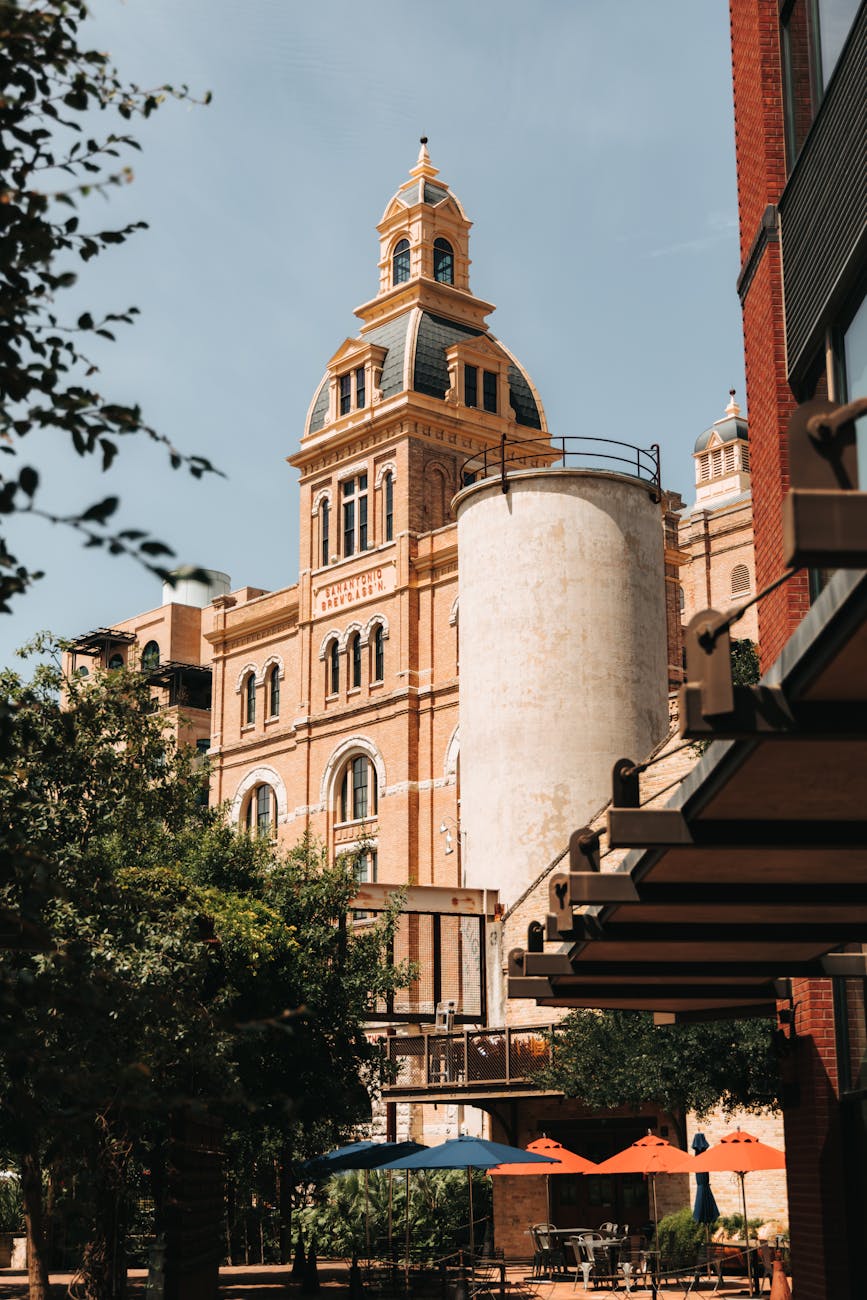
Best Things to Do in San Antonio — Practical, Local-First Guide
A concise, practical guide to the best things to do in San Antonio: River Walk, missions, Pearl District, neighborhoods, seasonal tips, sustainable choices, and booking advice.
Quick, actionable recommendations for sightseeing, neighborhoods, markets, and low-impact ways to enjoy San Antonio. Ideal as a support page for a 3 days in San Antonio itinerary.
Quick Answer
Quick, actionable recommendations for sightseeing, neighborhoods, markets, and low-impact ways to enjoy San Antonio. Ideal as a support page for a 3 days in San Antonio itinerary.
Who This Page Is For
This page is for travelers planning a stay in San Antonio who want clearer decisions about things to do, local logistics, timing, budgeting, and practical trip planning.
How This Page Was Prepared
This page was prepared through a structured editorial workflow that combines destination research, geographic context, and practical travel-planning review.
Plan the Rest of Your Trip
Use this page together with the full itinerary and the related planning pages below to make better booking, timing, transport, and budget decisions.
If you have limited time, prioritize: 1) a morning at the Alamo and the nearby River Walk; 2) an afternoon exploring the Pearl District (farmers market, local restaurants); and 3) a visit to at least one mission in the Missions National Historical Park. These combine history, food, and walkable neighborhoods and pair cleanly with the 3 days in San Antonio itinerary.
San Antonio mixes deep colonial history, lively neighborhoods, and a riverfront designed for walking. This page gives focused, practical suggestions you can use alongside the main 3 days in San Antonio itinerary. Recommendations favor low-impact choices, support for local businesses, and realistic planning for heat, crowds, and transit.
What This Page Helps You Decide
Use this page to:
- Choose which neighborhoods to include in a short itinerary (Downtown + River Walk, Pearl, King William, the Missions).
- Pick sustainable ways to get around (walking, VIA public transit, shared mobility where available).
- Plan timing to avoid heat and crowds and find local-first eateries and markets that keep spending in the community.
- Decide which day trips to pair with a multi-day stay (New Braunfels for river tubing, Austin for music and food).
This is a companion to the longer 3 days in San Antonio guide; refer to that for a timed, day-by-day plan and maps.
Top Recommendations
Essentials (fast hits):
– The Alamo: morning visit to avoid crowds; the site is free but allow time for exhibits and the church grounds.
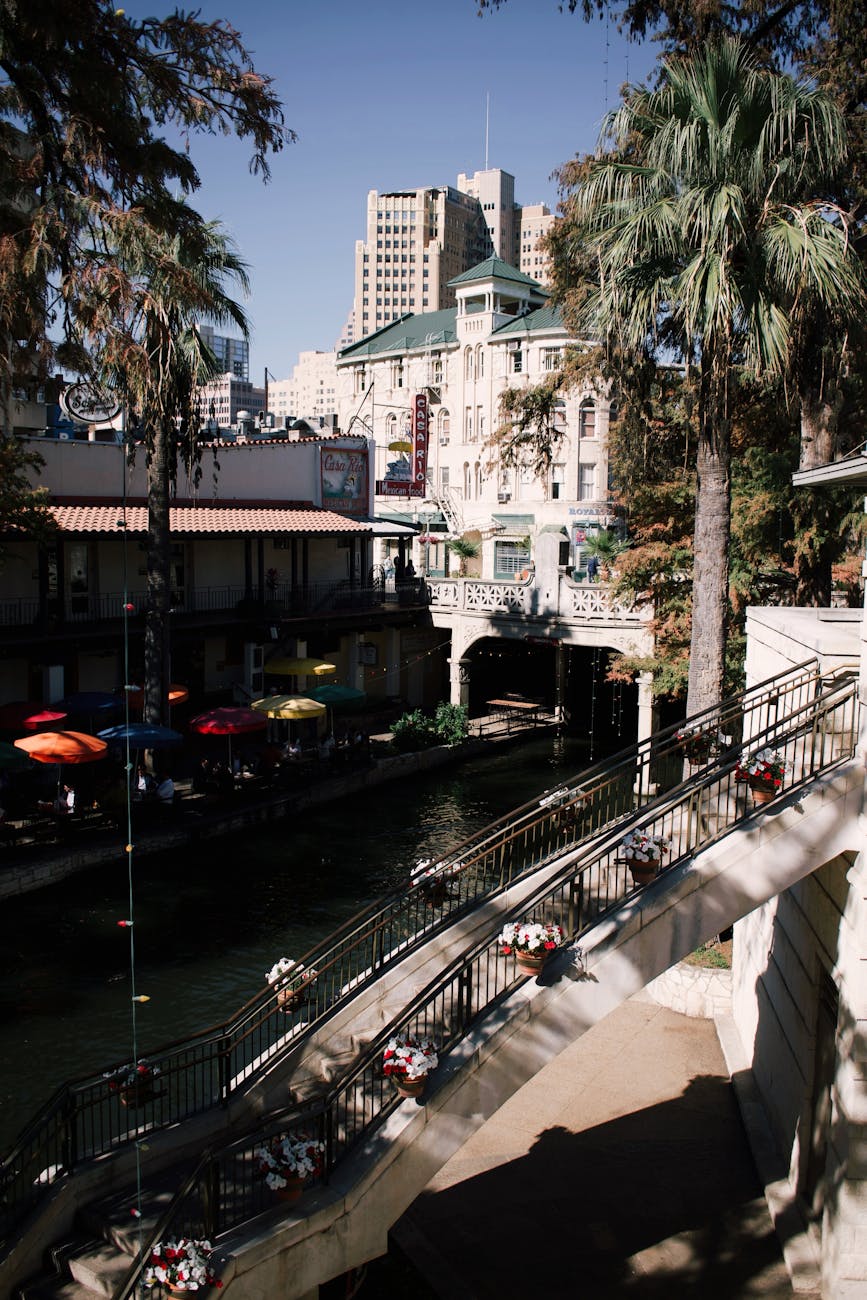
– River Walk: walk both the main downtown stretch and the Museum Reach for quieter sections; consider a short boat tour if you have limited mobility.
– Pearl District: farmers market (weekend), independent shops, and neighborhood brunch spots.
– San Antonio Missions: visit Mission San José for architecture and interpretive trails; the four missions form a compact, walkable National Historical Park.
– Market Square (El Mercado): shop locally made goods and try street-style Tex-Mex.
Neighborhood and activity picks:
– King William: stroll historic streets and small galleries in the morning.
– Southtown: murals, galleries, and local cafés; pair with evening events.
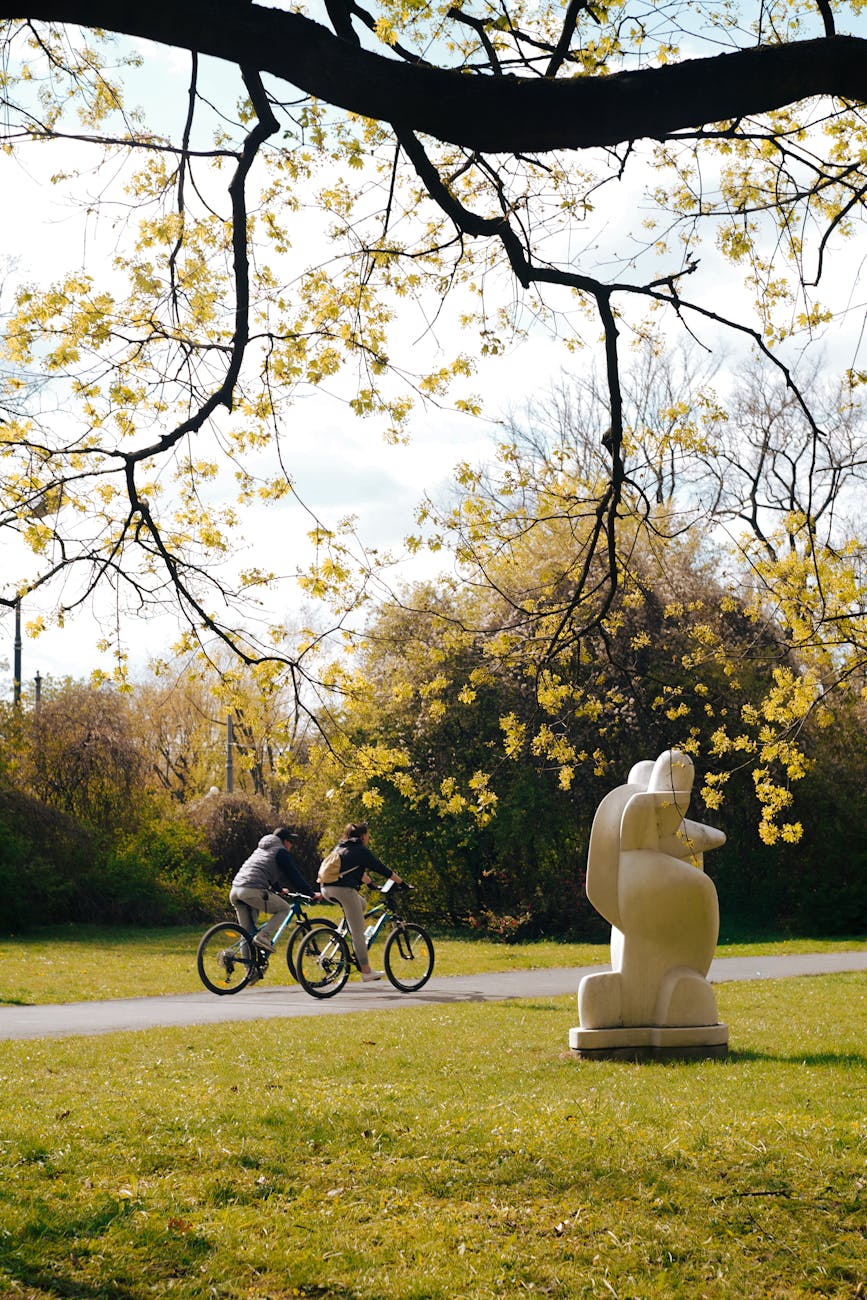
– Museum Reach and Brackenridge Park: good for a relaxed afternoon picnic.
Short day-trip ideas (easy from the city):
– New Braunfels: Guadalupe/Comal rivers for tubing and local breweries.
– Austin: live music and restaurants (~1.5 hours)—combine with a stay in Austin or a long day trip.
Booking and timing tips:
– Reserve tour times or dinner for evenings and weekend brunches, especially in Pearl and downtown.
– Morning or late afternoon are best in shoulder seasons. Summer afternoons are very hot and humid—schedule indoor museum time then.
Local Context
San Antonio is a mid-sized Texan city with Spanish colonial history and a large, vibrant Mexican-American cultural presence. Neighborhoods feel distinct: downtown focuses on tourism and government; Pearl is a mixed-use redevelopment with independent businesses; King William and Southtown are residential arts districts.
Seasonal patterns:
– Spring (March–May): shoulder season with Fiesta in April (big crowds and higher prices). Great weather for walking.
– Summer (June–August): hot and humid, midday heat common; plan indoor activities or early starts.
– Fall (September–November): pleasant temperatures and lower crowds—an ideal second shoulder season.
– Winter (December–February): mild days, festive lights along the River Walk in late November–December.
Transport realities:
– Downtown and the missions area are walkable; allow time for slower-paced walking on cobblestone or shaded paths.
– VIA Metropolitan Transit covers many routes; real-time info is useful. Rideshares and taxis are widely available; bike-share and e-scooter offerings vary by season and operator.
– Parking near tourist sites fills quickly on weekends—use public transit, park once and walk neighborhoods, or book parking in advance when possible.
Local etiquette and culture:
– Tip service workers (15–20% typical in the U.S.).
– Respect mission grounds as active religious and historical sites—keep noise low and follow posted rules.
– Small businesses appreciate off-peak visits and polite engagement—ask about local recommendations.

How to Choose Well
Match activities to your priorities and constraints:
If you value history and low-impact travel:
– Focus on the Alamo early, then walk the Missions National Historical Park. Use public transit or a single rideshare for the short hop between downtown and the missions.
If food and markets matter:
– Spend a morning at Pearl Farmers Market, then walk to nearby restaurants for locally sourced meals. Avoid weekend peak hours for a calmer experience.
If traveling with family:
– Pick River Walk sections with park access (Museum Reach) and Brackenridge Park for open space. Reserve any children’s or family-friendly museum tickets in advance.
Time-limited visitors (1 day):
– Concentrate on Downtown + River Walk + Alamo or Pearl. Save the missions for a return visit or a half-day trip.
Use these practical filters when deciding: walkability, heat tolerance, interest in food vs. history, and whether you prefer quieter neighborhoods over tourist hubs.
Responsible and Local-First Tips
Support the local economy and reduce your footprint:
- Choose locally owned restaurants, coffee shops, and boutiques—look for neighborhood favorites in Pearl, Southtown, and King William.
- Use modes with lower impact: walk the River Walk, take VIA buses, or use shared bikes and scooters when available. Park once and explore on foot.
- Respect historic and natural sites: stay on marked paths at mission sites and in parks, and carry out any trash.
- Visit in shoulder seasons to reduce crowding and spread tourism benefits over a longer year. Spring and fall are most comfortable.
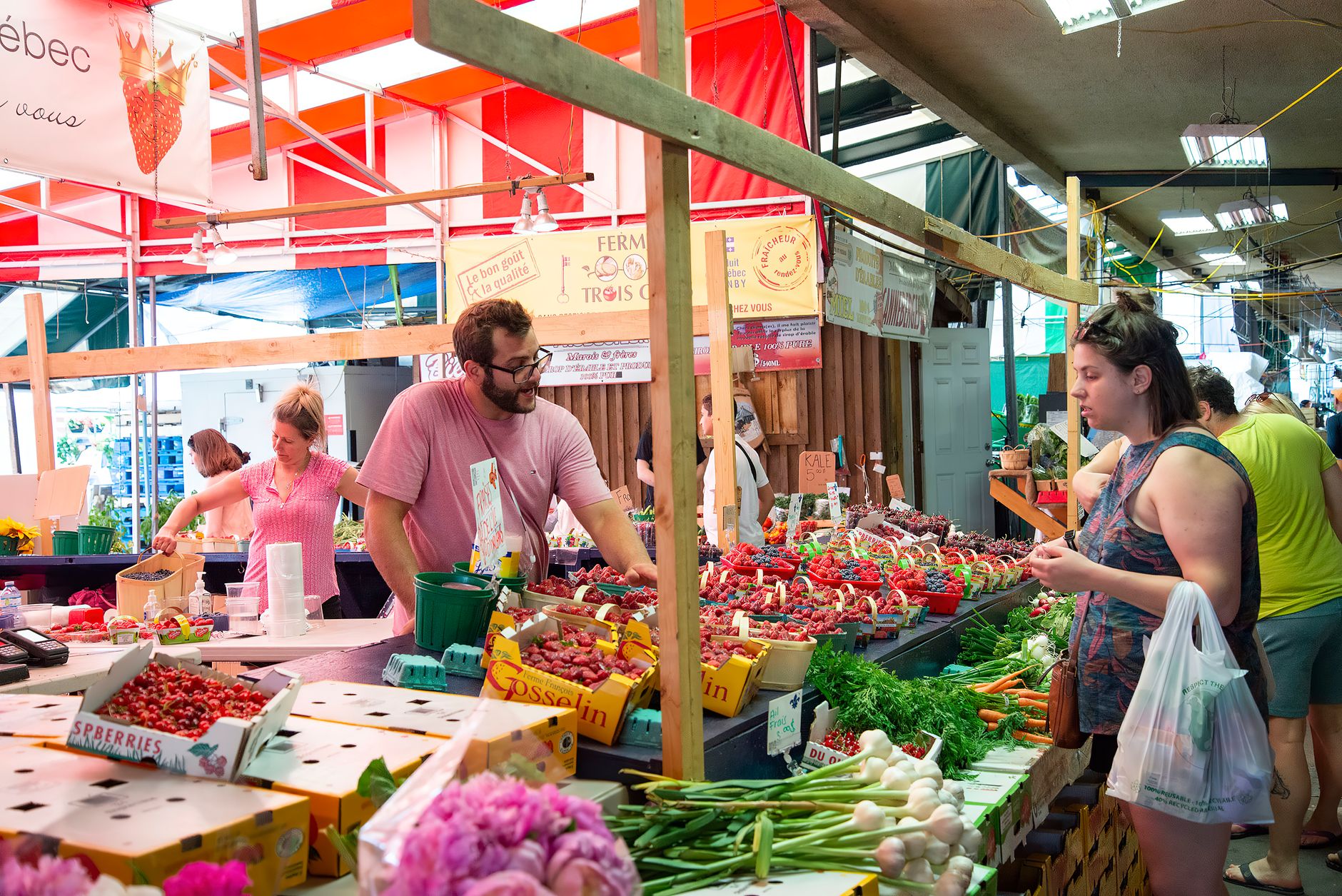
- Buy from the farmers market and local artisans—direct purchases help sustain small businesses and cultural crafts.
Practical sustainability choices:
– Bring a refillable water bottle—San Antonio has public water fountains in many parks and markets.
– If booking tours, favor small-group guides and locally owned operators rather than large, out-of-town conglomerates.

Common Mistakes to Avoid
Avoid these frequent errors:
- Trying to walk everywhere in summer afternoons—temperatures and humidity can make long walks uncomfortable or unsafe.
- Expecting the River Walk to be just one concentrated promenade—it has quieter branches (Museum Reach) and neighborhood connectors worth exploring.
- Leaving all mission visits to the last hour—missions close earlier than many downtown attractions; check hours before you go.
- Underbooking reservations for popular Pearl restaurants or weekend brunches—reserve in advance during peak periods.
- Missing neighborhood context—don’t skip King William or Southtown if you enjoy historic houses, galleries, and a local pace.
Practical tip: plan one indoor museum or dining option around the midday heat, and schedule outdoor walking for early morning or late afternoon.
FAQ
What are the must-see attractions if I only have one day?
Prioritize the Alamo and River Walk in the morning, then spend the afternoon at Pearl District or one mission. Choose based on whether you prefer food and shopping (Pearl) or history and quieter walks (missions).
Is San Antonio walkable?
Central neighborhoods are walkable—downtown, River Walk, Pearl, and King William are easy on foot. For missions and some farther neighborhoods, consider VIA transit or a short rideshare.
How can I avoid crowds and heat?
Visit in shoulder seasons (spring and fall) and do outdoor activities in the early morning or late afternoon. Book indoor museums, restaurants, or riverboat tours for midday when it’s hottest.
Are there budget-friendly or free activities?
Yes. Walking the River Walk, exploring the exterior of the Alamo (the site itself is free), visiting missions and public parks, and browsing Market Square are low- or no-cost. Farmers markets often have affordable snacks and local goods.
Should I book tickets ahead?
Reserve for popular restaurants, guided tours, and any time-restricted museum exhibits. Many attractions accept walk-ins but weekends and holidays fill quickly—book when possible.
Is San Antonio safe for solo travelers?
Yes, with normal urban precautions. Stay aware after dark in less-trafficked areas, use well-lit routes, and prefer busy public spaces or organized tours if unfamiliar with a neighborhood.
Conclusion
San Antonio rewards travelers who balance history, neighborhood exploration, and local food while being mindful of season and heat. Use the suggestions here to complement the 3 days in San Antonio itinerary: pick a morning historic visit, an afternoon neighborhood, and a sustainable way to get between them. Favor local businesses, visit the missions with care, and plan bookings for weekends or peak events like Fiesta to make your trip smoother and more beneficial to the community.
How this guide was prepared
This guide was prepared through a structured research that combines destination research, geographic context, itinerary planning logic, and content review.