
Best Things to Do in Sevilla
Practical guide to the top things to do in Sevilla: sights, tapas, flamenco, transit tips and realistic costs for planning 1–3 days in the city.
Straightforward, practical choices for first-time visitors and short stays in Sevilla: what to book, what to skip, how much time and money to plan for each experience.
Best things to do in Sevilla?
Book Real Alcázar in advance (online general ticket ≈ €13.50). Plan major sightseeing for mornings and late afternoons to avoid midday heat and long queues; expect Cathedral + Giralda tickets around €10–€12 and rowboat rental in Plaza de España about €6–€8 for 30 minutes.
Who This Page Is For
Best for first-time visitors, 1–4 day travellers and anyone prioritising monuments, tapas and flamenco. Not focused on long-term residents, budget backpackers who avoid paid attractions, or specialised academic research on archives.
Key Takeaways for Sevilla
- Real Alcázar entry ≈ €13.50 (buy timed-entry tickets online to avoid long queues)
- Seville Cathedral + Giralda ≈ €10–€12; allow 1.5–2 hours
- Summer highs July–August reach 35–40°C; plan indoor or river activities midday
- Metro Line 1 and TUSSAM buses single tickets ≈ €1.40; use Renfe Cercanías for Córdoba/Jerez day trips
How This Page Was Prepared
This page was prepared through a structured editorial workflow that combines destination research, geographic context, and practical travel-planning review.
Plan the Rest of Your Trip
Use this page together with the full itinerary and the related planning pages below to make better booking, timing, transport, and budget decisions.
Prioritise Real Alcázar, Seville Cathedral with La Giralda, Plaza de España and a flamenco show in Triana or Arenal. Reserve a timed ticket for Real Alcázar (≈ €13.50) and Cathedral+Giralda (≈ €10–€12) online before arrival to skip long lines. Allocate at least two mornings: one for Alcázar plus Barrio Santa Cruz, another for Cathedral, Archivo de Indias and a walk in Parque de María Luisa.
Plan a tapas crawl in San Lorenzo or Feria streets for evenings; typical tapas cost €2–€5 each at good local bars like Bar El Rinconcillo or Bodeguita Romero. Use Metro Line 1 to reach Cartuja or bus routes by TUSSAM for inner-city hops; single rides are about €1.40. Summer visitors should schedule indoor visits or river cruises during the 14:00–18:00 heat window.
This page answers the practical question: what are the best things to do in Sevilla for a short visit, and how to prioritize time, money and transit. Visitors often underestimate how concentrated the main sights are and how extreme summer heat or festival weeks like Feria de Abril and Semana Santa affect opening hours and crowds. Many assume walking between every attraction is always fastest; narrow streets, one-way systems and pedestrian-only zones change transit choices and can make a short bus or metro trip faster. Pricing is also specific: a cathedral ticket is not the same as a cathedral-plus-Giralda ticket, and boat trips, tablaos and museum entries have separate tariffs that add up. This guide focuses on concrete choices—which monuments to book, where to eat real tapas versus tourist menus, simple transit options (TUSSAM buses, Metro Line 1, Renfe Cercanías), and how weather and local schedules should shape each day.
What This Page Helps You Decide
Decide which paid tickets to buy in advance and which to see on arrival. For example, choose whether to spend a morning at Real Alcázar (allow 2–3 hours, €13.50) or at Casa de Pilatos (allow 1–1.5 hours, ≈ €10). Decide between a tablao flamenco show in Arenal (€25–€40) or a shorter free-ish peña-style performance near Triana followed by tapas.
Pick transit strategies: walk the old town and save transit for trips to Triana, Plaza de España or Santa Justa station; use Metro Line 1 for Isla de la Cartuja and Renfe Cercanías C-1 for Córdoba or Jerez day trips. Choose time of day: sunrise or early morning for Alcázar and Catedral, late afternoon for Plaza de España and sunset at Metropol Parasol (Setas) viewpoint. This page helps balance cost, comfort and realistic pacing for 1–3 day visits and points directly to the main 3 days in Sevilla itinerary for a step-by-step plan.
Top Recommendations
Historic centre group (Barrio Santa Cruz & Cathedral area):
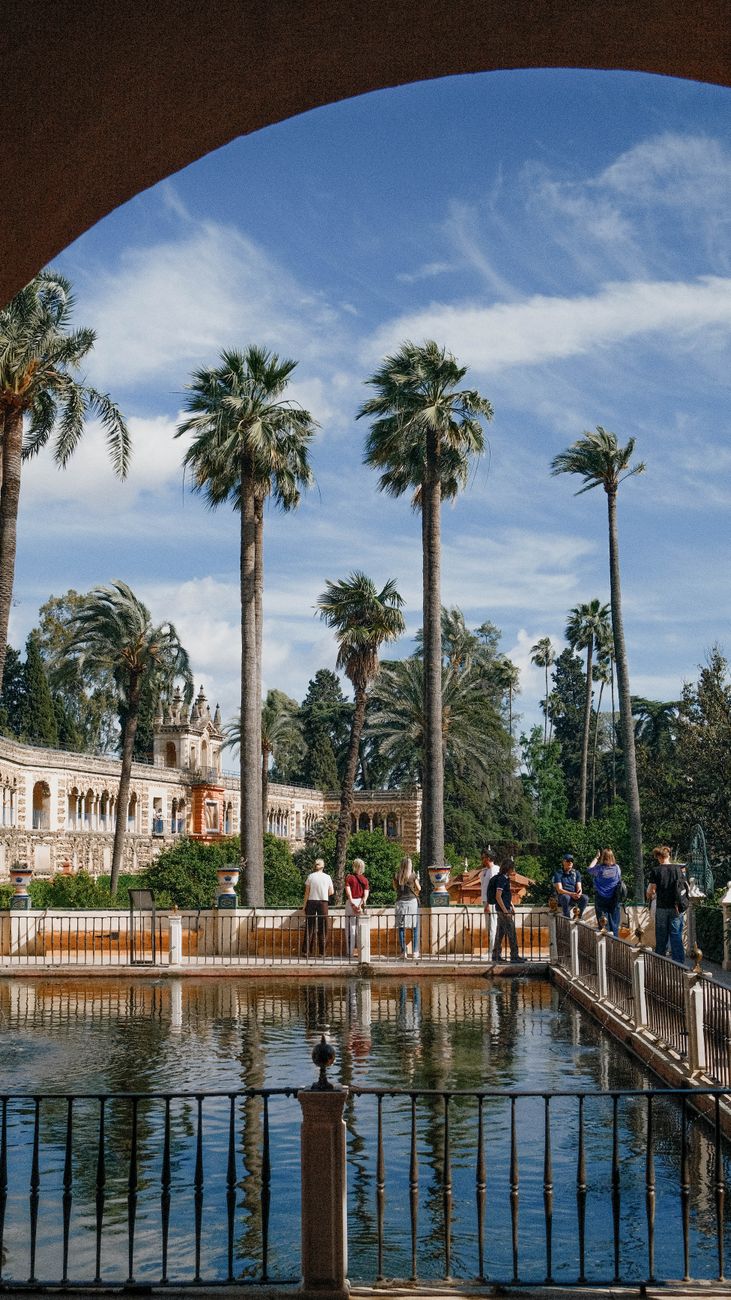
– Real Alcázar: Moorish-palace complex with gardens; timed-entry online ≈ €13.50 (about $14–$15); budget 2–3 hours. Book early morning to avoid heat and tour groups.
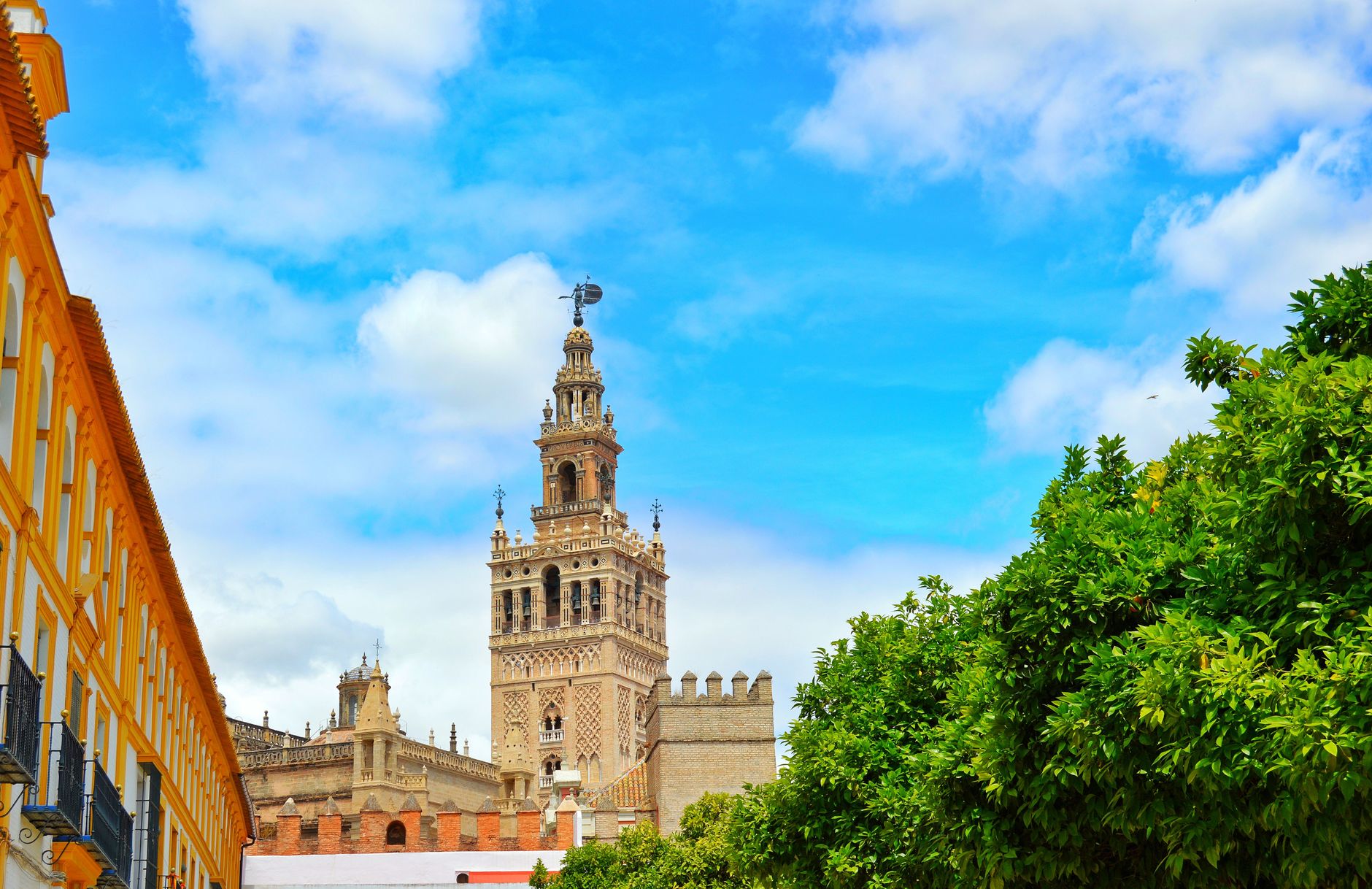
– Seville Cathedral + La Giralda: Gothic cathedral and bell tower; combined ticket ≈ €10–€12 ($11–$13); budget 1.5–2 hours to include rooftop and cloister.
– Archivo General de Indias: 16th-century archive beside the cathedral; generally free entry but check opening times and occasional ticketed exhibits; budget 30–60 minutes depending on interest.
Parque de María Luisa / Plaza de España area:
– Plaza de España: public plaza in Parque de María Luisa; free to enter; optional rowboat rental ≈ €6–€8 ($6.50–$8.50) for 30 minutes; allow 45–90 minutes with a stroll through the park.
– Museo de Bellas Artes (Museum of Fine Arts): major art museum near Plaza de España; often free or low-cost for EU residents (check onsite rates, typical non-resident fee ≈ €1.50–€3); budget 1–2 hours. Good rainy-day option if museums are preferred.
Triana and riverside experiences:
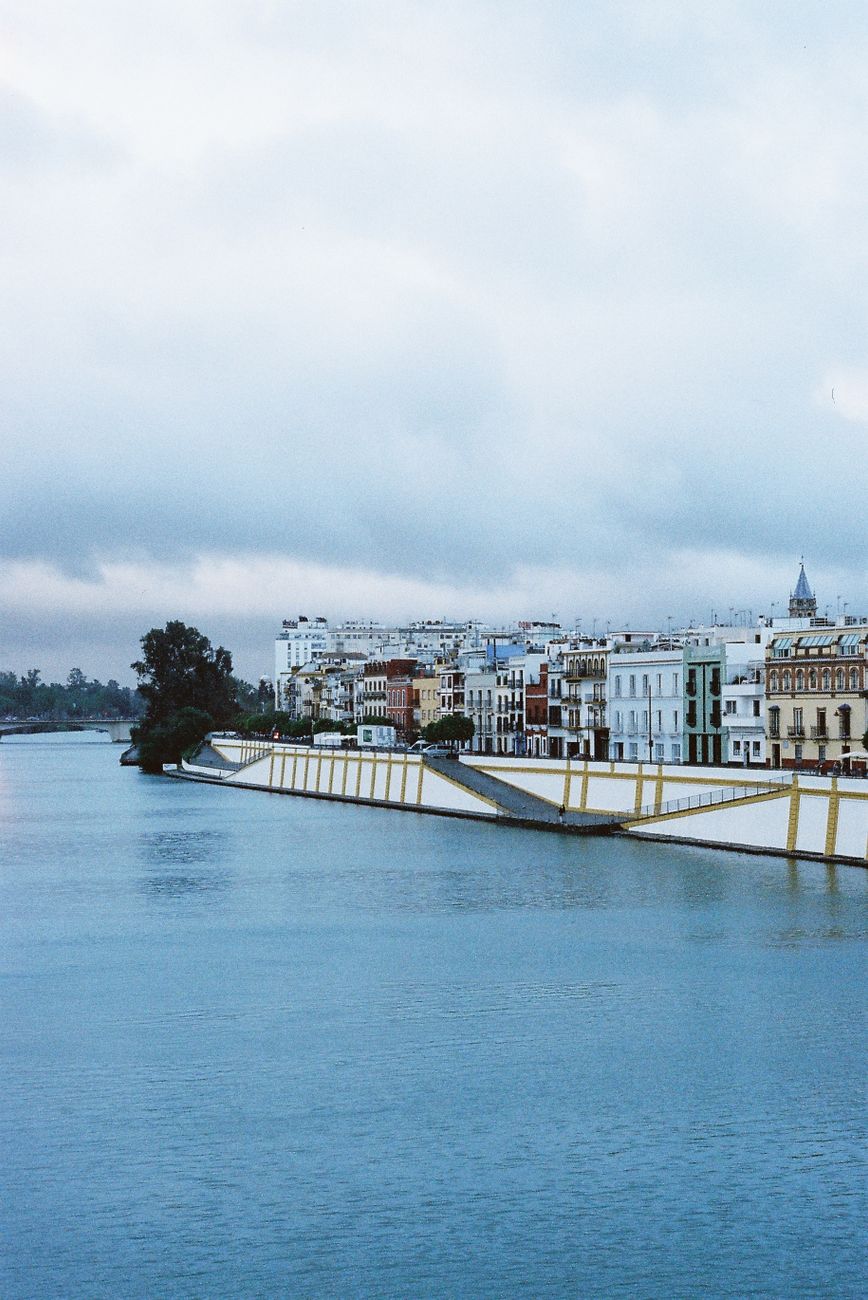
– Mercado de Triana and Calle Betis: food market and riverside tapas bars; set aside 1–1.5 hours for a market visit and tapas. Try fried pescaíto, espinacas con garbanzos and local cerámica shops along Calle San Jorge.
– Flamenco in Triana or Arenal: authentic tablaos include Casa de la Memoria (often lower-capacity, tickets ≈ €20–€25 for a show) and Tablao El Arenal (larger, ≈ €30–€45 with drink). Budget 1.5–2 hours in the evening.
Local low-key experiences:
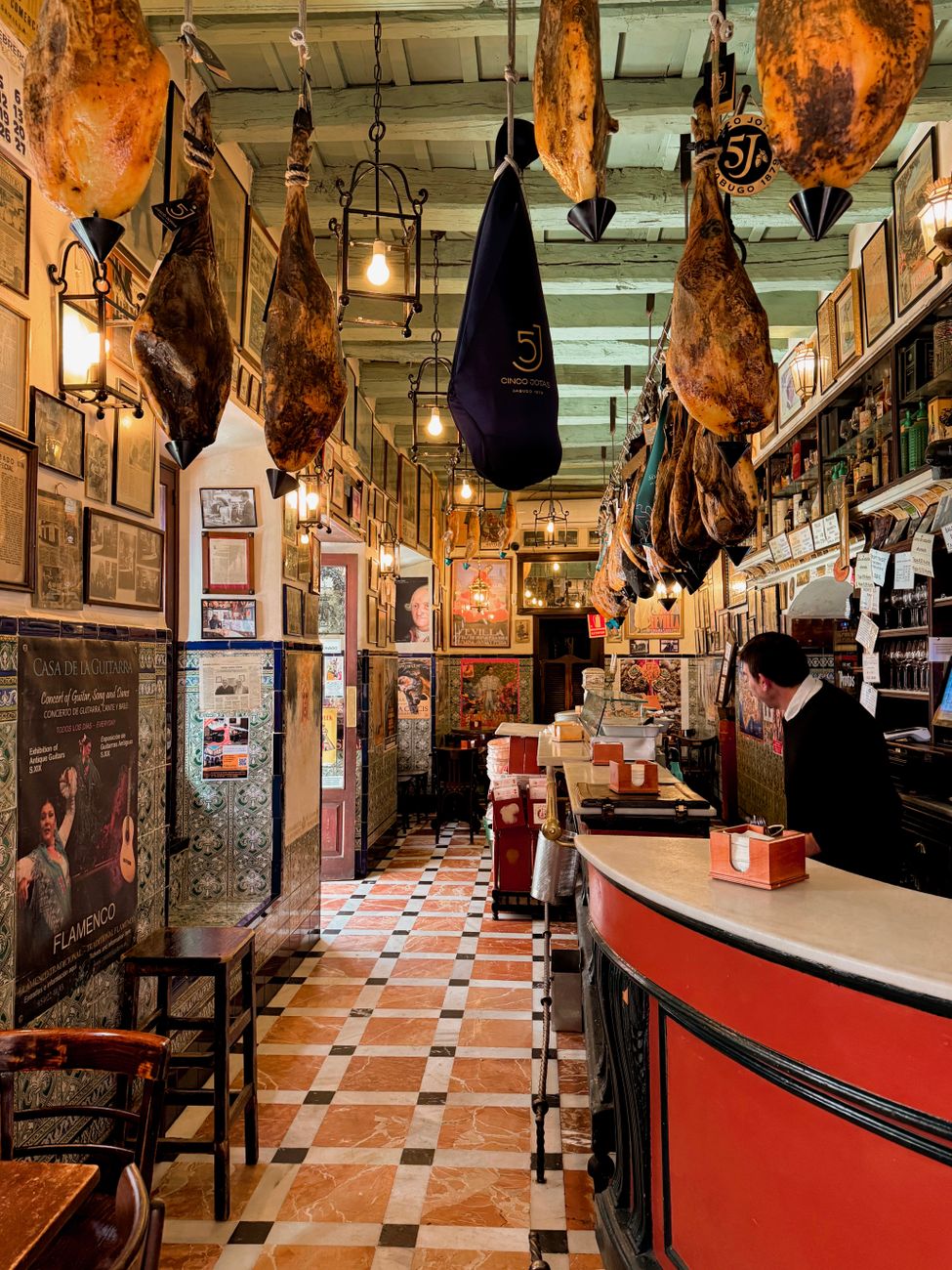
– Bar El Rinconcillo (Calle Gerona): historic tapas bar from 1670 famous for montaditos and Iberian cold cuts; expect tapas €2–€5 each and counter service; allow 45–90 minutes.
– Mercado Lonja del Barranco: modern market on the river near Puente de Triana; tapas and small plates ≈ €3–€8; allow 1 hour.
Bad-weather / indoor option:
– Casa de Pilatos: Andalusian palace with interiors and courtyard; ticket ≈ €10 ($11); budget 1–1.5 hours. This is a good option when rain or extreme heat prevents outdoor wandering.
Miscellaneous practical experiences:
– Guadalquivir river cruise: short cruises from near Torre del Oro cost ≈ €8–€15 and take 35–50 minutes; good late-afternoon option to cool off.
– Metropol Parasol (Setas de Sevilla): wooden structure at Plaza de la Encarnación with a walkway and viewpoint; entry to the rooftop ≈ €3–€5 and budget 30–45 minutes, best at sunset for light and city views.
Group recommendations by area so walking lists and short transit rides can be chained: Barrio Santa Cruz/Cathedral cluster, Parque de María Luisa/Plaza de España cluster, Triana/riverside cluster and Isla de la Cartuja/Cartuja tech and exhibition spaces if time allows.
Local Context
Sevilla's climate drives daily decisions. Summers are hot: July–August highs commonly reach 35–40°C, which makes air-conditioned interiors and river breezes preferable during midday. Spring (March–May) and autumn (September–October) offer the most comfortable sightseeing weather, with average highs around 20–25°C. Festival calendars close or redirect routine access: Semana Santa (Easter week) and Feria de Abril (usually in April) attract crowds, close central streets and change opening times for museums and tapas bars.
Transport patterns affect timing: the centro histórico has many pedestrian-only streets and restricted vehicle access; parking in blue-zone areas (zona azul) needs coins or a parking app and often costs €1–€2 per hour. TUSSAM buses cover inner-city routes and single tickets are about €1.40; Metro Line 1 connects Puerta Jerez to Plaza de Cuba and Cartuja with single-ride fares similar to buses. Renfe Cercanías serves Santa Justa station and lines to Córdoba and Jerez, useful for day trips. Language: Spanish is dominant; many staff in tourist sites speak English but menus and small bar counters often use only Spanish, so knowing basic terms (raciones, tapas, cortado) is practical.
How to Choose Well
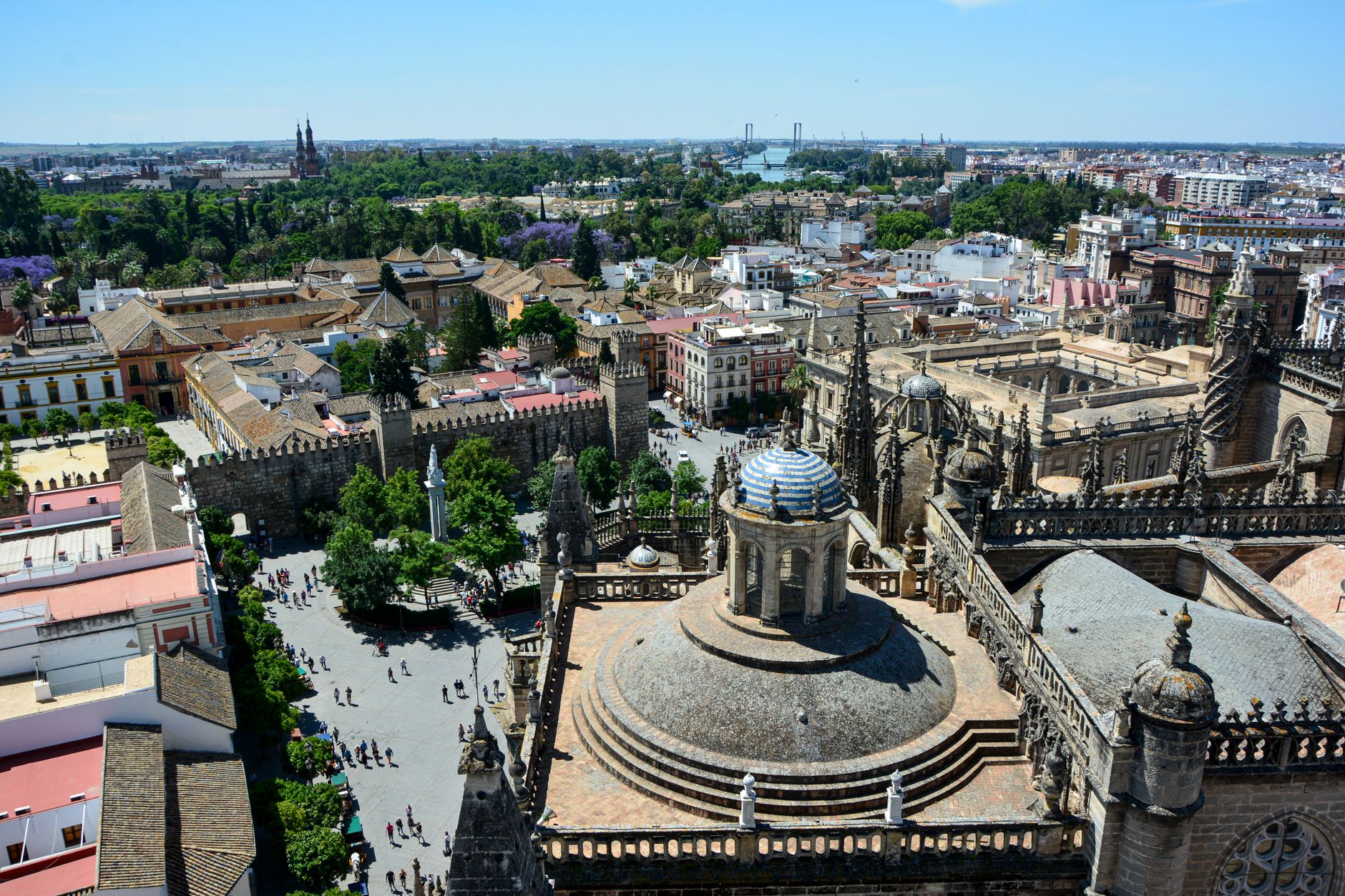
Balance major monuments and local life by grouping activities by neighbourhood. For first-time visitors with 1–2 days: allocate a morning to Real Alcázar and Barrio Santa Cruz, an afternoon to Cathedral and Archivo de Indias, and an evening tapas crawl in San Lorenzo or El Arenal. For a slower pace and interest in ceramics or flamenco, base one afternoon in Triana and visit Mercado de Triana plus a small tablao.
Decide on cost versus experience: guided tours for Alcázar or Cathedral add commentary and queue-skipping but cost €25–€35 per person; self-guided timed tickets save money (Alcázar ≈ €13.50, Cathedral ≈ €10–€12). Trade-offs for weather: pick indoor alternatives (Museo de Bellas Artes or Casa de Pilatos) during heat or rain, and schedule outdoor landmarks (Plaza de España, Parque de María Luisa) for mornings or late afternoons. Transit choices: walking is often fastest inside the centro, but use TUSSAM buses or Metro Line 1 to jump across the river or reach Isla de la Cartuja quickly.
Responsible and Local-First Tips
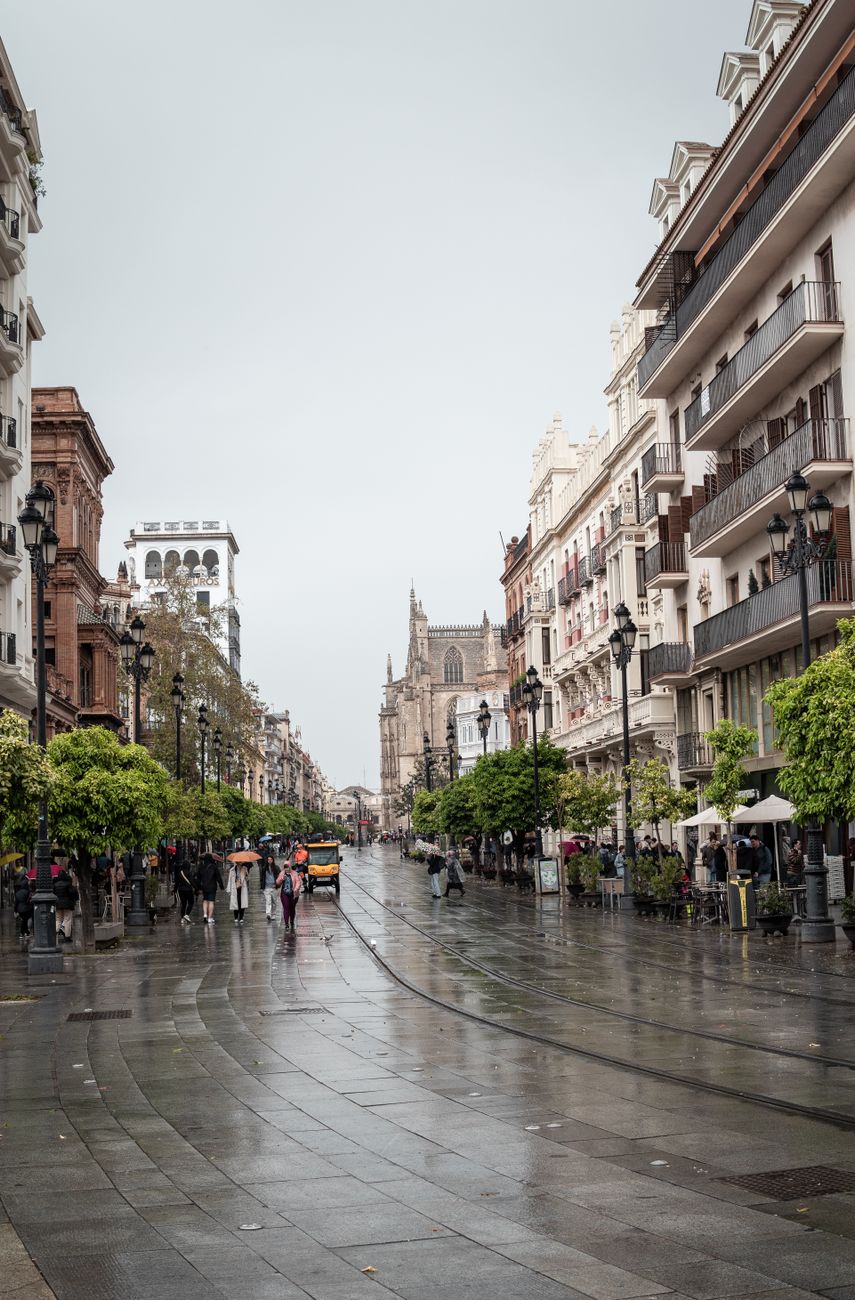
Spend in locally owned businesses: choose tapas bars like Bar El Rinconcillo and Bodeguita Romero rather than international chains. Buy ceramics at small workshops on Calle San Jorge in Triana and avoid mass-produced souvenir stalls on Avenida de la Constitución.
Reduce environmental impact: use walking and public transit (TUSSAM buses, Metro Line 1) instead of taxis for short hops. If renting a bike, use designated cycle lanes and park in official racks; do not lock bikes to heritage railings around the Alcázar or cathedral plazas. Support flamenco professionals: prefer small venues such as Casa de la Memoria or Peña Los Gallos where earnings go to performers rather than large tourist shows that resell aggregated tickets.
Respect local customs: churches and religious processions during Semana Santa require quieter behavior and obey route barriers. Tip modestly in tapas bars (round up or leave small change) and follow local smoking rules—many terraces allow smoking while indoor public spaces are smoke-free.
Common Mistakes to Avoid
Booking last-minute for Alcázar and Cathedral leads to limited time slots and long waits; purchase timed tickets online before arrival. Driving into the centro histórico without reserving parking causes fines and wasted time; instead park at a public car park near Santa Justa or use park-and-ride options. Expecting all museums and tapas bars to be open continuously is risky: many close 14:30–17:00 and some museums are closed on Mondays; always check opening days on official websites.
Another mistake is trying to see everything on foot without a map of pedestrian-only streets—short bus rides or a Metro Line 1 hop can save hours. Finally, underpreparing for heat leads to fatigue: bring water (tap water is drinkable), wear a hat and plan siesta-time indoor activities or river cruises between 14:00 and 18:00 in summer.
FAQ
How much should I budget for the main monuments?
Expect Real Alcázar ≈ €13.50, Seville Cathedral + Giralda ≈ €10–€12, Casa de Pilatos ≈ €10, Metropol Parasol rooftop ≈ €3–€5; plan €40–€70 per person for 2–3 paid attractions plus meals.
When is the best time to visit to avoid heat and crowds?
March–May and September–October offer cooler temperatures (18–25°C) and fewer extreme heat days. Avoid Feria de Abril and Semana Santa if crowds are a concern; both run on dates that vary each year (Semana Santa around Easter, Feria typically in April).
Is public transport easy to use and how much does it cost?
TUSSAM buses and Metro Line 1 are straightforward; single rides cost about €1.40. Renfe Cercanías serves Santa Justa for day trips to Córdoba and Jerez; buy tickets at machines or via the Renfe app.
Are tapas expensive in Sevilla?
Tapas in good local bars typically cost €2–€5 each; a full tapas meal with several plates and drinks usually runs €15–€30 per person depending on choices.
Which flamenco option provides the most authentic experience?
Small tablaos or peñas like Casa de la Memoria and Peña Los Gallos provide focused performances and better pay-for-performer economics; expect tickets €20–€30. Larger tourist-oriented tablaos near Arenal charge more (€30–€45) and include drinks.
Can real-time tickets be bought on arrival for Alcázar or Cathedral?
Sometimes, but weekends and peak season sell out; same-day slots are unreliable—booking online ahead is recommended to secure preferred times.
Conclusion
The most important thing to remember: prioritise reserved tickets for Real Alcázar and Cathedral+Giralda, and structure days to avoid midday summer heat. Group sights by neighbourhood—Barrio Santa Cruz and Cathedral for one morning, Plaza de España and Parque de María Luisa for another, and Triana for an evening of tapas and flamenco—to see the essentials without rushing. For a step-by-step plan that turns these priorities into a workable schedule, follow the linked 3 days in Sevilla itinerary which arranges timings, transit hops and realistic meal slots.
How this guide was prepared
This guide was prepared through a structured research that combines destination research, geographic context, itinerary planning logic, and content review.