

Sevilla in 3 Days: Detailed Itinerary, Transit and Food Tips
A practical 3-day guide to Sevilla with day-by-day plans, transit tips, food recommendations, realistic budgets and timing for first-time visitors.
A focused, realistic 72-hour plan for Sevilla that balances the Alcázar and Cathedral with Triana, tapas, and a slower afternoon pace to avoid heat and long queues.
Expect warm light, big plazas and long afternoons where life slows down between 14:00 and 18:00. The first impression is a city built around a handful of intense historic sites clustered in the old quarter, with working neighbourhoods like Triana across the river offering a different rhythm.
Crowds concentrate at the Real Alcázar, Seville Cathedral and Plaza de España; outside those pockets the streets are quieter and more local. Many pre-trip plans underestimate how much timed-entry tickets, siesta hours and summer heat shape what can actually be seen in a day.
The centre suits walkers who like short museum visits, café stops and late dinners. Travellers who prefer planned museum marathons or full-day excursions every day will find three days constraining unless one or two attractions are skipped.
Is 3 days in Sevilla enough?
Yes — three days is enough to cover the city centre highlights: the Alcázar, Cathedral and Giralda, Plaza de España, a Triana visit and a flamenco show. One honest caveat: fitting a proper day trip to Córdoba or Ronda on top of full local exploration will make the schedule too tight.
Who This Guide Is For
Best for first-time visitors who want architecture, tapas and flamenco without day-tripping outside the province. Less suitable for travellers wanting to add a long excursion to Ronda or a relaxed beach component.
Local Tips for Sevilla
Practical details that most travel sites skip — specific to Sevilla.
- Book Real Alcázar timed tickets online (€13–16 adult) and aim for the earliest slot; queues on-site regularly exceed 45 minutes in high season.
- From San Pablo Airport (SVQ) the EA airport bus to Prado de San Sebastián takes about 35 minutes and costs around €4; a taxi to the centre is typically €25–30 daytime.
- Buy a 10-journey TUSSAM bono (tarjeta monedero) at major bus stops or tobacco shops for roughly €8–11; it’s cheaper than single fares if taking multiple buses.
- Mercado de Triana on Calle San Jorge is the best place to sample local chacinas and pescaito frito; late-morning is when stalls restock, after 10:00–11:00.
- Flamenco at Museo del Baile Flamenco (Calle Manuel Rojas) and at La Casa del Flamenco (Plaza Santa Cruz) sell out most nights; tickets are usually €20–30 so reserve in advance.
How This Guide Was Prepared
Sevilla rewards pacing: long afternoons and late evenings matter more than cramming sights at dawn. Many guides overload itineraries without accounting for siesta hours, intense summer heat, and the need to reserve timed-entry sites. This guide prioritises realistic walking times, timed tickets, transit details and where to eat between sightlines so three days feel manageable instead of rushed. This guide was prepared through a structured research that combines destination research, geographic context, itinerary planning logic, and content review.
Plan Your Stay in Sevilla
Use this itinerary as your starting point, then compare areas to stay, transport options, seasonal timing, and realistic daily costs before booking.
Why Visit
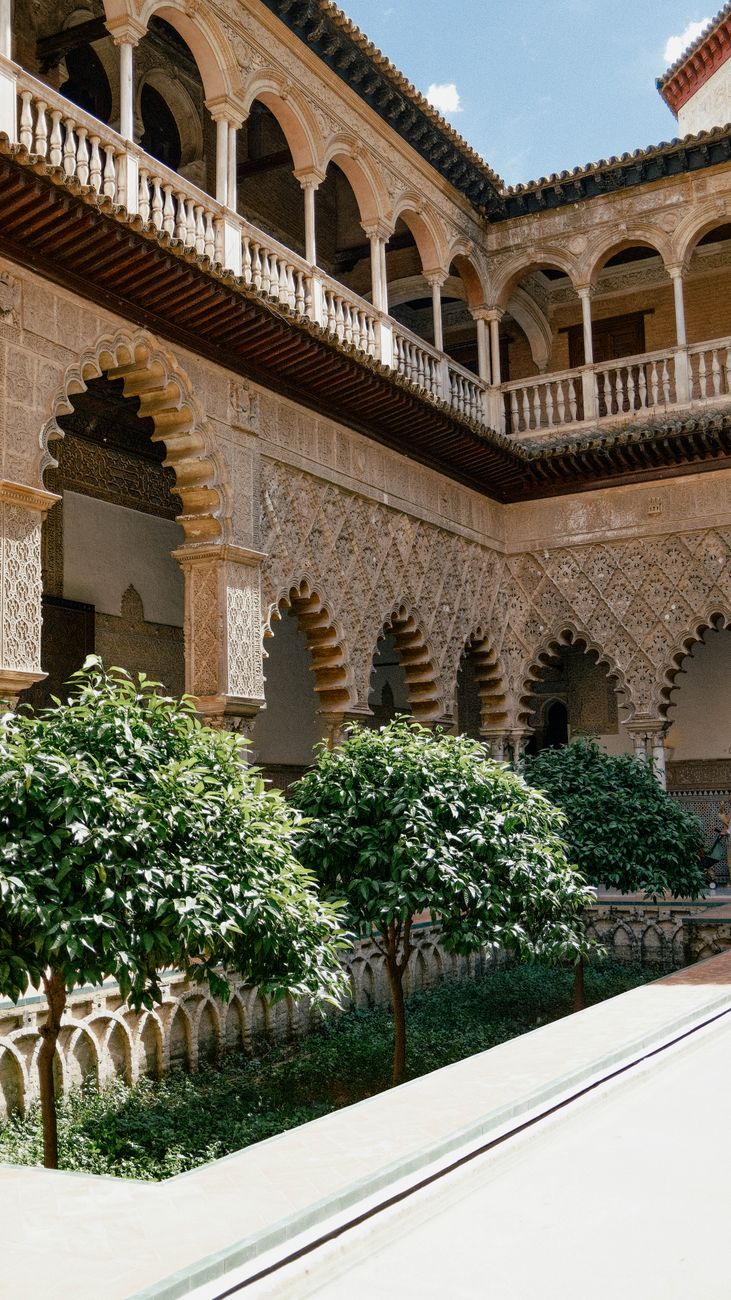
The Real Alcázar and the Cathedral with the Giralda provide concentrated examples of Mudéjar, Gothic and Renaissance architecture within walking distance of each other. These monuments justify at least one full morning of timed entries and detailed viewing.
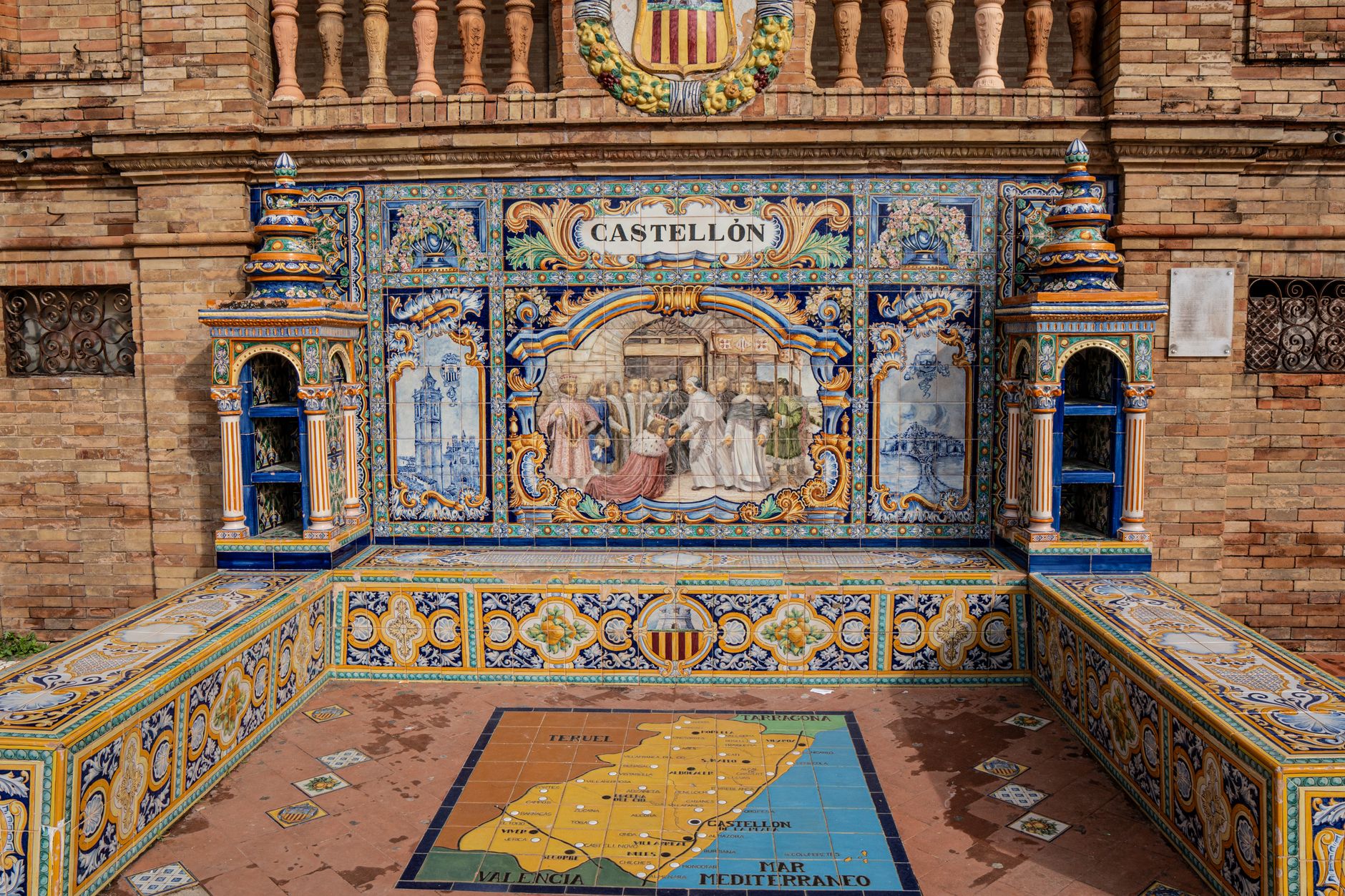
Plaza de España and Parque de María Luisa give a flanked, park-and-monument experience not common in similarly sized Spanish cities; the tile-work and river-side avenues make for easy strolls or a relaxed bike ride.
Triana offers a different cultural note: traditional tile workshops, the Mercado de Triana and flamenco venues on Calle Betis and around Calle Pureza. This neighbourhood shows trade, ceramics and flamenco history outside the tourist circuit.
Food and bar life matter here: tapas culture is serious and local bars like those in Calle Mateos Gago near the Cathedral or around Alameda de Hércules serve late and cheap small plates. Finally, the riverfront and Torre del Oro give short, flat walks that contrast with the denser historic lanes.
Quick Planning Tips
Fly into San Pablo (SVQ) and take the EA airport bus (about €4) to Prado de San Sebastián or Plaza de Armas; taxis run €25–30 daytime and slightly more at night. For rail arrivals use Santa Justa station, which connects by Cercanías and AVE to Madrid and Córdoba.
Carry small cash for tapas bars; most places accept cards but many mercados and small kiosks prefer euros and coin change. Buy Real Alcázar and Cathedral/Giralda tickets online for fixed time slots to avoid long queues.
Avoid scheduling major outdoor walking in July and August between 13:00–18:00. Plan one flexible afternoon for rest or a market visit, and download the TUSSAM app or Renfe Cercanías info before arrival to check schedules.

Day 1
Morning: Start at the Real Alcázar (entrada con horario; book 08:30–10:00 slot if possible). Allow at least 90–120 minutes to see patios, gardens and the Palacio Mudéjar. From Alcázar it’s a 3–6 minute walk to the Cathedral.
Late morning: Visit Seville Cathedral and climb the Giralda tower. Expect security lines and allow 60–90 minutes. The view from the Giralda gives useful orientation over the old quarter.
Lunch: Walk to Calle Mateos Gago for tapas bars like El Pinton or Bodega Santa Cruz to try ensaladilla and jamón. Allow a 10–15 minute walk from the Cathedral and budget €12–18 per person.
Afternoon: Cross towards Archivo General de Indias (free entry; check hours) and walk south through Barrio Santa Cruz’s narrow lanes to Plaza de Toros (Maestranza). The walk between Cathedral and Plaza de Toros takes about 12 minutes and passes historic façades.
Evening: Walk along Calle Betis in Triana for a riverside dinner at a taberna such as Las Golondrinas or Casa Anselma area choices; expect to pay €18–30 per person for a proper dinner. Finish with a short riverside stroll across Puente de Triana.
Day 2
Morning: Start in Triana at Mercado de Triana (Calle San Jorge) to taste fresh seafood and buy tapas to nibble. From Plaza de Armas it’s a 10–15 minute bus or metro+walk trip depending on location; walking from the centre across Puente de Triana takes 20–25 minutes.
Late morning: Visit the tile workshops and the Cerámica Triana area on Calle San Jorge and Calle Alfarería; many small studios welcome quick visits. Allow 60–90 minutes for browsing and occasional short demonstrations.
Lunch: Eat at a traditional freiduría such as Freiduría La Isla for pescaito frito; budget €8–14 per person. After lunch, cross back to the city centre and head to Metropol Parasol (Setas) on Plaza de la Encarnación.
Afternoon: Climb Metropol Parasol for the elevated walkway and city views; then walk 10 minutes to the Museum of Fine Arts (Museo de Bellas Artes) if interested in Spanish painting. Alternatively, explore the shopping streets of Calle Sierpes and Calle Tetuán in Nervión.
Evening: Book a flamenco show in advance at Museo del Baile Flamenco or at La Casa del Flamenco in Plaza Santa Cruz; shows run around 21:00 and last about 50–60 minutes, with tickets €20–30.

Day 3
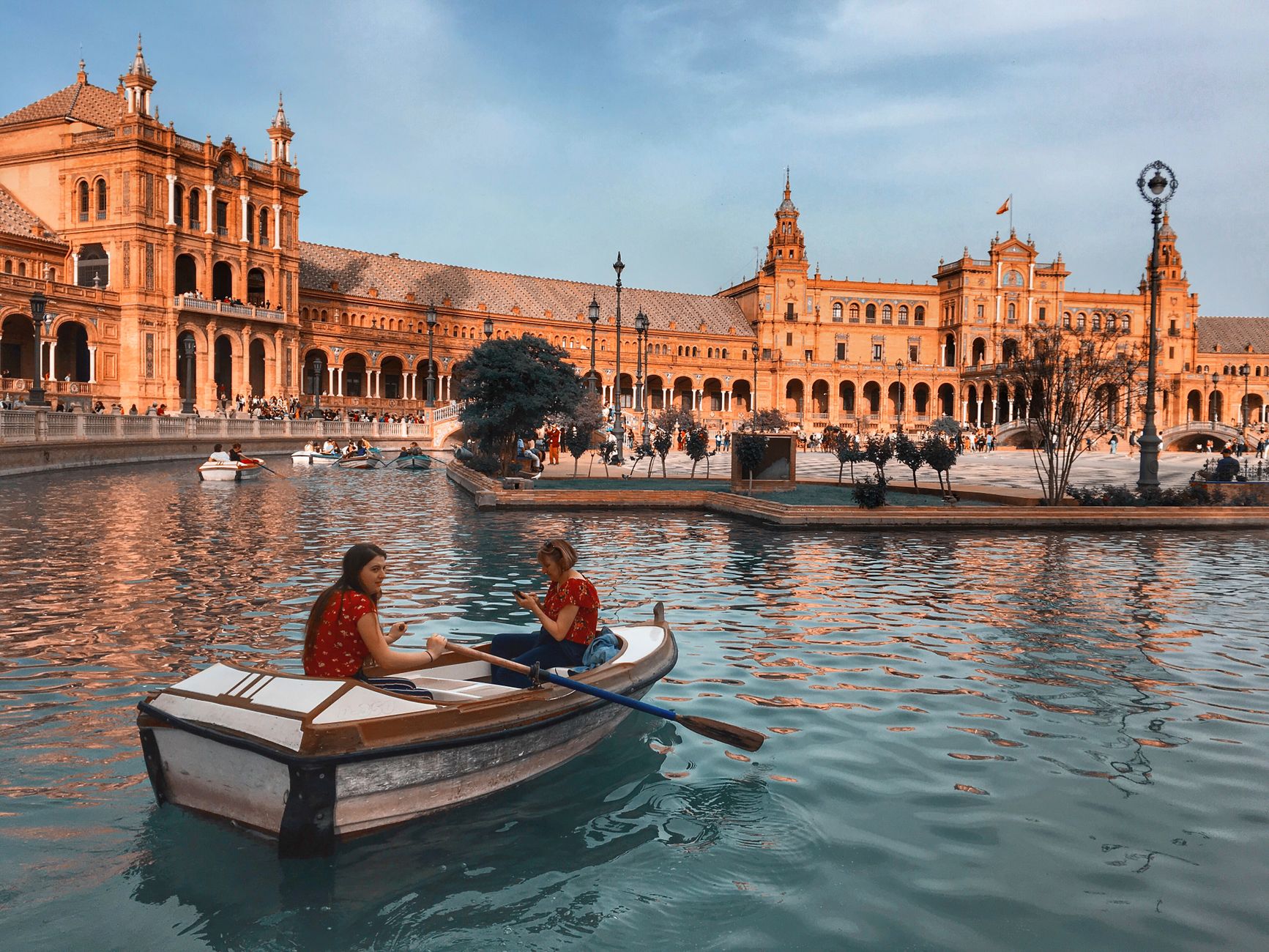
Morning: Visit Plaza de España and Parque de María Luisa early to avoid groups; combine a short boat hire or a walk around the tiled alcoves. From the centre the bus or a taxi is 10–15 minutes depending on traffic.
Late morning: Walk to Casa de Pilatos (Calle Santo Tomás) and allow 45–60 minutes to see the courtyard and collection. The walk from Plaza de España is 15–20 minutes through park avenues.
Lunch: Try a menu del día near Avenida de la Constitución or the Alameda area; expect €12–18 for a set menu. If checking out of accommodation, store luggage at the hotel or at Santa Justa station lockers before the afternoon.
Afternoon: Use remaining hours for Torre del Oro and a short riverwalk or a final visit to Metros or shops in Nervión if time allows. If catching an afternoon flight, plan for 35–45 minutes to San Pablo Airport by EA bus and factor in 60–90 minutes for pre-flight check-in on busy days.
Evening: If still in town, have a relaxed last tapas crawl around Alameda de Hércules where bars stay open later and menus are varied.
Best Local Experiences
Mercado de Triana: morning seafood stalls and small tapas counters on Calle San Jorge. Timing matters; stalls restock mid-morning.
Flamenco tablao at Museo del Baile Flamenco or La Casa del Flamenco: authentic 50–60 minute performances with ticketed seating. Reserve ahead for weekend shows.
Plaza de España boat hire and tile-bench photography: come early to avoid coach groups and capture clearer light.
Tapas crawl in Alameda de Hércules and around Calle Mateos Gago: late-night bites and a more contemporary bar scene than the historic centre.
Cerámica workshops in Triana (Alfarería San Jacinto area): short demonstrations and small buyable pieces; cheaper and more local than tourist shops near the Cathedral.
A Sunday morning flea market at El Jueves (Las Setas/Encarnación area) or the antique stalls near Plaza Mayor on select dates offers local finds and vinyl records.

Where to Stay
Santa Cruz: Best for first-time visitors who want immediate access to the Cathedral and Alcázar. Small streets and historic buildings mean many boutique hotels; expect €90–160 per night (EUR) / $98–175 (USD) in mid-range season.
Arenal / El Centro: Suits those who want nightlife, direct riverfront access and quick links to Plaza de Toros and Torre del Oro. More bars and restaurants but also more noise; expect €70–130 per night / $76–141 for comfortable options.
Triana: Best for families or travellers who prefer a local neighbourhood with ceramics shops, markets and riverside restaurants. Slightly quieter at night and easy access across Puente de Triana; prices €60–120 per night / $65–130 depending on apartment vs hotel.
Nervión: Suits business travellers and those arriving by train (Santa Justa is nearby). Modern hotels, shopping and stadium nightlife, generally slightly cheaper mid-range options from €55–100 per night / $60–108.
Food and Drink
Gazpacho: cold tomato-pepper soup served in most tapas bars; look for good versions at Bodeguita Romero or El Rinconcillo for €3–6 as a tapa.
Pescaito frito: small fried fish served in freidurías like Freiduría La Isla in Triana; expect €6–12 for a portion. Best eaten hot and shared.
Salmorejo: thicker tomato purée often topped with jamón and egg; order at Casa Morales or similar old tabernas for €4–7.
Tortilla de camarones: a thin shrimp fritter typical of Cádiz and popular in local markets; buy it at Mercado de Triana stalls or specialist bars for €2–4 per portion.
Breakfast option: tostada con tomate and café at a bar such as Bar El Comercio; expect €3–6. Street-food/snack options include bocadillos and jamón sandwiches sold at kiosks for €3–6.
Dinner recommendation: choose a bar with a menú degustación or a set tapas crawl in Alameda de Hércules and Calle Mateos Gago; anticipate €20–35 per person depending on drinks.
Getting Around
TUSSAM buses cover the city; single fares are about €1.40–1.50 if bought on board, cheaper with a rechargeable bono. The metro network is Line 1 (Metros de Sevilla) serving stations such as Nervión and Prado de San Sebastián; single metro fares depend on zones but start around €1.40.
Renfe Cercanías and AVE trains use Santa Justa station for regional and high-speed links; look for Cercanías C-1/C-4 services (check schedules for exact lines). The EA airport bus to San Pablo costs about €4 and links Prado de San Sebastián and Plaza de Armas.
Taxis are abundant; expect €25–30 from the airport to the centre and typical intra-city rides of €5–12 depending on distance. Use the TUSSAM app, Renfe Cercanías app or Google Maps for live schedules. SEVici is a public bike-share system with hourly rates and docking stations across central neighbourhoods.
Best Time to Visit
Spring (March–May): Temperatures 16–25°C and many outdoor events like Feria de Abril in its scheduled week; expect higher prices and sold-out hotels during Feria. Late March to May offers pleasant walking weather.
Autumn (September–November): Temperatures 18–26°C early in the season, cooling later; fewer crowds than spring and good value in late October–November. Rain chances increase in November but usually light.
Summer (June–August): Temperatures often exceed 35°C and many visitors retreat midday; museums stay open but walking is uncomfortable. If travelling in July–August, plan early mornings and late evenings and accept a slower pace.
Winter (December–February): Cooler 8–16°C weather, fewer tourists and lower prices. Some attractions have reduced hours but sightseeing is still straightforward in comfortable daylight hours.
Budget and Practical Tips
Daily budget estimate (per person): budget traveller: accommodation €25–45 / €27–49 USD, food €20–30 / $22–33, transport €3–6 / $3–7, entries €8–15 / $9–16; total €56–96 / $61–105. Mid-range traveller: accommodation €80–140 / $86–151, food €30–50 / $33–54, transport €5–8 / $5–9, entries €15–30 / $16–32; total €130–228 / $140–226.
Accommodation ranges widely: hostels €20–40 per night, mid-range hotels €70–140, higher-end boutique hotels €150+. Entry prices: Real Alcázar ~€13–16, Cathedral/Giralda ~€10–15, Casa de Pilatos ~€10, Museo del Baile Flamenco shows €20–30 depending on seating.
Tipping: Small change is customary at cafés and tapas bars; for table service leaving 5–10% is appreciated but not compulsory. Many restaurants add IVA (tax) and sometimes a service charge, so check the bill.
Carry a refillable water bottle; public fountains are rare in the old quarter. ATMs are widespread, but avoid standalone machines in tourist-saturated plazas that add high fees.
FAQ
Is Sevilla safe for solo travellers?
Yes; central neighbourhoods are generally safe during daylight and evening hours. Standard precautions apply at night in busy nightlife areas like Alameda de Hércules and avoid showing large amounts of cash. Pickpocketing can occur in crowded plazas.
Is a city card (Seville Card) worth buying?
The Seville Card (and variants) can save money if visiting multiple paid sites like Alcázar and Casa de Pilatos, but verify which attractions are included and add the cost of public transport; for three days compare single-ticket entry costs before purchasing.
How do I get from the airport to the centre?
Take the EA airport bus to Prado de San Sebastián or Plaza de Armas for about €4 and 30–40 minutes, or take a taxi (around €25–30 daytime). Some hotels offer transfers for a fee.
Can most attractions be walked between?
Yes, the core monuments (Alcázar, Cathedral, Plaza de España) are within 20–30 minutes on foot of each other. Triana and Nervión are a short taxi, bus or a longer walk across the river.
Are museums and shops closed for siesta?
Smaller shops and some tapas bars may close roughly 15:00–18:00, while major museums usually keep continuous opening hours. Check museum times and plan one flexible afternoon.
Where is the best place to see flamenco?
Book a tablao at Museo del Baile Flamenco or La Casa del Flamenco for intimate, ticketed shows. Larger venues like Teatro Maestranza host concerts but are less intimate.
Is it worth taking a day trip to Córdoba or Ronda?
Both are excellent but each requires a full day. Córdoba is fastest by AVE or bus and can be done from here only if prepared for an early start and late return; otherwise leave time for city exploration.
Are taxis easy to find late at night?
Yes in central areas and near Alameda de Hércules, but during Feria, Semana Santa or major events expect longer waits and surge-like fares.
Conclusion
Three days provides a balanced experience of the main monuments, a neighbourhood deep-dive in Triana and at least one flamenco show, without excessive rushing. The most memorable parts are likely the contrast between the packed historic core and the calmer river neighbourhoods, plus the late-evening tapas rhythm.
If time runs short, prioritise a timed visit to the Real Alcázar and the Cathedral/Giralda—these two sites alone capture much of the distinctive architecture and set the tone for the rest of the trip.
How this guide was prepared
This guide was prepared through a structured research that combines destination research, geographic context, itinerary planning logic, and content review.