
Best Things to Do in Tokyo — Practical, Local-First Experiences
A practical, sustainable guide to Tokyo's top neighborhoods, markets, parks, and day trips—written to support a 3-day Tokyo itinerary and local-first travel choices.
Clear, low-impact recommendations for exploring Tokyo's neighborhoods, food markets, parks, and nearby day trips. Use this with our 3 days in Tokyo itinerary for timing and transit tips.
Quick Answer
Clear, low-impact recommendations for exploring Tokyo's neighborhoods, food markets, parks, and nearby day trips. Use this with our 3 days in Tokyo itinerary for timing and transit tips.
Who This Page Is For
This page is for travelers planning a stay in Tokyo who want clearer decisions about things to do, local logistics, timing, budgeting, and practical trip planning.
How This Page Was Prepared
This page was prepared through a structured editorial workflow that combines destination research, geographic context, and practical travel-planning review.
Plan the Rest of Your Trip
Use this page together with the full itinerary and the related planning pages below to make better booking, timing, transport, and budget decisions.
If you have three days in Tokyo, prioritize: a neighborhood loop of Shibuya–Harajuku–Omotesando, a morning in Asakusa and Ueno (temple, museum, park), and a mix of Tsukiji Outer Market plus a modern site like teamLab or Tokyo Skytree. Add one nearby half-day to Yokohama or Kawasaki if you prefer harbor scenes or local craft beer. Book high-demand attractions in advance and travel outside weekday rush hours for a lower-impact experience.
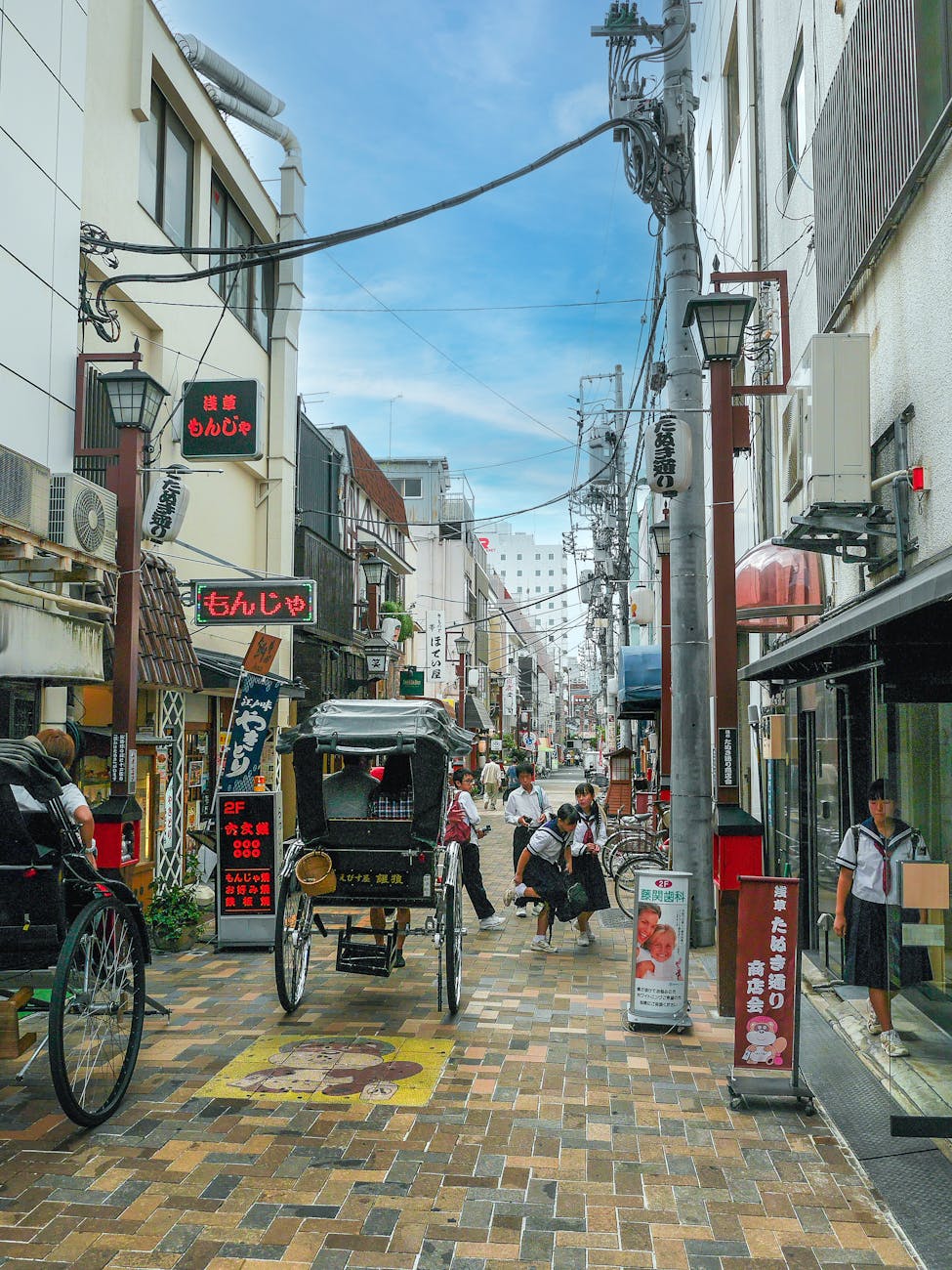
Tokyo is a city of tightly layered neighborhoods, where everyday streets offer temples, craft shops, izakayas, and small parks between glossy towers. This page focuses on things to do that pair well with a compact 3-day plan: neighborhood walks, market stops, seasonal highlights, and low-impact choices that channel spending to local businesses. Use this as a support page to prioritize activities, understand transport realities, and find sustainable alternatives to crowded tourist traps.
What This Page Helps You Decide
Use this guide to choose which neighborhoods and experiences to add to your 3 days in Tokyo. It helps you decide by:
- Suggesting activities by time of day and season.
- Flagging reservations and ticketing needs.
- Listing low-impact, local-first alternatives to crowded spots.
- Pointing to easy day trips to nearby cities like Yokohama or Kawasaki.
If you already have a 3-day outline, use these suggestions to swap in quieter neighborhoods (Yanaka, Kichijoji) or local food markets instead of only high-traffic attractions.
Top Recommendations
Neighborhoods and activities that reward time and low-impact choices:
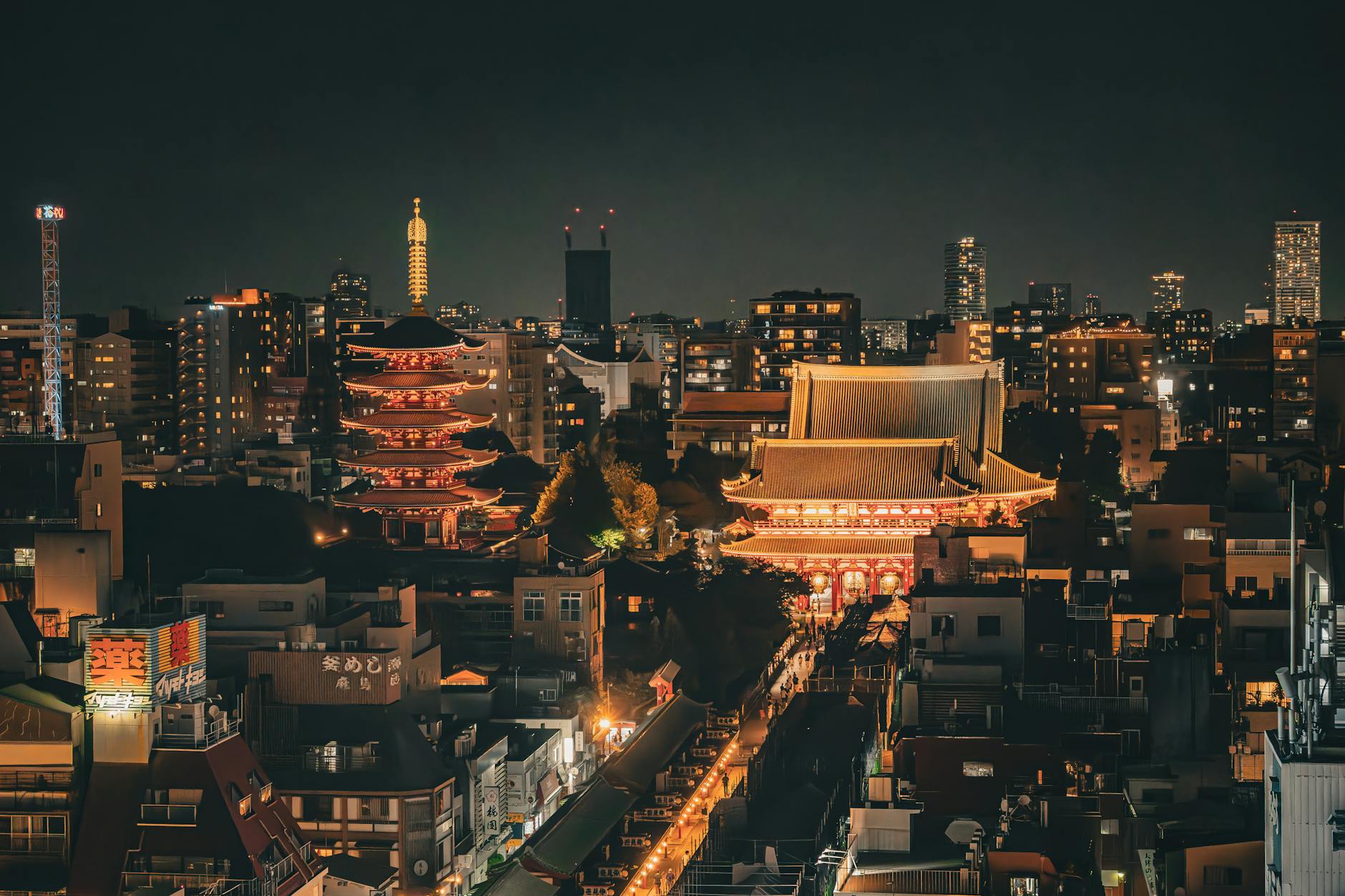
- Asakusa & Ueno (morning): Visit Senso-ji early to avoid crowds, then walk to Ueno Park and the Tokyo National Museum. Museums often have timed entry—book ahead for popular exhibits.
- Shibuya–Harajuku–Omotesando (afternoon): Window-shop on Omotesando, see Meiji Shrine in the cedar grove for a quiet contrast, then explore small eateries in backstreets of Harajuku.
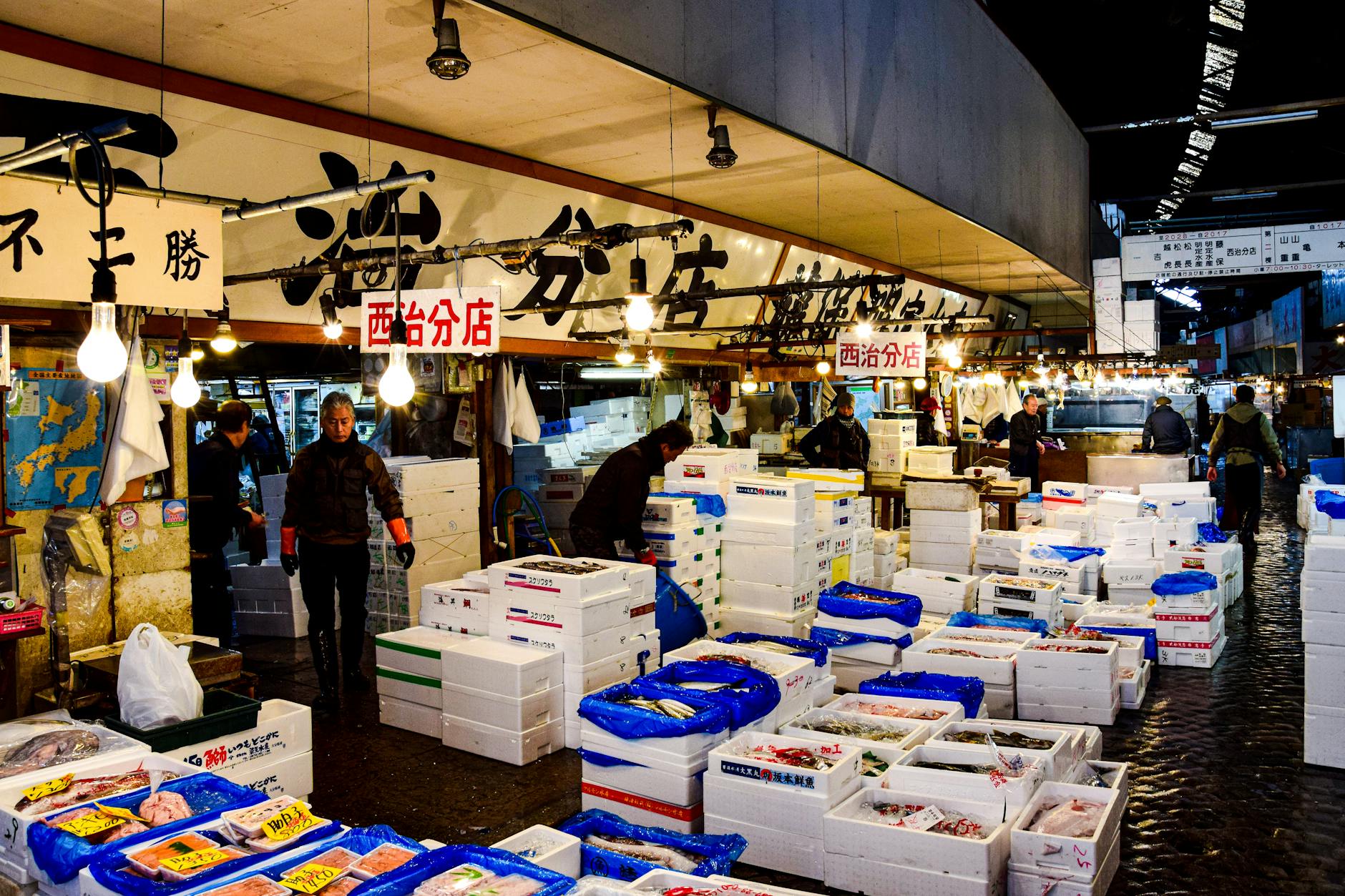
- Tsukiji Outer Market (morning): Eat at small seafood stalls and purchase artisanal food gifts from local vendors. Bring a reusable bag and water bottle.
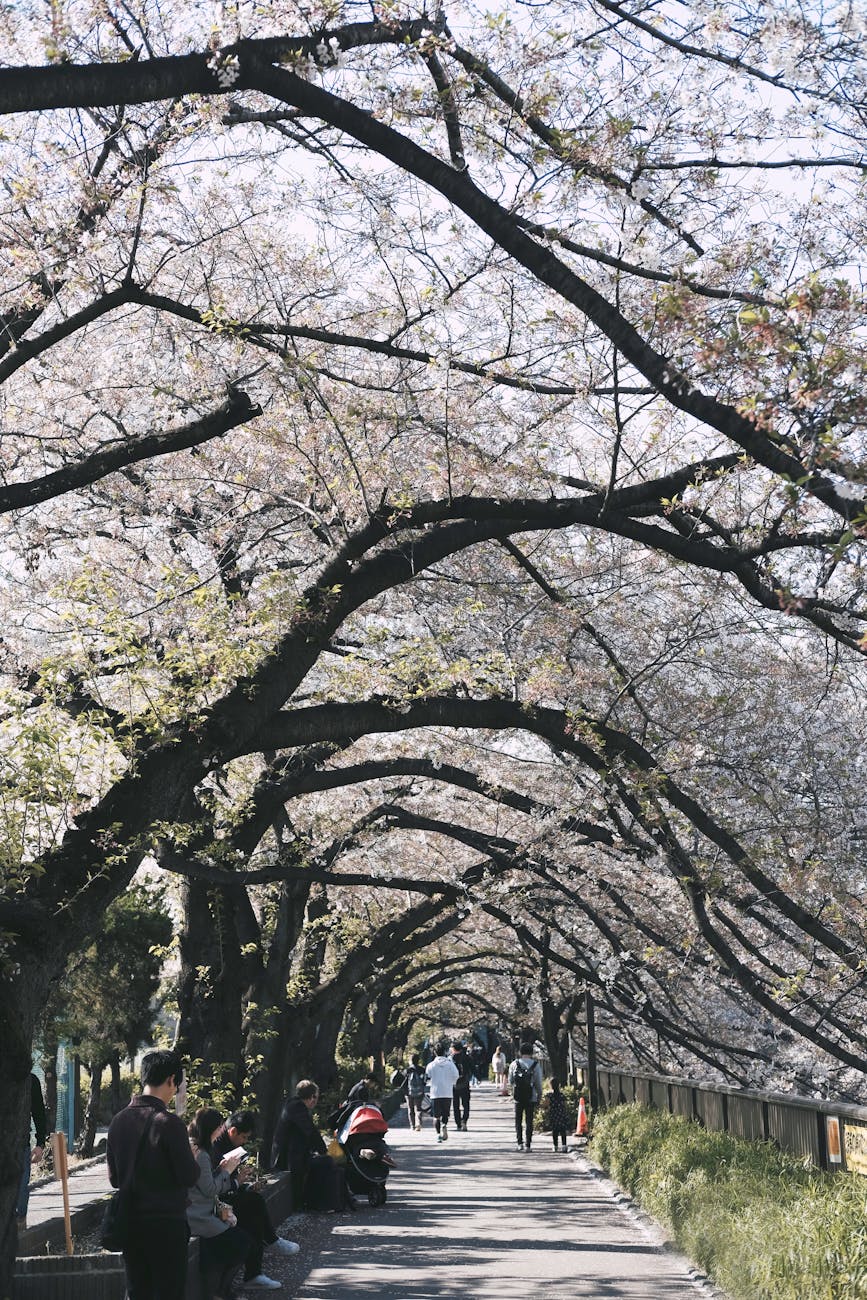
- Nakameguro & Kichijoji (spring or autumn): Canal-side walks and independent cafés—great for slower, local-style half-days.
- Modern contrast: teamLab Planets or Mori Building Digital Art for immersive art (reserve tickets in advance). Tokyo Skytree for views—go at sunset on a weekday for fewer lines.
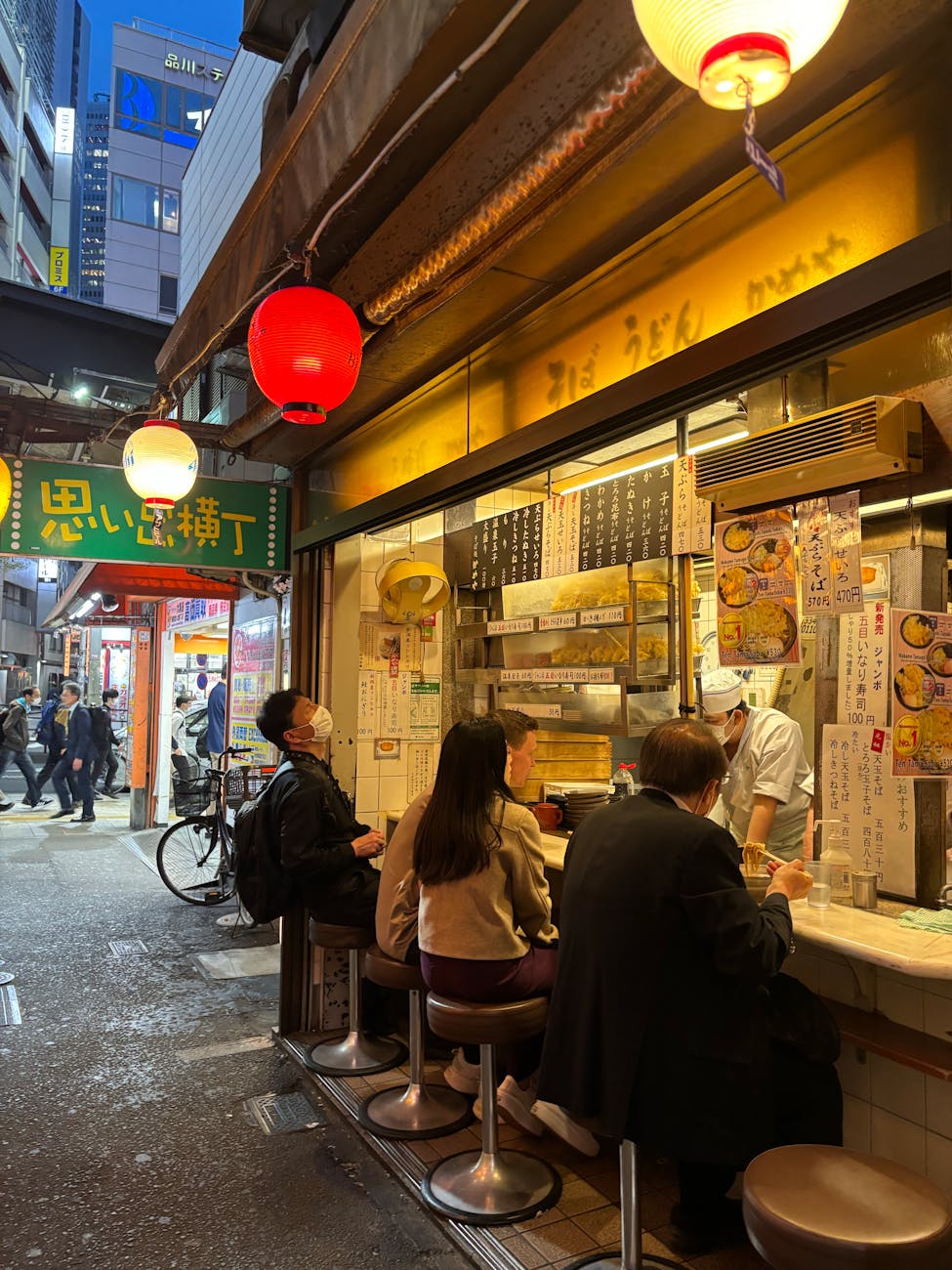
- Evening: Choose a local izakaya in Shinjuku Golden Gai or Ebisu for regional dishes—book small places a day or two ahead if possible.
Pair these with one half- or full-day trip to Yokohama for its waterfront and Chinatown or Kawasaki for Kawasaki Daishi temple and craft shops.
Local Context
Tokyo is organized by distinct neighborhoods rather than a single center. Travel realities to keep in mind:
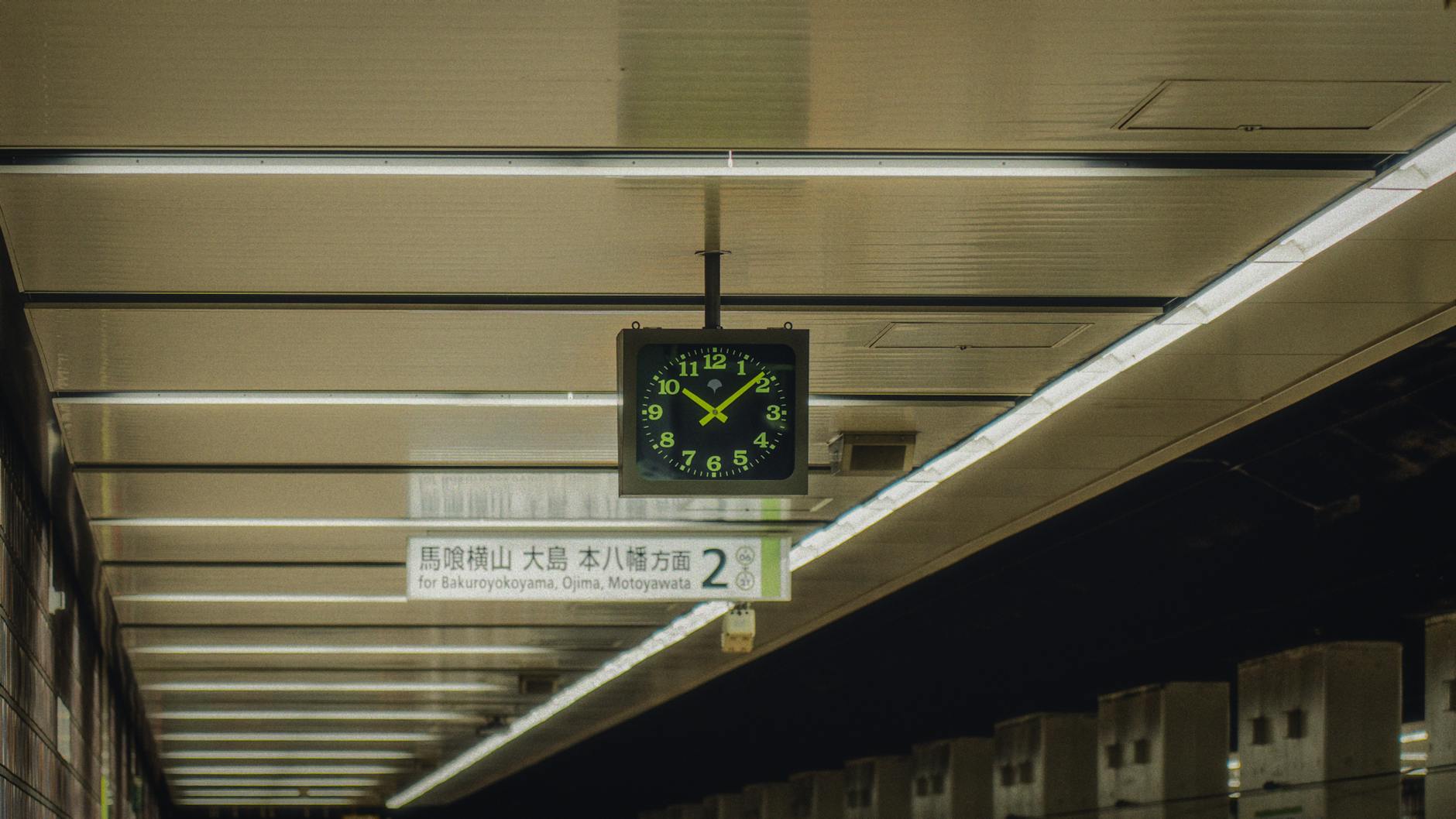
- Transport: Buy a Suica or Pasmo card on arrival for smooth subway and bus travel. Trains are fast but very crowded during weekday rush hours (roughly 7–9:30 and 17–19:30). Last trains run around midnight—plan accordingly.
- Cash vs card: Many small shops and market stalls still prefer cash. ATMs that accept international cards are found in konbini (convenience stores) and post offices.
- Seasons: Cherry blossom peak varies—late March to early April in central Tokyo. Rainy season is June; humidity and festivals spike in summer. Autumn (late Oct–Nov) has cooler weather and fewer tourists.
- Etiquette: Keep phone calls off on trains, queue politely, remove shoes where requested, and avoid tipping. Learn a few phrases like arigatou and sumimasen—locals appreciate the effort.
These realities matter when you build the 3-day itinerary—allow transit time between neighborhoods and pick shoulder-season mornings for outdoor sites.
How to Choose Well
Match activities to your pace and values:
- If you prefer walking and local shops: prioritize Yanaka, Kichijoji, Nakameguro, and Shimokitazawa over high-rise observation decks.
- If you want iconic Tokyo views: schedule Skytree or Roppongi Hills for sunset on a weekday and buy timed tickets.
- If food is central: arrive early at Tsukiji Outer Market or take a guided walking food tour run by a local guide—small groups keep impact low.
- If you’re using this as support for a 3-day itinerary: swap one crowded midday attraction for a slower neighborhood afternoon to reduce fatigue and support small businesses.
Practical booking advice:
– Reserve teamLab, Ghibli Museum (if visiting), sumo stable tours, and special restaurant seats weeks in advance.
– Use official sites or reputable local providers to avoid scalpers.
– Check cancellation policies—flexible tickets are worth it during unpredictable weather or travel changes.
Responsible and Local-First Tips
Choose low-impact, community-supporting options:
- Use public transit and walk between nearby neighborhoods. Short taxi rides are fine late at night but are expensive.
- Eat where locals eat: small izakayas, neighborhood ramen shops, and family-run sushi counters. This keeps money in local economies.
- Buy souvenirs from independent artisans in Yanaka or craft markets rather than mass-market shops in tourist zones.
- Reduce waste: carry a reusable water bottle and cloth bag—many markets offer compostable packaging but not always.
- Time visits to popular spots outside the busiest hours: early morning Senso-ji or late-afternoon teamLab on weekdays.
Supportable experiences: book neighborhood tours with licensed local guides, attend community workshops (pottery, washcloth dyeing), and opt for small-group cooking classes.
Common Mistakes to Avoid
Practical pitfalls travelers make and how to avoid them:
- Cramming too much: Tokyo’s transit looks fast on a map but transfers and walking add time. Build in buffer hours.
- Ignoring cash: carry some yen for markets and small eateries.
- Visiting peak-hour trains: avoid 07:30–09:00 and 17:00–19:30 if possible.
- Waiting for last-minute tickets for popular shows, teamLab, or the Ghibli Museum—these sell out.
- Treating neighborhoods as interchangeable: Shibuya is different from Yanaka; plan a day to linger rather than hopping every 30 minutes.
Avoid these and your 3-day plan will feel less rushed and more locally rewarding.
FAQ
What's the best way to buy a Suica or Pasmo?
Buy one at major train stations (JR East ticket machines for Suica or subway ticket machines for Pasmo). Load a small amount on arrival and top up as needed at konbini or ticket machines.
Can I visit Tsukiji Market for fresh sushi?
Yes—visit the Tsukiji Outer Market in the morning for stalls and small restaurants. Avoid blocking aisles, bring cash for smaller vendors, and arrive early (before noon) for the best selection.
Are reservations required for teamLab or Ghibli Museum?
teamLab often sells timed tickets—reserve online in advance. Ghibli Museum requires advance tickets sold through official outlets or Lawson machines; they are not available at the door.
Is tipping expected in Tokyo?
No. Tipping is not customary; excellent service is considered part of the experience. A small polite gift or a written thank-you goes farther than cash.
What day trips are convenient from Tokyo?
Short trips: Yokohama (30–40 minutes by train) and Kawasaki (20–30 minutes). For longer journeys, Hamamatsu is reachable by Shinkansen (~1.5–2 hours) and works for a full-day trip; Takayama is better as an overnight trip due to travel time. See the 3 days in Tokyo itinerary for suggested day-trip slots.
Conclusion
Tokyo rewards travelers who slow down and choose a few neighborhoods to explore in depth. Use public transit, book high-demand experiences ahead, support small vendors and neighborhood eateries, and time visits to avoid the busiest hours. This page is designed to supplement your 3 days in Tokyo—swap in quieter spots like Yanaka or Kichijoji where you want a lower-impact, more local experience. For day trips and practical routing, consider nearby Yokohama or Kawasaki, or plan an overnight if you want to reach Hamamatsu or Takayama.
How this guide was prepared
This guide was prepared through a structured research that combines destination research, geographic context, itinerary planning logic, and content review.