

Best Time to Visit Atlanta
Practical guide to when to visit Atlanta: weather, crowds, festival months, MARTA tips, and which months offer the best hotel value or to avoid.
When to go to Atlanta depends on tolerance for heat, festivals, and hotel price spikes. This guide gives season-by-season temps, rain, crowd signals, and event months.
Best time to visit Atlanta?
Aim for mid-April–May or October for the best balance of weather and crowds; average daytime highs near 70–80°F. Expect a MARTA rail fare of $2.50 and hotel rates commonly $120–200 per night outside major events like Dragon Con or Music Midtown.
Who This Page Is For
This page helps short-trip planners and first-time visitors deciding which month to schedule a 3-day Atlanta visit. Frequent Atlanta residents or long-term movers will find less value here, since local scheduling and housing concerns require different detail.
Key Takeaways for Atlanta
- Best months: mid-April through May and October — average highs about 70–80°F and lower humidity than summer.
- Cheapest windows: mid-January through mid-February and late November — central Atlanta hotel rates often fall to $100–140 per night.
- Peak/expensive times: early September (Dragon Con) and parts of March–April (Film Festival/Dogwood) when downtown hotels can spike to $250–$400 per night.
- Transit tip: MARTA base fare is $2.50; buy a Breeze Card at MARTA vending machines to ride Red/Gold and Blue/Green rail lines to Midtown, Downtown, Buckhead and Hartsfield-Jackson ATL.
How This Page Was Prepared
This page was prepared through a structured editorial workflow that combines destination research, geographic context, and practical travel-planning review.
Plan the Rest of Your Trip
Use this page together with the full itinerary and the related planning pages below to make better booking, timing, transport, and budget decisions.
For most visitors, mid-April through May and October offer the best overall experience: comfortable daytime highs near 70–80°F, lower humidity than July, and many outdoor options on the BeltLine and in Piedmont Park. Expect MARTA rail fares at $2.50 per trip; buy a Breeze Card at vending machines to simplify local travel. Avoid early September if possible because Dragon Con (Labor Day weekend) pushes downtown hotel rates well above typical levels and fills rail trains. If budget is primary, mid-January through mid-February and the week after Thanksgiving often have the lowest hotel prices.
Planning the best time to visit Atlanta requires more than checking a single monthly high temperature. Weather swings from hot, humid summers with frequent afternoon thunderstorms to mild winters with occasional frost and rare snow. Seasonal events and college or sports schedules cause big spikes in hotel and restaurant prices; Dragon Con and Music Midtown can fill hotels for blocks. Neighborhood choice matters for convenience: Midtown, Downtown, and the Peachtree Center area give the easiest MARTA rail access, while Buckhead and many suburbs generally require driving or longer bus rides. This page gives concrete, date-linked guidance so a 3-day itinerary can be scheduled to avoid crowds, manage costs, and match weather expectations.
What This Page Helps You Decide
This guide helps decide exact travel dates based on weather tolerance, event attendance, and pricing. It supports choices about whether to book during spring festivals like the Atlanta Film Festival or during a low-cost week in January. It helps pick which neighborhood to use as a base for a 3-day visit — Midtown and Downtown for transit access, Old Fourth Ward for BeltLine access, Buckhead for upscale hotels but more driving. It also clarifies trade-offs: outdoor activities versus heat and thunderstorms, saving on hotels versus missing signature events, and when driving is worth the cost versus relying on MARTA.

Top Recommendations
Season-by-season breakdown with typical highs/lows, rainfall tendencies, and crowd levels:
- Winter (Dec–Feb): Highs 45–55°F, lows 30–40°F. Rainfall is moderate; measurable snow is rare but possible. Crowd level low except holiday weeks (late December). Hotels often drop to $100–140/night in January. Good value for museums (Georgia Aquarium, World of Coca-Cola) and indoor dining.
- Spring (Mar–May): Highs 60–80°F, lows 40–60°F. Spring sees variable rain — March can be wet but April and May trend drier with afternoon thunderstorms less frequent than summer. Crowd level moderate; spikes during the Atlanta Film Festival (April) and Atlanta Dogwood Festival (late March/early April). Shoulder-season advantage: pleasant temperatures for walking the BeltLine and outdoor patios at Ponce City Market.
- Summer (Jun–Aug): Highs 85–95°F, lows 70–75°F. Rainfall increases in the form of regular afternoon thunderstorms; humidity is high. Crowd level mixed: family travel increases in June–July, but many business travelers slow. Hotels are not always cheapest because of conventions; avoid if heat is a major concern.
- Fall (Sep–Nov): Highs 60–80°F, lows 45–60°F. Rainfall declines from summer, though early September can still be humid. Crowd level varies: early September is extremely busy because of Dragon Con (Labor Day weekend) and Music Midtown (often September). Prime fall window for good weather and lower humidity is October–early November.
At least three annual events to factor into planning:
– Dragon Con — early September (Labor Day weekend), massive downtown hotel demand.
– Atlanta Film Festival — April, several venues across Midtown and Downtown.
– Music Midtown — typically September in Piedmont Park.
– Peachtree Road Race — July 4, large city impact around midtown streets.
– Georgia Renaissance Festival — weekends October–November in Fairburn.
Which months offer the best value: mid-January through mid-February and late November (after Thanksgiving) when central hotel rates often fall to $100–140/night. Peak/most expensive months: early September (Dragon Con) and select weekends in March–April during large events and some football weekends; downtown hotels can reach $250–$400/night. Months to avoid and why: July–August for oppressive heat and humidity, and early September if avoiding Dragon Con crowds and price spikes. Shoulder-season advantages: April–May offers mild temperatures (65–80°F), outdoor dining at Ponce City Market, and BeltLine walks before summer storms become frequent. October provides cooler days (60–75°F) with lower humidity and good weekend farmers markets, plus easier day trips to North Georgia for fall color.
Local Context
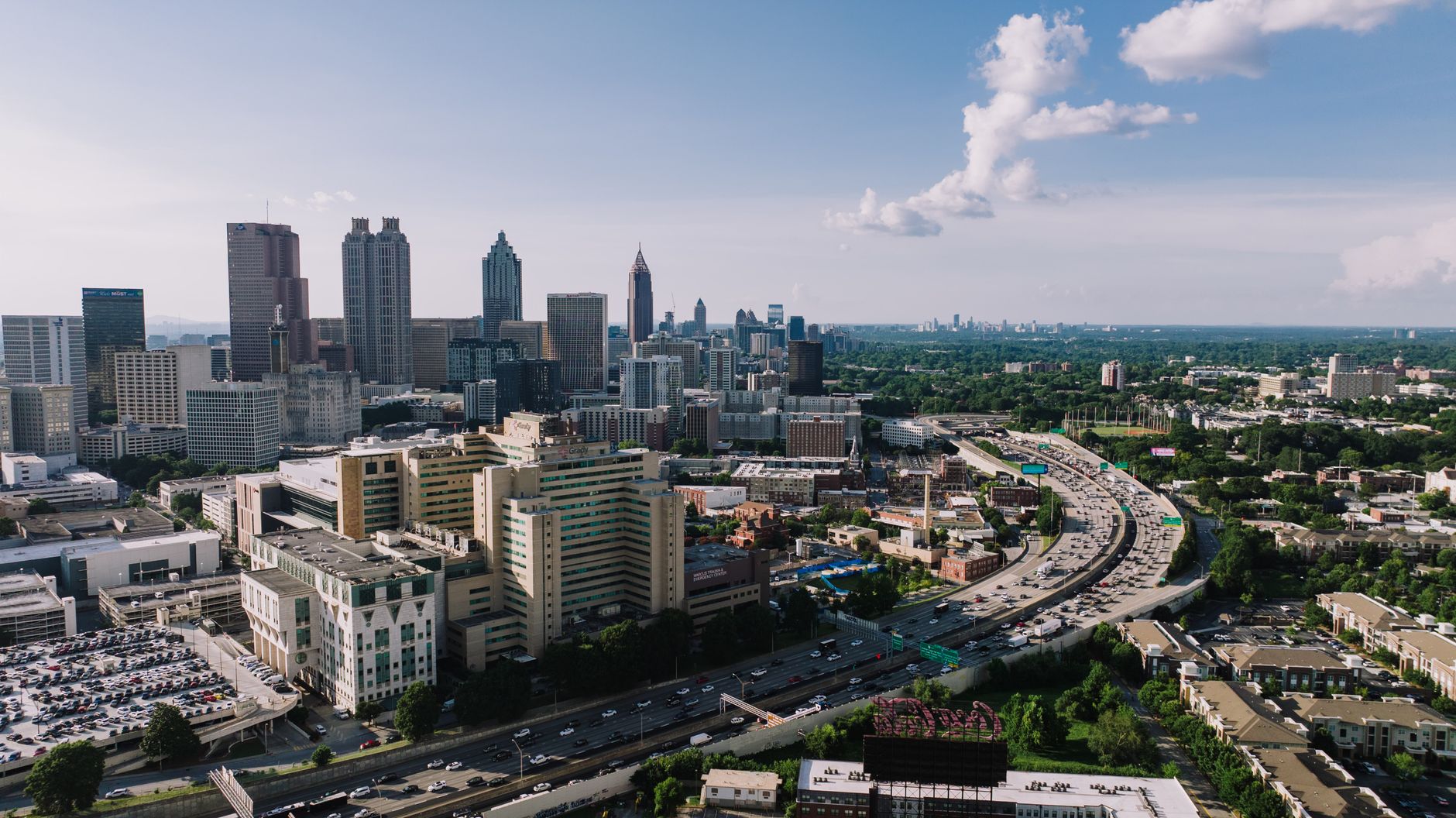
Atlanta's neighborhood layout affects weather experience and logistics. Midtown and Downtown concentrate hotels and are closest to MARTA rail Red and Gold lines and Blue and Green lines at Five Points. Buckhead has MARTA access at Buckhead Station but requires longer trips to the airport. Old Fourth Ward and Inman Park give direct BeltLine access and good walking options for restaurants and breweries.
Traffic on I-75/85 (the Downtown Connector) can add 20–40 minutes to trips; weekend schedules for stadium events and Falcons or Georgia Tech games produce localized spikes. Hartsfield-Jackson ATL remains the busiest hub; MARTA rail connects the airport at the Airport station directly to downtown. Spring brings high pollen counts that affect allergies; summer afternoons often have convective storms that cause short severe-weather warnings and temporary flooding on low-lying streets. Local food habits are season-driven: summer lemonade and outdoor patios, fall tailgate menus and game-day crowds around Midtown and Buckhead.
How to Choose Well
Decide by balancing weather tolerance, event interest, and transport preference. For walking and outdoor activity priority, pick mid-April–May or October to avoid humidity and use the BeltLine and Piedmont Park comfortably. For the lowest lodging cost, book in mid-January–mid-February or late November and plan indoor activities like the High Museum and Center for Civil and Human Rights.
If attending a major event, book hotels at least 4–6 months ahead for Dragon Con or Music Midtown; expect downtown rooms to sell out. Choose a base based on transit needs: Midtown or Peachtree Center for quick MARTA rail access, Old Fourth Ward for BeltLine access, and Buckhead for upscale hotels and shopping but accept more driving. For day trips to Marietta, Kennesaw, Chattanooga, or Macon, renting a car for at least one day is practical; MARTA and intercity buses do not cover all suburban routes efficiently.

Responsible and Local-First Tips
Support local businesses by eating at long-standing spots such as Mary Mac's Tea Room and using food halls like Krog Street Market or Ponce City Market. Buy produce and goods at local markets — try the Decatur Farmers Market or the Peachtree Road Farmers Market on Saturdays when in season. Take MARTA rail or bus when practical to reduce emissions and avoid paying downtown parking fees; Breeze Cards and station vending machines simplify transfers.
Choose locally owned tour operators for guided BeltLine art walks or food tours and tip service workers at local rates. When attending festivals, buy tickets from official sellers and use public transit instead of rideshare for short downtown hops to reduce congestion. If taking day trips, consider using a local shuttle or Amtrak between Atlanta and Macon or Chattanooga when schedules align to support regional operators.

Common Mistakes to Avoid
Underestimating the impact of major events. Dragon Con and Music Midtown fill hotels blocks away; booking a few days before checking event dates often leads to unexpectedly high rates and sold-out rooms. Check event calendars for the same weekend as the trip.
Ignoring summer storm patterns. Afternoon convection storms in June–August can close outdoor plans quickly and cause short-term street flooding; always allow extra travel time and plan at least one indoor backup activity.
Choosing lodging far from a MARTA rail station when relying on transit. Neighborhoods like Midtown, Five Points, and Peachtree Center put key attractions within a 10–20 minute rail or walk radius; choosing farther suburbs increases reliance on rideshare or rental cars and adds hidden costs.
FAQ
When is the cheapest time to visit Atlanta?
Mid-January through mid-February and late November usually have the lowest hotel rates; expect central hotels to start around $100–140 per night outside special events.
Is Atlanta unbearably hot in summer?
Summers often hit 90–95°F with high humidity and frequent afternoon thunderstorms; if heat and humidity are a concern, avoid July and August.
How reliable is MARTA for airport-to-downtown travel?
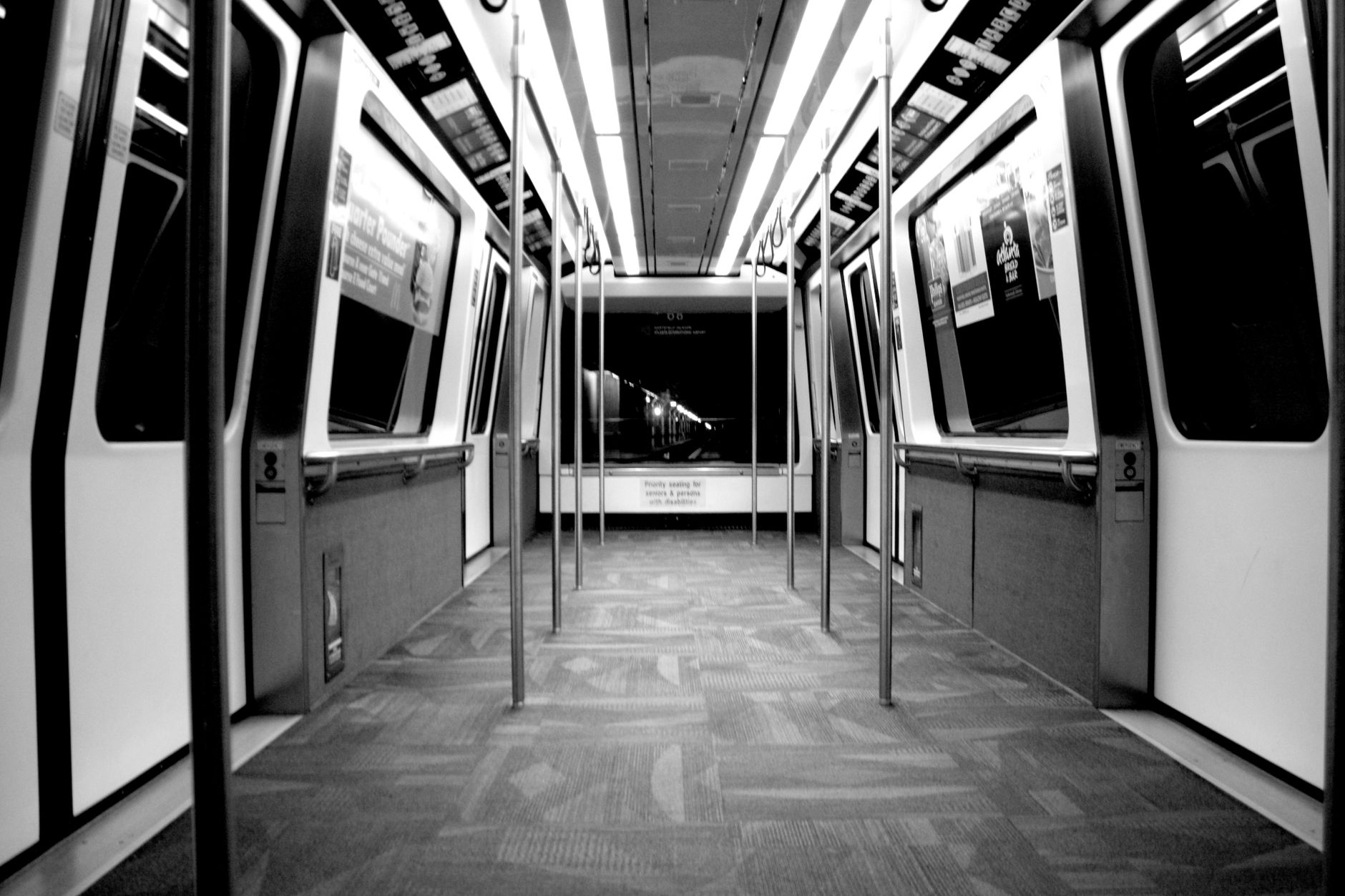
MARTA connects Hartsfield-Jackson ATL to downtown at the Airport station on the Red/Gold lines; rail runs roughly from about 5:00 AM to 1:00 AM and the base fare is $2.50 per ride.
Which months have major festivals that affect hotel availability?
Early September (Dragon Con), April (Atlanta Film Festival, Atlanta Dogwood Festival), and September (Music Midtown) commonly cause hotel spikes and sold-out inventory.
Should a first-time visitor rent a car?
For a central 3-day visit focused on Midtown, Downtown and the BeltLine, renting a car is unnecessary and adds parking costs; rent a car or use a day rental if planning day trips to Marietta, Kennesaw, Macon, or North Georgia.
When is the best time to walk the BeltLine and visit Piedmont Park?
Mid-April–May and October offer the most comfortable temperatures for those activities, with daytime highs commonly 65–80°F and lower humidity than summer.
Do hotel prices change a lot around college and pro football season?
Yes; large college football weekends and Falcons home games can push neighborhood rates up, especially in October and November on Saturday nights.
Conclusion
The single most important decision is aligning dates with weather tolerance and event schedules. For most visitors, mid-April–May or October gives the best mix of walkable weather, lower humidity, and manageable hotel prices. Avoid early September unless specifically attending Dragon Con and avoid July–August if trying to escape high heat and frequent storms. For a practical next step, compare specific weekend hotel rates for April and October and then check the companion 3 days in Atlanta itinerary to lock neighborhood choices and transport plans.
How this guide was prepared
This guide was prepared through a structured research that combines destination research, geographic context, itinerary planning logic, and content review.