
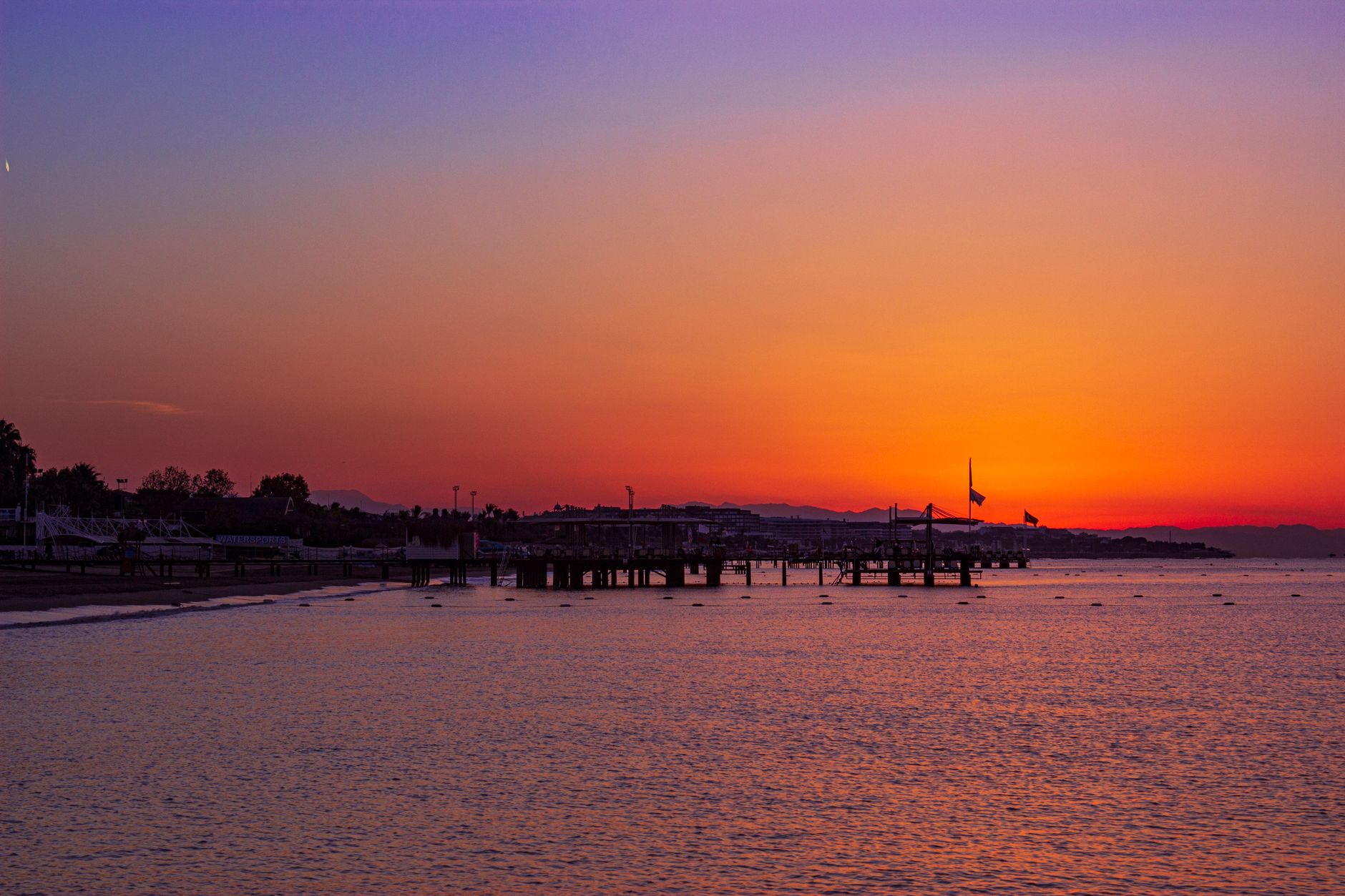
Best Time to Visit Belek, Turkey
Month-by-month guide to weather, crowds, prices and events in Belek. Find best months for golf, beach and value plus transport and festival timing.
Clear month-by-month advice for planning a trip to Belek: when the weather suits golf or sea, which months are most expensive, and the shoulder-season windows that save money without losing sun.
Quick Answer
Best months are April–May and September–October for good weather (highs around 22–30°C) and better value; expect 4-star resort double rooms around 1,200–3,500 TRY/night in shoulder months. Avoid mid-December to February for frequent rain and reduced resort services; July–August is peak season with crowded beaches and top prices.
Who This Page Is For
This page helps beach travellers, golfers, and families planning 2–5 day stays who want specific weather, price and crowd trade-offs for Belek. Not aimed at winter-long expats seeking long-term rentals.
Key Takeaways for Belek
- Best value months: April–May and September–October — average highs 22–30°C and lower hotel rates (4-star rooms ~1,200–3,500 TRY/night).
- Peak months: July–August — average highs 32–36°C, crowded beaches, and highest hotel rates for all-inclusive resorts (expect significantly above shoulder prices).
- Months to avoid for outdoor plans: December–February — frequent rain, highs 12–16°C and many outdoor amenities reduced or closed.
- Golf and event windows: top golf conditions and many tournaments occur in March–May and September–October; Aspendos Opera & Ballet runs June–July and Antalya Golden Orange Film Festival in September–October.
How This Page Was Prepared
This page was prepared through a structured editorial workflow that combines destination research, geographic context, and practical travel-planning review.
Plan the Rest of Your Trip
Use this page together with the full itinerary and the related planning pages below to make better booking, timing, transport, and budget decisions.
April–May and September–October are the best overall months for weather, crowds and price in Belek. Expect daytime highs roughly 22–30°C, comfortable mornings for golf and beach afternoons without July heat, and lower resort rates; typical 4-star resort double rooms run about 1,200–3,500 TRY per night in these shoulder months.
July–August is the hottest and most expensive interval: highs often 32–36°C, packed beaches and peak all-inclusive rates. December–February brings frequent rain, daytime highs near 12–16°C and reduced outdoor services, which makes winter a poor choice for a short seaside stay unless chasing low prices and quiet pools.
This page answers one specific planning question: when to visit Belek to get the weather, crowds and prices that match the trip goals (beach days, golf rounds, or lower-cost family travel). Many travellers assume Belek is only a July–August destination because of the resorts, yet spring and autumn are the months when temperatures suit golf rounds and sightseeing while beaches remain swim-friendly. Resort availability, green fees at courses like Carya and Gloria, and shuttle schedules change with season; underestimating those changes leads to surprise costs or reduced options.
Local transport quirks matter: AntalyaKart works across Antalya city transport but Belek relies heavily on dolmuş minibuses, private hotel shuttles and occasional Havaş airport coaches. Seasonal events such as the Aspendos Opera & Ballet Festival bring day visitors from Antalya and can affect hotel availability. This guide gives concrete monthly climate numbers, clear crowd and price signals, and festival timing so that booking decisions are factual rather than hopeful.
What This Page Helps You Decide
Decisions supported here include the exact month to book, whether to prioritize low price or guaranteed sun, and if a trip should be timed for golf tournaments or cultural events near Belek. Helps determine whether to book a sea-facing all-inclusive resort in August for guaranteed swimming, or a spring trip for lower green fees at Carya and Gloria and easier tee times.
Also helps choose transport: whether to reserve a private airport transfer from Antalya Airport, use Havaş shuttle services, or rely on local dolmuş routes between Belek, Kadriye and Antalya. Includes guidance on when local markets and small restaurants along Atatürk Caddesi in Kadriye are open and worth visiting versus when many kitchens in smaller pensions reduce hours during low season.
Top Recommendations
Seasonal overview (typical highs/lows, rainfall tendency, crowd level):
– Winter (December–February): highs 12–16°C, lows 4–8°C, frequent rain and highest monthly rainfall. Crowd level: low; many resort facilities reduce hours. Avoid for beach plans; some hotels remain open but expect limited outdoor dining.
– Spring (March–May): highs 18–26°C, lows 8–14°C, decreasing rain, moderate to low crowds. Ideal for golf and sightseeing. Green fees and hotel rates start to rise in April and May.
– Summer (June–August): highs 30–36°C, lows 20–26°C, very low rainfall. Crowd level: peak in July–August with full hotels and busy beaches. Sea temperature peaks in August (around 26–28°C).
– Autumn (September–November): highs 20–28°C, lows 10–18°C, rain increases in November. Crowd level: September and early October are shoulder-to-busy, November quiets. Sea remains swimmable through October.
Specific monthly tendencies and practical notes:
– March: Cool mornings, good golf conditions, early-season green fee discounts common. Expect fewer tourists.
– April–May: Best value window — daytime highs 20–26°C, reliable sunny days, lower hotel rates (4-star rooms commonly 1,200–3,500 TRY/night). Book tee times in advance for popular courses on holiday weekends.
– June: Warm and dry. Events pick up; day-trippers from Antalya increase traffic to Aspendos.
– July–August: Peak heat and prices. Expect 32–36°C highs and the busiest beaches. Top resort rates and limited availability for popular golf tee times.
– September–October: Shoulder season advantage — late sea warmth (about 24–26°C in September), fewer crowds, and many courses offer reduced green fees compared with August. Hotel rates typically fall back toward shoulder-season levels by mid-September.
– November: Weather cooling and increased rain; many seasonal activities wind down.
Events and festivals to note:
– Aspendos Opera and Ballet Festival — usually June to July at Aspendos Theatre (nearest major cultural draw).
– Runtalya (Antalya Marathon) — typically in April, draws runners and affects transport in Antalya for a day.
– Antalya Golden Orange Film Festival (Altın Portakal) — usually September to October in Antalya and draws regional visitors.
Which months offer best value: April–May and September (explicitly lower rates and good weather). Peak/most expensive months: July and August (hotel rates and green fees highest). Months to avoid and why: December–February — heavy rain spells, cooler temperatures, and many outdoor services curtailed. Shoulder-season advantages: lower green fees at Carya and Gloria in March–May and September, easier tee times, shorter transfer queues at Antalya Airport, and more space on Belek Beach.

Local Context
Belek is part of Serik district in Antalya Province and sits next to Kadriye and the coastal strip that includes Titreyengöl and Boğazkent. Many visitors stay in large resort complexes along the D400 coastal road; those resorts provide private shuttles to local beaches and golf clubs. Small local businesses and neighbourhood cafes are concentrated along Kadriye's Atatürk Caddesi and the road toward Titreyengöl lake.
Transport specifics affecting planning: Antalya Airport (AYT) is the main international gateway. Havaş coaches and private shuttle companies serve the Antalya–Belek route; many travellers pre-book private transfers for convenience. Municipal transport in Antalya uses AntalyaKart; that card is widely accepted inside Antalya city but is not always valid on private Belek shuttles and some dolmuş lines. Dolmuş minibuses run between Belek, Kadriye and Serik on set routes; they accept cash and are useful for short hops but do not follow Antalya's fare card system.
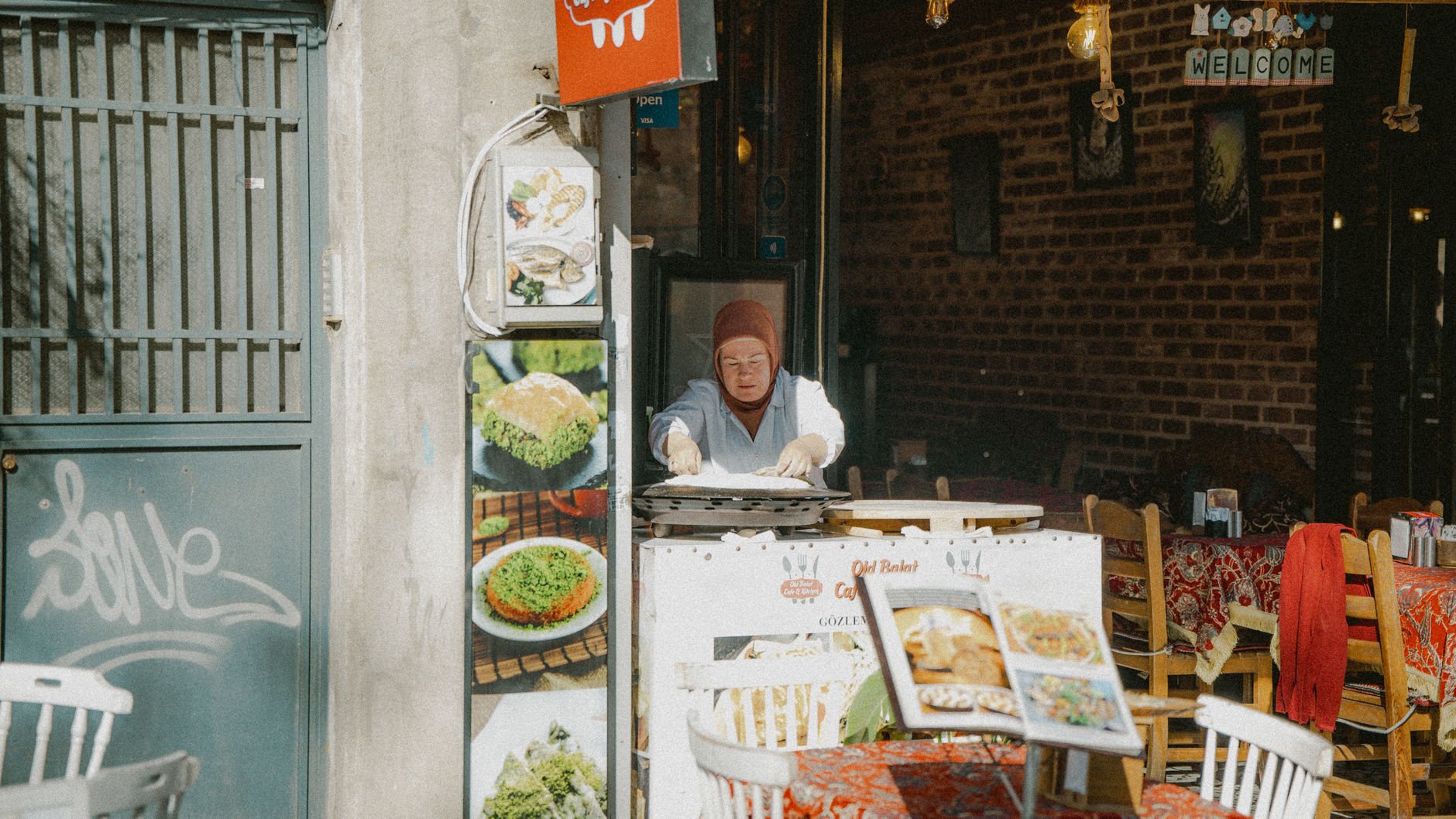
Cuisine and services: Local dishes available in town include Antalya-style piyaz, gözleme, and simple fish restaurants near Titreyengöl. Large all-inclusive resorts dominate accommodation but smaller pensions and family-run guesthouses in Kadriye offer lower rates in shoulder months. Seasonal impacts such as Ramadan can change restaurant opening hours across the region; check dates before booking if meal schedules matter.
How to Choose Well
Decide by activity priority: choose April–May or September–October for golf and comfortable sightseeing; select July–August only if guaranteed hot, full-sun beach days are the goal despite high prices. Assess mobility and transport: guests reliant on public transport should expect to use dolmuş minibuses and occasional private shuttles; those wanting seamless transfers should book private airport transfers in advance.
Weigh accommodation trade-offs: all-inclusive resorts save time and often include transfers and activities but reduce spending in local businesses. Smaller hotels in Kadriye cost less in shoulder months and put restaurants and shops within walking distance. For families, priority should be pool/shallow-beach access in July; for couples seeking quiet and lower cost, choose September when sea is warm but crowds fall.
Budget versus experience trade-offs: paying peak green fees and resort rates in July buys guaranteed sunny weather but limits bargaining power. Booking in shoulder months gives more negotiating room on extras like spa bookings and golf tee times while keeping most attractions accessible.

Responsible and Local-First Tips
Support local businesses by eating at small restaurants on Kadriye's Atatürk Caddesi and buying baked goods from neighbourhood bakeries rather than only using resort buffets. Purchase fresh fruit, nuts or souvenirs from local market stalls when open; look for family-run stalls near Titreyengöl rather than mass-produced tourist shops.
Reduce environmental impact by using dolmuş minibuses for short hops between Belek and Kadriye rather than hiring private taxis for all trips. Refill a reusable bottle at hotel water stations or local cafés; many hotels provide large dispensers. When booking golf, choose local caddies and on-site pro shops at clubs such as Carya Golf Club and Gloria Golf Club to keep spending within the regional economy.
Attend cultural events like an evening performance at Aspendos Theatre or local concerts in Antalya to direct ticket income to local cultural organisations instead of private tour operators. If visiting during Ramadan, respect altered opening hours at small restaurants and ask before taking photos of people in private settings.

Common Mistakes to Avoid
Booking arrival or departure on festival days without checking local event schedules. Festivals such as Aspendos Opera (June–July) and Antalya Golden Orange Film Festival (September–October) can fill nearby hotels; verify local calendars and expect higher prices and booked transfers.
Assuming AntalyaKart works everywhere between Antalya and Belek. Municipal cards do not always apply to private shuttles and dolmuş lines; keep cash for short regional minibuses and check shuttle inclusions on resort bookings.
Underestimating summer heat for outdoor activities. Expect mid-afternoon highs above 32°C in July and August; plan early-morning golf tee times or late-afternoon beach sessions and secure shaded seating. Overlooking cooler shoulder-season sea temperatures in April may affect swim plans; check sea temperature averages (April around 18–20°C).
FAQ
When is the cheapest time to book hotels in Belek?
Cheapest months are typically November–March, with lowest nightly rates and many resorts offering deep discounts; for a balance of price and weather, target April–May or September.
Is September still good for swimming in Belek?
Yes — sea temperatures in September usually sit around 24–26°C, warm enough for comfortable swimming while crowds and prices drop from August levels.
How hot does Belek get in July and will it affect golf?
July daytime highs commonly reach 32–36°C; early-morning tee times are recommended and many clubs offer later tee times with cooling stations to avoid mid-day heat.
What transport options exist from Antalya Airport to Belek and how long does it take?
Options include pre-booked private transfers (most convenient), Havaş airport coaches when scheduled, and shared shuttles; travel time is roughly 45–60 minutes depending on traffic.
Are there any major festivals near Belek and when do they happen?
Notable events include Aspendos Opera & Ballet Festival (June–July in Aspendos), Runtalya Marathon (April in Antalya), and the Antalya Golden Orange Film Festival (September–October), all of which bring regional visitors.
Will AntalyaKart work for getting to Belek from Antalya city?
AntalyaKart works on municipal buses, trams and the Antray tram inside Antalya city, but many Belek-area services are private shuttles or dolmuş minibuses that require cash or separate tickets.
Are golf courses open year-round and when are green fees lowest?
Many courses, including Carya and Gloria, operate year-round; green fees tend to be lowest in late autumn and winter (November–March) and also in shoulder periods (March–May, September) outside peak summer demand.
Conclusion
The single most important planning rule for Belek: pick a month based on activity — choose April–May or September for best balance of weather, lower prices and available tee times; accept July–August only if peak-summer beach days are essential and high rates are acceptable. Check festival calendars and transfer inclusions before finalising bookings to avoid price spikes or logistical headaches. For a practical next step, use this timing guidance to reserve hotels and tee times for the 3 days in Belek itinerary, prioritising April–May or September to get the most out of golf, beaches and local outings without peak crowds.
How this guide was prepared
This guide was prepared through a structured research that combines destination research, geographic context, itinerary planning logic, and content review.