

Practical 3-Day Guide to Beirut: Plan Your Weekend Stay
Three days in Beirut cover downtown, Gemmayzeh and the Corniche with practical transit, food, museum, and safety tips to avoid common tourist mistakes.
A straightforward, usable 72-hour plan focused on real transport, meal costs, neighbourhood pacing and what to drop if time runs out.
First impressions are often noise, constant traffic and rapid changes to everyday services. Visitors arrive expecting glossy nightlife or curated ruins; instead they find a messy urban mix of modern high-rises, mid-century buildings, refugee-era storefronts and districts that change block by block.
Streets can be crowded, especially around foodie neighbourhoods after sunset, and some public services run less reliably than in Western European cities. A short stay suits travellers who can tolerate irregular opening hours, use cash, and prefer walking between concentrated areas rather than relying on a formal transit network.
Expect honest friction: intermittent electricity in some buildings, ATMs that run out in afternoons, and restaurants that close for long afternoons. Those prepared for this will find access to serious food, lively bars, small museums and coastline walks that fit into a tight three-day plan without unrealistic expectations.
Is 3 days in Beirut enough?
Yes — three days allow a solid introduction: central landmarks, a food-and-bar evening in Gemmayzeh/Mar Mikhael, and a neighbourhood day in Hamra or Achrafieh. Expect to skip a long day trip to Byblos or the Chouf mountains unless willing to extend or sacrifice time in the city.
Who This Guide Is For
Best for short-stay urban travellers who can tolerate noise, variable services and lively nightlife; less suitable for families needing consistent child services or travellers seeking quiet nature escapes without day trips.
Local Tips for Beirut
Practical details that most travel sites skip — specific to Beirut.
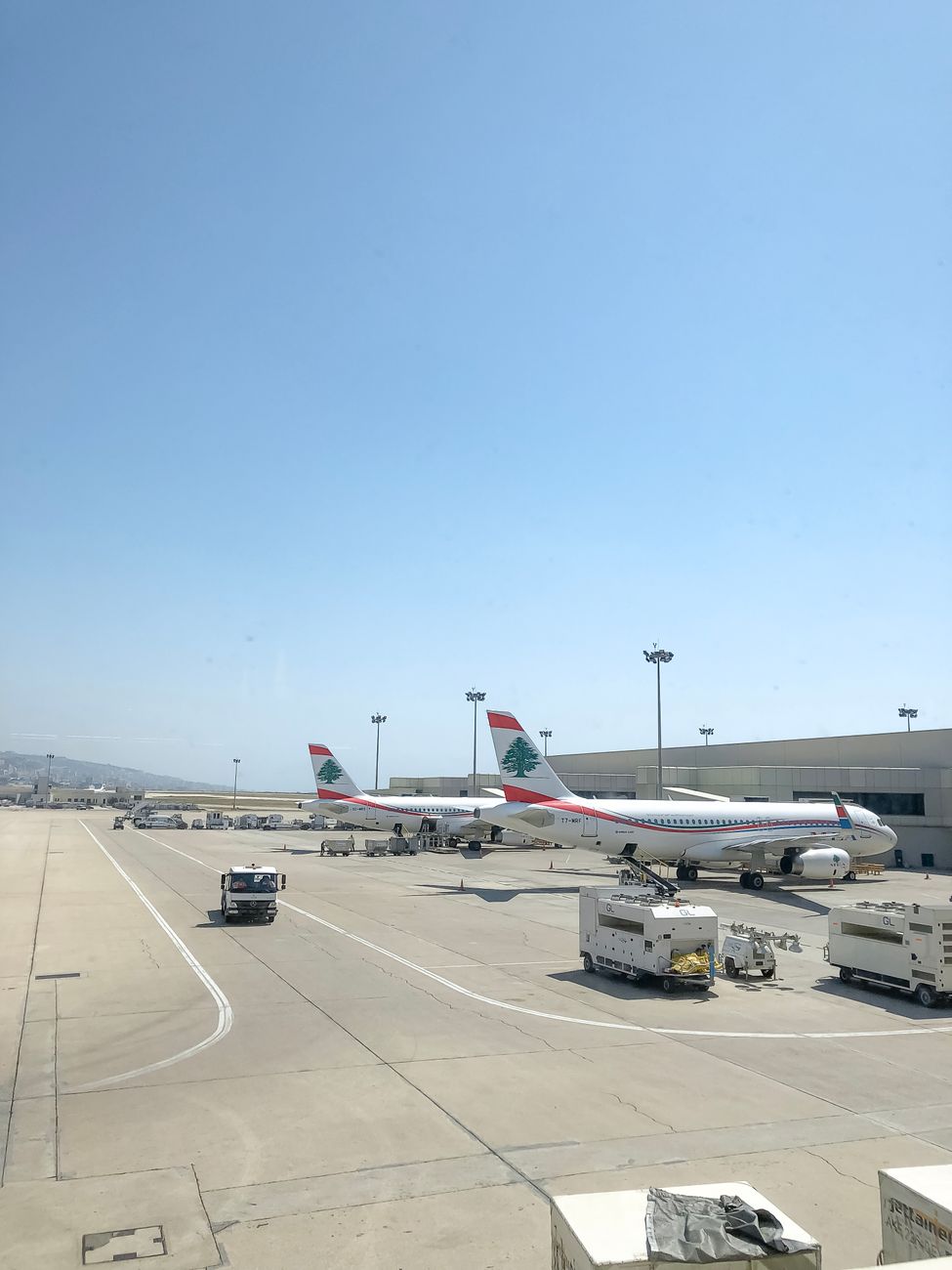
- Rafic Hariri International Airport posts fixed taxi rates at the arrivals exit — expect around 25,000–40,000 LBP (≈$16–$30) to central Beirut; ask for the printed ticket stall before taking a taxi.
- Small shops and older restaurants still prefer Lebanese pounds (LBP). Many pricings are listed in USD; paying small USD bills is accepted but the parallel market exchange can make prices change fast.
- Shared service taxis (white minibuses) operate on set corridors such as Hamra–Corniche–Gemmayzeh and cost roughly 2,000–5,000 LBP per ride; tell the driver your stop, pay cash when getting off.
- Buy a local SIM from Alfa or Touch at the airport or Hamra; basic data bundles start around 20,000–40,000 LBP and help for navigation because public transport schedules are informal.
- Sursock Museum has timed admissions and occasional temporary exhibitions with separate fees; check opening hours before planning a morning visit since smaller museums often close Mondays or have afternoon hours.
How This Guide Was Prepared
This guide treats Beirut as a working city with real problems: intermittent services, currency quirks and loud nightlife rather than an idealised leisure destination. Most guides either sell a glossy nightlife image or reduce the place to war history; this explains how to move between present-day neighbourhoods, where to spend limited time, and which experiences are actually worth the hassle. This guide was prepared through a structured research that combines destination research, geographic context, itinerary planning logic, and content review.
Plan Your Stay in Beirut
Use this itinerary as your starting point, then compare areas to stay, transport options, seasonal timing, and realistic daily costs before booking.
Why Visit
Food is the main draw: manakish, mezzes, freshly grilled seafood and specialty bakeries appear side-by-side with contemporary restaurants in Mar Mikhael and Gemmayzeh. Eating across neighbourhoods gives a quick education in Levantine food techniques and seasonal produce.
The coastline is close to the centre — the Corniche walk and Raouche (Pigeon Rocks) provide accessible seaside time without leaving the city. That stretch is useful for short daylight walks and sunset views between museum visits.
Small museums and rebuilt archaeological sites concentrate key highlights: the National Museum of Beirut holds important Levantine artifacts, the Roman Baths are visible in Downtown Beirut, and Sursock Museum presents modern and contemporary Lebanese art. These let limited-time visitors sample cultural threads without lengthy travel.

Quick Planning Tips
Fly into Rafic Hariri International Airport for the fastest route to central areas; the airport taxi desk posts fixed fares and a printed ticket is the safest purchase. Expect a 20–40 minute drive to Downtown depending on traffic; peak-hour trips can double.
Bring a mix of LBP and small USD notes. Credit cards work at many hotels and larger restaurants but small vendors, service taxis and some museums require cash. Withdraw from major-bank ATMs in Hamra or Achrafieh and avoid late-night ATM queues.
Book accommodation in or near Hamra, Gemmayzeh/Mar Mikhael or Downtown for tight three-day plans; avoid relying on a single transit timetable because minibuses and shared taxis run informally. One planning mistake to avoid is assuming museums and smaller galleries open daily and on a strict schedule — check hours in advance.
Day 1
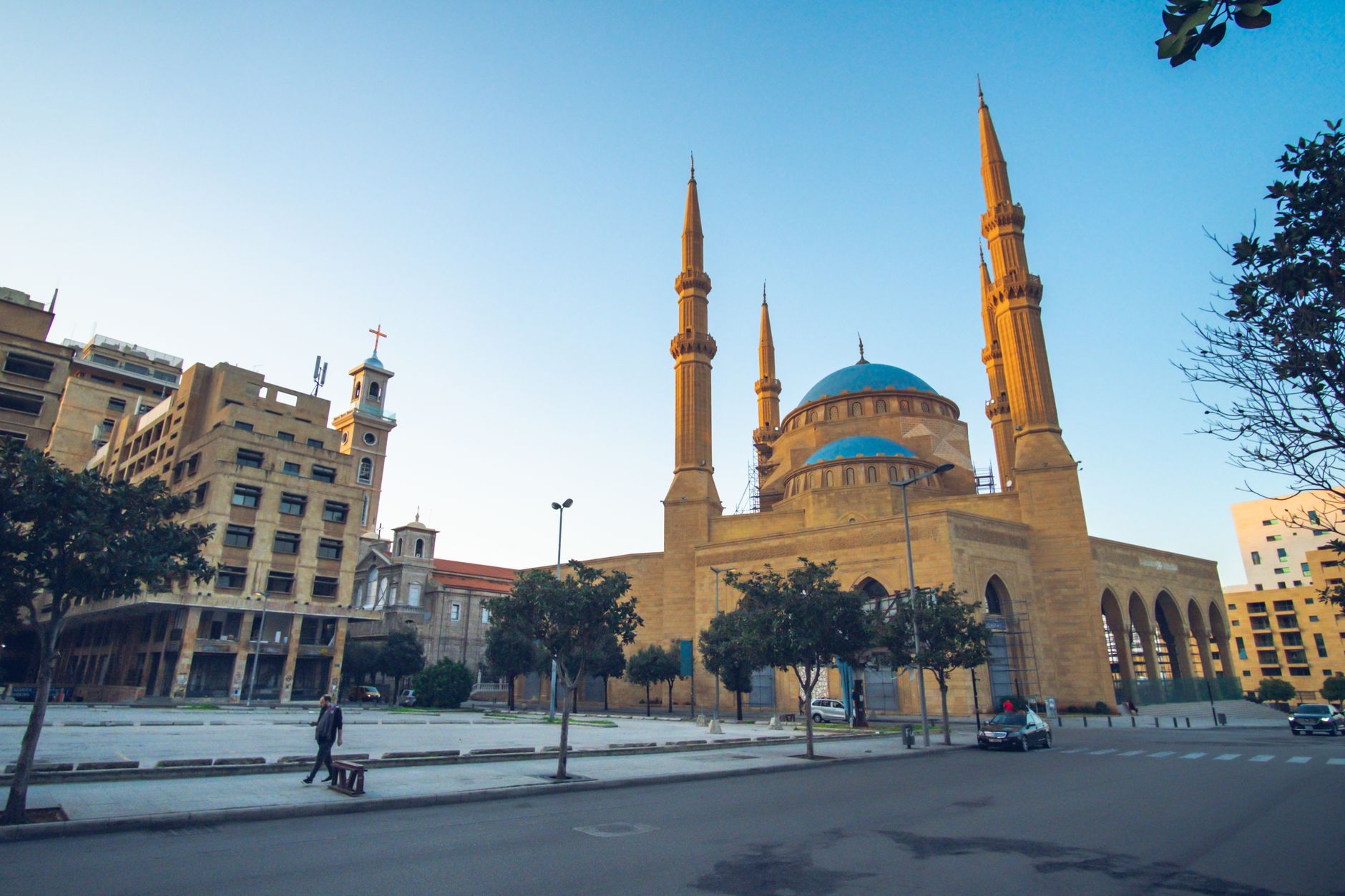
Morning: Start at Martyr's Square and walk the surrounding Downtown Beirut area. See the Roman Baths ruins near Nejmeh Square and visit the Mohammad Al-Amin Mosque and St. George Maronite Cathedral—these are within a 10–15 minute walk of each other and give a compact orientation to the city's rebuilt core.
Late morning: Cross to the National Museum of Beirut (roughly 10–15 minutes by taxi from Downtown in moderate traffic). Allocate 1.5–2 hours; entry fees vary but budget around 10,000–20,000 LBP or $6–$12 depending on exchange and discounts for students.
Lunch: Eat at a traditional spot like Barbar or Al Falamanki for shawarma, mezze and manakish — expect 12,000–30,000 LBP per person ($8–$20) depending on dishes. After lunch, walk or take a short taxi (10 minutes) to the Corniche for a flat seaside stroll toward Raouche (Pigeon Rocks).
Afternoon: Walk the Corniche toward Raouche and photograph Pigeon Rocks; this is a public promenade and free. If time allows, take a short taxi (10–20 minutes) to the Sursock Museum in Achrafieh for contemporary art and a quieter garden gallery atmosphere.
Evening: Head to Gemmayzeh and Mar Mikhael for dinner and bar-hopping — these neighbourhoods are 10–20 minutes by taxi from Achrafieh. Choose a meze-focused restaurant and expect lively evenings with late closing times; reserve a table if dining on a Friday or Saturday night.
Day 2
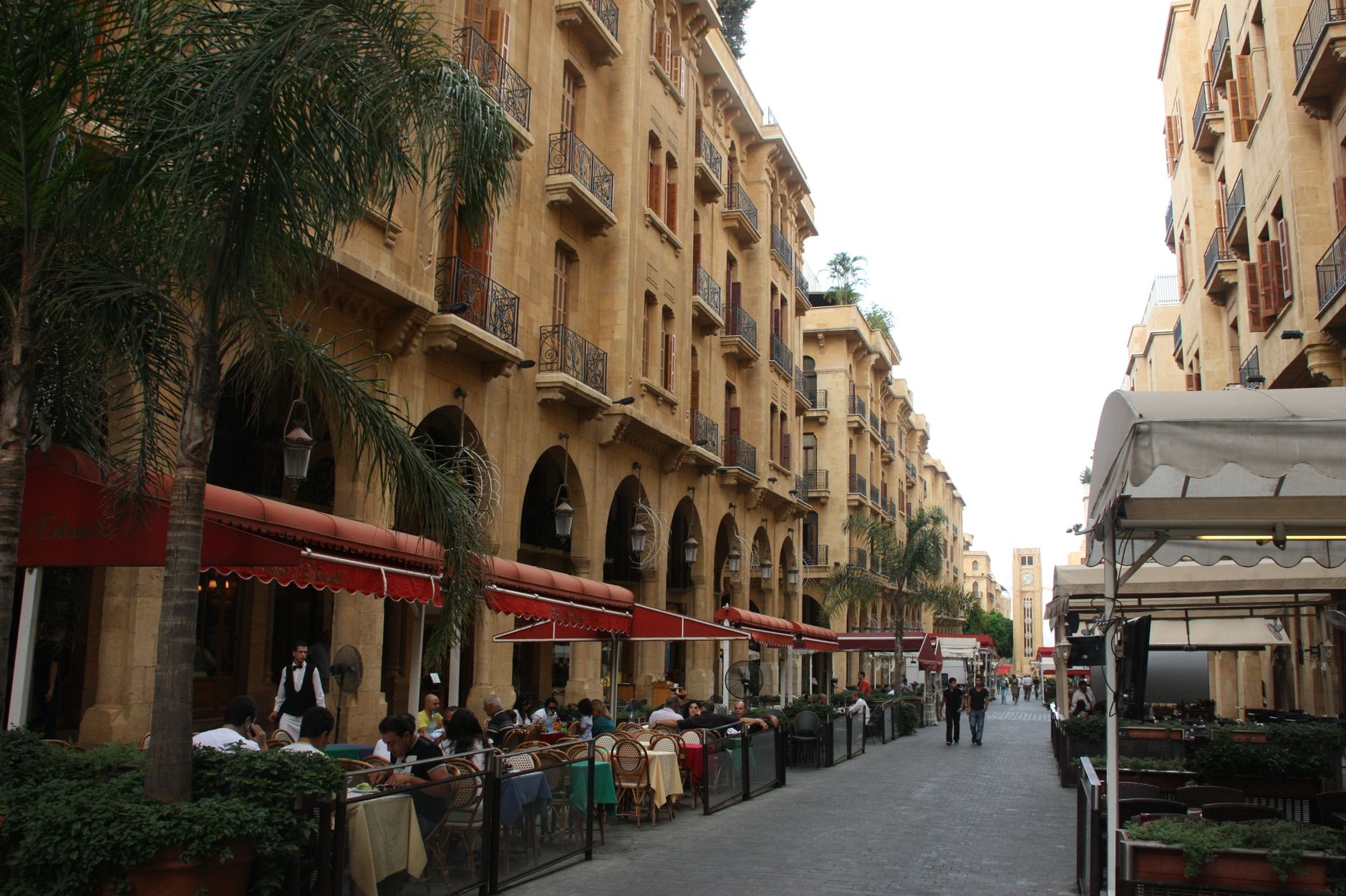
Morning: Start in Hamra for a different mood — bookshops, small cafés and late-morning bakeries line Hamra Street. Have a breakfast of manakish or labneh from a bakery on Hamra and then browse local bookstores and old cinemas along the avenue.
Late morning: Walk or take a short taxi to the American University of Beirut (AUB) campus in Ras Beirut; the university gardens and the archaeological collection there are quiet and good for a slower pace. The campus sits a 10–15 minute taxi ride or a 20–30 minute walk from central Hamra.
Lunch: Eat in Ras Beirut or back on Hamra; try a seafood grill near the seafront or a small mezzé restaurant in Ras Beirut. Prices for a mid-range lunch are around 20,000–40,000 LBP per person ($12–$25).
Afternoon: Spend time in the markets and specialist food shops on Rue Gouraud in Gemmayzeh — bakeries, spice sellers and small grocers line the street. Expect 10–20 minutes travel by taxi from Hamra. For a modern contrast, visit Zaitunay Bay to watch yachts and waterfront dining; walking the marina takes 20–30 minutes from Gemmayzeh.
Evening: Return to Mar Mikhael or head to a rooftop in Achrafieh for dinner. Mar Mikhael remains the more casual bar-and-restaurant strip; expect crowds Friday and Saturday and a noisy but social atmosphere that runs late.

Day 3
Morning: Reserve Day 3 for neighbourhood depth or a short cultural visit. Start with a visit to the Sursock Museum if missed earlier or choose boutique shops and cafes in Achrafieh for a slow morning. Plan nearby breakfast at a pastry shop serving ka'ak and labneh; Achrafieh is a 10–15 minute taxi from central districts.
Late morning: If checking out mid-day, leave luggage at the hotel and walk the nearby streets to pick up last-minute souvenirs like za'atar, olive oil, or handcrafted ceramics. Another option is a short taxi to the National Museum if not yet seen; allow two hours for a focused visit.
Lunch: Choose a reliable restaurant near the hotel — a solid option is a mezzé-focused place such as a family-run restaurant in Gemmayzeh or Hamra with set menus. Expect 25,000–45,000 LBP for a good lunch for two including starters and a main.
Afternoon / Travel note: For afternoon flights, allow at least 90–120 minutes to reach Rafic Hariri International Airport from Downtown or Hamra and add extra time for traffic. Private taxis or a booked transfer are the most predictable; aim to leave the city center at least three hours before flight departure during peak traffic times.
Evening: If time remains, finish with a short Corniche walk at sunset or a final coffee in a shaded Achrafieh courtyard. For late departures, carry small change and printed directions to your airport transfer point.
Best Local Experiences
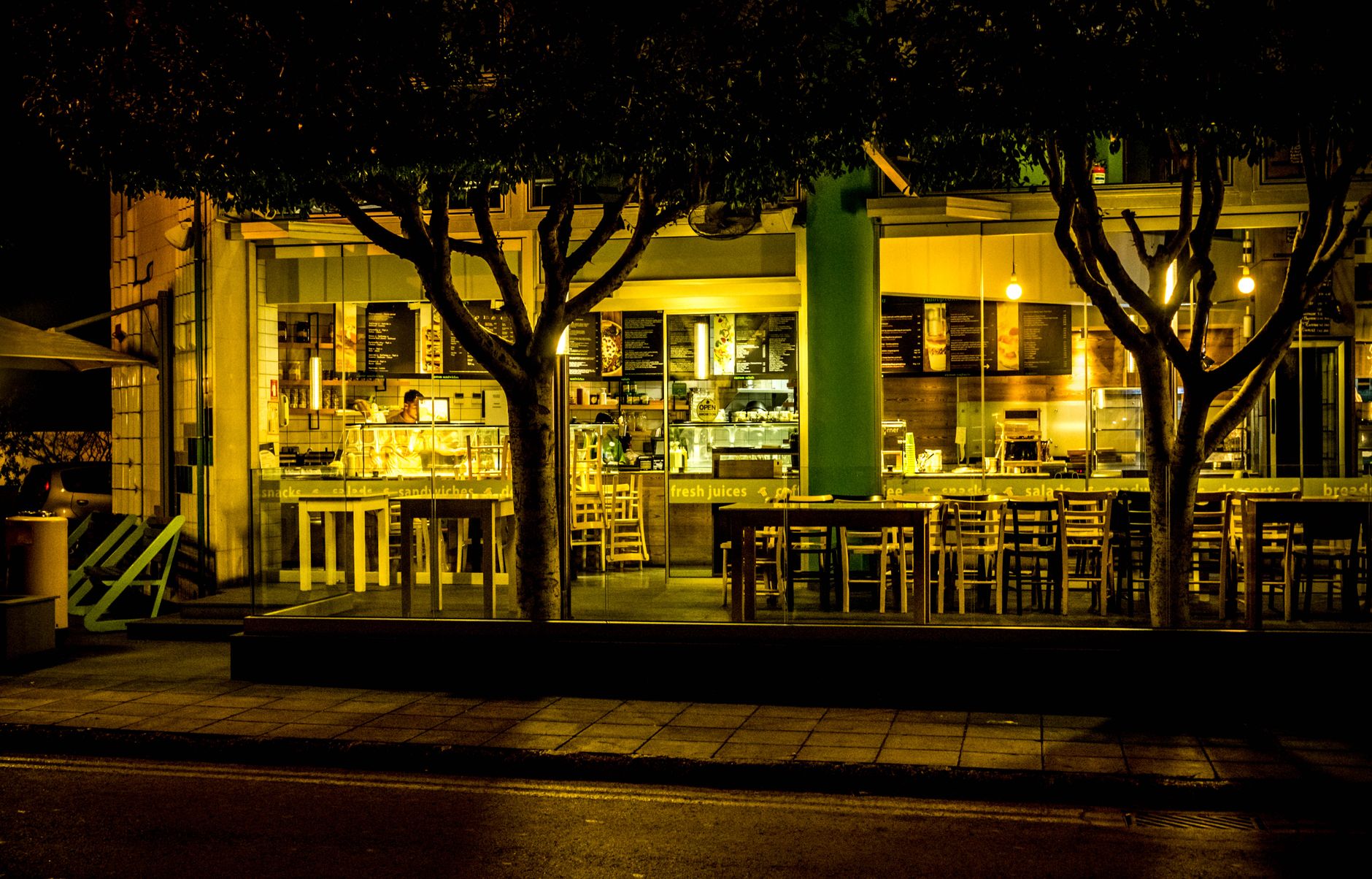
Try a manakish run at a local bakery — za'atar manakeesh at a neighborhood oven is a common breakfast and costs 5,000–10,000 LBP. Visit a mezzé restaurant that serves warm pita, labneh, moutabal, and muhammara to compare styles and portion sizes.
Spend an evening on Rue Gouraud in Gemmayzeh and Mar Mikhael for bar hopping and small-plate dining; that strip concentrates late-night life and independent bars. Walk the Corniche at dawn or sunset for sea air and local joggers along with views of Raouche.
Explore the National Museum and the Roman Baths in Downtown for archaeology and urban layers within 20 minutes of each other. Visit the Sursock Museum for contemporary Lebanese art and garden seating.
Go to the AUB campus and the surrounding Ras Beirut neighbourhood for quieter streets, mid-century architecture and cafés that attract students and residents. Buy specialty spices and preserved lemons from traditional grocers along Hamra and Gemmayzeh for a hands-on food souvenir.
Where to Stay
Hamra: Suits independent travellers and bookworms who want long café hours, bakeries and lower-cost hotels close to Hamra Street. Close to the American University and Rosary School area; expect mid-range hotel rooms from 50,000–120,000 LBP/night (≈$30–$80) depending on season.
Gemmayzeh / Mar Mikhael: Best for nightlife and dining access. Located south of the river and within walking distance of many bars and restaurants; rooms and guesthouses range from 80,000–200,000 LBP/night (≈$50–$130) for mid-range to boutique options.
Downtown / Beirut Central District: Suits travellers wanting immediate access to major museums, the Roman Baths and Zaitunay Bay. Higher-priced hotels and serviced apartments dominate here; expect from 120,000–350,000 LBP/night (≈$75–$220), with premium waterfront rates higher during peak months.
Food and Drink
Manakish (breakfast): A flatbread topped with za'atar, cheese or minced meat; find excellent versions at neighborhood bakeries on Hamra or Gemmayzeh for 5,000–12,000 LBP. Quick, cheap and the usual morning choice for locals.
Mezze (shared small plates): Includes hummus, moutabal, tabbouleh, fattoush and more; try a family-run mezzé restaurant in Gemmayzeh or a classic in Downtown. Prices for a shared mezzé dinner range 25,000–60,000 LBP per person depending on number of plates.
Kibbeh nayeh (raw beef and bulgur): A specialty in many traditional restaurants or butcher-restaurant hybrids; order from reputable places with high turnover and expect 15,000–30,000 LBP as a starter portion.
Shawarma (street food): A common, cheap option available across the city — typical price 8,000–20,000 LBP. Look for fresh salads and local sauces; many late-night shops in Mar Mikhael and Hamra serve good versions.
Arak (anise spirit): The local distilled drink, traditionally mixed with water and ice. Order a small bottle in a restaurant to share — expect 30,000–80,000 LBP depending on brand and establishment. For non-alcoholic drinks, try freshly squeezed lemonade with mint or Lebanese coffee after meals.
Getting Around
There is no metro or tram network; main public modes are private minibuses (service taxis), city buses on main corridors, private taxis and ride-hailing apps. Shared service minibuses run set corridors such as Hamra–Corniche–Gemmayzeh; expect cash fares of roughly 2,000–5,000 LBP per ride (≈$1–$3 depending on exchange).
No official day pass exists for public transport. Single private taxi rides within central areas usually cost 10,000–30,000 LBP (≈$6–$20 depending on distance and negotiations). A taxi from Rafic Hariri International Airport to central Beirut is typically 25,000–40,000 LBP (≈$16–$30); use the airport taxi desk fare ticket for clarity.
Use apps such as Google Maps for routing and ride-hailing platforms like Careem or Bolt to book private cars; Alfa and Touch are the main mobile network operators for data. Expect informal schedules: allow extra time for travel during rush hour and confirm prices in cash terms before long private trips.
Best Time to Visit
Spring (March–May) offers mild temperatures (15–25°C) and lower humidity; this is the most comfortable period for walking and outdoor dining. Tourist crowds are moderate and prices for mid-range hotels are reasonable outside Easter and local holidays.
Summer (June–August) is hot (25–34°C) and humid with lively nightlife; beach activity peaks but daytime exploration can be tiring without shade. Prices rise in July and August for beachfront and boutique hotels.
Autumn (September–November) mirrors spring on temperature and crowd levels and is a good window for value and outdoor dining. Winter (December–February) is cooler (8–18°C) with occasional rain; museum visits and indoor food-focused itineraries work well then, and hotel rates can be lower except around New Year.
Budget and Practical Tips
A realistic daily budget for a mid-range traveller: accommodation 80,000–180,000 LBP/night (≈$50–$110), food 30,000–70,000 LBP/day (≈$18–$45), transport 5,000–25,000 LBP/day (≈$3–$15), entry fees 5,000–25,000 LBP per museum (≈$3–$15). Totals are highly sensitive to exchange-rate fluctuations and parallel market pricing so keep a buffer.
Tipping is common: 10% is a reasonable table tip if service is not included. Small cash tips for porters and taxi drivers are appreciated; many taxis do not use meters so round up fares or agree beforehand. Carry small LBP notes and small USD bills for places that prefer those currencies.
Practical items: keep a paper copy of hotel directions for drivers, carry a portable phone charger for long days, and confirm museum opening hours before arrival. If on a tight budget, prioritize neighbourhood walking, bakeries and shared service taxis rather than sit-down dinners and private transfers.
FAQ
Is Beirut safe for tourists?
Most central areas are frequented by tourists and residents without problems; exercise normal urban caution after dark, avoid demonstrative protests and check local news for any road closures.
Is three days enough to see the highlights?
Yes for core city highlights — Downtown, National Museum, Corniche and Gemmayzeh/Mar Mikhael — but a coastal town or mountain day trip will need more time.
Are credit cards widely accepted?
Cards work in hotels, larger restaurants and shops, but many small cafés, service taxis and markets prefer cash in LBP or small USD bills.
Is a city card or pass worth buying?
No unified city card exists for tourists; museum passes are not common and individual tickets are inexpensive, so buying single admissions is usual.
How to get from the airport to the city cheaply?
The airport taxi desk offers fixed-rate taxis that are safer than informal drivers; shared shuttle services are rare, so budget 25,000–40,000 LBP for a reliable taxi.
Can public transport handle rush hour trips?
Public transport is informal; expect delays and limited schedules at peak times and plan extra travel time for airport transfers or inter-neighbourhood trips.
Is tap water drinkable for visitors?
Tap water is often chlorinated and many locals filter or boil; most visitors prefer bottled water which is inexpensive and widely available.
Are museums open daily?
Several smaller museums close one weekday or operate limited afternoon hours; check individual museum websites before planning visits.
Conclusion
Three days give a practical, realistic slice of urban life: food culture, a few key museums and the coastline without stretching the itinerary into a rushed country tour. The most memorable parts for short stays are evening neighbourhoods — Gemmayzeh and Mar Mikhael — and a Corniche sunset; prioritise those if time runs short.
Travelers should accept occasional service interruptions and plan around flexible opening hours rather than a strict timetable. With that tolerance, a 72-hour visit reveals a city of intense social life, varied food and short walks that reward attention to detail.
How this guide was prepared
This guide was prepared through a structured research that combines destination research, geographic context, itinerary planning logic, and content review.