

Best Time to Visit Kuta, Bali — When to Go, Weather, Crowds, and Practical Tips
Find the best months to visit Kuta, Bali for surfing, beach time and lower prices. Practical advice on neighborhoods, transport, seasonal patterns, Nyepi, and sustainable choices to pair with our 3 days in Kuta itinerary.
Plan Kuta around surf, crowd and weather patterns. Shoulder months (Apr–Jun, Sep–Oct) balance sun, fewer crowds and lower prices; dry season brings the most reliable beach weather, while Nyepi and holiday peaks require advance planning.
Quick Answer
Plan Kuta around surf, crowd and weather patterns. Shoulder months (Apr–Jun, Sep–Oct) balance sun, fewer crowds and lower prices; dry season brings the most reliable beach weather, while Nyepi and holiday peaks require advance planning.
Who This Page Is For
This page is for travelers planning a stay in Kuta who want clearer decisions about best time to visit, local logistics, timing, budgeting, and practical trip planning.
How This Page Was Prepared
This page was prepared through a structured editorial workflow that combines destination research, geographic context, and practical travel-planning review.
Plan the Rest of Your Trip
Use this page together with the full itinerary and the related planning pages below to make better booking, timing, transport, and budget decisions.
Best overall months: April–June and September–October (shoulder seasons). Dry season: late April to October—most reliable for sun and calm sea. Busiest: July–August and late December–early January (school holidays and Christmas/New Year). Wet season: November–March, with the heaviest rain and occasional short storms. Plan around Nyepi (Balinese Day of Silence, variable March/April) because businesses and the airport close for the day.
This page helps you choose when to visit Kuta based on weather, surf, crowds and price. It’s a practical support resource for the companion 3 days in Kuta itinerary and for planning short stays or onward travel to Ubud, Seminyak, Malang or Surabaya. Expect clear, local-first guidance—how neighborhoods behave by season, transport realities around Ngurah Rai Airport, and small choices that steer spending toward local businesses.
What This Page Helps You Decide
Use this page to choose:
– When to time a 3-day visit so you get the surf, beach weather and nightlife you want.
– Which neighborhood to book in: Central Kuta for nightlife and beach access; Tuban for proximity to the airport; Seminyak or Legian for quieter food scenes.
– Whether to travel during shoulder months to reduce impact and support local businesses outside high season.
– How to schedule day trips to Ubud, Seminyak or farther cities (note travel times and transport options).
It’s intended to be directly useful while you read our 3 days in Kuta itinerary and plan onward travel to nearby cities like Ubud or Malang.

Top Recommendations
Quick, actionable picks by traveler type:
– Best for most travelers: Apr–Jun and Sep–Oct — good surf, lower humidity, fewer crowds and better prices.
– Best for sun-seekers: June–September — driest months with more reliable beach days.
– Best for budget travelers: shoulder months and early wet season (Nov) when hotels and lessons discount prices.
– Best for surf learners: April–October when waves are consistent but many breaks are still suitable for lessons; check local surf schools for daily conditions.
– Avoid: booking only for Nyepi without checking the calendar—many services close and travel logistics change.
Sustainable picks: choose locally owned warungs for meals, book surf lessons with community-based schools, and avoid single-use plastics on the beach.

Local Context
Neighborhoods and what to expect:
– Central Kuta/Jalan Pantai Kuta: immediate beach access, nightlife and tourist services. Busy but walkable along the beachfront. Ideal if you want to be in the action for a short stay.
– Jalan Legian: nightlife corridor that connects Kuta to Seminyak; noisy at night, good for restaurants and bars.
– Tuban: closest to Ngurah Rai Airport; convenient for early flights and cheaper hotels, but slightly further from the main beach vibe.
– Seminyak: higher-end boutiques and quieter beaches; a short taxi or scooter ride north.
Transport realities:
– Ngurah Rai Airport is 5–15 minutes from Tuban/Kuta by car in light traffic, much longer in peak hours.
– Ride-hailing (Gojek, Grab) is widely available, often cheaper and more reliable than local taxis; scooter rentals are common but carry injury risk—wear a helmet and consider travel insurance.
– Streets can have limited sidewalks; walking at night requires care.
Seasonal and cultural notes:
– Nyepi (Day of Silence) closes shops and the airport for 24 hours—confirm dates before booking arrival/departure.
– You’ll see daily offerings (canang) and temple ceremonies—dress respectfully near ceremonies and follow locals’ lead.

How to Choose Well
Match timing to your priorities:
– If you want steady beach weather and surf-friendly conditions, aim for May–September. Book surf lessons and beachfront rooms in advance for July–August.
– If you want fewer crowds and lower rates, pick April–June or September–October. Many small hotels and warungs are more responsive and appreciative of off-peak guests.
– If traveling with family, avoid late December and school holidays when beaches and restaurants are crowded; choose accommodations with AC and a pool in Kuta or Seminyak.
Practical booking tips:
– Reserve airport transfers in advance for early/late flights; consider hotels that offer airport shuttles.
– For day trips to Ubud or Seminyak, allocate 45–90 minutes by car depending on traffic; Surabaya, Malang or Yogyakarta are best reached by flight or a longer combined ferry + train route—plan at least a half-day travel window.
– Check the Nyepi calendar and national holidays before booking flights; some travel platforms won’t automatically flag airport closures.
– Book surf lessons and snorkeling/diving with operators that show safety certifications and local experience.

Responsible and Local-First Tips
Practical ways to minimize impact and support the local economy:
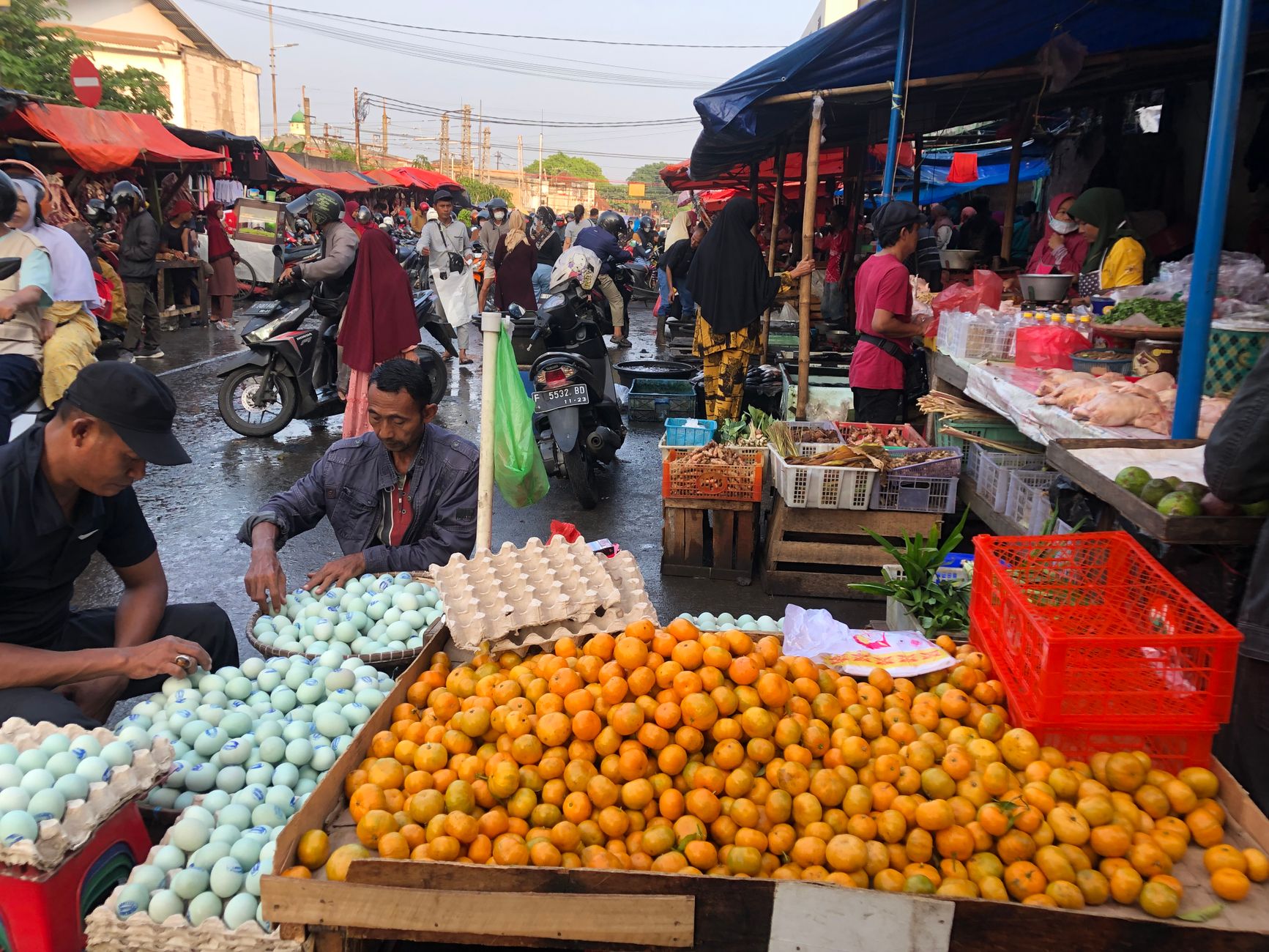
– Eat at locally owned warungs and night markets—small food businesses keep money in neighborhoods.
– Hire local surf instructors and guides; they know daily conditions and respect the reef.
– Reduce plastic: bring a refillable water bottle and use filtered water at your hotel or refill stations.
– Avoid animal attractions that encourage riding or close contact. Prefer sanctuaries with clear welfare policies and community benefits.
– Respect temple spaces: cover shoulders and knees if entering, remove shoes when asked, and don’t step over offerings on the ground.
– Tip local staff directly for good service; carry small bills for tuk-tuk drivers, porters and market sellers.
Common Mistakes to Avoid
Avoid these frequent planning errors:
– Booking flights that land on Nyepi without checking the date—airport closures can strand travelers for a day.
– Assuming Kuta is the whole of Bali: day trips to Ubud, Seminyak, or Java require extra travel time; plan accordingly.
– Renting the cheapest scooter without checking the bike’s condition or insurance—accident costs can be high.
– Ignoring tides and surf conditions when booking surfing or snorkeling—local operators can advise on safe times.
– Not carrying small cash for markets and small warungs; some do not accept cards.
– Choosing tourist traps over local businesses—pick responsible operators that employ locals and protect coastal environments.
FAQ
When is the absolute best month to visit Kuta for good weather and fewer crowds?
Aim for May or September. You get much of the dry season’s sun with smaller crowds than July–August.
Is swimming safe year-round in Kuta?
Swimming is generally safe in calm conditions, but currents and rips occur—swim between posted flags, ask lifeguards or surf schools about daily conditions, and avoid swimming during storms.
Will Nyepi affect my travel plans?
Yes. Nyepi is the Balinese Day of Silence with strict closures, and Ngurah Rai Airport closes for the day. Confirm Nyepi dates before booking arrival or departure.
How busy is Kuta during Christmas and New Year?
Very busy. Hotels and surf lessons sell out early and prices rise—book months in advance and expect crowded beaches and nightlife.
Are there good options in shoulder season for surf lessons and food?
Yes—many surf schools operate year-round and offer discounts in shoulder months. Warungs and restaurants are open and appreciate off-peak visitors.
What should I pack for a short trip to Kuta?
Lightweight breathable clothing, reef-safe sunscreen, a reusable water bottle, a light rain jacket for the wet season, and a daypack for beach gear.
How do I get to Ubud or Seminyak from Kuta?
Seminyak is a 15–30 minute taxi or scooter ride north depending on traffic. Ubud is typically 45–90 minutes by car; allow extra time in peak traffic and consider hiring a driver for day trips.
How can I support local businesses while visiting?
Eat at local warungs, book tours and surf lessons with Balinese-owned operators, buy crafts from studio makers instead of mass-market stalls, and tip directly for good service.
Conclusion
For most visitors, planning Kuta for April–June or September–October offers the best balance of weather, crowd levels and value. If you need steady sun and surf, choose June–September; if you want lower impact and local-first experiences, travel the shoulder months. Double-check Nyepi and major holiday dates before booking flights and consider spreading spending to local warungs, surf schools and guides. When you’re ready to fill in a day-by-day plan, see our companion 3 days in Kuta guide and consider extensions to Ubud or Seminyak for a different pace.
How this guide was prepared
This guide was prepared through a structured research that combines destination research, geographic context, itinerary planning logic, and content review.