
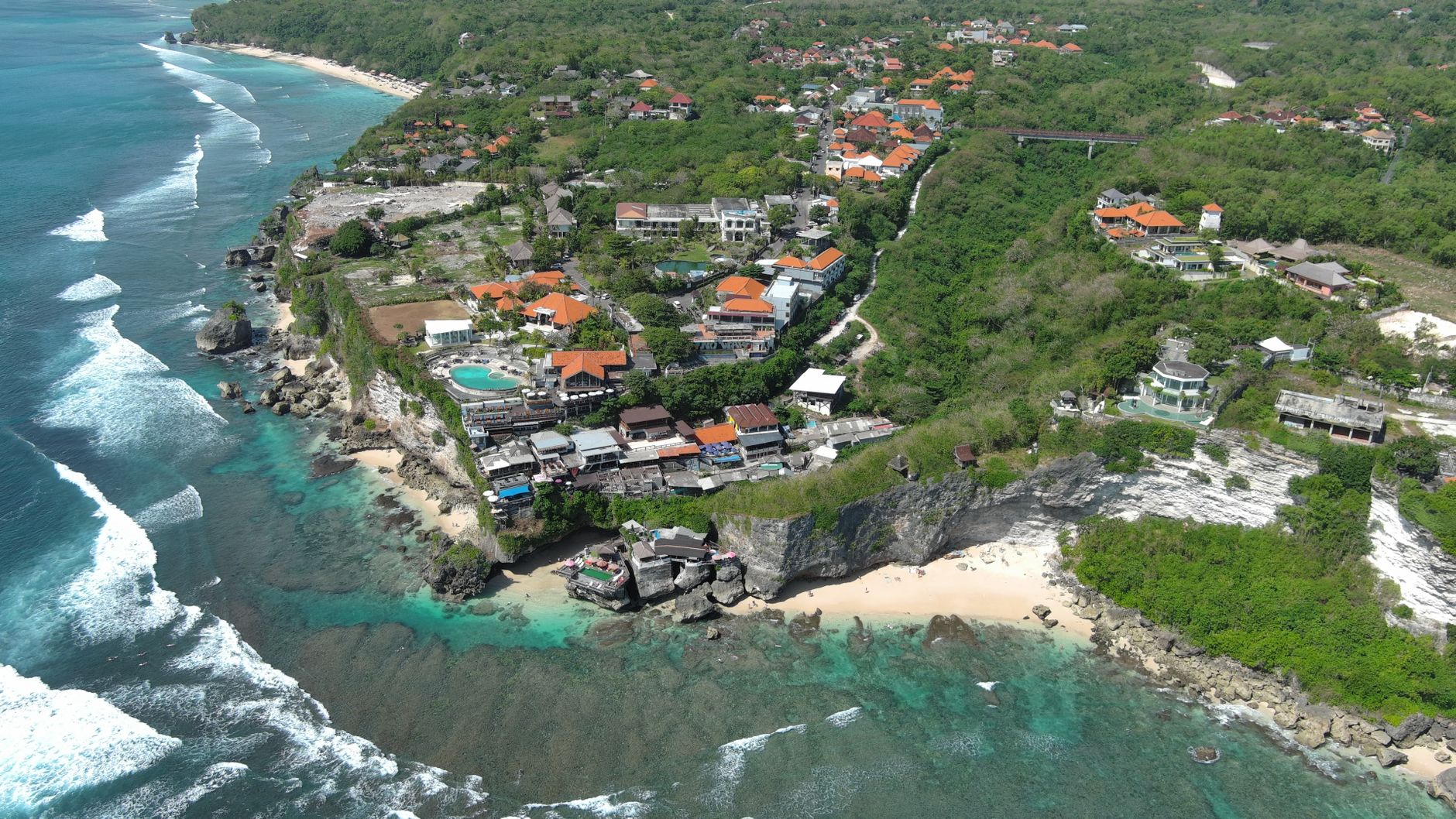
3-Day Kuta Itinerary: Practical Guide to Bali's Beach Hub
Realistic 3-day plan for Kuta with beaches, surf lessons, markets, transport tips and budget estimates to help first-time visitors plan with confidence.
A clear, no-nonsense 72-hour plan for Kuta that balances beaches, a market walk, a surf lesson, and practical transport and budget tips so days are efficient, not overpacked.
Arriving gives an immediate impression of a busy beachfront district where surf schools, hawkers and late-night venues share the same stretch of sand. Expect traffic, amplified music in parts of Jalan Legian after dark and a strong tourist service economy with shops that sell everything from sarongs to scooter rentals.
Many visitors assume the main strip is restful beach resort territory; instead it is a transit hub for people starting or ending longer Bali trips. The place suits travelers who prioritise easy access to surf, a wide range of food options and close proximity to the airport over quiet, scenic retreats.
Plan days with realistic walking distances—Poppies Lane is a short 5–10 minute walk from central Kuta Beach—but budget extra time when using cars or taxis because Jalan Sunset Road and Jalan Raya Kuta get congested at peak times.
Is 3 days in Kuta enough?
Three days in Kuta is enough to sample its main draws: Kuta Beach, a surf lesson, Beachwalk Mall, a market stroll and one day trip to Seminyak or Jimbaran. The caveat: there is not enough time to add Ubud or East Bali without losing relaxed pacing.
Who This Guide Is For
Best for first-time Bali visitors who want a surf-orientated, beachfront stay and quick access to nightlife. Poor fit for travelers seeking rural rice-terrace trekking or a slow cultural deep-dive.
Local Tips for Kuta
Practical details that most travel sites skip — specific to Kuta.
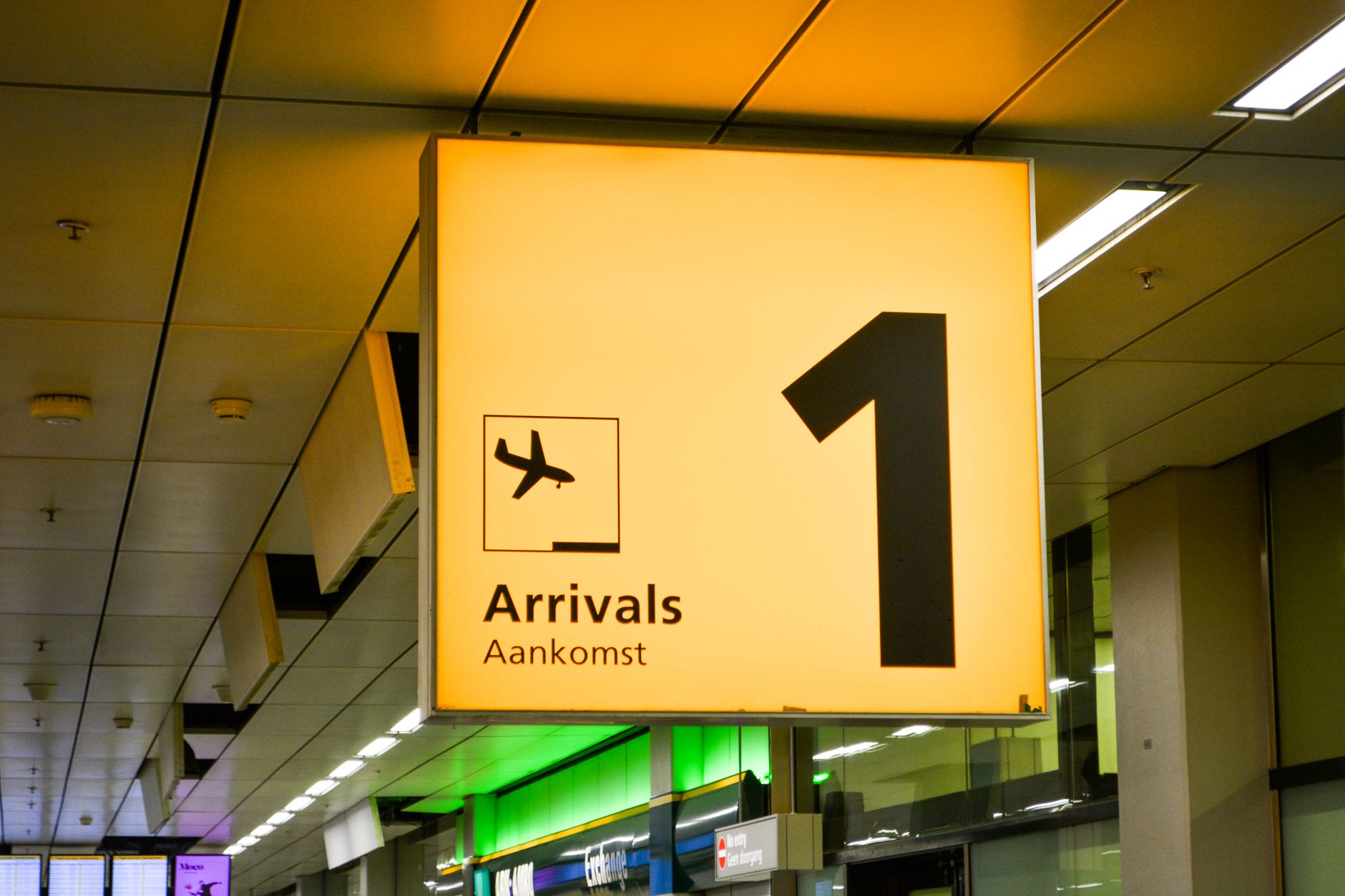
- Ngurah Rai International Airport (DPS) has an official taxi counter in arrivals with fixed fares to Kuta (roughly IDR 50,000–90,000 depending on traffic); avoid unmetered offers on the curb.
- Buy a local Telkomsel SIM at the airport (starter pack ~IDR 100,000 with 10–20GB) to use GoJek and Grab reliably across southern Bali.
- Kura-Kura Bus runs a Kuta–Seminyak–Nusa Dua loop; single short hops are IDR 15,000–30,000 and day tickets for tourists are sometimes sold at Beachwalk or the airport desk.
- Pasar Seni Kuta (Kuta Art Market) closes around 6:00–8:00pm; bargaining is expected and small souvenirs often retail for IDR 30,000–150,000 depending on quality.
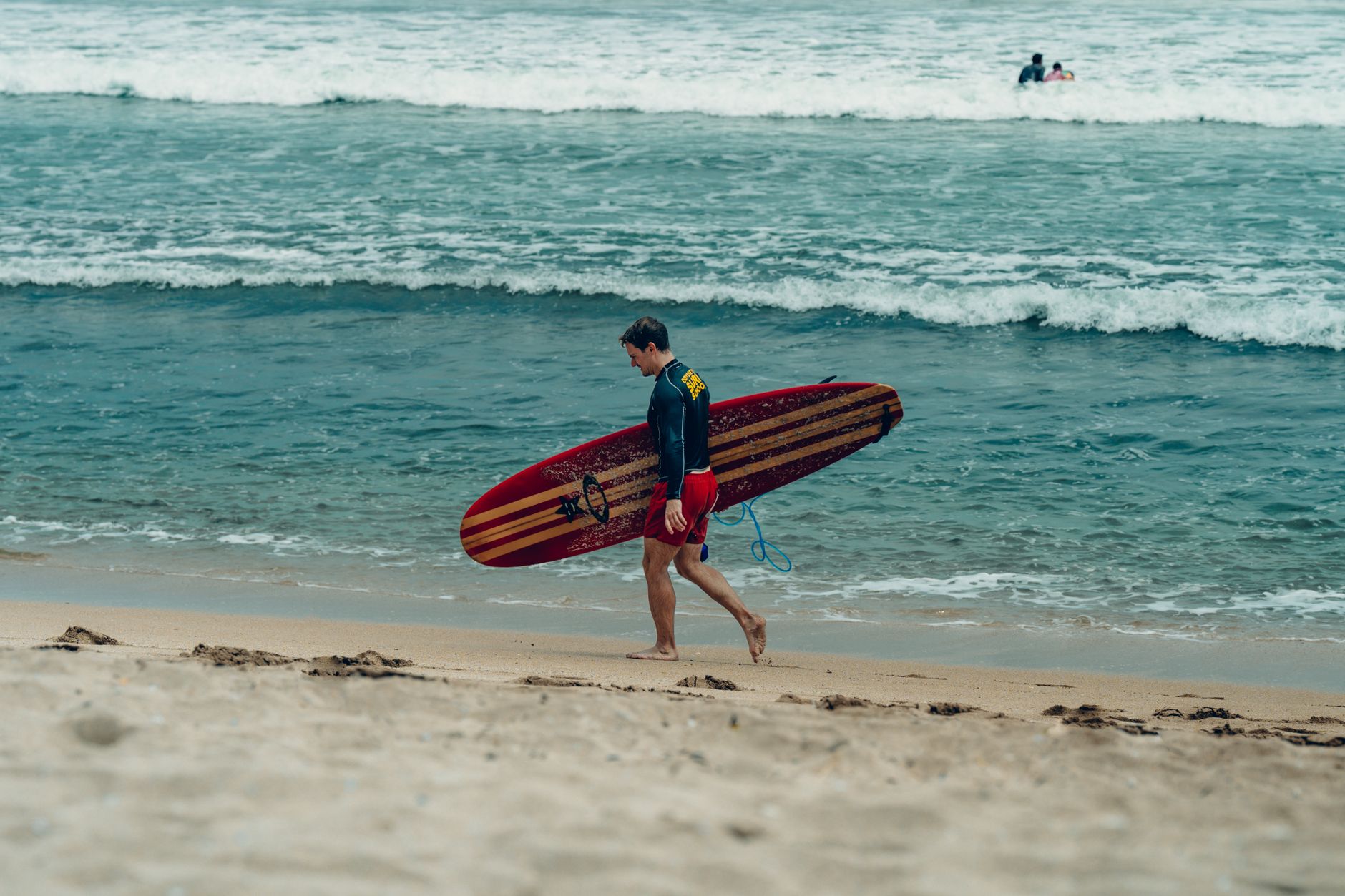
- Most surf schools meet at the north end of Kuta Beach near the Rip Curl Building; group lessons cost roughly IDR 250,000–400,000 for 1.5–2 hours including board and instructor.
How This Guide Was Prepared
This guide treats Kuta as a working beach town with high visitor turnover, loud nightlife and a mix of long-term expats and tour groups. Many guides either sell it as a nonstop party or skip the congested realities; this one gives a clear, timed three-day plan that accepts the crowds and shows how to get useful local experiences between them. This guide was prepared through a structured research that combines destination research, geographic context, itinerary planning logic, and content review.
Plan Your Stay in Kuta
Use these planning pages to compare areas to stay, expected costs, seasonal timing, and local transport before booking.
Why Visit
Three concrete reasons to spend time here: easy surf access, straightforward logistics and a concentration of tourist services. Surf is the primary draw; the beach has consistent beginner-friendly whitewater and a dense network of surf schools along the northern stretch.
Ngurah Rai Airport is just minutes away, which makes the area ideal for short stopovers or late-night arrivals. The high density of budget and midrange hotels, tour desks and massage clinics saves time when planning day trips to Ubud or East Bali.
Finally, the market and mall scene—from Pasar Seni Kuta to Beachwalk—lets visitors move quickly between inexpensive local stalls and international-standard shops and eateries. That makes it a practical base for short stays where convenience matters more than seclusion.
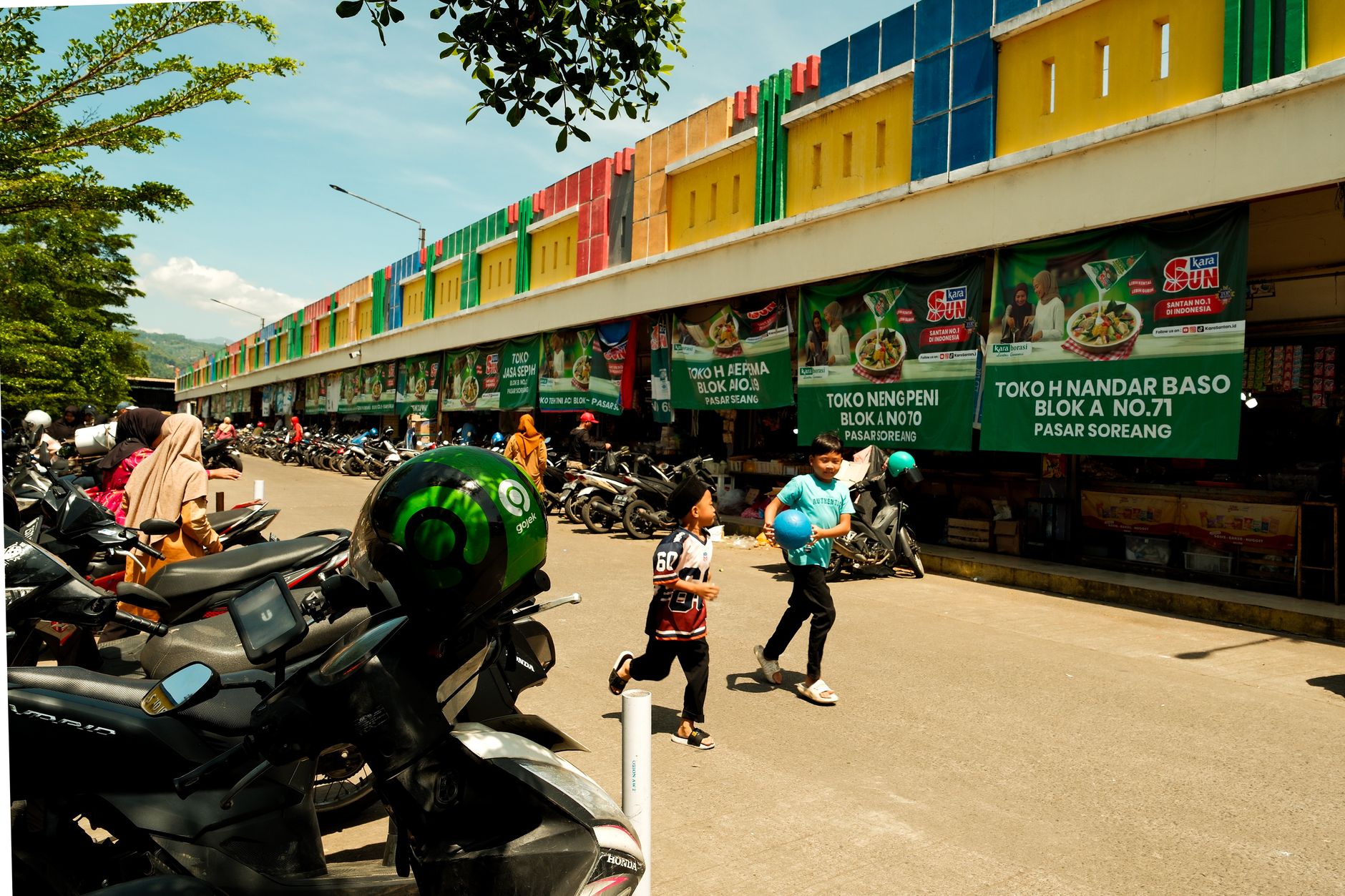
Quick Planning Tips
Best approach from Ngurah Rai Airport is the official taxi desk inside arrivals; Blue Bird and sanctioned shuttles have set rates to central areas. Ride-hailing via GoJek or Grab will often be cheaper but requires a local SIM to register and use.
Carry a modest amount of cash in rupiah (IDR); many small warungs and market stalls are cash-only while credit cards work at malls and higher-end restaurants. Avoid booking a surf lesson or scooter rental purely on price—confirm insurance and helmet availability.
One common booking mistake is squeezing Ubud into a single-day plan while keeping a tight Kuta schedule; allocate a half- to full-day for any inland trip to avoid rushed transfers and midday traffic delays.
Day 1
Morning: Start at Kuta Beach near the Rip Curl building for a beginner surf lesson booked for 8:00–9:30. Lessons include board, instructor and basic safety; walk time from many central hotels is 5–15 minutes. After the lesson, walk north along the promenade for photos and to watch more experienced surfers.
Lunch: Eat at Warung Murah on Jalan Pantai Kuta for inexpensive nasi campur (IDR 25,000–45,000) and quick service; it's about a 7-minute walk from the Rip Curl area. Allow 45–60 minutes for lunch to beat the early afternoon heat.
Afternoon: Spend 1–2 hours at Beachwalk Shopping Center (5–15 minute walk south depending on starting point) for air-conditioning, a pharmacy stop and shops. From Beachwalk, walk to Pasar Seni Kuta (market) in 10–12 minutes to browse souvenirs and textiles.
Evening: Dinner on Jalan Legian—try Bamboo Bar & Grill or a warung that offers ikan bakar (grilled fish). After dinner, walk Poppies Lane for budget bars and quieter late-night options, keeping an eye on belongings during crowded periods.
Day 2
Morning: Use the Kura-Kura Bus or a short Grab ride to Seminyak (15–30 minutes depending on traffic) for a different beach atmosphere and boutique shopping. Start with a coffee on Jalan Kayu Aya (Eat Street) and a walk through boutique stores.
Late morning: Return toward central southern beaches and stop at Waterbom Bali for an afternoon of slides and cooling off; allocate 3–4 hours and expect ticket prices around IDR 300,000–400,000 for adults if bought at the gate. Waterbom is a short taxi ride from Kuta center (10–20 minutes by car).
Lunch: Eat at a food stall inside Waterbom or nearby Warung Indonesia for simple local dishes. After lunch, head back to Kuta and book a traditional Balinese massage—many spas near Poppies offer one-hour sessions for IDR 100,000–200,000.
Evening: For a quieter night, travel to Jimbaran for a seafood dinner on the sand (30–40 minutes by taxi when traffic allows). Expect seafood platters from IDR 200,000 per person plus drinks; confirm prices before ordering.
Day 3
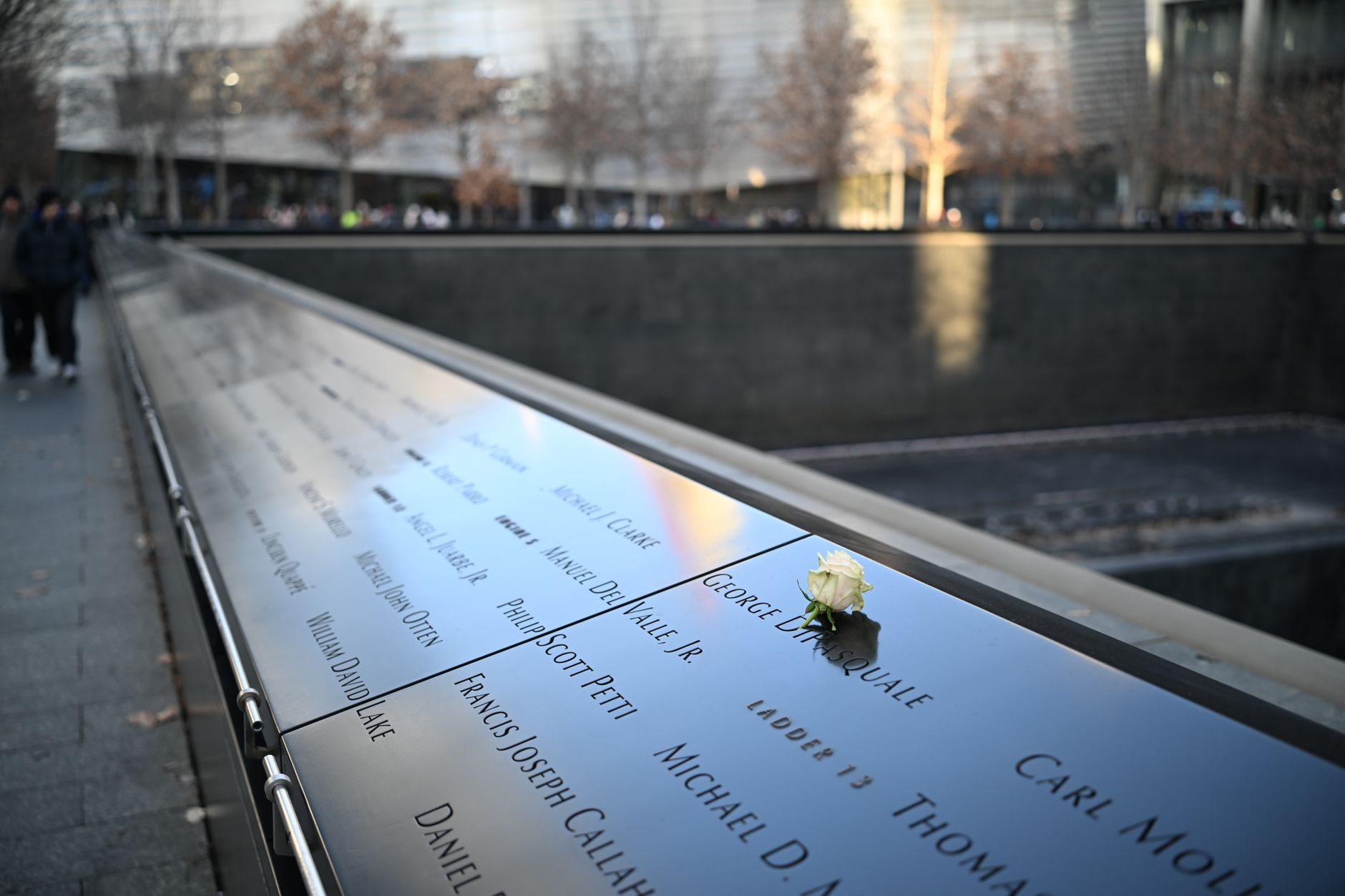
Morning: Walk the central beachfront at sunrise to see local fishermen and fewer crowds; this is also a good time for photos and for a last quick swim. Check out Ground Zero Memorial and the small public square nearby; both are short walks from most central hotels.
Midday: Visit the local Pasar Seni Kuta again if gifts are still needed, then stop at a surf shop on Jalan Pantai Kuta for any last-minute gear or to arrange a half-day trip to Tanah Lot if timing allows. A taxi to Tanah Lot takes about 30–50 minutes depending on traffic.
Lunch: Try a beachfront warung offering mie goreng or gado-gado for IDR 30,000–60,000. After lunch, return to the hotel to pack and check out; most hotels will hold luggage for a few hours if a late flight is planned.
Afternoon/Departure: If there is an afternoon flight, take a prepaid taxi from the hotel or the official airport taxi counter; allow at least 90 minutes for transfer and security during high season. If time allows, a last stop at a spa near the airport or a coffee in Tuban gives a low-risk way to spend final hours without getting stuck in traffic.
Best Local Experiences
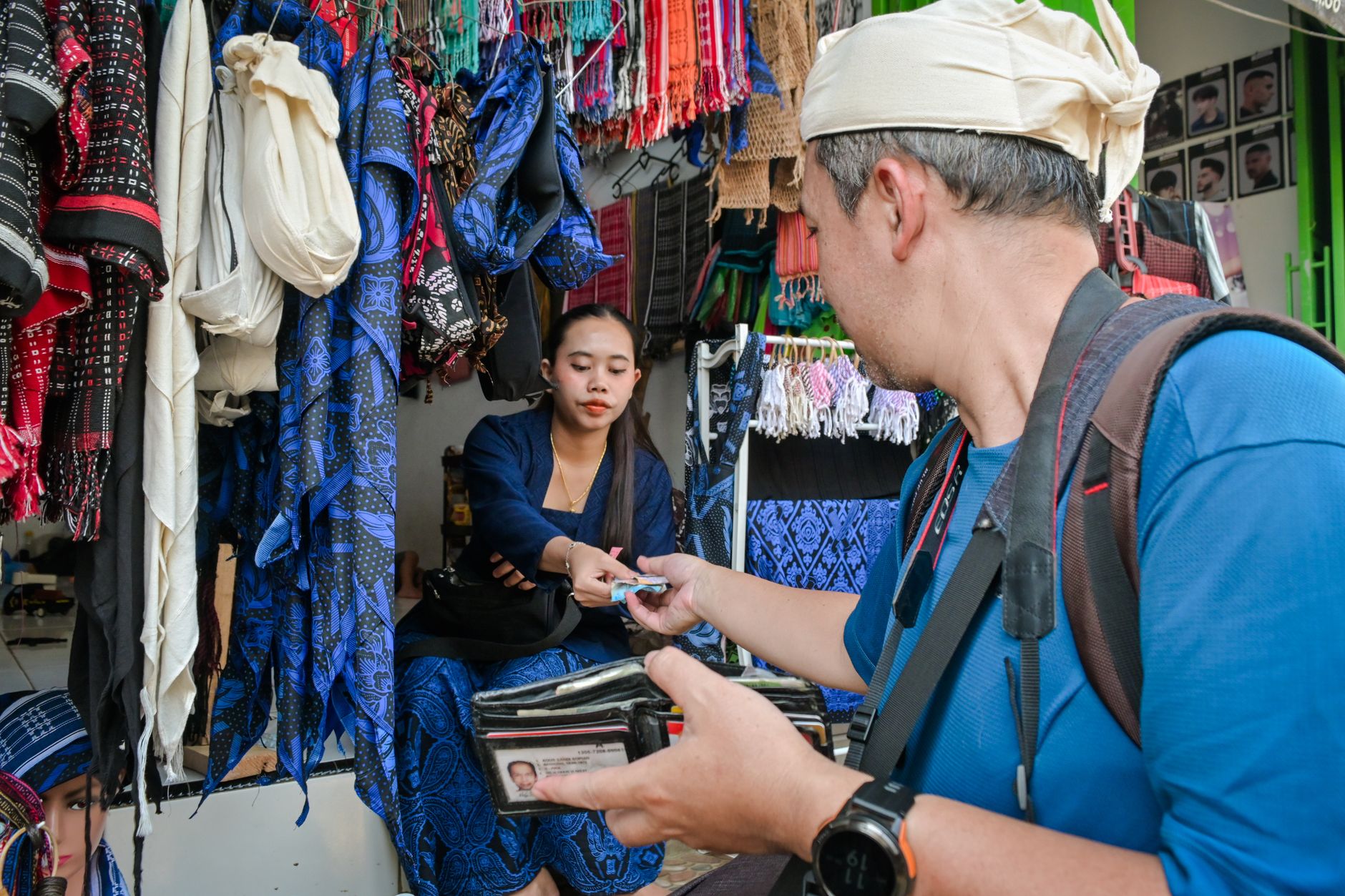
Surf lesson at the Rip Curl meeting point — group lessons for beginners that include board and instructor. Pasar Seni Kuta (Kuta Art Market) — a place to practice bargaining and buy batik, carvings and sarongs before 6:00pm closes. Beachwalk Mall evening stroll — mix of local food vendors and international outlets, convenient for last-minute shopping.
Jimbaran seafood dinner on the sand — order fresh fish by weight and eat with a view at low tide; ask for prices up front. Local spa circuit in Poppies Lane — many small spas offer one-hour massages from IDR 100,000 and are an efficient way to get a quality treatment without a long transfer.
Additional activities: night markets near Jalan Kartika Plaza on busy nights, short scooter runs to Seminyak for boutique browsing, and the nearby Badung Strait views at sunset on Jalan Pantai Kuta.
Where to Stay
Central Kuta (around Jalan Pantai Kuta and Poppies Lane): Suits budget and midrange travelers who want beach access, night options and the market nearby. Expect guesthouses from IDR 200,000–500,000/night (~EUR 12–35 / USD 13–35) and midrange hotels around IDR 600,000–1,200,000 (~EUR 36–80 / USD 40–80).
Legian (north of Kuta Beach along Jalan Legian): Suits those who want a slightly quieter street life with easier access to Seminyak. Expect boutique hotels and midrange stays from IDR 500,000–1,500,000/night (~EUR 30–95 / USD 35–100).
Seminyak (15–25 minutes by taxi): Suits travelers looking for more upscale dining, beach clubs and design stores while remaining close to the airport. Nightly rates for nicer guesthouses and small hotels start at IDR 800,000 and run to IDR 3,000,000+ (~EUR 48–190 / USD 50–200) depending on season.
Choose location based on priorities: lowest cost and fastest surf access are in central Kuta; quieter mornings and higher-end dining push travelers toward Legian or Seminyak.
Food and Drink
Nasi campur: A mixed-plate rice dish with several small portions (vegetables, egg, sambal). Find good versions at Warung Murah or local warungs for IDR 25,000–50,000. Mie goreng: Fried noodles available at roadside stalls and beachside warungs for IDR 20,000–40,000; ideal for a quick, cheap lunch.
Ikan bakar: Grilled fish served with sambal and rice; cafes on Jalan Legian and beachside warungs charge IDR 60,000–150,000 depending on fish size. Babi guling is available at some central Balinese eateries—ask staff about availability and portions; prices vary by shop.
Kopi Bali (local coffee): Try a small kopitiam in the morning or specialty cafes in Seminyak; a standard espresso or Americano costs IDR 20,000–45,000. Street food snack: pisang goreng (fried banana) sold from carts for IDR 5,000–20,000—good for a cheap, quick bite.
Dinner recommendation: a seafood table in Jimbaran for grilled prawns and snapper with sambal; expect IDR 150,000–300,000 per person including drinks at the mid-range beach cafes.
Getting Around
Primary options are GoJek and Grab ride-hailing apps, Blue Bird metered taxis, Kura-Kura Bus tourist routes and scooter rentals. Download GoJek or Grab and register with a Telkomsel or XL number; these apps handle short trips reliably when drivers are available.
Scooter rental costs about IDR 60,000–120,000/day (~EUR 4–8 / USD 4–8) with a deposit; wear a helmet and confirm insurance. Blue Bird taxis use meters and are the most dependable metered option; a short ride across central areas is IDR 30,000–70,000.
Kura-Kura Bus and some private shuttles sell point-to-point tickets and day passes—single hops within the southern loop are commonly IDR 15,000–50,000. Expect an airport taxi (official desk) to Kuta center in the range IDR 50,000–90,000; allow extra time for traffic when heading to Ngurah Rai.
Best Time to Visit
High season: July–August and mid-December to early January. Expect hot days (around 28–32°C) and crowded beaches plus higher hotel rates; book early for those months. Shoulder seasons: April–June and September–October offer lower prices and fewer people while still mostly dry weather; temperatures range 26–31°C.
Wet season: November–March brings frequent afternoon rains and higher humidity; short heavy showers are common but some days remain dry. For the best combination of value and beach conditions, aim for April–June or September when surf for beginners is steady and hotel rates are often reduced.
Budget and Practical Tips
Daily budget (per person, midrange): accommodation IDR 600,000–1,200,000 (~EUR 36–80 / USD 40–80), food IDR 150,000–300,000 (~EUR 9–20 / USD 10–20), transport IDR 50,000–200,000 (~EUR 3–12 / USD 3–12), entry fees/activities IDR 100,000–400,000 (~EUR 6–25 / USD 7–25). Budget travelers can get by for less by choosing guesthouses (IDR 200,000/night) and street food.
Tipping is not compulsory but small cash tips or rounding up are appreciated for good service in restaurants and by drivers. Check ATM withdrawal limits and prefer ATMs inside banks or malls to reduce skimming risk. Carry small bills of IDR 50,000 and 20,000 for market purchases; many stalls do not have change for large notes.
Keep a photocopy or photo of passport and hotel booking on your phone. Confirm scooter insurance and helmet condition before accepting a rental; insist on receipts for any taxi or shuttle bookings to avoid scams.
FAQ
Is Kuta safe for solo travelers?
Kuta is generally safe in daytime and on main streets, but petty theft and bag-snatching occur—keep valuables secure and avoid poorly lit side streets at night.
How do I get from Ngurah Rai Airport to my hotel?
Use the official airport taxi desk in arrivals for fixed-rate taxis, book a Grab/GoJek with a local SIM, or arrange a hotel transfer—allow extra time for traffic.
Is a Kuta city card or pass worth buying?
No central city card covers everything; a Kura-Kura Bus day pass can be useful for shuttle-style hops, but most travelers rely on Grab or Blue Bird for flexibility.
Can beginners learn to surf here?
Yes—many schools offer 1.5–2 hour beginner lessons with instructor and board for about IDR 250,000–400,000.
Is it safe to rent a scooter?
Common but risky if unlicensed; ensure helmets, check brakes and tyre condition, carry an international driving permit if required by insurance and avoid riding at night.
Are credit cards widely accepted?
Cards work at malls, hotels and many restaurants but bring cash for warungs, markets and taxis without meters.
How long is the taxi ride to Seminyak or Jimbaran?
Expect 15–30 minutes to Seminyak and 25–40 minutes to Jimbaran by car, depending on traffic.
Conclusion
A practical three-day stay focuses on surf time, a market walk, a mall stop and one short trip to nearby beaches or Jimbaran for dinner. Most travelers will remember the sand, easy surf access and the mix of inexpensive local food alongside tourist services.
If time runs short, prioritise an early morning surf lesson and a relaxed seafood dinner in Jimbaran—the surf lesson delivers the clearest sense of why many people come, and the seafood night gives a low-effort, memorable way to end the stay.
How this guide was prepared
This guide was prepared through a structured research that combines destination research, geographic context, itinerary planning logic, and content review.