

Best Time to Visit Lloret de Mar, Spain
Practical month-by-month guidance for Lloret de Mar: weather, crowds, events, costs and local transit tips to plan the right time to visit.
Clear, local-first advice on when to go to Lloret de Mar: exact months for best weather, value and festivals, with transit and beach-service realities.
Best time to visit Lloret de Mar?
Best overall months are May–early June and September when daytime highs are about 20–27°C, sea temps are 20–24°C, and mid-range hotels typically cost €60–€120 per night. Peak season is July–August (day highs 28–30°C, hotel rates €120–€300), and many businesses scale back from November–March — expect lower prices but reduced services.
Who This Page Is For
People planning a beach-focused 2–4 day visit or a short coastal break benefit most from this page; party-focused travellers should note July–August is the busiest and most expensive. Winter visitors seeking quiet or hiking are served, but expect reduced beach services and some closed restaurants.
Key Takeaways for Lloret de Mar
- Best-value months: May and September — mid-range hotels €60–€120/night and fewer crowds.
- Peak months: July–August — daytime highs 28–30°C and hotel rates €120–€300/night.
- Nearest train access: Blanes (Renfe R1), then a 10–15 minute bus or taxi to Lloret; Barcelona direct buses (Sagalés/Moventis) cost about €11–€15 one-way.
- Sea temperatures: July–August ~24–26°C; May and September ~20–22°C — good for swimming outside peak months.
How This Page Was Prepared
This page was prepared through a structured editorial workflow that combines destination research, geographic context, and practical travel-planning review.
Plan the Rest of Your Trip
Use this page together with the full itinerary and the related planning pages below to make better booking, timing, transport, and budget decisions.
For best balance of weather, cost and services visit in May or September. Expect daytime highs around 20–27°C, sea temperatures near 20–22°C, and mid-range hotels around €60–€120 per night. If guaranteed beach-service hours, boat trips and full nightlife are essential, plan for July–August but budget €120–€300 per night and expect crowded beaches and longer waits at restaurants. For lowest prices and quiet streets choose November–March when room rates fall to €35–€70 but many chiringuitos, Water World and some tour operators are closed or run limited hours.
This page answers when to visit Lloret de Mar for specific goals: beach swimming, quieter sightseeing, nightlife, or best-value travel. Common mistakes are underestimating summer crowds and overestimating winter services. Lloret's tourism rhythm concentrates on the summer months when hotels, beach chiringuitos and daily boat trips operate at full capacity. Outside those months the town serves locals and long-stay visitors, and some seasonal businesses close. Weather patterns follow the Mediterranean cycle: hot, dry summers and wetter autumn months. Proximity to Barcelona and Girona affects travel choices: buses from Barcelona and trains to Blanes make day trips feasible, but transfers add time. This guide focuses on concrete trade-offs — costs, sea and air temperatures, rainfall tendencies, transit logistics and named events — so planning ties directly to the three-day Lloret de Mar itinerary.
What This Page Helps You Decide
This page helps choose exact travel dates for specific priorities: warm swim-ready sea (target late June–early September), best value hotel rates (target May or September), full summer services including Water World and daily boat tours (require July–August), or quiet, lower-cost sightseeing and hiking (choose November–March with reduced services). It assists with logistics choices: whether to take the Sagalés/Moventis direct bus from Barcelona Estació del Nord (~€11–€15 one-way), get a train to Blanes on Renfe R1 and transfer by local bus or taxi, or fly into Girona–Costa Brava Airport (GRO) and rent a car. It also helps decide on accommodation location: Platja de Lloret for nightlife proximity, Fenals for a calmer beach atmosphere, or near Santa Clotilde for quick access to gardens and cliff walks.

Top Recommendations
Seasonal breakdown with typical temperatures, rainfall and crowd levels:
- Winter (Dec–Feb): Air highs 12–15°C, lows 4–8°C. Sea 13–15°C. Rain increases in isolated storms. Crowd level: low. Many beach bars and activity providers close or operate reduced hours. Hotel rates: €35–€70/night. Avoid expecting daily boat trips or Water World open.
- Spring (Mar–May): Mar highs 14–18°C, May highs 20–24°C. Sea rises from 15–19°C. Rainfall drops compared with autumn. Crowd level: low to moderate by late May. Hotel rates: €45–90/night in April–May. Advantages: many restaurants reopen, quieter beaches, and ferry/boat operators start more frequent runs in late May.
- Early Summer / Shoulder (June–mid July): June highs 24–27°C, sea 20–23°C. Rainfall low. Crowd level: moderate. Hotel rates start €70–€140/night. Benefits: warm sea, lower prices and shorter lines than peak months. Strong recommendation for May–June and September as best value months.
- Peak Summer (late July–August): Air highs 28–30°C, sea 24–26°C. Rainfall minimal. Crowd level: very high. Hotel rates €120–€300+/night for mid-range to seafront rooms. Expect crowded Platja de Lloret and Platja de Fenals, limited parking and longer waits at restaurants.
- Autumn (September–Nov): Sept highs 25–27°C, sea 20–24°C; October highs 20–22°C. Rainfall increases in October–November; October often has the first significant storms. Crowd level: moderate in Sept, drops sharply in Oct–Nov. Hotel rates: September €60–€120, October–November €45–80.
Named annual events and approximate months:
– Festa Major de Sant Romà (late July): main town festival with processions and concerts.
– Nit de Sant Joan (June 23): beach bonfires and fireworks across Platja de Lloret.
– Cantada d'Havaneres and rom cremat (late July): traditional sea-shanty concerts at the waterfront.
Which months offer best value: May and September for lower hotel rates (€60–€120), decent weather and most businesses open. Peak/most expensive months: July–August — expect hotel rates to at least double compared with shoulder months. Months to avoid unless specific reasons: November–March for beach services and many attractions inactive; October should be avoided if avoiding rain and possible cancelled boat trips.
Shoulder-season advantages: May, early June and September combine lower hotel prices, less crowded beaches, full restaurant service, and good sea temperatures for swimming. Book refundable or flexible rates for late-season rain in October.
Practical costs and activities to expect: Water World day tickets roughly €28–€35 in high season; beach umbrella rental €8–€12/day; glass-bottom boat or coastal excursion €15–€25; introductory scuba dives about €45–€60. Nightlife on Carrer de la Vila and near Passeig Jacint Verdaguer is busiest in July–August; Fenals area offers calmer evenings.
Local Context
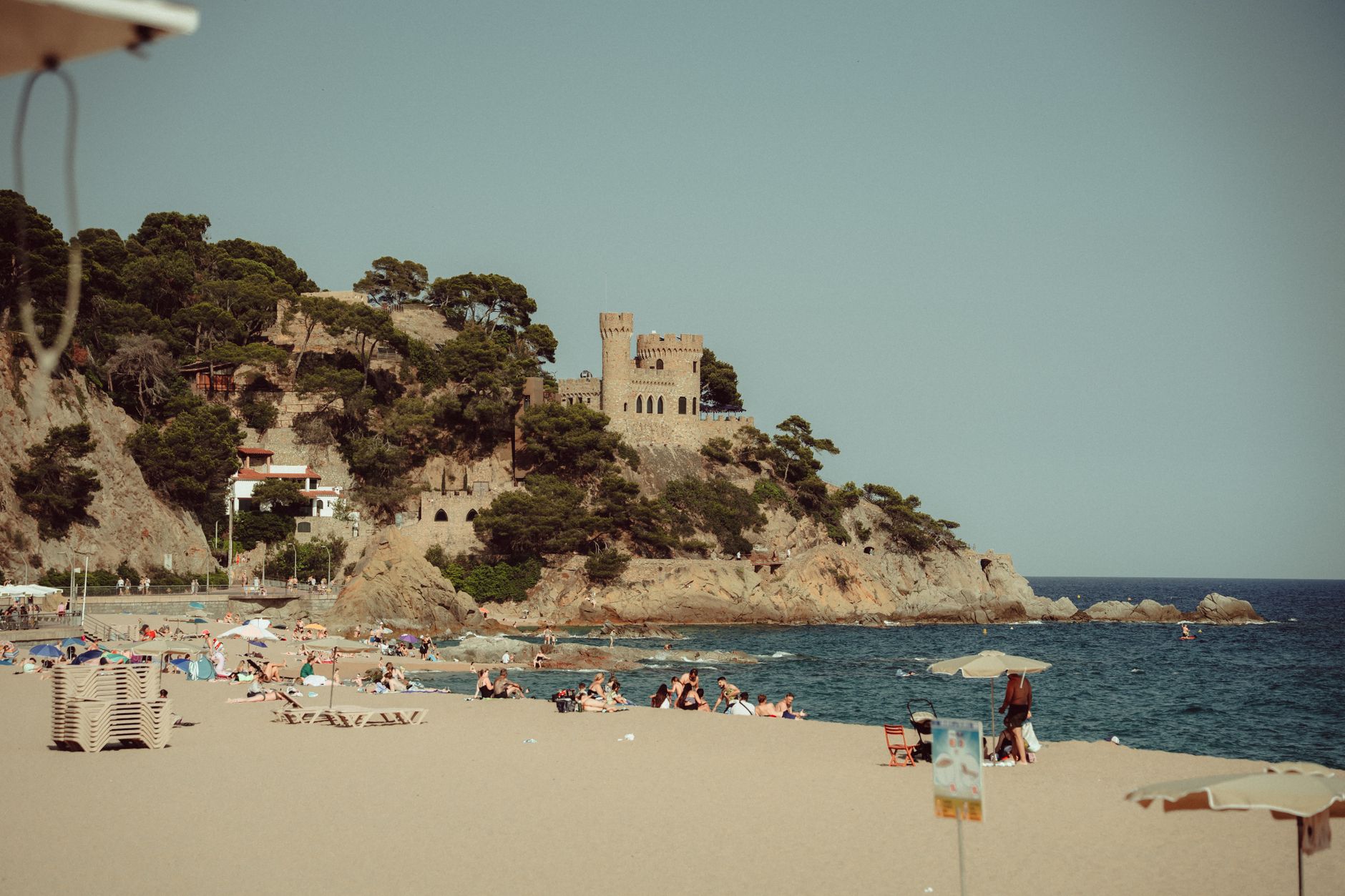
Lloret de Mar is a working coastal town where the tourism calendar shapes local services. Santa Clotilde Gardens and Castell de Sant Joan are open year-round, but many beachfront chiringuitos on Platja de Lloret and Platja de Fenals operate mainly April–October. Local public transport links include direct intercity buses from Barcelona Estació del Nord operated by Sagalés/Moventis and regional connections via Girona and Blanes. Nearest Renfe station is Blanes (R1 line); from Blanes a local bus or taxi will add 10–20 minutes. Girona–Costa Brava Airport (GRO) is about 30–40 minutes by car.
Street names that matter: Passeig Jacint Verdaguer is the main promenade and nightlife spine; Avinguda de la Vila de Blanes connects central bus stops; Carrer de Santa Margherita and Carrer de Sant Pere lead to Fenals and residential areas. Market and daily life concentrate around the Mercat Municipal and the Plaça de l'Església near Iglesia de Sant Romà. Expect multilingual staff in hotels and restaurants during high season, and more limited English in municipal services during low season.

How to Choose Well
Decide by priority: swimming and guaranteed full services require July–August, but higher costs and crowds. Balance cost and comfort by targeting May, June or September when hotel prices drop 30–60% compared with August and sea temperatures remain swimmable. Choose accommodation by activity: Platja de Lloret for immediate beach and nightlife access; Fenals for quieter family-friendly beach and short walk to the Sant Pere area; near Jardins de Santa Clotilde for cliff walks and quieter mornings.
Transit trade-offs: direct Sagalés/Moventis buses from Barcelona are cheapest and simplest if arriving at Estació del Nord; Renfe to Blanes plus local bus/taxi costs slightly more time but may be cheaper from Sants or Passeig de Gràcia. Renting a car gives freedom for Costa Brava coves (Sa Caleta, Cala Boadella) but expect limited parking in August and paid parking zones in town. For shorter stays, prioritize location over size: a central room saves taxi time and money.
Booking guidance: Reserve refundable rates for shoulder months because October storms can alter boat tours; book at least 6–8 weeks ahead for July–August. Use the Sagalés/Moventis website or app for bus tickets and the Renfe app for train reservations to Blanes. Carry small cash for beach services and local markets; many small vendors prefer cash out of high season.

Responsible and Local-First Tips
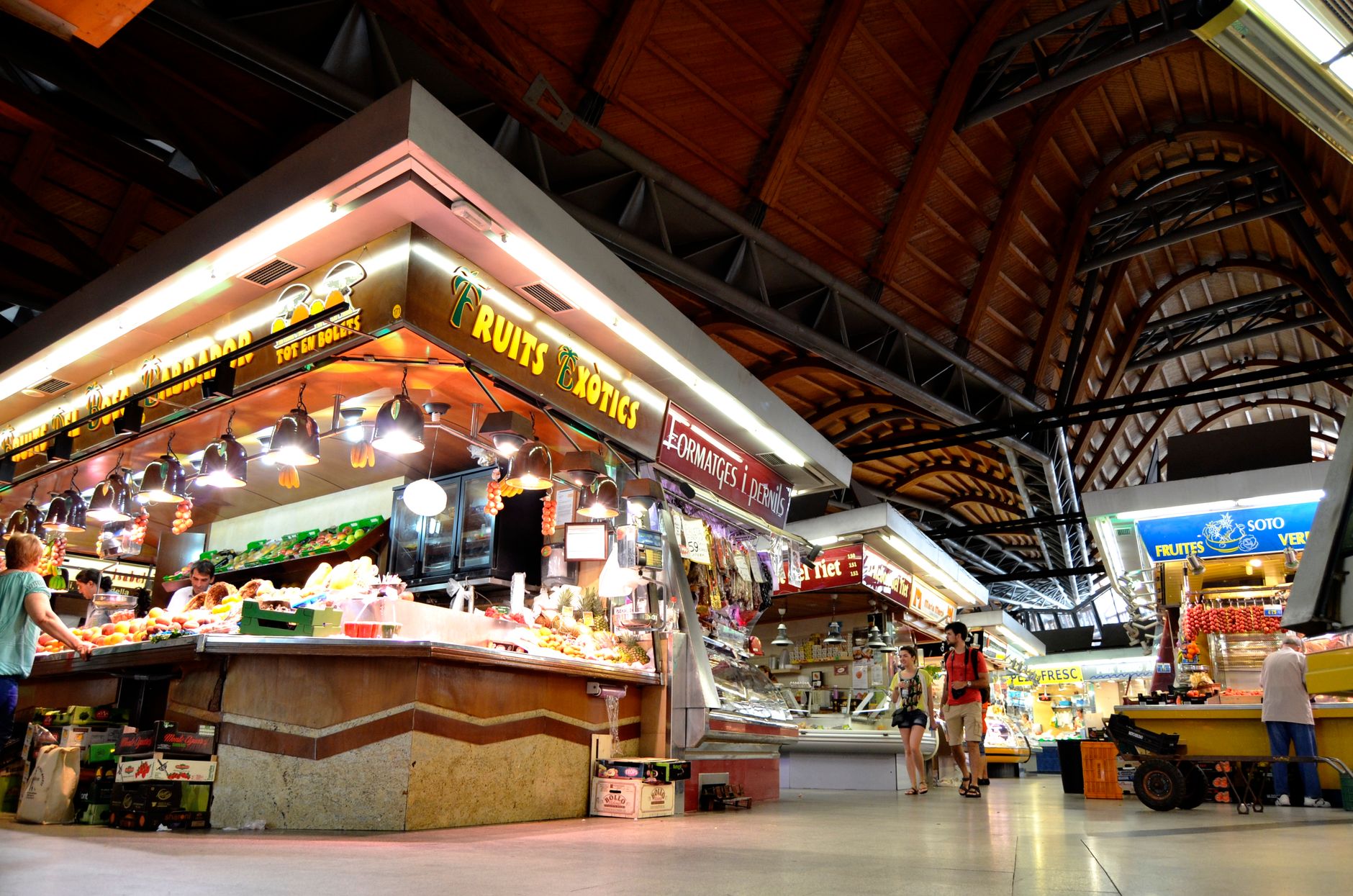
Support local businesses and reduce impact by choosing the Mercat Municipal for groceries or tapas and ordering local seafood dishes like suquet de peix or fideuà at family-run restaurants near Plaça de l'Església. Prefer small boat operators based in the Lloret harbour rather than large tour aggregators; ask for local guides and check licences. Use public transport where practical: Sagalés/Moventis buses from Barcelona and local buses reduce parking pressure in summer.
Avoid single-use plastics on beaches; many chiringuitos will accept reusable bottles and some sell filtered water. Tip restaurant staff and drivers in line with local custom (10% is common in tourist establishments but discretionary). If visiting in low season, check opening times before relying on a specific activity; this avoids wasted travel and supports year-round businesses that remain open. Choose accommodations that demonstrate responsible water use — look for hotels displaying energy/water-saving measures or municipal tourism sustainability certificates.
Common Mistakes to Avoid
1) Booking accommodation for late July–August without checking exact location and cancellation policy. Streets near Passeig Jacint Verdaguer are noisy at night and peak rates are common; confirm whether the listed price is refundable and whether breakfast is included.
2) Assuming easy rail access. Lloret lacks a train station; arriving by Renfe requires disembarking at Blanes (R1) and taking a local bus or taxi. Not counting that transfer can add 30–60 minutes and €6–€15 in ground transport.
3) Expecting full beach services in shoulder or low season. Chiringuitos, sunbed rentals (€8–€12/day) and some boat trips reduce service outside April–October. Check Water World opening dates (high-season schedule) and confirm boat tour availability before planning a specific day.
FAQ
When is the warmest sea temperature for swimming in Lloret de Mar?
Late July to August, when sea temperatures typically reach 24–26°C.
How much does a bus from Barcelona to Lloret cost?
Direct buses operated by Sagalés/Moventis from Barcelona Estació del Nord usually cost around €11–€15 one-way; book online to guarantee a seat in summer.
Is Lloret de Mar busy in May?
May is shoulder season with moderate crowds; many restaurants and beach services reopen and hotel rates average €45–€90/night depending on location.
Are boat trips and Water World open year-round?
Water World operates mainly April–October with peak activity July–August; local boat tours run more frequently May–September and may be cancelled in October during storms.
What public transit connections are best for reaching Lloret from Girona Airport?
From Girona–Costa Brava Airport (GRO) the fastest option is a taxi or shuttle to Lloret (30–40 minutes) or a transfer to Girona station and then a bus or train to Blanes followed by a local bus.
Which months have most rain and possible cancelled activities?
October and November have the highest rainfall tendencies and the greatest chance of cancelled boat trips; plan flexible bookings in those months.
When are local festivals that affect opening hours and crowds?
Key events include Nit de Sant Joan (June 23), Festa Major de Sant Romà (late July), and Cantada d'Havaneres (late July), which increase local crowds and extend evening hours.
Conclusion
The single most important point: choose May or September for the best balance of weather, lower hotel rates (€60–€120/night) and open services. Book early for July–August if full beach services and nightlife are essential, and plan logistics via Sagalés/Moventis buses or Renfe to Blanes plus a short transfer. For a compact visit, use this guidance to pick dates that align with the three-day Lloret de Mar itinerary: Platja de Lloret and Passeig Jacint Verdaguer for a day of sun and dining, Santa Clotilde Gardens and Castell de Sant Joan for coastal walks, and Water World or a local boat trip on a clear summer day. Shoulder months deliver most value and fewer crowds.
How this guide was prepared
This guide was prepared through a structured research that combines destination research, geographic context, itinerary planning logic, and content review.