

Where to stay in Lloret de Mar
Practical guide to neighbourhoods, transport and nightly prices in Lloret de Mar — Fenals, Lloret Beach, Cala Boadella and Santa Clotilde with local tips.
Clear, practical neighbourhood guidance for Lloret de Mar: who each area suits, nightly price ranges, transit options and one- and three-day planning links.
Where to stay in Lloret de Mar?
For a balance of quiet, beach access and value, choose Fenals — mid-range hotels and apartments typically cost €60–€120 per night. For nightlife and immediate seafront access, Lloret Beach/Centre is the busiest choice and can reach €120–€250/night in July–August.
Who This Page Is For
This page is most useful for first-time visitors, families, and travellers deciding between beaches and nightlife. Experienced partygoers who already want to be on the seafront or visitors focused purely on Barcelona day trips may need less detail here.
Key Takeaways for Lloret de Mar
- Fenals: quieter beach, 300–700 m walk to Fenals Beach, nightly range roughly €60–€120.
- Lloret Beach/Centre: immediate access to Passeig Jacint Verdaguer, very noisy in July–August, expect €120–€250/night.
- Cala Boadella / Cala Banys area: best-value for self-catering and calm coves, apartments €50–€90/night, limited bus stops.
- Santa Clotilde and Cemetery area: scenic views and steep streets, close to Santa Clotilde Gardens, nightly €70–€150; taxi from centre ~€5–€8.
How This Page Was Prepared
This page was prepared through a structured editorial workflow that combines destination research, geographic context, and practical travel-planning review.
Plan the Rest of Your Trip
Use this page together with the full itinerary and the related planning pages below to make better booking, timing, transport, and budget decisions.
Choose Fenals for quieter, family-friendly beach access and good value — expect mid-range hotel or apartment rates of about €60–€120 per night. Choose Lloret Beach/Centre for immediate seafront access, nightlife and restaurants; prices commonly rise to €120–€250/night during July and August and noise regularly continues past 23:00. For calmer coves and self-catering, Cala Boadella and Cala Banys areas offer apartments from roughly €50–€90/night but some properties are a 10–20 minute walk to the nearest bus stop. If public transport from Barcelona is needed, book Sagalés or Moventis intercity buses to Lloret (single fares commonly €8–€15) or take Rodalies R1 to Blanes and transfer by local bus.
This page answers a single question: which neighbourhood in Lloret de Mar best fits the kind of stay intended — family beach time, nightlife, quiet coves or value apartment rentals. Many travellers confuse Lloret de Mar's seafront with the whole town and underestimate how quickly noise, price and crowds change with distance from Passeig Jacint Verdaguer. Another frequent error is assuming a direct train connection to Lloret; the nearest RENFE Rodalies stop is Blanes or Calella and a short bus or taxi ride is required. Seasonal extremes matter: July and August bring major price spikes and late-night noise; April–June and September offer better value and calmer evenings. This guide lays out practical neighbourhood choices, real nightly price ranges in euros, local transit options and specific risks such as steep streets or limited off-season bus frequencies. It is designed to allow an informed pick that matches priorities and links naturally to the companion 3 days in Lloret de Mar itinerary for on-the-ground planning.
What This Page Helps You Decide
This guide helps pick a neighbourhood by matching travel priorities to Lloret's geography and transit. Decide between immediate seafront convenience (Lloret Beach/Centre) and quieter family beaches (Fenals), identify best-value apartment zones (Cala Boadella, Cala Banys) and spot areas where steep streets or nightlife noise could matter (Santa Clotilde, Passeig Jacint Verdaguer). It also helps with logistics: whether to arrive by Sagalés bus from Barcelona Estació del Nord, use Rodalies to Blanes plus local bus, or budget for taxis. Finally, this page highlights seasonal trade-offs — typical nightly price bands for high season versus shoulder months — and points to the three-day itinerary that works best from each base.

Top Recommendations
Fenals (Platja de Fenals and Passeig de Fenals): Suited for families and quieter travellers. Close to Fenals Beach, municipal gardens and small cafes on Carrer Anselm Clavé. General atmosphere is relaxed with pine-shaded promenades. Nightly price range roughly €60–€120; many mid-range hotels and holiday apartments fall here. Transit: local Bus Urbà lines link Fenals to Lloret Centre; Sagalés buses stop on the main road for regional connections.
Lloret Beach / Centre (Passeig Jacint Verdaguer and Plaça Pere Torrent): Suited for nightlife-focused travellers and first-time visitors who want immediate seafront access. Close to the main beach, bars, restaurants and boat-tour piers. Atmosphere is busy and noisy late into the night, especially in July–August. Nightly prices typically €120–€250 in high season; off-season can be under €80. Transit: bus stops and taxi ranks on Passeig Jacint Verdaguer; Sagalés intercity buses arrive nearby.
Cala Boadella and Cala Banys area: Suited for self-catering travellers and those who prefer rocky coves and privacy. Close to Cala Boadella cove and walking trails toward Santa Cristina; quieter evenings. Atmosphere is residential and coastal, with fewer bars. Nightly prices for apartments and small hotels usually €50–€90. Transit: fewer central bus stops; expect a 5–15 minute walk to the nearest local bus or a short taxi ride.
Santa Clotilde / Cementiri Modernista area: Suited for travellers wanting views, gardens and short hikes. Close to Santa Clotilde Gardens and the Modernist Cemetery walking route. Atmosphere is hillier with steep streets and quieter after dark. Nightly prices about €70–€150. Transit: reachable by short taxi from the centre; some local bus services run nearby but stops are less frequent.
Areas to be cautious about: Lloret Beach/Centre after 23:00 in July–August due to noise; also check if hotels on narrow side streets advertise ‘seafront’ but are above noisy bars. Best-value area: Cala Boadella/Cala Banys often offers the best euro-per-night value for apartment rentals outside peak seafront prices. Always confirm bus stop locations and walking times when booking outside the central zone.

Local Context
Lloret de Mar is a coastal town on the Costa Brava where summer tourism dominates the local economy. July and August are peak months with high hotel occupancy and late-night entertainment concentrated around Passeig Jacint Verdaguer and the seafront bars. Shoulder months (May–June, September) offer lower prices, calmer beaches and locally fresher menus in seafood restaurants. The railway network does not serve Lloret directly; the nearest Rodalies station is Blanes (about 10 minutes by bus), so intercity travellers should plan the last leg by Sagalés or Moventis bus or taxi. Local buses operate shorter routes connecting Fenals, Centre and Santa Clotilde, but frequency drops in October–April.
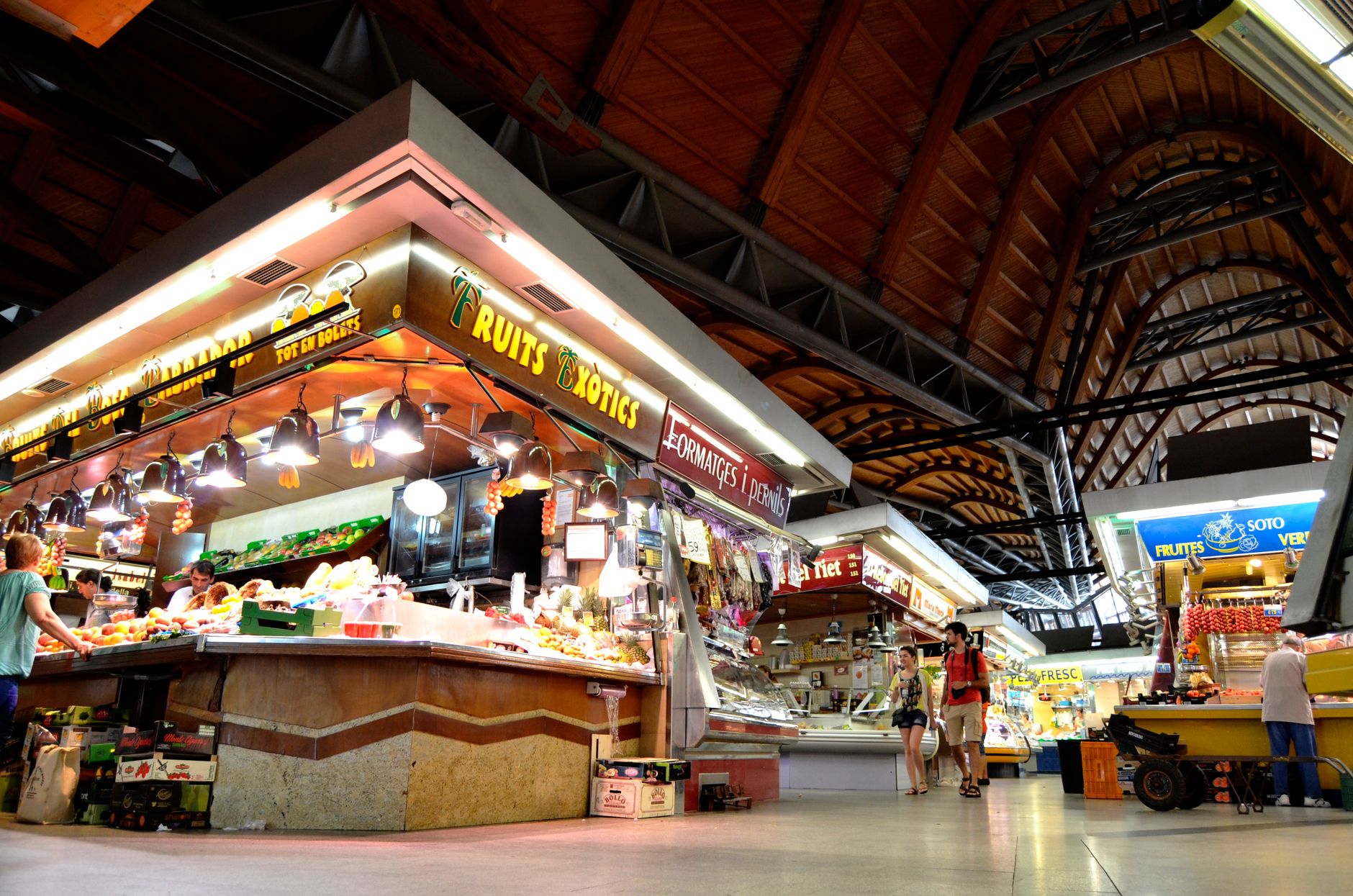
Local cuisine emphasizes seafood: expect dishes such as suquet de peix, fideuà and paella in seafront restaurants. The municipal market (Mercat Municipal de Lloret) is where to buy local fruits, fish and deli items for self-catering apartments. Taxis are convenient for steep or hilly neighbourhoods; short trips in town typically cost €5–€10 depending on time and luggage. Water World is a large local attraction and can influence hotel rates nearby during summer weekends.
How to Choose Well
Start by ranking the stay's priorities: immediate beach access, quiet evenings, family facilities, or nightlife. If sleep and family time matter most, pick Fenals — a 5–10 minute local-bus or 10–15 minute walk to the main promenade and fewer late-night bars. If seafront restaurants and bar access are the priority, accept higher prices and noise by choosing Lloret Beach/Centre; budget for €120+ per night in high season.
For independent travellers who want lower nightly rates and kitchen facilities, search Cala Boadella and Cala Banys listings; check walking distances because local bus stops are less frequent. For views and short hikes, Santa Clotilde offers good proximity to the gardens and coastal paths but involves steeper streets; consider a taxi for luggage. For arrival logistics, if coming by train, plan to disembark at Blanes and take a Sagalés or local bus to Lloret; this adds 15–30 minutes and a small fare (€2–€5 or more for intercity). Choose accommodation with free cancellation for July–August when plans can change quickly.

Responsible and Local-First Tips
Support local businesses: buy fresh produce and seafood from Mercat Municipal de Lloret rather than chain supermarkets when staying in self-catering apartments. Eat at family-run restaurants on side streets off Passeig Jacint Verdaguer where prices are lower and profits stay local; ask for suquet de peix or fideuà. Use public buses for short hops between Fenals and Centre when possible — local Bus Urbà services reduce parking pressure in summer.
Avoid leaving litter on smaller coves such as Cala Boadella and Cala Banys; bring reusable water bottles and dispose of waste at designated bins. Book walking routes and guided nature walks through authorised local offices (tourist office on Passeig) so fees support local guides. When hiring taxis for short trips, use official taxi ranks instead of unlicensed offers; this ensures fair fares and safer transfers.

Common Mistakes to Avoid
Overpaying for 'seafront' rooms without checking exact location: many properties advertise proximity to the beach but are on upper floors above bars; check Google Maps street view and recent reviews. Expecting frequent local buses year-round: Bus Urbà frequency drops off-season and some routes run every 30–60 minutes outside July–August; plan taxis or longer walking times. Assuming train options: there is no direct RENFE stop in Lloret — travellers who skip the Blanes transfer add unexpected taxi fares and time.
Booking last-minute in August for large groups usually means inflated prices and limited availability; book months ahead for July weekends. Choosing accommodation without checking stairs: Santa Clotilde and some older buildings have steep access and no elevators — request ground-floor or elevator listings if mobility is a concern. Not checking water-park or attraction schedules: Water World and local boat tours run peak schedules in summer only; ticket prices and opening times change between seasons.
FAQ
How much does a typical hotel cost in Lloret de Mar in high season?
Expect mid-range hotels to be €60–€150 per night in May–June and €120–€250 per night in July–August on Passeig Jacint Verdaguer and central areas.
Is there a train station in Lloret de Mar?
No. The nearest Rodalies (RENFE) station is Blanes; from Blanes take a local bus or taxi to Lloret (local bus fare around €1.50–€3 depending on route).
Which area is best for families with young children?
Fenals is the most family-friendly: sandy beach, pine-shaded promenade, playgrounds and calmer evening hours. Many family hotels and apartments are located within 300–700 metres of the beach.
Are there reliable buses from Barcelona?
Yes. Sagalés or Moventis operate intercity buses from Barcelona Nord to Lloret; single fares commonly range €8–€15 one-way depending on the service and booking time.
Is it noisy at night everywhere in Lloret?
No. Noise concentrates around the seafront and main nightlife streets (Passeig Jacint Verdaguer); Fenals, Cala Boadella and Santa Clotilde are typically much quieter after 22:00.
Where can self-catering travellers buy groceries?
Mercat Municipal de Lloret and local supermarkets on Carrer Sant Pere and Avinguda Just Marlés sell fresh produce, fish and staples suitable for apartment cooking.
When is the best time to visit to avoid crowds but have pleasant weather?
May–June and September provide warm weather, fewer crowds and lower prices compared with July–August peak season.
Conclusion
The single most important thing to remember: match the neighbourhood to the priority — families and quiet choose Fenals (approx. €60–€120/night), night owls choose Lloret Beach/Centre (expect €120–€250/night in July–August), and value seekers choose Cala Boadella/Cala Banys for apartment rates near €50–€90/night. Confirm bus stops, exact walking distances and check recent reviews for noise and elevator access before booking. After selecting a neighbourhood, consult the companion 3 days in Lloret de Mar itinerary to plan days around the chosen base and local transit options.
How this guide was prepared
This guide was prepared through a structured research that combines destination research, geographic context, itinerary planning logic, and content review.