
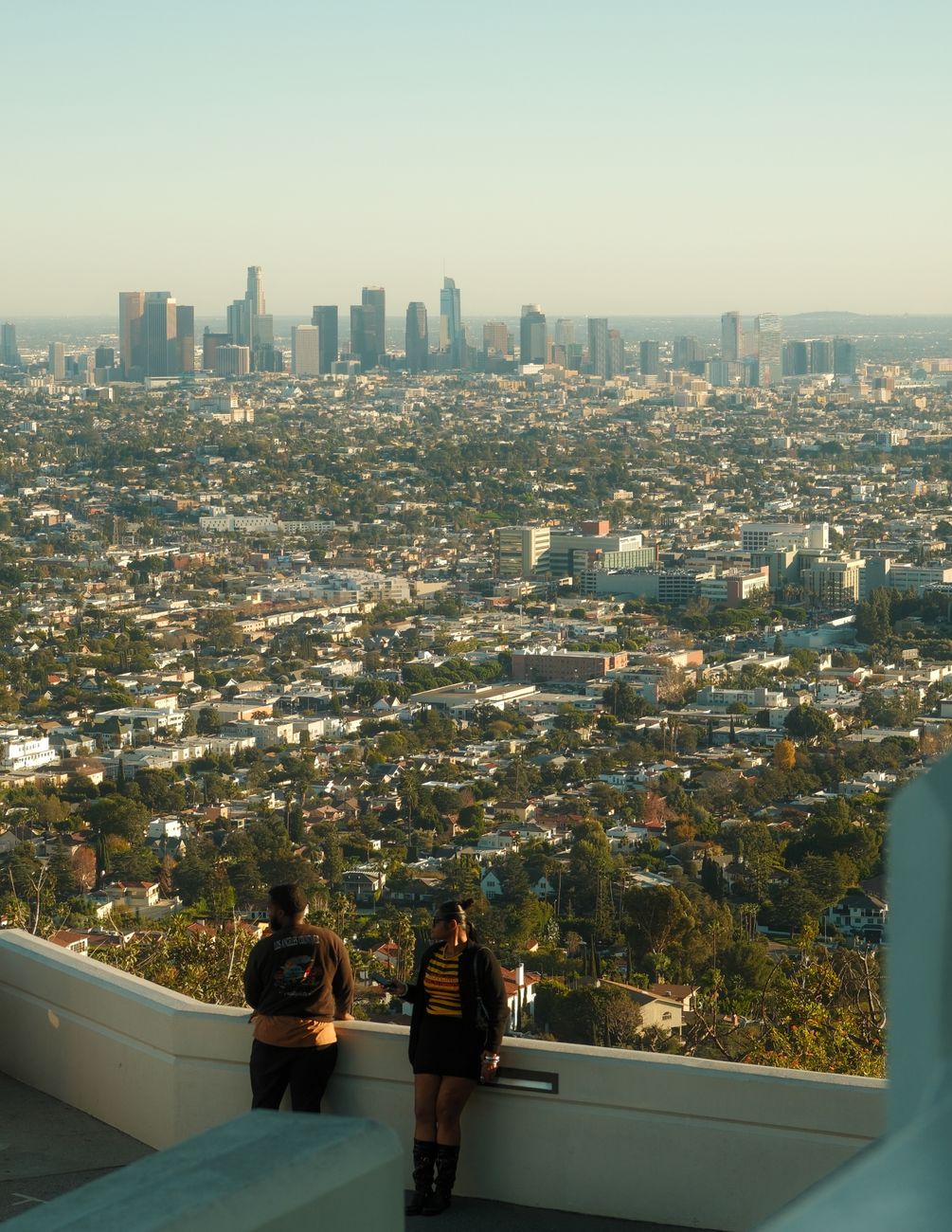
Best Time to Visit Los Angeles
Practical guide to the best months for weather, crowds, events, and value in Los Angeles, plus transit and neighbourhood tips for planning a 3-day trip.
Month-by-month and season-specific advice for weather, crowds, prices, and key events in Los Angeles, with transit realities and neighbourhood trade-offs.
Best time to visit Los Angeles?
For generally best weather and lower rain risk, plan for September–November when highs are often 70–85°F and hotel rates drop vs. July. Expect Metro single-ride fares of $1.75 (TAP card) and prepare for coastal morning fog in May–June (May Gray/June Gloom).
Who This Page Is For
This page is for first-time or repeat visitors planning when to visit Los Angeles for weather, costs, or events. Local commuters or people visiting only for a single business meeting likely do not need this level of seasonal detail.
Key Takeaways for Los Angeles
- Best overall months: September–November — average highs 70–85°F, lower hotel rates after Labor Day.
- Most expensive months: July–August and late December — expect downtown and Westside hotel rates often $300+ per night.
- Transit tip: Use a TAP card for Metro rail and buses; single-ride fare is $1.75 and the E Line (Expo) connects Downtown to Santa Monica.
- Watch for coastal fog in May and June (May Gray/June Gloom) and Santa Ana wind events in September–November that raise temperatures inland.
How This Page Was Prepared
This page was prepared through a structured editorial workflow that combines destination research, geographic context, and practical travel-planning review.
Plan the Rest of Your Trip
Use this page together with the full itinerary and the related planning pages below to make better booking, timing, transport, and budget decisions.
September through November gives the best mix of warm afternoons, fewer tourists than July–August, and lower hotel rates in central and Westside neighbourhoods. Expect high temperatures typically between 70°F and 85°F and low rainfall during these months. If price is the priority, January and February (outside awards season weeks) usually offer the best hotel value, with weekday rates often 20–40% lower than peak summer weekends. Avoid late December around Christmas and New Year unless bookings are made months ahead because prices spike and attractions are crowded.
This page answers the practical question: when is the best time to visit Los Angeles for the weather, crowds, and cost? Many visitors underestimate how quickly conditions change across short distances — downtown can be 10–20°F warmer than the coast on the same day. Rain is concentrated in winter months and almost absent in summer, but the coast has persistent morning cloud cover in late spring and early summer known locally as May Gray and June Gloom. Traffic and event calendars have a bigger effect on daily plans than small differences in temperature, so timing should balance the neighbourhoods and activities intended.
What This Page Helps You Decide
This page helps choose which month or season to visit based on weather, crowds, and cost for specific activities: beach time, hiking in Griffith Park, attending festivals, or a downtown museum weekend. It helps decide whether to stay on the Westside (Santa Monica, Venice), in Hollywood, or near Downtown LA by weighing hotel price differences and transit access like the E Line to Santa Monica or A Line to Long Beach. It also helps pick arrival and departure dates to avoid major events (LA Marathon in March, LA Pride in June, Academy Awards week in February/March), and to plan for coastal fog or Santa Ana wind days.
Top Recommendations
Seasonal breakdown with typical highs/lows, rainfall tendencies, and crowd levels:
- Winter (December–February): Highs 65–70°F, lows 45–50°F. Rain peaks in January and February with monthly totals often 1.5–3.0 inches. Crowds are low except around the December holidays and Rose Parade/New Year events in Pasadena on Jan 1.
- Spring (March–May): Highs 65–75°F, lows 50–60°F. Rain decreases, March can still be wet. Crowd levels rise in late March-April with events like the Los Angeles Marathon (March). May brings coastal overcast mornings (May Gray) but pleasant afternoons.
- Summer (June–August): Coastal highs 65–75°F, inland highs 80–95°F; lows 60–68°F. Rain is minimal. Crowds peak in July and August; expect higher hotel and flight prices. Events include LA Pride (June) and Hollywood Bowl concerts (May–September).
- Fall (September–November): Highs 70–85°F (September), cooling to 65–75°F by November; lows 55–60°F. Rain is low until November. Crowds drop after Labor Day; September often has the best combination of warm weather and lower rates.
Named annual events and approximate months: LA Pride in West Hollywood (June); Los Angeles Marathon (March); Rose Parade and Rose Bowl festivities in Pasadena (January 1). Also note: LA County Fair in Pomona (September) and Hollywood Bowl season (May–September).
Best value months: January and February (outside awards weeks) and early November — hotels and flights are often cheapest. Peak/most expensive months: July–August and late December; expect downtown and Westside hotel rates above $300–$400 per night on busy weekends. Months to avoid: late December if budget or space is a concern, and any dates that coincide with major events like Pride weekend if not attending since local prices and crowds spike. Shoulder-season advantages: March–May and September–November offer lower hotel rates, fewer lines at Griffith Observatory, and easier dining reservations; also shoulder months have cooler mornings for hiking and more predictable traffic than peak summer.
Local Context
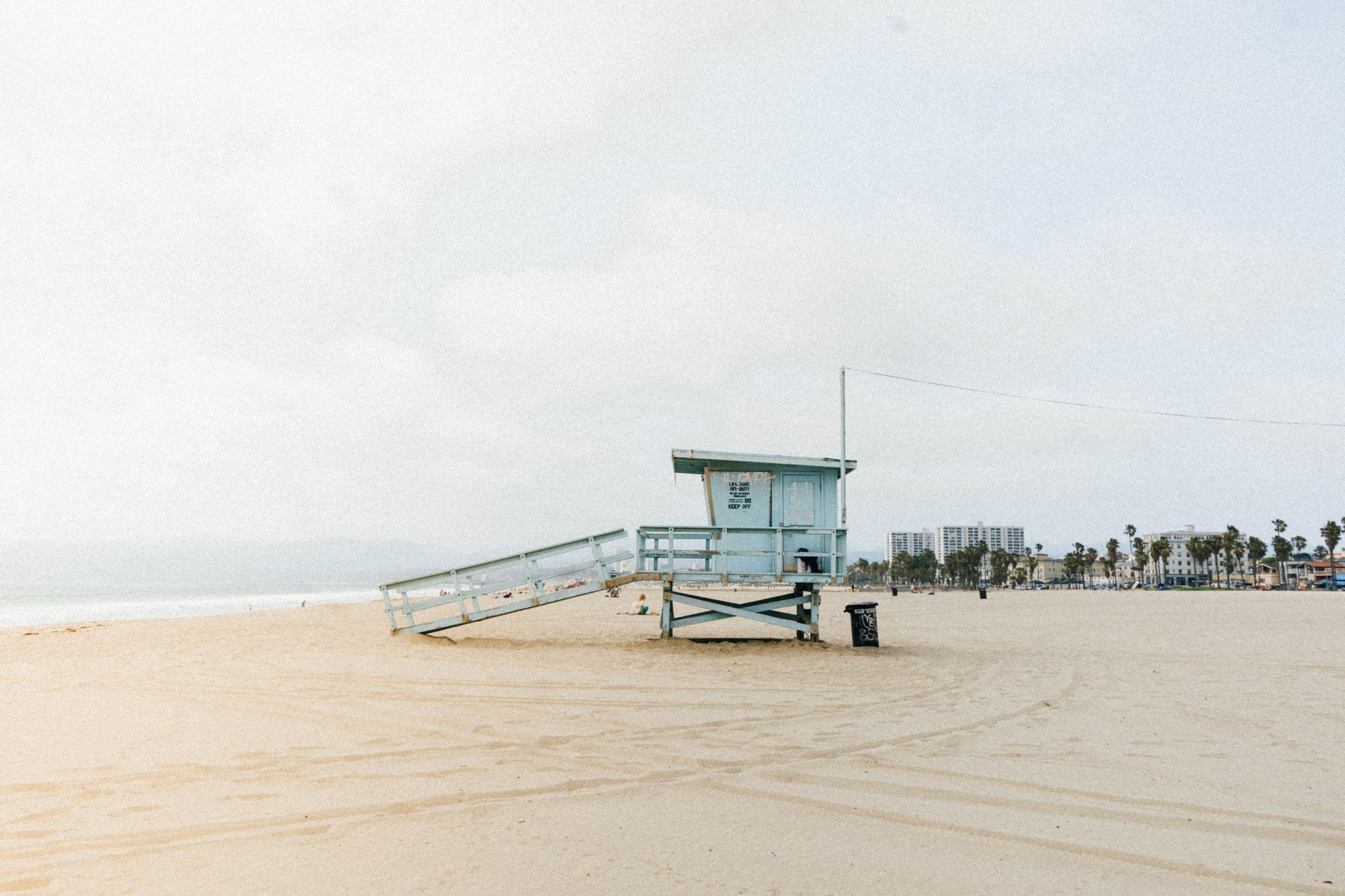
Microclimates define decisions. Coastal neighbourhoods such as Santa Monica and Venice often run 10–20°F cooler than inland areas like Burbank or the San Fernando Valley on the same day. Expect morning marine layer along Pacific Avenue and Ocean Park Boulevard into the afternoon from May through July. Santa Ana winds originate inland and can spike temperatures and air quality in September–November — check local air quality index (AQI) before outdoor plans.
Transit and parking shape neighbourhood choices. The Metro E Line (Expo) links Downtown and Culver City to Santa Monica, and the A Line (Blue) connects Downtown to Long Beach. A single adult Metro fare via TAP card is $1.75 per ride; day passes and reloadable TAP options are available in the Metro app. Parking in popular spots like Santa Monica and Hollywood can run $20–$40 per day for lots and higher on event nights near Crypto.com Arena. Traffic on I-405, I-10, and US-101 can add long delays during weekday peaks, so schedule driving outside 7:00–9:30 and 16:00–19:30 when possible.
How to Choose Well
Match neighbourhood to core activities. For beach time and walkable restaurants, choose Santa Monica or Venice and rely on the E Line; expect cooler mornings and plan afternoon sun. For museums and the Getty, stay near Westwood or Century City for quicker drives and shorter Uber fares.
Decide on car vs transit based on itinerary. If staying within Downtown–Hollywood–Westside corridors, Metro rail and buses plus a TAP card ($1.75 single fare) are cost-effective and avoid parking fees. Rent a car when day trips to Malibu, Angeles National Forest, or Disneyland (Anaheim) are on the plan, but budget $20–$60/day for parking and expect heavy traffic on I-5 and I-405 during peak hours.
Balance cost and atmosphere. West Hollywood and Beverly Grove have lively nightlife and higher hotel rates; Koreatown and Echo Park often have lower rates and better late-night dining. If budget is priority, book January–early February weekdays and use Metrolink or Metro rail to avoid parking charges.
Responsible and Local-First Tips
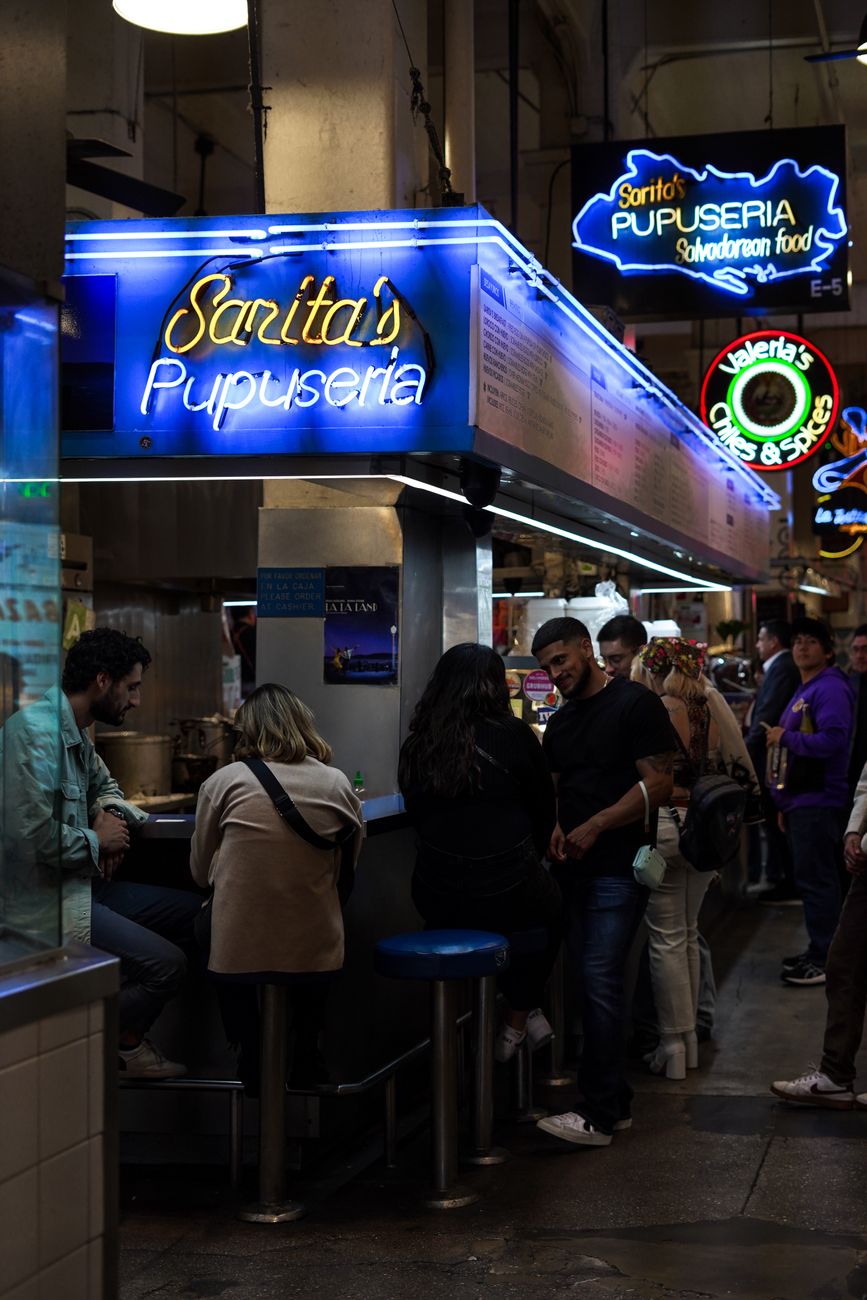
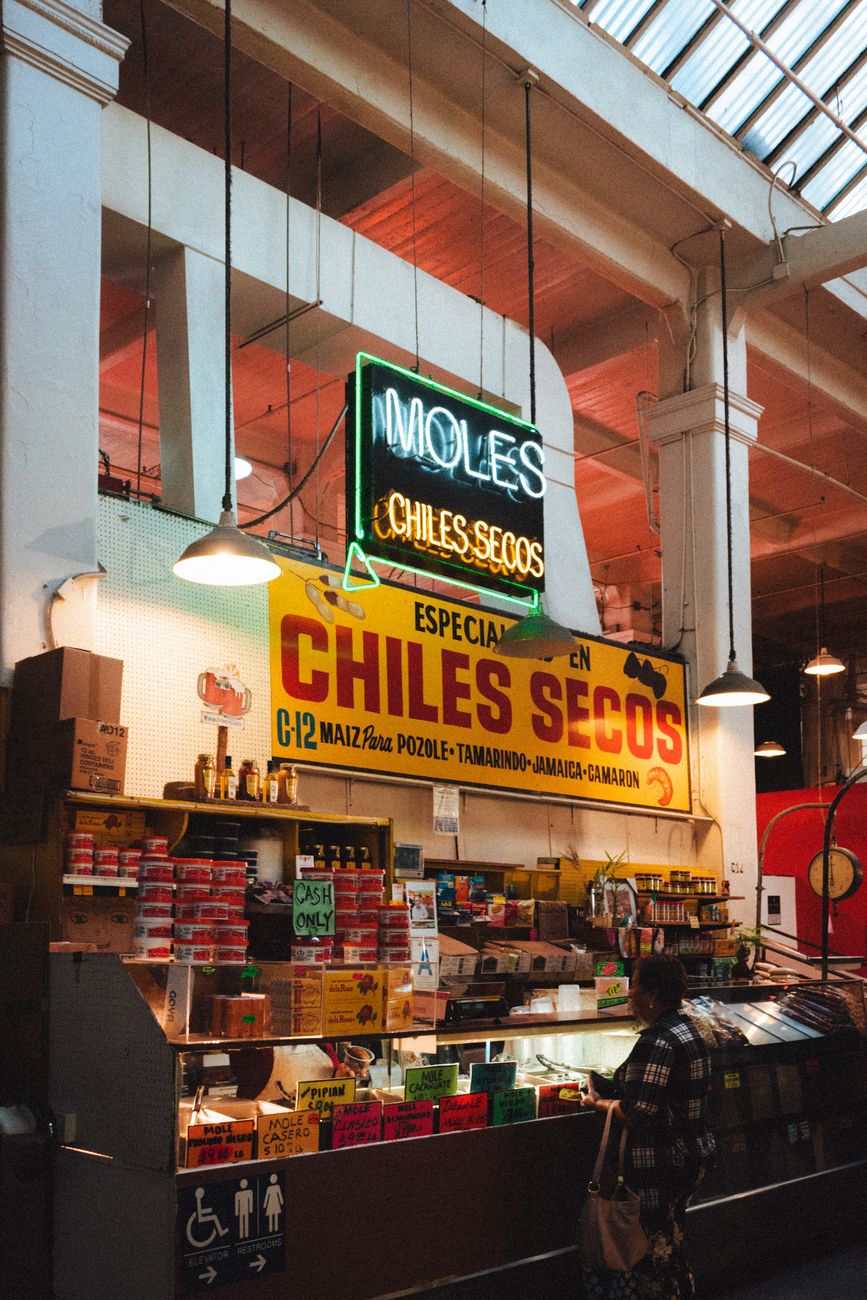
Support local businesses and markets. Eat at vendors inside Grand Central Market (e.g., Eggslut, Tacos Tumbras a Tomas) and buy produce from the Santa Monica Farmers Market on Wednesdays. Choose independent restaurants like Guelaguetza (Oaxacan food) or Guerrilla Tacos for locally owned options.
Reduce impact while in LA. Use Metro rail and buses for cross-city trips and validate trips with a TAP card. When renting a car, combine errands and attractions into single days to reduce mileage and avoid peak-hour idling in I-405 traffic. If visiting beaches, use refillable water bottles and pack out trash; many beaches have recycling stations near parking lots.
Common Mistakes to Avoid
Mistake: assuming beach weather means warm water. Ocean temperatures off Santa Monica and Venice often stay in the high 50s to mid 60s°F through summer; bring a light wetsuit for serious swimming and plan for cool afternoons.
Mistake: underestimating transit and event impacts. Major events like the LA Marathon (March), LA Pride (June), and Academy Awards week (Feb/March some years) close streets and spike hotel and rideshare prices. Check local event calendars before booking.
Mistake: choosing distance over transit access. Staying far west or far east to save on hotel rates may add 30–60 minutes to daily travel to core sites. Prioritize neighbourhoods along Metro lines (E Line to Santa Monica, A Line to Long Beach, B Line to Hollywood) to reduce time in traffic and parking costs.
FAQ
When is the cheapest month to visit Los Angeles?
January (excluding holiday weeks) and early February usually have the lowest hotel and flight rates; weekday stays are cheapest.
Is summer the best time for beaches in LA?
Summer has lowest rainfall but coastal mornings often feature May Gray or June Gloom; water temps are typically 58–65°F even in July and August.
How bad is traffic and how should it affect trip timing?
Expect heavy congestion on I-405, I-10, and US-101 during 7:00–9:30 and 16:00–19:30 on weekdays; plan sightseeing outside those windows or use Metro rail when possible.
What transit options connect to Santa Monica and Long Beach?
Use the Metro E Line (Expo) for Santa Monica and the A Line (Blue) for Long Beach; pay fares with a TAP card ($1.75 single ride).
Are there months to avoid because of air quality or winds?
Watch September–November for Santa Ana wind events that can raise temperatures and worsen AQI; check local air quality forecasts before long outdoor plans.
Do big events affect hotel prices and when are they?
Yes. LA Pride (June), the Rose Parade/ Bowl events (Jan 1), and award-season weeks (Feb–Mar) commonly drive local hotel rates up and fill rooms quickly.
Conclusion
The single most important thing to remember: pick dates that match the parts of Los Angeles to be used most — coast, Hollywood, or Downtown — because microclimates and traffic will determine daily comfort more than small variances in month. For the best balance of weather, fewer crowds, and value, aim for September–November or the shoulder months of March–May. Use this timing guidance to plan the main 3-day Los Angeles itinerary, prioritizing a neighbourhood that reduces transit time to the attractions on that 3-day plan.
How this guide was prepared
This guide was prepared through a structured research that combines destination research, geographic context, itinerary planning logic, and content review.