
Best Time to Visit Marbella
Best time to visit Marbella: weather, crowds, prices and festivals month-by-month, practical transit tips from Málaga, neighborhood notes, and shoulder-season savings.
When to visit Marbella depends on priorities: beach heat and beach clubs in July–August, mild weather and lower prices in April–May or September–October, and quiet low season with some rain in November–February. This page gives month/season climate, crowd levels, transit tips and festival dates to choose the right month.
Best time to visit Marbella?
Expect the best overall balance in April–May and September–October: average highs around 22–28°C (72–82°F), lower hotel rates (rooms often €90–€160/night) and fewer crowds than July–August. Avoid late December–January only if beach weather is essential; those months are mild but wetter with highs near 16–18°C (61–64°F).
Who This Page Is For
This guide benefits beach-focused travelers, food-oriented visitors and people planning short stays (3 days) in Marbella. It is less necessary for mountain hikers who prefer Ronda or Sierra Blanca in winter.
Key Takeaways for Marbella
- Best months for value and pleasant weather: April–May and September–October with highs of 22–28°C and hotel rates commonly €90–€160/night.
- Peak season (most expensive): July–August when highs reach 30–33°C and average hotel rates often €200–€450/night in Puerto Banús and Golden Mile.
- Wettest months: November–January with average highs 16–18°C and noticeably higher rainfall; many beach clubs close off-season.
- Notable festivals: Feria de San Bernabé in June, Starlite Festival in July–August, and Carnival typically in February.
How This Page Was Prepared
This page was prepared through a structured editorial workflow that combines destination research, geographic context, and practical travel-planning review.
Plan the Rest of Your Trip
Use this page together with the full itinerary and the related planning pages below to make better booking, timing, transport, and budget decisions.
For the best mix of weather, value and open services choose April–May or September–October. Those months typically bring highs of 22–28°C (72–82°F), lower hotel prices (roughly €90–€160 per night for mid-range hotels) and many beach clubs, restaurants and shops open without the July–August crush.
July–August is beach-perfect but hot (30–33°C, 86–91°F) and expensive; November–January brings mild temperatures (highs around 16–18°C, 61–64°F) with increased rainfall and reduced beach services. If a festival matters, plan around specific dates: Carnival in February, Feria de San Bernabé in June and Starlite Festival across July–August.
This page answers the single practical question: when to go to Marbella for the weather, sights and price that fit a short trip or a longer stay. Many visitors assume Marbella is just a summer beach town and either book July–August without considering heat and crowding or pick winter expecting Mediterranean sun and instead find closed beach clubs and more rain. Marbella neighborhoods behave differently: Puerto Banús and the Golden Mile peak with nightlife and prices in mid-summer, while San Pedro de Alcántara and the Casco Antiguo (Old Town) are calmer in shoulder months.
This guide gives month- or season-specific temperatures (Celsius and Fahrenheit), rainfall tendencies, crowd levels, festival dates and realistic price expectations for hotels, taxis and food. Use it to pick the exact month for a 3-day itinerary or to decide whether to travel for beach clubs, nightlife, or quieter sightseeing.
What This Page Helps You Decide
Choose this page when deciding a month for a Marbella visit based on weather, prices, crowds and local events. The guidance supports decisions such as whether to travel for beach clubs and nightlife (opt for July–August and expect higher prices), for warmer-weather sightseeing with fewer crowds (choose April–May or September–October), or for lower hotel costs and quieter streets (late October–November or February).
Specific tactical questions addressed include: when are hotels cheapest and by how much, which months have reliable beach weather, how rainfall affects outdoor plans, and when local festivals occur so bookings must be made earlier. This helps pick dates that work with a 3-day Marbella plan and nearby day trips to Ronda, Estepona or Fuengirola.
Top Recommendations
Seasonal breakdown (high/low °C, rainfall tendency, crowd level):
– Spring (March–May): highs 18–24°C (64–75°F), lows 9–14°C (48–57°F). Rainfall falls compared with winter; by April there are many sunny days. Crowd level: low-to-moderate; hotels drop from winter lows and restaurants reopen for the season. Good for walking the Old Town and beachtime without peak heat.
– Summer (June–August): highs 30–33°C (86–91°F), lows 20–24°C (68–75°F). Virtually no rain in July–August. Crowd level: very high, especially in Puerto Banús and Golden Mile. Hotel rates routinely peak—expect €200–€450/night for central hotels and luxury options.
– Autumn (September–November): highs 20–28°C (68–82°F) early, falling to 15–20°C (59–68°F) by November; lows 11–15°C (52–59°F). Rainfall increases in November. Crowd level: moderate in September, low by November. Hotels and beach clubs cut prices from late October.
– Winter (December–February): highs 16–18°C (61–64°F), lows 6–9°C (43–48°F). Most rainfall occurs December–January. Crowd level: low; many beach clubs and seasonal terraces close, but restaurants in Old Town and local bars stay open.
Annual events to plan around:
– Carnival (February) — lively parades and events in Plaza de los Naranjos and along Avenida Ricardo Soriano.
– Feria de San Bernabé (early June) — Marbella’s patron saint fair with daytime family events and nightly casetas in the municipal fairground.
– Starlite Festival (July–August) — concerts and cultural shows held in the Nagüeles quarry; tickets sell out for headline acts.
Best value months: November (after Feria season) and February–March offer lower hotel rates; shoulder months April–May and September–October provide the best mix of price and open services. Peak/most expensive: July–August, especially around mid-July to mid-August and late July weekends tied to Starlite events. Months to avoid if the goal is beach weather: November–January because of cooler, wetter weather and reduced beach-club operations. Shoulder-season advantages: April–May and September–October deliver beach-usable temperatures, many beach bars and clubs open, lower hotel rates (often 30–60% cheaper than August), and easier restaurant reservations in Puerto Banús and Old Town.
Local Context
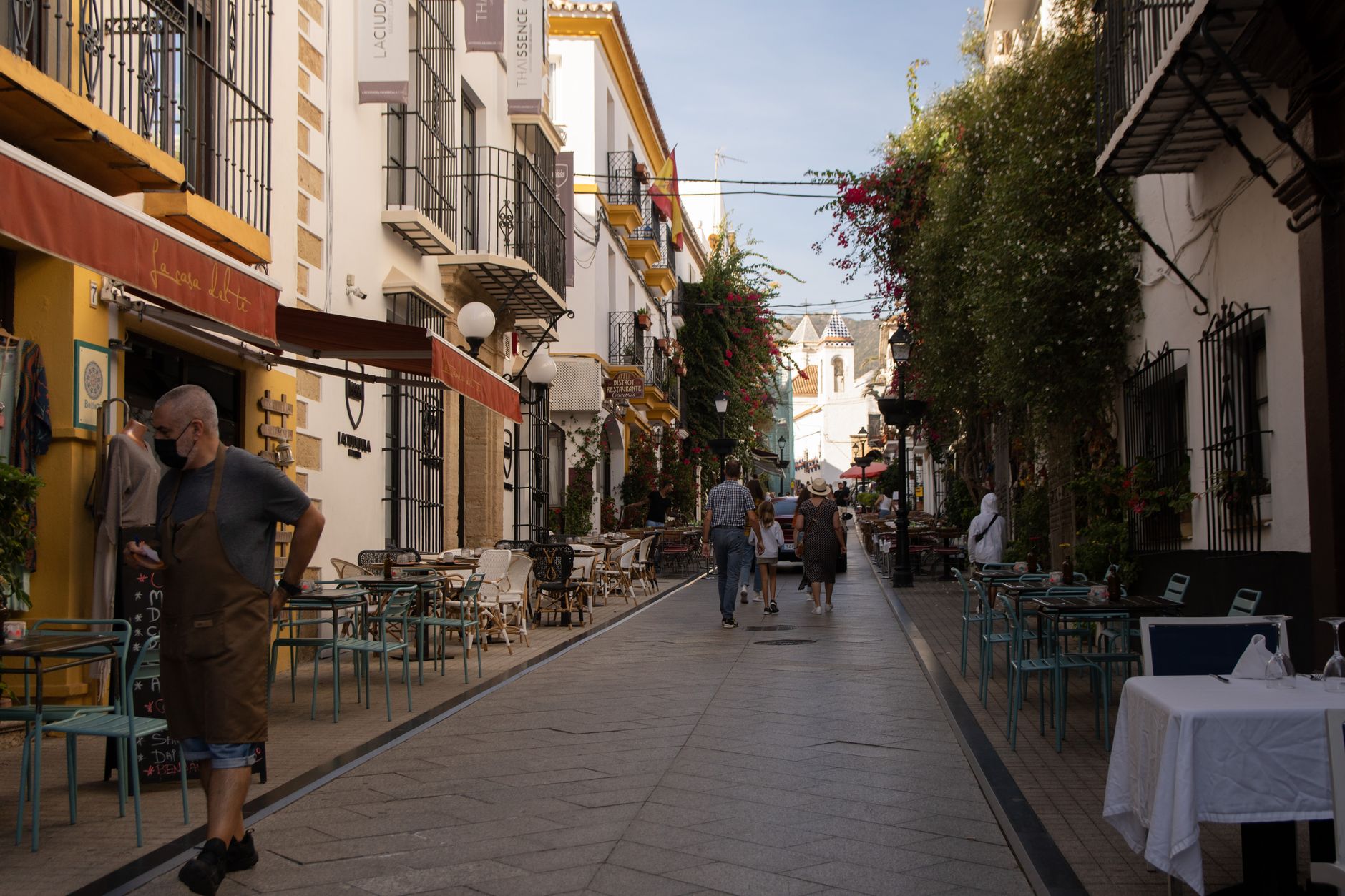
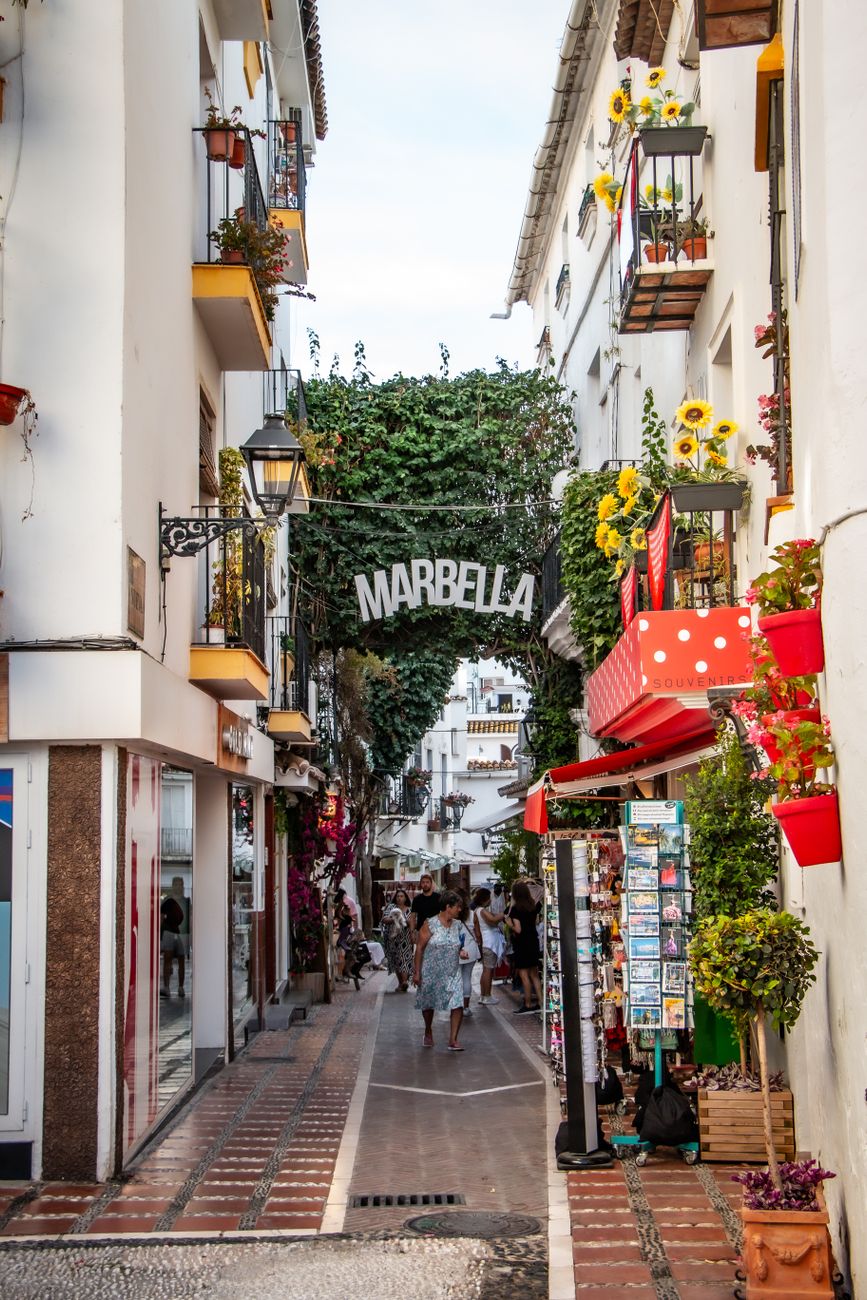
Neighborhoods behave differently. Puerto Banús and the Golden Mile concentrate nightlife, luxury shopping and beach clubs; these areas are busiest in July–August and on long-weekend dates linked to concerts. Casco Antiguo (Old Town) remains active most of the year thanks to restaurants on Calle Ancha and Plaza de los Naranjos.
San Pedro de Alcántara and Nueva Andalucía are better alternatives for quieter stays and often better value hotels. Sierra Blanca and La Zagaleta are residential and do not offer beach services. Many visitors arrive via Málaga Airport; Renfe Cercanías C1 stops at Fuengirola only, so transfer by Avanza bus or direct airport shuttle to Marbella is common. Local taxi company Radio Taxi Marbella runs ranks at the bus station and Puerto Banús.
Dining and price context: expect tapas from €3–€6, a three-course meal at a mid-range restaurant €18–€35, and a coffee €1.50–€2.80. Skina (C. Sebastián Souvirón) is the Michelin-starred option in Old Town; Ocean Club and Nikki Beach in Puerto Banús are seasonal beach-club heavyweights that charge cover and higher drink prices in summer.

How to Choose Well
Decide by priority: beaches and clubs, sightseeing and food, or low cost and calm. For beach clubs and guaranteed swimming, select July or early August and budget for hotel rates of €200+/night and busy restaurant bookings. For sightseeing, dining and pleasant weather without the crush, pick April–May or September–October when highs are 22–28°C and hotel rooms typically cost €90–€160/night.
If price is the driving factor choose November–March for lowest hotel rates; expect cooler sea temperatures and some rain. For festival attendance, lock dates early: book for Starlite shows in June–August and for Feria de San Bernabé in June. For day trips use Fuengirola Renfe C1 connections and Avanza buses or private transfer — trains are reliable but require a bus from Fuengirola to Marbella.

Responsible and Local-First Tips
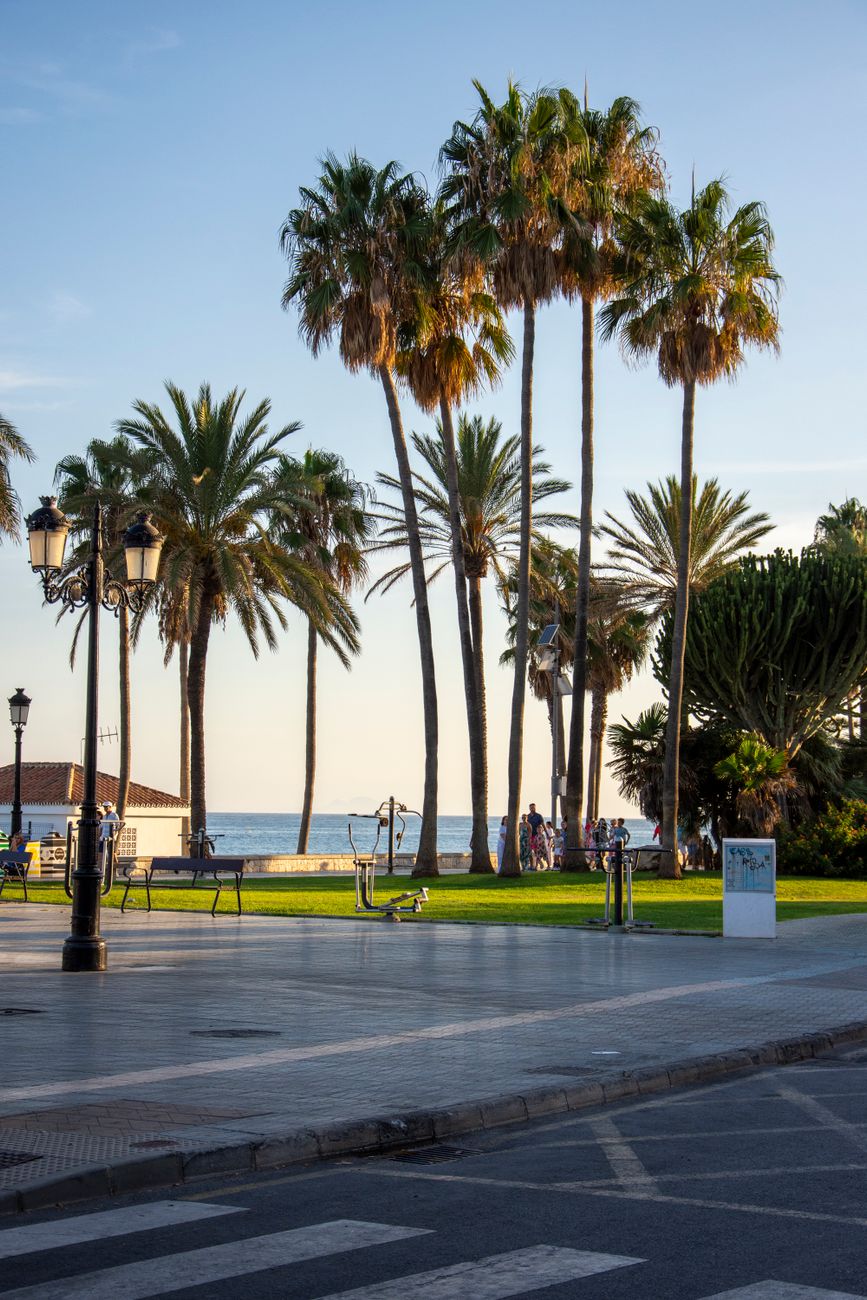
Support local businesses by choosing Old Town bars and family-run chiringuitos on Paseo Marítimo and Playa de la Fontanilla rather than only branded beach clubs. Recommended local places include chiringuitos that serve espetos de sardinas and pescaíto frito; avoid ordering imported seafood in high-season tourist traps.
Use public transport where practical: take Renfe Cercanías C1 to Fuengirola and then an Avanza bus or shared shuttle to Marbella to reduce car traffic. Eat at family-run restaurants in San Pedro de Alcántara and market stalls on Avenida Ricardo Soriano to keep spending in local hands. Respect seasonal closures: don’t expect full beach-club service in winter and confirm opening hours for restaurants and shops before booking.

Common Mistakes to Avoid
Booking July or August without locking accommodation early leads to much higher costs and fewer good hotel options; many central hotels double or triple rates compared with April. Counting on direct train service to Marbella from Málaga is incorrect; the nearest Cercanías station is Fuengirola and that requires a 30–40 minute bus or taxi transfer.
Assuming restaurants will be open all year in Puerto Banús is another misstep; many upscale restaurants and beach clubs reduce hours or close between November and March. Finally, underestimating late-afternoon sun intensity in summer leads to uncomfortable walking on Avenida Ricardo Soriano; seek shade or plan siesta hours between 14:00–17:00 during heat waves.
FAQ
What month has the best beach weather in Marbella?
July and August offer the warmest sea temperatures and sun, with daytime highs 30–33°C (86–91°F) and virtually no rain.
When are hotel prices cheapest?
Late November through February usually have the lowest nightly rates; expect mid-range rooms from €50–€100/night, excluding holiday dates around Christmas and New Year.
How to get to Marbella from Málaga Airport and how long does it take?
Direct Avanza airport shuttles and private transfers take roughly 40–60 minutes depending on traffic; booking via the Avanza app or official shuttle providers is recommended. The Renfe Cercanías C1 serves Fuengirola, not Marbella.
Are beach clubs open year-round?
Many top beach clubs like Ocean Club and Nikki Beach scale back hours or close between November and March; check each club’s website or call for exact opening dates.
Which months are busiest for festivals and concerts?
June through August host the main festival season: Feria de San Bernabé in June and Starlite Festival across July–August are peak event months.
Is Marbella good for a February trip?
February can be pleasant for sightseeing with cooler temperatures (highs ~16–18°C) and lower prices, but expect some rain and limited beach services.
Any transit cards or apps to use locally?
Use the Avanza app for intercity buses, Renfe Cercanías app and Tarjeta Multi for train connections to Fuengirola, and official Radio Taxi Marbella for rank bookings.
Conclusion
The single most important decision is whether the priority is guaranteed beach weather or lower cost and calmer streets. For beaches and clubs pick July–August and budget for high rates and crowds. For best overall value and plenty open without the crush pick April–May or September–October.
Plan the 3-day Marbella itinerary around the chosen month: Old Town and Skina dinner in the evening, day at a beach club or Playa de la Fontanilla, and a day trip to Ronda or Estepona using Avanza buses if staying in shoulder months. Book hotels and Starlite or Feria tickets early if travel dates overlap event weekends.
How this guide was prepared
This guide was prepared through a structured research that combines destination research, geographic context, itinerary planning logic, and content review.