

Where to stay in Marbella: neighbourhood guide
Practical guide to choosing where to stay in Marbella: neighbourhoods, prices, transit, and local tips for May–October and low season.
Clear, local-first guidance on which Marbella neighbourhood fits your trip: Old Town, Puerto Banús, Nueva Andalucía, San Pedro, Golden Mile, and Elviria with realistic prices and transit notes.
Where to stay in Marbella?
For first-time visitors who want beaches and nightlife, Puerto Banús or the Golden Mile are the most practical choices; expect hotel prices of roughly €150–€400/night in high season. For better value and easier daytime transit, choose San Pedro de Alcántara (typical range €60–€150/night) and use regular buses or taxis to reach the main beaches.
Who This Page Is For
This page helps travellers choosing a neighbourhood in Marbella for 1–7 nights, especially beachgoers, families, and golf visitors. Day-trippers from Málaga or Fuengirola who only plan a single afternoon do not need the full neighbourhood-level detail here.
Key Takeaways for Marbella
- Old Town (Casco Antiguo) — best for walking to Plaza de los Naranjos and Avenida Ricardo Soriano; typical hotels €80–€200/night.
- Puerto Banús — best for luxury shopping and nightlife but noisy and costly; expect €150–€400/night in summer.
- San Pedro de Alcántara — best value area, quieter and on the regular bus corridor to Estepona and Marbella, hotels roughly €60–€150/night.
- High season June–August doubles room rates; shoulder months May and September offer better rates and similar weather.
How This Page Was Prepared
This page was prepared through a structured editorial workflow that combines destination research, geographic context, and practical travel-planning review.
Plan the Rest of Your Trip
Use this page together with the full itinerary and the related planning pages below to make better booking, timing, transport, and budget decisions.
Choose Old Town (Casco Antiguo) for compact walking access to restaurants, shops, and Plaza de los Naranjos; typical mid-season hotel rooms cost about €80–€200/night. Choose Puerto Banús for nightlife and luxury shopping but expect higher rates and night noise; typical summer rooms €150–€400/night. Choose San Pedro de Alcántara for best value and local life with regular buses to Marbella and Estepona; typical rooms €60–€150/night. For golf groups, Nueva Andalucía places players near courses like Aloha and Los Naranjos; expect €90–€250/night.
This guide answers the specific question: which Marbella neighbourhood to book for a short stay, given budget, noise tolerance, transit needs, and activities. Many visitors pick a hotel by beach photo alone and later find their room is far from the Old Town, marina, or golf clubs. Weekend parties in Puerto Banús and summer festivals like Feria de San Bernabé (early June) raise prices and create late-night noise, while the Golden Mile can be very expensive and mostly designed for car access. Choosing the wrong district will add taxi costs, reduce walkability, and change the feel of the trip significantly.
What This Page Helps You Decide
This page helps pick one neighbourhood in Marbella based on priorities: walking to the Old Town, having beach access without a car, avoiding nightlife noise, or being within 15–25 minutes of local golf courses. Decisions covered include whether to prioritize Puerto Banús nightlife vs quieter San Pedro, whether the Golden Mile's price premium is worth proximity to Puente Romano and Marbella Club, and whether Elviria or Nueva Andalucía make more sense for families or golfers. Also covered: realistic nightly price ranges, transit options to Málaga and Fuengirola, and timing to avoid festival-related price spikes.

Top Recommendations
Old Town (Casco Antiguo): type of traveller — walkers who want restaurants and historic squares. Close to — Plaza de los Naranjos, Iglesia de la Encarnación, Avenida Ricardo Soriano. Atmosphere — narrow streets, pedestrianised shopping, daytime restaurants. Price range — €80–€200/night (≈ $86–$215). Transit — urban buses stop on Avenida Ricardo Soriano; taxis from central ranks.
Puerto Banús: type of traveller — nightlife and luxury shoppers. Close to — the marina, boutiques, beach clubs on Paseo Marítimo. Atmosphere — high-end, loud late nights in July–August and during events. Price range — €150–€400/night (≈ $162–$430). Transit — regular buses and taxis; parking is difficult at peak times. Caution: noisy and expensive after 22:00.
Nueva Andalucía: type of traveller — golfers and families wanting apartment-style stays. Close to — Aloha Golf, Los Naranjos Golf Club, a short drive to Puerto Banús. Atmosphere — residential, golf resorts and villas. Price range — €90–€250/night (≈ $97–$270). Transit — local bus lines run along Avenida de las Golondrinas and main roads; taxis common. Best for groups who drive or rent a car.
San Pedro de Alcántara: type of traveller — budget-conscious travelers and families who want quieter streets. Close to — long promenade, weekly market on Avenida de Andalucía, quick bus links west to Estepona and east to Marbella centre. Atmosphere — local life, cafés, lower hotel prices. Price range — €60–€150/night (≈ $65–$162). Transit — regular interurban buses to Marbella center and Fuengirola; good taxi availability. Best-value area: San Pedro offers lower nightly rates and easy bus access to the main attractions.
Golden Mile (Milla de Oro): type of traveller — luxury seekers who want immediate beach access and upscale hotels like Marbella Club and Puente Romano. Close to — beachfront, exclusive restaurants, short drive to Old Town. Atmosphere — high-end, landscaped estates and private beach clubs. Price range — €180–€500/night (≈ $195–$540). Transit — limited direct bus stops on the coastal road; taxis and hotel shuttles are typical. Caution: expensive and often requires a car for errands.

Local Context
Weather on the Costa del Sol sets the rhythm: hot, dry summers with daytime highs often 30–35°C in July and August, and mild winters with daytime highs around 16–18°C in January. Beach season peaks in July–August when both prices and crowds rise. Shoulder months May, June, September, and early October offer warm sea temperatures and lower room rates.
Transit reality: there is no Cercanías train to Marbella; the closest RENFE Cercanías terminal is Fuengirola. Buses connect Fuengirola, Málaga, Estepona and Marbella; intercity buses are run by companies such as Avanza and local operators. Urban buses and taxis handle short hops within town; most visitors use taxis or rental cars for early-morning golf runs or trips to less-connected beaches like Elviria. Parking can be expensive or limited near Puerto Banús and the Old Town during high season.
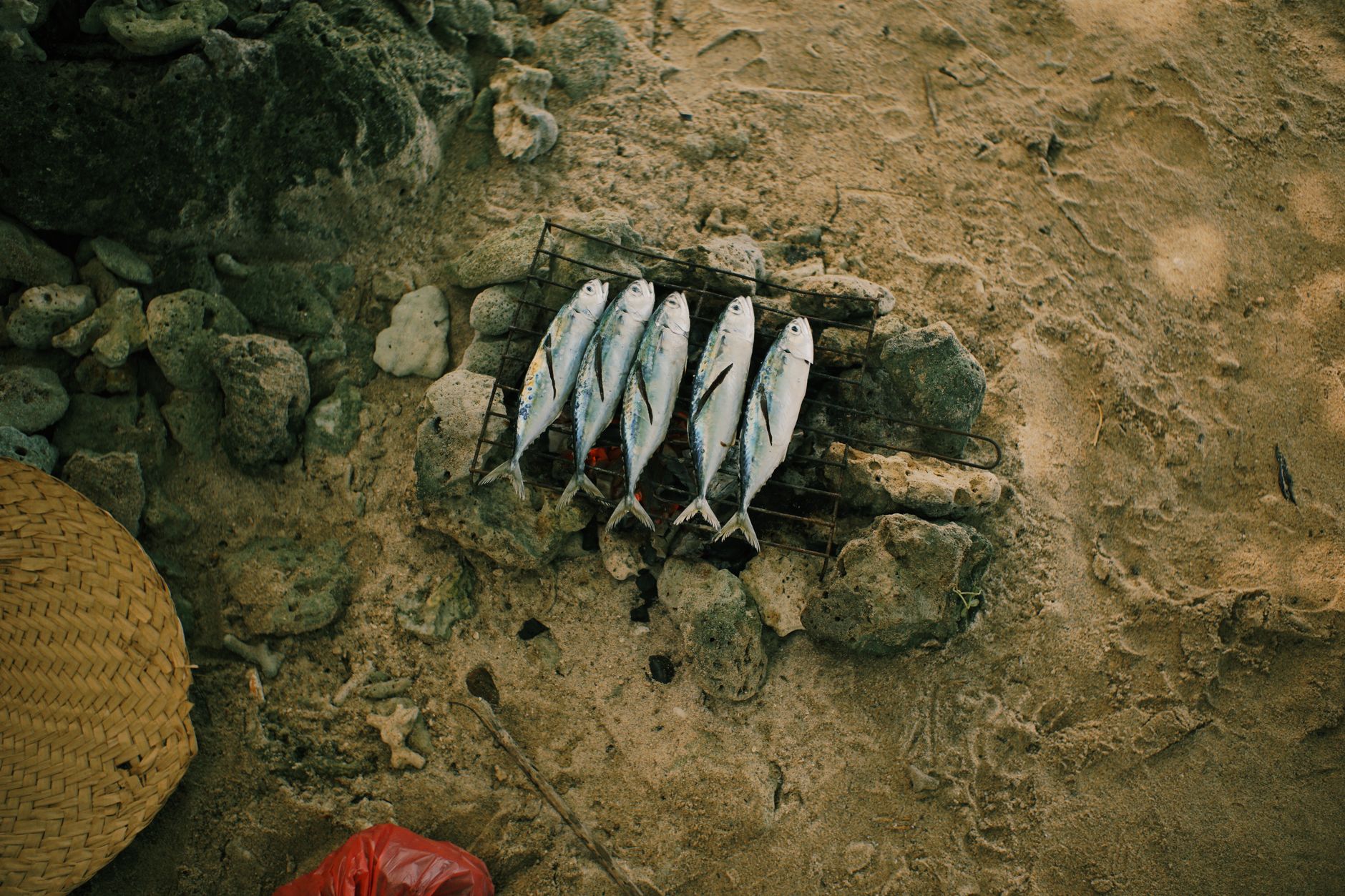
Local eating and shopping: look for espetos (sardines grilled on skewers) at a beachfront chiringuito, and try porra antequerana or pescaíto frito at municipal markets. La Cañada shopping centre is the main mall for groceries and chain stores, and Plaza de los Naranjos is the social heart of the Old Town.
How to Choose Well
Start by listing top three priorities: easy walking to restaurants, being on the beach, quiet nights, or proximity to golf courses. If walking is priority, filter for hotels on or within two blocks of Avenida Ricardo Soriano or inside the Old Town; expect to pay €80+ per night.
If beaches and beach clubs matter, target the Golden Mile or Puerto Banús; expect to trade higher rates for immediate seafront access. If budget and local life matter more, choose San Pedro de Alcántara and use buses or taxis for occasional trips into central Marbella.
For groups and golfers, Nueva Andalucía gives the best trade-off: short drives to multiple courses and apartment rentals that reduce per-person cost. Always check the hotel's exact street — a 'Marbella' address can still be 20–30 minutes by foot from the Old Town, which increases taxi spending.

Responsible and Local-First Tips
Choose locally owned guesthouses or family-run pensions in the Old Town rather than only international chains; the money stays in town and staff are likely to offer practical local advice. Buy seafood and fruit at Mercado Municipal (Marbella Municipal Market) and eat at a local chiringuito for espetos rather than only dining at international franchises.
Reduce taxi dependency by staying within walking distance of your main activity. Use the bus for intercity trips to Fuengirola or Estepona; book return trips in advance for peak days. Avoid leaving valuables visible in rental cars; report incidents to local police and the tourist office if needed.
When visiting beaches, respect public access points and local signage for dune protection. Tip restaurant service where appropriate; a 5–10% tip is common for good table service but not mandatory.
Common Mistakes to Avoid
Booking by map pin alone without checking street noise levels. A hotel marked 'near Puerto Banús' can be on a busy Paseo Marítimo corner and very noisy after 23:00. Check recent guest reviews for noise and events.
Assuming public transport will mirror Málaga. Trains stop at Fuengirola; buses from Fuengirola to Marbella take 40–60 minutes depending on traffic. Plan extra time for transfers and check bus timetables on the Avanza website or local timetables.
Underestimating event-driven price spikes. Book early for Feria de San Bernabé (early June) and Starlite Festival dates in July if those events coincide with travel. Last-minute bookings during these periods often exceed typical nightly rates by 50% or more.
FAQ
Is Puerto Banús within walking distance of Marbella Old Town?
The walk from Puerto Banús to the Old Town is about 20–30 minutes along the beach promenade or 10–15 minutes by taxi depending on traffic.
How much should a mid-range hotel cost per night in high season?
Mid-range hotels typically run €100–€250/night in July–August; expect the upper end in Puerto Banús and the Golden Mile.
What is the best month for fewer crowds but warm beach weather?
May and September are the best months for warm days and fewer crowds, with sea temperatures still comfortable for swimming.
Is there a train to Marbella from Málaga airport?
No direct train runs to Marbella. Take the Cercanías to Fuengirola, then a bus to Marbella, or use direct buses from Málaga bus station or a taxi/shuttle.
Are taxis expensive in Marbella?
Taxis are moderately priced; typical short trip within town is around €5–€12. Airport transfers from Málaga are roughly €60–€90 depending on time and vehicle.
Where is the best value place to stay for a family on a budget?
San Pedro de Alcántara offers the best value for families with quieter streets, a long promenade, and regular buses; typical family rooms cost €60–€150/night.
Are beaches public and free?
Most beaches are public and free; private beach clubs charge for sunbeds, umbrellas, and service.
Conclusion
The single most important decision is whether the trip prioritises walking and town life, beachfront immediate access, or quiet and value. For walkability and restaurants, pick Old Town; for nightlife and luxury, pick Puerto Banús or the Golden Mile; for budget and local life, pick San Pedro de Alcántara; for golf groups, pick Nueva Andalucía. After selecting a neighbourhood, consult the linked 3 days in Marbella itinerary to convert that neighbourhood choice into a practical daily plan with sights, restaurants, and transit.
How this guide was prepared
This guide was prepared through a structured research that combines destination research, geographic context, itinerary planning logic, and content review.