
Best Time to Visit Orlando: Practical, Local-First Guide
Decide when to visit Orlando for theme parks, neighborhood culture, and low-impact travel. Weather, crowds, booking tips, and sustainable choices tied to nearby cities and a 3-day itinerary.
A concise, practical guide to choosing the best time to visit Orlando—balancing weather, crowds, costs, and local experiences. Includes seasonal patterns, transport realities, sustainable tips, and smart booking advice for park visits and side trips to Kissimmee, Tampa, and Clearwater.
Quick Answer
A concise, practical guide to choosing the best time to visit Orlando—balancing weather, crowds, costs, and local experiences. Includes seasonal patterns, transport realities, sustainable tips, and smart booking advice for park visits and side trips to Kissimmee, Tampa, and Clearwater.
Who This Page Is For
This page is for travelers planning a stay in Orlando who want clearer decisions about best time to visit, local logistics, timing, budgeting, and practical trip planning.
How This Page Was Prepared
This page was prepared through a structured editorial workflow that combines destination research, geographic context, and practical travel-planning review.
Plan the Rest of Your Trip
Use this page together with the full itinerary and the related planning pages below to make better booking, timing, transport, and budget decisions.
For fewer crowds and good weather, visit late January–early February or late April–early May. If you want lower prices and quieter parks with a higher chance of heat and storms, consider September–early November. Avoid major U.S. holidays and school spring break weeks if minimizing crowds and local impact is your priority. Use weekdays, early mornings, and advance reservations to make the most of short itineraries like our 3 days in Orlando plan.
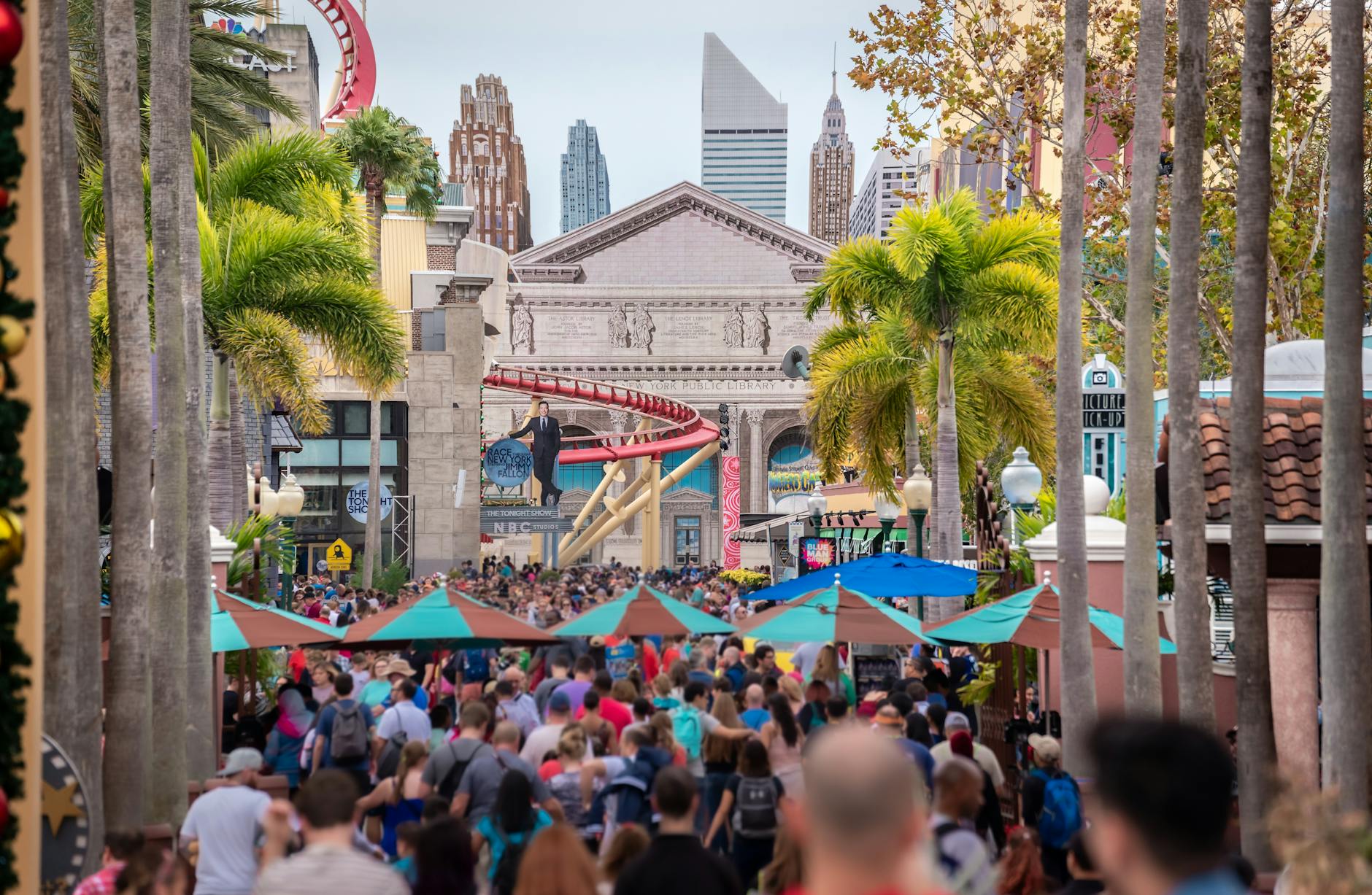
Orlando is globally known for its large theme parks, but the region also offers neighborhoods, spring-fed parks, and a growing local food scene. Choosing the right week affects your comfort, wallet, and the local businesses you support. This page helps you pick travel dates that balance weather, crowd levels, and sustainable choices while linking practical planning to our 3 days in Orlando itinerary and nearby day-trip options.
What This Page Helps You Decide
This page helps you pick exact travel windows and structure days so you can:
- Match park days to lower-crowd times and avoid peak pricing.
- Combine a 3-day core itinerary with a sustainable side trip (Kissimmee or Wekiwa Springs).
- Choose neighborhoods for dinners and off-park evenings that support local businesses.
- Plan transport: whether to rely on a rental car, rideshare, or limited public transit.
If you’re already planning dates, use these signals to tweak your schedule: school calendars, major events (runDisney races, conventions at the Orange County Convention Center), and local festival dates around Winter Park and Lake Nona.

Top Recommendations
Best windows by traveler type:
- Families wanting mild weather and manageable crowds: late January–early February and late April–early May.
- Budget-minded travelers: mid-September–mid-November (watch for hurricane season overlap and weekday travel deals).
- Theme-park enthusiasts aiming for short lines: select weekdays outside school holidays; consider early-entry options and park reservation calendars.
Practical booking tips:
- Book Disney dining and character experiences as early as permitted (typically 60 days in advance for on-site guests); reserve FastPass-style services or Genie+/Lightning Lane where available.
- Buy combined or multi-day tickets for parks if you plan a focused 3-day visit; compare single-park vs park-hopper value against your itinerary.
- Reserve local small-group tours, eco-excursions, and restaurant tables in Winter Park or Dr. Phillips to support local operators.
Pairing ideas with the 3-day itinerary:
- Swap an afternoon in your 3-day plan for Winter Park’s farmers market on Saturday morning.
- If you have an extra day, drive to Clearwater or Tampa for beaches—both are about 1–1.5 hours away and worthwhile off-park options.

Local Context
Seasons and weather:
- Winter (Dec–Feb): Cooler, comfortable days and lower humidity. Holiday periods spike crowds and prices.
- Spring (Mar–May): March has spring-break surges; late April–May are warm with fewer crowds—good shoulder season.
- Summer (Jun–Aug): Hot, humid, frequent afternoon thunderstorms, and high school vacation crowds. Expect crowded parks and higher rates.
- Fall (Sep–Nov): Lower crowds and deals, but hurricane season risk peaks from August through October.
Transportation realities:
- Orlando International Airport (MCO) is the main gateway. Rental cars are convenient but expect I‑4 congestion during peak commute times.
- Lynx buses and SunRail cover portions of the metro area but are not comprehensive for park-hopping—plan rideshares or rentals for flexibility.
- Parking and tolls add cost; consider staying on-site or near Dr. Phillips/International Drive to reduce daily driving.
Neighborhood notes:
- Winter Park: leafy streets, Park Avenue shops, farmers market, and small museums—great for an afternoon away from parks.
- Lake Nona: newer, health-focused district with greenways and local cafés; good for active travelers.
- Thornton Park and College Park: local restaurants and walkable streets, ideal for evening meals after park days.
How to Choose Well
Match your priorities to a season and booking window:
- If low crowds and cool mornings matter: pick late Jan–early Feb and avoid holiday weekends.
- If lower prices and local experiences are the goal: choose September–November but buy travel insurance for weather disruptions.
- If you’re visiting on a tight 3-day schedule: aim for at least one weekday in the parks and buy reservations/tickets ahead; our 3 days in Orlando itinerary shows a recommended order to cut transit time.
Checklist before you lock dates:
- Check school and major event calendars that affect Orlando (Mardi Gras at Universal, runDisney weekends).
- Compare flight and hotel price trends for your exact weeks—moving by a few days can lower costs and crowds.
- Confirm park reservation windows and dining availability; if you need a popular character meal, be ready to book at first availability.

Responsible and Local-First Tips
Low-impact choices that support the local economy:
- Stay at a locally owned hotel or neighborhood guesthouse when possible; this keeps spending in Orlando neighborhoods like Winter Park or College Park.
- Dine at independent restaurants away from the main tourist strip—try small spots on Park Avenue or Dr. Phillips’ Restaurant Row.
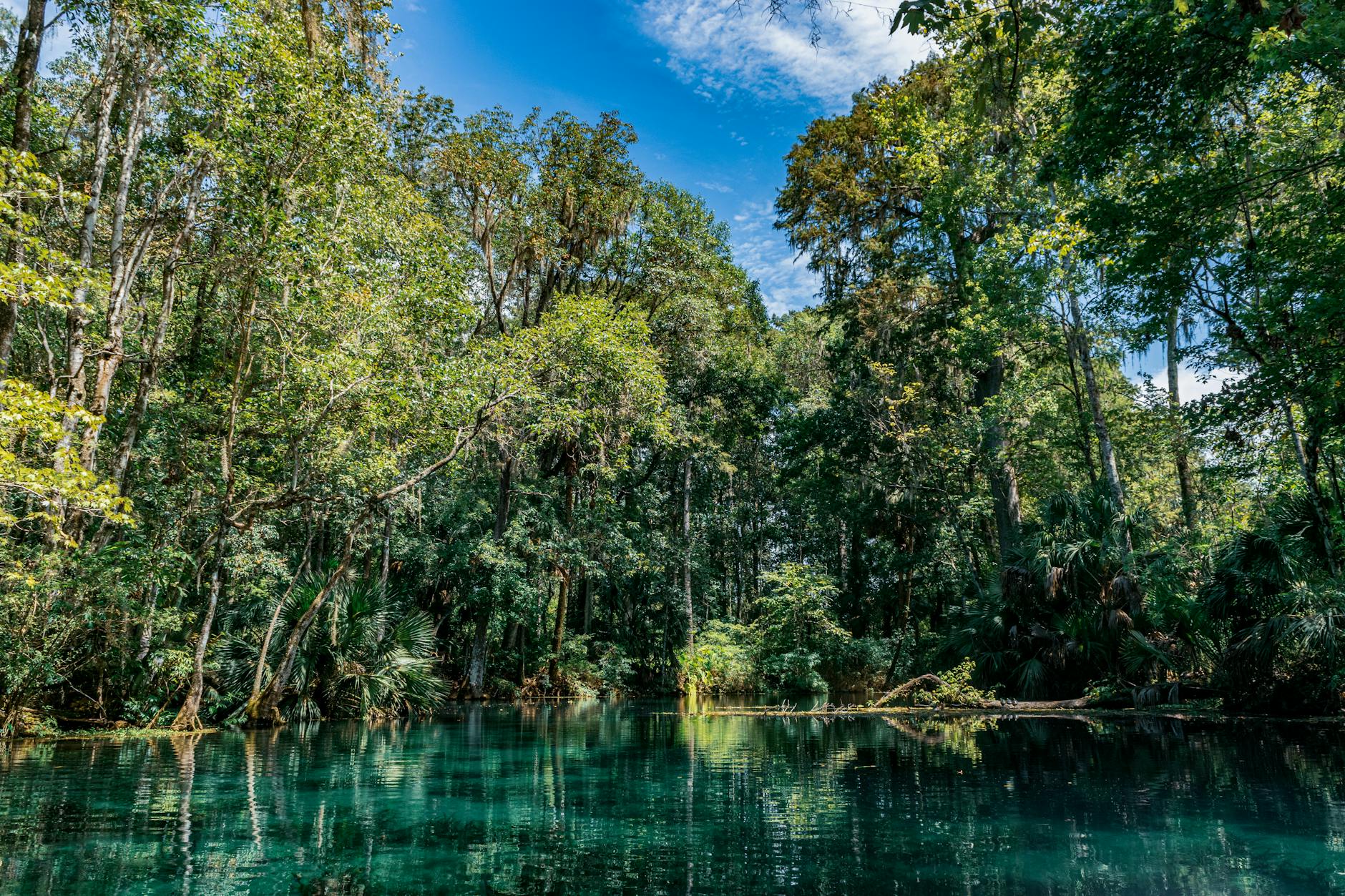
- Use refillable water bottles and sunscreen-free shoreline rules when visiting natural springs like Wekiwa to protect ecosystems.
- Book local guides for eco-tours and birdwatching trips rather than large commercial operators; they tend to reinvest in conservation.
Transit and crowd management:
- Travel midweek to reduce pressure on neighborhoods and attractions.
- Opt for shared rides or SunRail segments for some trips instead of driving every leg; combine errands into single outings to reduce trips.
Common Mistakes to Avoid
Avoid these predictable mistakes:
- Booking without checking park reservation calendars and special-event schedules—can leave you locked out on busy days.
- Assuming public transit will replace a rental car—Orlando’s attractions are spread out and many neighborhoods and parks are still car-dependent.
- Visiting during peak holiday weeks if your priority is local culture and quieter streets—holidays drive short-term rentals and eat into neighborhood character.
- Overplanning every minute inside parks; leave room for local meals or a late-afternoon break in your 3-day plan to recharge and support neighborhood businesses.
Quick mitigation tips:
- Buy flexible tickets, add travel insurance during hurricane season, and leave buffer time for I-4 traffic between appointments.
FAQ
When are the crowds lowest in Orlando?
The lowest regular crowds are typically late January–early February and mid-September–mid-November (outside holiday weekends). Note that specific events and school calendars cause local spikes.
Is Orlando safe to visit during hurricane season?
You can visit in hurricane season (June–November) with precautions: buy flexible flights and travel insurance, monitor forecasts, and avoid the peak storm months of August–October if you want minimal risk. Many businesses operate normally between storms.
Should I rent a car in Orlando?
For visiting parks and nearby beach day trips (Tampa/Clearwater, Daytona), a rental car is the most practical option. If you plan to stay mainly on hotel shuttles and use rideshares for evenings, you can skip a car but expect higher per-trip costs and less flexibility.
How far are the beaches from Orlando?
Clearwater and Tampa are about 1–1.5 hours by car, Daytona Beach is about 45 minutes to 1 hour depending on traffic. Early morning departures avoid I‑4 congestion and make beach day trips feasible from a 3-day base.
Any booking tips for saving money?
Shift dates to shoulder seasons, book weekday park days, compare hotel rates for neighborhood guesthouses, and reserve in-advance dining for value and to support small restaurants.
Conclusion
Choose dates that match your priorities: low crowds, better weather, or lower cost. Favor shoulder seasons like late January and late April for the best blend of comfort and local benefit. Use weekdays, early bookings, and neighborhood dining to keep your trip efficient and locally positive. When you’re ready to shape specific days, see our companion 3 days in Orlando itinerary for a practical daily order and side-trip ideas to Kissimmee, Tampa, and Clearwater.
How this guide was prepared
This guide was prepared through a structured research that combines destination research, geographic context, itinerary planning logic, and content review.