
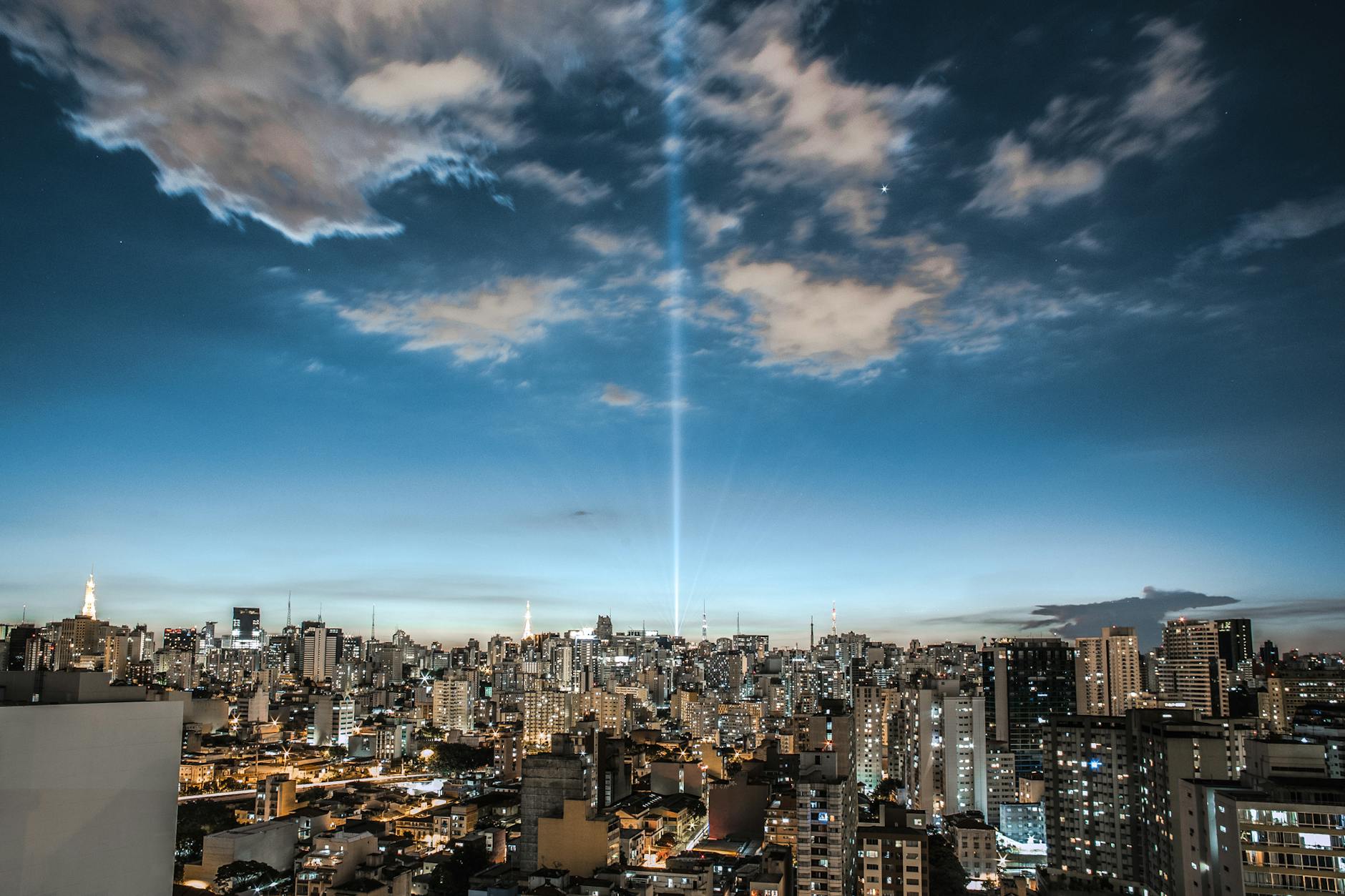
Best Time to Visit São Paulo — Weather, Crowds & Local Tips
When to visit São Paulo: month-by-month guidance on weather, festivals, crowds, and day trips to Santos, Guarulhos, Campinas and Jundiaí. Practical, sustainable advice to plan a low-impact, rewarding 3-day stay.
Choose the best months for mild weather, fewer crowds, and easier day trips. Ideal for travelers planning a 3-day São Paulo itinerary who want authentic food, neighborhood walks, and sustainable options.
Quick Answer
Choose the best months for mild weather, fewer crowds, and easier day trips. Ideal for travelers planning a 3-day São Paulo itinerary who want authentic food, neighborhood walks, and sustainable options.
Who This Page Is For
This page is for travelers planning a stay in Sao Paulo who want clearer decisions about best time to visit, local logistics, timing, budgeting, and practical trip planning.
How This Page Was Prepared
This page was prepared through a structured editorial workflow that combines destination research, geographic context, and practical travel-planning review.
Plan the Rest of Your Trip
Use this page together with the full itinerary and the related planning pages below to make better booking, timing, transport, and budget decisions.
Best overall months: March–May and August–November. Those shoulder seasons combine milder temperatures, fewer afternoon thunderstorms than summer, lower hotel prices than Carnival or major events, and better air quality for walking neighborhoods like Paulista, Jardins, and Vila Madalena. Summer (December–February) is warm and humid with short, heavy rainstorms; winter (June–August) is drier and cooler in the mornings and evenings.
This page helps travelers pick the best time to visit São Paulo based on weather, crowds, events, and convenient day trips. It’s written for people using our 3 days in Sao Paulo itinerary who want authentic food, neighborhood walks, and lower-impact choices that support local businesses. Expect practical transport tips, neighborhood recommendations, and sustainable suggestions that work year-round.
What This Page Helps You Decide
Use this page to choose dates based on your priorities:
- Weather and outdoor time: avoid December–February if you can’t handle daily showers.
- Festivals and events: attend Pride, Fashion Week, or Virada Cultural if those matter.
- Crowds and costs: pick shoulder months for lower prices and quieter museums.
- Day trips: plan Santos or Guarujá near less rainy months for beach days.
If you’re planning a short stay, consult our companion 3 days in Sao Paulo itinerary for a compact, low‑impact schedule and choose dates that align with the activities listed there.
Top Recommendations
Month-by-month guidance tied to common traveler goals:
- March–May (Autumn): Best overall. Temperatures are pleasant (18–26°C), rain declines after February, and parks are comfortable. Ideal for walking Avenida Paulista, visiting MASP, and doing nearby day trips to Campinas or Jundiaí.
- August–November (Late winter to spring): Dry, cooler mornings in August warming into spring by October. Good for cultural events and outdoor dining in Jardins and Pinheiros. Spring brings flowers in Ibirapuera.
- December–February (Summer): Expect heat and afternoon thunderstorms. Good for nightlife and extended daylight hours but book restaurants and hotels early; beaches at Santos and Guarujá are busiest. Consider morning sightseeing and reserve a/c in transit plans.
- June–July (Winter): Mild days, cooler nights; lowest rainfall makes it comfortable for walking, but long evenings can be cool. São Paulo Pride usually happens in June—plan and book well in advance.
Practical booking tips:
- Reserve hotels near a metro or CPTM line to avoid rush-hour traffic delays.
- Buy timed-entry tickets for MASP and check museum closures (many close on Mondays).
- For concerts, football matches, and parades, buy official tickets from trusted vendors and factor in security check times.

Local Context
Neighborhoods and what to expect:
- Avenida Paulista / Bela Vista / Consolação: central, museums, cafés, convenient for first-time visitors.
- Jardins: best for restaurants and boutique hotels; higher prices but excellent walking food options.
- Pinheiros & Vila Madalena: nightlife, street art (Beco do Batman), and markets—busy on weekend evenings.
- Liberdade: strong Japanese-Brazilian cultural scene and weekend markets.
- Ibirapuera / Moema: parks, family-friendly stays, and easy green-space access.
Transport realities:
- São Paulo has a useful metro but lines don’t cover every area; traffic is frequent and can double travel time by road.
- Guarulhos Airport (GRU) is the main international hub; allow 60–120 minutes for transfers depending on traffic. Trains (CPTM Line 13) and airport shuttles are budget-friendly alternatives to taxis and ride-shares.
Local etiquette and safety tips:
- Portuguese is the local language—learn basic greetings and thank-yous.
- Tipping: 10% is common in restaurants; check the bill (service may be included). Small tips for porters or drivers are appreciated.
- Security: avoid displaying expensive jewelry or large sums of cash in crowded areas and keep bags zipped, especially on Paulista Avenue and busy markets.

How to Choose Well
Match timing to your priorities:
- Food and museums: visit in shoulder months to enjoy restaurants and indoor cultural venues without long lines.
- Nightlife and festivals: plan around specific event dates and book accommodation early, especially for Pride or Fashion Week.
- Day trips to beaches (Santos, Guarujá): pick the drier months (late spring to early autumn) and leave at non-peak times to avoid traffic.
Where to stay for a 3-day visit:
- First-timers: Avenida Paulista / Cerqueira César for proximity to major sights and transit.
- Food-focused: Jardins or Pinheiros for restaurants and markets.
- Budget-conscious: Consolação or near Barra Funda with CPTM/metro access.
Booking advice:
- Choose hotels near an active metro line or main bus corridor.
- Book popular restaurants and museum time slots ahead if traveling on weekends or during events.
- For transfers from Guarulhos, compare CPTM Line 13, airport bus, and shared shuttle times for the best mix of cost and predictability.

Responsible and Local-First Tips
Make choices that support the local economy and reduce impact:
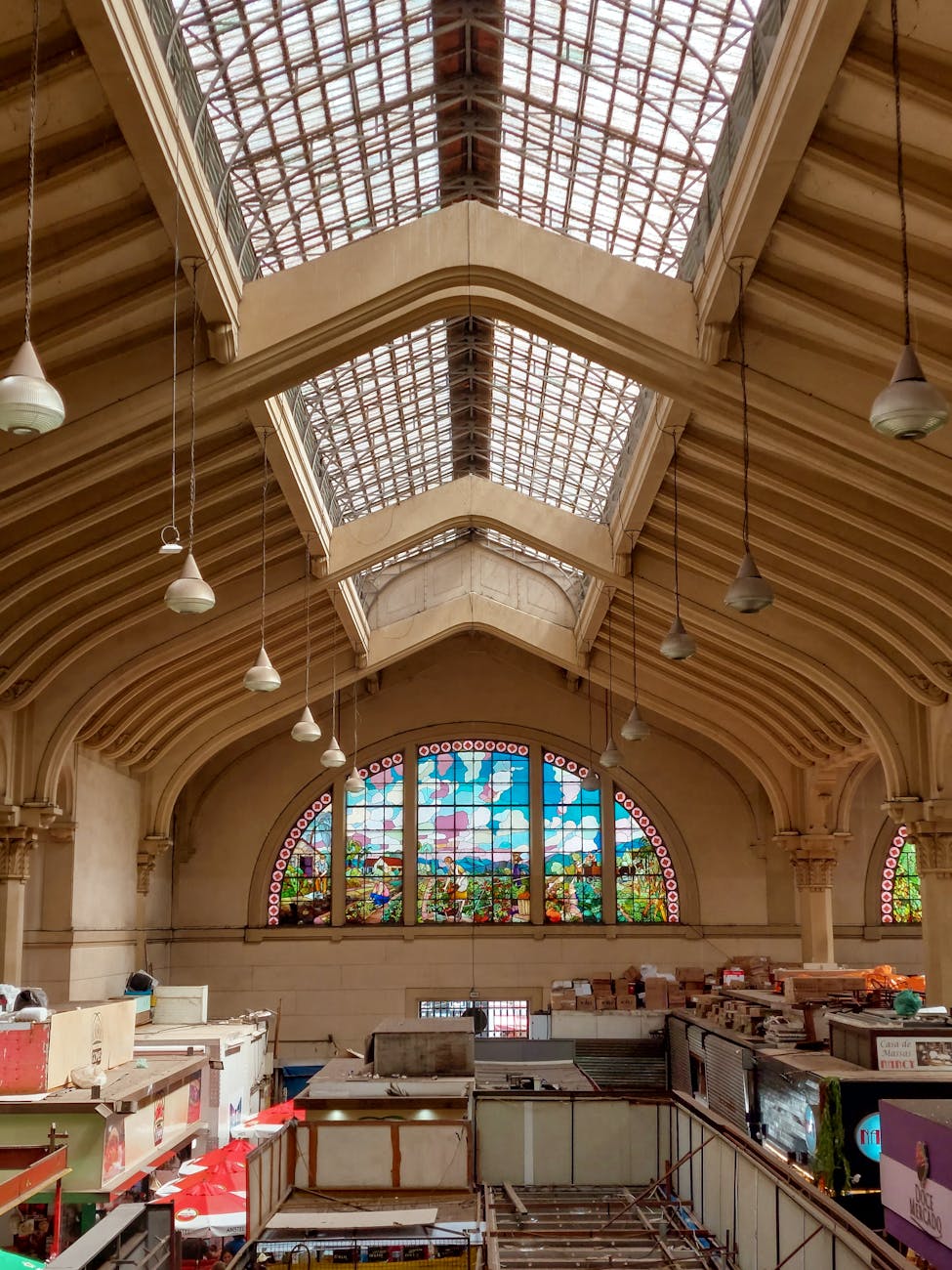
- Eat at family-run restaurants and market stalls at Mercado Municipal—ask locals for recommended stalls rather than only tourist picks.
- Prefer independent walking tours led by local guides or community-based experiences in neighborhoods like Bixiga and Liberdade.
- Use public transport, bike-share (Bike Sampa), or walk short distances to cut emissions and see street life.
- Choose eco-certified hotels or small guesthouses that employ local staff.
- When taking day trips to Santos, Guarujá, or Campinas, use intercity buses or shared transfers instead of many individual taxis for lower per-person emissions.
- Avoid buying wildlife products or items that exploit cultural heritage; seek artisanal goods sold by local makers instead.

Common Mistakes to Avoid
Watch for these frequent planning errors:
- Underestimating travel time: rush-hour traffic can turn a 20-minute ride into 90 minutes. Plan extra buffer for airport transfers and evening returns from events.
- Booking hotels far from metro lines to save money—costs in time and taxi fares can negate savings.
- Expecting beach weather in downtown São Paulo—the city is inland; beaches require a planned day trip to Santos or Guarujá.
- Not checking museum and shop opening days—many museums close on Mondays and some restaurants close one weekday.
- Buying tickets for big events at the last minute—Carnival parades, Pride, and football matches often sell out or require verified vendors.
FAQ
When is the least rainy time to visit São Paulo?
The driest months are June through August, though nights can be cooler. For milder temperatures and reasonably low rain with better daylight, consider March–May or September–November.
Is summer (Dec–Feb) a bad time to visit?
Not bad, but expect heat and frequent afternoon thunderstorms. Plan outdoor mornings, book indoor attractions during rainy afternoons, and reserve restaurants in advance. If you want beaches, summer is the most convenient time for day trips to Santos or Guarujá.
Can I rely on public transit to get around during a short stay?
Yes for many central areas—Avenida Paulista, Sé, and Pinheiros are metro-served. For nights or destinations off the grid, use registered taxis or ride-share apps. Factor in longer travel times by road.
Are there months to avoid because of crowds or high prices?
Major events like Pride (usually June), São Paulo Fashion Week (spring and fall), and Carnival (February/March) can drive prices and crowds. If avoiding crowds matters, choose shoulder seasons.
Is São Paulo safe for solo travelers?
São Paulo is generally safe in central, tourist-friendly neighborhoods during the day. Take usual precautions: stay alert in crowded places, avoid isolated streets at night, and keep valuables discreet. Use registered taxis or ride-share for late-night returns.
How much time should I plan if I want to follow the 3-day itinerary and add a beach day?
For a relaxed pace, add at least one extra day for a beach day trip to Santos or Guarujá. That lets you keep the 3 days focused on central São Paulo while enjoying a sustainable day trip with a trusted operator.
Conclusion
For a compact, authentic visit, aim for March–May or August–November. These windows balance comfortable weather, manageable crowds, and better value. Use our 3 days in Sao Paulo itinerary as your base plan and extend with low-impact day trips to Santos, Guarujá, Campinas, or Jundiaí when weather and schedules allow. Small choices—staying near transit, booking local guides, and eating at family-run restaurants—make your trip richer for both you and the city.
How this guide was prepared
This guide was prepared through a structured research that combines destination research, geographic context, itinerary planning logic, and content review.