
72 Hours in The Hague: Practical 3-Day City Guide Quick Planner
A no-nonsense 3-day plan for The Hague with transit tips, must-see museums, beach options, neighbourhoods and realistic budget guidance.
A practical, non-promotional 3-day itinerary that balances core museums, a beach afternoon, neighbourhood walks, and food stops with realistic timings and costs.
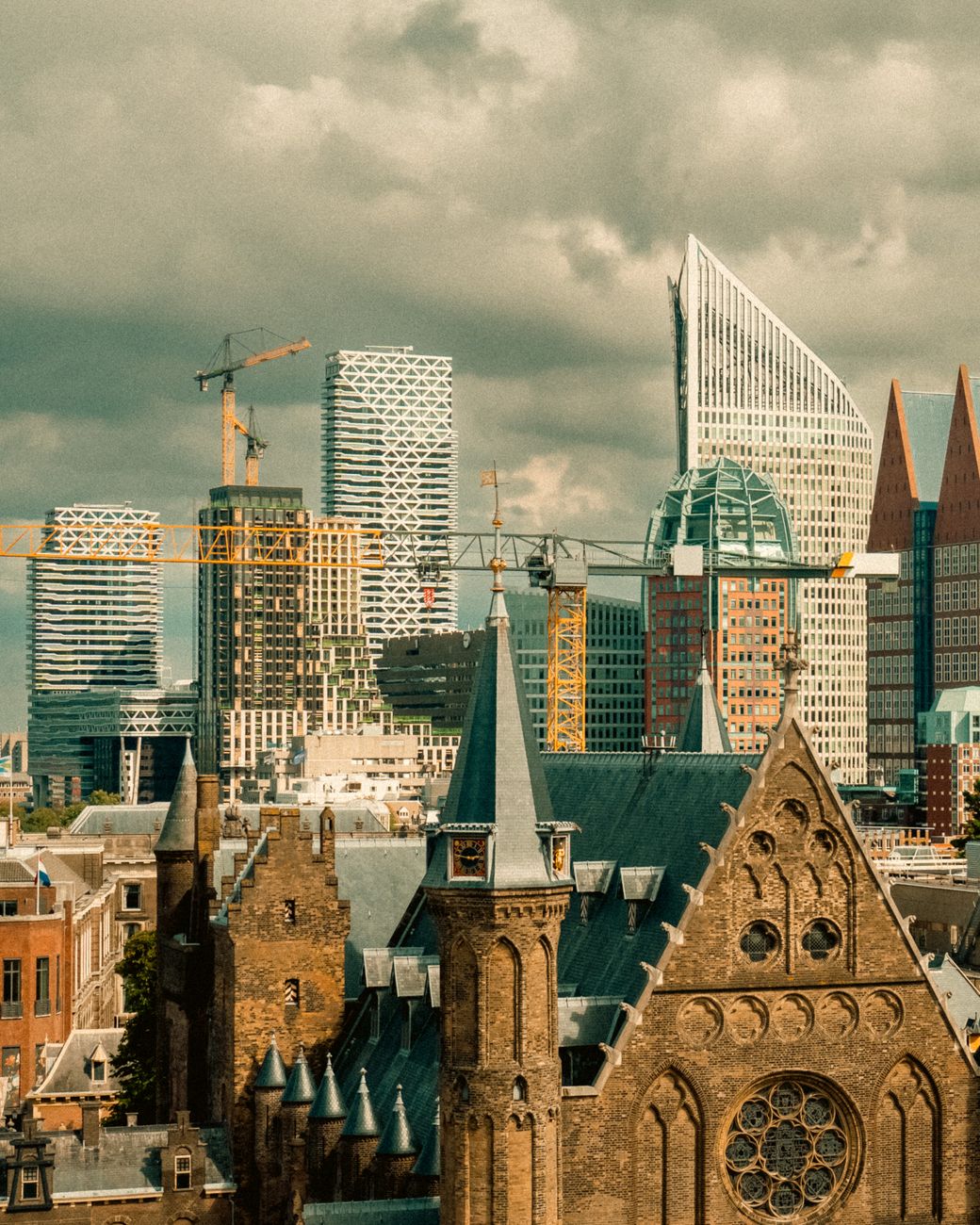
Expect a mix of official buildings, leafy avenues and a working North Sea harbour. The city feels quieter than Amsterdam but busier than a small town — government offices and embassies give certain streets a formal look while beachside Scheveningen has its own seasonally noisy life.
Arrival gives a clear first impression: compact central districts around Binnenhof, Plein and Buitenhof, and tram lines that make quick hops to the coast. Visitors often misjudge walking times between museum clusters and the seaside; the centre is walkable but some transfers are easier by tram.
This place suits travellers who like museums, short coastal walks and stable transit. Those expecting lively nightlife or high-fashion shopping should plan differently.
Is 3 days in The Hague enough?
Three days is enough to cover the Binnenhof and Mauritshuis, Kunstmuseum (Gemeentemuseum), Scheveningen beach, and a neighbourhood or two at a steady pace. The caveat: there isn't time for deep day trips to Amsterdam or Rotterdam and a full dive into the city's Indonesian food scene.
Who This Guide Is For
Best for culture-focused travellers who like short walks, museum visits and a seaside hour. Less suitable for night-life hunters or those expecting concentrated shopping on a strict budget.
Local Tips for The Hague
Practical details that most travel sites skip — specific to The Hague.
- Buy an anonymous OV-chipkaart at NS ticket machines (€7.50 deposit) and top up by app or machine; it works on HTM trams, buses and RandstadRail.
- Haagse Markt on the Leyweg is open Monday–Saturday and is one of Europe’s largest multicultural markets; go early (08:00–11:00) for the best produce and cheap meals.
- Mauritshuis enforces timed tickets in high season; adult entry is about €15–€18 — book a slot online to avoid a queue at Plein 29.
- Take HTM tram 1 from Den Haag Centraal to Scheveningen (about 15–20 minutes); trams run frequently and are a simple, same-fare hop if using OV-chip or contactless.
- Peace Palace (Vredespaleis) tours run at set times and require prior booking for groups; security checks at entrance mean allow an extra 20 minutes for guided visits.
How This Guide Was Prepared
The Hague combines government institutions, international law, serious museums and a North Sea shoreline within easy reach. Many guides flatten the place into ‘museums plus beach’; this guide shows how to move between civic centres, working neighbourhoods and the coast without wasting time on tourist traps. This guide was prepared through a structured research that combines destination research, geographic context, itinerary planning logic, and content review.
Plan Your Stay in The Hague
Use this itinerary as your starting point, then compare areas to stay, transport options, seasonal timing, and realistic daily costs before booking.
Why Visit
The Mauritshuis contains a compact concentration of Dutch Golden Age painting including Vermeer’s Girl with a Pearl Earring and Rembrandt works in one easily visitable building. The Kunstmuseum Den Haag (former Gemeentemuseum) offers modern and applied arts with a distinctive Berlage building and often-rotating exhibitions.
Peace Palace gives a glimpse into international law institutions and the landscaped gardens around it are a quiet contrast to the civic quarter. Scheveningen provides an accessible North Sea option without a long journey — a 20-minute tram ride gets a museum-and-beach combination in a single afternoon.
A multicultural food scene anchored by Haagse Markt and long-standing Indonesian restaurants reflects the city’s imperial-era links; this is where rijsttafel is a serious local dining category rather than a tourist novelty.

Quick Planning Tips
Arrive to Centraal or Hollands Spoor depending on your train; Den Haag Centraal is closest for Binnenhof and major trams. From Schiphol, Intercity direct or Sprinter to Den Haag Centraal takes 30–50 minutes depending on connection; from Rotterdam The Hague Airport a taxi is about €25–35.
Carry an anonymous OV-chipkaart (€7.50 deposit) or use contactless bank card on trams and buses. Book timed tickets for Mauritshuis and check Escher in Het Paleis opening hours to avoid wasted walks.
A common planning mistake is stacking three museums in one morning; aim for two major sites before lunch and leave the afternoon for a neighbourhood walk or the beach.

Day 1
Morning: Start at Binnenhof and the Hofvijver for a short external tour of the Ridderzaal area (allow 45–60 minutes). From Binnenhof walk 5 minutes to Mauritshuis on Plein — plan 1.5 hours inside for Vermeer, Rembrandt and the compact gallery; buy a timed ticket to skip lines.
Midday: Walk 6–8 minutes to Noordeinde for a quick browse of royal boutiques and government buildings; then head to Lange Voorhout (10-minute walk) for lunch at De Bakkerswinkel or a nearby café (lunch €10–€18). After lunch, walk 8 minutes to the Kunstmuseum Den Haag (allow 1.5–2 hours for the permanent collection and temporary shows).
Afternoon: From Kunstmuseum, take tram 1 or 9 toward Scheveningen (20–25 minutes) if weather permits, or stay in Statenkwartier for galleries and small shops (10–15 minutes walk to the tram stop). The tram ride to the beach is scenic and frequent.
Evening: For dinner in Scheveningen try Vishandel Simonis for casual fish plates or one of the seaside restaurants on the boulevard (€18–€35). Finish with a short stroll on the pier — at night the area is lively until late in high season.

Day 2
Morning: Start at the Haagse Markt (Leyweg stop) for fresh produce, cheap breakfasts and multicultural street food; plan 1–1.5 hours wandering stalls. From the market, take tram or bus to the Schilderswijk/Kootwijk area (15–20 minutes by tram) for a neighbourhood walk to see daily life away from tourist routes.
Midday: Head to Escher in Het Paleis on the Lange Voorhout (allow 1–1.5 hours) to see optical-illusion prints in a former royal palace. A short walk (5 minutes) brings you to Panorama Mesdag — the cylindrical painting experience takes about 45 minutes and offers a different museum format.
Afternoon: Take tram 9 or walk toward the Noordeinde and visit small design shops and galleries or ride bus to Peace Palace (Vredespaleis) for a guided tour (allow 1.5 hours including security). Transport between the Lange Voorhout/Noordeinde and the Peace Palace is around 15–20 minutes by tram or bike.
Evening: Dinner in the Statenkwartier or Zeeheldenkwartier — both neighbourhoods have good restaurants and shorter waits than central spots. Try an Indonesian rijsttafel if looking for something substantial (€25–€40 per person).

Day 3
Morning: Reserve this day for anything missed or a nearby short visit to Delft (12–15 minutes by Intercity from Den Haag Centraal) if ceramics and canals are a priority; allocate at least half a day for Delft. If staying local, visit the Peace Palace visitor centre in the morning when guided slots are easier to find.
Midday: If returning from Delft, grab lunch near Hollands Spoor or the Spuiboulevard — both have quick cafés and sandwich shops. For late check-outs, use train station lockers at Den Haag Centraal or Hoofdstation to store bags and keep the afternoon free.
Afternoon: Make time for a relaxed coastal walk at Kijkduin or a last hour on Scheveningen beach depending on weather; tram rides from the centre are 20–30 minutes. If catching an afternoon flight from Schiphol, depart Den Haag Centraal 2–2.5 hours before departure to allow train transfers and security at the airport.
Evening (if still present): Choose a quieter dinner near your accommodation — family-run brown cafés or brasseries in Zeeheldenkwartier close earlier than city-centre restaurants, so check kitchen times.
Best Local Experiences
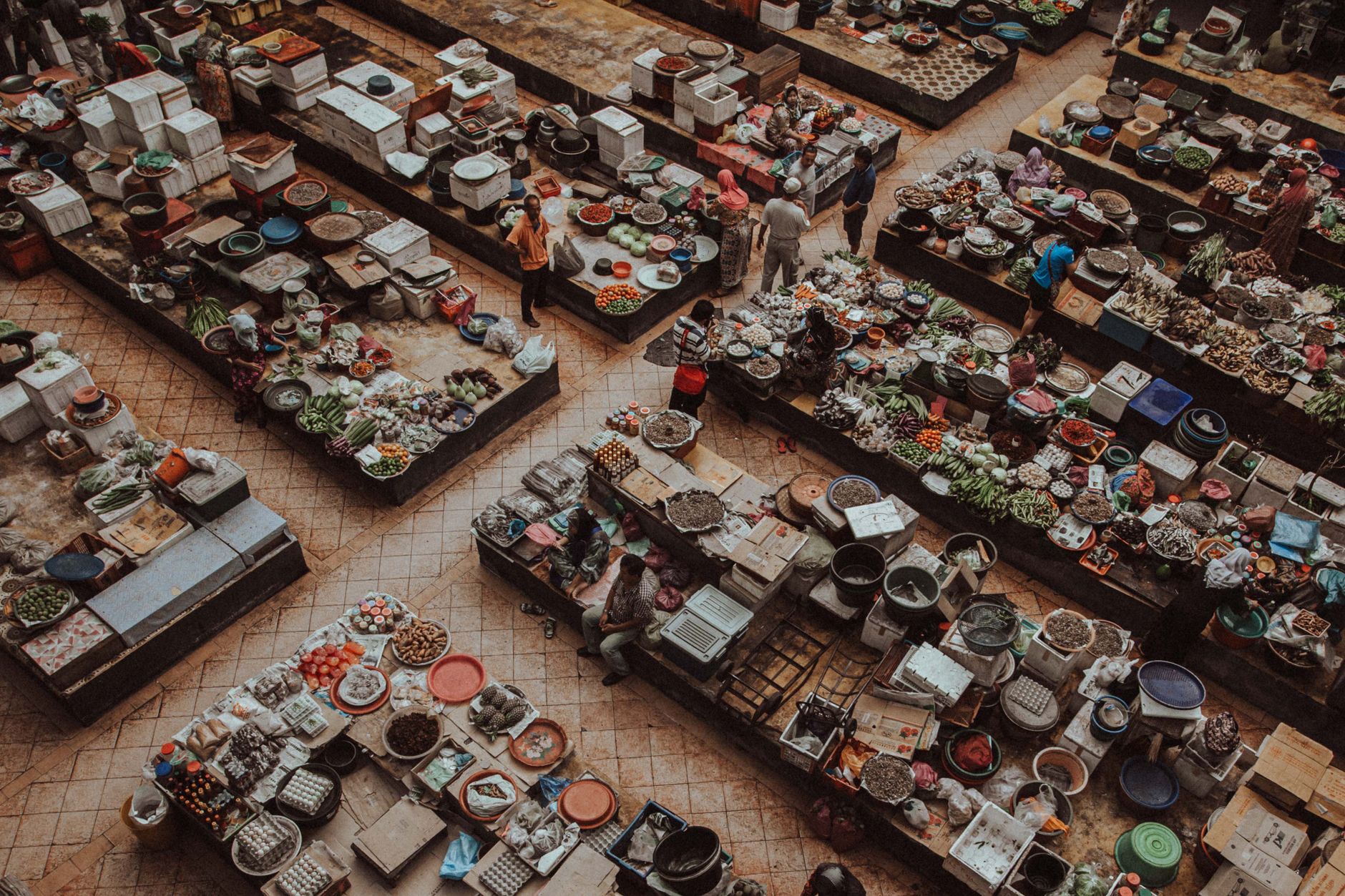
Haagse Markt (Leyweg) — a sprawling multicultural market with cheap meals, fabrics and fresh produce. Visit early Saturday for the fullest selection.
Scheveningen beach and Pier — walkable by tram 1 from central stations; the beach has fish stalls, a Ferris wheel, and seasonal events like kite festivals. Simonis on the harbour is the go-to for quick seafood.
Panorama Mesdag — a 19th-century cylindrical painting with a controlled viewing experience that many visitors miss in favour of larger museums.
Peace Palace public garden and visitor centre — book a short guided tour to see the courtrooms and the library façade; tours have limited capacity.
Zeeheldenkwartier — tree-lined streets with independent shops, cafés and concept stores; good for window-shopping away from Plein tourist prices.
Where to Stay
Centrum (Binnenhof, Plein, Buitenhof) — suits first-time visitors who want museums and restaurants within walking distance. Expect mid-range hotels from €110–€180/night (about €120–€195 USD) and occasional boutique rooms topping €200 in high season.
Scheveningen — suits beach-focused stays and families; promenade hotels and guesthouses put the sand 1–5 minutes away. Nightly rates range €90–€170 (about €100–€185 USD) depending on sea view and season.
Statenkwartier / Zeeheldenkwartier — quieter residential neighbourhoods with cafés and bakeries nearby, good for travellers who prefer evenings away from tourist crowds. Expect €85–€150/night (about €95–€165 USD) for small hotels or well-located B&Bs.
Prices drop outside July–August; book early for summer weekend stays. For budget travellers, hostels near Hollands Spoor or shared apartments around the city edge can be €35–€70/night.
Food and Drink
Haring (Hollandse nieuwe) — raw herring served with chopped onion; best from harbour stalls like Vishandel Simonis in Scheveningen or market stands at Grote Markt. Price: €2–€4 per portion.
Kibbeling — battered cod pieces popular at beach stalls and fish shops; Simonis and boulevard vendors are reliable. Price: €4–€8 for a snack portion.
Rijsttafel — an Indonesian multi-dish meal reflecting colonial-era connections; Kantjil & de Tijger and other long-running restaurants in the city serve serious rijsttafels. Price: €25–€40 per person for a multi-course experience.
Breakfast option: De Bakkerswinkel or local bakery on Buitenhof for open sandwiches, scones and coffee. Expect €8–€15 for coffee and a pastry.
Dinner suggestion: Mid-range Dutch brasserie near Plein or Zeeheldenkwartier for seasonal plates and local beers; mains €15–€28. Street-food choices at Haagse Markt and Scheveningen cover most midday needs on a modest budget.
Getting Around
Trams and light rail are the easiest way to move quickly: HTM tram lines include 1,2,3,9,11 and others running through Centraal and Hollands Spoor. RandstadRail lines 3 and 4 link parts of The Hague with Zoetermeer and local neighbourhoods.
Buy an anonymous OV-chipkaart at NS machines (€7.50 deposit) or use contactless bank cards on trams and buses; check in and out where required. Use 9292.nl or the 9292 app for door-to-door transit planning and the HTM app for service updates.
Single tram/bus trips are distance-based when using contactless or OV-chip; short city hops commonly cost around €2.80–€3.50. Taxi from Schiphol to the city centre is roughly €60–€80; from Rotterdam The Hague Airport expect €25–€35 depending on traffic.
Best Time to Visit
Late spring (April–May) and early autumn (September–October) offer the best balance of mild weather and lower prices. Temperatures usually sit between 10–18°C in spring and 12–20°C in early autumn with fewer peak-season crowds.
Summer (June–August) brings the warmest weather, often 18–24°C, and lively beach crowds at Scheveningen; book accommodation early for July–August weekends. Winter months (November–February) are colder and windier with temperatures around 2–7°C and a higher chance of rainy, blustery days.
Value-conscious travellers will find shoulder months offer lower hotel rates and easier museum bookings while still allowing some pleasant outdoor time.
Budget and Practical Tips
Reasonable daily budget: budget traveller €70–€110/day; mid-range €140–€240/day; higher-end €260+/day. Breakdown for mid-range per day: accommodation €110–€150, food €30–€50, transport €5–€10, museum entries €10–€25.
Common entry fees: Mauritshuis ~€15–€18, Kunstmuseum ~€15–€20, Escher ~€9–€12; check official sites for current prices. Many restaurants include service in the bill; tipping is polite but modest — rounding up or leaving 5–10% for good table service is normal.
Carry a contactless bank card and small cash for market stalls. A common mistake is assuming cheap taxis are faster than trams during morning or evening rush; public transport is usually quicker and cheaper.
FAQ
Is The Hague safe for solo travellers?
Yes. Central areas and the beach are generally safe during daytime; standard precautions apply at night, particularly around transport hubs and some outer neighbourhoods.
How do I get to Scheveningen from the train station?
Take HTM tram 1 from Den Haag Centraal toward Scheveningen; journey time is about 15–25 minutes depending on stop and time of day.
Is a city card or museum pass worth buying?
There is no single city-wide tourist card that covers everything; individual timed tickets or the national Museumkaart (for frequent museum-goers) are more useful depending on plans.
Can I use contactless cards on trams and buses?
Yes; contactless bank cards are accepted on HTM trams and most buses. Remember to check in/out where required and monitor fares on your bank app.
Are museums open every day?
No. Several museums close one day a week (often Monday); check opening days for Mauritshuis, Kunstmuseum and Escher before planning.
What is the best way to reach Schiphol airport?
Intercity or Sprinter trains from Den Haag Centraal take about 30–50 minutes to Schiphol depending on the service; factor in extra time for airport security.
Conclusion
A three-day plan makes visible the city’s two main strengths: concentrated cultural sites in the centre and quick access to the North Sea. The memory most visitors take home is the contrast between sober civic buildings around Binnenhof and the informal life on the boulevard at Scheveningen.
If short on time, prioritise Mauritshuis plus either Kunstmuseum or Escher and finish with a tram ride to the beach — those choices give a balanced impression of what makes the place distinctive. Book key museum slots and keep an OV-chipkaart loaded to avoid delays.
How this guide was prepared
This guide was prepared through a structured research that combines destination research, geographic context, itinerary planning logic, and content review.