

Best Time to Visit Side, Turkey — When to Go for Beaches, Ruins, and Lower Crowds
Practical, local-first guidance on the best months to visit Side, Turkey. Seasonal weather, crowd patterns, transport realities, turtle-nesting notes, sustainable tips, and booking advice to plan your 3-day Side itinerary and day trips to Antalya, Alanya, Belek and Kemer.
Side's mix of sandy beaches and ancient ruins is easiest to enjoy in shoulder seasons. This page helps you pick months and neighborhoods, avoid crowds, support local businesses, and time your visit for low-impact experiences while planning a 3-day Side itinerary.
Quick Answer
Side's mix of sandy beaches and ancient ruins is easiest to enjoy in shoulder seasons. This page helps you pick months and neighborhoods, avoid crowds, support local businesses, and time your visit for low-impact experiences while planning a 3-day Side itinerary.
Who This Page Is For
This page is for travelers planning a stay in Side who want clearer decisions about best time to visit, local logistics, timing, budgeting, and practical trip planning.
How This Page Was Prepared
This page was prepared through a structured editorial workflow that combines destination research, geographic context, and practical travel-planning review.
Plan the Rest of Your Trip
Use this page together with the full itinerary and the related planning pages below to make better booking, timing, transport, and budget decisions.
Best overall months: April–June and September–early October. These shoulder months combine warm beach weather, manageable crowds, most local businesses open, and better value on accommodation. July–August is hottest and busiest — book far in advance if you must travel then. November–March is mild and quieter but some seaside services and restaurants reduce hours or close.
Side sits on Turkey’s southern Mediterranean coast where sandy beaches meet a compact ancient town. Seasonal weather, resort rhythms and turtle-nesting activity shape when the town is easiest to enjoy. This page focuses on practical timing for beach days, ruins visits, local markets, and short excursions to nearby destinations such as Antalya, Alanya, Belek and Kemer. Use it alongside our 3 days in Side itinerary for day-by-day planning and sustainable choices.
What This Page Helps You Decide
This page helps you choose the right month and neighborhood for your priorities: sunbathing, exploring ruins, quieter local life, or day trips.
It helps with:
– Picking a travel month based on weather, sea temperature, and crowds.
– Where to stay (Old Town vs. beach resort areas) for convenience and sustainability.
– Transport and booking expectations for transfers, dolmuş and car rental.
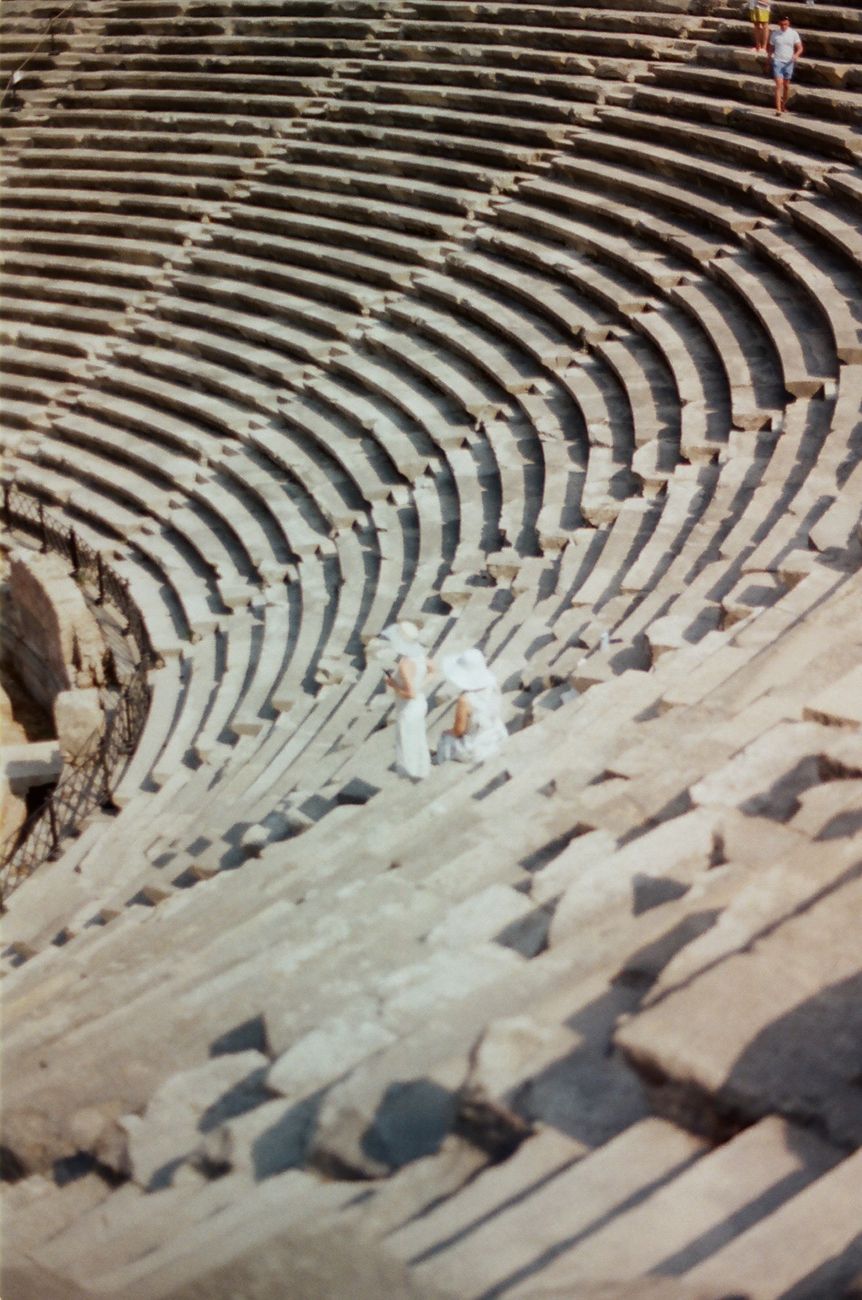
– How to time activities like visiting the Ancient Theatre or Manavgat Market.
Pair these decisions with our 3 days in Side guide to turn timing into a practical day-by-day plan.
Top Recommendations
Month-by-month quick guide:
April–May
– Pros: Wildflowers, pleasant 20–25°C daytime temperatures, quieter beaches, most hotels and restaurants reopen. Great for walking ruins and waterfront dining.
– Tip: Sea can be cool; bring a light wetsuit if you want long swims.
June
– Pros: Warm sea, longer daylight, pre-peak pricing. Most excursions (rafting, boat trips) run on full schedules.
– Tip: Book transfers and popular boat trips in advance for weekends.
July–August
– Pros: Guaranteed sun and warm sea (26–29°C).
– Cons: High temperatures, busiest period, early-morning ruin visits recommended to avoid heat and crowds.
– Tip: Reserve beachfront rooms early; expect higher prices.
September–early October
– Pros: Warm sea remains, crowds thin, comfortable temperatures for ruins and walking. A top balanced choice.
– Tip: Great time for combination trips to Alanya or Antalya with less traffic.
November–March
– Pros: Quiet, lowest prices, good for exploring local life and off-season culture.
– Cons: Cooler, wetter, some seaside businesses close. Not ideal for regular swimming.
If you prioritize low impact and supporting locals, target April–June or September: businesses are active and tourist pressure is lower.
Local Context
Neighborhoods and what they offer:
– Side Old Town (Side Antik Kent / Eski Şehir): compact ruins, seaside promenade, local shops and family-run restaurants — best if you prefer walking access to sights.
– Side Harbor (Eski Liman): fishing boats, seafood restaurants, good sunset views.
– Titreyengöl: lake and resort belt with promenade, convenient for families and evening walks.
– Kumköy and Çolaklı: larger resort strips with many hotels and organized beaches.
– Manavgat (town): 10–15 minutes inland by dolmuş, larger markets and local services.
Transport realities:
– Closest major airport is Antalya (AYT), roughly 60–80 km west; transfers typically take 1–1.5 hours depending on traffic.
– Regular buses and dolmuş (shared minibuses) connect Side with Manavgat, Alanya and Antalya. Timetables are more frequent in high season.
– Renting a car gives flexibility for day trips to Belek, Kemer and Konya but park carefully in Old Town; many travelers use local taxis or organized shuttles.
Local etiquette and practicalities:
– Dress respectfully in town centers and at mosques; cover shoulders and remove shoes when entering a mosque.
– Bargaining is normal in markets; do so politely and with small local purchases to support local sellers.
– Tipping: 5–10% in restaurants is common if service isn't included.
How to Choose Well
Decide based on your priorities:
– Best for beaches + ruins with fewer crowds: choose April–May or September.
– Best for guaranteed hot beach weather: July–August, but book months ahead and plan early-morning activities to avoid heat.
– Best for low-cost, quiet exploration: November–March; verify that your preferred hotels and tours are operating.
Accommodation guidance:
– Old Town guesthouses and family-run pensions provide direct support to local hosts and quick access to sights.
– If you want quieter beaches and resort amenities, book in Titreyengöl, Kumköy or Çolaklı.
– For day trips to Konya or Alanya, rent a car or arrange a private transfer to avoid multiple bus changes.
Booking tips:
– Peak summer: reserve flights, airport transfers and any guided boat trips 2–4 months in advance.
– Shoulder seasons: you can often secure flexible rates 2–6 weeks out, but book special excursions (e.g., sea turtle observation boats) earlier when possible.
Responsible and Local-First Tips
Practical ways to keep your trip low-impact and beneficial for local people:
– Stay local: prioritize family-run pensions, small hotels and locally owned restaurants over big chains.
– Eat seasonal: choose dishes made with local produce and fish from nearby waters to support neighborhood vendors.
– Respect turtle season: Caretta caretta nesting can occur May–August. Avoid bright beach lights at night, follow local signage, and book certified turtle-watching tours rather than ad hoc landings.
– Use public transport and shared shuttles when feasible to reduce emissions; dolmuş rides also put money into the local economy.
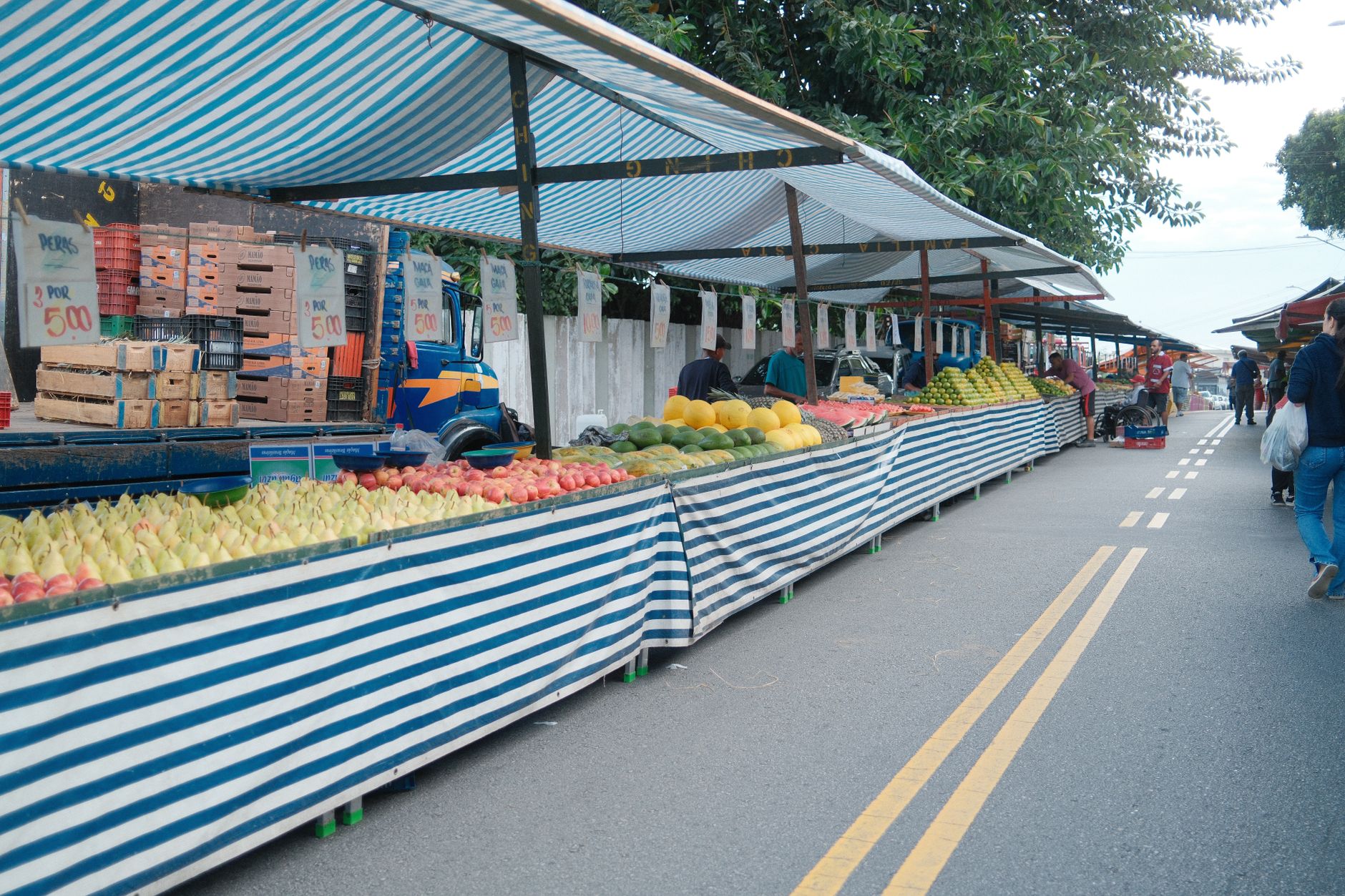
– Shop with intention: buy from Manavgat markets and local artisans rather than imported mass-produced souvenirs.
– Water and waste: bring a refillable bottle; many cafes will refill it and reduce plastic waste.
If you’re taking boat trips, choose operators with clear environmental practices (no anchoring on seagrass, waste management on board).
Common Mistakes to Avoid
Avoid these typical planning errors:
– Underestimating heat in July–August: plan early starts, shade breaks and hydration.
– Expecting all attractions to operate year-round: some restaurants, excursions and beach services reduce hours or close in winter.
– Ignoring turtle-nesting signs: walking on closed sections of beach at night can harm nests and risks fines.
– Overpacking driving plans: traffic to Antalya or Alanya can slow day trips in summer; allow extra time.
– Booking last-minute in peak season: beachfront rooms and guided boat trips sell out quickly.
Tip: read our 3 days in Side itinerary to match timing and neighborhood choices to daily activities and local transit options.
FAQ
When is sea temperature warm enough for comfortable swimming?
Late May through October usually offers comfortable swimming. Peak sea temperatures are in July–August.
Is Side open year-round for visitors?
Yes, Side is accessible year-round, but many seaside amenities reduce service November–March. Old Town remains walkable and many local businesses stay open.
How do I get from Antalya Airport to Side and how long does it take?
Antalya Airport (AYT) is roughly 60–80 km away; transfers take about 1–1.5 hours depending on traffic. Options include shared airport shuttles, private transfers, buses and rented cars. Pre-booking a shuttle in high season is recommended.
Are there sea turtle nests on Side beaches and how should I behave?
Yes, loggerhead turtles (Caretta caretta) nest in the region, mostly May–August. Follow posted restrictions, avoid bright lights on beaches at night, and choose responsible turtle-watching tours.
Can I combine Side with day trips to Antalya, Alanya or Konya?
Yes. Antalya and Alanya are popular day trips; Alanya is east along the coast and Antalya to the west. Konya is inland and requires a longer day (or an overnight). For comfortable travel, consider renting a car or booking guided transfers rather than multiple local buses.
Conclusion
For most travelers who want a balanced mix of beaches, ruins and local life while minimizing crowds and supporting the local economy, plan for April–June or September–early October. If you prefer guaranteed hot-weather beach days, book well ahead for July–August. Use public transport when possible, pick family-run places to stay, and consult our 3 days in Side itinerary to convert your timing into an efficient, low-impact trip with easy day trips to Belek, Alanya, Antalya, Kemer or Konya.
How this guide was prepared
This guide was prepared through a structured research that combines destination research, geographic context, itinerary planning logic, and content review.