
Goiania in 3 Days: Practical Weekend Itinerary and Tips
A practical three-day plan for Goiania covering museums, parks, Mercado Central, transport tips, and realistic costs to help plan a weekend.
A straightforward, no-nonsense three-day plan for Goiania that balances museums, green space, local markets and a night out in Setor Marista. Practical timings, realistic costs and what can be skipped if short on time.
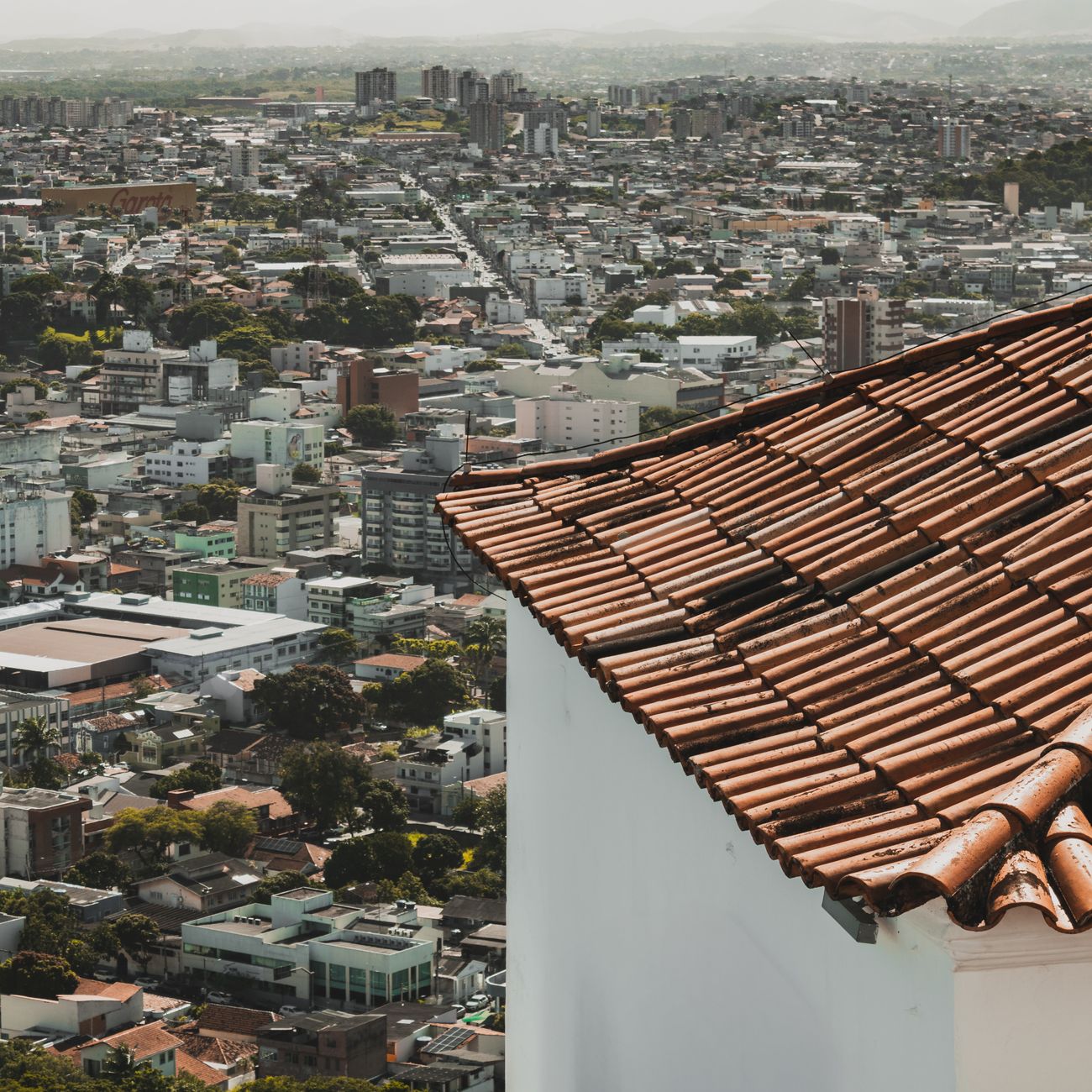
First impressions are often: lots of green, wide avenues and mid-century modern blocks rather than a small walkable historic core. The mood feels practical and daytime-friendly—many residents use parks and open-air markets for weekend life, not a single central plaza. Noise levels are moderate; Avenida Anhanguera and Avenida T-63 see steady traffic during commute hours and some bars stay loud until 02:00 in Setor Marista.
Is 3 days in Goiania enough?
Yes: three days lets most visitors cover the main parks, Mercado Central, a top museum and an evening or two in Setor Marista or Setor Bueno. Caveat: there won't be time for longer day trips to Brasília or regional ecological reserves without adding travel time.
Who This Guide Is For
Best for short-break urban travelers who like parks, food markets and modern Brazilian city life; less suitable for visitors wanting a deep rural or multi-city Goiás tour on the same trip.
Local Tips for Goiania
Practical details that most travel sites skip — specific to Goiania.
- Mercado Central de Goiânia is busiest 08:00–11:00; try hot pastel and pork crackling from stall vendors before many close mid-afternoon.
- Bosque dos Buritis is the city’s main downtown park near Avenida Anhanguera and Praça Cívica; bring cash for the small ice-cream carts used by locals.
- Setor Marista centers on Avenida 85—good for dinner and bars; many restaurants have couvert (bread/side) charges around R$3–6.
- Buy or top up bus cards at Terminal Bandeiras or major bus terminals; single urban bus fares are about R$5 (2024 level) so a day of multiple trips adds up.
- Estádio Serra Dourada match days block Avenida Anhanguera and BR-153 approach roads—allow extra transfer time and buy football tickets in advance.
How This Guide Was Prepared
This guide treats Goiania as a capital built around parks, wide avenues and neighborhoods rather than a single compact historic center. Many guides overplay nightlife or nearby ecotourism and skip the civic layout, weekday market rhythms and the real distances between attractions. The focus here is on practical sequencing: what to see in a day, how to move between Setor Oeste, Setor Marista and Jardim Goiás, and which experiences actually reward 72 hours. This guide was prepared through a structured research that combines destination research, geographic context, itinerary planning logic, and content review.
Plan Your Stay in Goiania
Use this itinerary as your starting point, then compare areas to stay, transport options, seasonal timing, and realistic daily costs before booking.
Why Visit
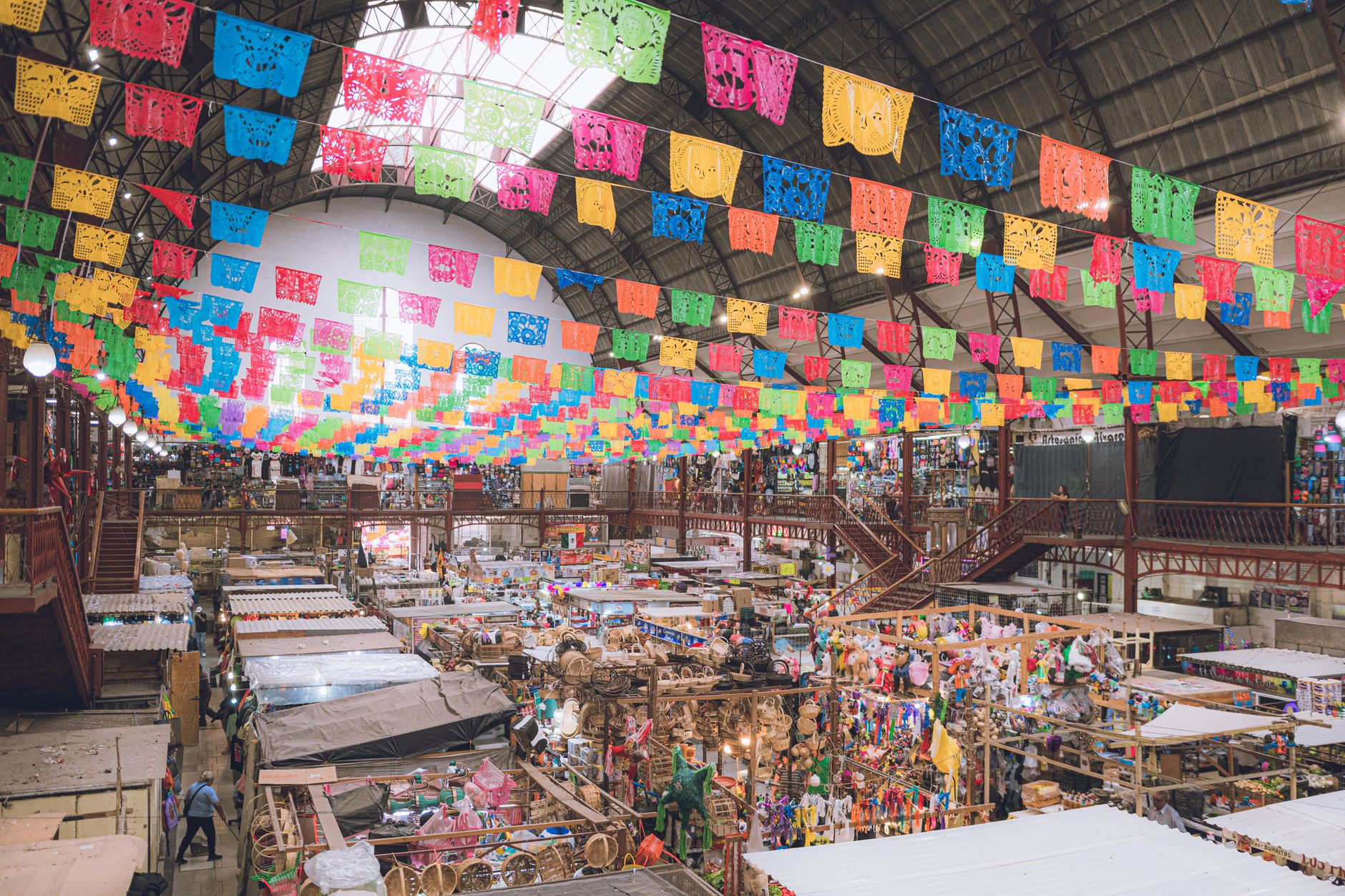
Parks and urban green space are a standout feature: Bosque dos Buritis, Parque Areião and Parque Flamboyant offer long shaded paths uncommon in many inland capitals. Mercado Central is a working market where locals buy produce and eat breakfast; the flavours show regional Goiás ingredients. Architectural interest is subtle but real: civic buildings around Praça Cívica and several Art Deco and modernist blocks reward attention for those who prefer an urban study rather than a concentrated historic quarter. Nightlife is neighbourhood-driven; Setor Marista and Setor Bueno have compact restaurant streets where hopping between a steakhouse, a boteco and a craft beer bar is easy.
Quick Planning Tips
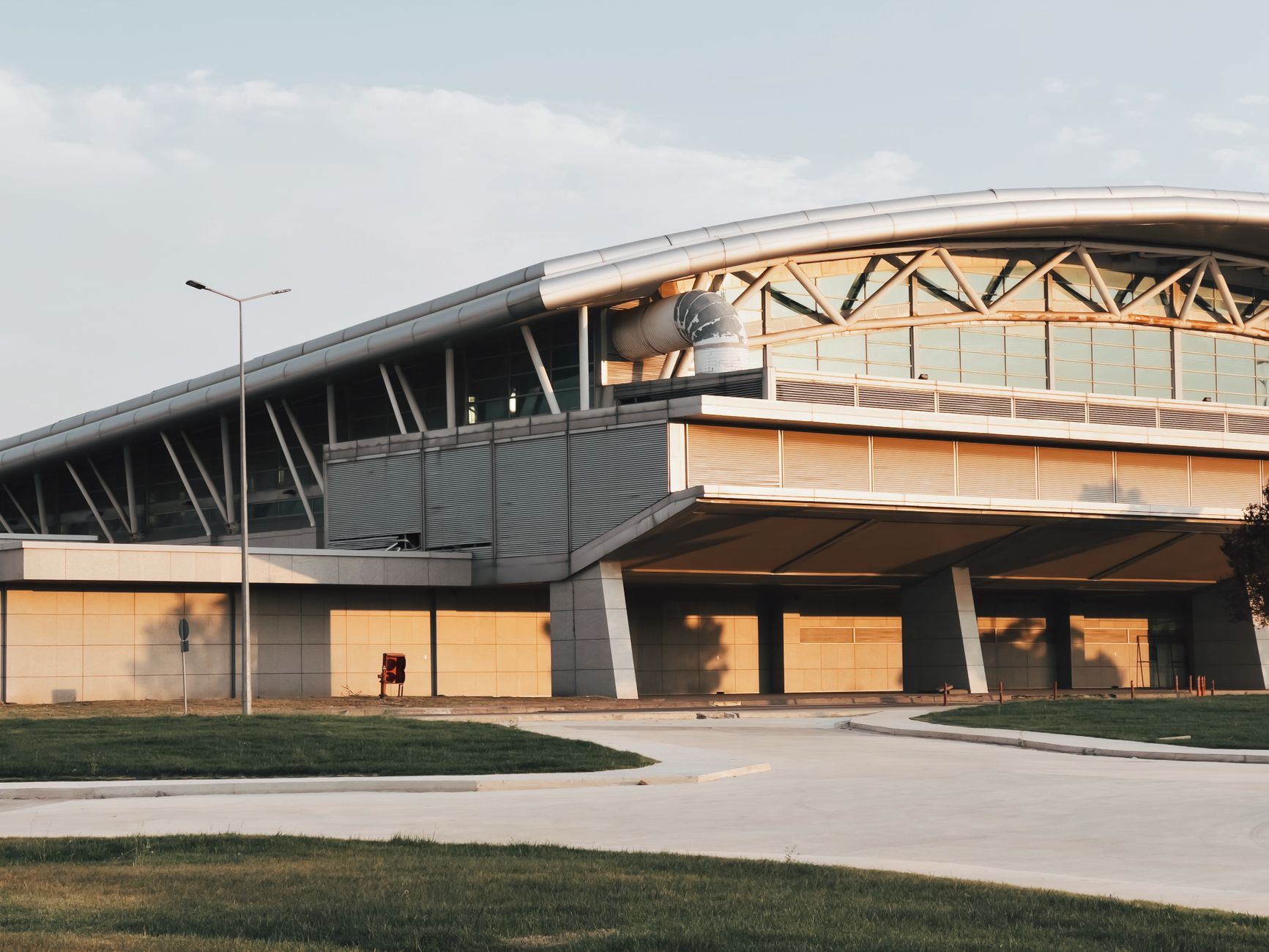
Fly to Santa Genoveva Airport and allow 20–35 minutes to Jardim Goiás or Setor Marista by taxi depending on traffic; rides from the airport to central neighbourhoods cost around R$40–70. Main intercity buses arrive at Rodoviária de Goiânia; taxis or local buses connect to downtown from there. Cash is still useful for market stalls and small eateries; many places accept cards but small vendors prefer cash in denominations up to R$20. A planning mistake to avoid is underestimating transit times: without a metro, buses can be slow at peak times and a 6–8 km trip may take 30–45 minutes. Confirm opening hours for museums before leaving; several close one weekday afternoon.
Day 1
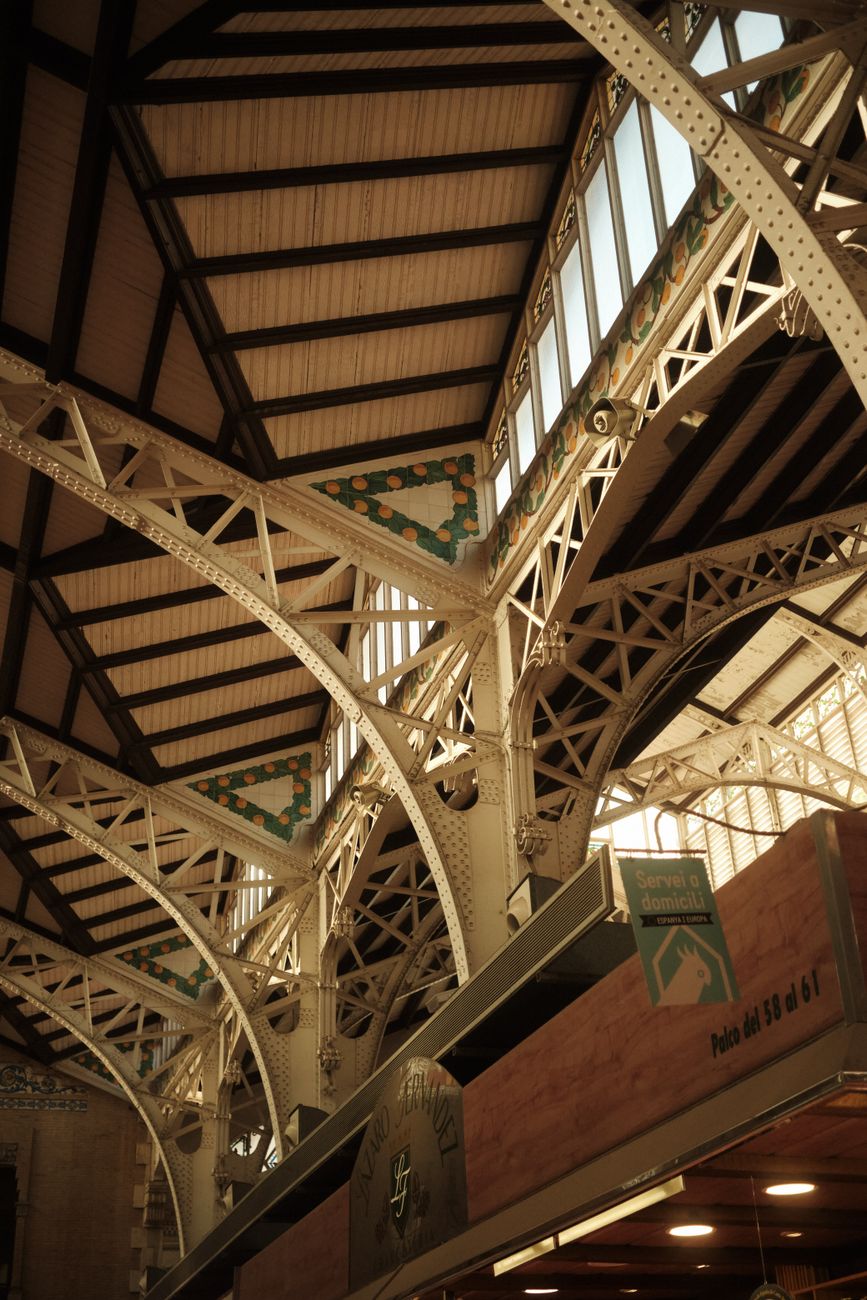
Start at Mercado Central de Goiânia early (08:00–10:30) to taste pastéis, caldo de cana and buy tropical fruit. Spend 60–90 minutes sampling stalls and small food benches. Walk or take a short taxi (5–10 minutes) to Bosque dos Buritis for a relaxed two-hour stroll beside lakes and local birdlife; the park connects to Praça Cívica within 10–15 minutes on foot. From Praça Cívica, visit Museu de Arte de Goiânia (MAG) or a nearby cultural space for 60–90 minutes; museums here often charge modest entry fees around R$8–15 for adults.
Day 2
Dedicate this day to Setor Marista, Setor Bueno and an evening out. Start at Avenida 85 in Setor Marista for coffee and a breakfast of pão de queijo and a strong espresso. Walk the side streets to browse small boutiques and bakeries for 60–90 minutes. After lunch, take a 10–15 minute taxi to Parque Flamboyant for relaxed paths and the shopping complex if a mall visit is wanted; the park and mall form a good afternoon combination and are 15–25 minutes by bus from downtown. Return to Setor Marista or Setor Bueno for dinner—choose a churrascaria or a contemporary Brazilian menu—and finish the night on Avenida 85 where bars and live music options remain open late.
Day 3
Use the final day for a lighter program and an optional quick excursion. Begin at Parque Areião for morning calm and a short walk; it's 15–25 minutes by bus from Setor Marista. From there, head to Feira Hippie (Sunday only) if the trip falls on the weekend; expect 60–120 minutes of browsing handicrafts, second-hand clothing and street food. If not Sunday, substitute a visit to the Museu Antropológico or a local contemporary gallery for a couple of hours. For an afternoon flight or late departure, plan to be back near Jardim Goiás or the airport by 12:00–13:00; allow 45–90 minutes to reach Santa Genoveva Airport by taxi depending on traffic and match check-in times accordingly. Finish with an early dinner in Setor Bueno if time allows.
Best Local Experiences
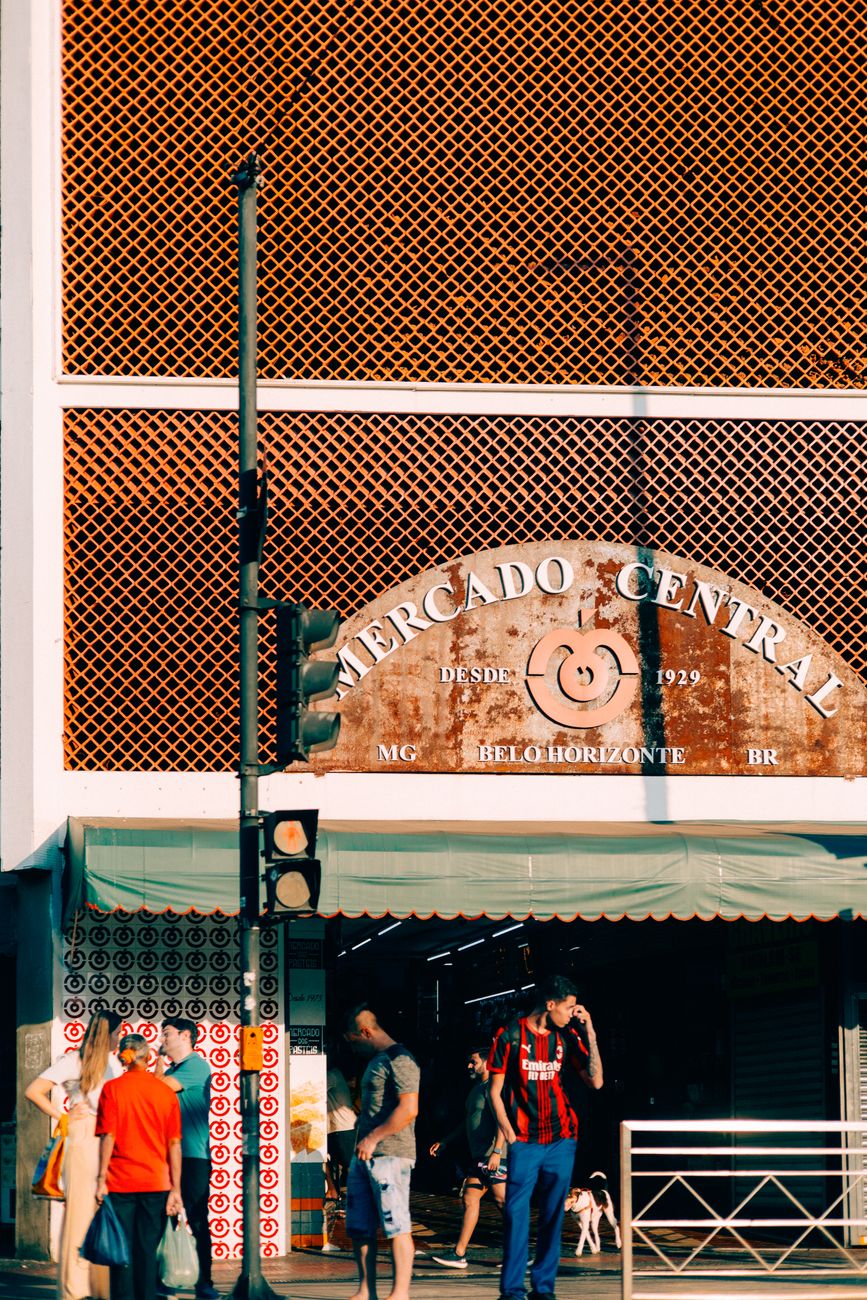
Mercado Central de Goiânia: eat pastel, try queijo de coalho and hear vendors bargaining; mornings are best. Feira Hippie (Sunday): a large open-air market for crafts, clothes and street food—go early to avoid heat and crowds. Bosque dos Buritis: local daily life—exercise, ice-cream carts and informal music; good for late afternoon. Estádio Serra Dourada match: catch a Goiás or Vila Nova game if schedules align; local football atmosphere is intense and colourful. Setor Marista/Avenida 85 night crawl: short walking distances between bars and restaurants make it the simplest evening plan in the city.
Where to Stay
Setor Marista: best for restaurants, bars and a compact evening scene; walking distances to Avenida 85 eateries make it suitable for couples and food-focused visitors. Expect midrange hotel rates around R$200–350 per night (approximately €35–65 / USD 40–70). Jardim Goiás: convenient for Flamboyant Shopping and Parque Flamboyant; quieter at night and more suburban. Rates often R$180–300 per night (€32–55 / USD 35–60). Centro / Setor Oeste: closest to Bosque dos Buritis, Praça Cívica and Mercado Central, good for cultural itineraries and museums; budget and midrange hotels from R$120–250 per night (€22–45 / USD 25–50).
Food and Drink
Pão de queijo: a baked cheese bread popular at bakeries across the city; try a traditional padaria in Setor Marista for R$4–8 per portion. Pastel with caldo de cana: fried pastry with sugarcane juice at Mercado Central stalls, about R$8–15 for a snack and drink. Arroz com pequi: rice cooked with pequi fruit, an interior-Goiás specialty; available at regional restaurants and some modest local eateries for R$18–35. Pequi is polarising—try it at a recommended regional spot in Setor Bueno. Churrasco (rodízio): typical Brazilian barbecue is widely available; midrange rodízio costs R$60–120 per person. Breakfast option: a cafe breakfast with coffee, fruit and pastry near Avenida 85 will run R$12–25. For drinks, try local cachaça-based cocktails or craft beer bars in Setor Marista where a beer is R$8–18.
Getting Around
Public transport is bus-based; major terminals include Terminal Bandeiras and Rodoviária de Goiânia. Single bus fares are about R$5 (2024) and routes connect main neighbourhoods but journeys can be slow in peak hours. Taxis and ride-hailing apps (use local Uber and 99) are common and convenient; airport taxi to central areas typically costs R$40–70 depending on traffic. For planning, Google Maps works reasonably well for bus routes; check departure times at terminals or with drivers. No metro system operates in the city, so allow extra transfer time compared with capitals that have rapid transit.
Best Time to Visit
Dry season from May to September brings cooler mornings and lots of sun; daytime temperatures typically 22–28°C with low humidity, making park visits pleasant and hotel rates lower. Rainy season runs October to April with heavy afternoon storms; expect daily highs around 28–32°C and sudden showers that can disrupt afternoon plans. Best value months are May and September—less rain, good daylight and fewer domestic tourists. Avoid Carnival weekend if budget travel is a priority; hotels and transport prices rise around national holidays and big football matches at Serra Dourada.
Budget and Practical Tips
Daily budget example (midrange traveler): accommodation R$180–300 (EUR 32–55 / USD 35–60), food R$70–130 (EUR 12–24 / USD 15–26), transport R$15–30 (EUR 3–6 / USD 3–7), entry fees R$10–30 (EUR 2–6 / USD 2–7). A conservative daily total is R$275–500 (EUR 50–90 / USD 55–100). Tipping: small service charges are not universal; leaving R$5–10 for good table service in restaurants or rounding up taxi fares is common. Carry some cash for markets and small vendors; card acceptance is widespread in restaurants and shops but limited with informal stalls.
FAQ
Is Goiania safe for tourists?
Most visits are safe in daytime in main neighbourhoods like Setor Marista, Setor Bueno and Jardim Goiás; standard precautions against pickpocketing in crowded markets apply and avoid poorly lit streets at night.
Is there a metro or subway?
No; public transport relies on buses and intercity coaches, so journeys take longer than similar distances in cities with rapid transit.
Is a city card or tourist pass worth buying?
There is no widely used city tourist card; individual museum fees are modest so buying day passes isn’t common practice.
How do I get from the airport to downtown?
Santa Genoveva Airport is 10–15 km from central neighbourhoods; a taxi or ride-hail costs roughly R$40–70 and takes 20–35 minutes depending on traffic.
Are English speakers common?
Portuguese is dominant; hotel staff and some restaurant servers in Setor Marista often speak basic English but having phrase translations helps.
Can a day trip to Brasília be added?
Brasília is about 200–220 km away; doable as an overnight or full-day if using a car or intercity bus, but not recommended as a same-day round trip if flights are scheduled the same day.
Are museums open every day?
Many local museums close one weekday or have limited afternoon hours; check opening times in advance to avoid closures.
Is it worth attending a local football match?
Yes for atmosphere—book tickets ahead and allow extra transport time to and from Estádio Serra Dourada on match days.
Conclusion
Three days give a clear sense of daily life here: parks used by families, lively market mornings and neighbourhood-focused evenings. Most travelers will remember the market food, the park walks and an uncomplicated dinner crawl on Avenida 85. If time runs short, prioritize Mercado Central in the morning and Bosque dos Buritis in the late afternoon—those two capture the city’s practical rhythms and flavours in a compact window.
How this guide was prepared
This guide was prepared through a structured research that combines destination research, geographic context, itinerary planning logic, and content review.