

Best Time to Visit Venezia (Venice) — month-by-month planning
Practical month-by-month guide to the best time to visit Venezia: weather, crowds, costs, events (Carnival, Biennale, Film Festival), and transit tips.
When to go to Venezia depends on tolerance for crowds, acqua alta risk, and budget. This guide gives month-by-month temps, rainfall, event timing, transit costs, and neighbourhood trade-offs.
Best time to visit Venezia?
Best overall months: April–May and September for mild weather (highs 16–24°C), fewer daytime crowds, and better hotel prices than July. Expect a vaporetto single ticket around €8, Alilaguna airport boat €15 one-way, and private water taxis from Marco Polo around €100–€140.
Who This Page Is For
Useful for first-time visitors deciding when to schedule a 3-day Venezia trip, and for repeat visitors balancing festivals and cost. Not aimed at short-notice travellers who must attend fixed-date events like Carnival or the Film Festival.
Key Takeaways for Venezia
- April–May and September: mild temps (highs 16–24°C), shoulder-season value and fewer daytime crowds than July; great for walking and Line 1 vaporetto rides.
- Peak months: June–August and Carnival (February) — expect hotel rates to rise 40–80% and crowded calli and bridges.
- Transport costs to budget for: ACTV vaporetto single ≈ €8 (75 minutes), Alilaguna airport boat ≈ €15 one-way, private water taxi ≈ €100–€140 from Marco Polo.
- Acqua alta risk peaks Oct–Nov and sometimes Nov–Dec; bring waterproof boots or buy disposable overboots near Rialto for about €5–€15.
How This Page Was Prepared
This page was prepared through a structured editorial workflow that combines destination research, geographic context, and practical travel-planning review.
Plan the Rest of Your Trip
Use this page together with the full itinerary and the related planning pages below to make better booking, timing, transport, and budget decisions.
Best single recommendation: aim for April–May or September for the best balance of weather, lower daytime crowds and value. Expect daytime highs around 16–24°C and fewer long vaporetto queues than in July. If budget beats weather, visit November–January when hotels are cheapest but expect frequent fog, colder highs around 6–12°C and a higher chance of acqua alta in late autumn. Avoid late July–early August for heat and peak crowds, and avoid late October–November if unwilling to cope with high tides and occasional closures.
This page answers: when is the best time to visit Venezia (Venice) for weather, crowds and value, and which months to avoid because of high tides, festival surges, or closures. Many visitors underestimate how much seasons change daily life on the islands: acqua alta in autumn forces raised walkways and limits ground-floor access, Ferragosto in August leads to some local businesses closing, and Biennale or Film Festival weekends sharply increase hotel rates. Transport costs also shift — single vaporetto rides add up quickly compared with a 48-hour ACTV pass. Planning around specific neighbourhood strengths matters: Cannaregio and Dorsoduro offer quieter evenings while San Marco floods faster and is busiest midday. Small choices—arrival day, whether to book a water taxi, which vaporetto lines to rely on—have outsized effects on cost and convenience during peak weeks. This guide gives the precise monthly picture and actionable trade-offs so that a 3-day Venezia itinerary can be timed for weather, crowds and budget.
What This Page Helps You Decide
This page helps decide exact travel dates for a 3-day Venezia stay based on weather tolerance, festival interest, and budget constraints. It explains which months offer the best hotel rates, which months cause transit or access issues because of acqua alta, and which events will push prices up (Carnival, Biennale, Film Festival, Regata Storica). It supports the choice of neighbourhood for lodging—San Marco, Cannaregio, Dorsoduro, Castello, or staying in Mestre to save money—and which transport pass to buy (single ACTV tickets versus 24/48/72-hour passes or Venezia Unica options). Also included are practical purchase decisions: whether to book a private water taxi versus Alilaguna or train to Mestre, and when to reserve popular restaurants like Osteria alle Testiere or Harry's Bar in advance.

Top Recommendations
Month-by-month and season-by-season breakdown (typical highs/lows in °C, rainfall tendency, crowd level).
– January: High 8°C / Low 2°C. Rainfall moderate (≈60 mm). Low tourist density; best hotel deals after New Year. Watch for fog in the mornings at Santa Lucia station.
– February: High 9°C / Low 3°C. Rainfall moderate (≈50 mm). Very crowded during Carnevale di Venezia (dates vary; usually February). Prices spike around the festival; book weeks in advance.
– March: High 12°C / Low 5°C. Rainfall increasing (≈70 mm). Shoulder-season crowds start to rise; good value if planning around Easter (dates vary).
– April: High 16°C / Low 8°C. Rainfall moderate (≈60 mm). Strong shoulder-season choice—fewer daytime crowds, comfortable walking weather, blossoms near Giardini della Biennale.
– May: High 20°C / Low 12°C. Rainfall higher (≈80 mm). Pleasant weather; Biennale (Architecture or Art depending on year) increases visitors from late May to November. Book tickets for major exhibits.
– June: High 25°C / Low 16°C. Rainfall moderate (≈70 mm). Start of peak season; crowded on Line 1 vaporetto and Rialto area. Hotel rates jump.
– July: High 28°C / Low 18°C. Rainfall lower (≈50 mm). Highest crowds and heat; many visitors plus locals on leave for Ferragosto; expect closed small shops in residential zones mid-August.
– August: High 28–29°C / Low 19°C. Rainfall moderate (≈60 mm). Peak crowds continue; some small restaurants close around August 15 (Ferragosto). Expect high prices and long waits.
– September: High 24°C / Low 16°C. Rainfall increasing (≈80 mm). Excellent shoulder-season: warm water, fewer daytime crowds than July, better hotel rates than peak.
– October: High 18°C / Low 12°C. Rainfall high (≈100 mm). Crowds drop but acqua alta risk rises late month; bring waterproof boots.
– November: High 12°C / Low 6°C. Rainfall highest (≈110 mm). Lowest hotel prices outside Carnival; frequent high tides and fog; some outdoor sights limited.
– December: High 8°C / Low 3°C. Rainfall high (≈90 mm). Christmas markets increase visitors late month; expect colder mornings and occasional acqua alta.
Key annual events and approximate months:
– Carnevale di Venezia: February (main surge in the second half of the month).
– Venice Biennale (Art/Architecture): late May–November (Art in odd years, Architecture in even years) — large international crowds on weekends.
– Venice Film Festival (Mostra): late August–early September on Lido — hotels on Lido and central Venice show higher rates.
– Regata Storica: first Sunday of September — large spectator crowds on Grand Canal.
Best value months: November, January and early March — lower hotel rates (often 30–60% below July) and quieter calli. Peak/most expensive months: June–August and Carnival weeks in February, plus Biennale weekends and Film Festival weeks — hotels and tours can rise 40–80%. Months to avoid and why: late October–November for visitors unwilling to handle acqua alta and flooded walkways; late July–August for heat, peak crowds and possible closures around Ferragosto. Shoulder-season advantages: April–May and September — specific benefits include shorter Line 1 vaporetto queues, easier reservations at Osteria alle Testiere and Trattoria Antiche Carampane, and better prices on 2–3 star hotels in Dorsoduro and Cannaregio compared with July.

Local Context
Tides and acqua alta shape travel planning between October and March. The highest tides usually occur on autumn and winter full-moon cycles; the Comune posts forecasts and temporary wooden passerelle are erected on key routes (Piazza San Marco, Riva degli Schiavoni). Expect foggy mornings in November–December that reduce visibility near Santa Lucia station.
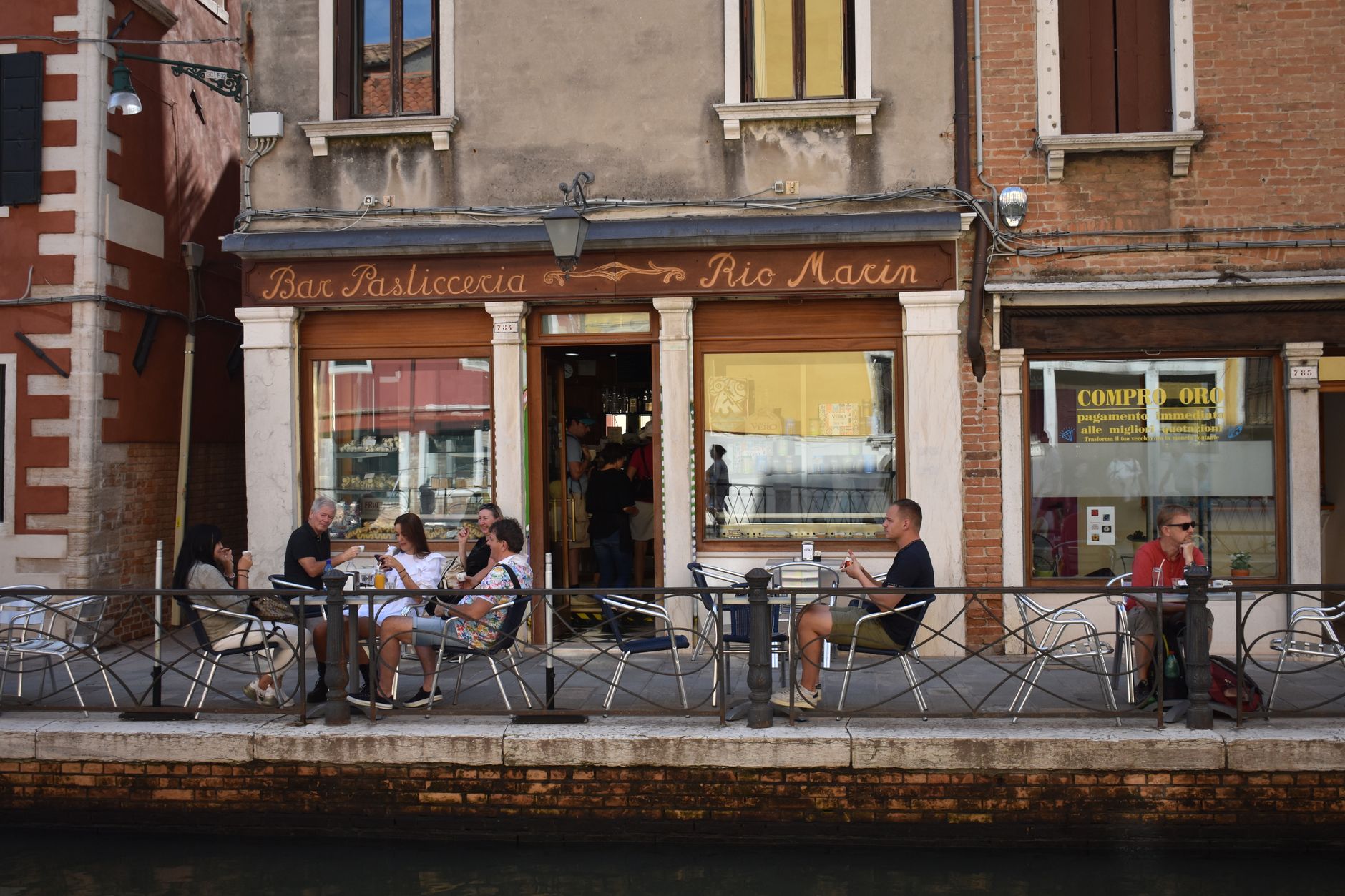
Neighbourhood character makes a practical difference. San Marco is closest to major sights but floods faster and carries the highest prices. Cannaregio contains the Jewish Ghetto and more local bàcari along Fondamenta Misericordia with lower dinner prices. Dorsoduro offers galleries (Peggy Guggenheim, Punta della Dogana) and quieter evenings. Mestre and Fusina are practical stay alternatives: train to Venezia Santa Lucia takes 10–12 minutes from Mestre; hotel rates in Mestre can be 40–60% cheaper than central island hotels in high season.
Transit quirks: ACTV operates vaporetto lines (Line 1 along the Grand Canal, Line 2 faster service with fewer stops, routes to Murano and Lido), and Alilaguna runs airport boat lines (blue/orange/red) from Marco Polo. Buy tickets at automated machines, tabacchi or via the AVM/ACTV apps and validate before boarding. Parking at Tronchetto or Garage San Marco runs around €25–€35/day in high season; many travelers park at Mestre and take the train to save money.
How to Choose Well
Decide by trade-off: cost versus convenience, weather tolerance, and festival interest. For lowest walking time to landmarks and willingness to pay, choose San Marco—expect hotel rates of roughly €200–€400/night in July and €120–€220 in shoulder months. For better value and local feel, choose Cannaregio or Dorsoduro—many mid-range hotels and apartments in these sestieri run €80–€160/night in April/May and September.
Transport choice trade-offs: rely on walking plus occasional vaporetto Line 1 for Grand Canal views if staying central; buy a 48-hour ACTV pass if planning multiple rides and museum visits. For arrival logistics, Alilaguna (€15 one-way) is cheapest direct boat from Marco Polo; a shared or private water taxi costs €100–€140 to central vaporetto stops but saves 30–60 minutes and door-to-door luggage handling. Staying in Mestre saves money on accommodation but adds a 10–15 minute train leg and early-morning vaporetto considerations for dawn light over the canals.
Festival decisions: if attending Carnival, book at least three months ahead and accept higher rates; if Biennale weekend attendance is important, reserve exhibition tickets early and expect higher hotel prices around late May to early June and on public holiday weekends.

Responsible and Local-First Tips
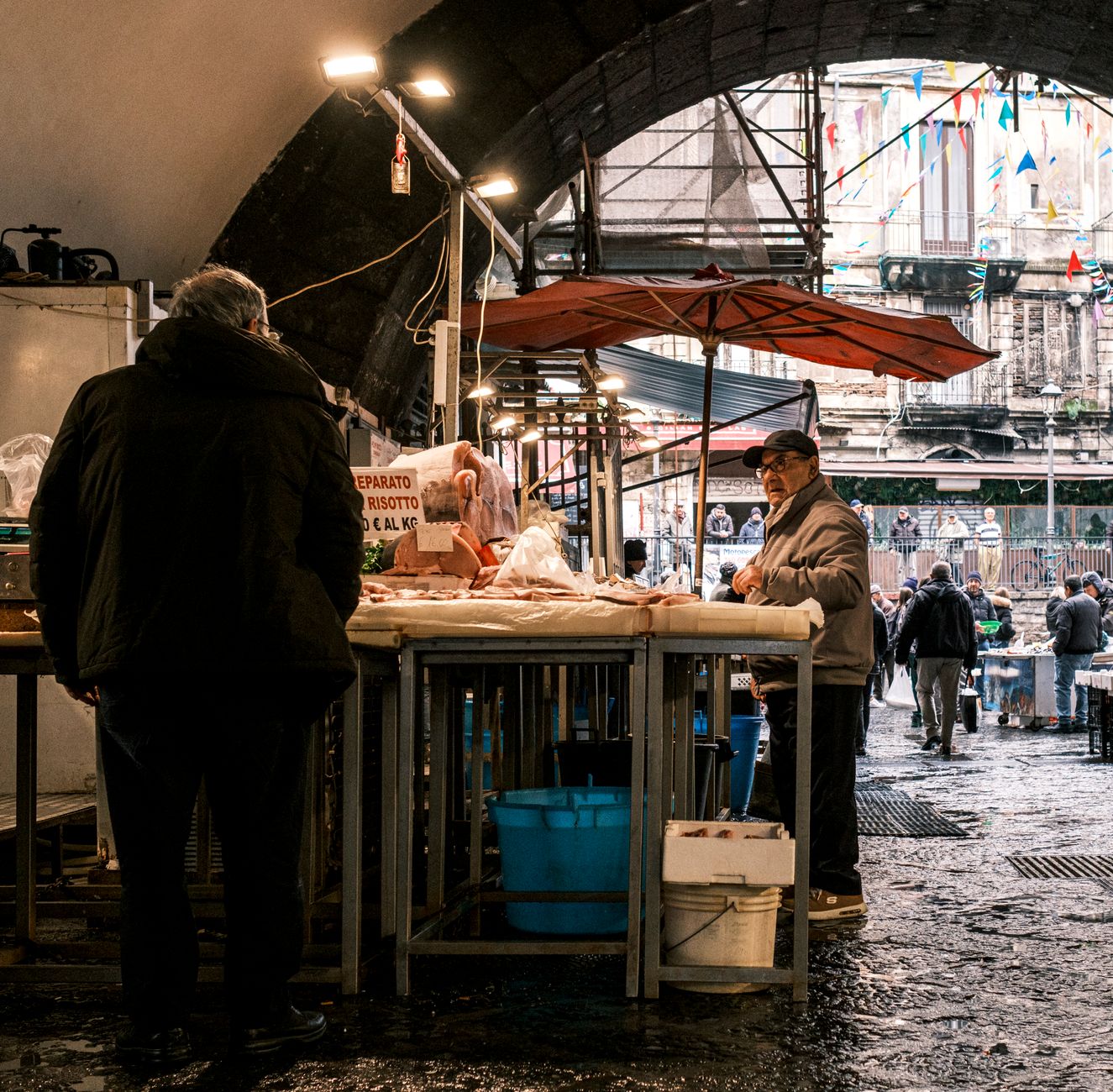
Support local businesses and reduce impact by choosing neighbourhood eateries and markets. Buy cicchetti at Cantina Do Mori or All'Arco rather than eating along Riva degli Schiavoni where prices and waste increase. Purchase fresh fish at Rialto Market early morning and eat it that day at a local trattoria like Trattoria Antiche Carampane.
Choose public transport where possible: use ACTV vaporetto or Alilaguna instead of private water taxis for most transfers. When visiting Murano, buy glass directly from a workshop such as La Bottega del Vetro or coordinated studios listed by the Consorzio, and avoid buying cheap, mass-produced 'Murano' glass from souvenir stalls. Conserve water and avoid heavy luggage that forces greater reliance on water taxis and delivery trips. Finally, avoid feeding birds in Piazza San Marco (fines can apply) and follow posted rules at churches and museums.
Common Mistakes to Avoid
Three frequent errors cause the most frustration and extra cost.
– Underestimating transport costs: Buying several single ACTV tickets (≈ €8 each) for Grand Canal crossings quickly becomes more expensive than a 48- or 72-hour pass. Check the ACTV or Venezia Unica tariffs and validate tickets on boarding.
– Booking the wrong neighbourhood for trip goals: Choosing San Marco for lower walking time ignores the premium rates and the fact that many good restaurants and cicchetti bars are in Cannaregio or Dorsoduro. If the plan includes evening strolls along quiet canals, Cannaregio or Dorsoduro are better choices.
– Ignoring high-tide forecasts: Planning major outdoor-only days in late October–November without waterproof footwear or an alternative indoor plan leads to closed paths or long detours. Consult the Comune tide forecasts and carry lightweight waterproof boots or disposable overboots purchased near Rialto.
FAQ
When is the cheapest month to visit Venezia?
November, January and early March generally have the lowest hotel rates; avoid Carnival weeks in February and Film Festival weeks in late August/early September.
How much does a vaporetto ride cost?
A single ACTV vaporetto ticket is about €8 for 75 minutes; if planning multiple trips, buy a 24/48/72-hour pass or Venezia Unica options to save money.
Do flights arrive directly into Venice island or is transfer needed?
Marco Polo airport requires a boat (Alilaguna ≈ €15 one-way) or water taxi (~€100–€140) to reach central stops; Treviso airport uses bus + train via Mestre.
Is acqua alta common and how to prepare?
Acqua alta peaks in October–November and sometimes December; bring waterproof boots or buy disposable overboots near Rialto and check the tide forecast on the Comune di Venezia website before arrival.
Are there months when restaurants and shops close?
Mid-August around Ferragosto sees some local shops and restaurants closing for holidays, especially in residential sestieri; tourist-oriented venues generally remain open but may be crowded.
Is it smart to stay in Mestre to save money?
Staying in Mestre can cut accommodation cost by 30–60% in high season, with a 10–15 minute train to Venezia Santa Lucia; choose this if comfortable adding a short transit leg each day.
When are the biggest festivals that affect prices?
Carnival (February), Biennale (late May–November weekends) and Venice Film Festival (late August–early September) all raise hotel and flight prices in affected weeks.
Conclusion
The single most important thing to remember: pick dates based on which trade-off matters most—avoidance of crowds and better prices (April–May, September) versus guaranteed festival atmosphere at specific costs (Carnival or Film Festival). For most 3-day itineraries the best compromise is April–May or September: walkable weather, manageable vaporetto use and easier restaurant reservations. Use the main 3-day Venezia itinerary as a next step to slot preferred days and times for Rialto Market, a Grand Canal vaporetto ride on Line 1, and a twilight stroll through Cannaregio.
How this guide was prepared
This guide was prepared through a structured research that combines destination research, geographic context, itinerary planning logic, and content review.