

Introduction
Geneva is compact, international, and easy to explore in three days. First-time visitors can cover the lakefront, the Old Town, major museums, and a few distinct neighborhoods without rushing too much. The city sits at the southwestern tip of Lake Geneva, with the Rhône flowing out of the lake and Mont Blanc visible on clear days. What makes Geneva interesting is the contrast between diplomatic institutions, elegant waterfront promenades, historic streets around St. Pierre Cathedral, and local districts like Carouge and Pâquis.
This itinerary is designed for a first visit and balances the essentials with enough local detail to make the trip feel grounded in the city rather than just a checklist of landmarks.
Quick Planning Tips

Geneva is expensive, so book accommodation early, especially in summer and during major conferences. Staying near Cornavin station, the Old Town, or Eaux-Vives makes sightseeing much easier.
The city is very walkable, but trams, buses, and lake boats save time. Many hotels provide a free Geneva Transport Card for local public transport, which is especially useful for reaching the United Nations area, Carouge, and museums outside the center.
For the best weather and lakefront atmosphere, late spring to early autumn is ideal. In winter, museums and indoor sights become more important, though the Old Town and lakeside are still worth visiting.
Bring comfortable shoes for cobbled streets in Vieille Ville and sloping lanes around the cathedral. If the sky is clear, prioritize viewpoints early because Mont Blanc views can disappear later in the day.
Day 1 Itinerary

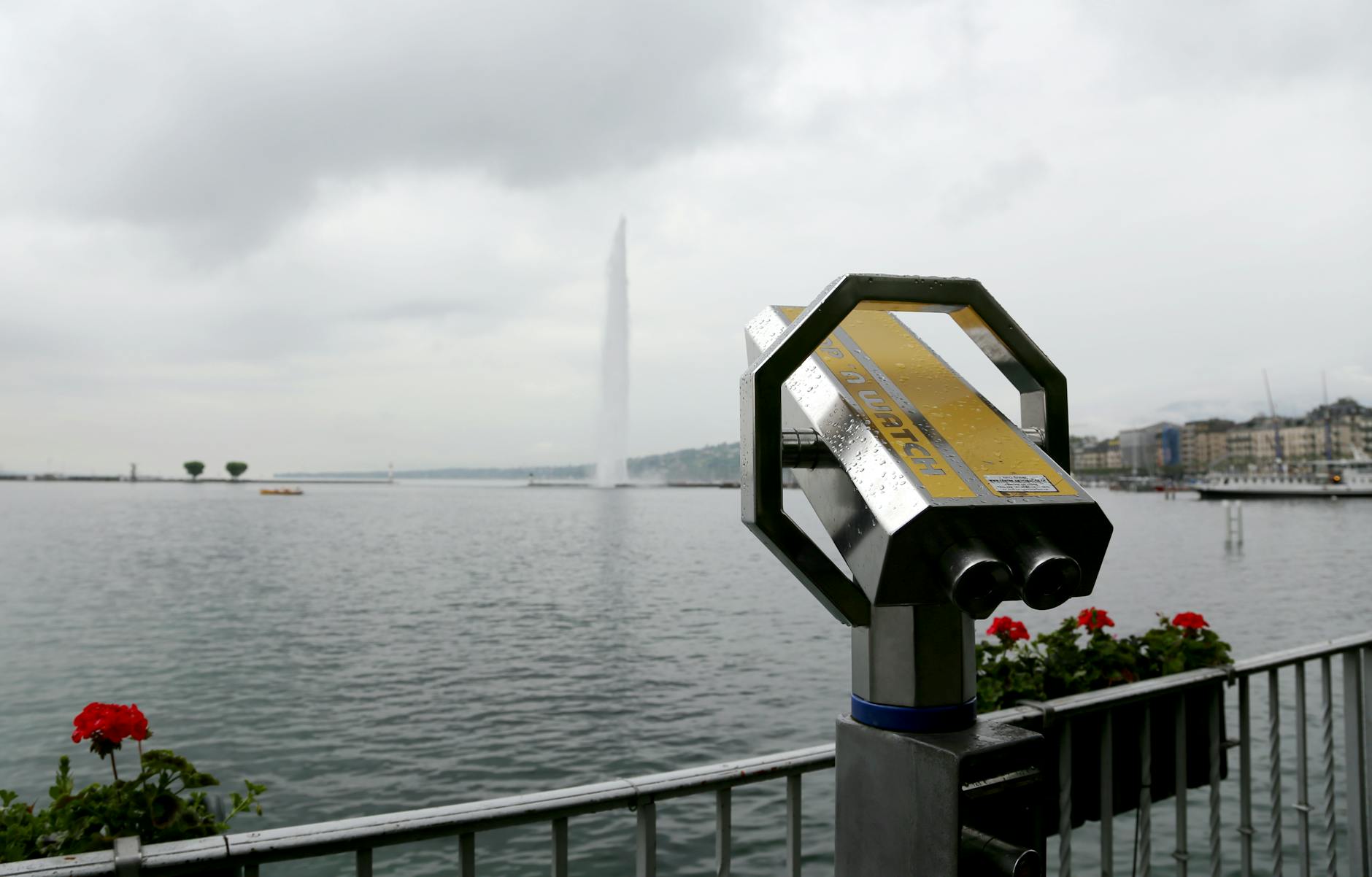
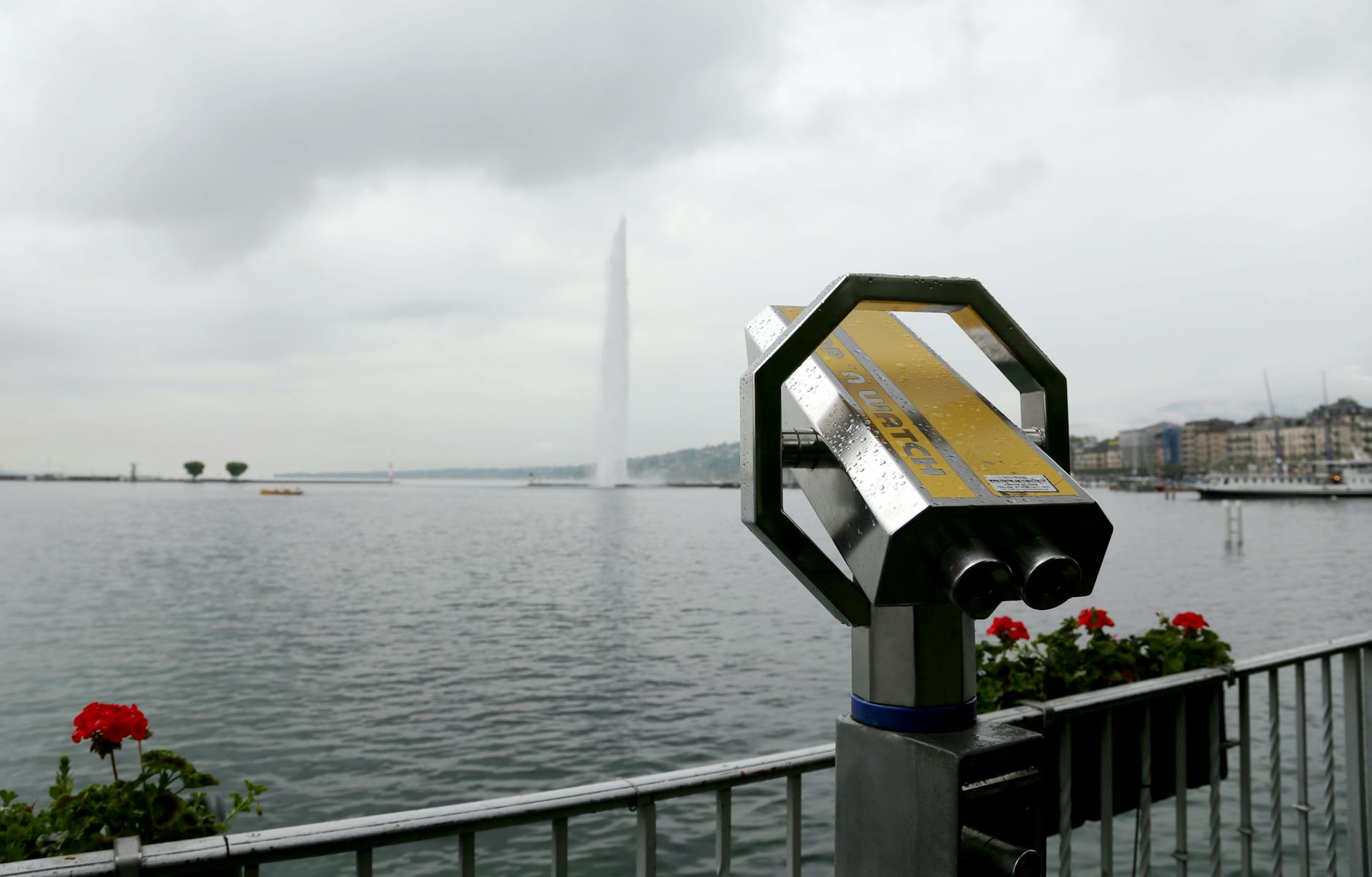
Start with Geneva’s lakeside core. Begin at Jardin Anglais to see the Flower Clock, then walk along Quai du Général-Guisan and the edge of Rade de Genève. This gives you an immediate feel for the city’s waterfront setting. From the shore, you will have clear views of the Jet d’Eau, Geneva’s best-known landmark. If operating, take the short walk out on the pier near the fountain for a closer look and photos back toward the city.
Continue by crossing Pont du Mont-Blanc, one of the city’s main bridges, for broad views over the lake, the Jet d’Eau, and, on clear days, the Alps. From here, head into the Old Town, climbing toward Place du Bourg-de-Four, one of Geneva’s oldest squares. This is a good area for a coffee break before visiting St. Pierre Cathedral. Go inside, and if you are comfortable with stairs, climb the tower for one of the best views over the rooftops, the lake, and the surrounding hills.
After the cathedral, spend time walking the Vieille Ville streets around Rue de l’Hôtel-de-Ville, Maison Tavel, and the Treille Promenade. Maison Tavel is useful for first-time visitors because it gives context to Geneva’s urban history. Nearby, the Cannons and benches on Promenade de la Treille offer a quieter pause than the lakefront. The Reformation Wall in Parc des Bastions is a short walk downhill and is one of the city’s most important historic monuments.
In the afternoon, visit either the Musée d’Art et d’Histoire or the Patek Philippe Museum. Choose the first if you want a broader introduction to art, archaeology, and local history. Choose the second if you are interested in Swiss watchmaking and decorative craftsmanship. Both are strong, but the Patek Philippe Museum feels especially specific to Geneva’s identity.
End the day in Pâquis. Walk along the lakefront at Quai du Mont-Blanc, then have dinner in the neighborhood’s lively streets. Pâquis is more casual and varied than the luxury hotel zone nearby. If the weather is warm, Bains des Pâquis is one of the best evening stops in the city, with lake views, a simple local atmosphere, and a very different feel from the formal center.
Day 2 Itinerary

Dedicate your second day to International Geneva and the right bank beyond the central lakefront. Start at the Palais des Nations area in Ariana Park. Even if you do not take a full guided visit, the grounds and nearby monuments help explain Geneva’s global role. Do not miss the Broken Chair sculpture at Place des Nations, directly in front of the UN complex. It is one of the city’s most recognizable modern landmarks.
From here, walk to the Musée Ariana, known for ceramics and glass, set in a grand building near Parc de l’Ariana. It is a manageable museum and fits well with the diplomatic district. If you want another major museum nearby, the International Red Cross and Red Crescent Museum is one of Geneva’s strongest modern museums. It is thoughtful, immersive, and closely tied to the city’s humanitarian identity.
After lunch, head to the Conservatory and Botanical Garden of Geneva. This is a practical contrast to the institutional morning. The gardens are spacious, easy to visit, and pleasant for a relaxed walk, especially in good weather. Nearby lakefront paths in the Sécheron area are also good for quieter views away from the busiest central promenade.
Later in the afternoon, return toward the center and explore Rue du Rhône and the nearby shopping streets if you want to see Geneva’s luxury side, then continue into Les Bergues and the Rhône riverbanks. A walk along the Rhône from Pont de la Machine toward Île Rousseau is simple but rewarding. This part of the city feels different from the open lake, with calmer water and strong urban views.
For the evening, consider a short lake cruise departing from the central quays if weather allows. It helps you understand Geneva’s layout from the water and gives a wider perspective on the Jet d’Eau, the lakefront hotels, and the hills beyond. If you prefer staying on land, sunset from the promenade between Jardin Anglais and Quai Wilson is a good alternative.
Day 3 Itinerary
Spend your final day in neighborhoods beyond the classic postcard circuit. Start in Carouge, just south of the center. Take the tram there in the morning when the streets are quieter. Carouge has a distinct character shaped by Sardinian planning, with low-rise buildings, small squares, artisan shops, and a more local rhythm than central Geneva. Walk around Place du Marché, Rue Saint-Joseph, and the side streets lined with workshops, cafés, and independent boutiques.
If your timing matches market days, the market in Carouge is worth a stop for produce, flowers, and local atmosphere. Even without the market, this district gives first-time visitors a clearer sense of everyday life in Geneva beyond international institutions and luxury shopping. Have lunch here before returning toward the center.
In the afternoon, choose one of two directions depending on your interests. For science and family-friendly exhibits, visit the Museum of the History of Science in Parc de la Perle du Lac, then continue through the park for excellent lakeside views. This area combines greenery, elegant villas, and one of the prettiest waterfront walks in Geneva. For art and modern culture, head instead to the MAMCO area in the Quartier des Bains district. This part of town is more contemporary and less formal, with galleries and a different urban atmosphere.
If you did not visit Parc des Bastions properly on Day 1, use this final afternoon to revisit the center and slow down. Walk from Plainpalais toward the university quarter, then back up into the Old Town through smaller streets. This is a good time for any missed sights such as the archaeological site under St. Pierre Cathedral or Maison Tavel.
Finish your trip with a final scenic walk. Good options are Bains des Pâquis at dusk, the promenade near Perle du Lac, or the quays facing the Jet d’Eau. If the weather is clear, this is the moment to simply stand by the lake and take in the skyline of church towers, bridges, and distant mountains that makes Geneva feel much larger than it is.
Where to Stay

Cornavin and Pâquis suit visitors who want convenience. Staying near Genève-Cornavin station makes arrival simple and gives quick tram, train, and airport access. Pâquis is useful for restaurants, Bains des Pâquis, and easy walks to the lakefront and Jet d’Eau. It suits travelers who want practical transport and more casual dining choices.
Old Town and the lower center suit travelers who want atmosphere and walkable sightseeing. Around Vieille Ville, Place du Bourg-de-Four, and the streets leading down to Bel-Air, you are close to St. Pierre Cathedral, Parc des Bastions, museums, and river walks. This area works best for people who want historic surroundings and do not mind hills and cobblestones.
Eaux-Vives and nearby lakefront areas suit travelers who want a calmer base. This side of the city gives easy access to Parc La Grange, the lakeside, and residential streets with a more local feel. It is a good option for couples, repeat café stops, and quieter evenings while still staying connected to the center.
Best Experiences
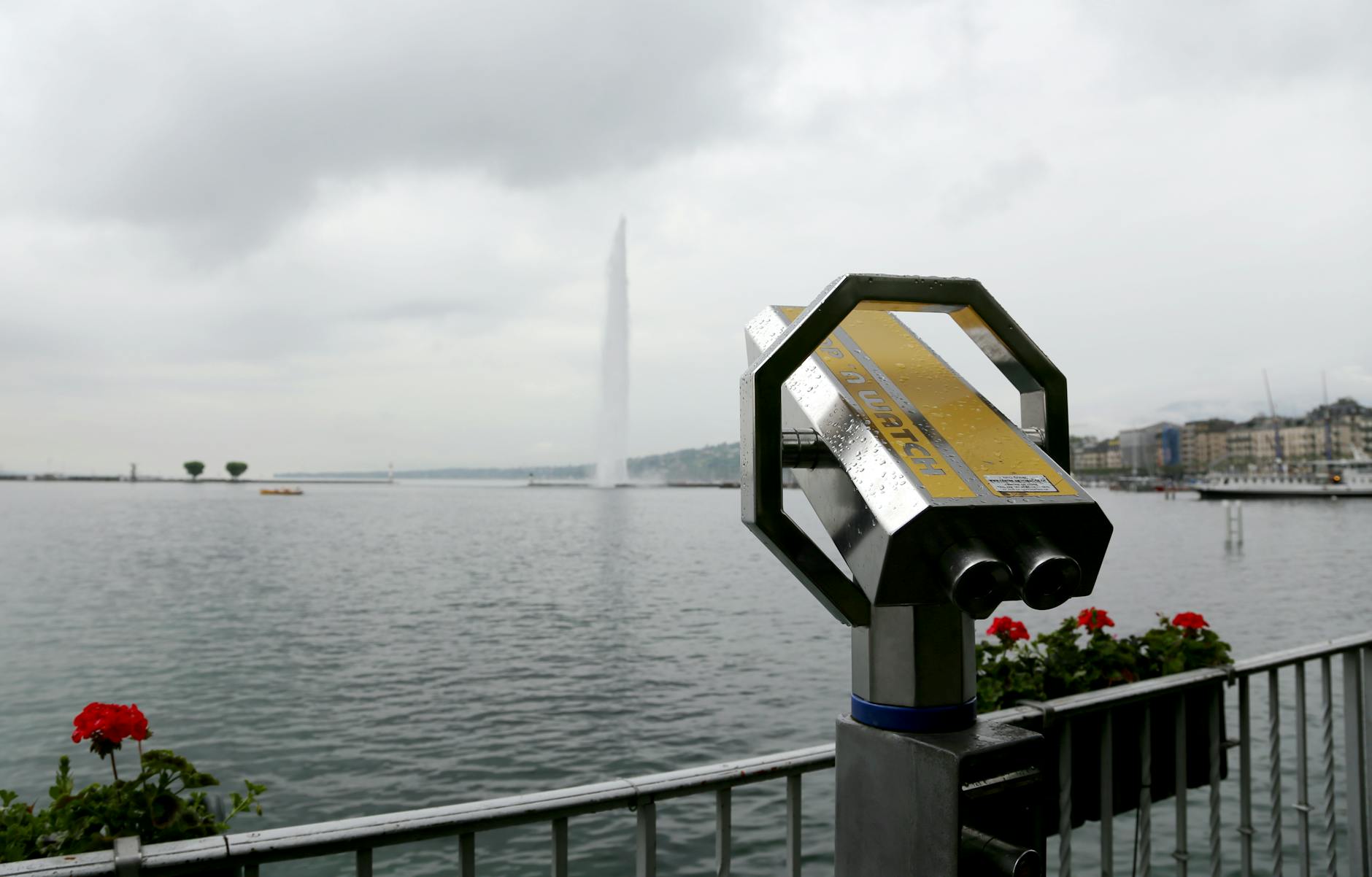
Watching the Jet d’Eau from multiple angles, especially from Jardin Anglais, Pont du Mont-Blanc, and the lakeside paths near Eaux-Vives.
Climbing St. Pierre Cathedral for a compact but memorable view over the Old Town, the lake, and the surrounding mountains.
Exploring the Old Town from Place du Bourg-de-Four to Promenade de la Treille and Parc des Bastions, which gives the clearest sense of Geneva’s history.
Spending an evening at Bains des Pâquis for lake views, a relaxed local atmosphere, and one of the city’s most distinctive public spaces.
Taking a short lake cruise or mouette boat ride to see the waterfront, bridges, and diplomatic district from the water.
How to Get Around
Central Geneva is easy to cover on foot. The lakefront, Old Town, shopping streets, and riverbanks are close together, though the climb into Vieille Ville is steep in parts.
For longer distances, use trams and buses run by TPG. They are the easiest way to reach Carouge, the Palais des Nations, Plainpalais, and residential districts. If your hotel provides a Geneva Transport Card, use it fully.
The yellow mouette boats are not just scenic; they are practical for crossing the lake between points such as Pâquis and the south shore. They can save walking time and give good views at the same time.
Taxis are available but costly. If you are arriving at the airport, trains to Genève-Cornavin are quick and usually more efficient than a taxi into the center.
Typical Budget
Geneva is one of the pricier city breaks in Europe, so expect high accommodation and dining costs. Budget travelers can save by staying near Cornavin, using supermarket lunches, and focusing on parks, promenades, churches, and neighborhood walks alongside one or two paid museums.
A mid-range trip usually works best if you mix public transport, museum visits, simple cafés in Pâquis or Carouge, and one nicer meal by the lake or in the Old Town. This gives a good experience without constantly paying premium prices.
For a higher-end stay, Geneva offers luxury lakeside hotels, fine dining, private lake cruises, and shopping around Rue du Rhône. The city handles upscale travel very well, but it is still worth keeping time for simple pleasures like Bains des Pâquis, Parc des Bastions, and Perle du Lac.
FAQ
Is 3 days enough for Geneva
Yes. Three days is enough for first-time visitors to see the Old Town, Jet d’Eau, lakefront, international district, key museums, and one or two local neighborhoods like Carouge or Eaux-Vives without rushing too much.
What is the best area to stay in Geneva for sightseeing
For convenience, stay near Cornavin or Pâquis. For historic atmosphere, choose the Old Town or lower center. For a quieter local feel near the lake, Eaux-Vives is a good choice.
Do I need a car in Geneva
No. A car is unnecessary for this itinerary. Geneva is compact, public transport is efficient, and parking is expensive. Walking, trams, buses, and mouette boats are enough for most visitors.
What should I not miss on a first trip to Geneva
Do not skip the Jet d’Eau, St. Pierre Cathedral, Place du Bourg-de-Four, Parc des Bastions, Bains des Pâquis, and either the Palais des Nations area or the International Red Cross and Red Crescent Museum. These places best capture Geneva’s mix of history, lakefront scenery, and international identity.