

Getting Around Prague — Practical Transport Guide
How to move efficiently and sustainably around Prague: public transport tickets, airport transfers, trams, metros, walking, biking, and practical tips for day trips to Plzen, Karlovy Vary, Brno, Ostrava and Vienna.
Use Prague Integrated Transport (PID): trams, metro (A/B/C), and buses all accept the same tickets. For a short visit, a 72-hour pass is usually the simplest for a 3-day stay. Walk the Old Town, Malá Strana and Castle area; ride trams to Letná, Holešovice and Vyšehrad. Take bus 119 + metro A from Václav Havel Airport or the Airport Express / taxi options if you have lots of luggage. For day trips, trains and intercity buses connect to Plzen, Karlovy Vary, Brno, Ostrava and Vienna—book busy routes ahead.
This page gives practical, low-impact advice for moving around Prague so you can get the most from a 3-day itinerary and sensible day trips to nearby cities. Focus is on reliable public transport (PID), walking-friendly neighborhoods, and smart options for airport and train-station transfers. Expect cobbled streets, short uphill walks to Hradčany (Prague Castle), and frequent trams that are both a transit network and part of local life. For deeper sightseeing choices see the companion 3 days in Prague guide and the linked pages for Plzen, Karlovy Vary, Brno, Ostrava, and Vienna.
What This Page Helps You Decide
This page helps you choose the transport setup that fits a short Prague stay and low-impact day trips:
- Whether a 24/48/72-hour PID pass or single tickets make sense for your 3-day plan.
- Which neighborhood to base yourself in to reduce transit time: Old Town or Malá Strana for walking, Vinohrady or Žižkov for local cafés and tram access.
- Best airport transfer when traveling light vs with luggage (bus+metro vs Airport Express or ride-hail).
- How to reach nearby cities (train vs bus) and when to buy tickets in advance.
It’s written to complement the 3 days in Prague itinerary with concrete transport choices and local tips.
Top Recommendations
Arrival and first steps:
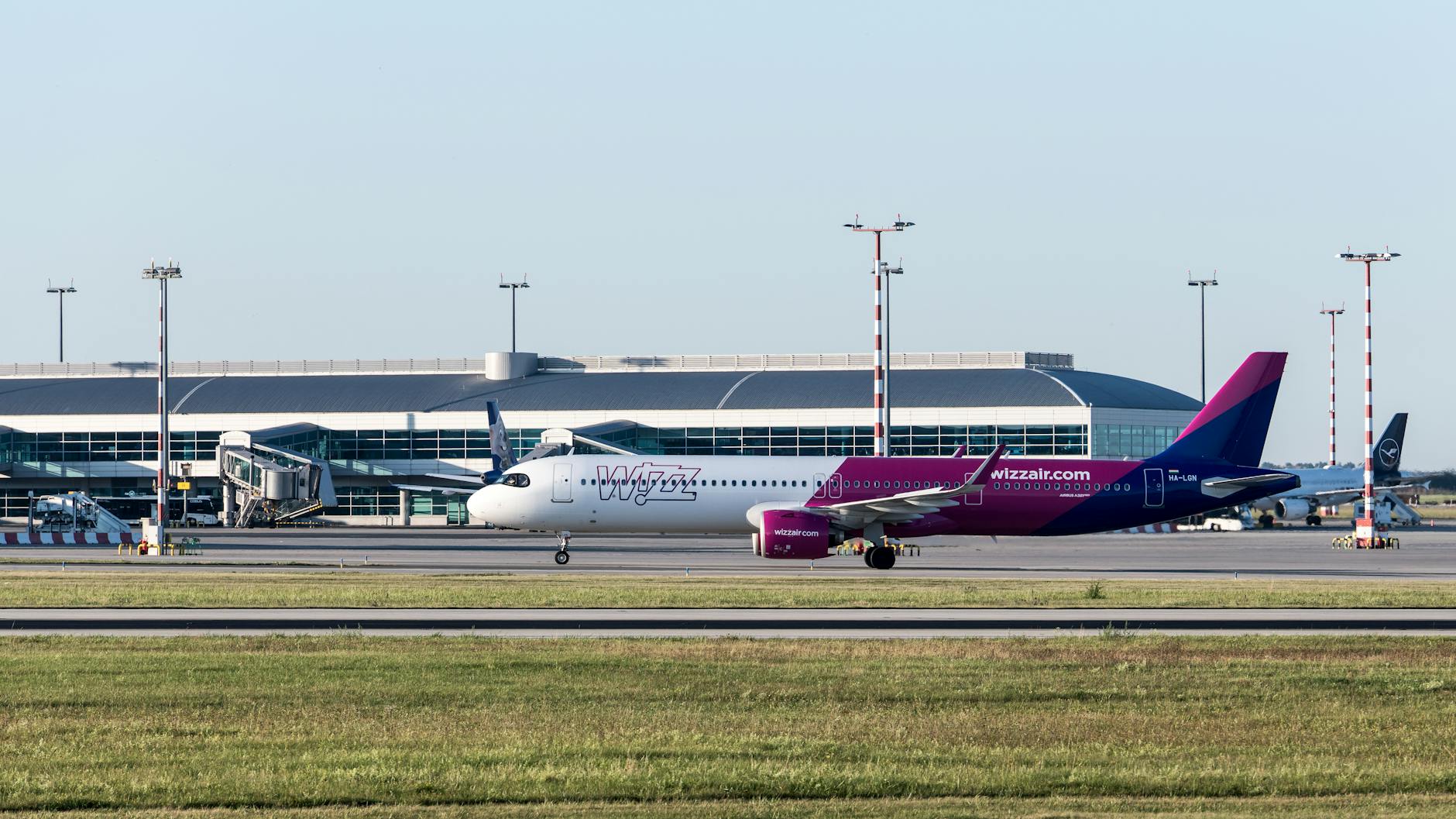
- From Václav Havel Airport: bus 119 to Nádraží Veleslavín (transfer to Metro A) for the cheapest option; Airport Express runs to Hlavní nádraží if you prefer fewer transfers. Taxis/ride-hail (Bolt, Liftago) are convenient with luggage—avoid unlicensed cars.
Tickets and fares:
- Buy PID tickets (single 30-minute or 90-minute) or 24/48/72-hour passes. Validate physical tickets in machines or use the Lítačka card or PID mobile app. A 72-hour pass often covers a standard 3-day stay with museum visits and a couple of tram rides to viewpoints.
Getting around the center:
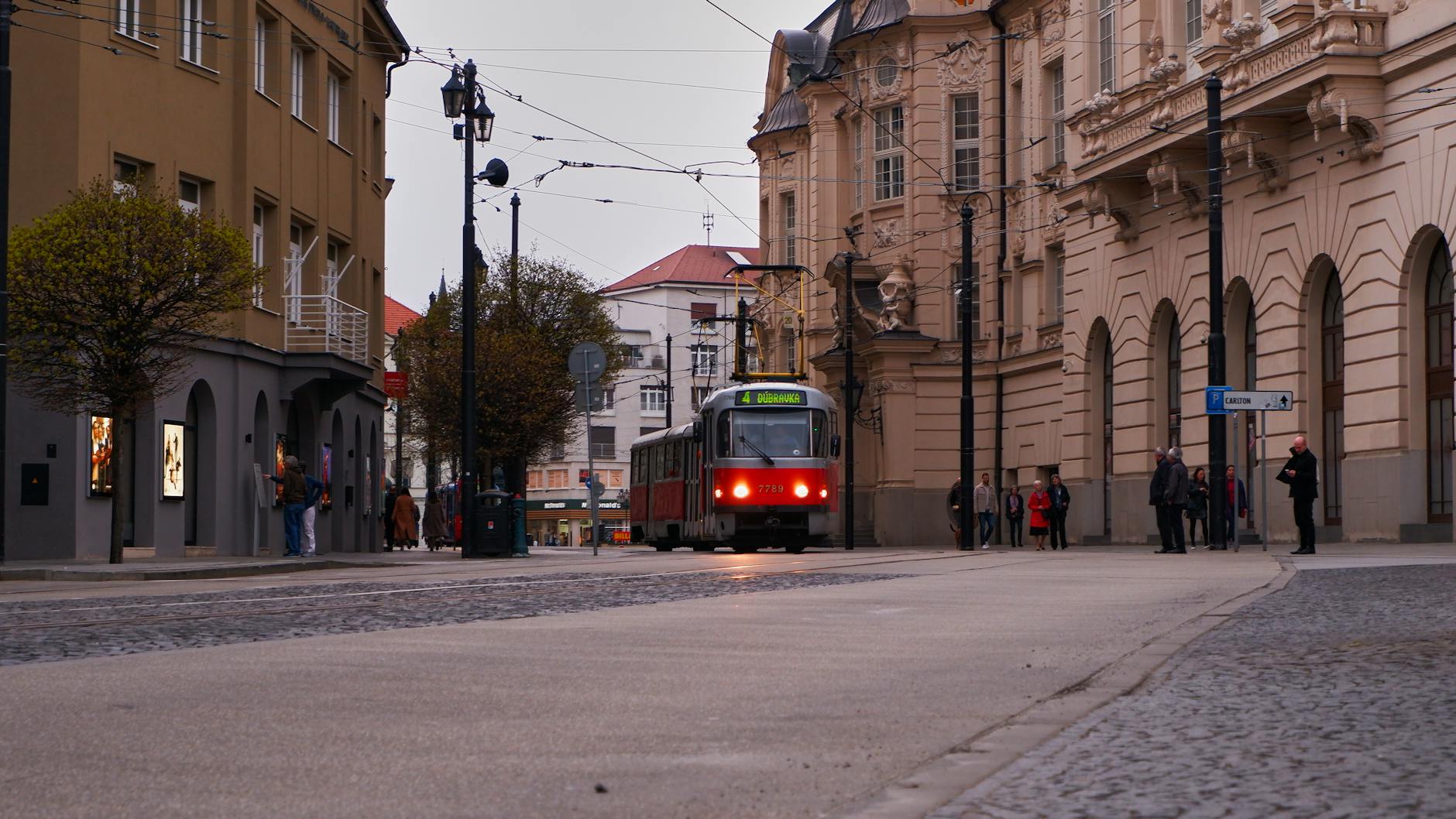
- Walk the compact Old Town, Malá Strana, and castle precincts. Use trams (lines 2, 3, 5, 17, 22) for hilltop and riverside viewpoints and metro for longer transfers across town.
Day trips and intercity travel:
- Trains from Hlavní nádraží and Holešovice serve Plzen, Brno and Ostrava; buses (RegioJet, FlixBus) often serve Karlovy Vary and Vienna. For Vienna and Brno, reserve early on popular weekends.
Practical micro-tips:
- Validate every time you board. Inspect tram maps inside cars and station maps in metro halls.
- Carry a small supply of Czech crowns for markets and smaller vendors; many places accept cards but not everywhere.
- Keep a reusable bottle and shop at Naplavka or Havelská Market to support local vendors.
Local Context
Neighborhoods and walking:
- Staré Město (Old Town) and Nové Město (New Town) are the most walkable for a first-time 3-day trip but can be crowded midday.
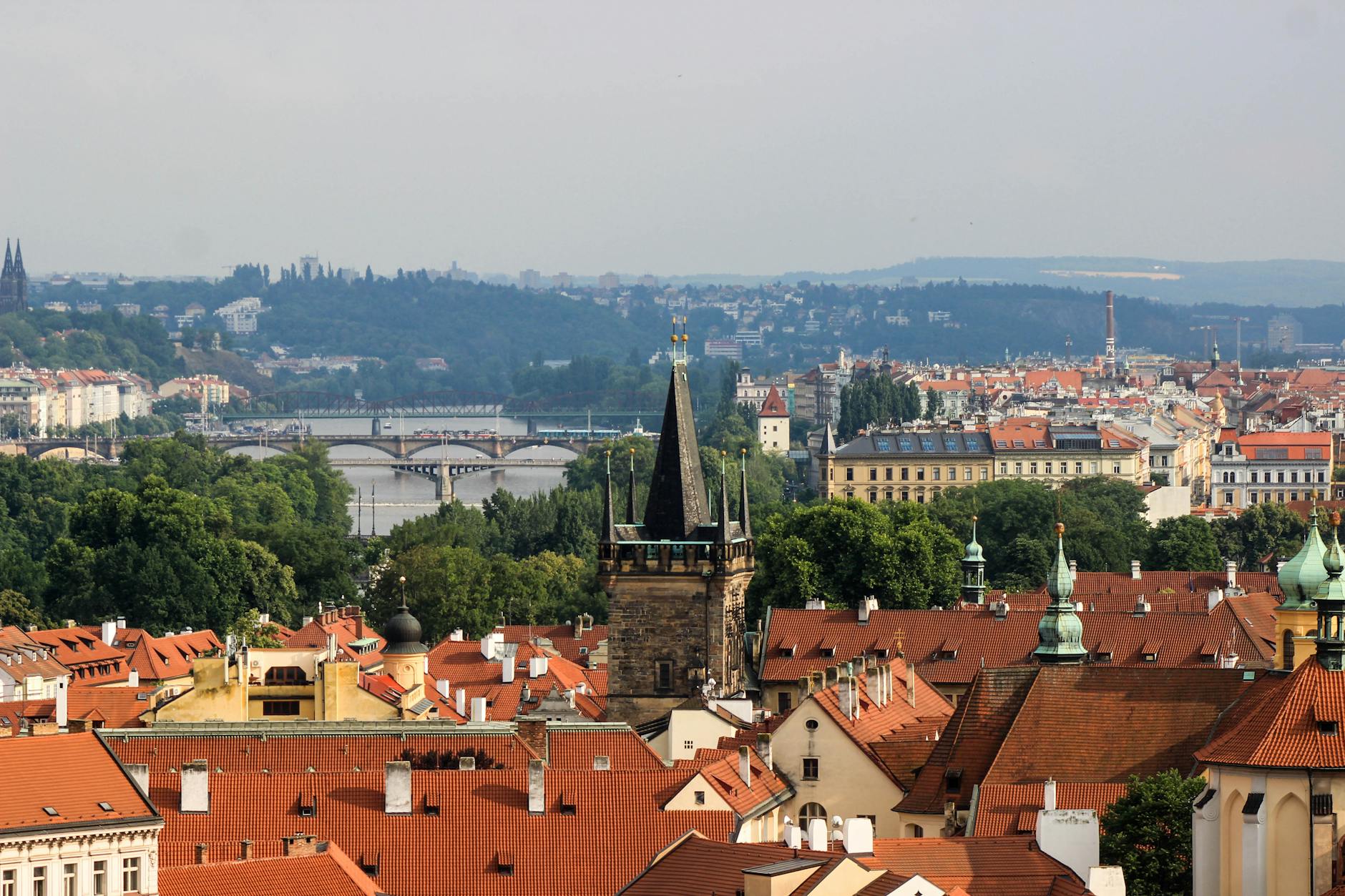
- Malá Strana and Hradčany (Castle) are uphill and scenic—allow extra time for stairs and cobbles.
- Vinohrady and Žižkov offer quieter evenings, local cafés and direct tram links into the center.
- Holešovice is a good base for museums and markets and connects well by tram and metro.
Seasonal realities:
- Shoulder seasons (April–May, Sept–Oct) offer fewer crowds and pleasant walking. Riverboats mostly run April–October.
- Winter brings ice and shorter daylight—trams run year-round but night schedules are reduced.
Local etiquette and practicalities:
- Validate tickets; inspectors fine passengers without valid fare. Queue politely at tram stops and step aside to let people off.
- Keep voices moderate on public transport; rush-hour trains are busy but orderly.
- Expect many staff and younger people to speak English; learning a few Czech phrases is appreciated by small businesses.
How to Choose Well
Decide using these practical filters:
- Time available: For a 3-day stay, buy a 72-hour PID pass and base yourself centrally so you spend time sightseeing not commuting.
- Luggage: If you have heavy bags, prefer Airport Express or a pre-booked taxi to Hlavní nádraží rather than multiple transfers.
- Mobility: Choose a hotel near a metro station or on a flat tram route if stairs and hills are difficult.
- Budget vs convenience: Single tickets are cheapest when you make just a few trips; day passes are better when sightseeing intensively.
- Sustainability: Favor walking, tram and metro over taxis for short trips; choose regional trains instead of buses when it reduces journey emissions.
Concrete scenarios:
- Short, compact stay (most 3-day itineraries): central hotel + 72-hour pass + walking.
- Day trip to Karlovy Vary or Plzen: early train or FlixBus; return late afternoon to avoid rushing.
- Vienna: book train (ČD, ÖBB) in advance for a reserved seat; buses are cheaper but slower.

Responsible and Local-First Tips
Choose low-impact options that benefit Prague’s local economy:
- Use public transit instead of taxis for inner-city trips to lower emissions and support the public system.
- Buy food at local markets (Havelská Market, Naplavka) and eat at family-run bistros rather than international chains.
- Prefer small-group licensed tours and certified guides who use local suppliers and pay local taxes.
- Refill a reusable water bottle—tap water in Prague is safe. Bring a foldable bag for market purchases.
- Avoid overcrowding quiet residential streets at night and observe local quiet hours.
- When taking intercity travel, choose direct trains where possible to reduce transfers and idle time.
Practical booking note: Always buy tickets from official providers (PID app, Lítačka, České dráhy, RegioJet, FlixBus) to ensure revenue goes to local operators and the service is guaranteed.

Common Mistakes to Avoid
- Forgetting to validate tickets — inspectors patrol frequently and fines are steep.
- Staying only in Old Town and expecting to find authentic local life — explore Vinohrady, Žižkov and Holešovice for more local cafés and lower prices.
- Relying on taxis for short city hops — tram and metro are faster and cheaper in the center.
- Not allowing time for cobbled streets and hills — schedule extra time to reach Prague Castle and viewpoints.
- Ignoring seasonal river and walking closures — check boat schedules (spring–autumn) and winter conditions for riverside paths.
- Buying intercity travel last minute for popular weekends — reserve seats for Vienna and Brno on busy dates.
FAQ
How do I get from Václav Havel Airport to the city center?
The cheapest option is bus 119 to Nádraží Veleslavín and then Metro A; Airport Express runs directly to Hlavní nádraží with fewer changes. For door-to-door with luggage, use a licensed taxi or a ride-hail app (Bolt, Liftago). Always confirm the approximate fare before boarding a driver-selected taxi.
Which ticket should I buy for a 3-day stay?
A 72-hour PID pass is usually the most convenient for a 3-day visit and covers trams, metro and buses. If you plan very few trips, use single 30- or 90-minute tickets. Use the Lítačka card or the official PID mobile app for contactless convenience.
Are Prague trams and metros safe at night?
Yes, generally safe and well-lit. Night service runs with reduced frequency—night trams and buses replace some metro lines after midnight. Keep usual precautions and avoid empty late-night streets; prefer main tram routes and stations.
Can I take a bike on public transport in Prague?
Bikes are allowed on regional trains (usually with a small fee/reservation) and some buses; they are not allowed on metro and trams during peak hours. Folding bikes are treated as luggage and easier to carry on trams and metros.
How do I get to Vienna or Brno from Prague?
Direct trains run to Brno and Vienna; book in advance for weekend travel. RegioJet and České dráhy run frequent services; FlixBus offers cheaper bus options. Trains are faster and more comfortable for luggage and offer a better sightseeing value for sustainable travelers.
Conclusion
Prague is compact and well served by an integrated public transport system that makes a 3-day itinerary straightforward and low-impact. Base yourself near a tram or metro line, validate your PID tickets, and prefer walking and trams for short journeys. Use trains for greener day trips to Plzen, Karlovy Vary, Brno, Ostrava and Vienna, and consult the main 3 days in Prague guide to match transport choices to your daily plans. Small choices—markets, local cafés, official tickets—help keep your visit responsible and beneficial to the local community.
Plan the Rest of Your Trip
This page works best alongside the main itinerary and the other planning pages for Prague.