
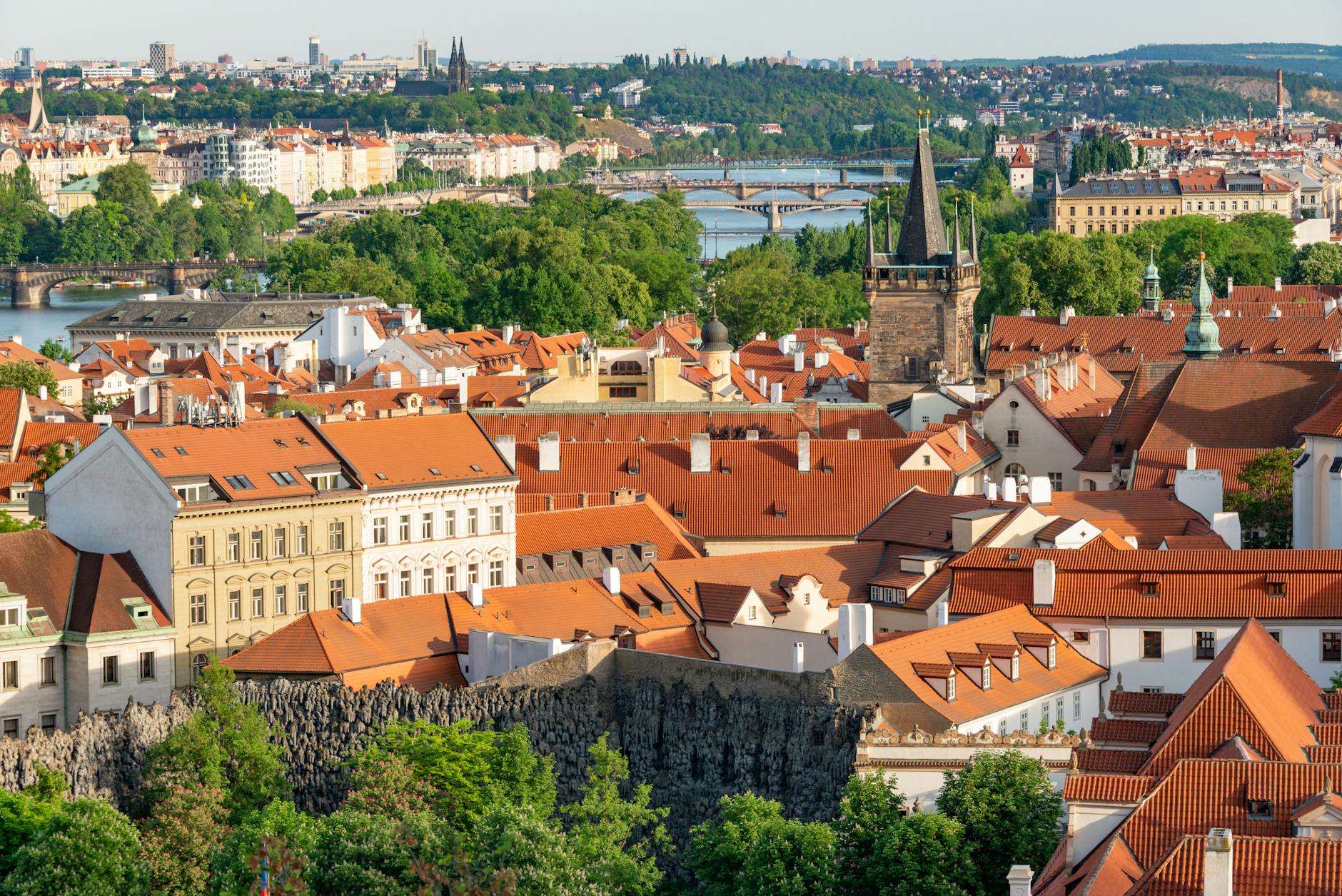
Where to Stay in Prague: Neighborhoods, Practical Tips, and Sustainable Choices
Practical guide to choosing where to stay in Prague for a 3-day visit. Neighborhood pros/cons, transport realities, local etiquette, and sustainable, low-impact options.
If you have three days and want to see Prague's highlights, stay near Old Town (Staré Město) or between Old Town and Malá Strana for the shortest walking times. For a calmer, more local experience choose Vinohrady or Žižkov (good cafés, parks, and local restaurants). If you prefer modern cafés and good public transport links for business or trains, consider Karlín. For a longer, budget-friendly stay with a creative vibe, look at Holešovice or Letná. Always check tram/metro connections and book early for shoulder seasons (Mar–Apr, Sep–Oct).
This page helps you pick the best place to sleep in Prague for a short visit—especially if you plan to follow our 3 days in Prague itinerary. It focuses on practical trade-offs: walkability vs. quiet, proximity to trains for day trips (Plzen, Karlovy Vary, Brno, Ostrava, Vienna), and choices that favor local businesses and low-impact travel. Expect honest, neighborhood-level advice, seasonal notes, and booking tips that reduce surprises on arrival.
What This Page Helps You Decide
This page is meant to help you decide:
- Which neighborhood matches your priorities: heritage, nightlife, quiet, or local life.
- How to balance walking distance with transport convenience for day trips to Plzen, Karlovy Vary, Brno, Ostrava, or Vienna.
- Whether to prioritize a central location for a short stay or choose a neighborhood with more authentic dining and lower impact.
- Practical booking checks: tram/metro proximity, luggage access on cobbles, heating/air conditioning, and cancellation/refund policies.
Use this alongside the 3 days in Prague guide for a coherent plan: pick a base that minimizes transit time on days when the itinerary is busiest and gives easy rail access for the day trips you want to take.
Top Recommendations
Neighborhood-by-neighborhood quick guide with practical fit and why you'd choose each one.
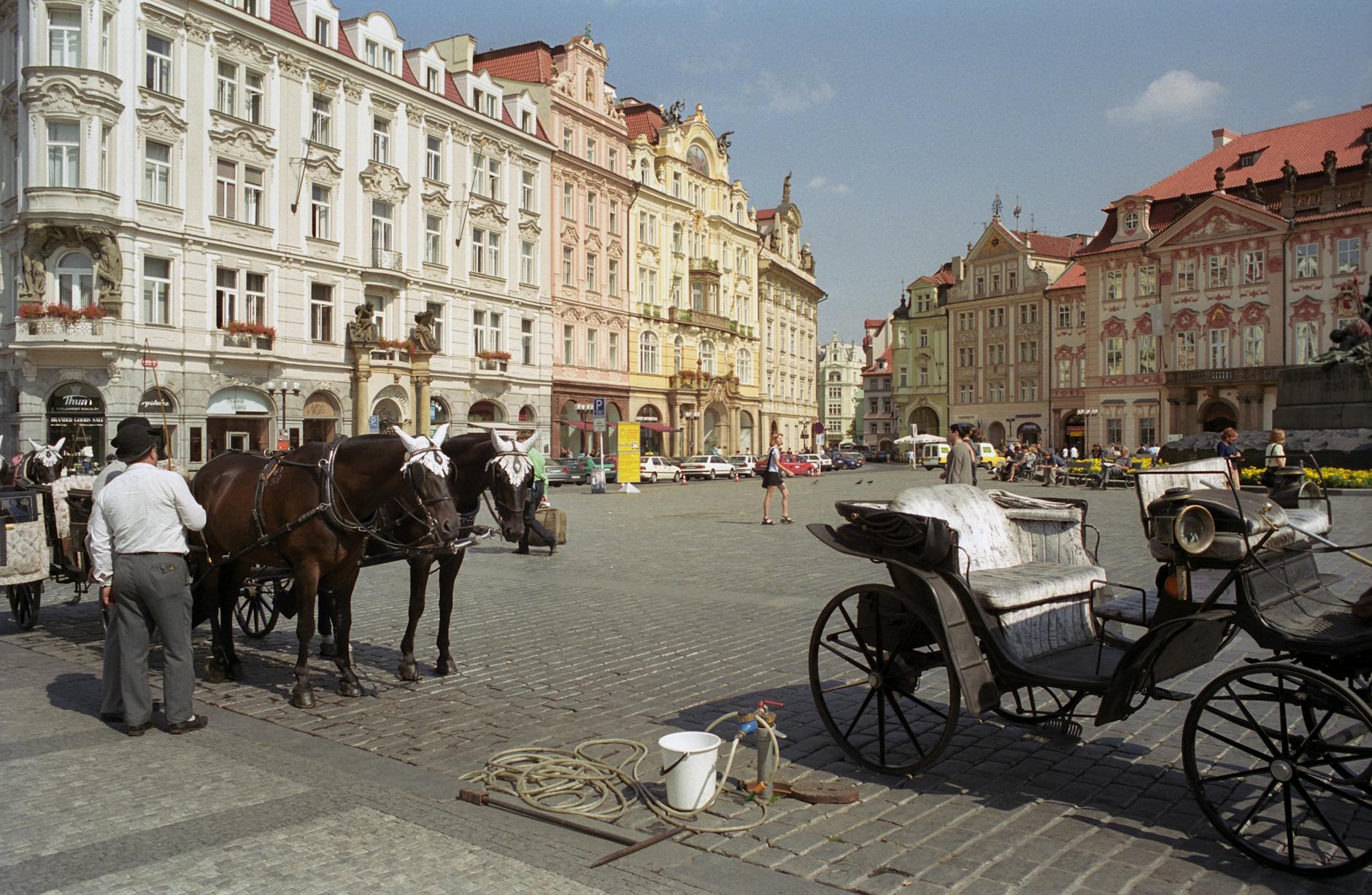
- Old Town (Staré Město) — Best for first-time visitors who want to walk to the Astronomical Clock, Old Town Square, and most museums. Expect tourist crowds and higher prices. Ideal for a 3-day stay if you want minimal transit time between sights.
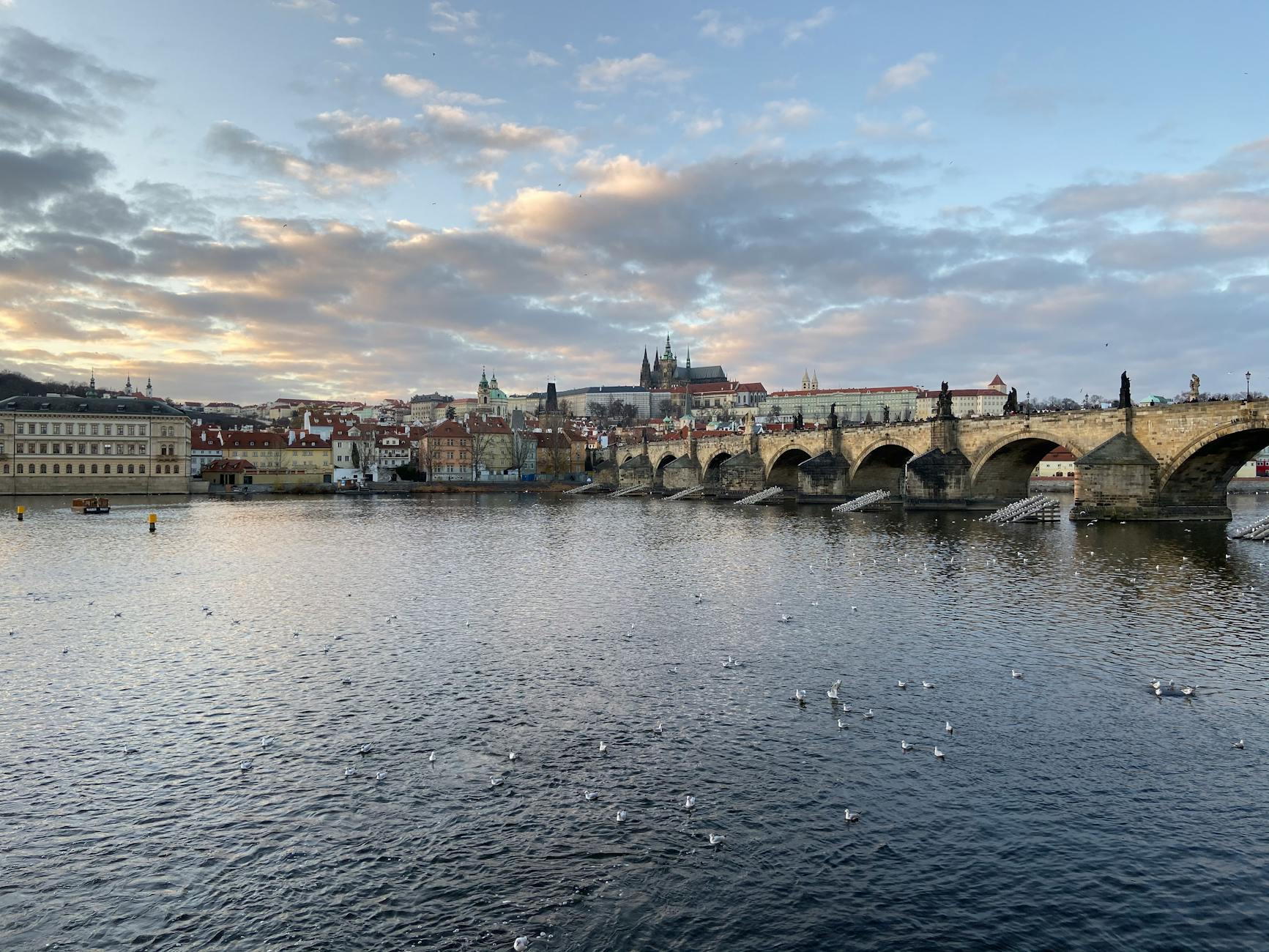
- Malá Strana & Hradčany — Close to Charles Bridge and Prague Castle. Cobblestones and steep streets mean slower walks with luggage; quieter at night if you stay off the main tourist routes. Good for romantic stays and castle access.
- Nové Město (New Town) — Centered on Wenceslas Square with many late-night options, direct tram and metro links, and easy access to the National Museum. A pragmatic choice for mixed sightseeing and shopping.
- Vinohrady — Residential, leafy, and popular with locals. Great restaurants, coffee shops, and Riegrovy Sady park. Walking distance to city center (20–30 minutes) or a short tram/metro ride. Good sustainable choice: supports neighborhood businesses.
- Žižkov — Lively, more affordable, with local pubs (hospody) and good tram links. A top pick for travelers who want nightlife without tourist markup and for longer stays.
- Karlín — Modern cafés, design hotels, and fast tram/metro access. Good for travelers arriving for work or who like reliable transport for day trips and train departures.
- Holešovice / Letná — Creative neighborhoods near museums and parks. Longer walk to Old Town (20–30 minutes) but excellent for food markets, galleries, and a calmer riverside vibe.
Practical lodging types to search for: small pensions and family-run guesthouses (local-first, often more sustainable), apartments with verified hosts for longer stays, and centrally located hotels if you prefer 24-hour reception and luggage storage.
Local Context
Seasons and crowds:
- High season: late May–August. Expect crowded landmarks and higher rates. Book months ahead for central hotels.
- Shoulder seasons: March–April and September–October—best trade-off of milder weather, fewer crowds, and lower prices.
- Winter: November–February is cold and short daylight but quieter and cheaper; check heating in older buildings.
Transport realities:
- Prague's public transport (tram, metro lines A, B, C, and buses) is efficient. Validate tickets in machines on trams or before entering the metro (inspectors do spot checks and fines apply).
- Airport transfers: take the AE airport bus + metro, direct bus 119 to Nádraží Veleslavín, or a taxi/ride app. Allow 45–60 minutes depending on traffic.
- Trains: main departures for many Czech day trips leave from Praha hlavní nádraží; check times for Plzen and Brno. Vienna trains run multiple times daily—book early for best fares.
Local etiquette and practicalities:
- Tipping: 5–10% or round up in casual places; check if service is included.
- Quiet hours: many neighborhoods observe quiet hours after 10–11pm—respect neighbours, especially in residential zones.
- Language: basic Czech greetings are appreciated; English is widely spoken in tourist and service areas.
- Respect religious sites: dress modestly where required and keep noise down during services.
How to Choose Well
Match your choice to your priorities with these practical checks:
- If you have only three days: prioritize a base within walking distance of Old Town or along a direct tram/metro line to minimize wasted transit time.
- For day trips: stay near Praha hlavní nádraží, Florenc, or tram routes that connect quickly to the main station.
- For nightlife but not noise: Vinohrady or Žižkov offer evening options without Old Town's late-night tourist bustle.
- For mobility needs: avoid steep cobbles of Malá Strana and Hradčany if you have heavy luggage or limited mobility.
Booking checklist:
- Confirm the nearest tram/metro stop and travel time to the main rail station.
- Read recent guest reviews for noise, cleanliness, and heating/AC.
- Check cancellation policy and whether the property has a local contact for issues.
- Look for small, locally owned places and eco-certifications if sustainable lodging matters to you.
Money-saving and low-impact moves:
- Travel shoulder-season for lower rates and fewer tourists.
- Prefer longer stays in one place over switching hotels frequently—less transit, lower carbon footprint.
- Bring a reusable bottle (tap water is drinkable in Prague) and use public transport day passes to simplify budgeting.
Responsible and Local-First Tips
Simple choices that help the local economy and reduce impact:
- Eat where locals eat: seek out neighborhood hospody, bakeries, and cafés in Vinohrady, Žižkov, Karlín, or Holešovice rather than tourist-run restaurants on the Old Town perimeter.
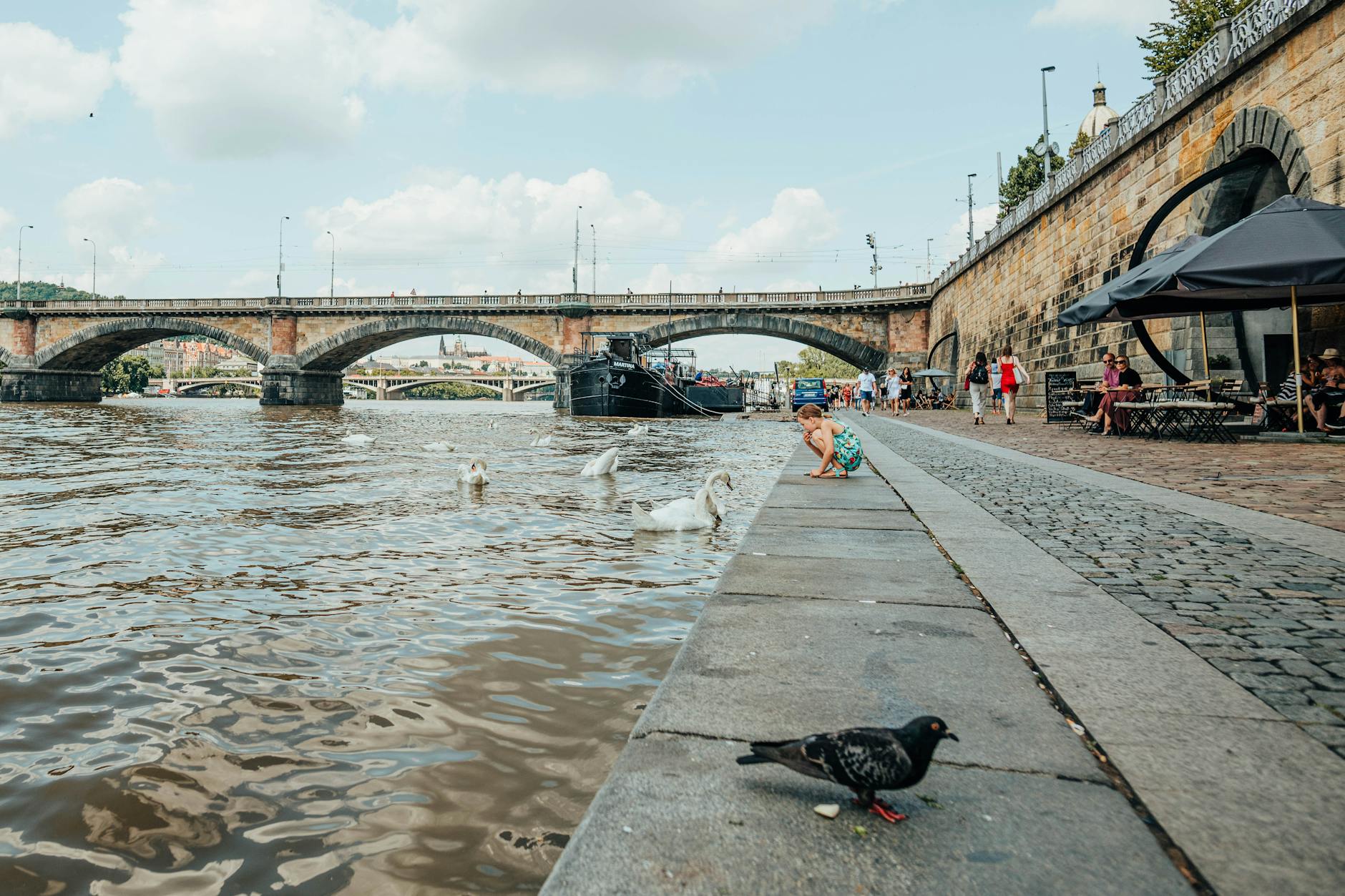
- Shop local: buy from farmers' markets (Náplavka on the river, Jiřího z Poděbrad on Saturdays) and independent shops.
- Choose guided experiences that pay local guides and avoid large coach tours that overload fragile historic streets.
- Use public transport, walk, or rent a bike for short trips; avoid short taxi rides within the centre.
- Respect conservation rules in parks and at heritage sites; follow photography rules in museums and synagogues.
- Book family-run guesthouses or small hotels—revenue stays local and owners can offer genuinely useful advice about low-impact options.
Common Mistakes to Avoid
Avoid these frequent errors when choosing where to stay:
- Picking the very center (Old Town Square) for every night: you pay more and get crowds 24/7.
- Overlooking transport to the main rail station: if you plan day trips to Plzen, Karlovy Vary, Brno, Ostrava, or Vienna, confirm rail/tram connections and travel time.
- Ignoring building realities: many historic buildings lack elevators, have narrow stairs, or vary in heating—check accessibility and luggage handling.
- Assuming AC is standard: Prague's historic buildings sometimes lack air conditioning—check if summer comfort matters to you.
- Booking private apartments without reading host rules: confirm check-in times, keys, noise policies, and cleaning fees.
- Choosing the cheapest option without local context: extreme bargains can be far from public transport or in noisy zones, costing time and stress.
FAQ
Which neighborhood is best for a 3-day first-time visit?
Old Town or the area between Old Town and Malá Strana gives the shortest walks to major sights; if you prefer quieter evenings, choose Vinohrady or Žižkov and plan one morning to reach the Old Town early.
Is Prague safe to walk around at night?
Prague is generally safe, with routine petty theft in tourist areas. Take normal precautions: watch belongings, avoid poorly lit side streets, and keep an eye on bags in crowded trams.
How do I get from Václav Havel Airport to central Prague?
Options: public bus 119 to Nádraží Veleslavín + metro A, Airport Express to Hlavní nádraží, or a licensed taxi/ride-hailing app. Allow at least 45 minutes; more during peak traffic.
Can I do day trips to Plzen, Karlovy Vary, or Vienna from Prague and still be back before dinner?
Plzen is an easy day trip by rail (about 1–1.5 hours each way). Karlovy Vary and some Vienna trains take longer—plan an early start; Vienna is feasible but expect a long day. Check train schedules and book key tickets in advance for the best fares.
Are there family-friendly neighborhoods?
Vinohrady and Dejvice are popular with families—parks, calm streets, and good tram/metro links. Many pensions and apartments offer family rooms and kitchenettes.
How do I validate public transport tickets?
Validation machines are on trams; in metro stations validate at turnstiles or kiosks. Inspectors check randomly; fines are steep if you travel without a validated ticket.
Any tips for reducing my impact while staying in Prague?
Choose locally run accommodation, eat at neighborhood restaurants, use public transport, shop at markets, and avoid single-use plastics by carrying a refillable bottle.
Conclusion
Choose a base in Prague that matches your priorities: proximity for a short 3-day itinerary, local neighborhoods for authentic dining and lower impact, or areas like Karlín for modern convenience. Pair your choice with sustainable practices—support small businesses, use public transport, and travel in shoulder season when possible. For a complete day-by-day plan that matches these neighborhood choices, see our companion 3 days in Prague guide, and consult train schedules when planning day trips to Plzen, Karlovy Vary, Brno, Ostrava, or Vienna.
Plan the Rest of Your Trip
This page works best alongside the main itinerary and the other planning pages for Prague.