

Getting Around São Paulo — Practical, Local-First Transport Guide
How to move efficiently and responsibly around São Paulo: metro, buses, CPTM, airports, ride‑hailing, cycling, intercity links to Guarulhos, Campinas, Santos and more. Practical tips, ticketing, safety and sustainable options for your 3 days in São Paulo itinerary.
Fast, local-minded advice for using São Paulo’s metro, buses, CPTM trains, airport links and bike lanes. Includes Bilhete Único tips, rush-hour realities, and low‑impact choices to support local neighborhoods during your 3 days in São Paulo.
Quick Answer
Fast, local-minded advice for using São Paulo’s metro, buses, CPTM trains, airport links and bike lanes. Includes Bilhete Único tips, rush-hour realities, and low‑impact choices to support local neighborhoods during your 3 days in São Paulo.
Who This Page Is For
This page is for travelers planning a stay in Sao Paulo who want clearer decisions about getting around, local logistics, timing, budgeting, and practical trip planning.
How This Page Was Prepared
This page was prepared through a structured editorial workflow that combines destination research, geographic context, and practical travel-planning review.
Plan the Rest of Your Trip
Use this page together with the full itinerary and the related planning pages below to make better booking, timing, transport, and budget decisions.
Best daily mobility choices:
– Use the metro + CPTM trains for fast east–west/north–south trips across central areas.
– Get a Bilhete Único card for transfers and lower cost on buses/metros/CPTM.
– Walk and use bike-share within neighborhoods like Jardins, Paulista, Vila Madalena and Liberdade.
– For Guarulhos airport, use the Airport Bus Service or CPTM Line 13 + metro transfers; taxis/ride-hail are convenient but pricier.
See the 3 days in São Paulo itinerary for suggested neighborhood order and walking routes.
This page is a compact, practical guide to getting around São Paulo while prioritizing local businesses, low-impact choices, and realistic travel times. Use it as a transport support page for the 3 days in São Paulo itinerary—how to get to neighborhoods, move between sights, and reach nearby cities like Guarulhos, Campinas and Santos with minimal fuss.
What This Page Helps You Decide
Use this page to choose:
– Which transport mode to use between two neighborhoods (metro vs bus vs ride-hail).
– How to reach GRU airport and long-distance bus terminals for day trips to Campinas, Santos or Guarujá.
– Whether to rent a car for a day trip or take the bus/train.
– Sustainable choices that keep spending local: markets, small cafés, and neighborhood services near transit hubs.
It complements the 3 days in São Paulo guide by explaining the best connections between each day’s neighborhoods.

Top Recommendations
Priority practical tips:
– Buy and use a Bilhete Único card the first time you enter a metro or bus. It enables transfers and cuts costs.
– Rely on the metro for the core: Linha 1 (blue), Linha 2 (green), Linha 3 (red) cover Paulista, Sé, and Vila Madalena area connections via transfers.
– For suburbs or the coast, use CPTM trains (regional lines) and intercity buses at Tietê or Jabaquara terminals.
– Prefer public transit, walking, and bike-share in central days to reduce costs and support local cafés and shops.
– If you take ride-hail, choose local drivers and tip small local stores afterward to balance spending with the community.
Local Context
Neighborhoods and transit realities:
– Centro (Sé, Luz, República): lots of metro/CPTM options, busy, daytime markets like Mercadão
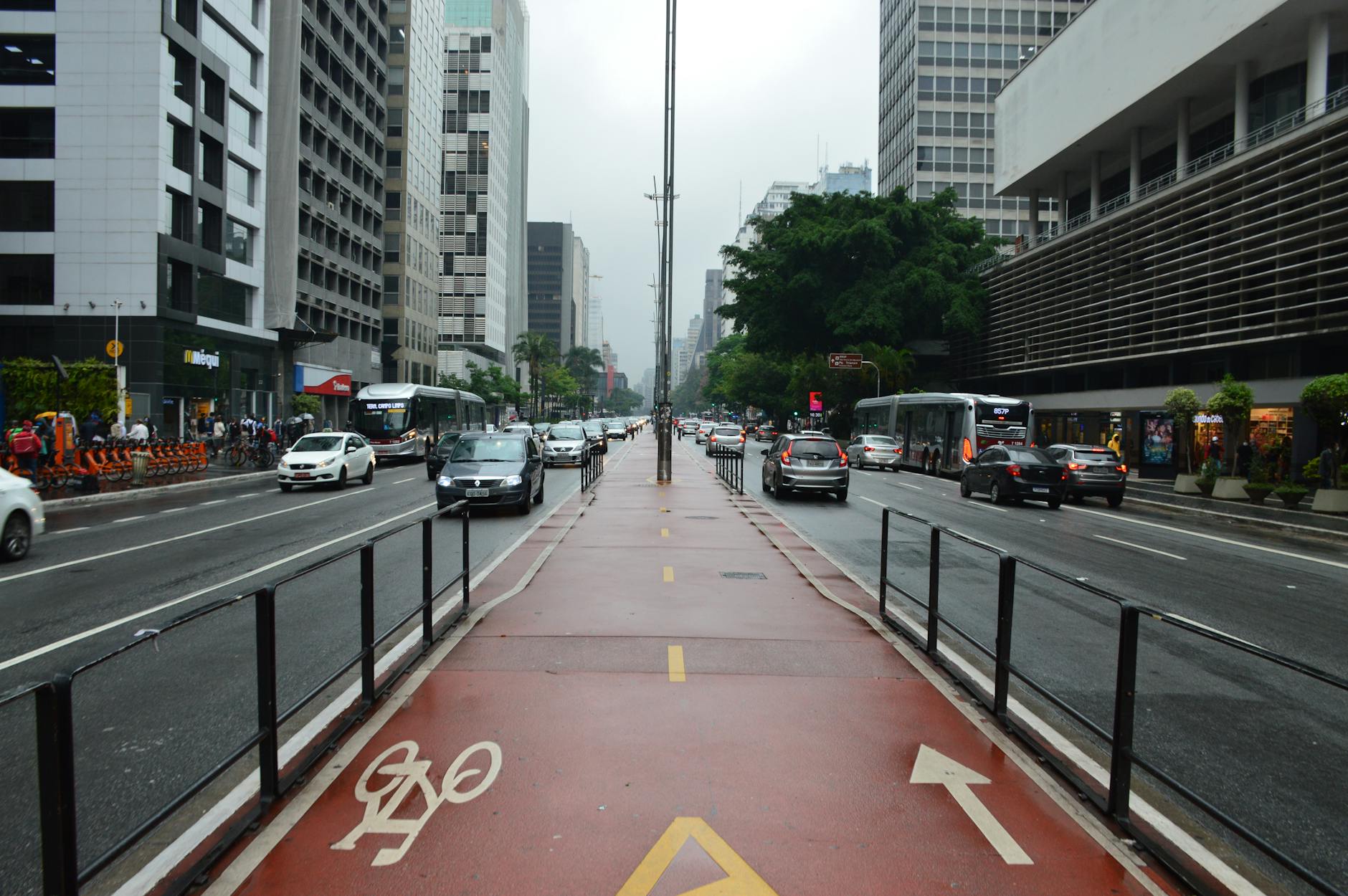
– Avenida Paulista & Jardins: bike lanes, many metro stops, good walking routes for museums and cafés
– Vila Madalena & Pinheiros: best for street art and bars; weekend cycling and pedestrian activity
– Brooklin & Vila Olímpia: business districts with heavy rush-hour traffic; plan outside peak times
– Ibirapuera Park: accessible by bus and bike, quieter mornings are best
Seasonal notes:
– Summer (Dec–Feb) is hot with afternoon storms—allow extra time for road traffic and flooded streets.
– Shoulder seasons (Mar–May, Sep–Nov) have milder weather and fewer crowds, ideal for walking and biking.
Rush-hour times:
– Weekdays roughly 6:30–9:30 and 16:30–20:00—expect slow roads and crowded trains. Plan transfers outside these windows when possible.

How to Choose Well
Decision steps for each trip:
1) Distance under 2 km: walk or bike-share—better for neighborhood economy and discovery.
2) Cross-town inside central grid: metro first (fast and climate-controlled).
3) To suburbs or airport: CPTM for cost-effective travel; Airport Bus Service or official airport taxi stands for luggage and comfort.
4) Night travel or late transfers with luggage: choose registered app-based rides (Uber, 99) or official taxi ranks at stations/airports.
Booking and timing:
– Top up Bilhete Único at stations, convenience stores and ticket machines.
– Buy intercity bus tickets to Tietê or Jabaquara online in advance during holidays and long weekends.
– Reserve Airport Bus Service seats ahead of arrival times to avoid queues at GRU.

Responsible and Local-First Tips
Practical, sustainable choices:
– Favor public transit and active travel (walk, bike) to reduce congestion and carbon impact.
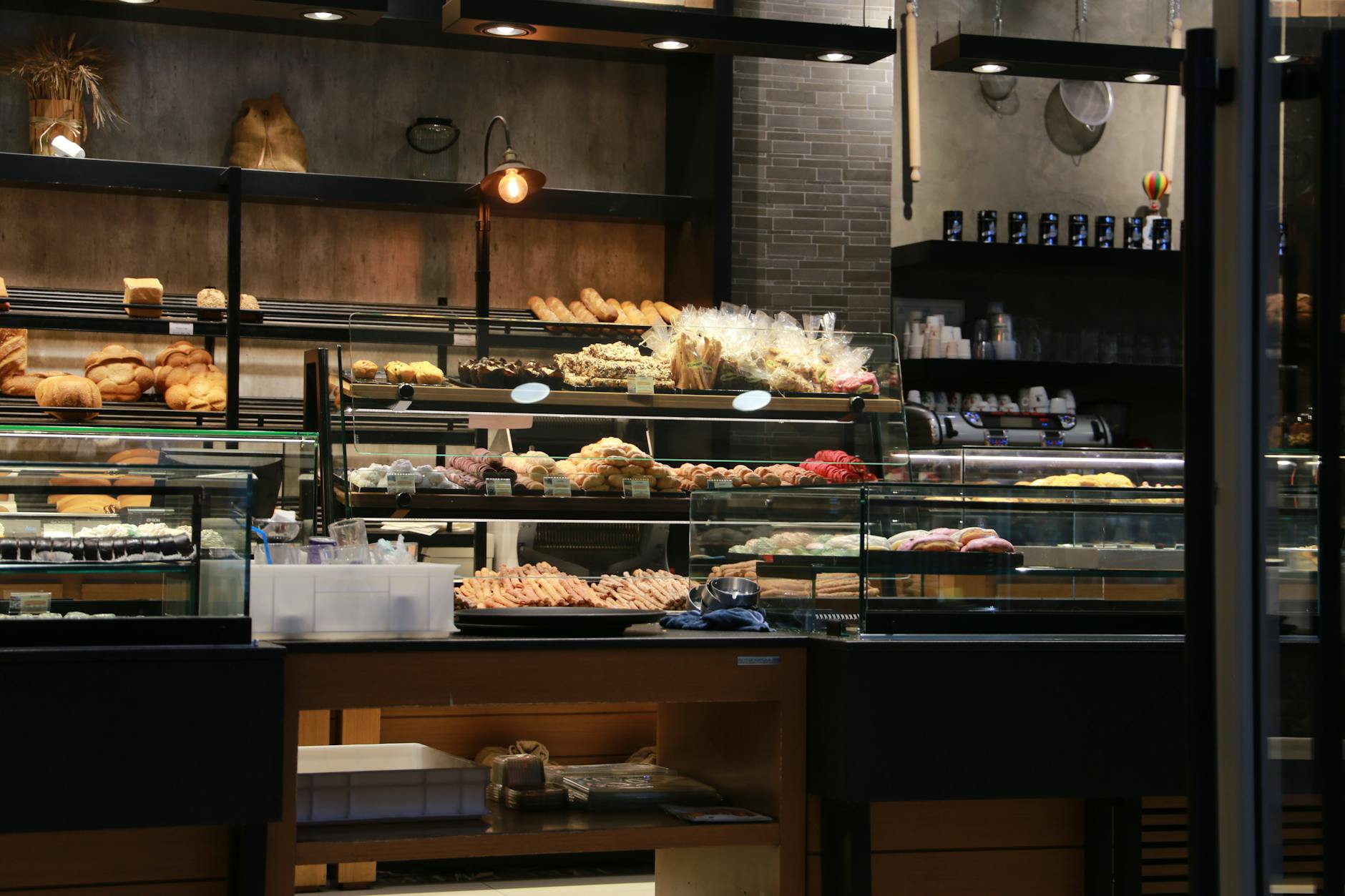
– Spend locally: choose family-run restaurants and neighborhood bakeries instead of chains, especially near transit nodes.
– Use bike-share or local bicycle rental operators in Vila Madalena, Paulista and Ibirapuera.
– When taking taxis or ride-hail, prefer local platforms and avoid unregistered drivers. Tip small amounts directly to service workers when appropriate.
– Avoid one-off long taxi rides that bypass local businesses—route your trip through neighborhood stops when practical to benefit local shops.
Common Mistakes to Avoid
Frequent errors visitors make:
– Underestimating travel time across town—São Paulo is huge and roads can be congested even for short distances.
– Assuming taxis are always faster—during rush hour the metro/CPTM is usually quicker.
– Not getting a Bilhete Único—paying single fares on buses or multiple ride-hails rapidly increases costs.
– Trying to use cash-only on some buses—many accept only card or Bilhete Único now, so carry the card or a contactless option.
– Booking tight same-day connections to airports or long-distance buses without buffers—leave at least 2–3 hours for GRU on weekdays.
FAQ
How do I get a Bilhete Único and how much does it cost?
You can buy and top up a Bilhete Único at metro stations, CPTM stations, lotéricas and some newsstands. There’s a small fee for issuing the card; fares vary by mode and transfers are discounted. Carry identity if registering for long-term ticket products.
Is the metro safe at night?
The metro is generally safe and patrolled, but stations and cars can be quieter late at night. Prefer carriages with more people, avoid empty platforms, and use app-based runs or official taxis for very late trips.
What’s the best way to get from GRU to Avenida Paulista?
Options: – Airport Bus Service direct coaches to Avenida Paulista hotels (book online in advance). – CPTM Line 13 (Aeroporto–Engenheiro Goulart) then transfer to Metro Line 12/Line 3 to reach Paulista—cheaper but needs transfers. – Licensed taxis or ride-hail for door-to-door convenience (higher cost).
Should I rent a car to visit Santos or Campinas?
For beach day-trips to Santos/Guarujá and inland trips to Campinas, intercity buses from Jabaquara or Tietê are frequent and affordable. Renting a car gives flexibility for small towns or remote beaches but consider traffic on the Anchieta/Imigrantes and parking availability in Santos.
Are there accessible stations for wheelchairs?
Many metro and CPTM stations have elevators and ramps, but not all. Check the metro/CPTM accessibility maps before planning; call ahead for assistance at specific stations if needed.
Conclusion
Plan routes around metro and CPTM lines for speed, use Bilhete Único for savings, and prefer walking or biking to explore neighborhoods sustainably. For day trips and airport transfers, combine intercity buses, CPTM and occasional ride-hail depending on luggage and comfort needs. For a ready-made plan using these connections, see the companion 3 days in São Paulo guide which links each day’s neighborhoods to specific transport steps and low-impact suggestions.
How this guide was prepared
This guide was prepared through a structured research that combines destination research, geographic context, itinerary planning logic, and content review.